
Property Types We Roof
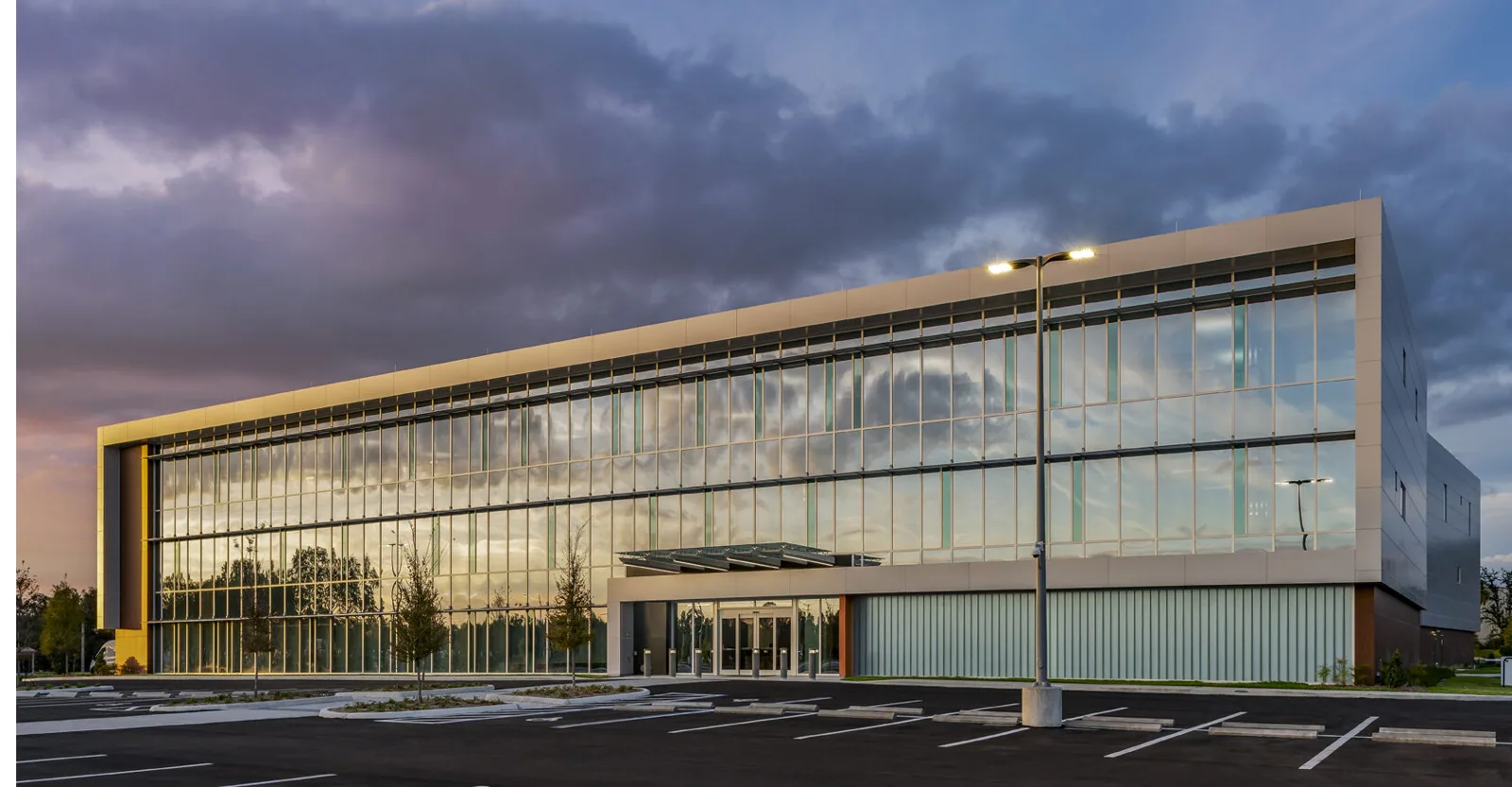
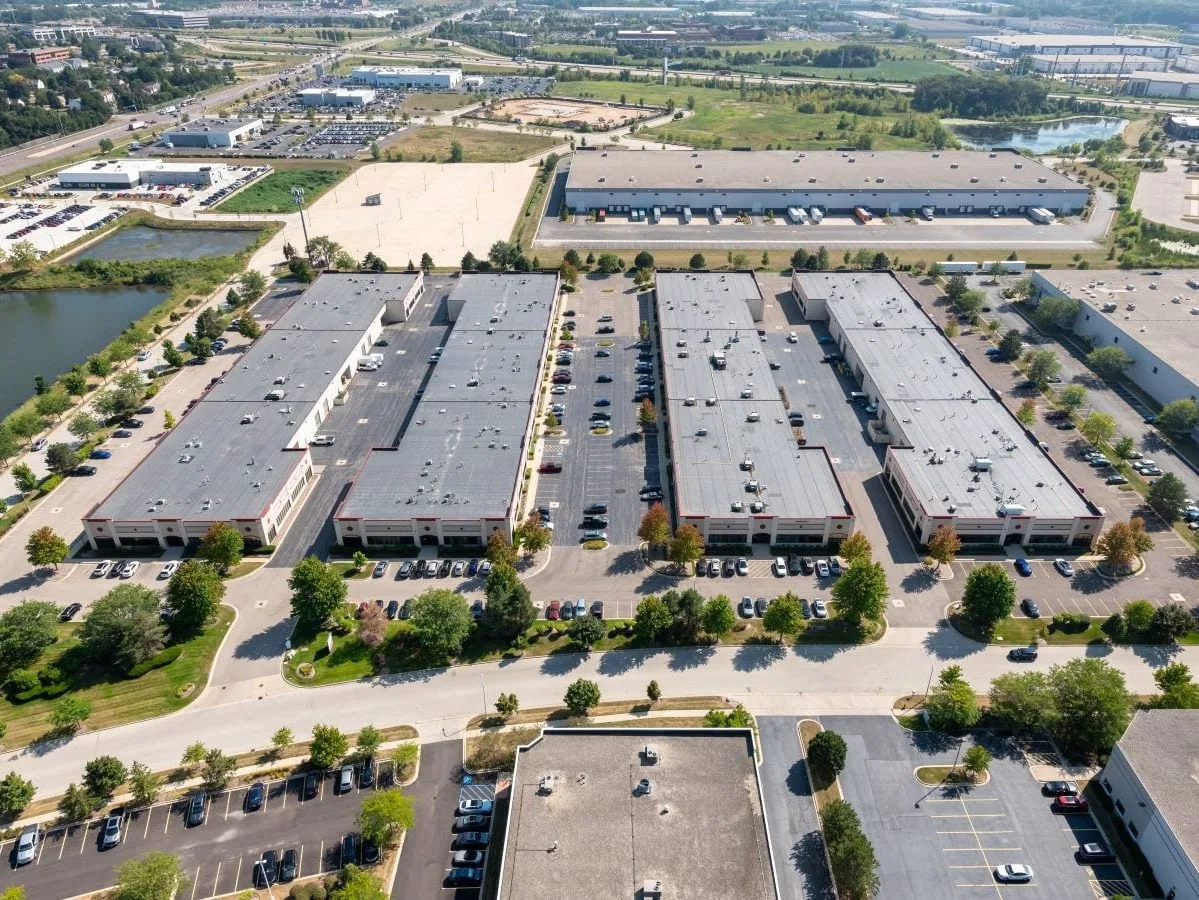
A roof over a medical suite, office, warehouse or restaurant has to serve a different operating plan below it. We begin with the building use, the address, the reported condition and the roof assembly that can be confirmed. Those details shape access, occupant protection, mechanical coordination and the choices between repair and broader work. A commercial inspection records the observed condition instead of treating property type as proof of a roof detail.
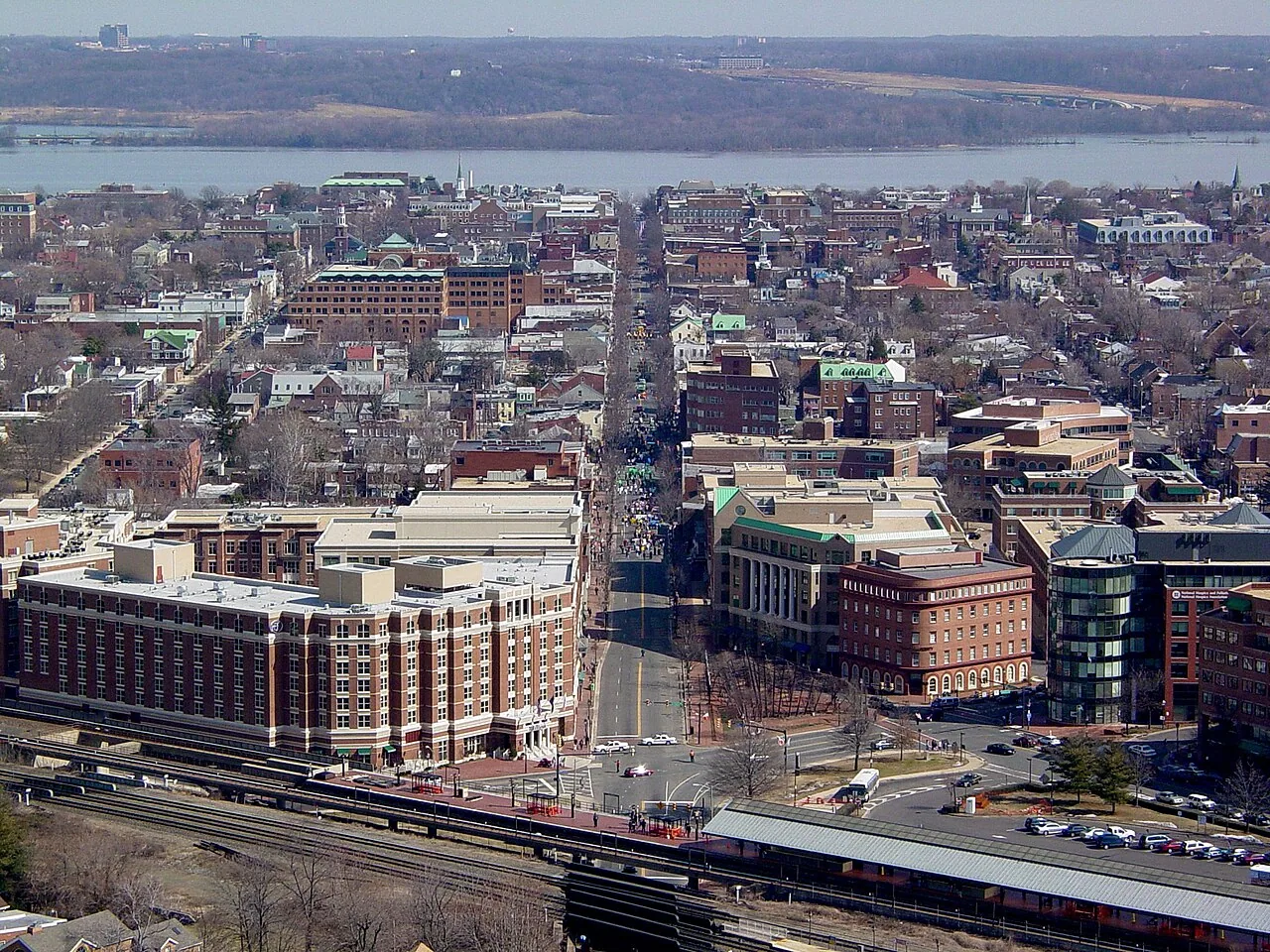
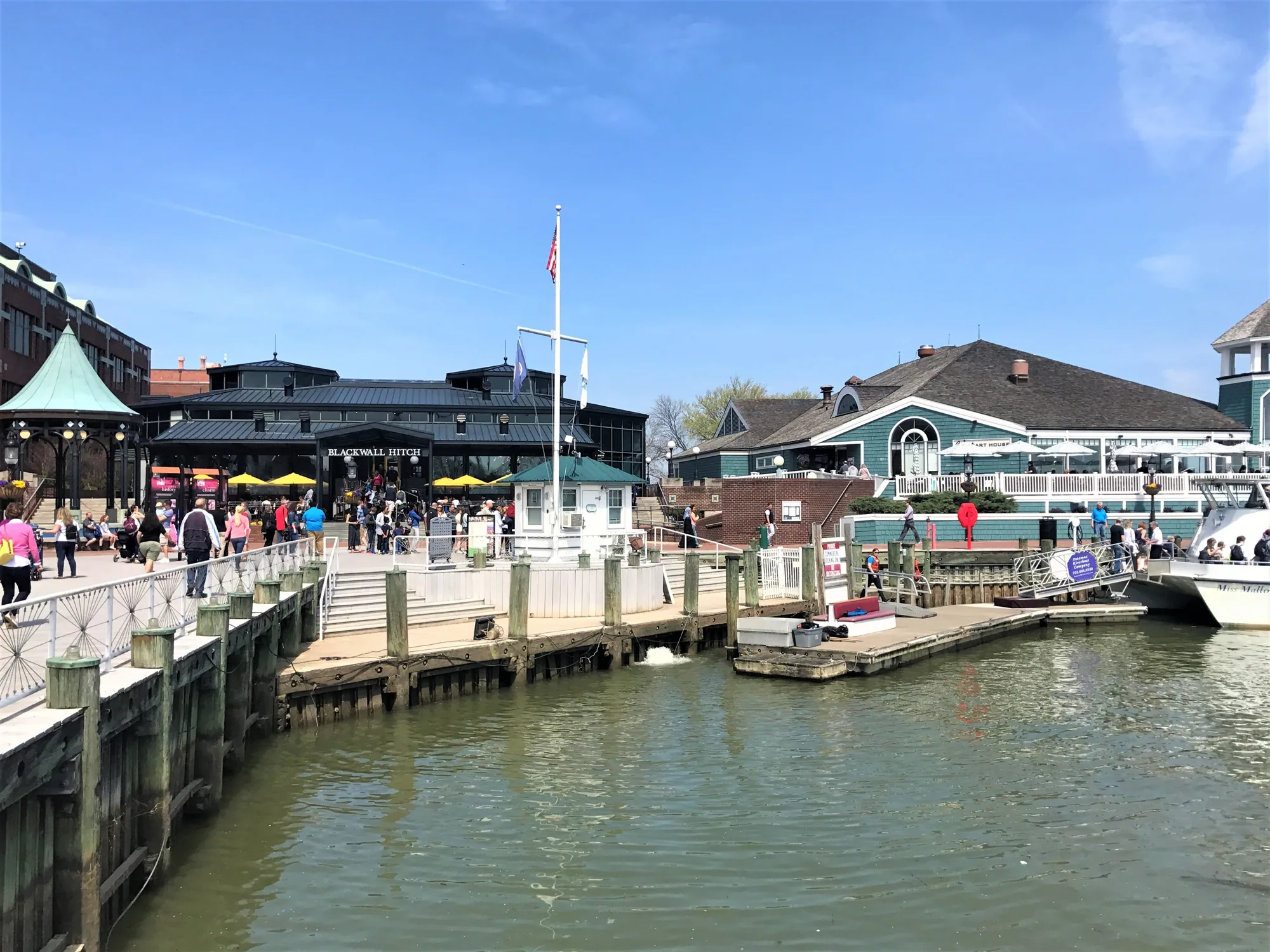
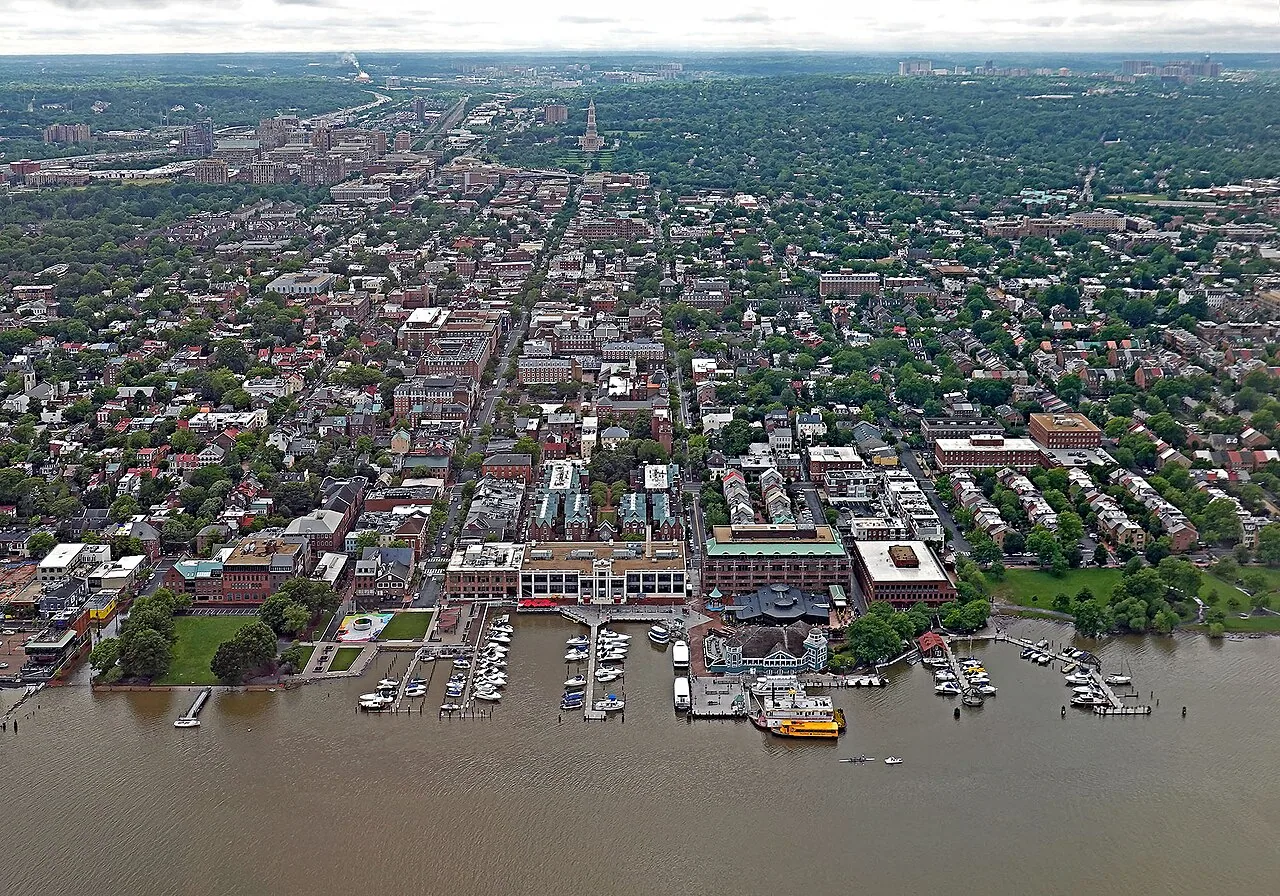
Alexandria has office and mixed-use development in Carlyle, academic and approved office development in North Potomac Yard, and commercial uses in Old Town North. These planning facts identify property contexts, not the construction or condition of any individual roof.
Match the Sequence to the Use
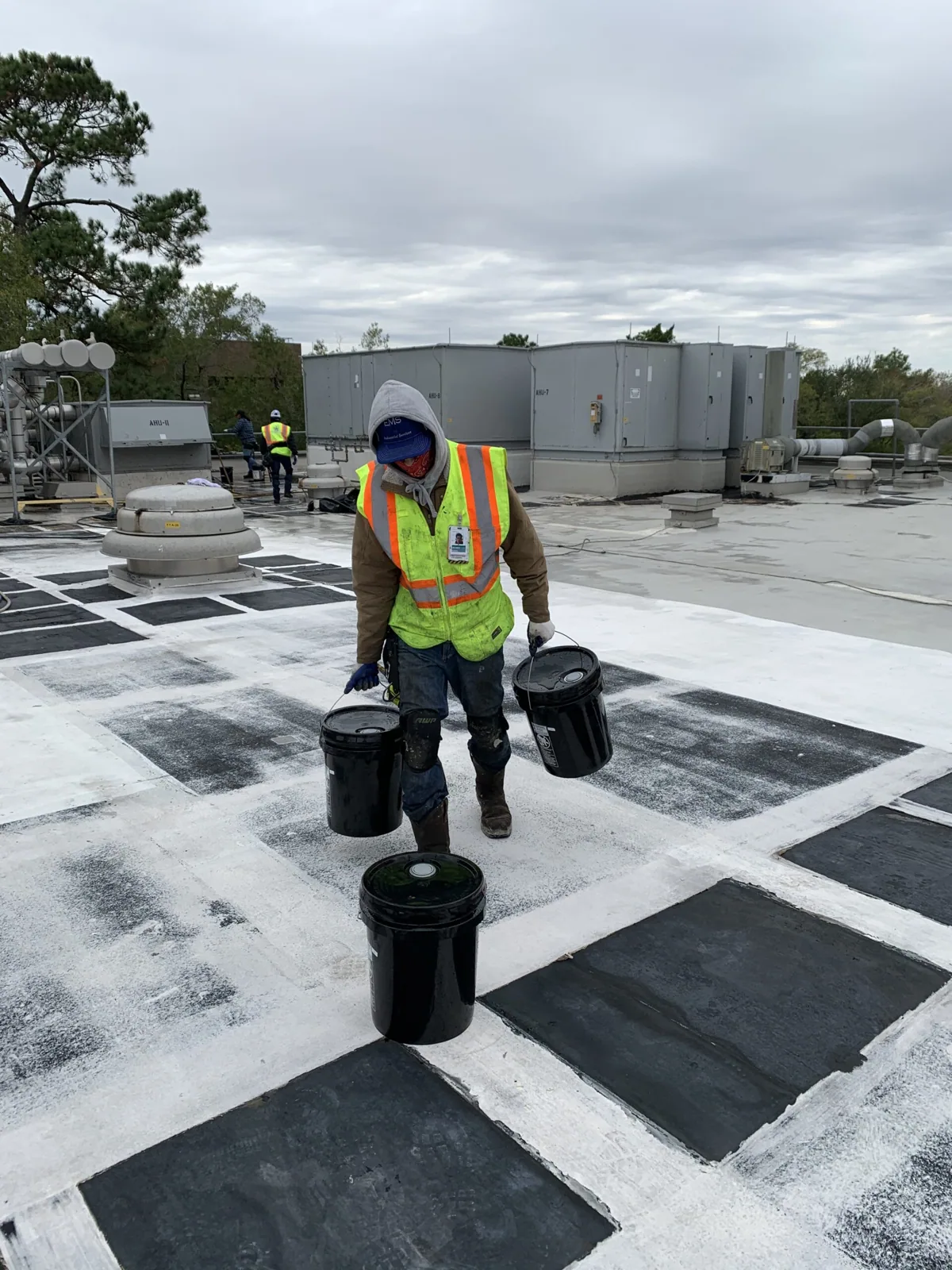
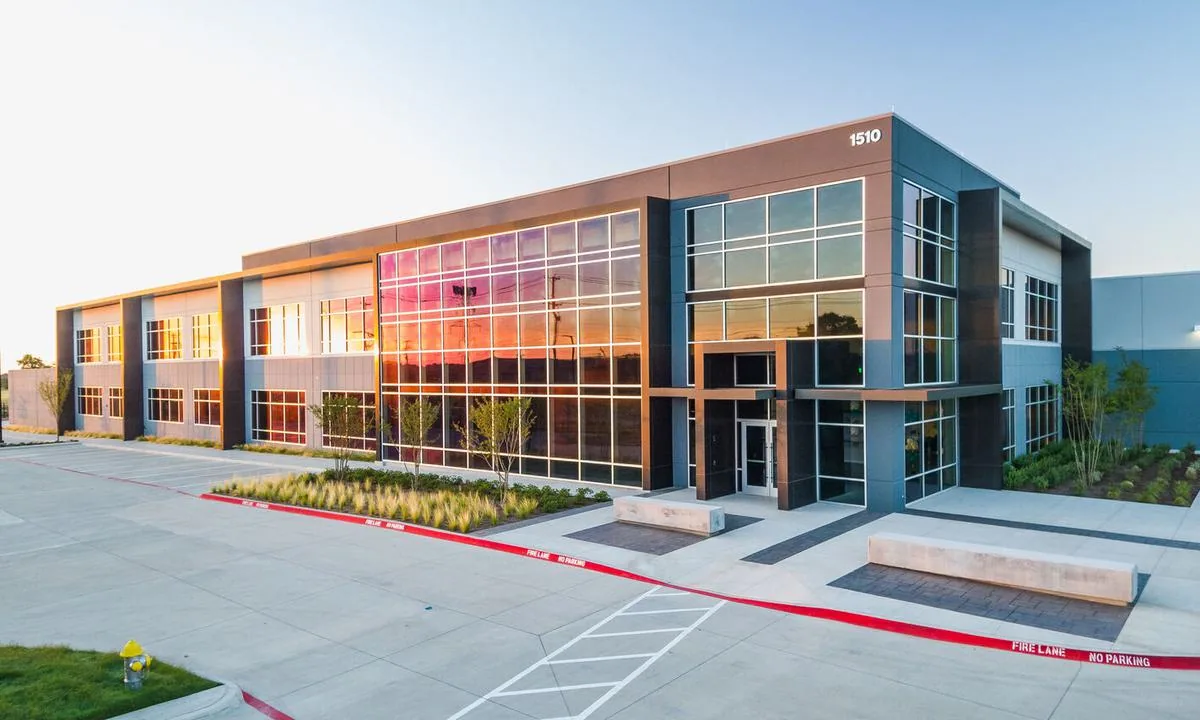
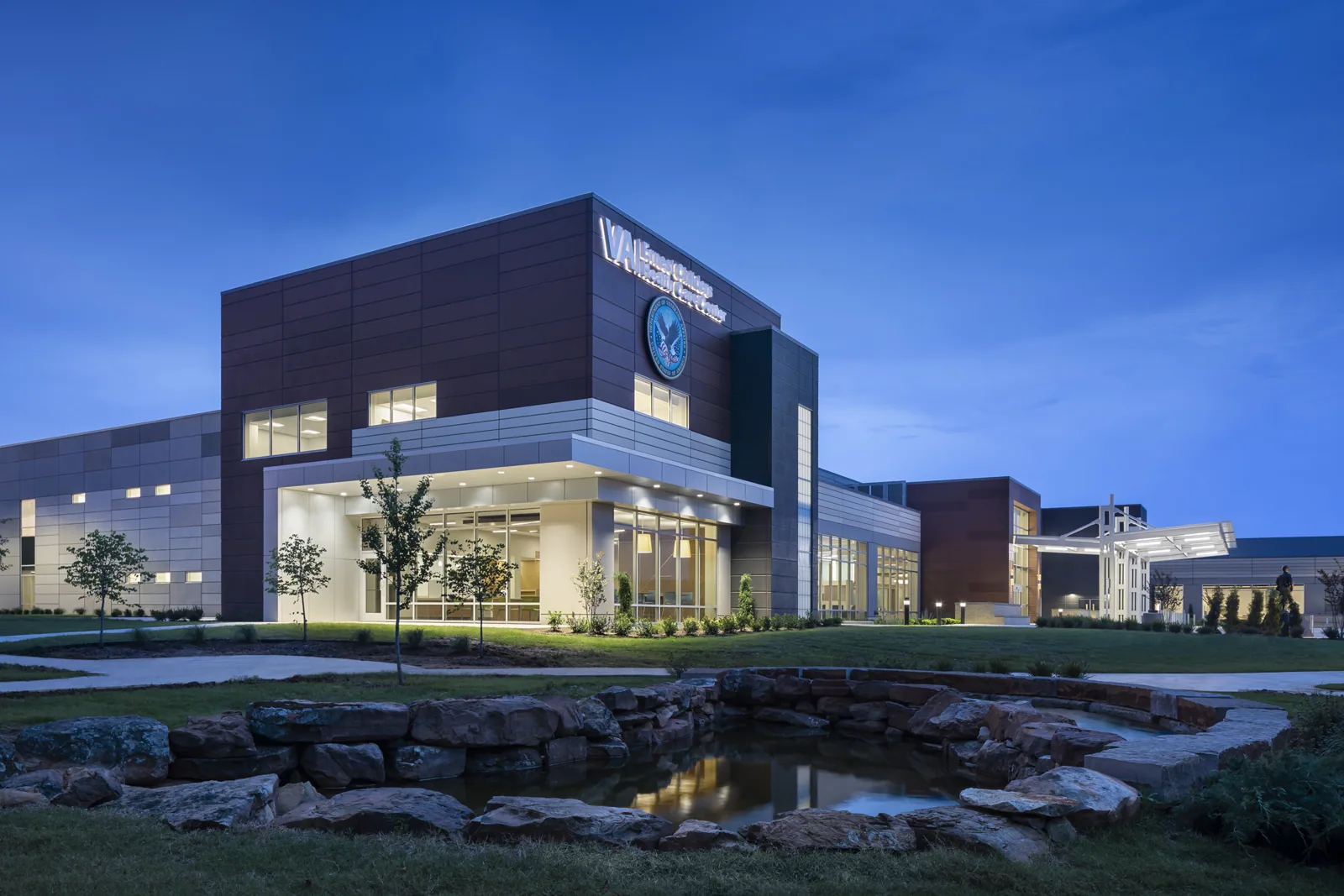
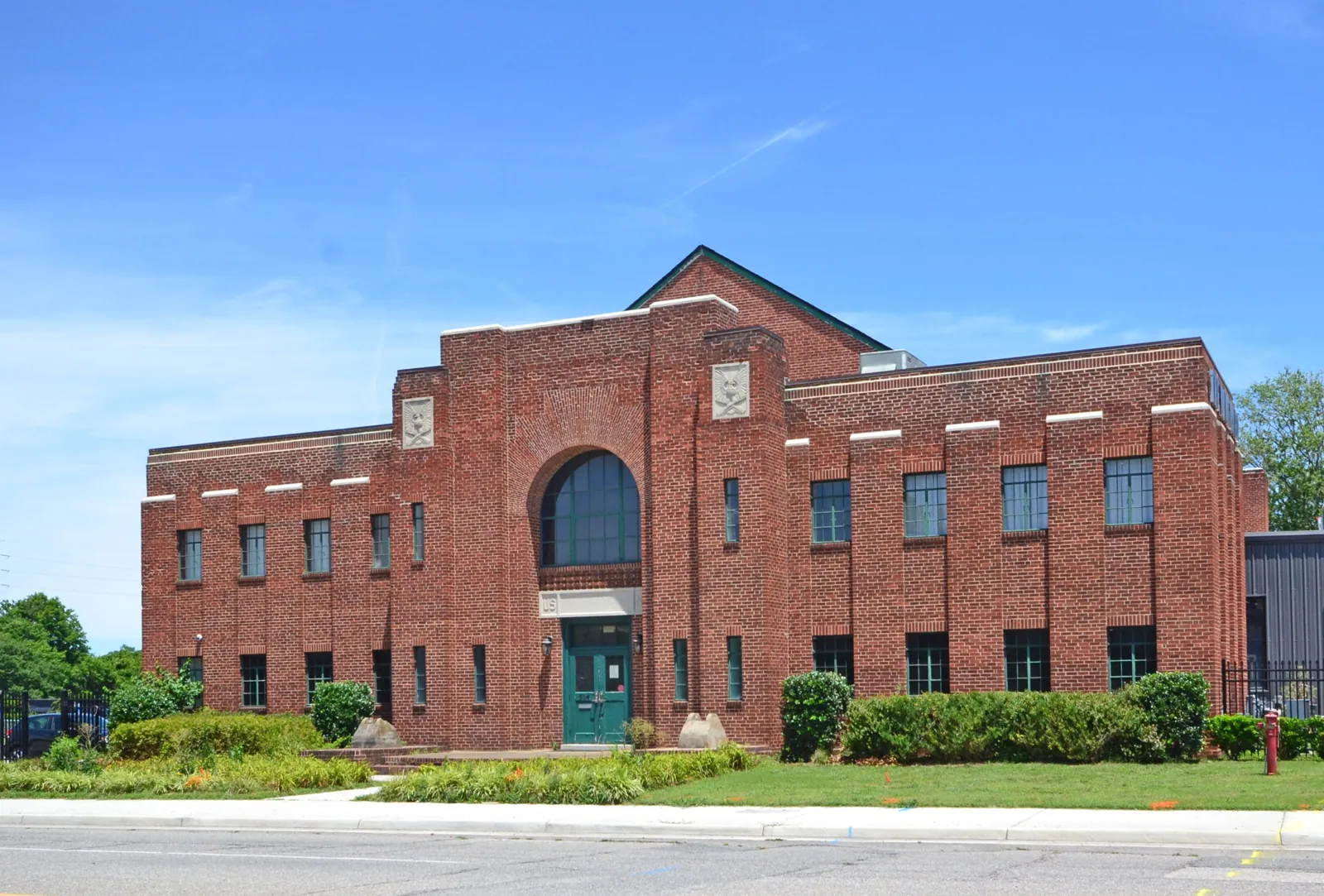
An office project may need tenant notices, mechanical access and protection at active floors. Office roof work can be scoped by zone so a repair or reroof does not block unrelated building operations. At a medical office or hospital, the facility contact helps set routes, quiet periods and any restricted equipment areas before access is planned.
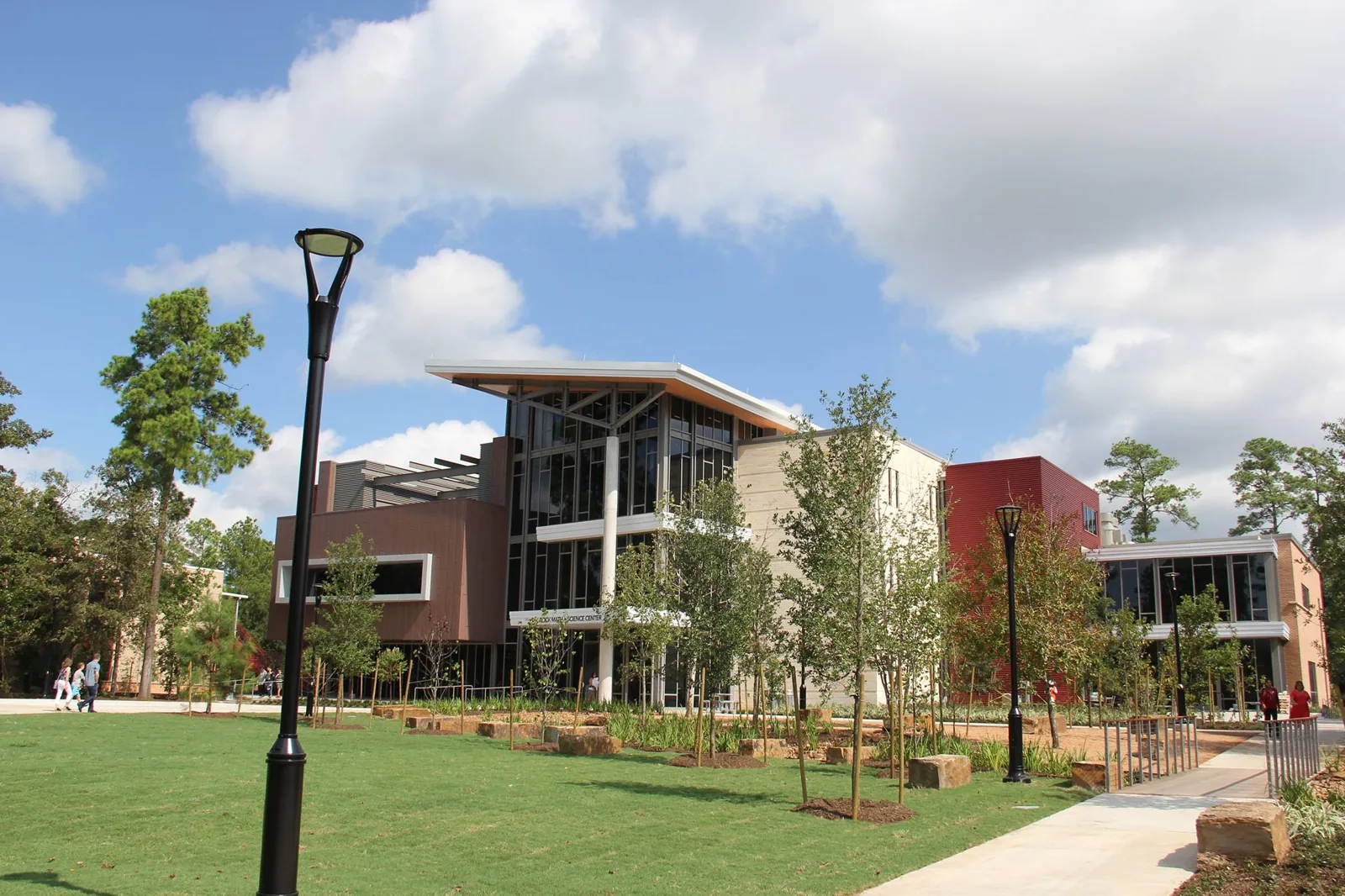
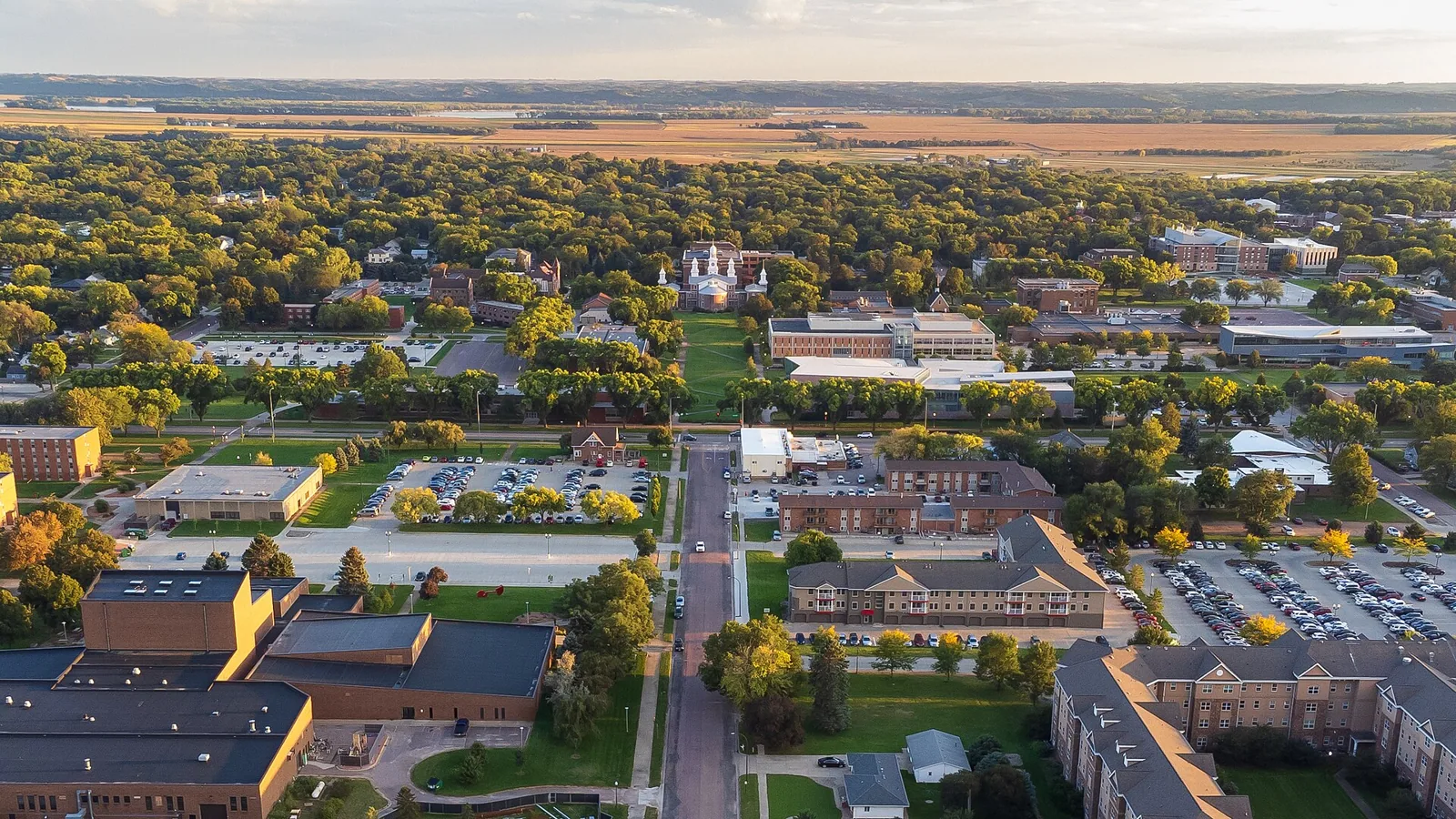
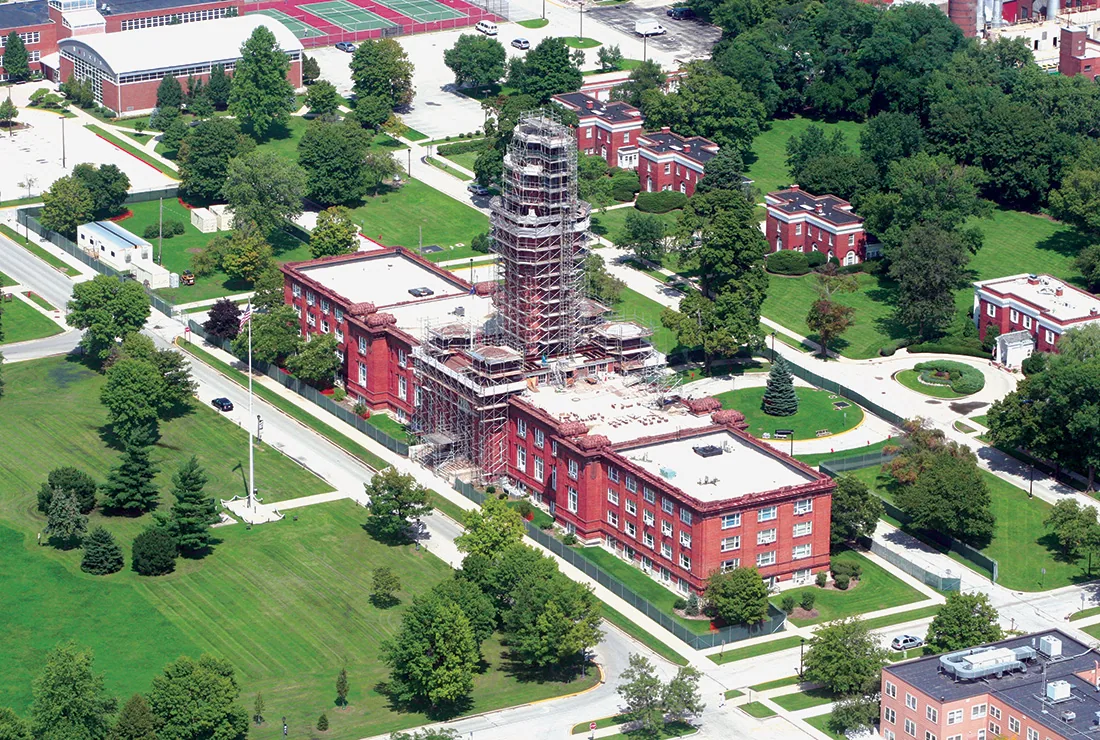
A school roof or college building may require coordination with class schedules, campus operations and public access. We confirm those constraints with the site rather than infer them from a property's name. The proposal identifies what can be completed in each work window and how the roof will be closed at shift end.
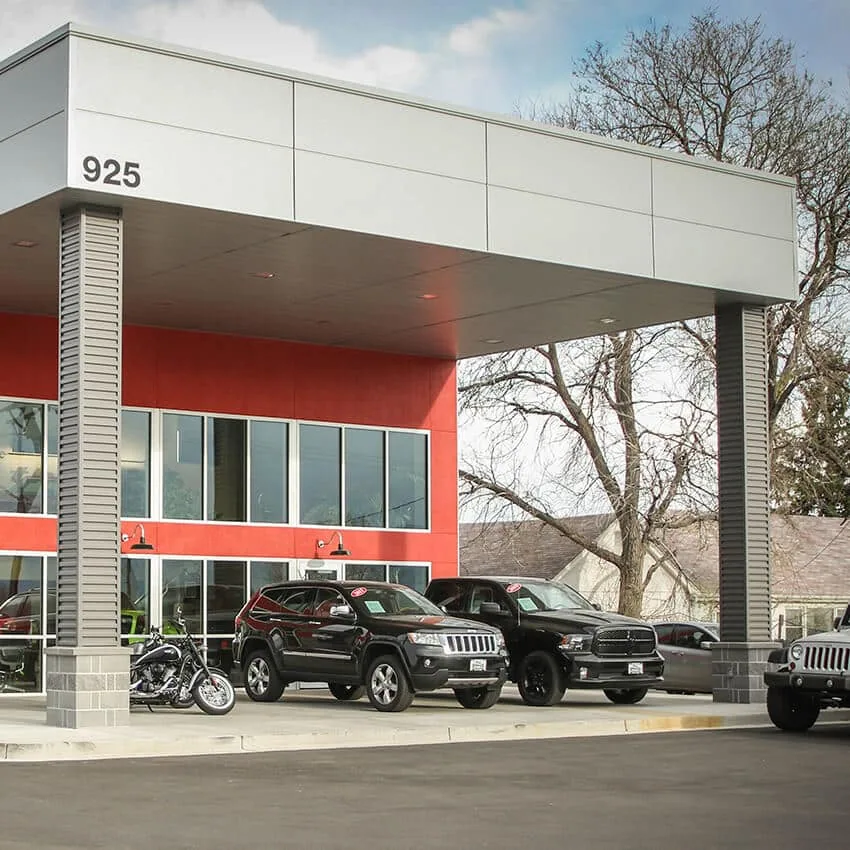
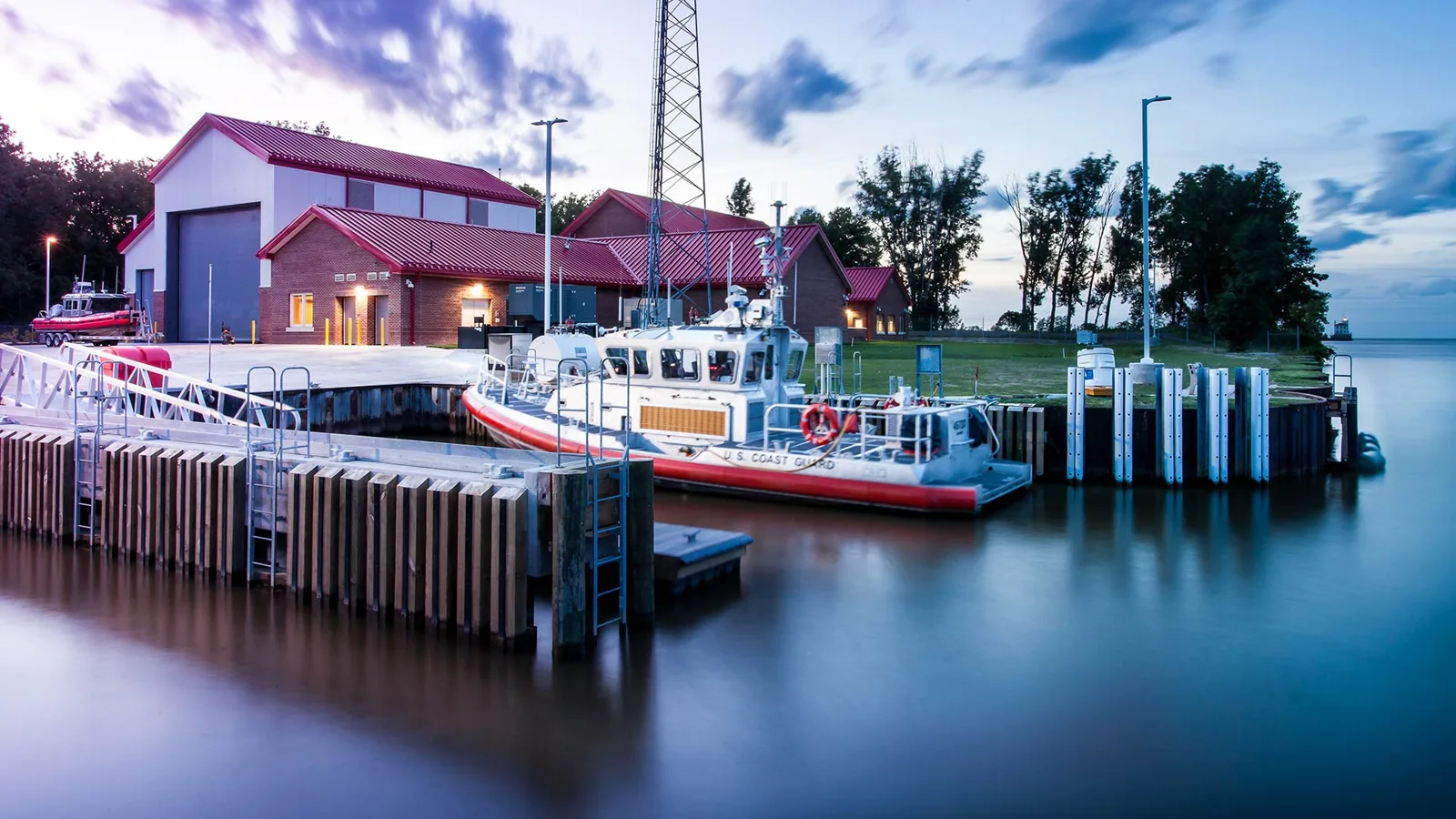
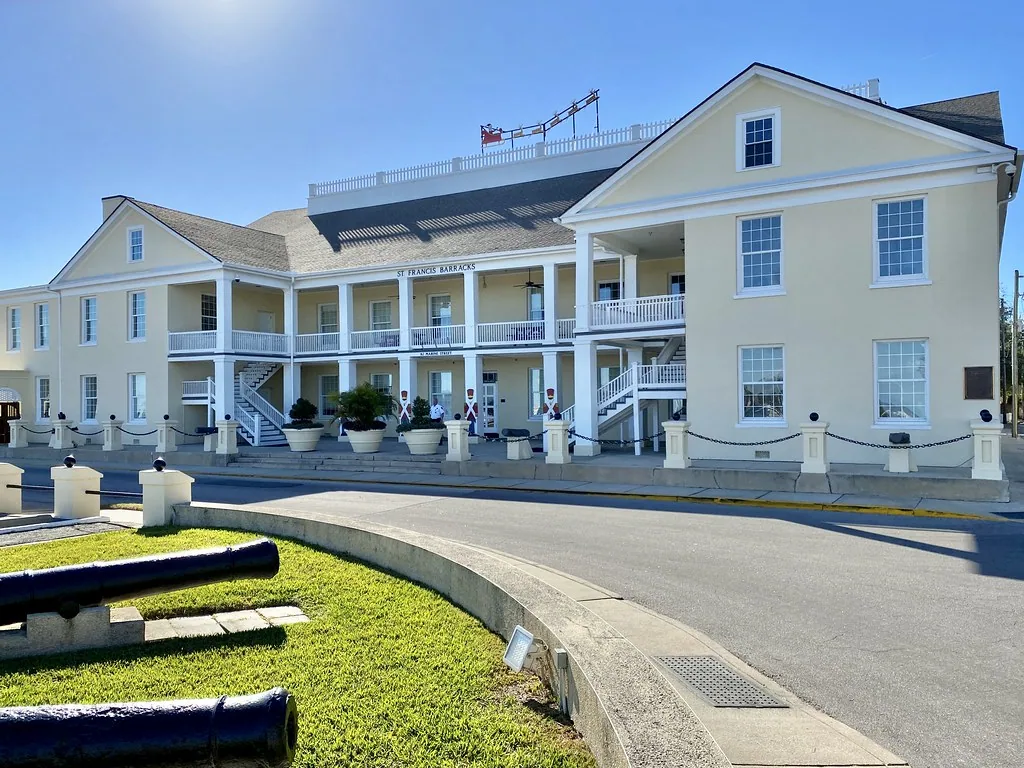
Retail, lodging and food-service facilities have deliveries, guests, customers and mechanical equipment to consider. The same inspection method applies, but staging and protection change by address. Our shopping center and hotel roofing scopes identify access points, roof zones and the contact responsible for decisions if removal exposes concealed conditions.
Let Field Conditions Set the Roof Scope
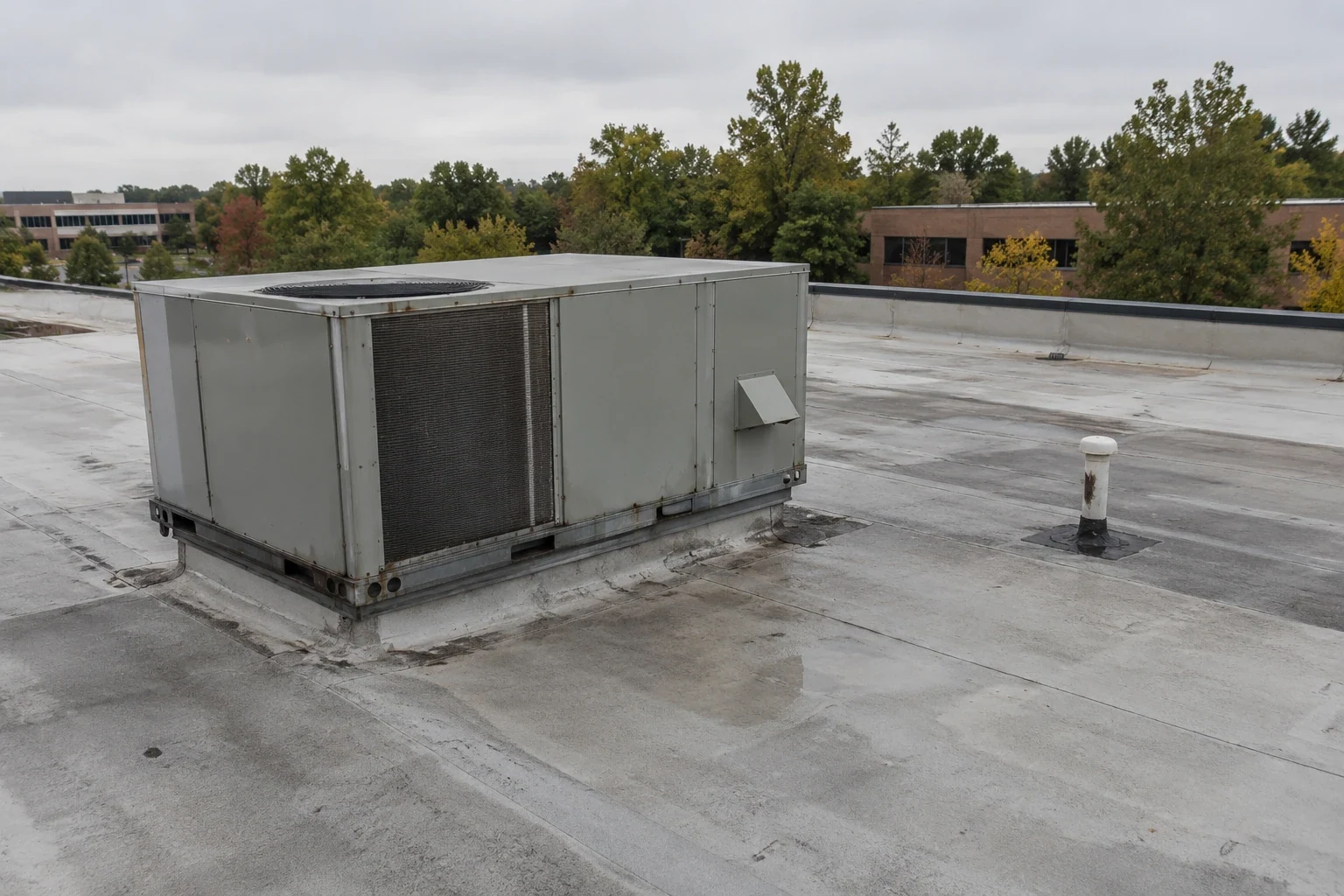
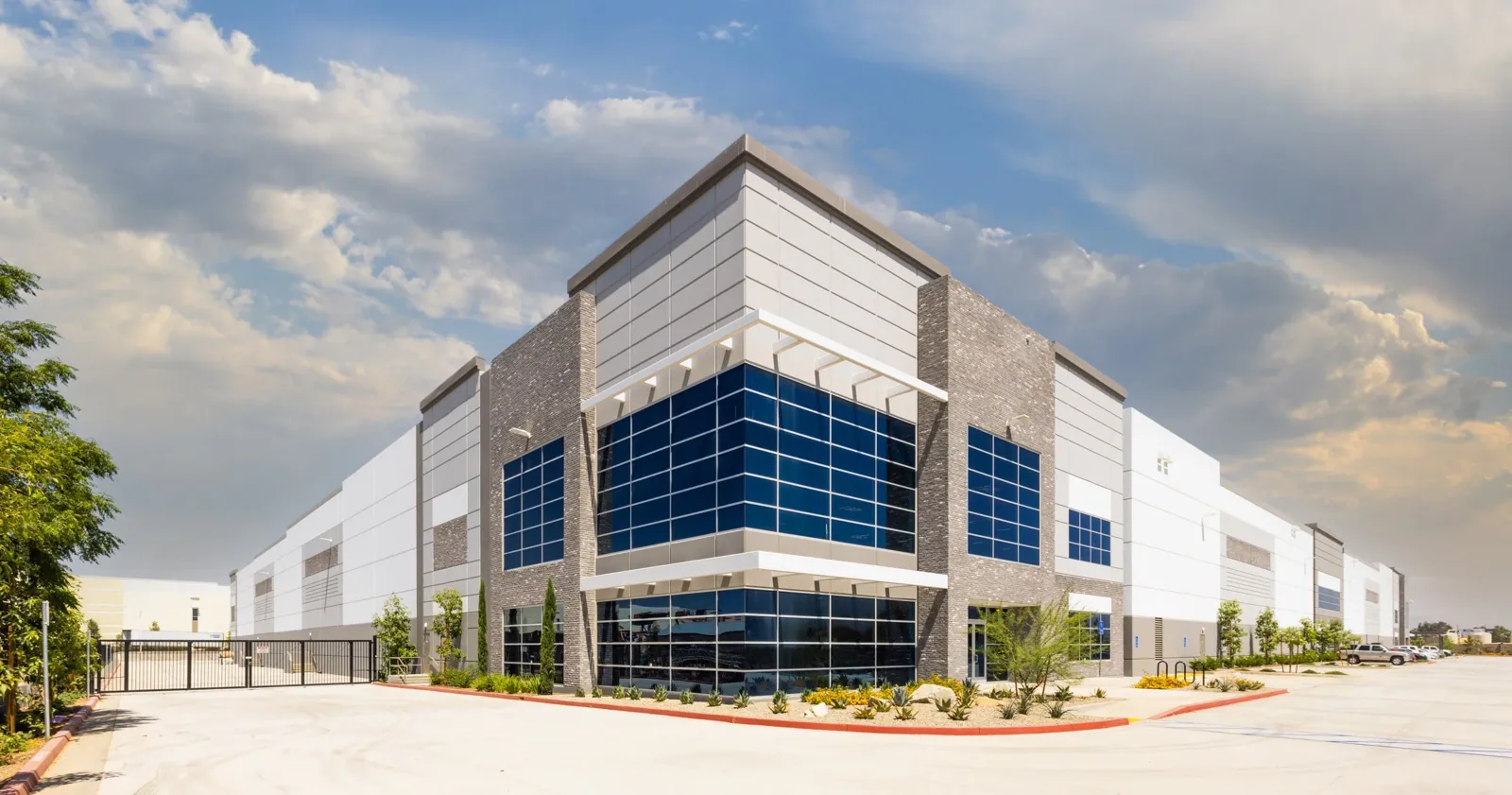
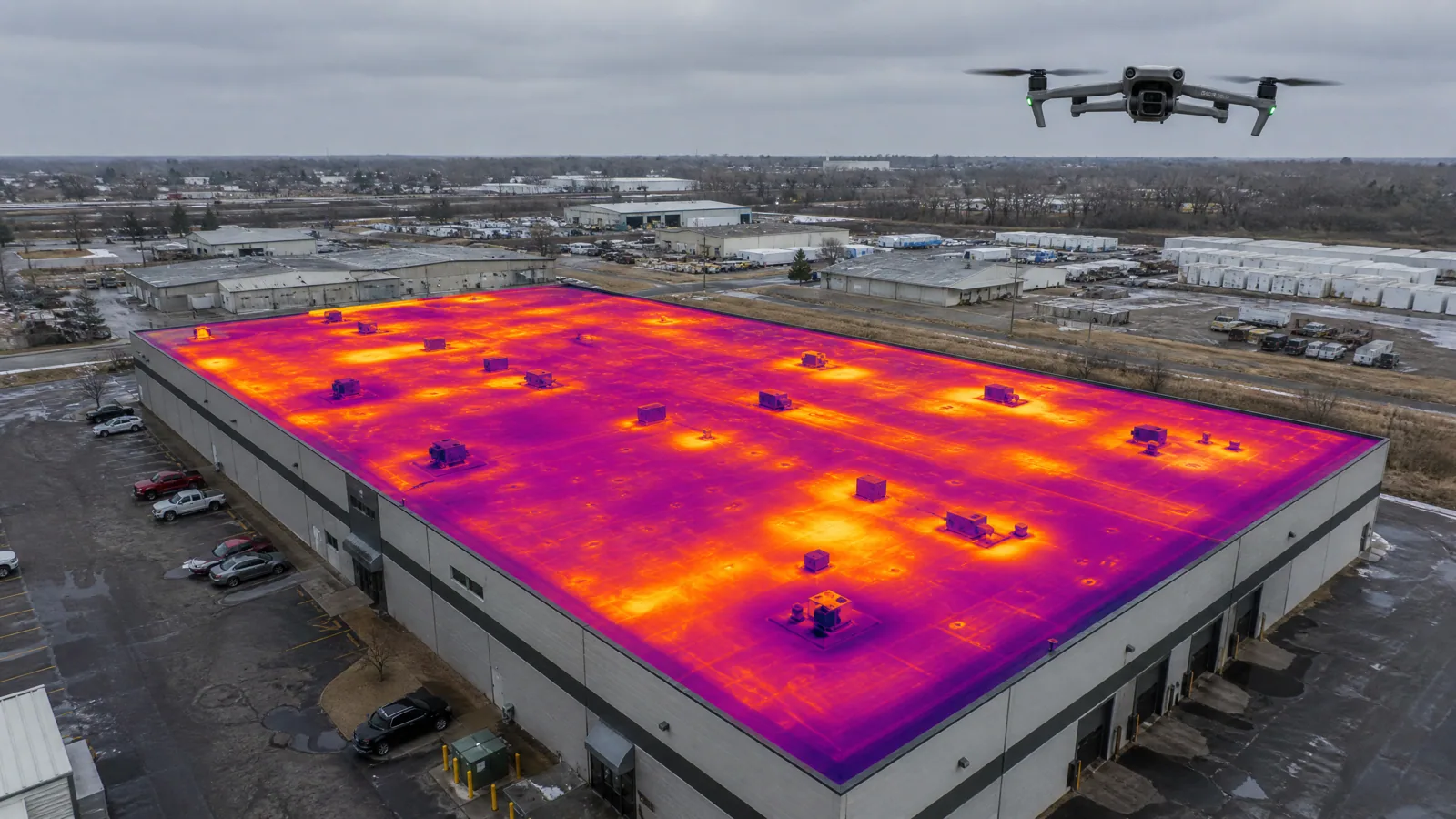
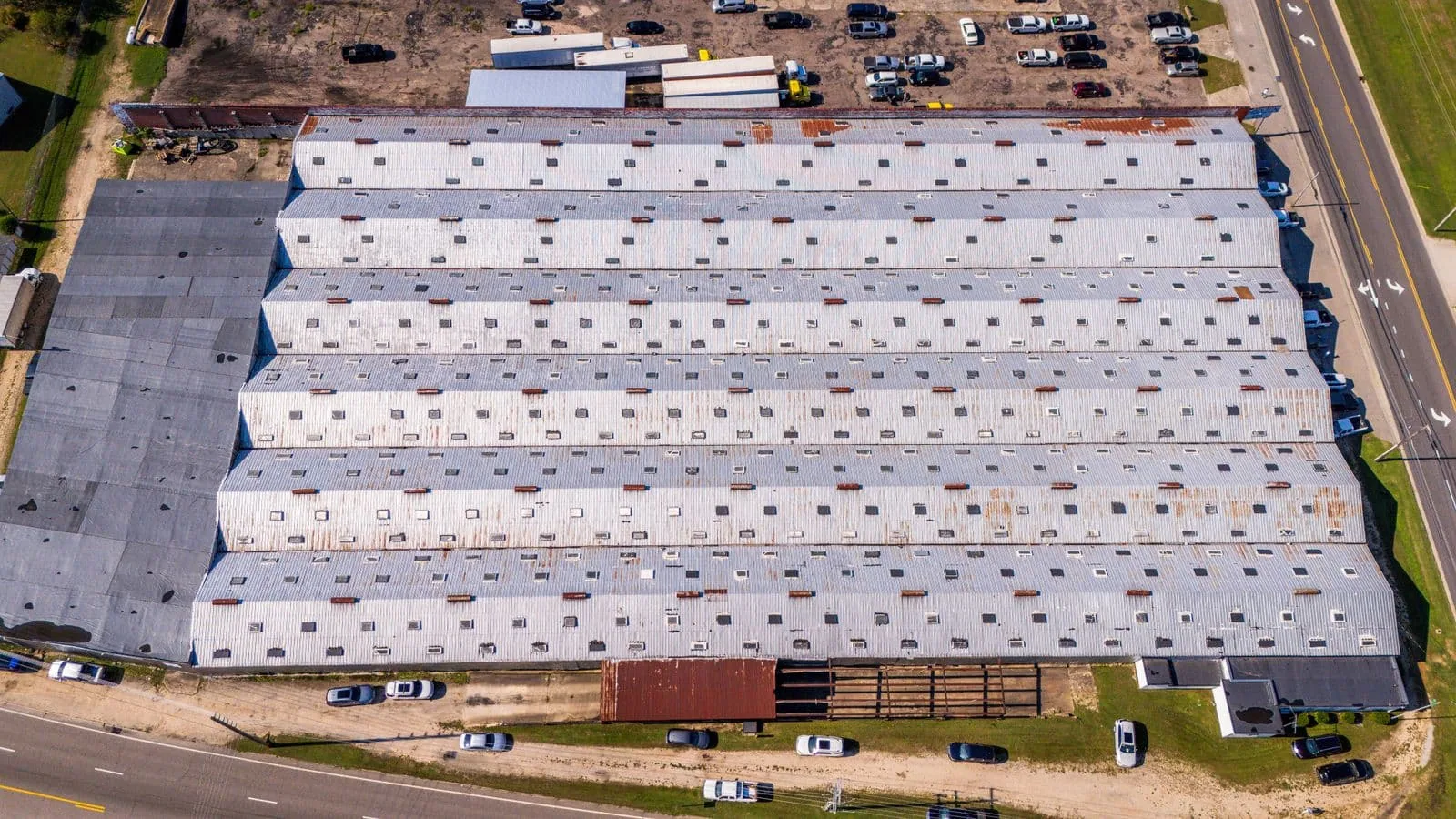
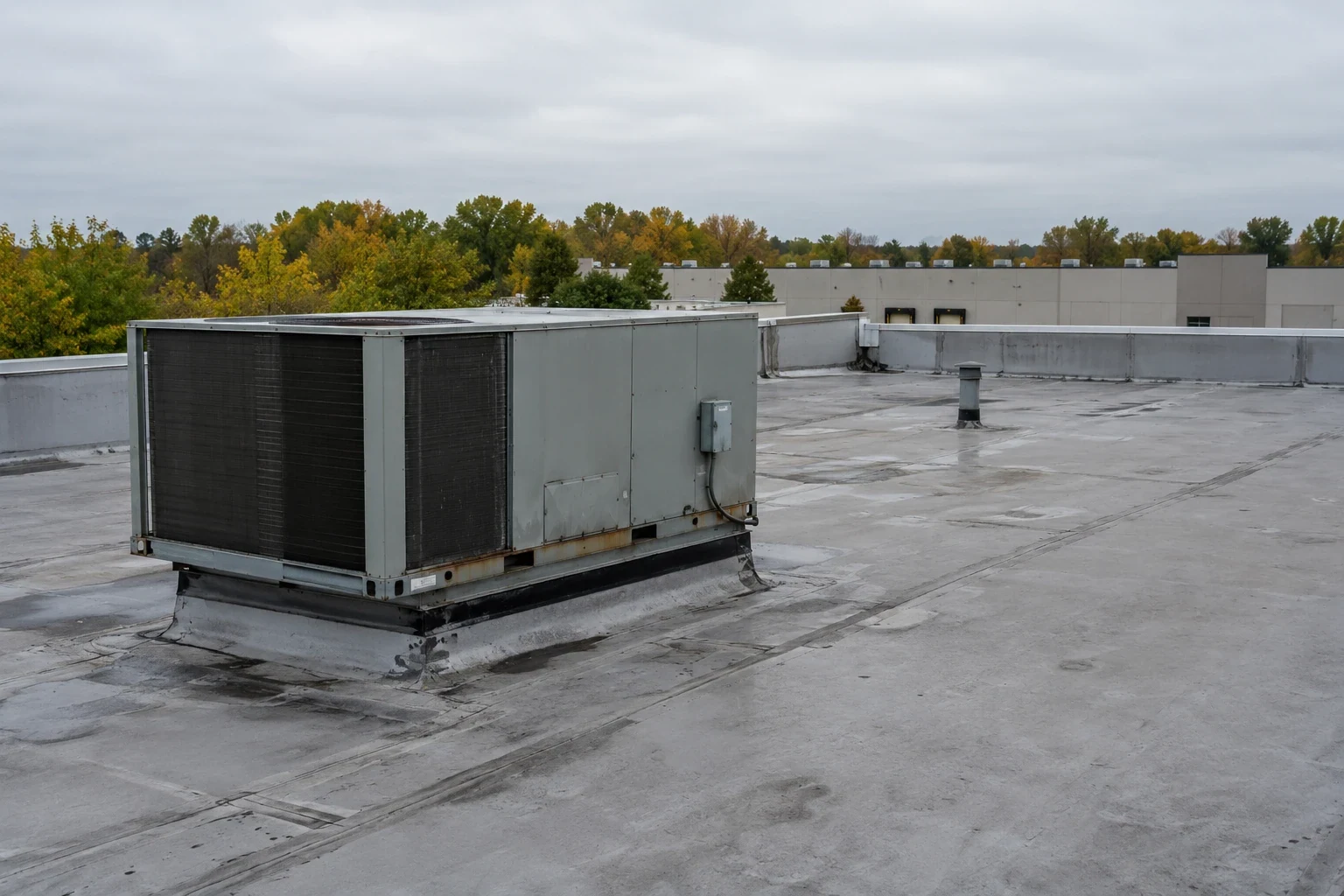
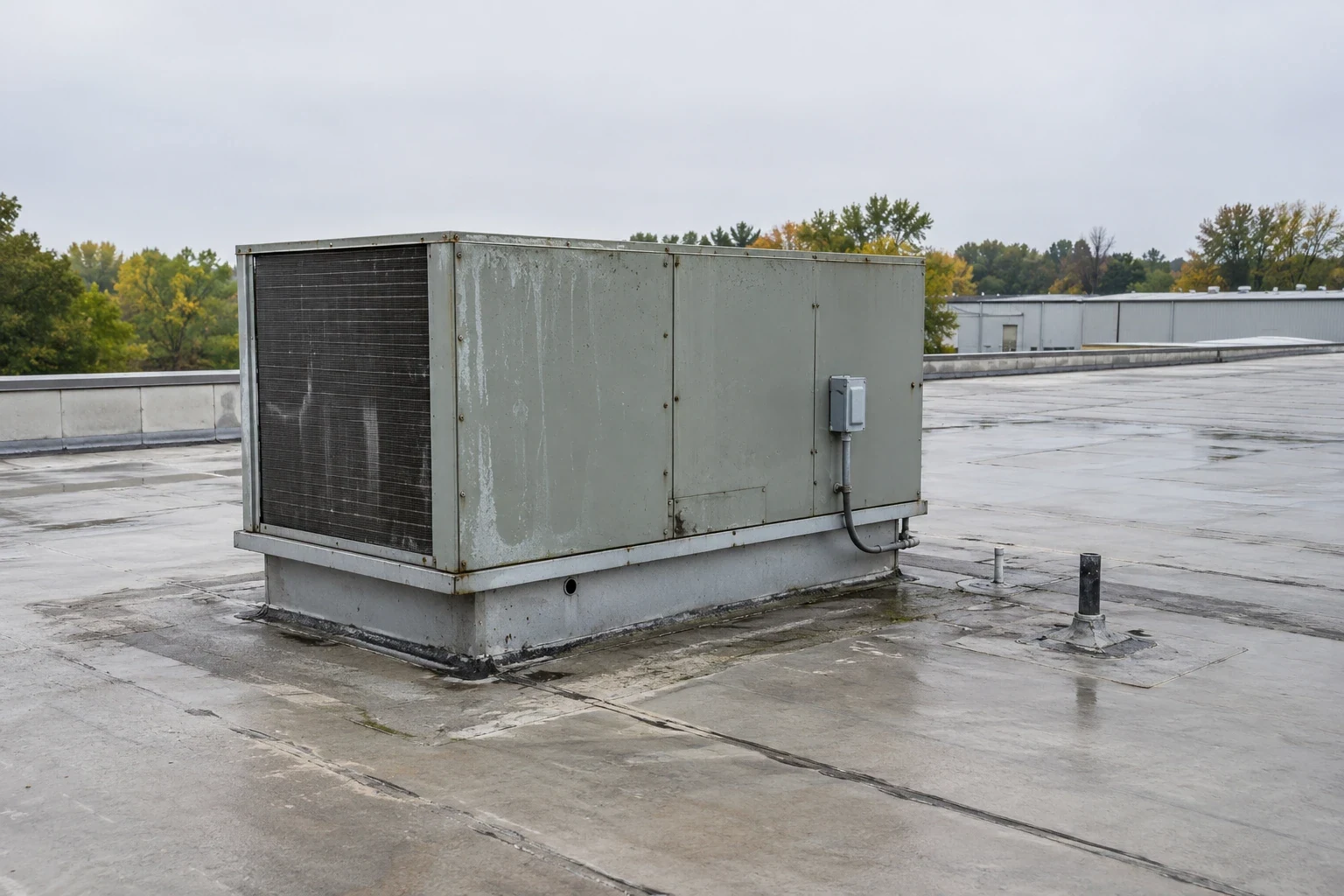
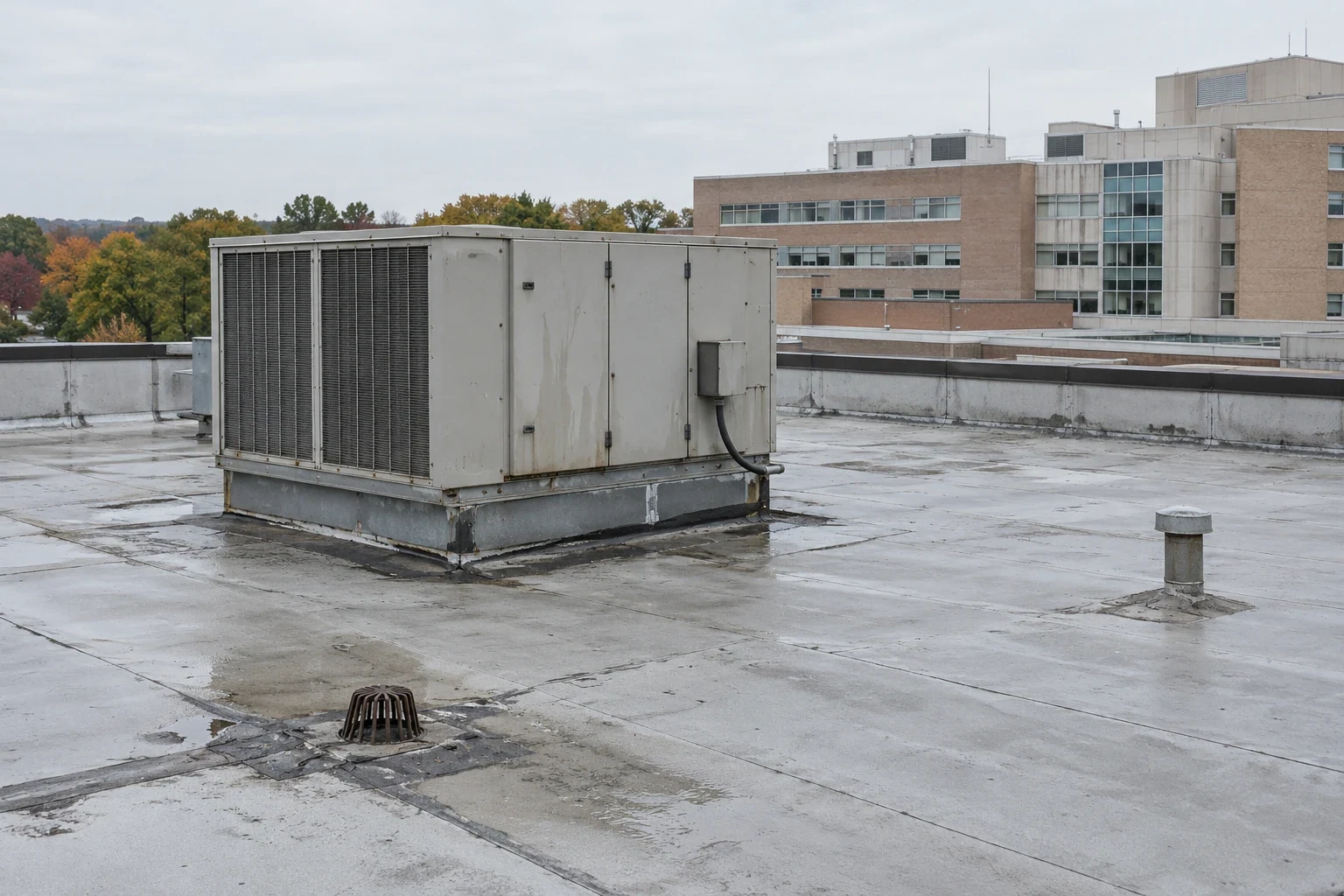
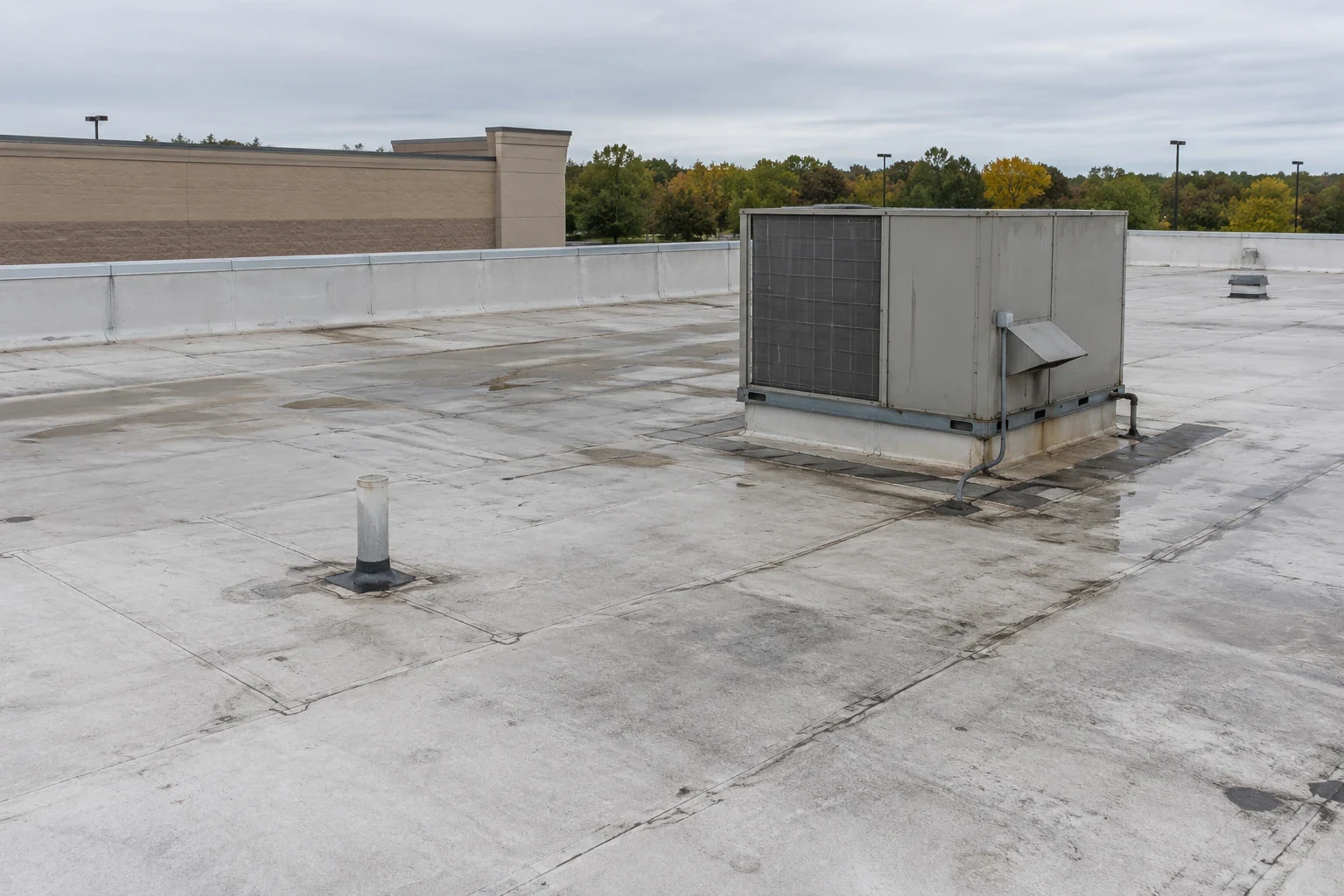
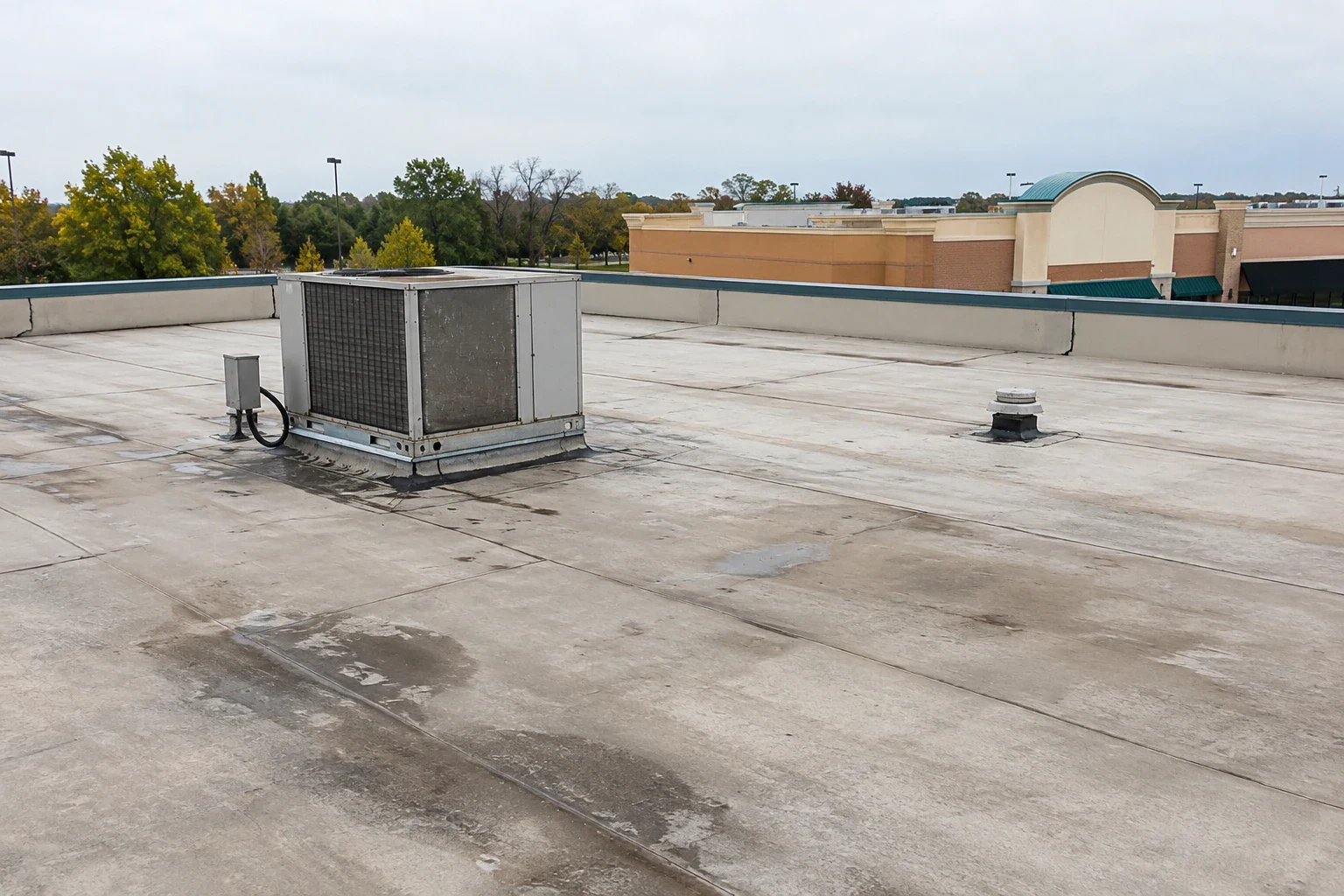
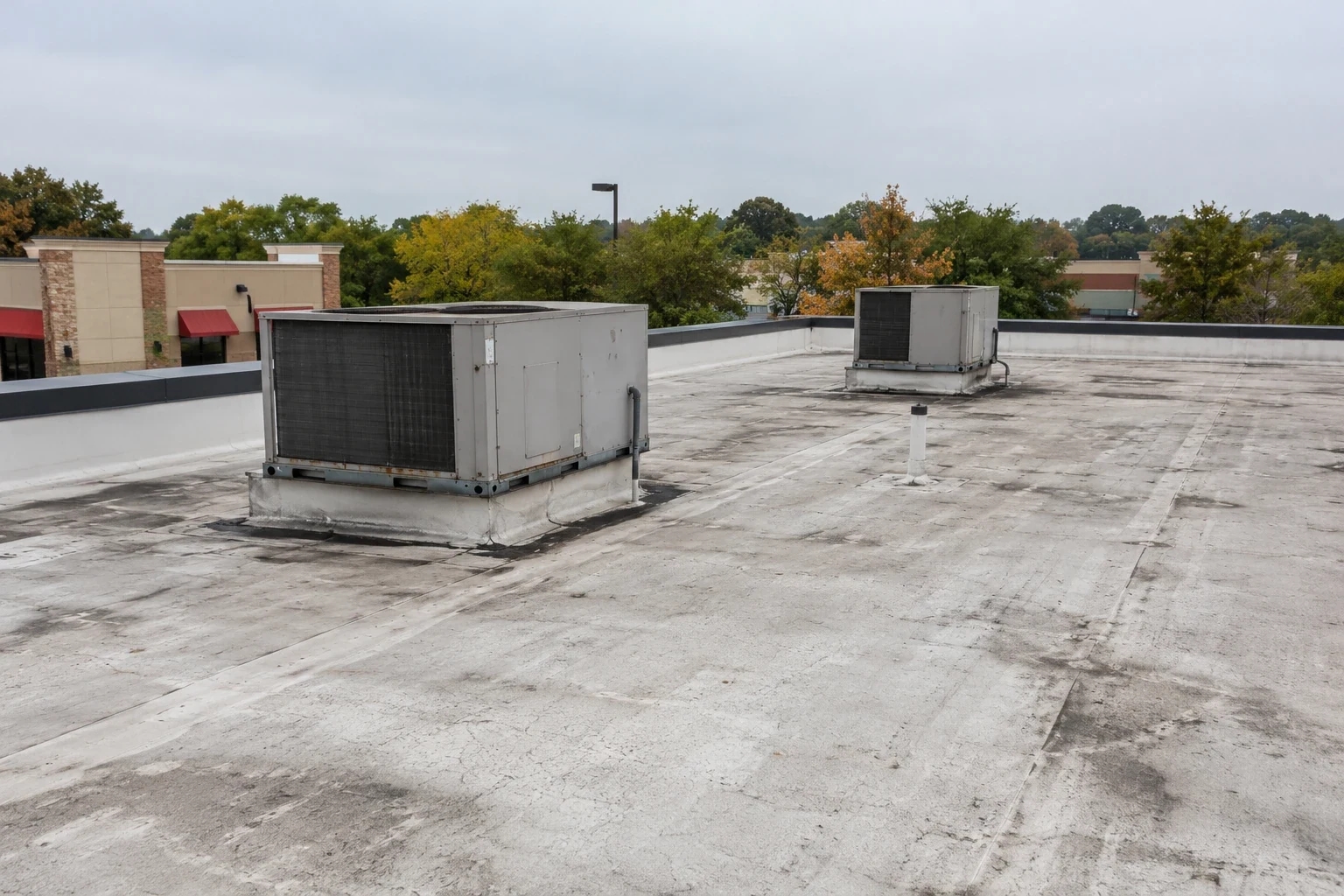
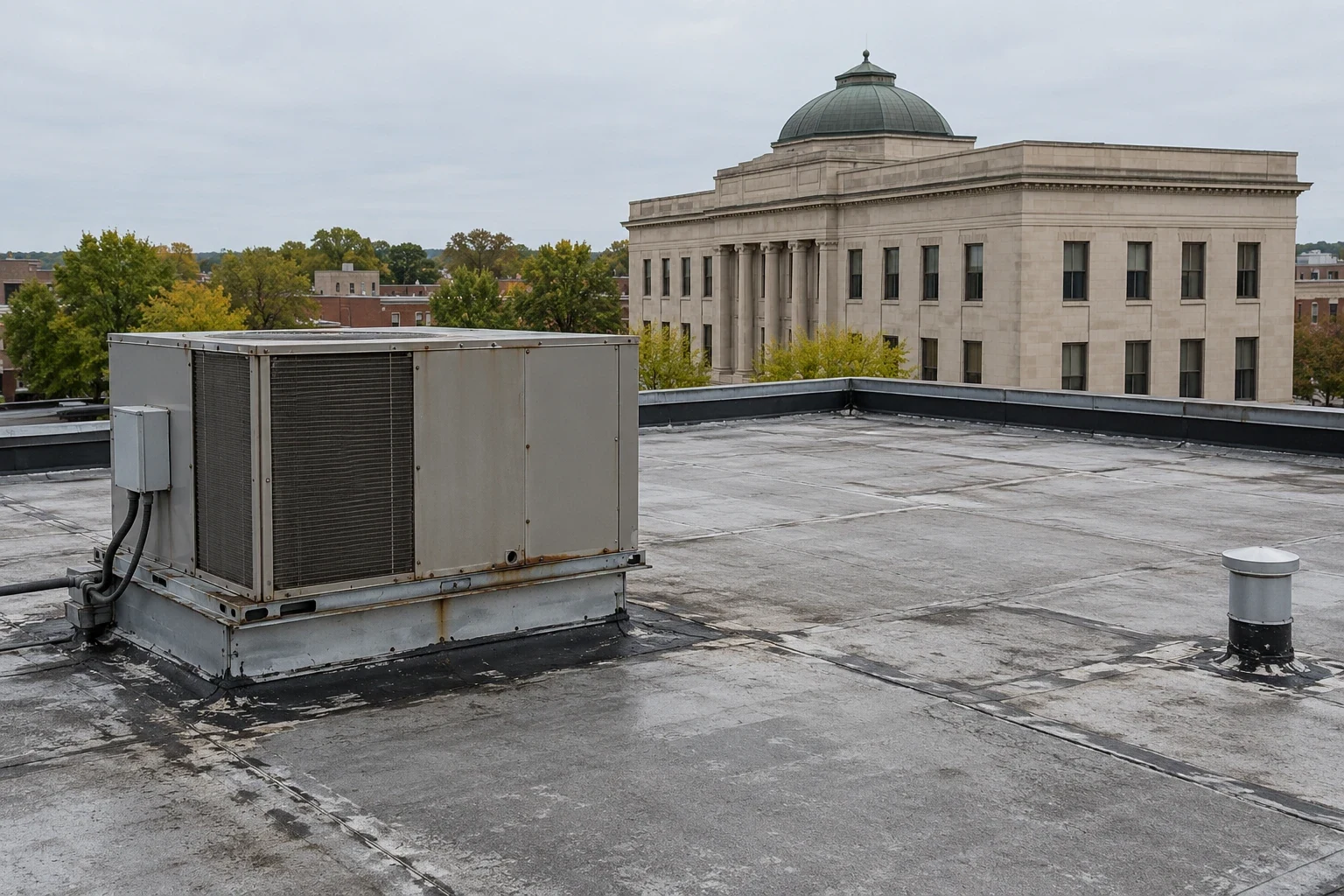
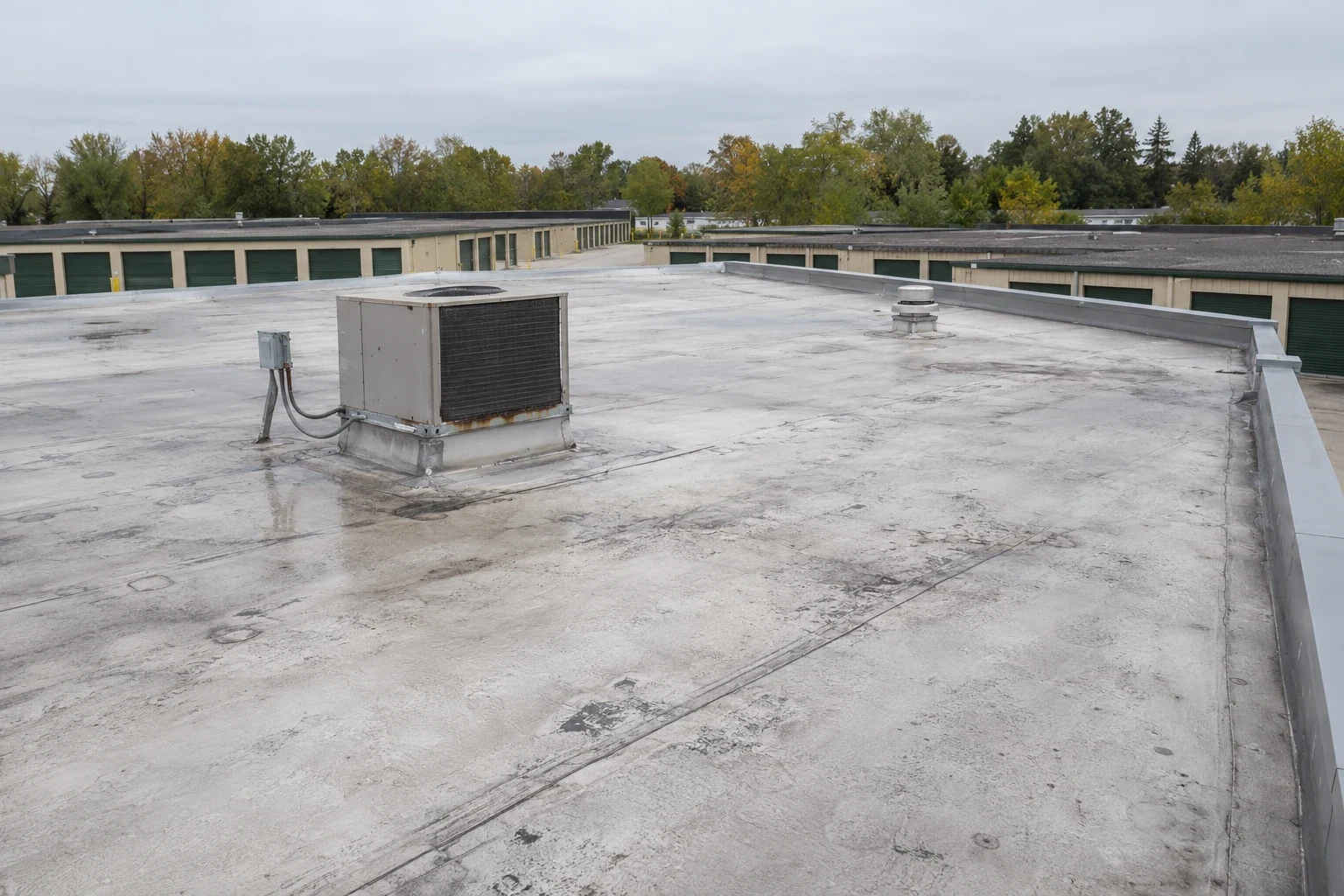
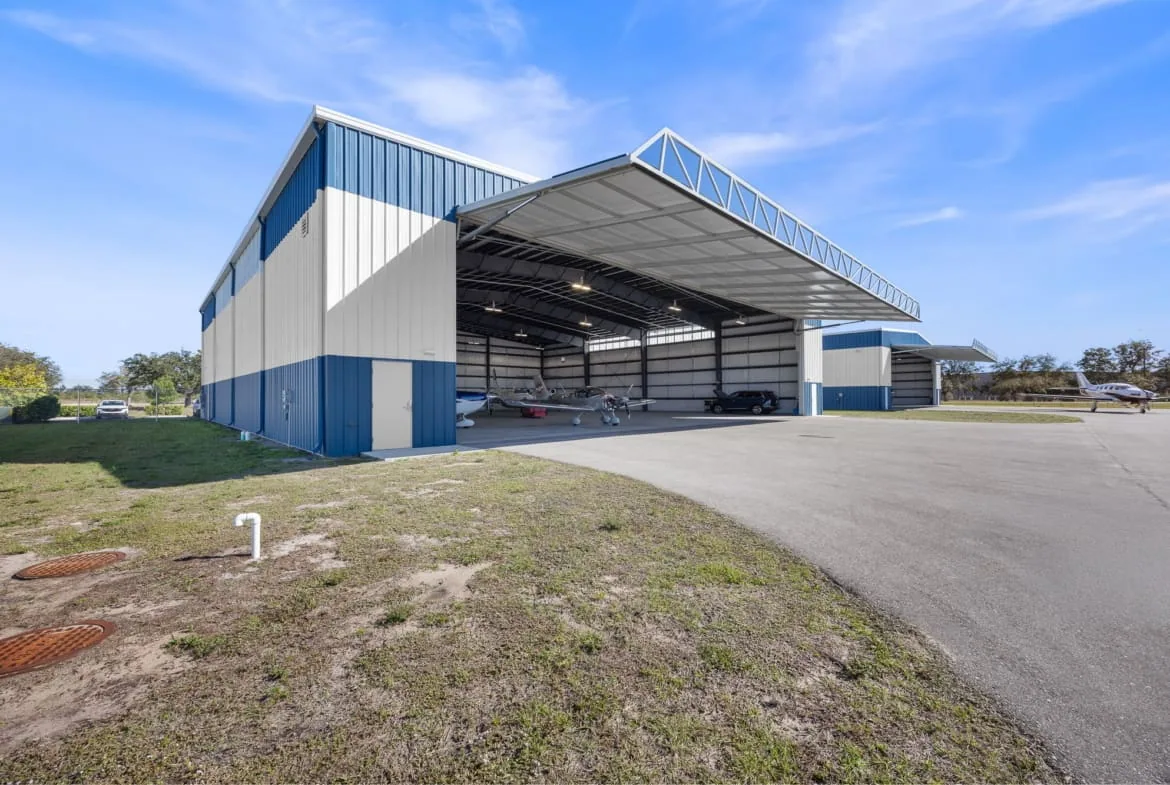
Industrial and logistics buildings can have multiple roof areas, penetrations and operating zones, but use does not tell us the span, assembly or condition. For a warehouse or distribution center, we document drainage routes, curbs, seams, attachment and prior repairs. If a manufacturing plant must keep equipment running, the facility contact identifies shutdown limits and protected routes before a zone is opened.
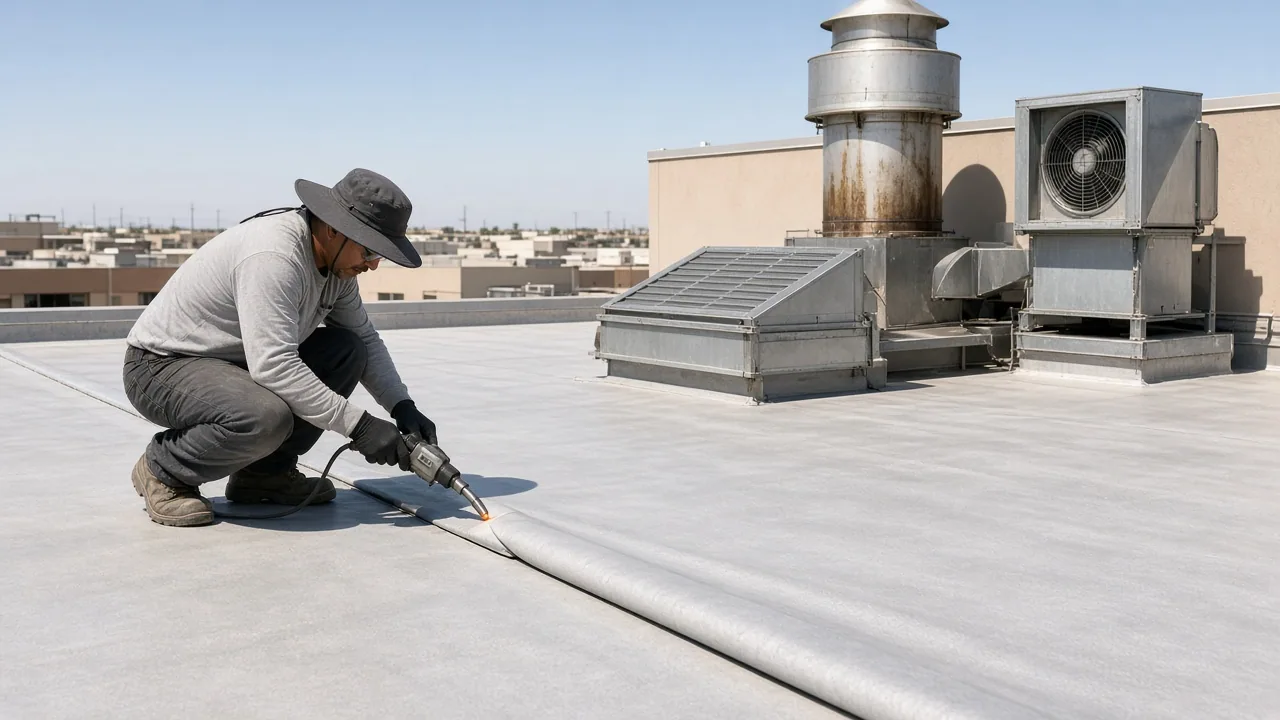
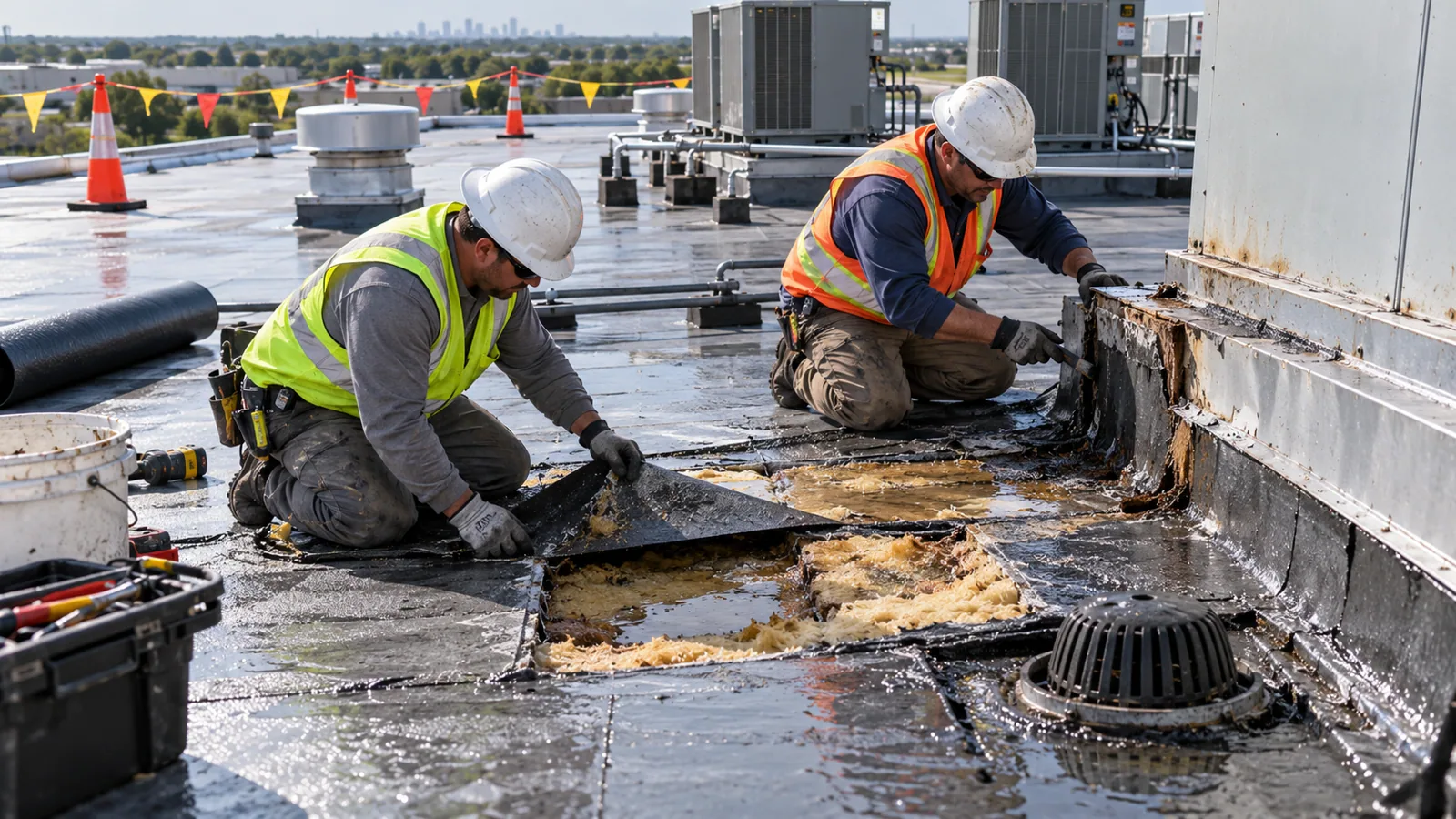
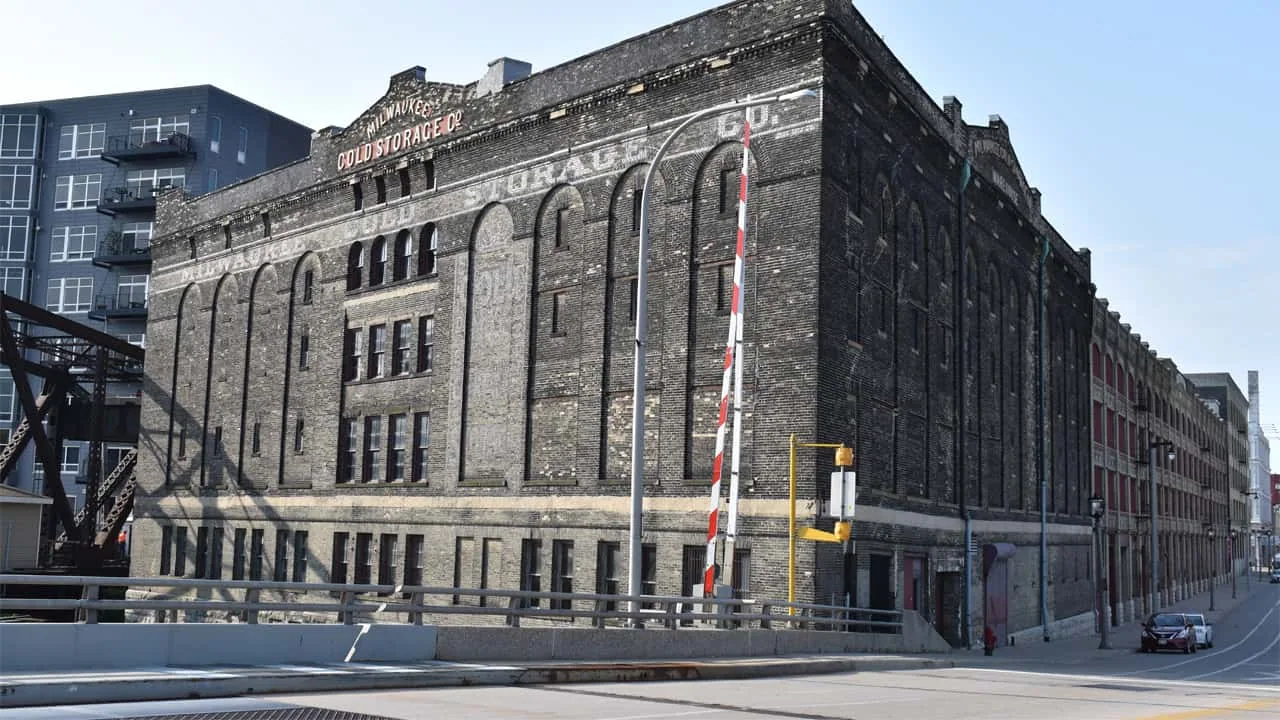
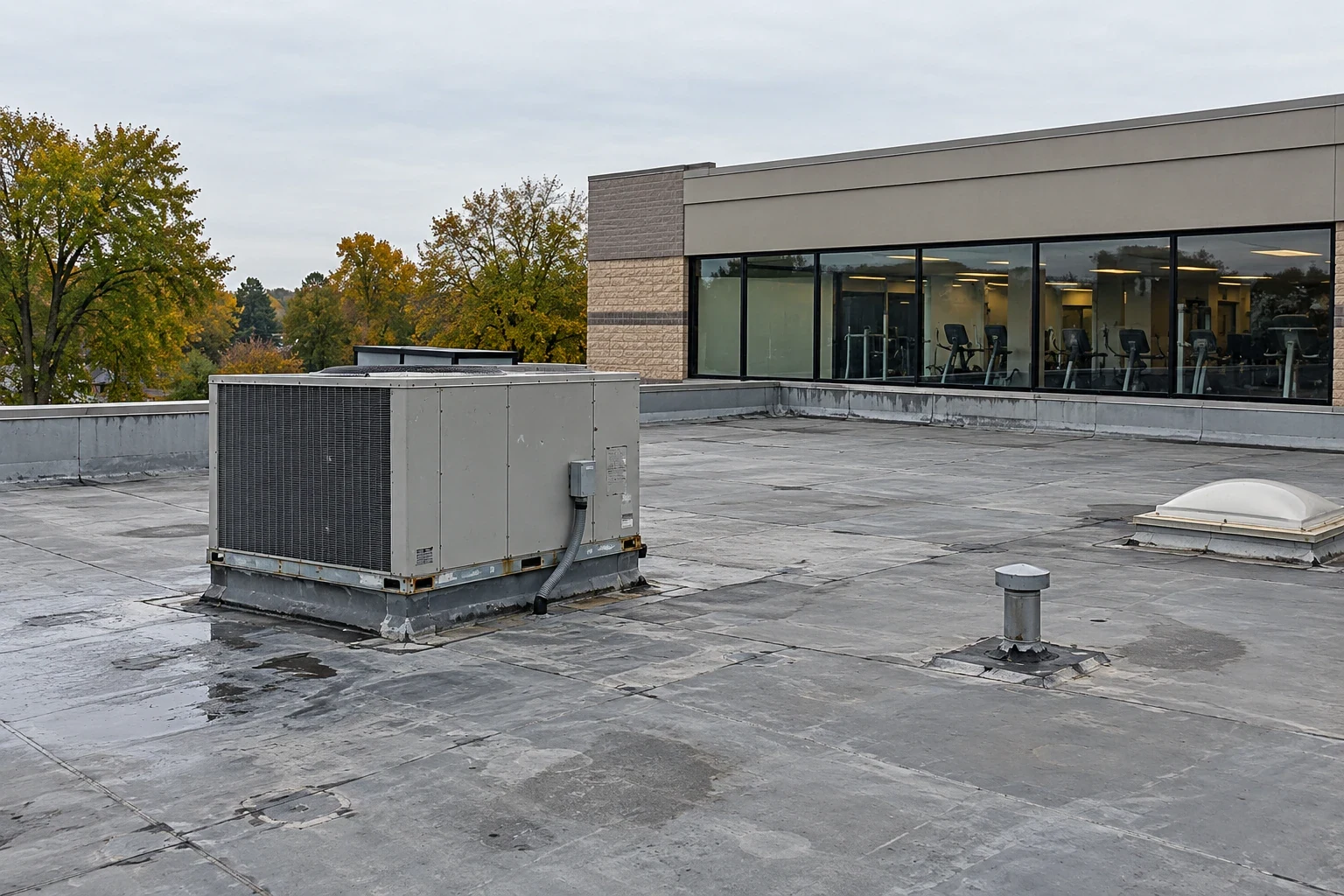
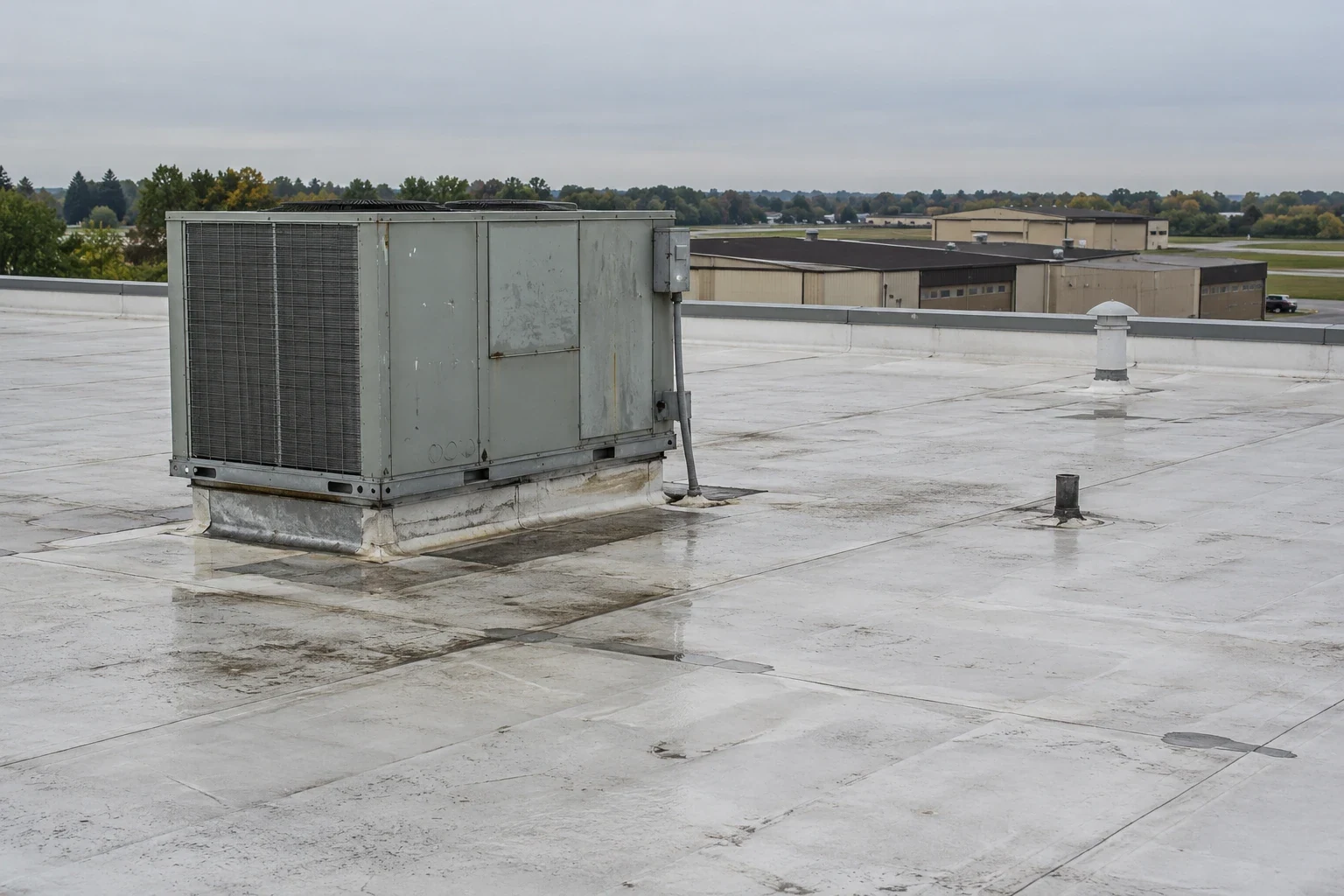
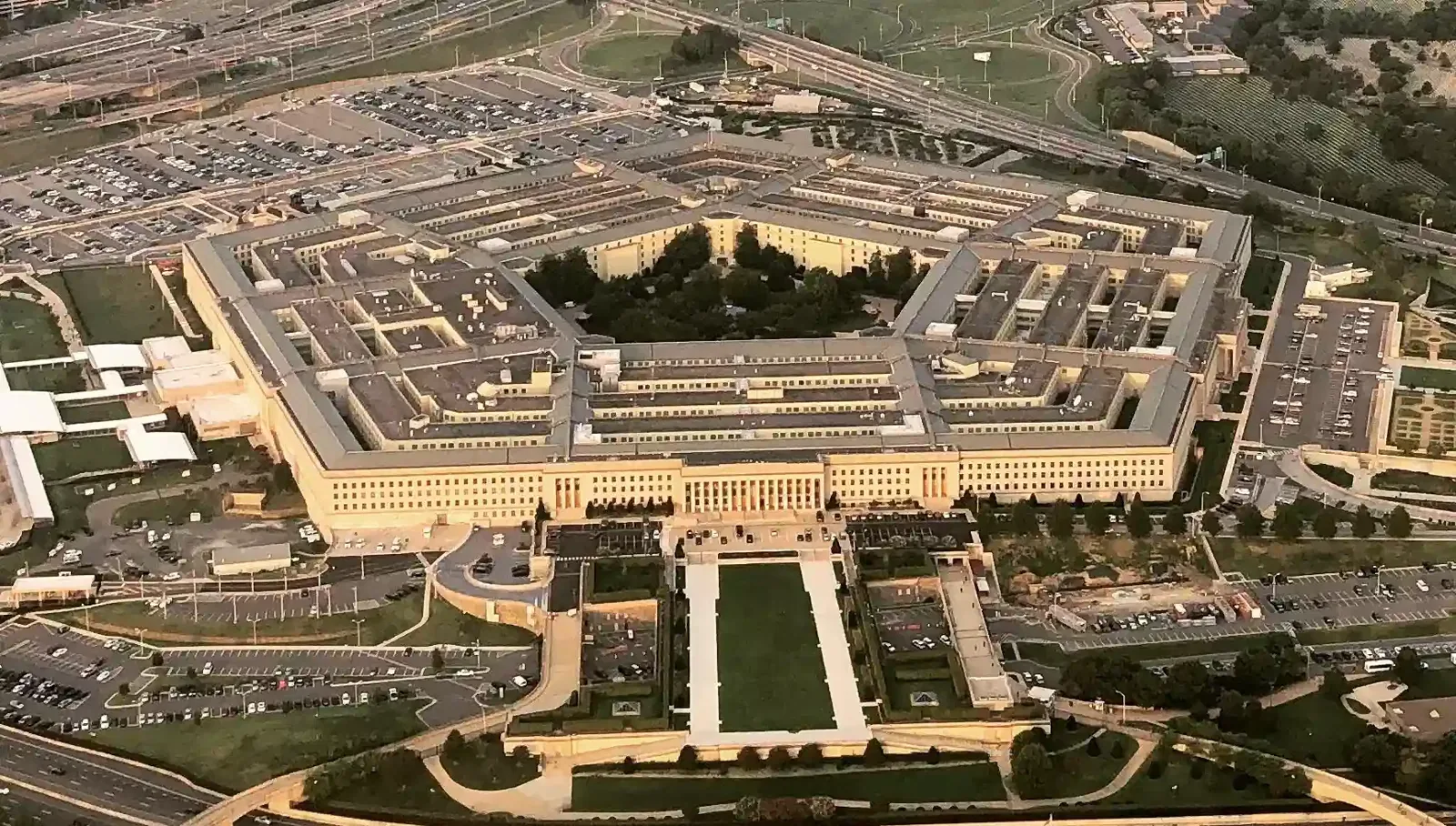
Public agencies, churches, apartments, storage properties and other building types also need a clear record of who controls entry and what activity continues below. We check the water path, inspect edges and penetrations, and use test openings when concealed insulation or deck condition could change the removal boundary. The report distinguishes direct findings from areas that remain inaccessible.
Alexandria’s summer heat, winter freezing and intense rain shape questions about movement and drainage. Climate context does not establish damage at a building. We examine the actual assembly, then compare a localized repair with recover or replacement when the observed condition calls for that decision.
Carry Building Constraints Into the Estimate
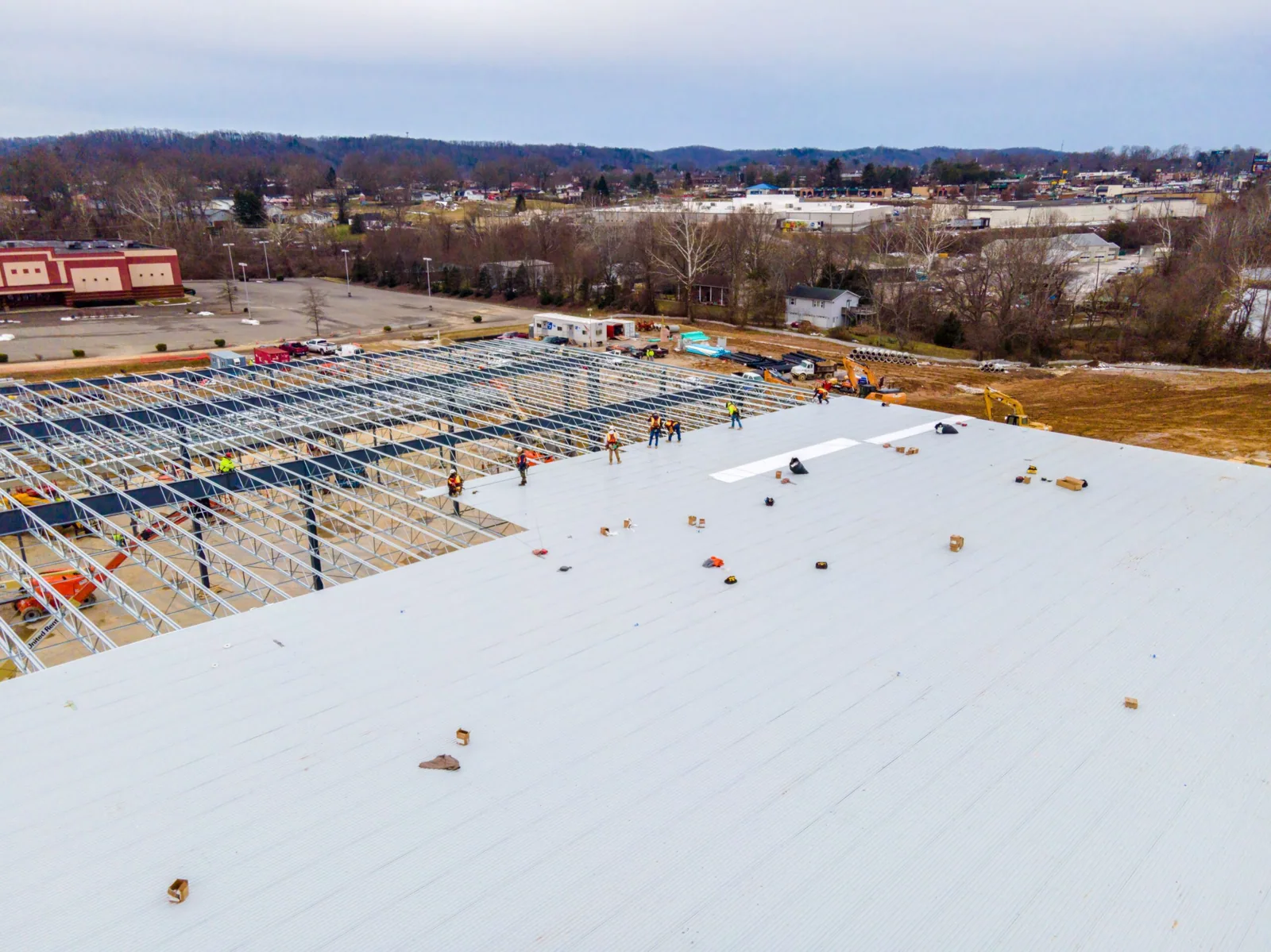
Cost and schedule depend on roof material, repair depth, staging, testing, loading, interior protection and the operating window. The owner or general contractor receives the scope, quantities, photographs and assumptions needed to compare paths. If access blocks a roof zone or a test reveals added deterioration, the proposal states what has to be resolved before that work proceeds.
For an occupied building, phased reroofing can match manageable work zones and their temporary closures to the property's schedule. For a project in Alexandria, provide the street address and the operating limits first. We can then focus the inspection on the roof areas, access route and building functions that control the scope.
Carry the facility plan into the roof stage
Building use informs access and protection, but does not identify the roof assembly. The representative supplies directions for spaces below. Inspection sets removal, handling, closure and the finished connection. Keep responsibilities visible before scheduling.
Commercial Roofing Questions
Does a property’s use tell you its roof type?
No. Building use helps us plan access and protection, but it does not establish the membrane, attachment or layers. We review records and field conditions before selecting compatible repairs or comparing replacement paths.
How does building use affect roof staging?
Facility operations shape access and interior protection. The examined detail still sets removal area, material handling, closure and completed roofing.
Can a property category identify its roof assembly?
No. Confirm layers, attachment and details at the address. Use building type to plan access, not to infer roof construction.
What should a multi-tenant handoff identify?
Mark affected areas, access routes, protection needs, notice contacts and the representative releasing each work stage.
Discuss Roofing for Your Alexandria Property
Send the address, property use, reported condition and access constraints. We will inspect the roof and prepare a scope that accounts for both assembly and operation.