Industries We Serve
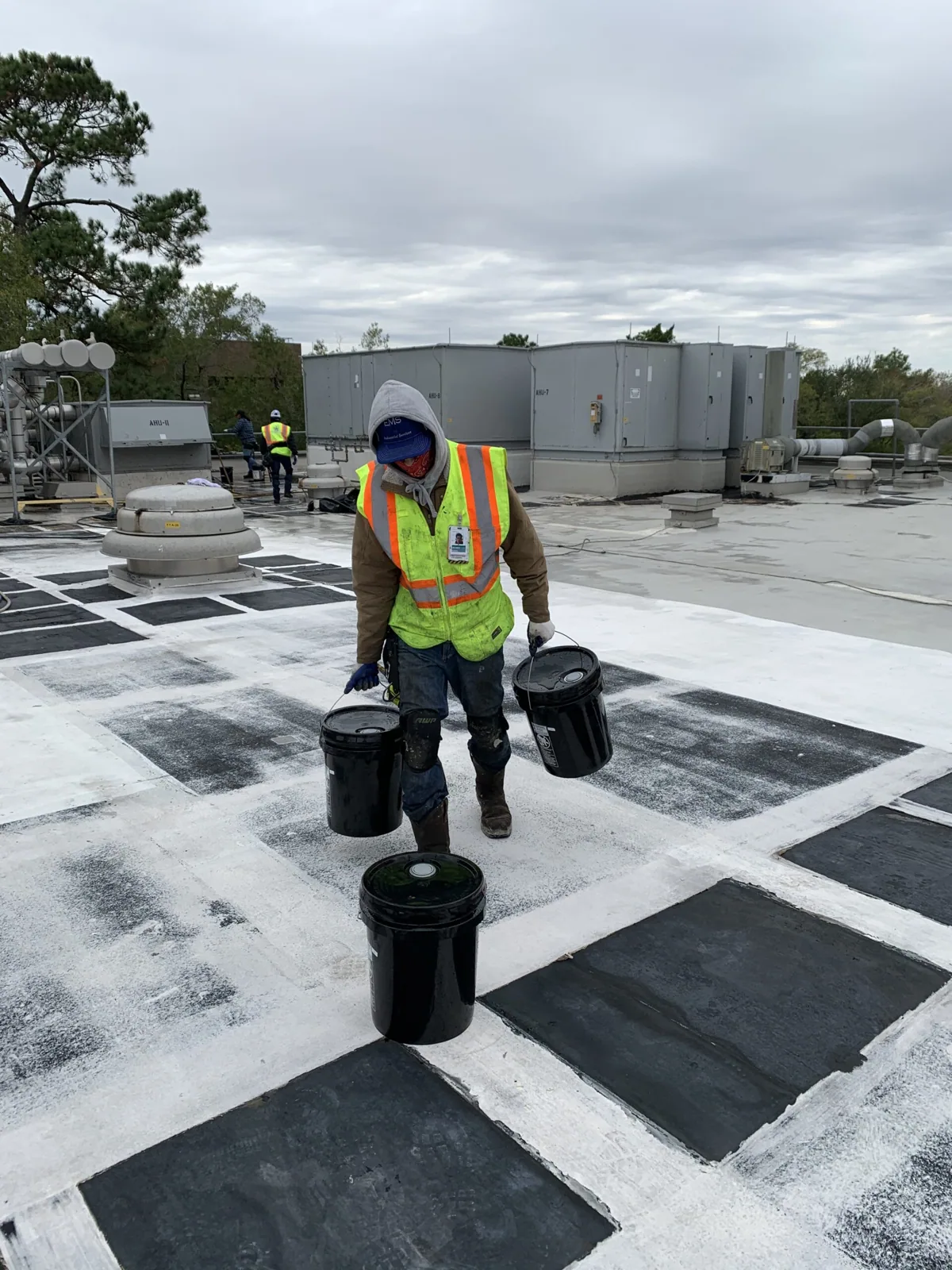
A roof program has to fit the way a portfolio or facility operates. Property managers need comparable condition records; a general contractor needs a defined work boundary and access plan; a healthcare system needs coordination with the people responsible for the building below. We inspect the roof itself, document visible conditions and separate urgent water control from long-term capital work.
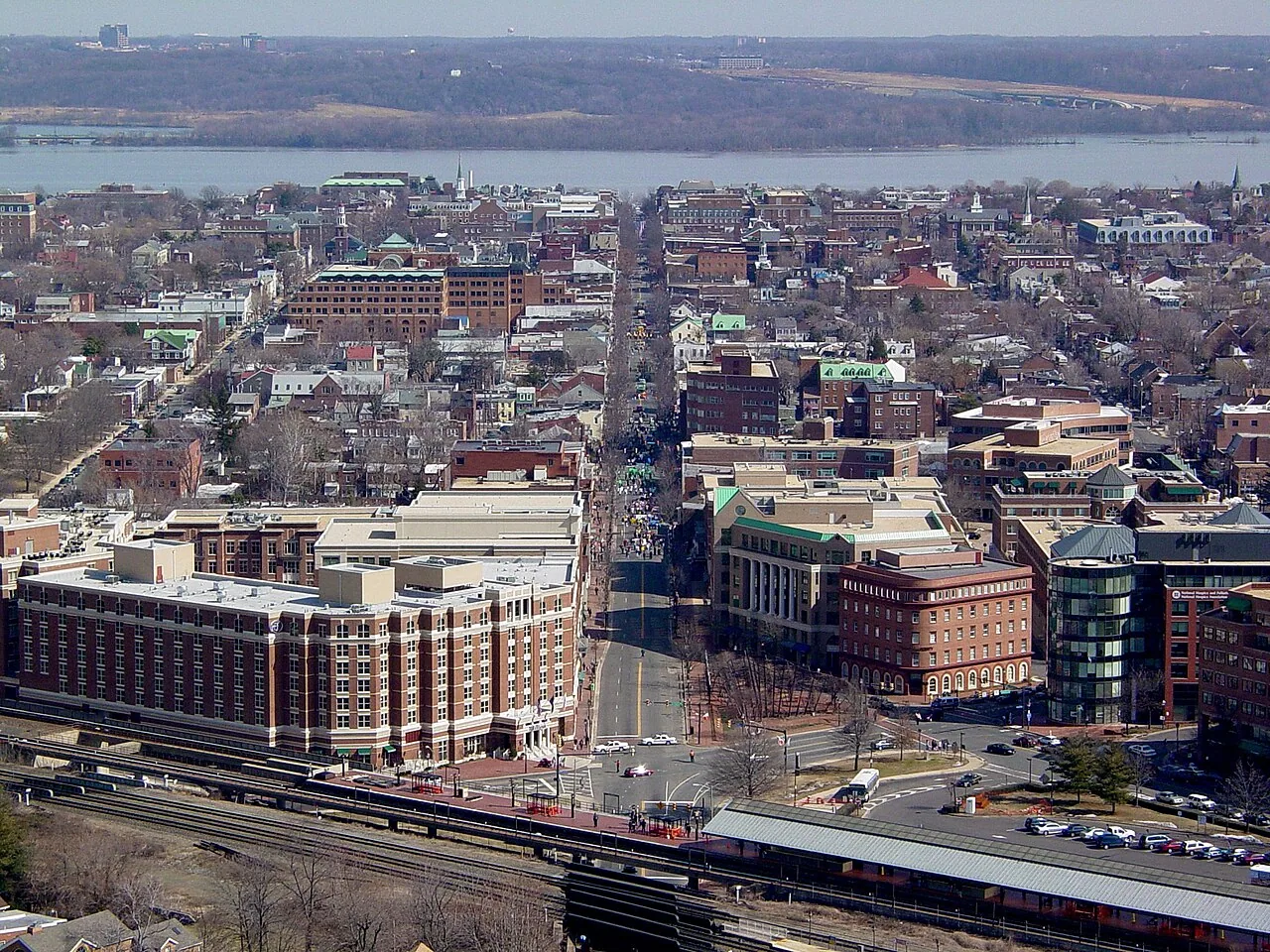
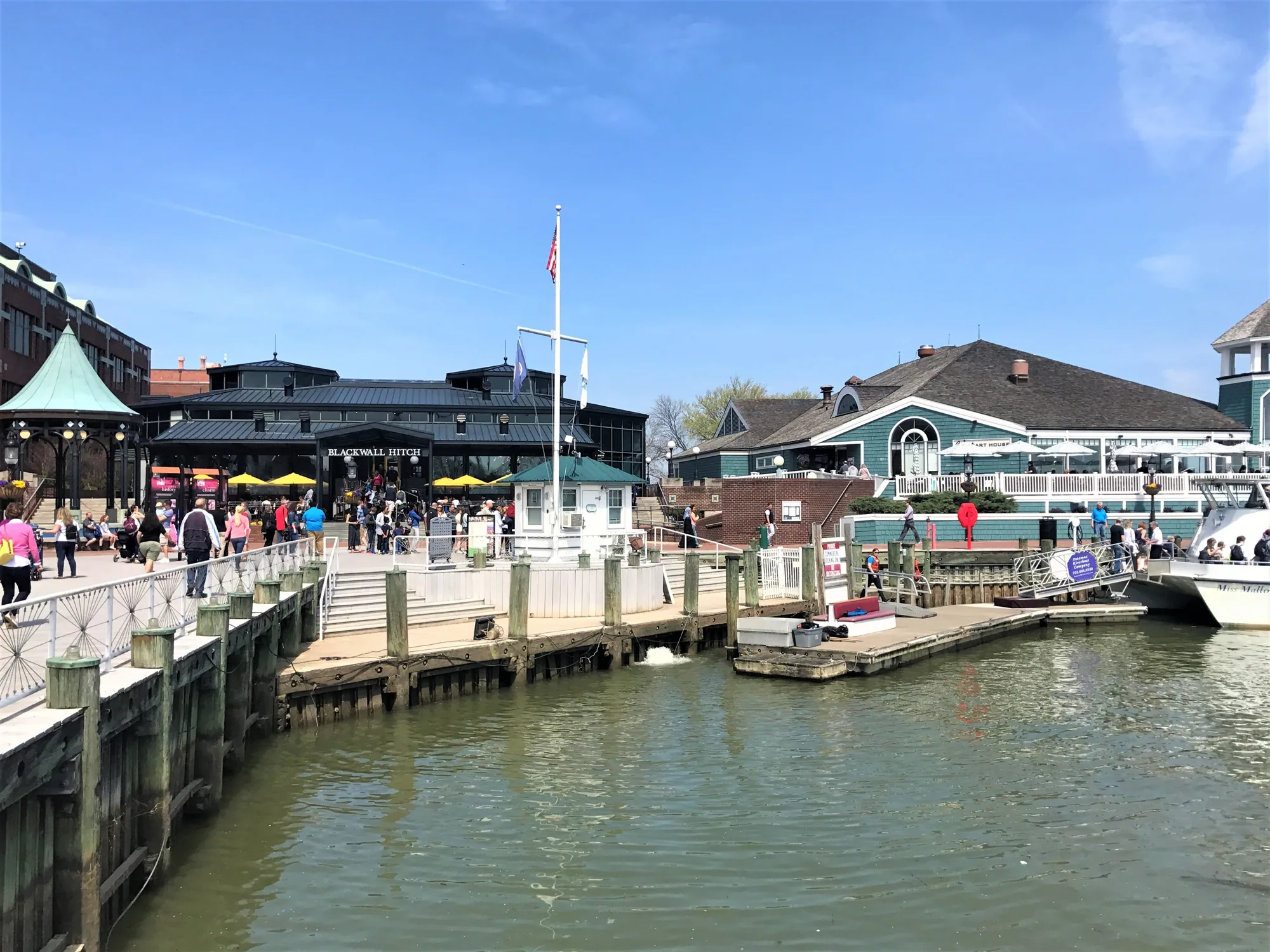
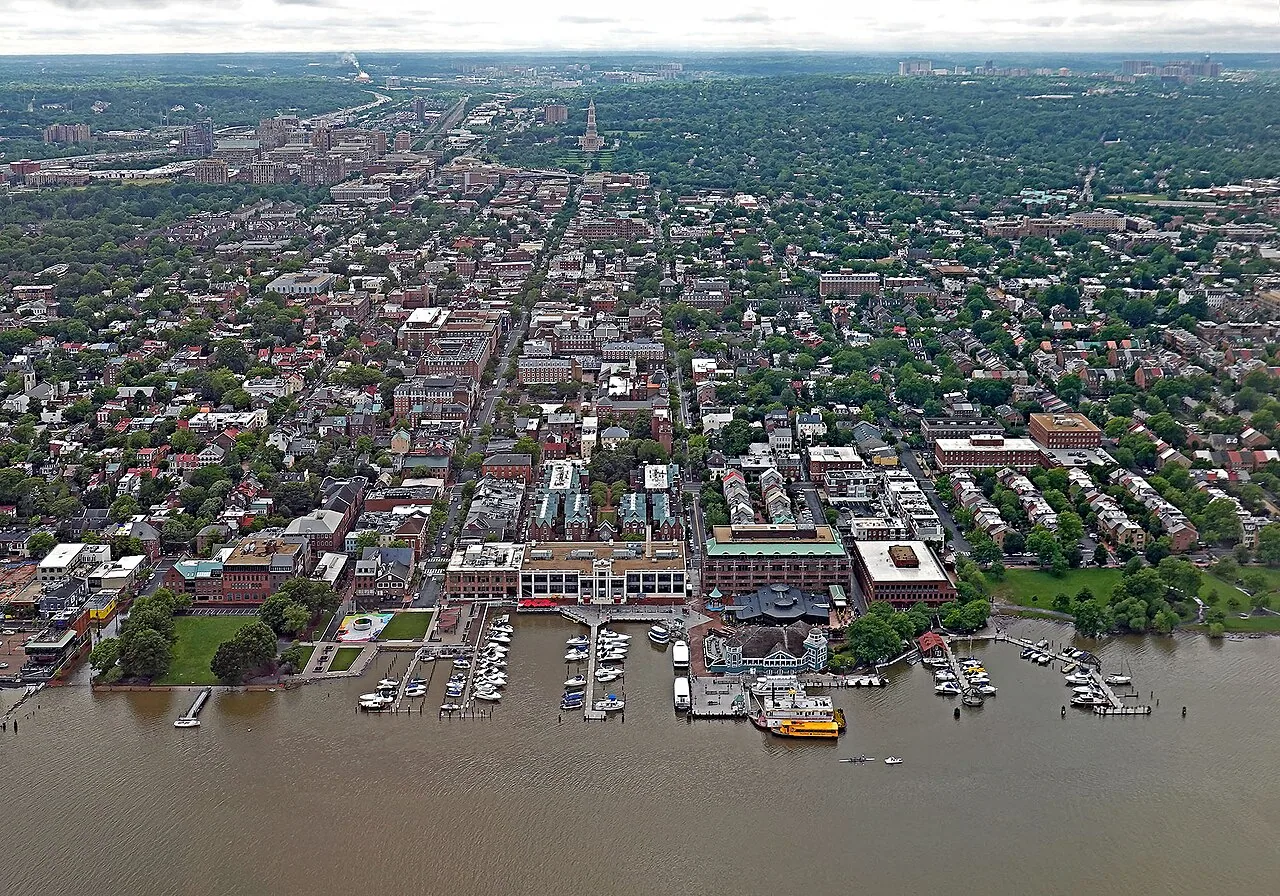
Alexandria’s commercial mix includes office and mixed-use buildings in Eisenhower East, Virginia Tech’s academic campus in North Potomac Yard, and innovation institutions such as the National Science Foundation and USPTO. For each project, we inspect the roof assembly and coordinate with the facility contact on access and operating needs.
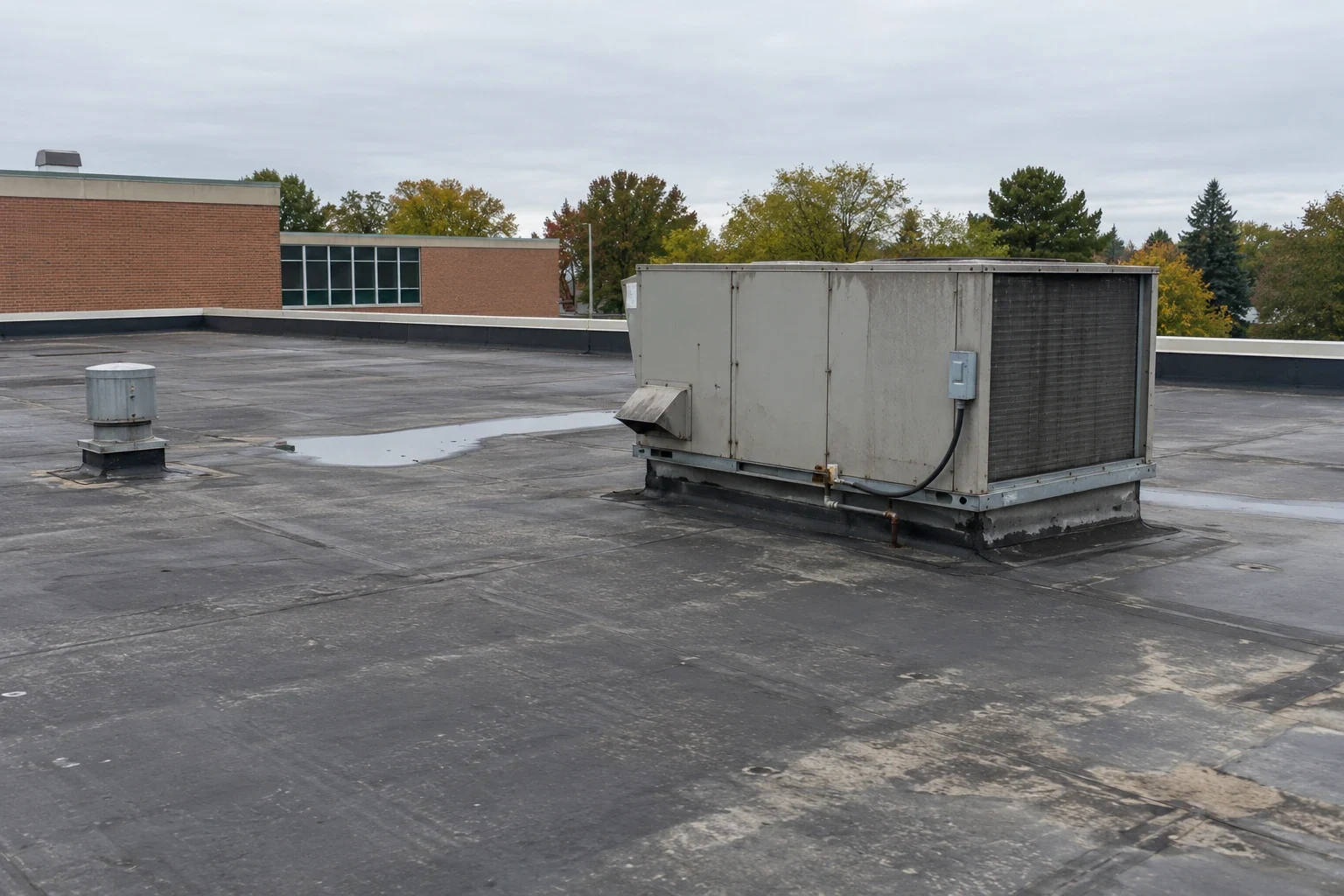
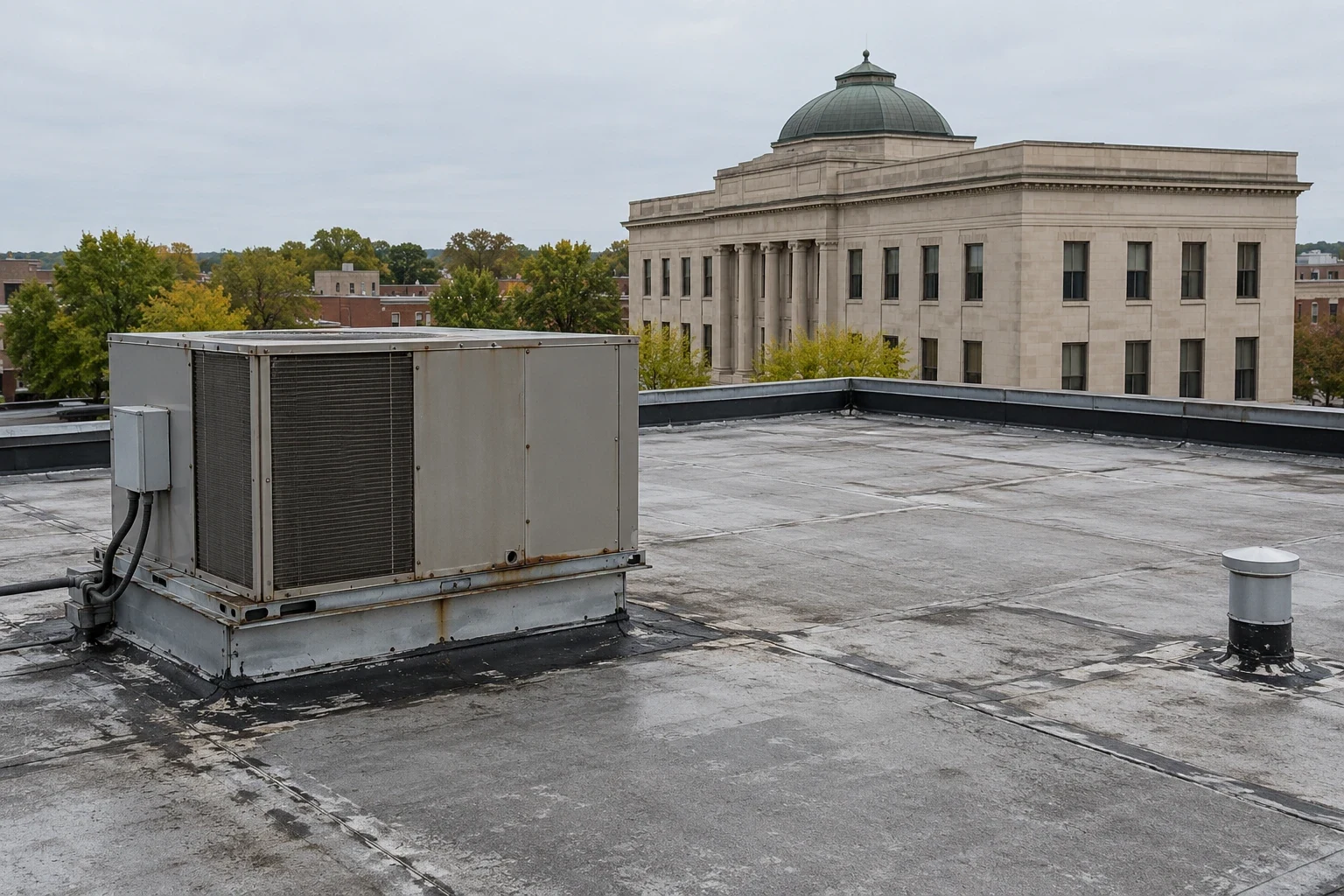
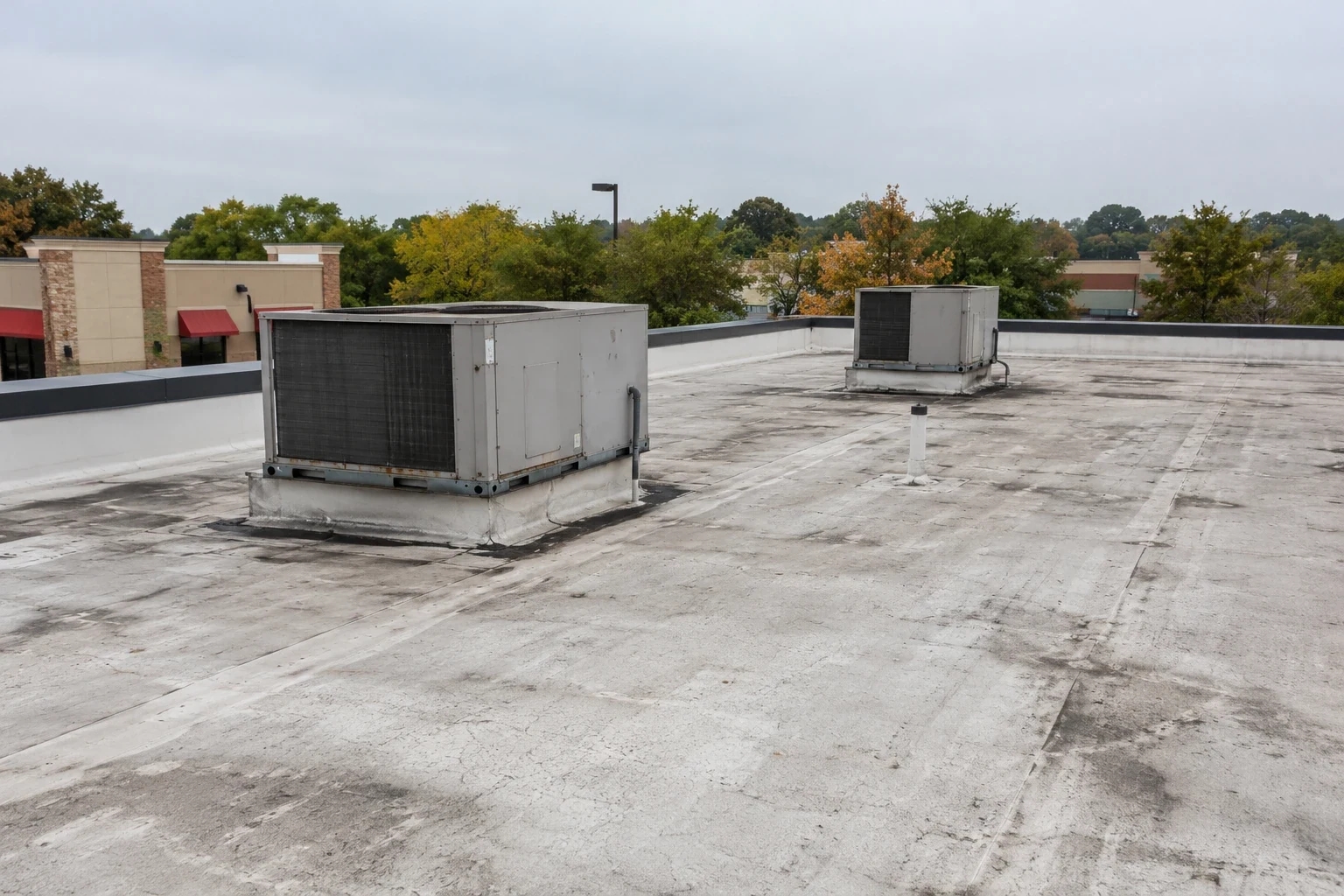
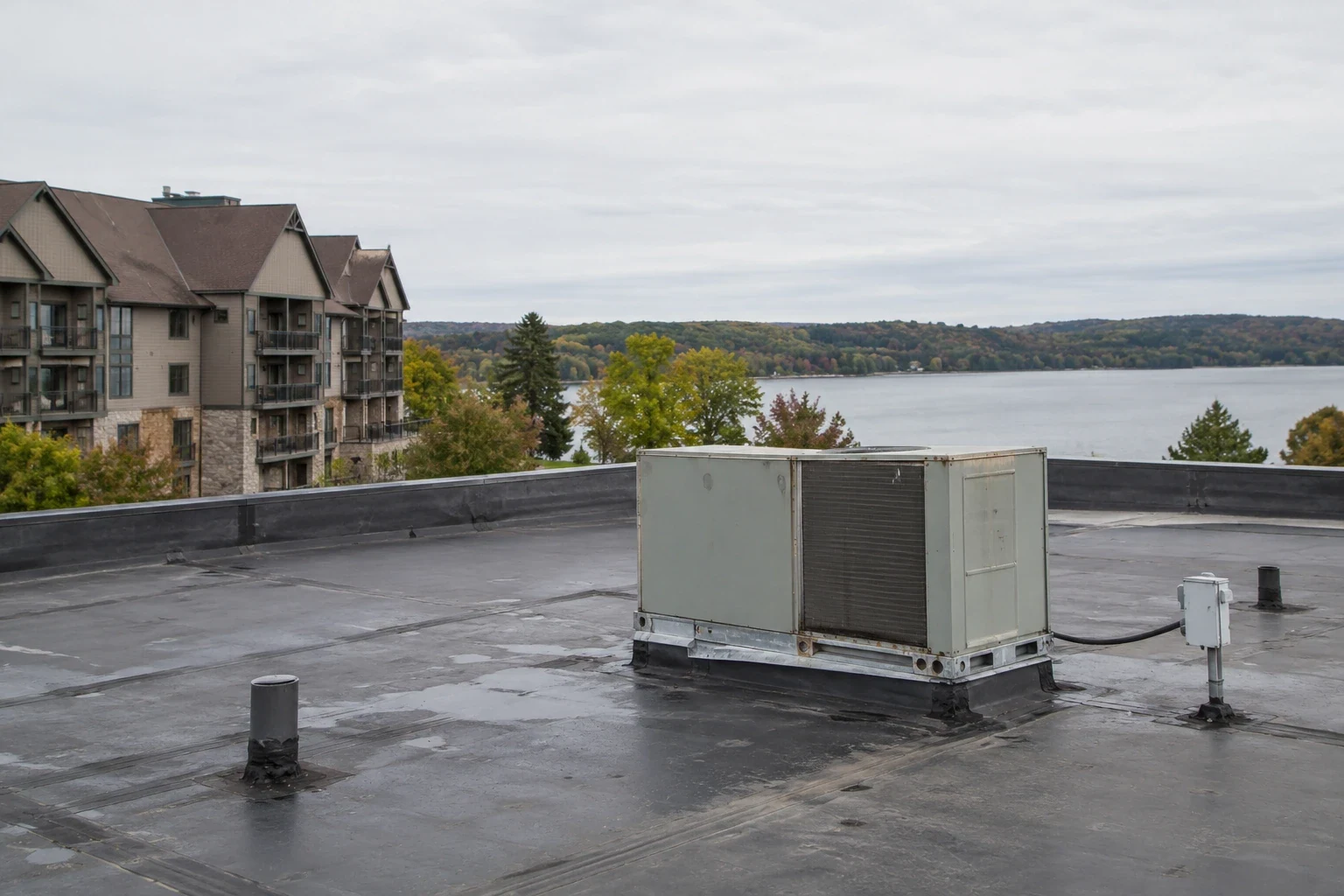
Set Priorities From Roof Evidence
For a multi-property owner, property-management roofing begins with consistent zone labels, photographs and repair status. That makes it possible to compare conditions without assuming every site has the same urgency. A real-estate portfolio may also need condition records tied to a transaction, budget window or planned hold period. We identify tested areas, visible defects and unresolved questions separately.
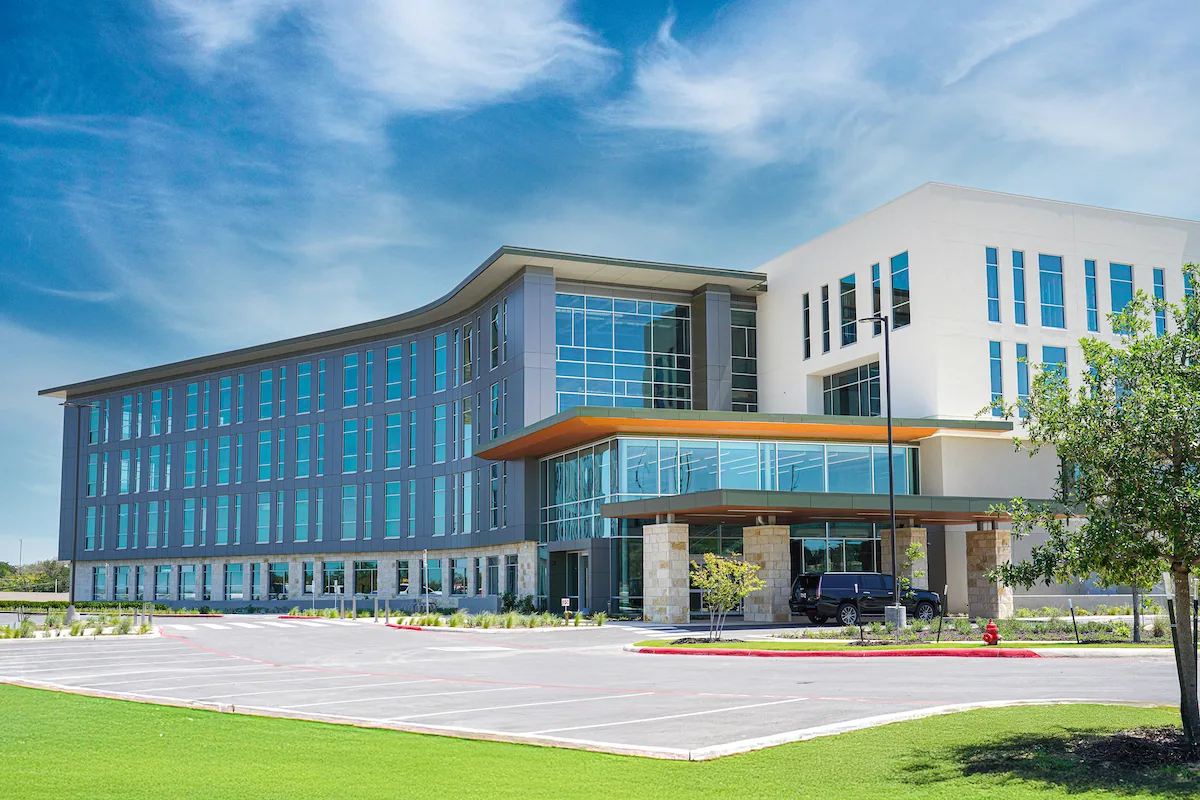
Healthcare work needs access and protection coordinated with facility staff. Healthcare roofing can involve occupied suites, rooftop equipment and critical access routes. For a school district, the contact supplies the academic calendar and site restrictions; for a public agency, the scope identifies the access and approval steps set by the owner.
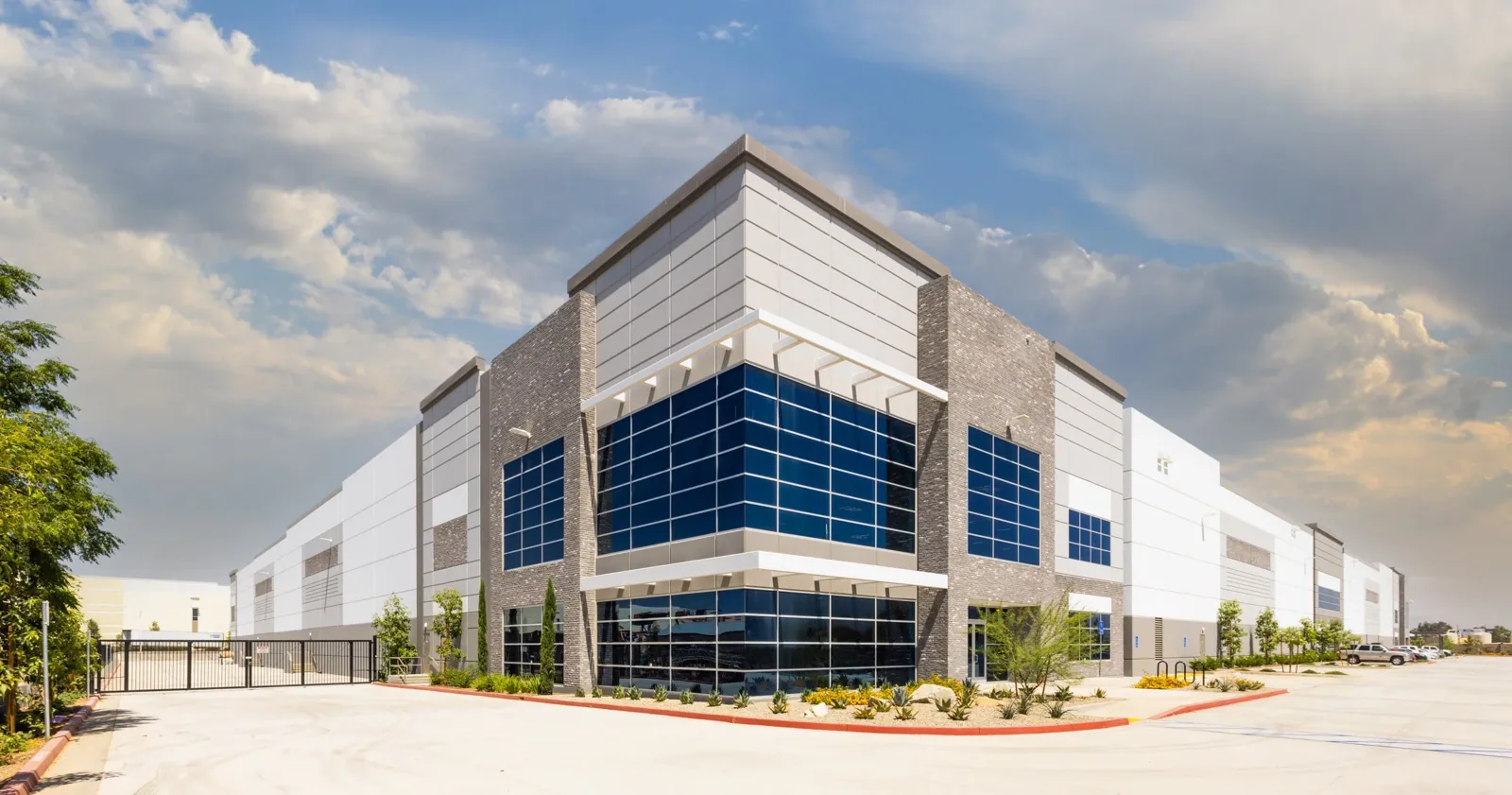
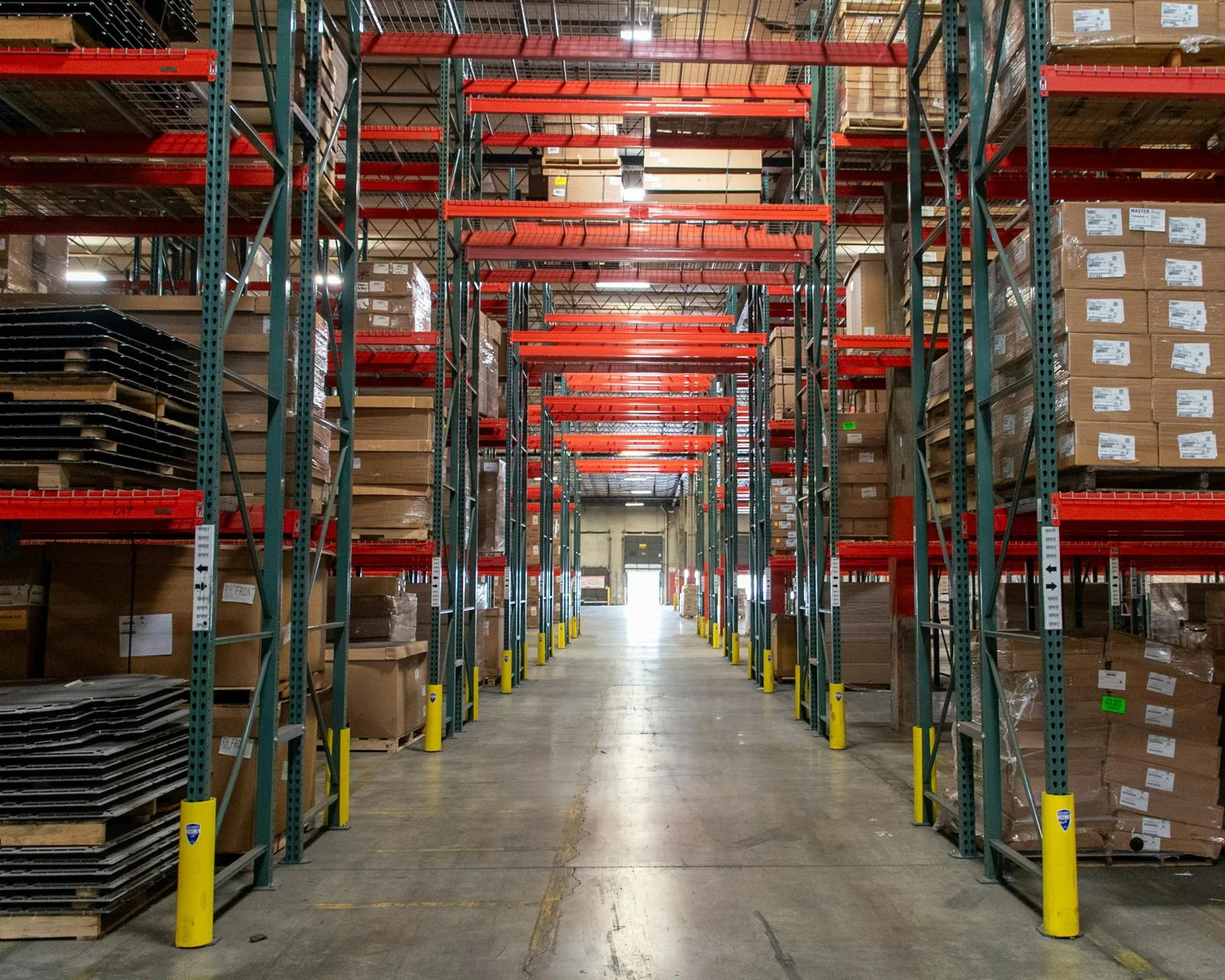
Manufacturing, distribution and logistics properties can have active operations, loading and mechanical constraints. We confirm the work window and safe material route with the facility contact. Retail and hospitality teams may need customer or guest routes protected. Each plan names the roof zones, dry-in sequence and person who can direct work if removal exposes concealed conditions.
Coordinate the Field and the Decision
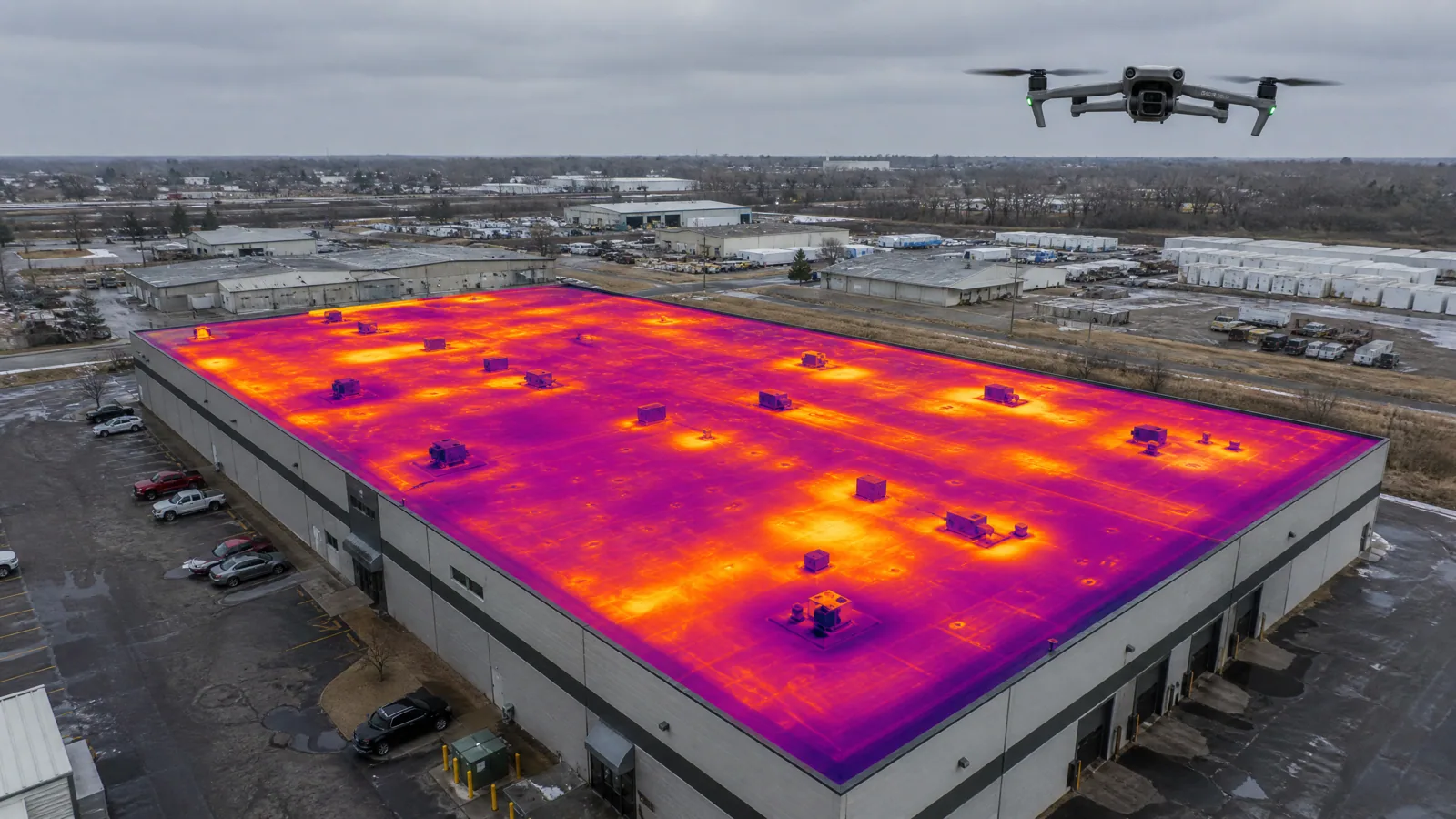
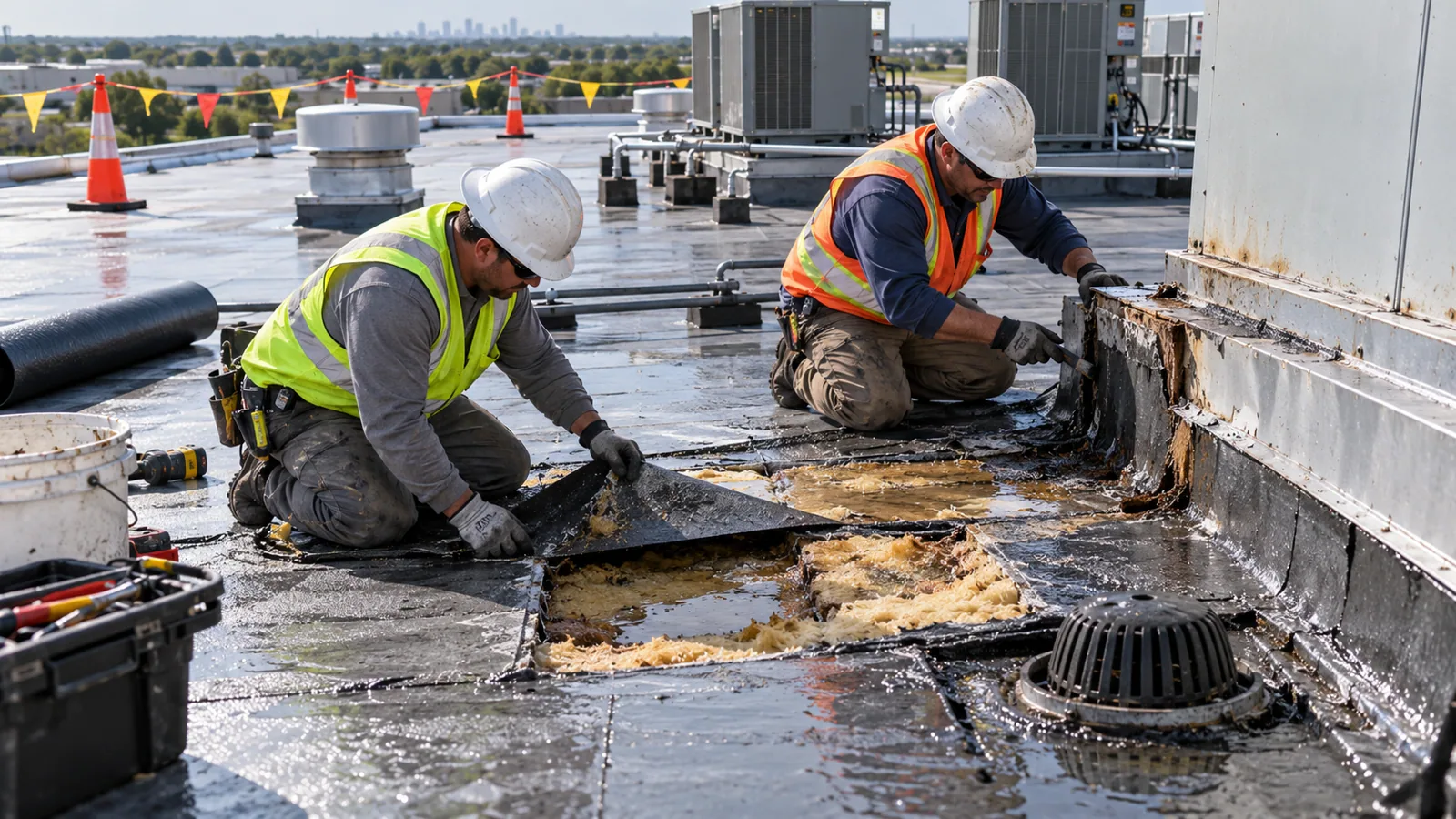
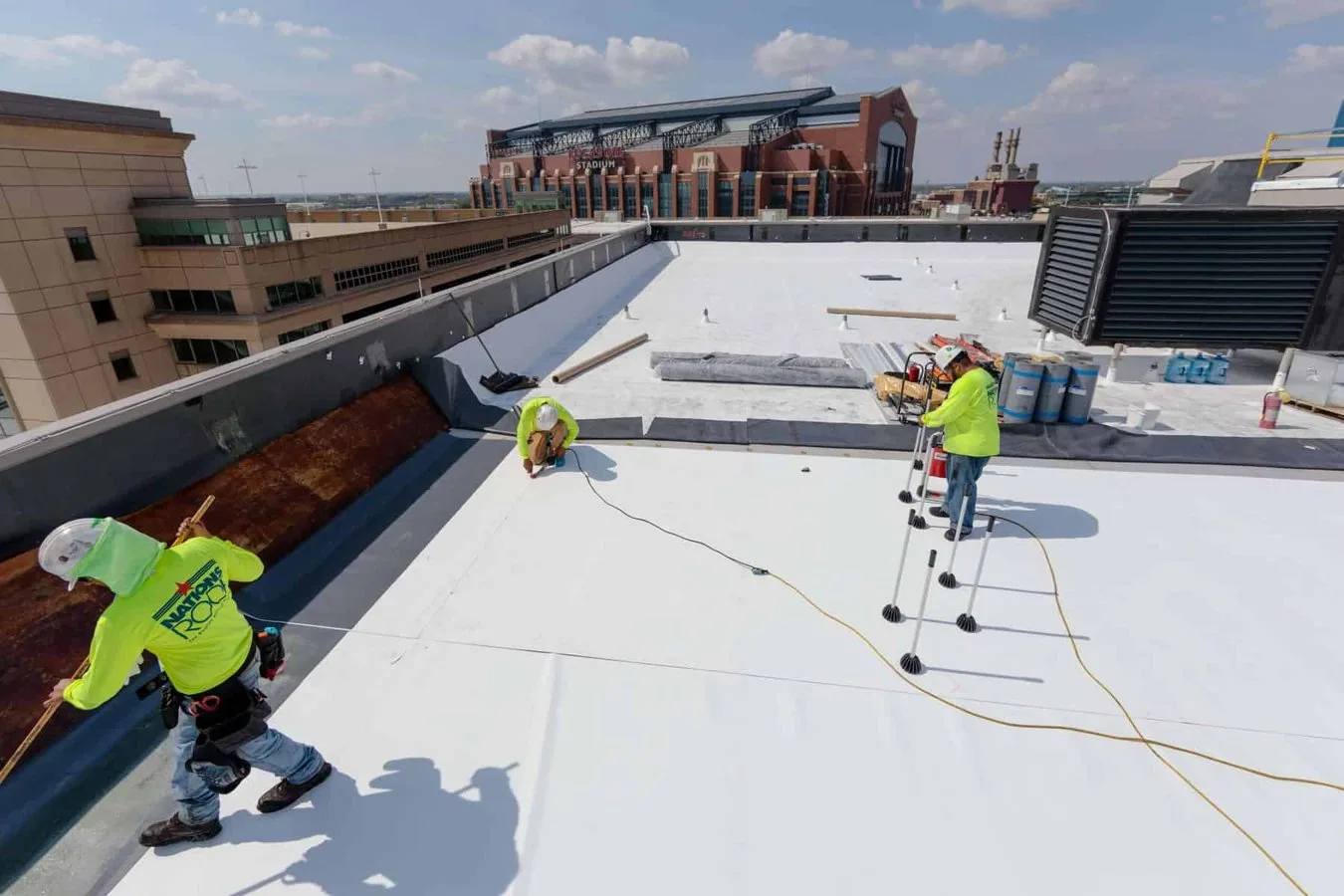
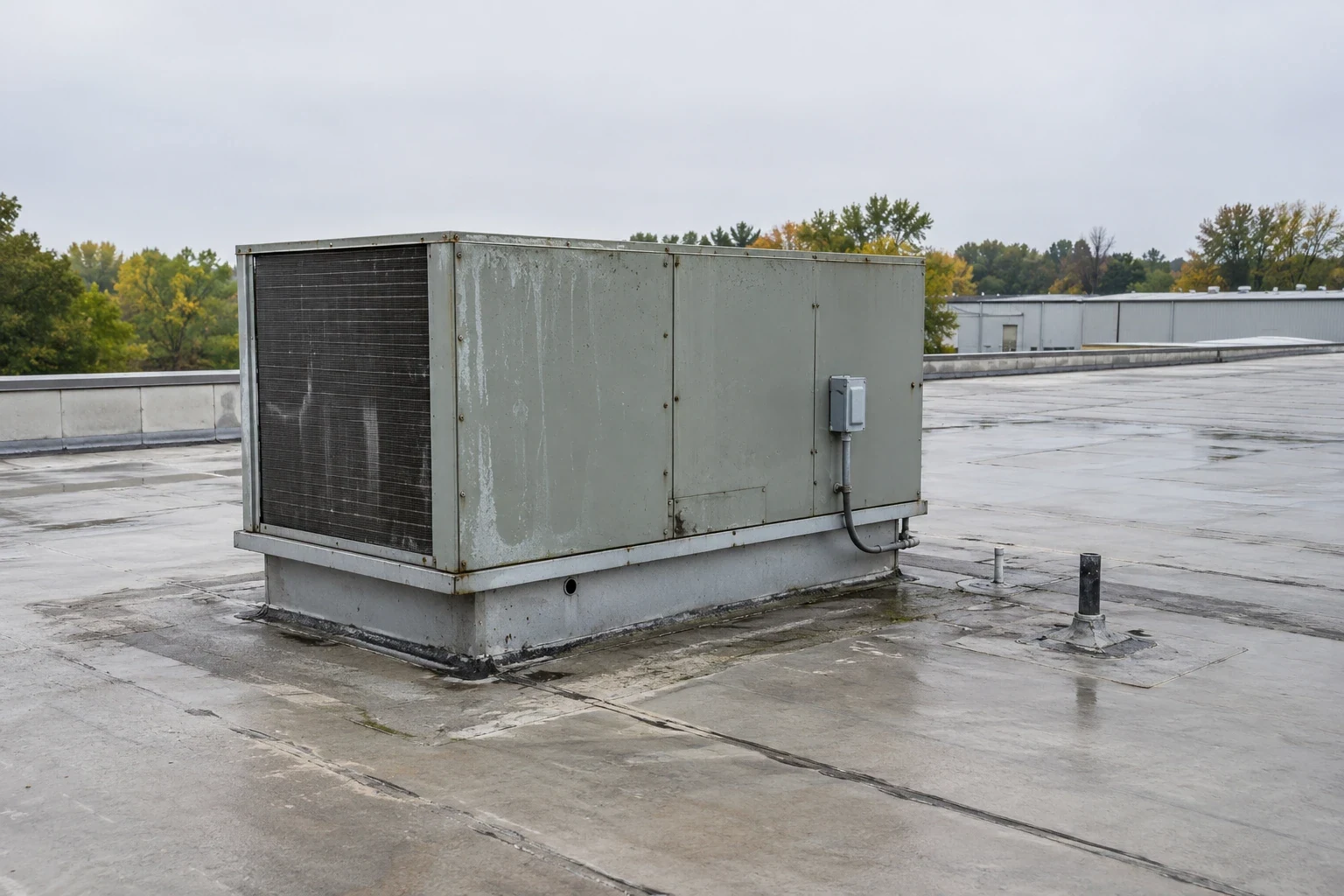
During an inspection, we compare the reported interior condition with roof slope, drainage, seams, flashing and penetrations. Moisture readings can help select a test location, while a test opening confirms the layers at that point. The report then distinguishes direct observations from assumptions that need further access. For Alexandria portfolios, sites in Carlyle, North Potomac Yard or Landmark/Van Dorn each keep a separate address and operating record.
When a leak is active, emergency roof response can reduce exposure outside normal business hours, including weekends and holidays. Permanent repairs follow after the affected assembly and work boundary are established. If recurring leaks or broader wear appear, we compare targeted repairs with recover or replacement and state the access, protection, material and schedule drivers.
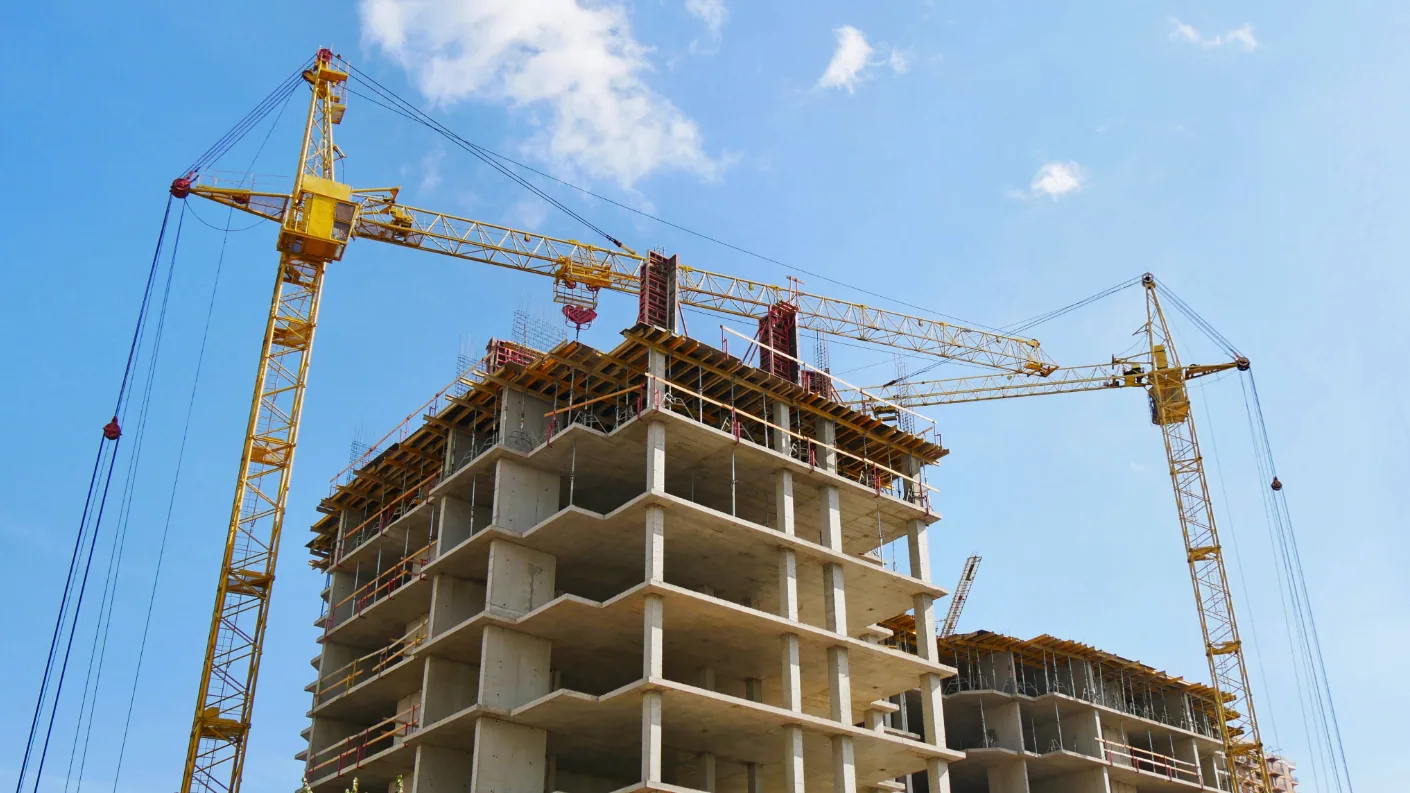
We can coordinate with general contractors and insurance restoration teams using field sketches, photographs and quantities that relate to observed conditions. Logistics facilities may need additional staging coordination, while hospitality properties may need work sequenced by guest-facing area. The site contact coordinates operating requirements, and our roof inspection defines the construction scope.
Make Each Scope Reviewable
Cost and timing reflect assembly, repair depth, access, testing, material staging, protection below and operating restrictions. We describe what is included, which areas remain untested and what would trigger a revised quantity. A portfolio can then separate immediate repair, planned maintenance and a larger replacement decision without assigning one condition to every building.
Share the Alexandria property address, organization or project role, roof concern, available records and access contact. We will inspect the relevant zones and return a measured scope that can be reviewed by the facility team, owner and project partners.
Keep the Handoff Tied to Roof Work
Before another trade closes an opening, identify who owns the flashing interface, when the roof is ready and who can approve a concealed condition. We keep roof zones and decisions specific to each address.
Commercial Roofing Questions
Can one roof report cover every property in a portfolio?
A common format can make sites easier to compare, but each address still needs its own observations. We record the roof zones inspected, visible condition, test limits and recommended next step so a finding at one property is not transferred to another.
Can one portfolio report treat roofs as interchangeable?
No. Each address, assembly, roof zone and observed condition stays distinct, even in a shared portfolio format.
What belongs in a contractor handoff?
Name the trade, roof interface, ready condition and approval contact before permanent flashing.
How should urgent and capital work be separated?
Show immediate water control apart from renewal, and tie each amount to its inspection finding.
Coordinate Industry Roofing in Alexandria
Send the property list or project address, operating constraints and available roof records. We will define access, inspect the relevant areas and prepare a scope based on observed conditions.