
 Services
 Roof Systems
 Property Types
 Industries
 Damage Repair
 Capabilities
 Manufacturers
 Service Areas
Shopping Center Roofing in Alexandria, VA
Property Types We Roof:
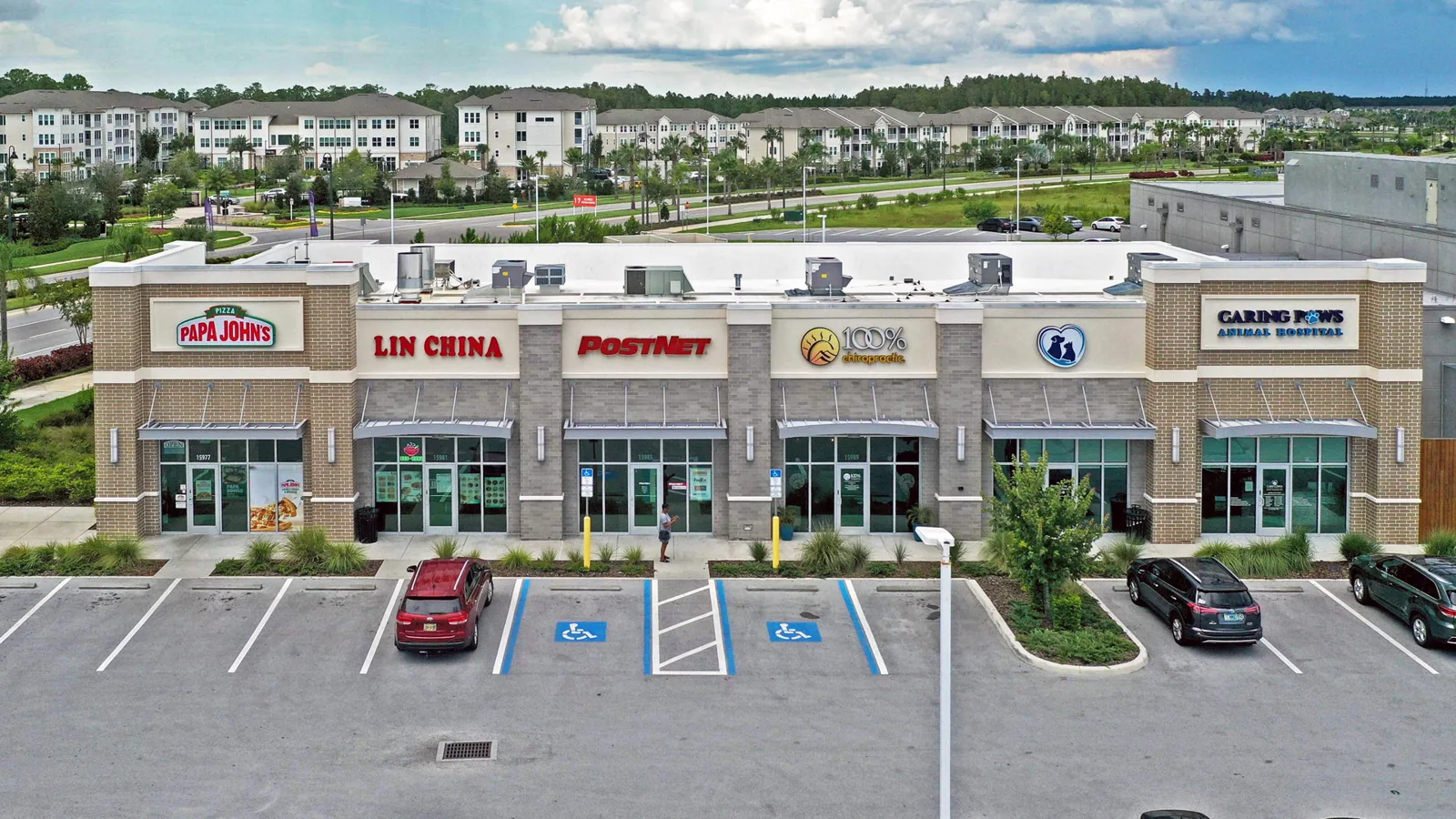
A leak above one storefront can affect a neighboring tenant if water travels along the roof deck. We match the reported suite with roof seams, drains, parapets and equipment above, then define where the repair can be verified. Alexandria’s heavy rain tests outlets and flashing, while summer heat stresses roof surfaces. A shopping center project also needs a plan for customers, deliveries, signs and tenants that remain open.
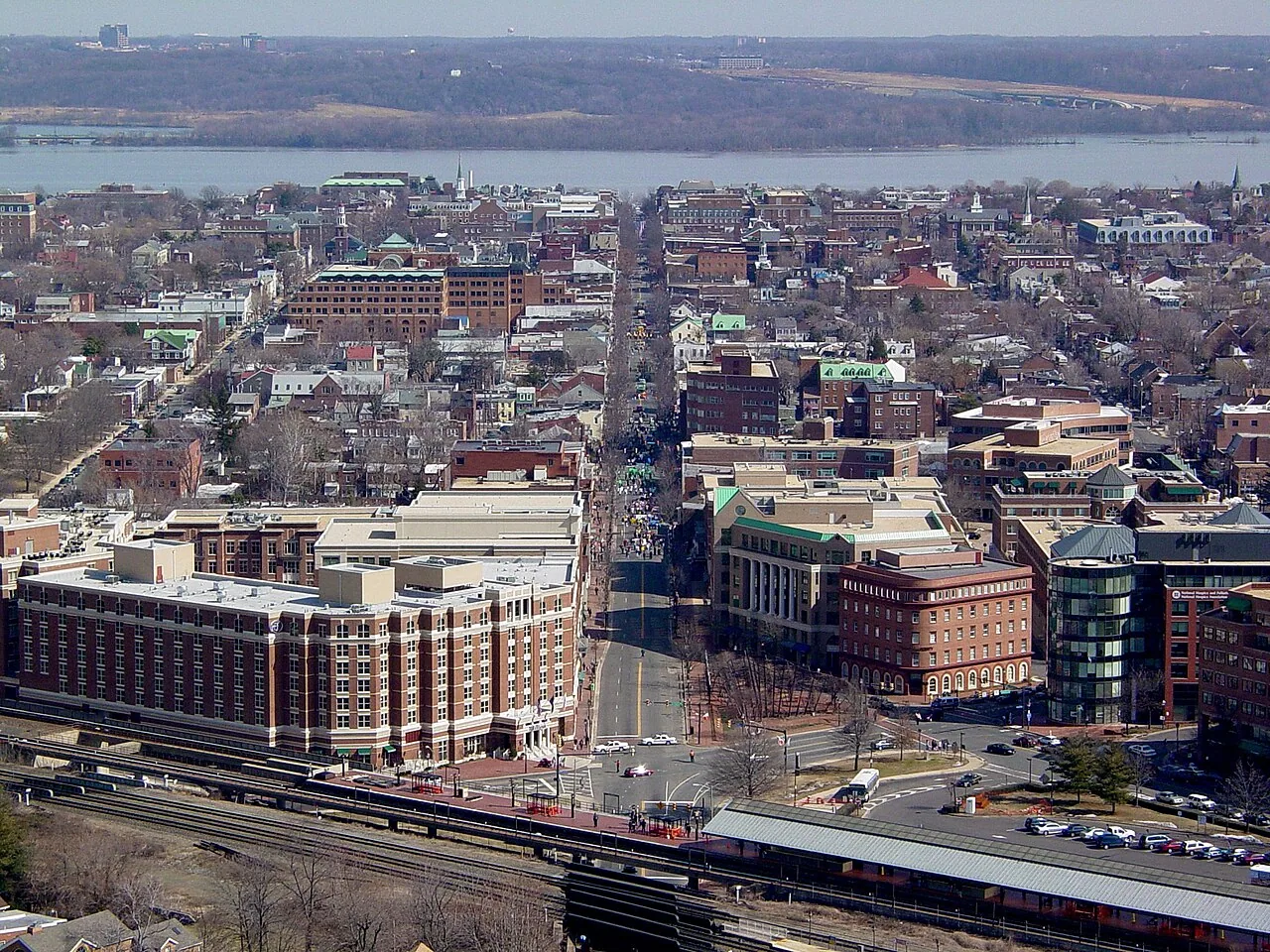
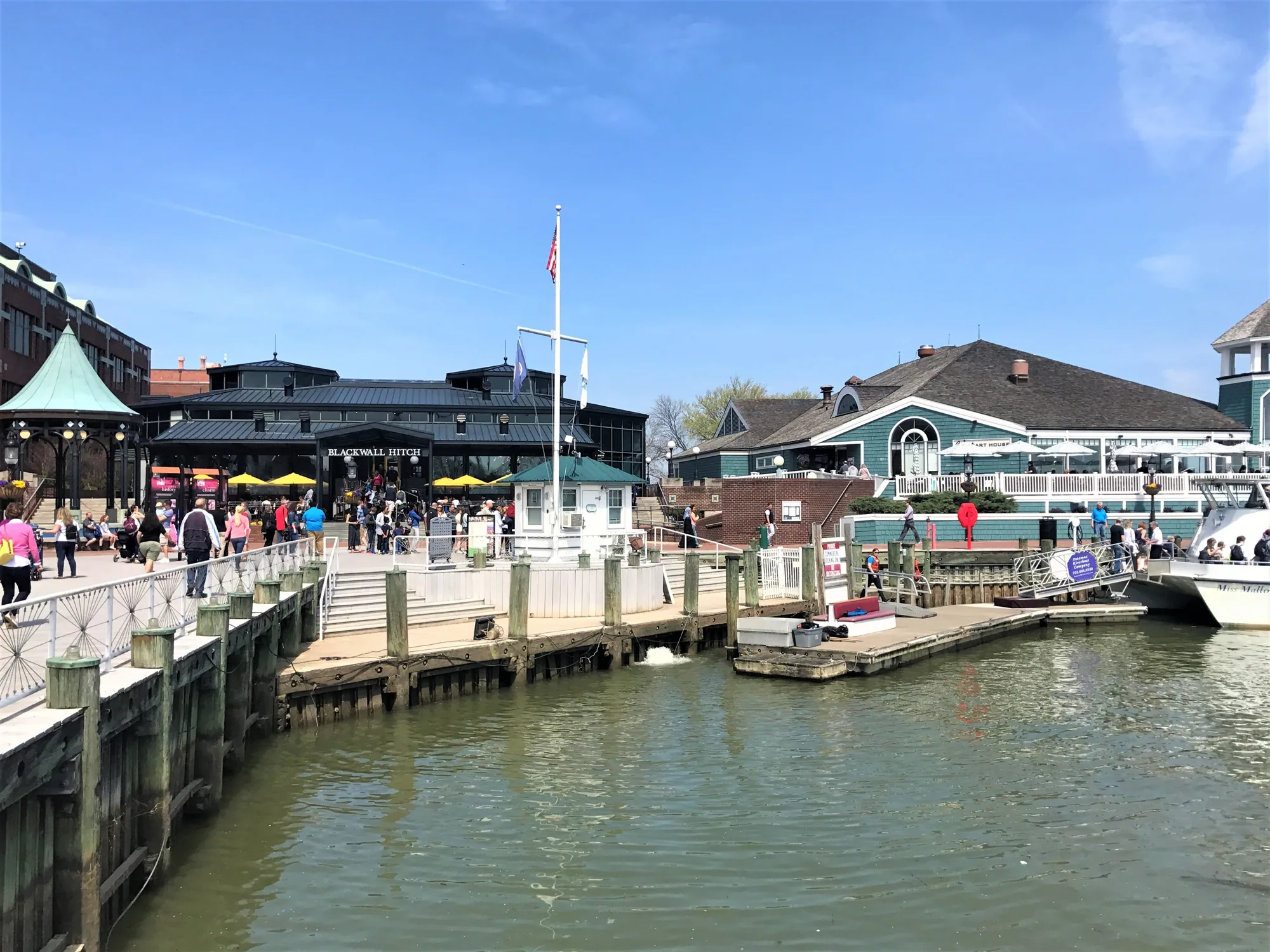
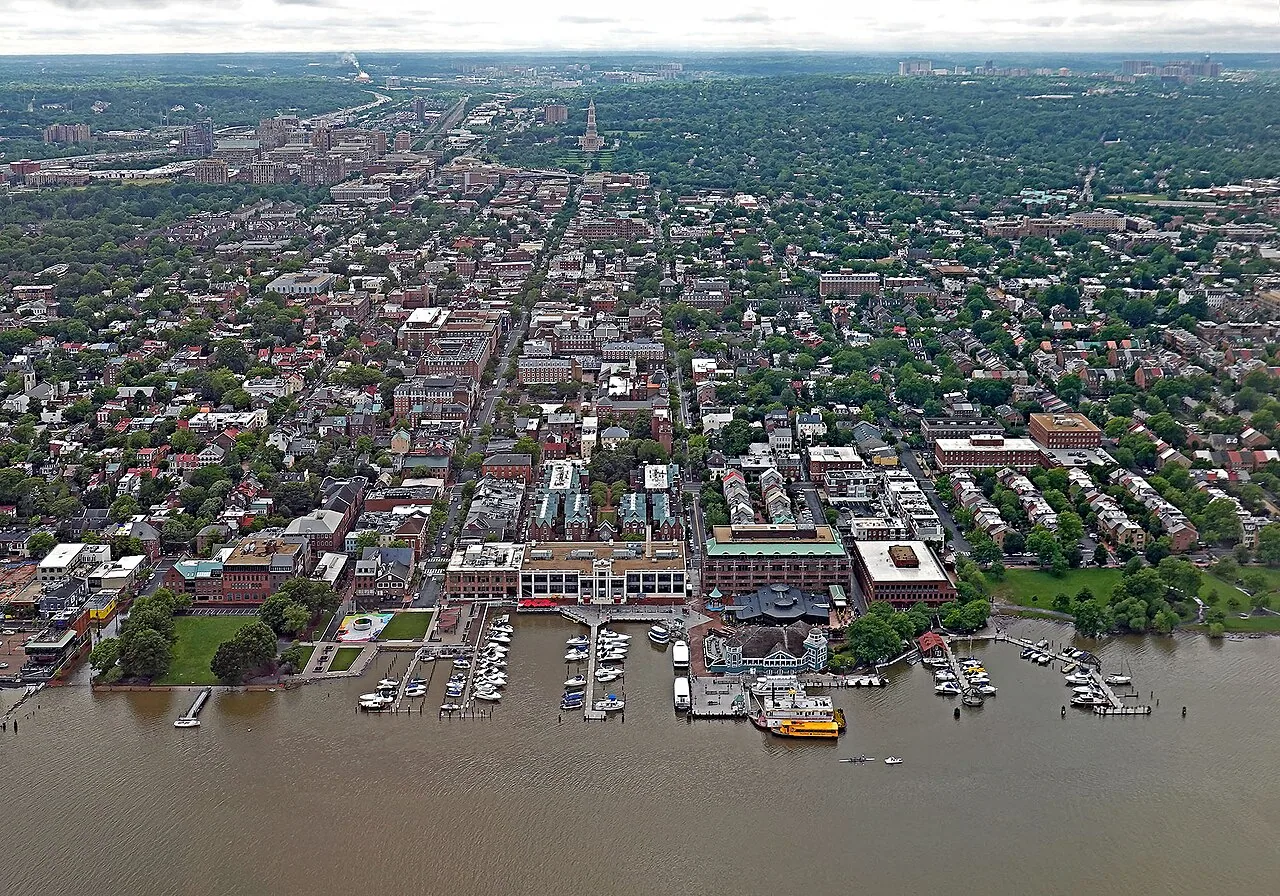
Old Town North includes commercial and retail uses, and Potomac West includes the Route 1 corridor and Oakville Triangle. These local settings can shape access and staging. We confirm the roof system, tenant mix and property layout at the address. A big-box retail roof can have a different work footprint, while a grocery roof may require additional coordination around refrigeration equipment.
Shopping Center Roofing
Protect Storefront Access
The property manager identifies store hours, loading windows, customer entrances and any tenant that needs advance notice. We set crew access and material staging away from storefront traffic when the site allows. If the roof work affects a sign, patio or delivery canopy, the plan states when that area is restricted and how it will reopen.
Repairs can create noise, odor or debris. We coordinate protection below and communicate which tenant space sits under an open roof area. For a larger reroof, work can move across roof zones so the center remains accessible. The owner confirms how notices are delivered and who approves temporary closures.
Active water entry may need attention before a normal work window. Emergency roof response is available day and night, weekends and holidays included. We assess feasible protection for the reported entry and identify the preparation needed before a permanent repair can proceed. If interior ceiling or merchandise repairs are needed, the roofing scope documents them separately from the roof correction.
Trace the Leak Between Suites
Rain can enter at a parapet, curb or seam and move laterally before it appears in a shop. We compare the interior stain and timing with roof-level evidence, then mark the likely water path. A leak investigation records the entry point separately from the affected suite so the repair follows the defect rather than the ceiling stain.
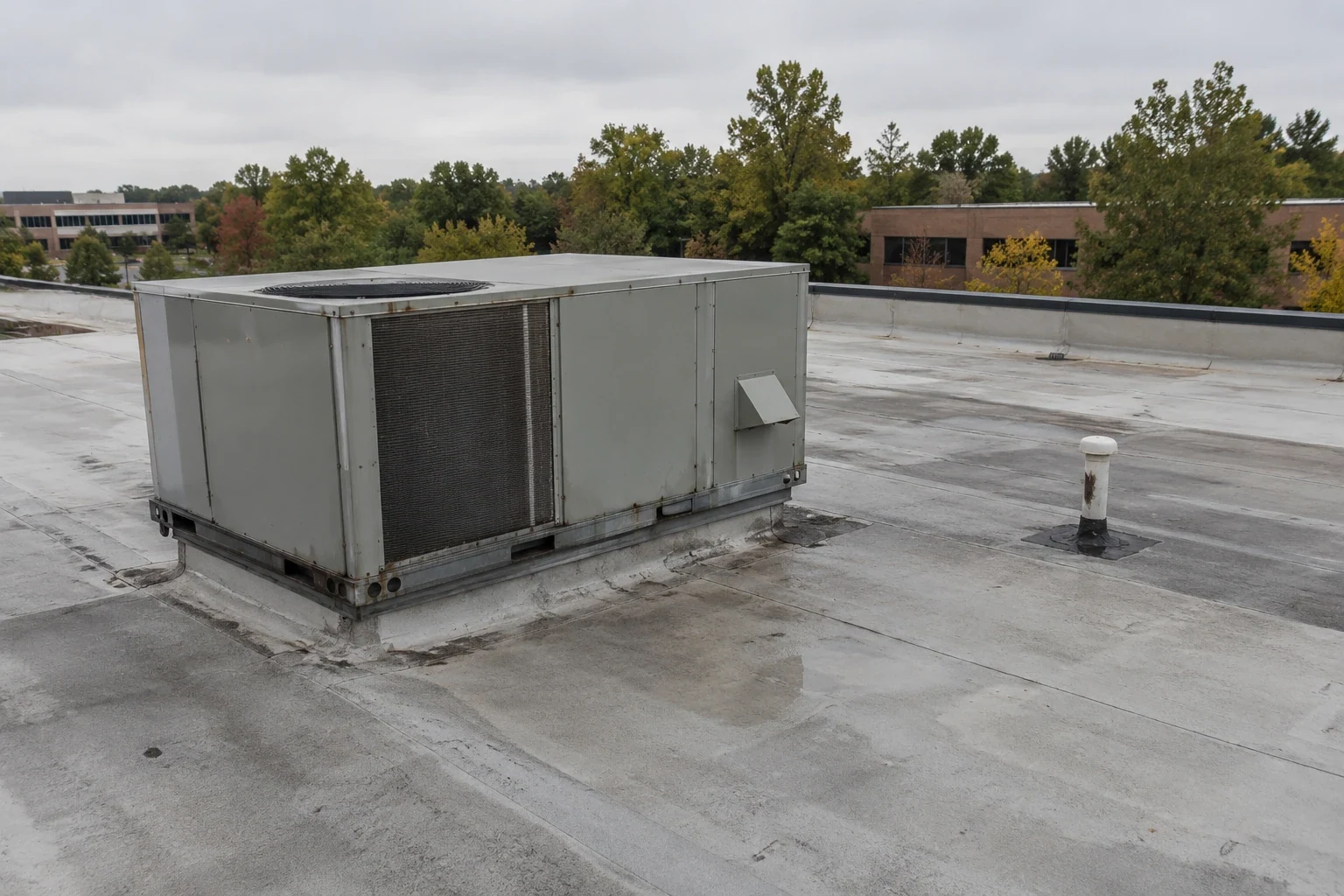
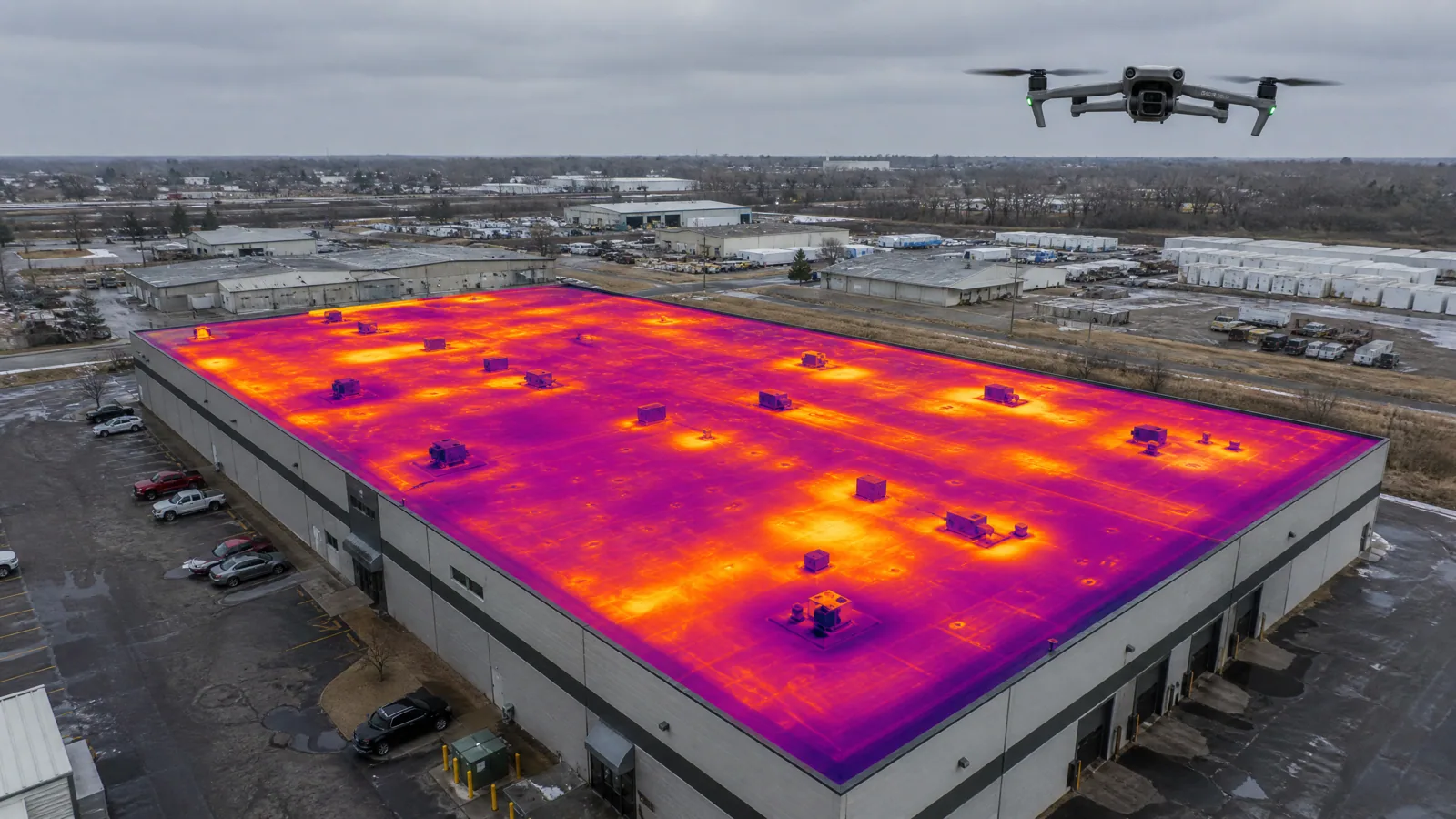
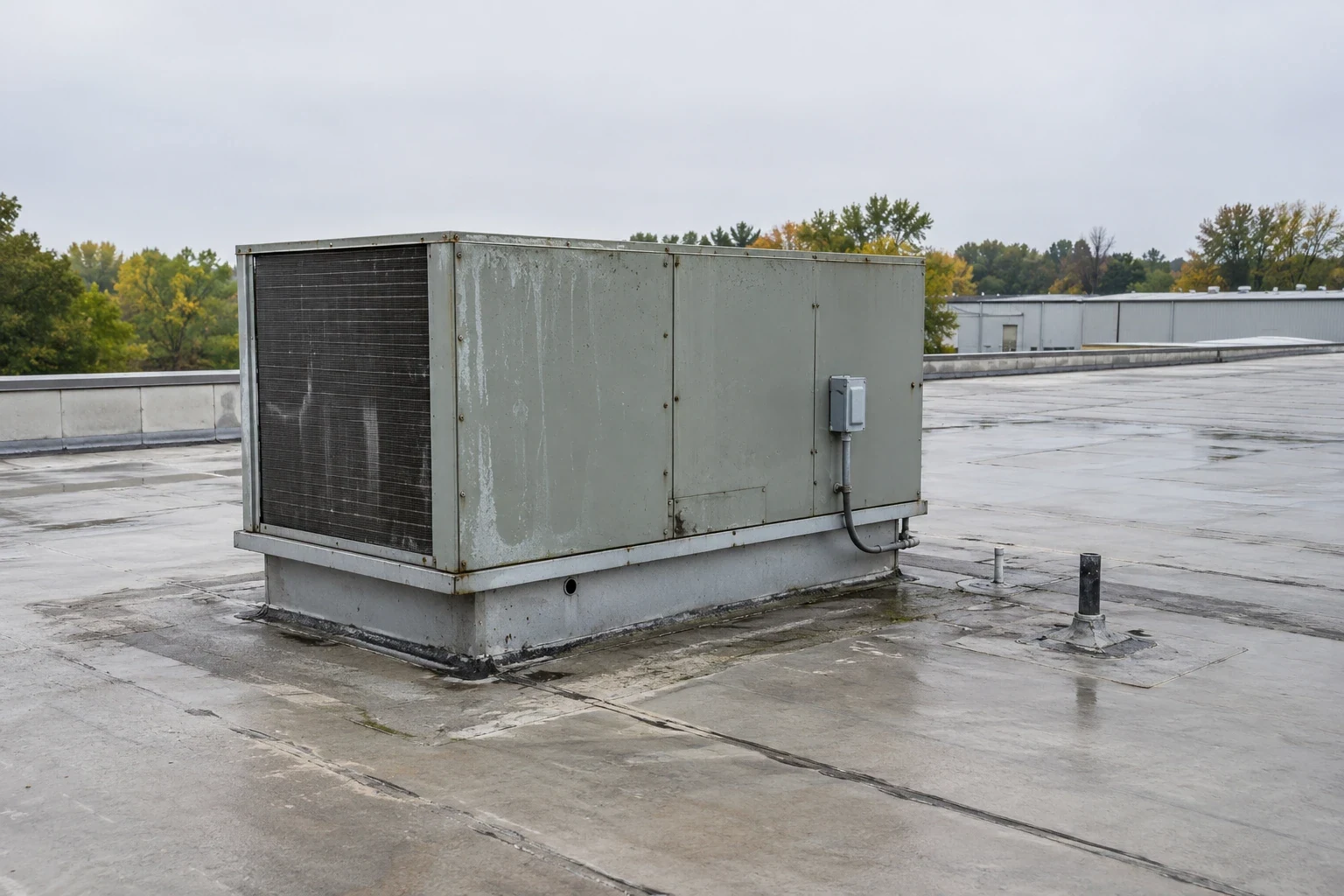
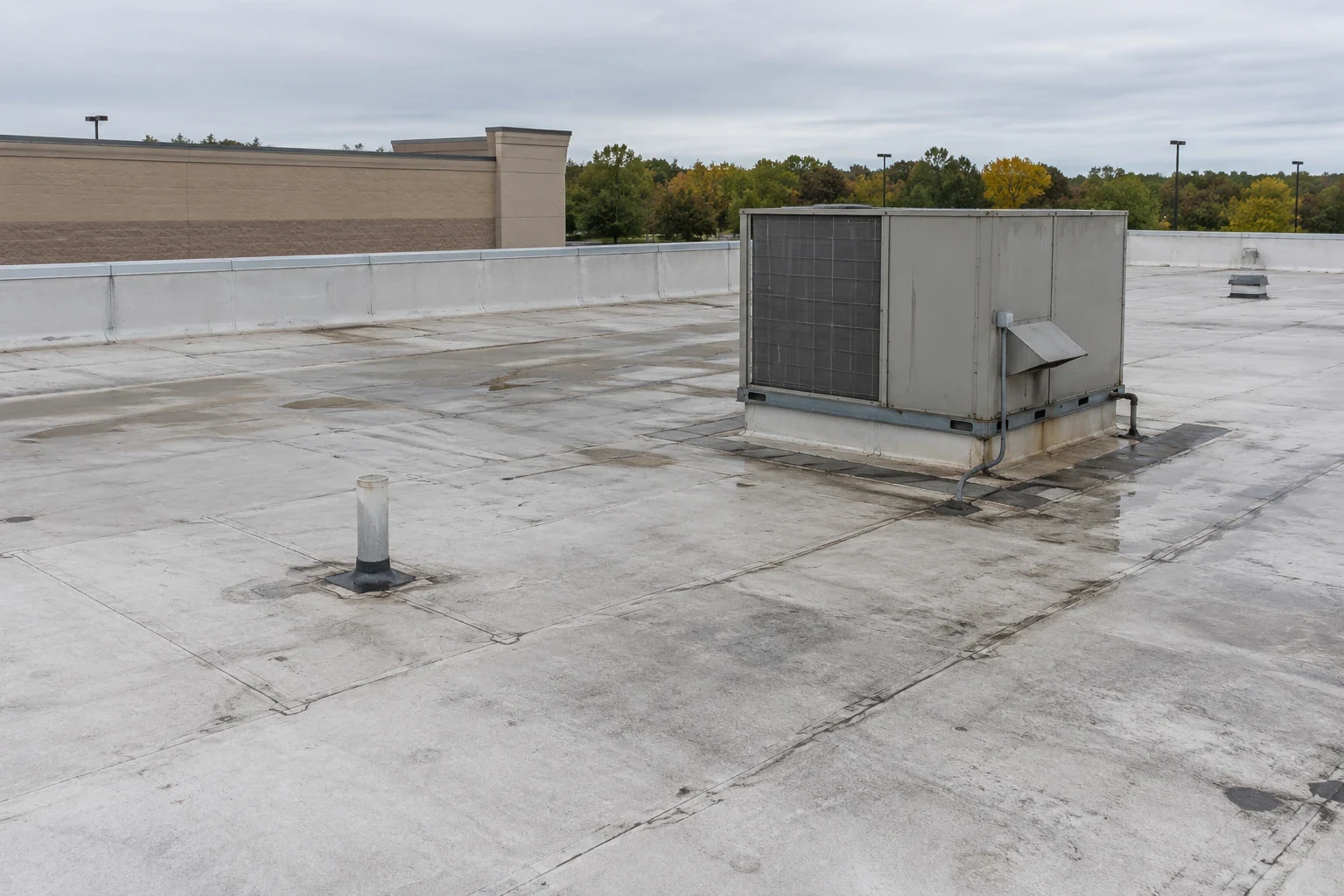
Shopping centers may have rooftop units, exhaust, skylights and utility penetrations spread across a large roof. We inspect flashing and membrane around the relevant equipment and check whether service work left a cut or loose transition. A curb and support repair can be coordinated with the tenant’s mechanical contractor when a unit needs replacement.
If visual review does not confirm the source, we may propose an owner-approved test opening or controlled test. The plan identifies the area, who monitors below and how the opening will be restored. Findings stay tied to that roof zone; they do not establish that every tenant bay has the same condition.
Follow Runoff to the Outlet
Intense rain makes the shopping center's roof outlets and overflow paths useful inspection points. We trace runoff to drains, scuppers and overflow points, looking for debris, ponding or backflow marks. Regional flood risk does not prove that the shopping center’s roof has failed. We document the roof-level conditions found at the address.
A blocked drain can hold water near a seam or rooftop unit. A drain and scupper service can check the outlet, with membrane repair scoped separately. If water stands because of deck movement or a low section, clearing the outlet will not address the cause. The estimate names each known condition and any further test needed.
Loading canopies and storefront signs may meet the main roof at transitions that also need inspection. We check whether runoff crosses those details and whether the water path reaches a lower canopy roof. A photo and roof map help the manager assign follow-up to the correct property area.
Choose Repair or a Larger Project
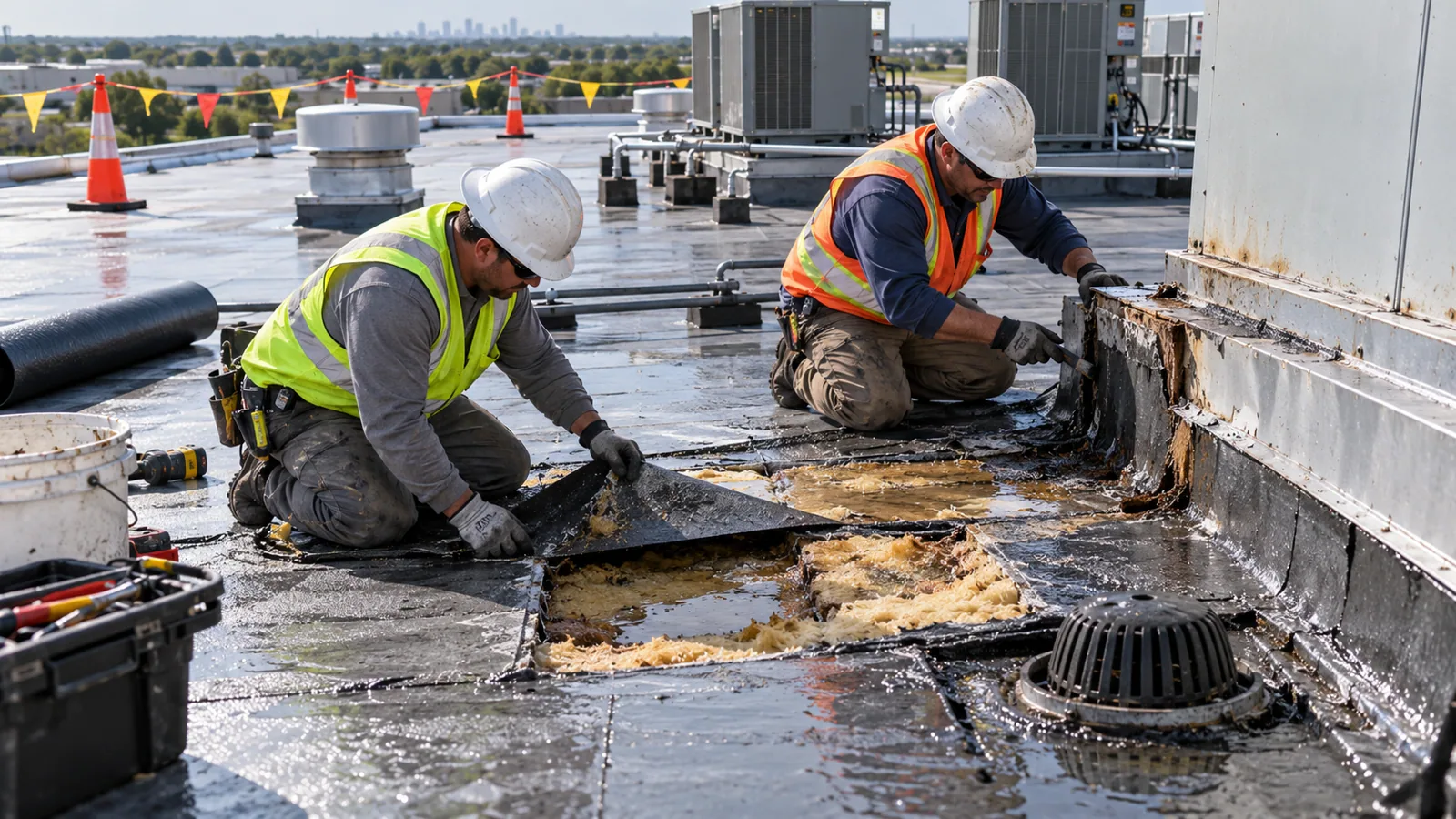
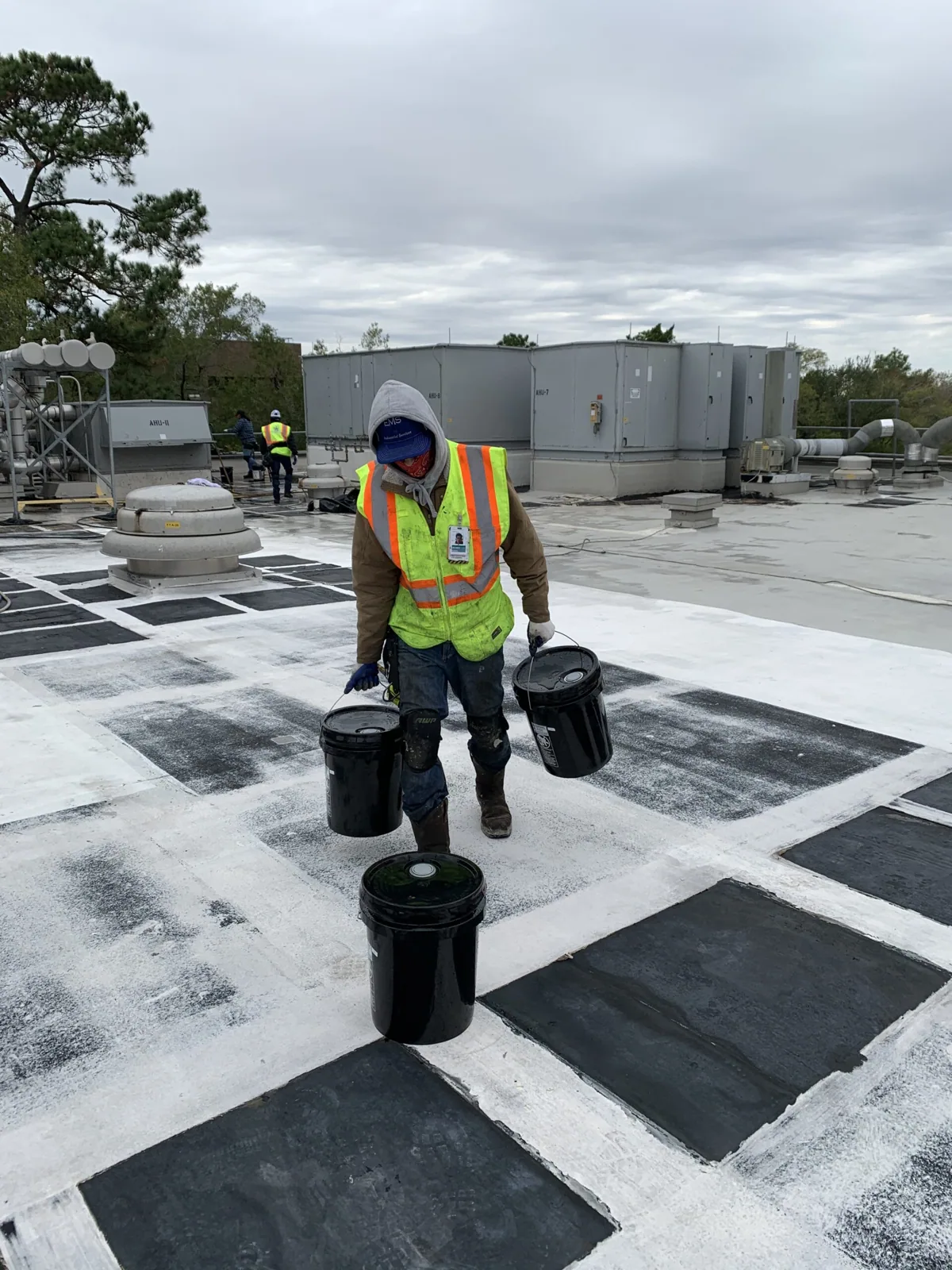
For a confined membrane or curb failure, we remove damaged material and tie replacement components into a prepared, stable edge. Photos document the limit. If exploratory work exposes moisture or deck deterioration, we document the layers and submit an added removal boundary for the owner’s review.
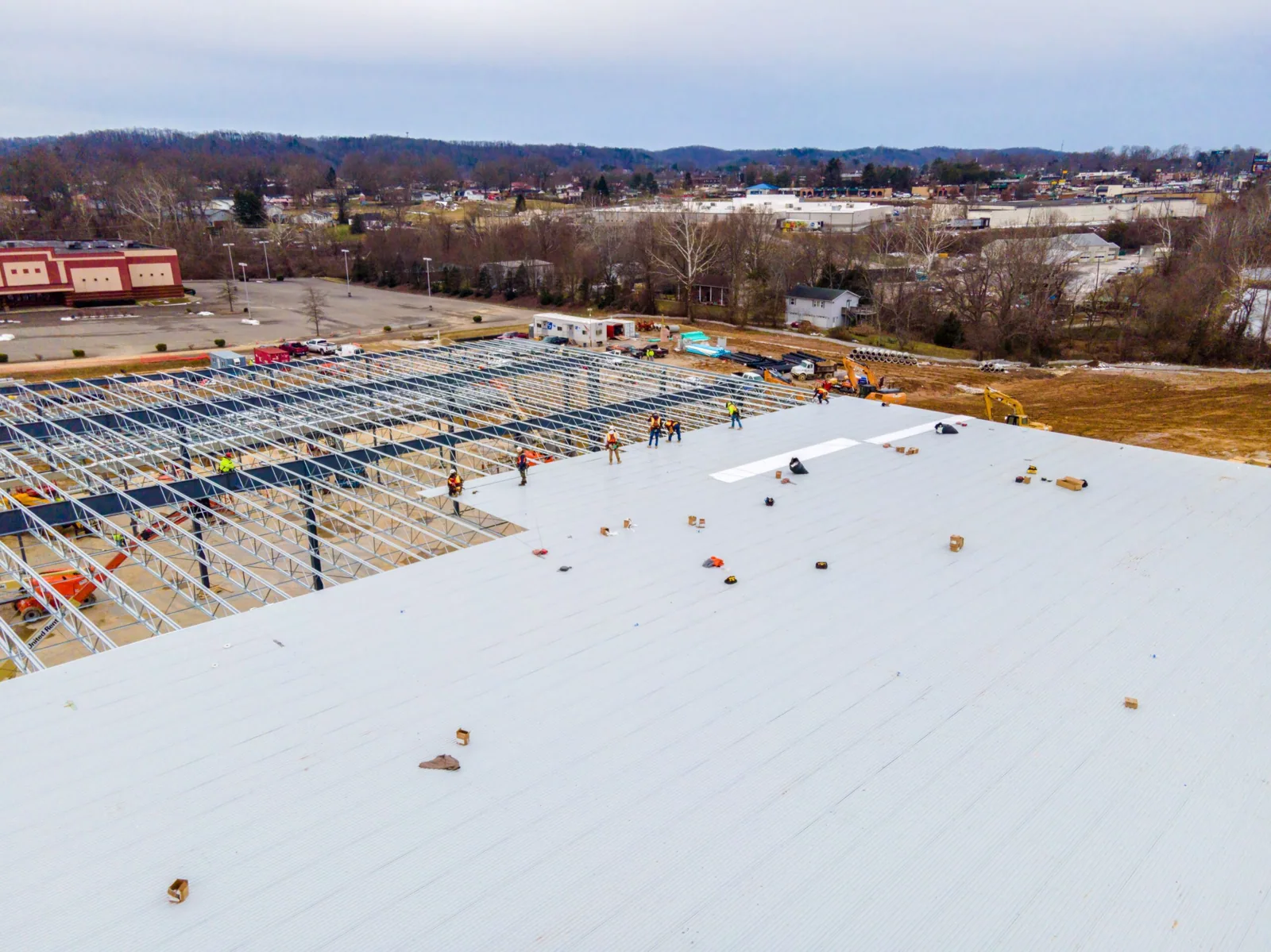
When leaks recur across multiple bays, compare targeted repair with a recover or replacement. A recover assessment verifies retained-layer condition, fastening, curb height and water flow before an overlay is considered. Where findings show widespread moisture or unstable layers, replacement planning sets removal limits and tenant phasing by section. We identify what remains below the new roof.
Alexandria construction applicants use the 2021 Virginia Codes; design and permit review establish applicable project requirements. The general contractor coordinates tenant work, fire access and roof details with the design team. We do not infer a code requirement from a shopping-center use.
Stage Work Around Deliveries
We confirm which loading areas, customer routes and tenant services need to remain open. For an Old Town North property, the commercial and retail setting can make loading and foot traffic relevant; at an Oakville Triangle site, access follows the actual property plan. The manager approves staging, dumpster placement and any temporary change to a delivery route.
Work proceeds in sections where the roof can be closed and protected at shift end. We coordinate weather monitoring, tenant notice and the person who can approve concealed repairs. If removal reveals wet insulation or deck damage, we explain the additional rebuilding and suitable protection at the unfinished section before the owner decides whether to extend the task.
Cost and duration depend on roof size, number of tenants, roof height, lift access, curbs, delivery restrictions, repair depth, disposal and protection below. We separate known quantities from concealed conditions. A phased budget can split urgent leak work from future reroofing.
Keep Center Records by Zone
Closeout photos identify drains, repaired seams, equipment transitions and areas left for monitoring. We list materials, work limits and each roof zone so the manager can connect a future tenant report to the repair history. The record also helps coordinate later signage, HVAC or storefront work.
For a shopping center near Oakville Triangle or Old Town North, keep roof plans and tenant access rules with the closeout. Share delivery hours, leak dates and prior repairs when requesting follow-up.
Property Types We Roof
Commercial Roofing Questions
Can tenants stay open during shopping center roof repairs?
Often, if access and protection below are planned around store hours. We coordinate noisy work, deliveries and temporary barriers with the property manager. The scope identifies any storefront, patio or loading area that must close temporarily.
Why can a leak show up in a different tenant space?
Water may move across a deck or insulation before reaching the ceiling. We compare the interior report with roof seams, curbs and drains, then identify the likely entry point. The affected suite and the roof defect are recorded as separate locations.
How do you handle rooftop units above tenant spaces?
We inspect curbs and flashing, then coordinate equipment shutdown or replacement with the responsible mechanical contractor. The work plan protects the tenant area below and identifies the roof transition that will be rebuilt.
What if a storm exposes wet insulation?
We document the opening and remove material only to an approved boundary. The owner reviews added quantities before the roof is closed. If moisture extends across several zones, we compare larger replacement work with isolated repairs.
What information helps schedule work at a retail center?
Provide a site plan, tenant directory, delivery windows, store hours, roof access rules, leak records and prior repair notes. We confirm these details on site and phase work around the center’s actual operating pattern.
Plan Shopping Center Roofing in Alexandria
Send the property address, site plan, tenant hours, leak history and delivery restrictions. We will inspect relevant roof zones and coordinate safe repairs or replacement phases.