 Services
 Roof Systems
 Property Types
 Industries
 Damage Repair
 Capabilities
 Manufacturers
 Service Areas
Modified Bitumen Commercial Roofing in Alexandria, VA
Roof Systems:
A blister beside a parapet or a split at a lap can let water move beneath a modified bitumen roof. The visible surface may include granules, coating or another finish, so we inspect the layers and transitions before selecting a repair. Alexandria’s heavy rain and seasonal temperature changes make drainage and exposed laps useful checkpoints. The work starts with the membrane condition and roof history, not a generic assumption that every marked area needs replacement.
Modified bitumen is an asphalt-based roof membrane modified with polymers and installed in one or more plies. SBS and APP products have different characteristics and installation methods. We identify the specified system and existing surfacing, then review slope, attachment, insulation and flashing. If a different membrane may fit, compare built-up roofing or TPO against the building and project details.
Modified Bitumen Commercial Roofing
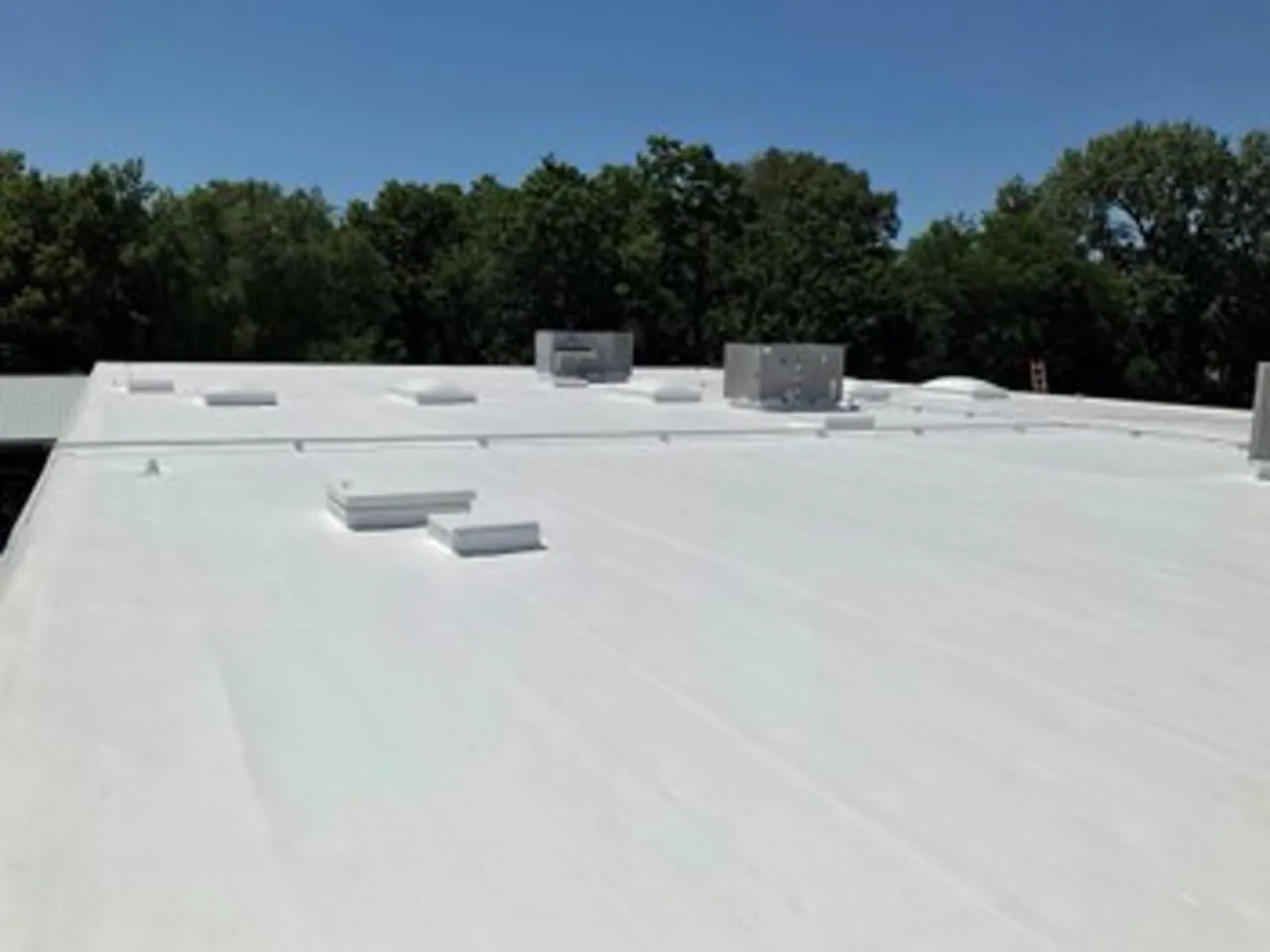
Read the Plies and Surfacing
Modified bitumen roofs can be installed in multiple layers, with a cap sheet or surfacing selected for exposure and project requirements. We check lap edges, end joints, mineral surfacing, coatings and prior patches. A crack in surfacing does not always indicate a failure through the membrane, while a separated lap can admit water below. The inspection records which layer is affected and whether testing is needed to see beneath it.
SBS modification can add flexibility to asphaltic sheet; APP products are also modified and have their own installation specification. We use the actual product information to determine preparation and repair method. If prior repairs obscure the sheet or cover it with an unknown coating, a test area can confirm compatibility before new material is applied.
At parapets, curbs and roof edges, membrane plies need to turn and terminate at a protected point. We check metal counterflashing, termination bars, corner reinforcement and any surface that directs water toward a seam. The detail should connect the field roof to the vertical transition without creating an exposed edge or a pocket that collects runoff.
Find the Water Route
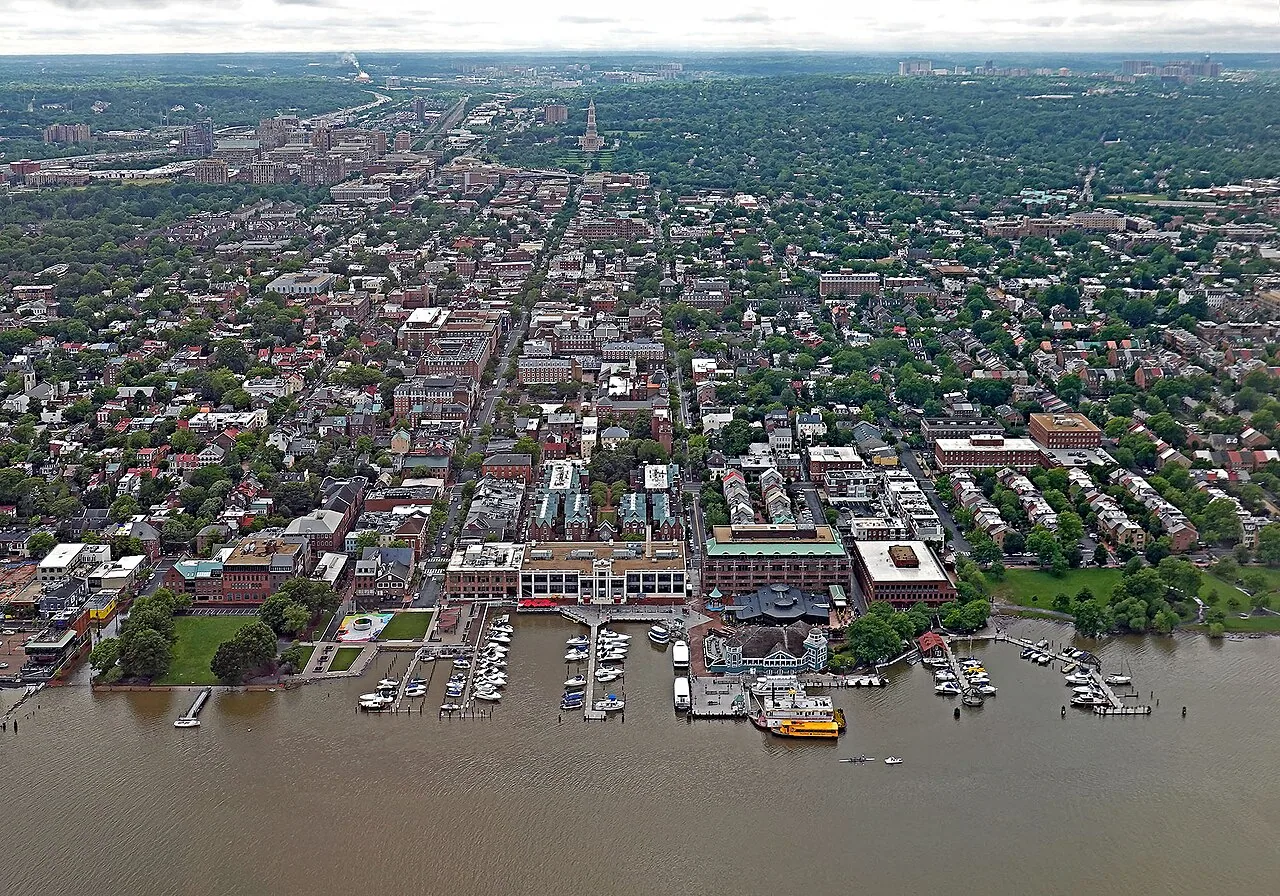
We map the roof surface, drains, scuppers, crickets and low points, then compare ponding with the reported interior symptoms. Alexandria’s low elevation near the tidal Potomac makes heavy-rain drainage an important part of roof inspection. A drainage inspection can identify whether the outlet or membrane around the bowl needs correction.
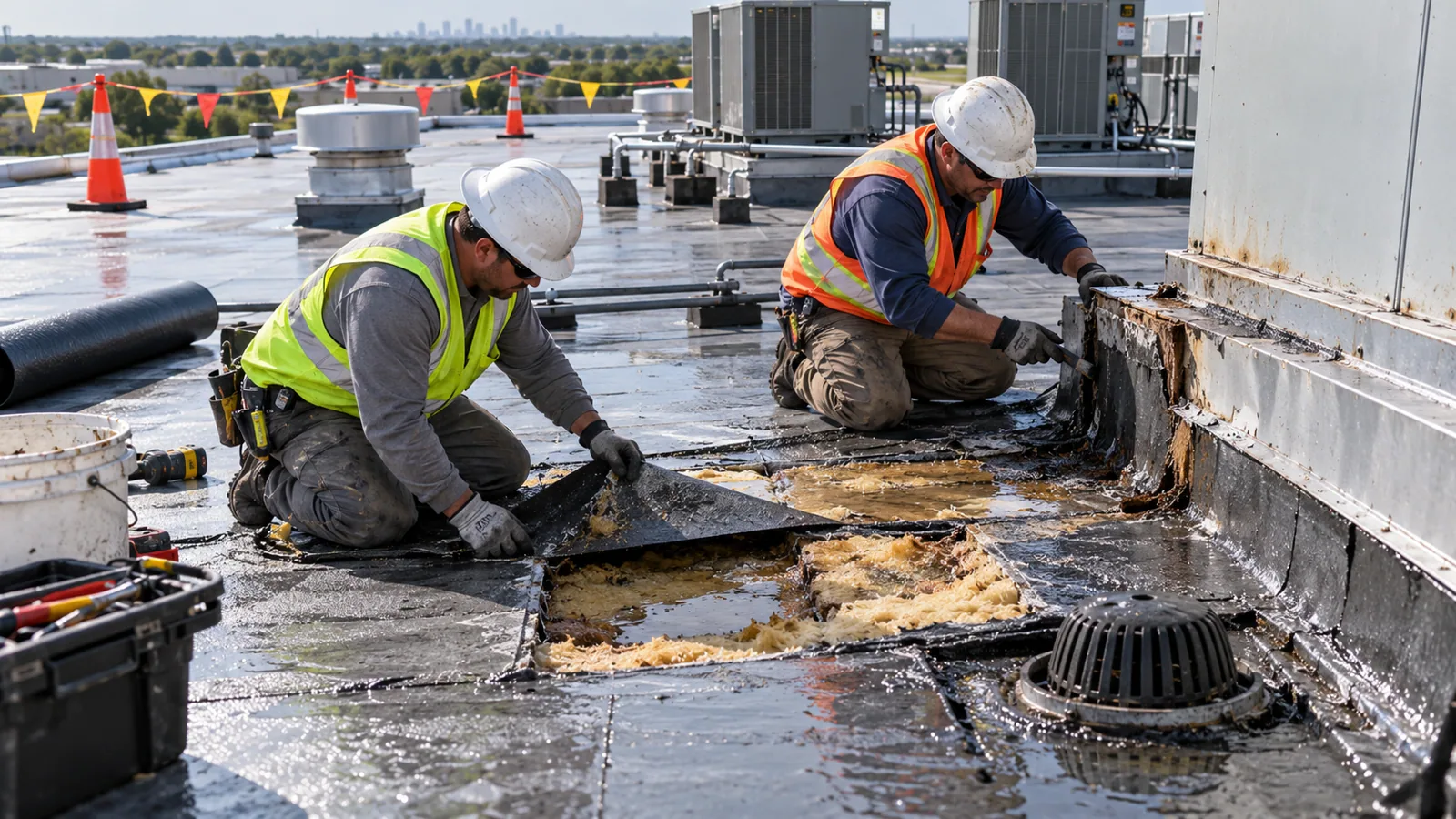
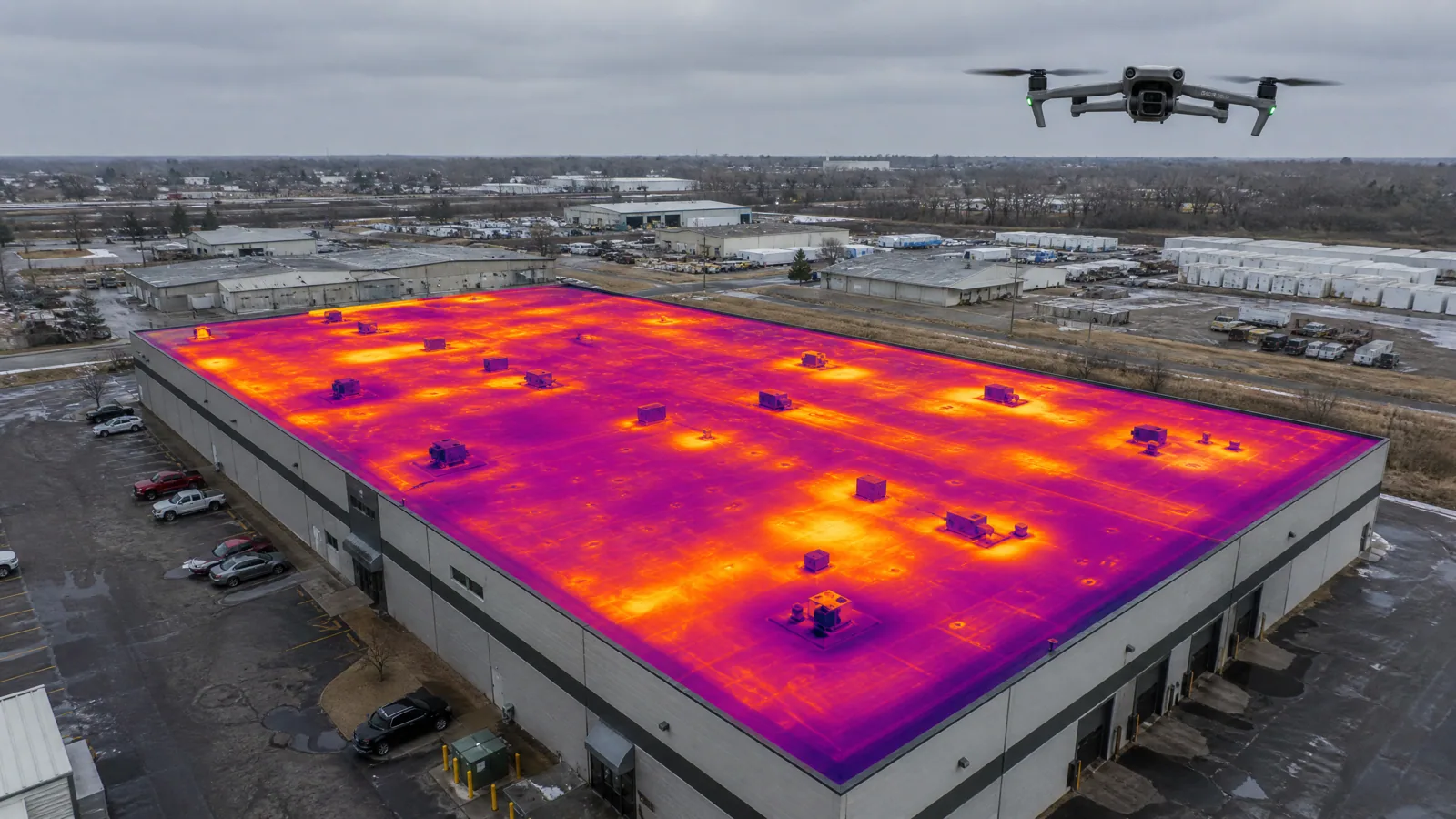
Water can travel between plies or insulation before it reaches the room below. We inspect blistered areas, open laps, penetrations, walls and patches along the likely path. If moisture extent changes the repair boundary, test openings can expose the layers at selected points. An infrared survey may guide those openings when conditions support a readable pattern, but physical inspection sets the wet-material limit.
Old Town North contains commercial and retail properties near redevelopment of the former Potomac River Generating Station site. The building use can affect roof access and interior coordination, but the inspection still follows the assembly at the address. We confirm roof plans, leak timing, access and any room that needs protection before opening the system.
Choose a Compatible Repair
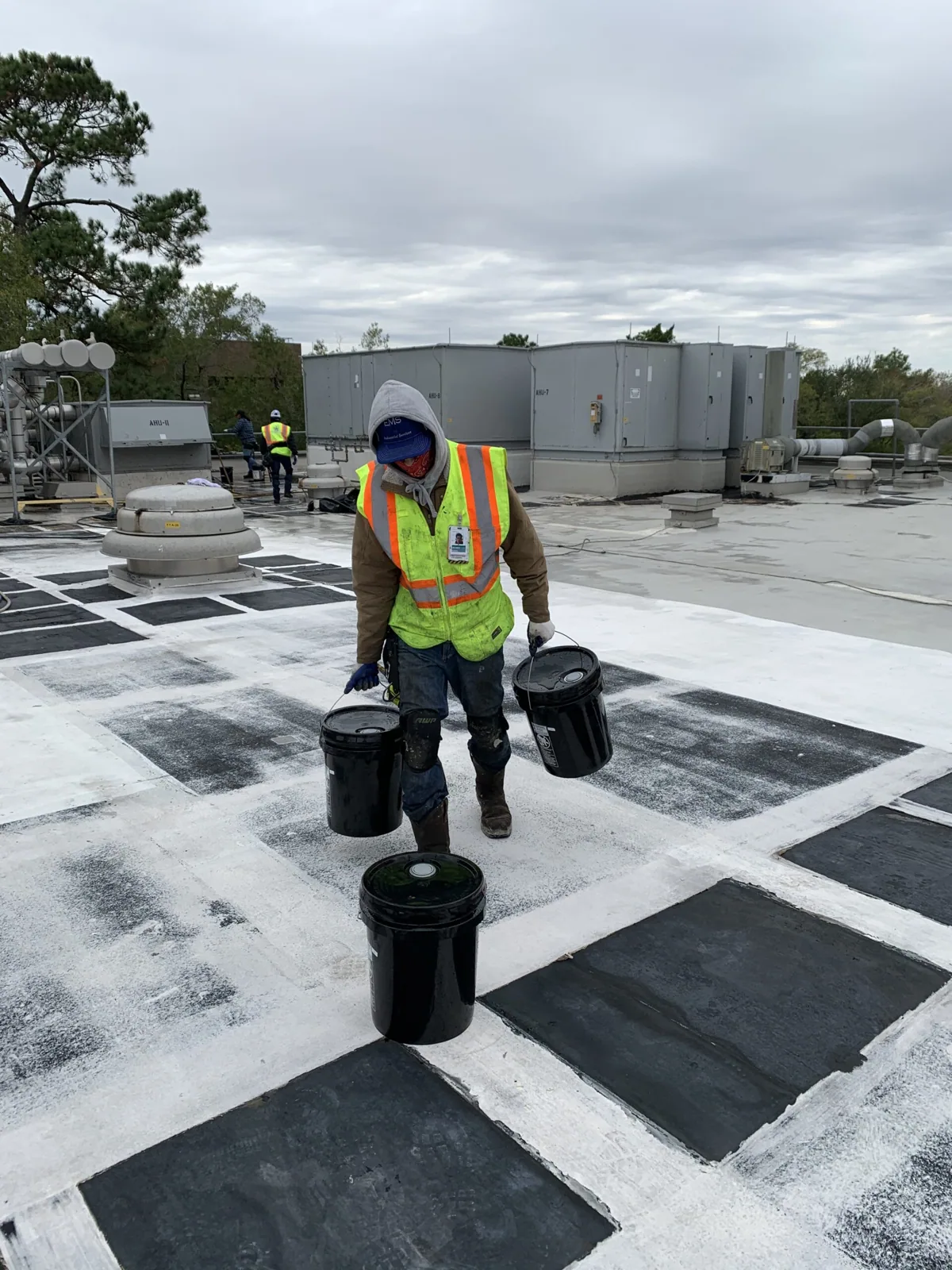
A localized repair may use compatible modified bitumen sheet, flashing material and surfacing to restore an open lap or puncture. Preparation can include removing loose granules, coating or damaged sheet so the new repair bonds to sound material. Heat application or adhesives must follow the selected product and roof conditions. We specify the method and repair area rather than describing all modified-bitumen roofs as the same system.
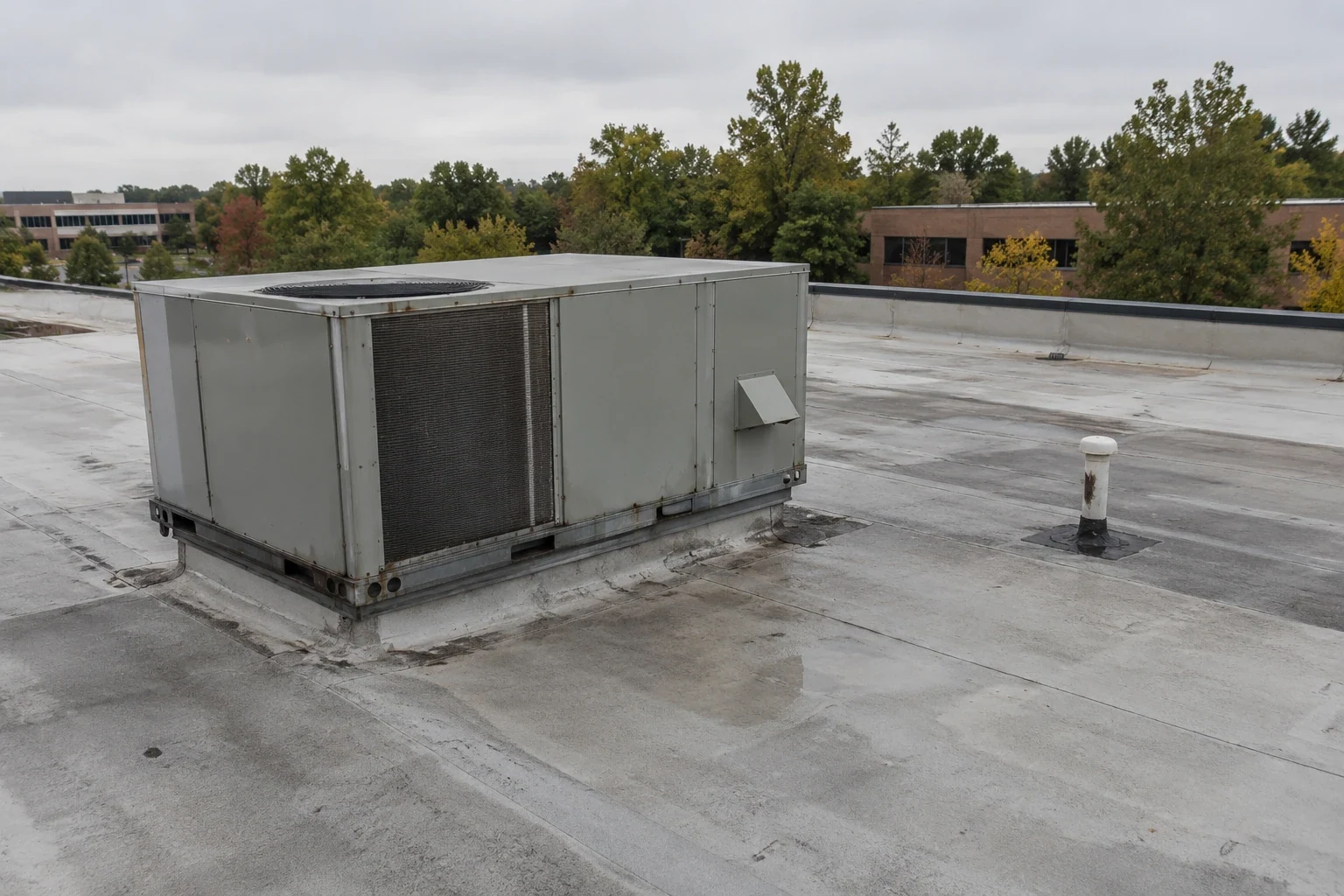
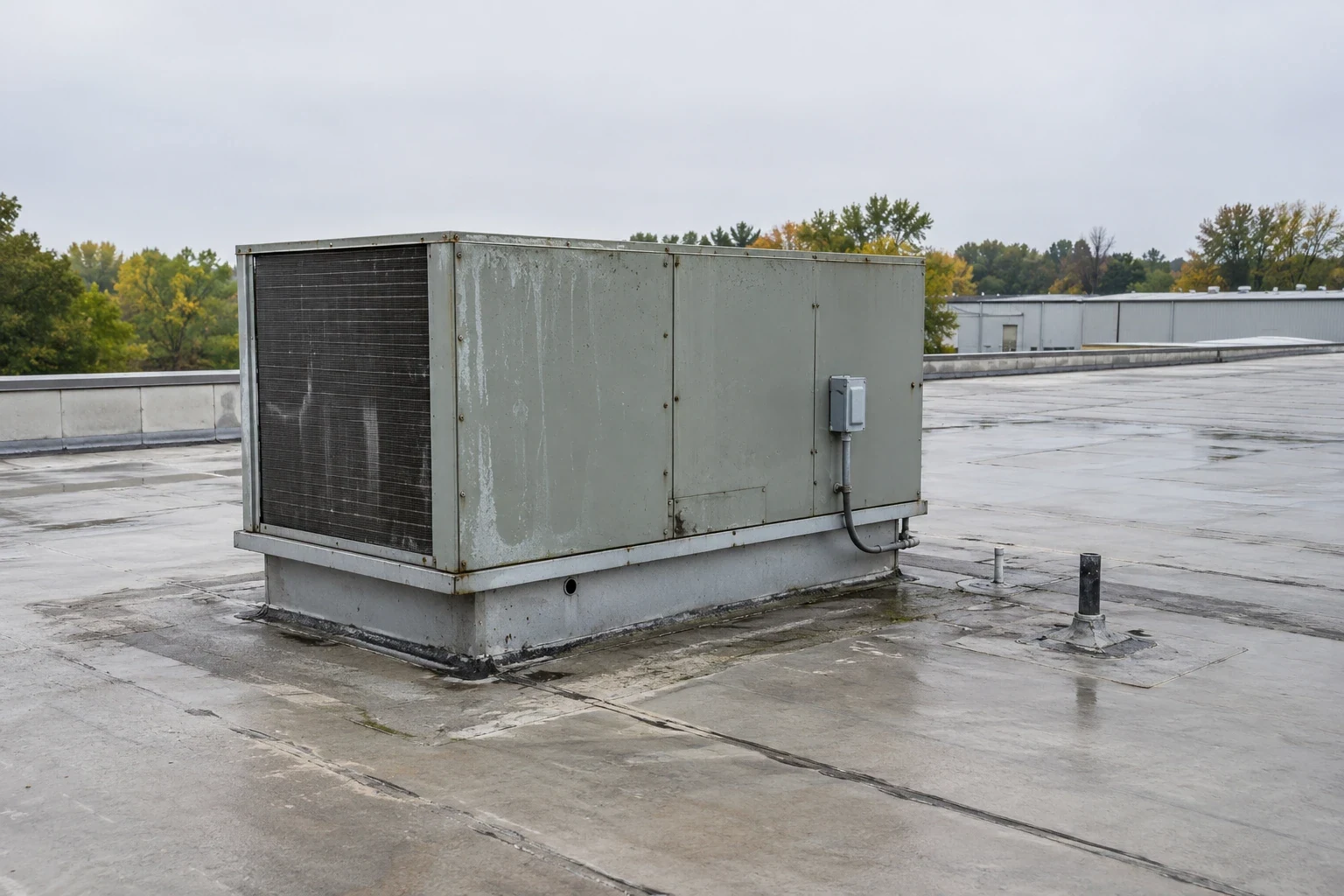
At a penetration or curb, flashing layers need a secure base and protected termination. If the curb is too low or metal has separated, the estimate may include reconstruction beyond the field sheet. We photograph each side and identify nearby details that can affect water flow. A flashing correction can be itemized separately from a field lap repair.
If insulation is wet, a test opening establishes the removal limit and reveals deck condition. We close the opening with a compatible build-up and document the location. Repeated failures, widespread blistering or multiple wet zones may justify comparison with a recover or replacement proposal rather than continued patching. We state the evidence for each option.
Schedule Around Surface Conditions
Surface moisture, temperature and wind affect torch, adhesive and self-adhered installation methods. We schedule work when the roof can be prepared as the selected product requires. Cold snaps and summer heat both affect work windows here; the project schedule follows actual surface conditions and product limits. Summer heat, winter freezing and heavy rain make surface condition and drainage important parts of the inspection.
Hot work requires a controlled setup and site-specific fire precautions. If an open-flame method is specified, we confirm adjacent materials, equipment, penetrations and approved safety measures before mobilizing. An alternate application method may be considered when the project and product allow it. The work package identifies how the roof will be protected at the end of each shift.
At occupied offices in Carlyle or Eisenhower East, loading, roof access and rooftop equipment coordination may affect the work window. We confirm who can provide hatch access, whether any mechanical unit needs a shutdown and how the crew will stage materials. If the roof cannot be safely accessed or prepared, the schedule moves rather than leaving an incomplete transition.
Compare Repair With a New Assembly
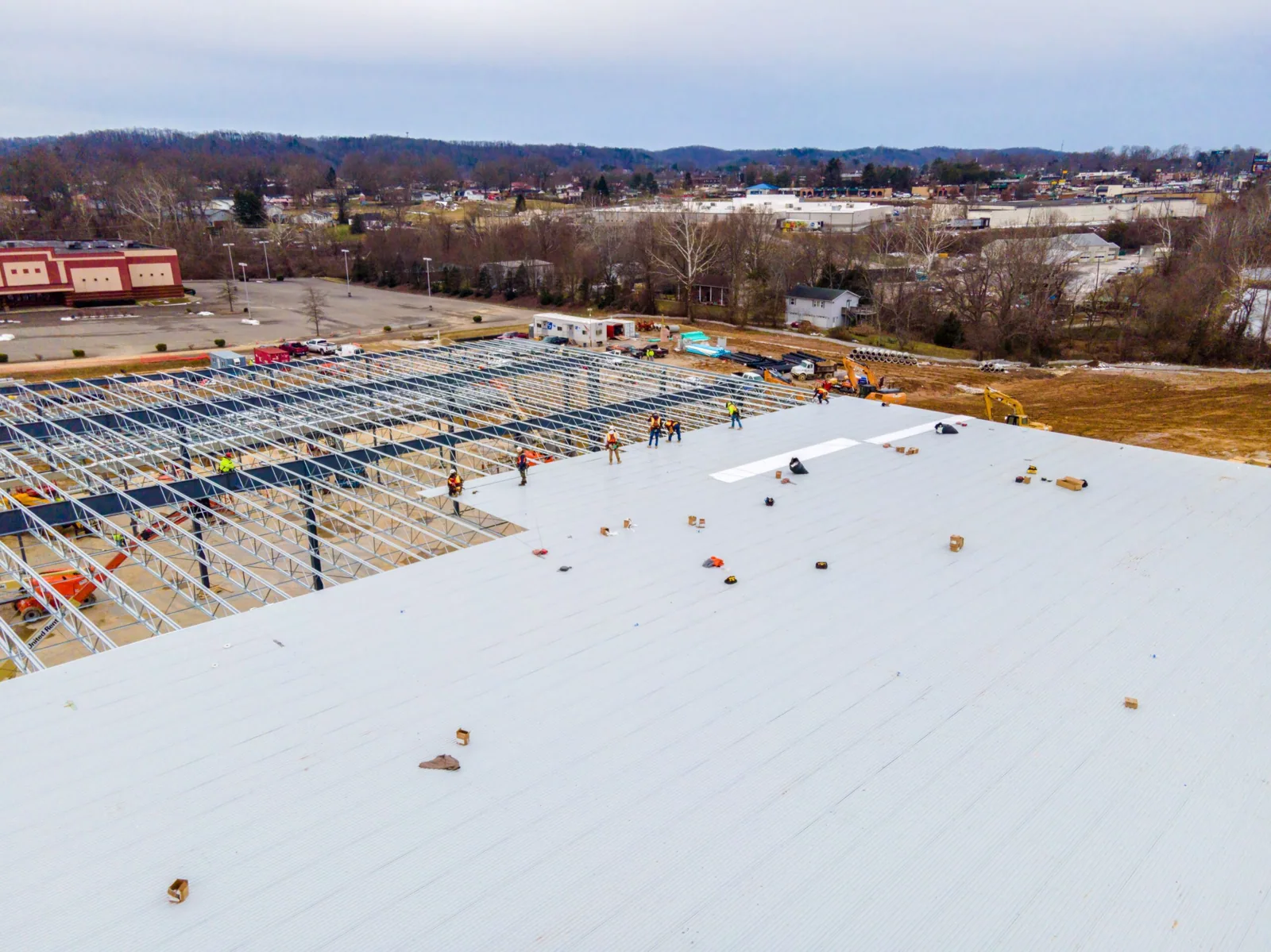
Modified bitumen may remain serviceable when plies and transitions are sound and repairs are localized. Broad cracking, repeated lap separation, wet insulation or damaged deck can change the decision. A repair scope can address a confined defect; a replacement review can show removal and new assembly if evidence points to a larger boundary.
Cost depends on number of plies, surfacing, prep, material choice, hot-work controls, test openings, access and how much insulation needs removal. We separate known work from hidden conditions and state what requires an approval after opening. The existing membrane’s age alone does not establish whether it can be repaired or retained.
For long-term planning, a condition report can organize roof zones, photos, repairs and outstanding tests. The manager can compare immediate water control with future capital work, using observed assembly conditions and the project’s operating constraints.
Record the Roof Build-Up
Closeout photos show repaired laps, flashing turns, surfacing and drain details. We identify materials used, areas tested and the edge of any insulation replacement. Where the existing layers remain under a recover, the record says what was observed and what was not opened. That gives future service crews a more reliable starting point.
For service in Carlyle, share loading and rooftop equipment requirements with the address.
Roof Systems
Commercial Roofing Questions
How can I tell whether a modified bitumen roof needs repair or replacement?
We inspect the condition of the plies, laps, flashing, insulation and deck. Localized openings may support repair, while widespread moisture or repeated separation can justify a larger scope. Test openings help establish hidden conditions, and the proposal separates the options with their evidence.
What is the difference between SBS and APP modified bitumen?
They use different polymer modifications and product formulations, which can affect flexibility and installation method. We identify the specified sheet and follow its product requirements. The roof plan should name the material so repair compatibility and surfacing can be evaluated correctly.
Can modified bitumen be installed without a torch?
Some systems use self-adhered or other approved application methods, while others specify heat application. The selected product and project requirements determine the method. We review adjacent materials, fire controls and site restrictions before including any hot work in the plan.
What should we check after heavy rain in Alexandria?
Look for persistent water at drains, open lap edges, staining near curbs and changes inside the building. We inspect the roof route and compare the symptoms with the assembly. If water moved below the surface, a test opening may be needed to confirm insulation and set repair limits.
Can a modified bitumen roof be coated?
A coating may be considered only when the surface is compatible, stable and dry, and the selected system supports that use. We inspect surfacing, prior repairs, seams and ponding before recommending restoration. Wet insulation or failed flashing must be addressed first.
Inspect a Modified Bitumen Roof
Share the Alexandria address, roof drawings, leak history, prior repairs and access window. We will identify the existing plies, check drainage and flashing, and outline a compatible repair or replacement scope.