



 Services
 Roof Systems
 Property Types
 Industries
 Damage Repair
 Capabilities
 Manufacturers
 Service Areas
About Commercial Roofing Alexandria
What we do:
Water at a drain, a seam that has opened or a leak report from inside a building can point to different roof problems. Commercial Roofing Alexandria inspects the assembly at the address, traces the reported water path and records the detail that supports a repair boundary. We work with building owners, property managers, facility teams and general contractors on commercial roof repair, replacement, recover, restoration, inspection and maintenance.
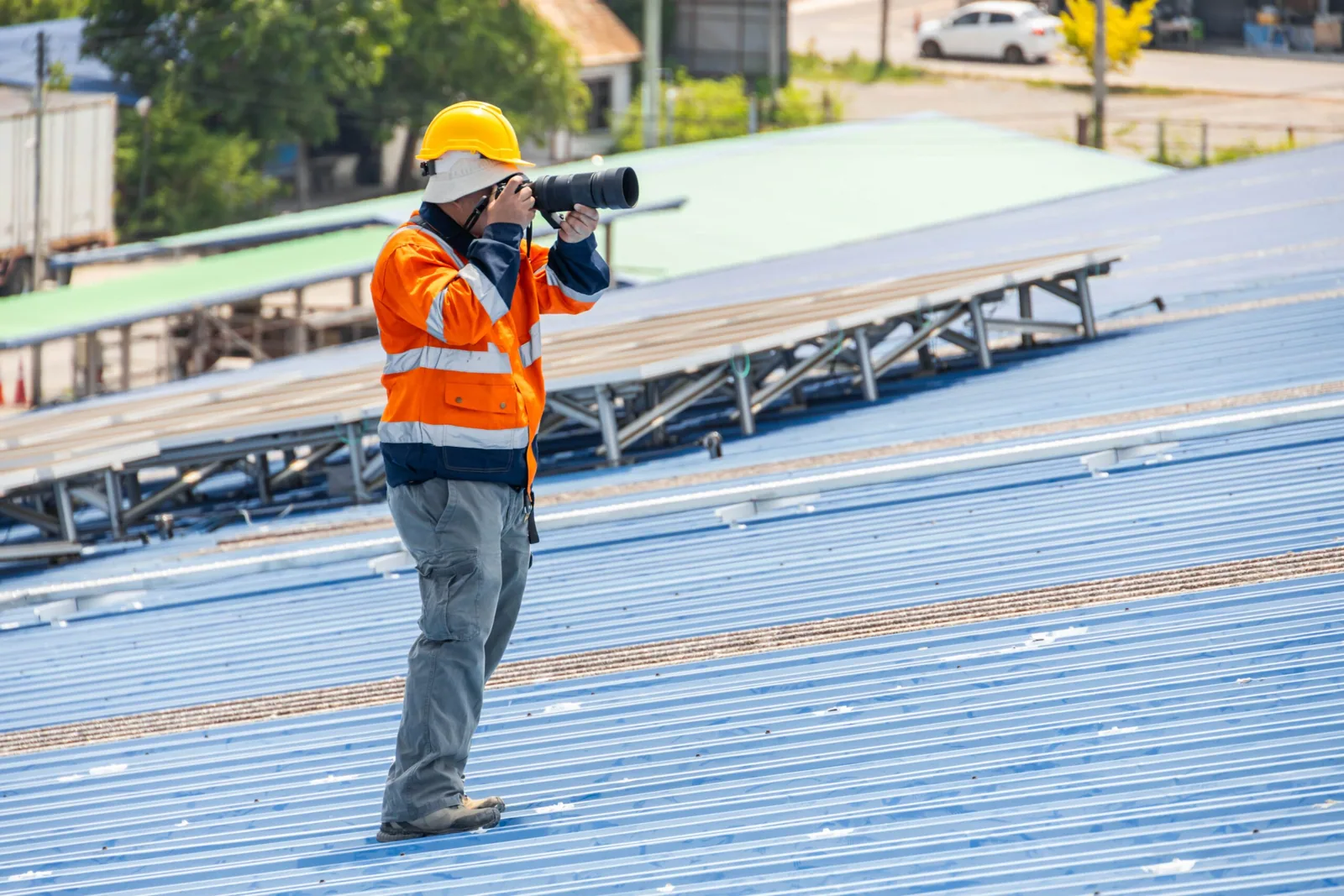
The first step is to understand the building and the decision in front of its team. We ask what happened, where it appeared, when it began, what records are available and which parts of the property must remain open. Then we inspect accessible roof zones and compare the report with drains, seams, flashing, penetrations, edges and prior repairs. A commercial roof inspection records visible conditions, photographs and access limits so recommendations can be reviewed against what was actually seen.
About Commercial Roofing Alexandria
Trace the Condition Before Setting the Scope
A stain inside does not always sit below the roof opening. Water can move along a deck, under a membrane or around a curb before showing in a room. We compare the interior report with slope, drains, scuppers, seams, penetrations and wall transitions. When the entry point remains uncertain, leak investigation separates a probable route from a confirmed entry point and identifies whether further testing is useful.
Infrared readings or other non-destructive observations can help select where a closer look should happen. A test opening exposes the insulation and deck at that location. We photograph the layers and state what the opening did and did not confirm. If the substrate is wet or damaged beyond the original repair area, the added work is defined separately before the owner decides whether to proceed. An untested roof zone is not described as though it had been opened.
We assess the assembly as a connected system: membrane, insulation, attachment, drainage, parapet and edge. A drainage correction differs from seam or curb work. The scope identifies the confirmed component, tie-in and work boundary.
Make Repair and Replacement Choices Comparable
A bounded puncture, open seam or failed transition may be repaired when surrounding material and substrate remain serviceable. We prepare the area, use compatible materials, tie the correction into sound roofing and document the finished detail. If failures recur or deterioration reaches several roof zones, we compare targeted work with a recover or replacement. A recover evaluation reviews moisture, attachment, existing layers, drainage height, edges and penetrations before another assembly is considered.
Replacement includes removal, disposal and weather protection, and may expose deck hidden by the existing roof. The estimate states confirmed conditions, measured quantities and how unexpected layers or damage will be handled. Cost and timing reflect material, access, staging, testing, protection below and operating hours.
Coatings and restoration have their own limits. Surface preparation, adhesion, moisture and compatible flashing details affect whether a coating can perform as intended. We do not use coating to disguise wet insulation or a failed drain. If the existing assembly is a candidate for restoration, the proposal identifies required repairs first, the surfaces included and the conditions that would take an area out of the application.
Work Across Commercial Roof Assemblies
Our work includes low-slope membrane and built-up assemblies, modified bitumen, standing-seam and retrofit metal, spray foam and fluid-applied coating systems. We repair and install TPO, PVC, EPDM and KEE where the system and project requirements support them. We identify the installed material from product records, membrane markings, seams and visible layers before choosing a compatible repair.
At seams, we inspect the weld or lap and surrounding sheet. At penetrations, we check the curb or flashing transition, fasteners and any movement that could have stressed the tie-in. At metal edges, coping and terminations can determine whether water leaves the assembly or reaches the roof layers. We record the condition by roof zone and identify any restriction that kept a detail from being inspected.
When manufacturer details govern a project, we compare the proposed repair with those requirements. The estimate names the materials, scope and any document or field question to resolve before work begins.
Respect the Building Below
Commercial roofs often sit above occupied space, mechanical equipment, deliveries or public routes. We coordinate roof entry, staging, escorts, lift locations, noise and interior protection with the person responsible for the site. The building contact identifies rooms or systems that must stay available, work windows and access rules. Those facts shape the schedule and should be clear before material is brought to the roof.
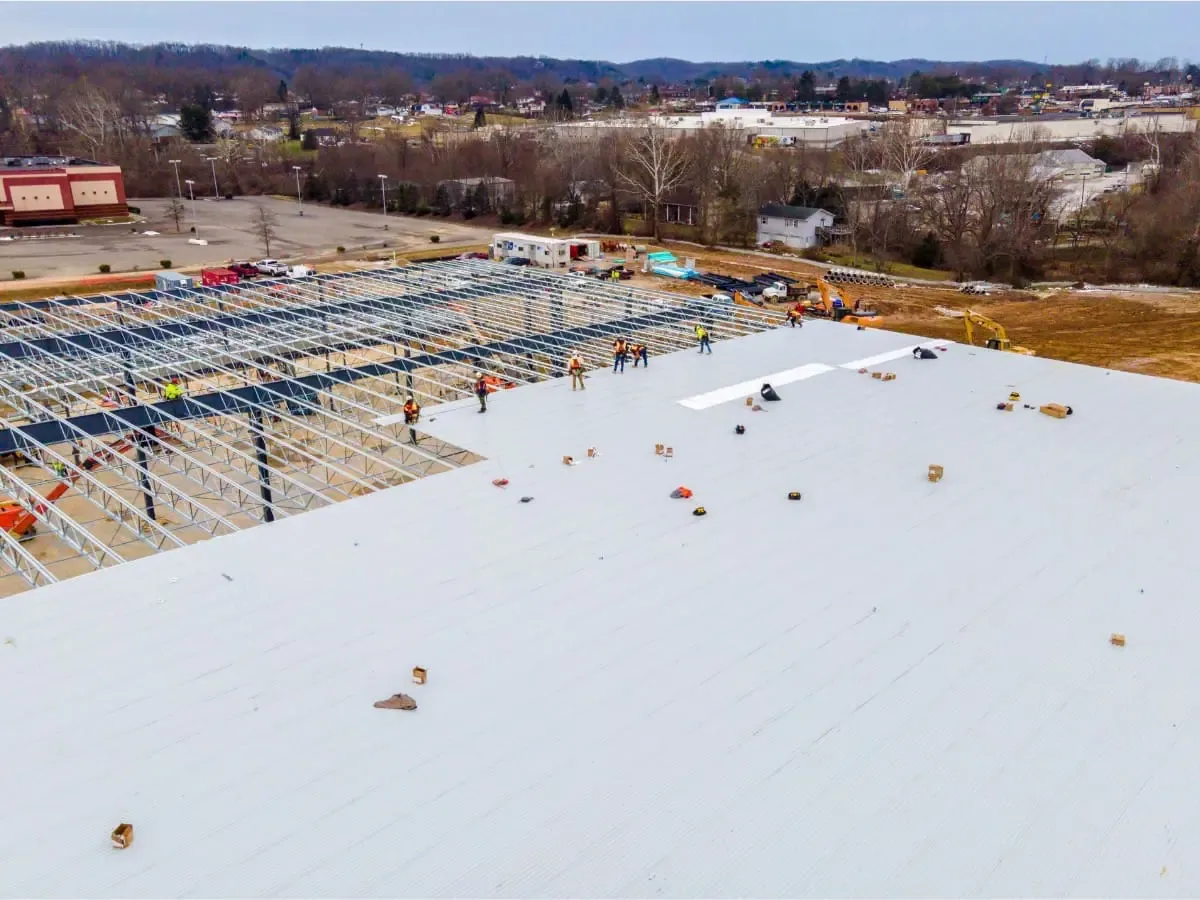
For larger occupied projects, phased reroofing can move across defined zones, with a secure closeout at the end of each shift. The general contractor and facility manager can coordinate mechanical work and identify handoffs. If removal reveals concealed damage, the crew documents the layers and pauses at the approved boundary for direction. This keeps new quantities visible before they change the project.
When water enters after normal hours, our response is available around the clock, including weekends and holidays. Emergency work aims to limit exposure and protect the building while the affected roof area is assessed. Temporary covering or diversion is recorded separately from the permanent correction. The lasting repair follows when the substrate, material, access and weather allow a sound tie-in.
Keep Alexandria Conditions in Context
Alexandria’s climate creates useful inspection prompts. Washington National Airport’s climate normals include a July normal high of 89.6°F and January conditions that average a 30.1°F low with 4.9 inches of snowfall. The city also identifies tidal Potomac flooding and extreme heat as climate risks. Heat, tidal flooding, freezing and snowfall put drainage, attachment and cold-weather transitions on the inspection list; we check each roof for the conditions that need attention.
Alexandria identifies Virginia Tech, the National Science Foundation and the USPTO among its innovation institutions. Carlyle and Eisenhower East include office and mixed-use buildings, while the former Landmark Mall site is approved for redevelopment that includes planned medical facilities. Office, mixed-use and planned medical properties each call for their own access plan and roof inspection before a project scope is set.
We also work around the city’s adopted construction requirements. Alexandria directs applicants to the 2021 Virginia Codes. Which provisions apply depends on the work, building and project review, so our scope identifies the roof work and records questions that need confirmation with the project team. The project team confirms permit requirements for the specified roof work.
Leave a Record the Next Decision Can Use
At closeout, we identify the property, roof zones, confirmed assembly, repairs completed, photographs and testing limits. A field sketch can connect the report from below with the drain, seam, curb or edge examined above. The closeout identifies any roof zone that still needs access or testing. The record gives a future inspector or contractor a basis to distinguish repaired details from questions that were not part of the approved work.
A maintenance visit can return to drains, seams, flashings and earlier corrections after later weather. For a portfolio, condition reporting can keep roof findings organized by address without implying that every building has the same urgency. Capital planning can then separate an active leak repair from a broader project decision using the evidence available.
Share the Alexandria address, reported condition, roof records, access contact and schedule constraints. We will inspect the relevant zones, state confirmed findings and prepare a measured scope with the next decision.
Commercial Roofing Services
Commercial Roofing Questions
What information should I provide before a roof inspection?
The property address, affected room or roof zone, timing of the condition, prior repair records, available plans and access contact help us prepare. If operations limit entry or work hours, include those restrictions so the inspection can address them.
Do you recommend replacement whenever a roof leaks?
No. A leak can come from a contained seam, penetration or drainage detail. We inspect the assembly and compare a measured repair with broader work when recurring failures, moisture or deterioration support that decision.
How do you document an unresolved roof test?
We identify the roof zone, reason for testing, opening limit and closure plan. The report separates known conditions from questions awaiting results.
What does the general contractor receive at turnover?
A work record identifies installed materials, repaired details, approved changes, photographs, remaining tasks and documents relevant to future roof review.
Talk Through a Commercial Roof Condition
Share the Alexandria address, the reported condition and access or project constraints. We will inspect the relevant roof zones and prepare options tied to confirmed field findings.