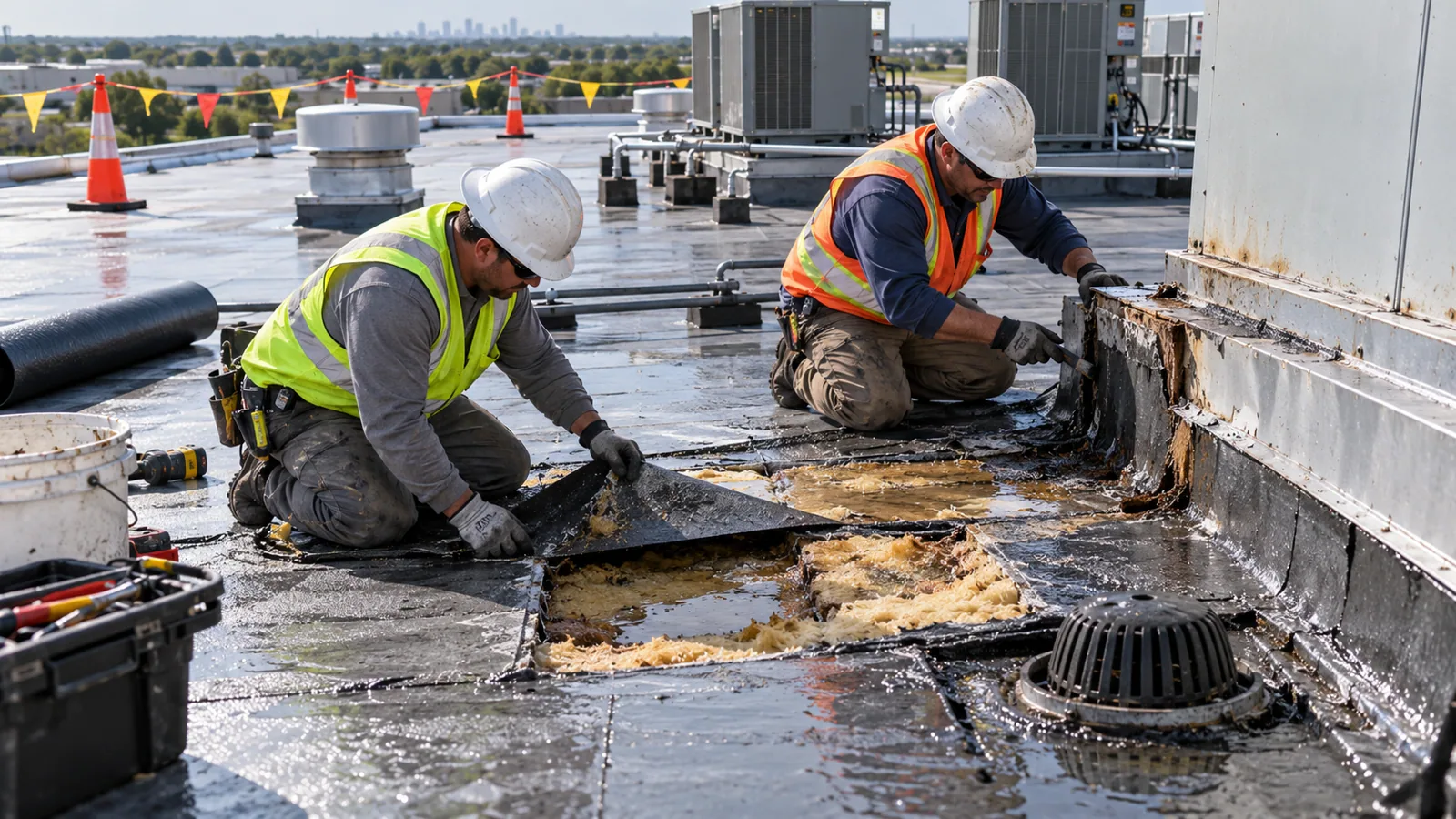
 Services
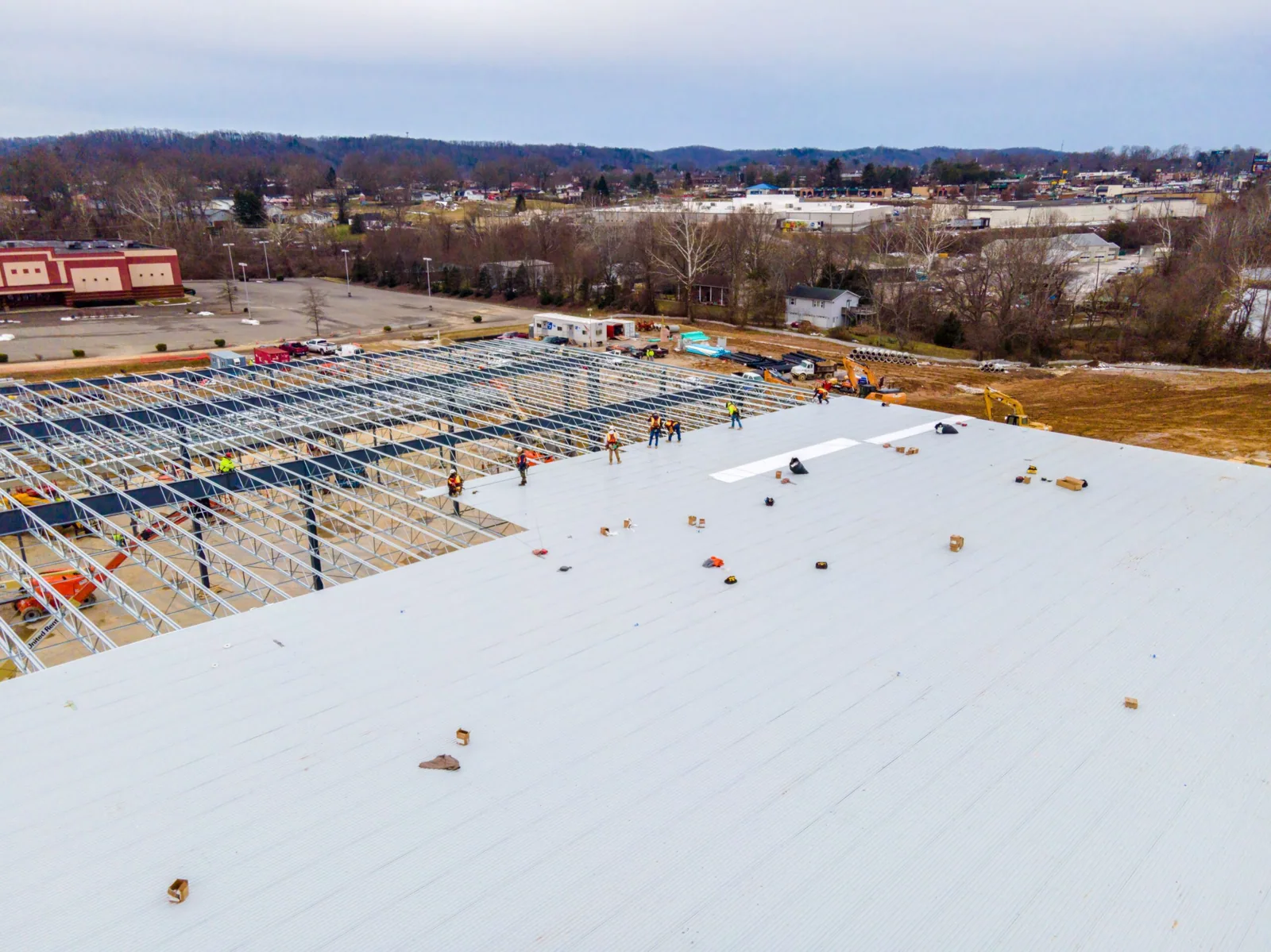 Roof Systems
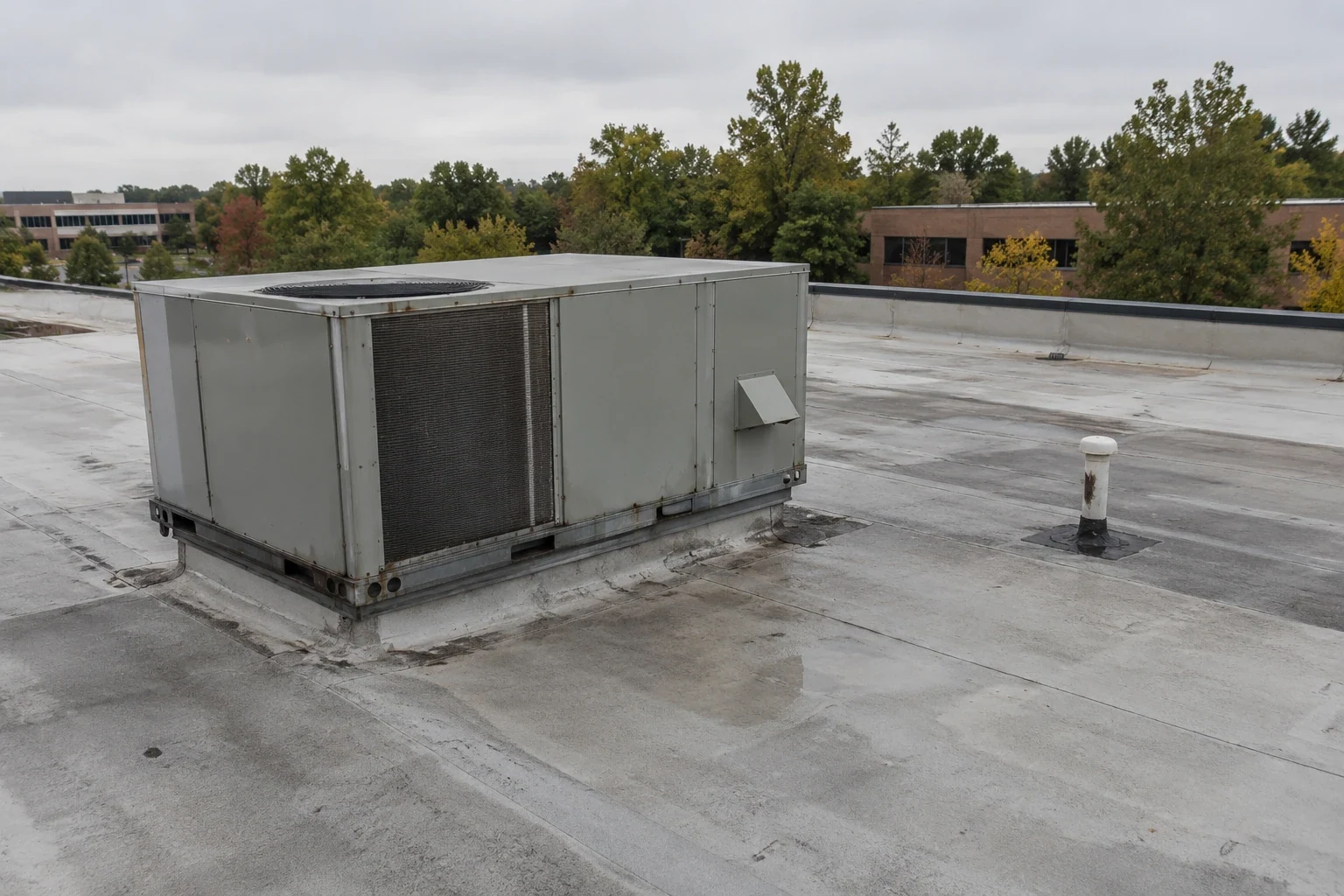 Property Types
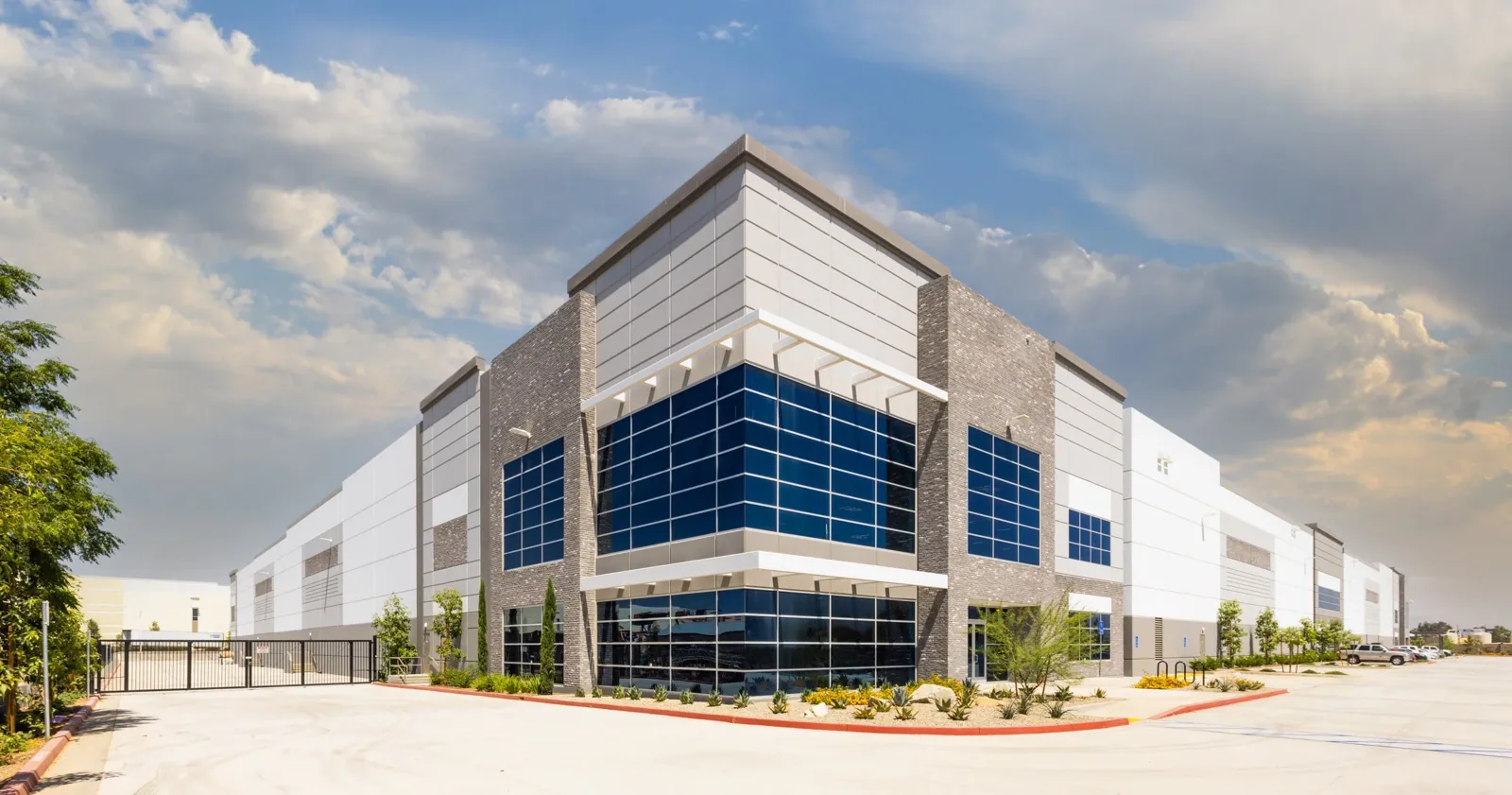 Industries
 Damage Repair
 Capabilities
 Manufacturers
 Service Areas
Military Barracks Roofing in Alexandria, VA
Property Types We Roof:
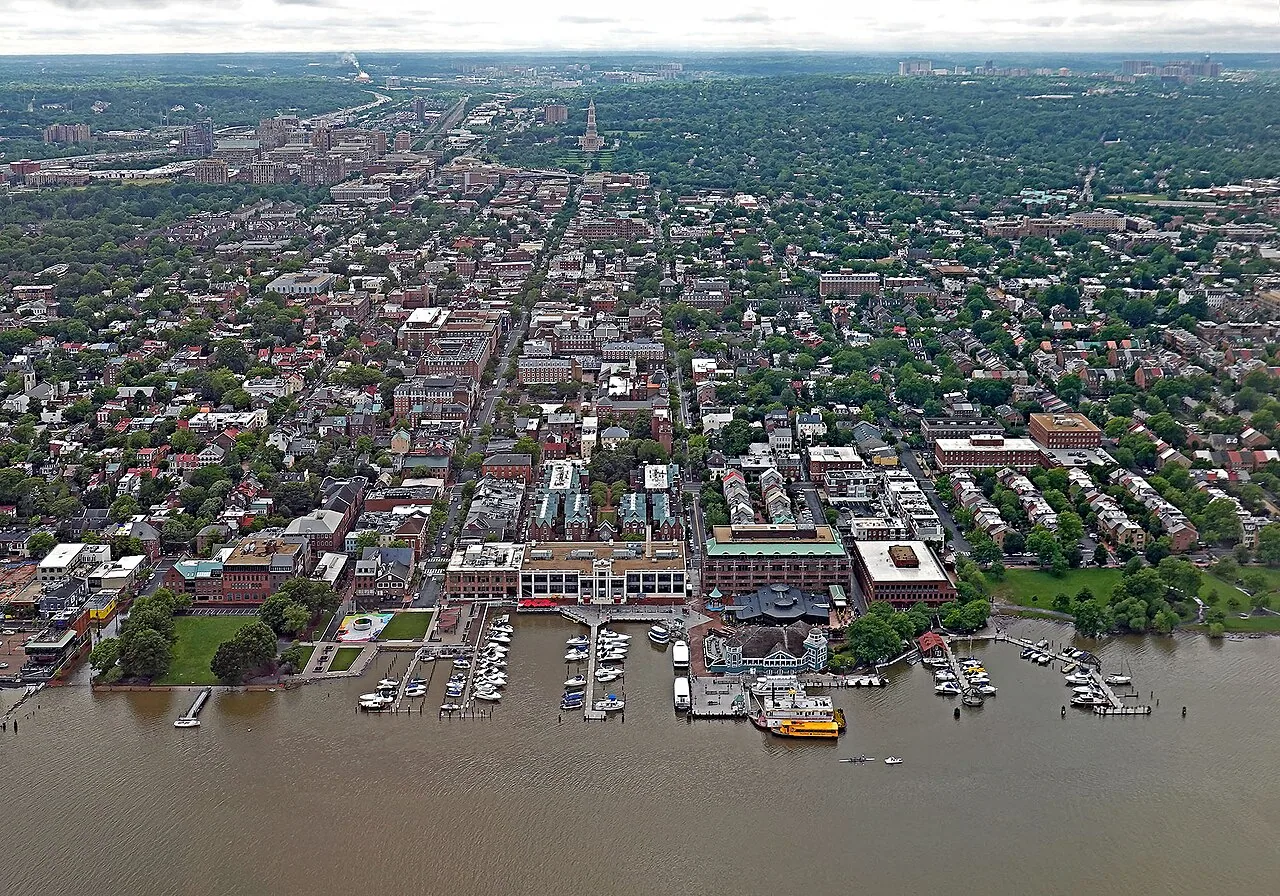
Repeated freezing can stress a wet roof-edge joint; rain or snowmelt can then enter through a damaged connection and appear at a barracks ceiling. The interior mark may sit below a wall transition, drain or seam, so we trace the roof path before opening material. Alexandria, VA sees freeze-thaw, occasional snow and intense rainfall; those conditions make drains, flashing and attachment useful inspection points. They do not establish that a particular building has damage. The inspection records the roof and resident area that can be verified.
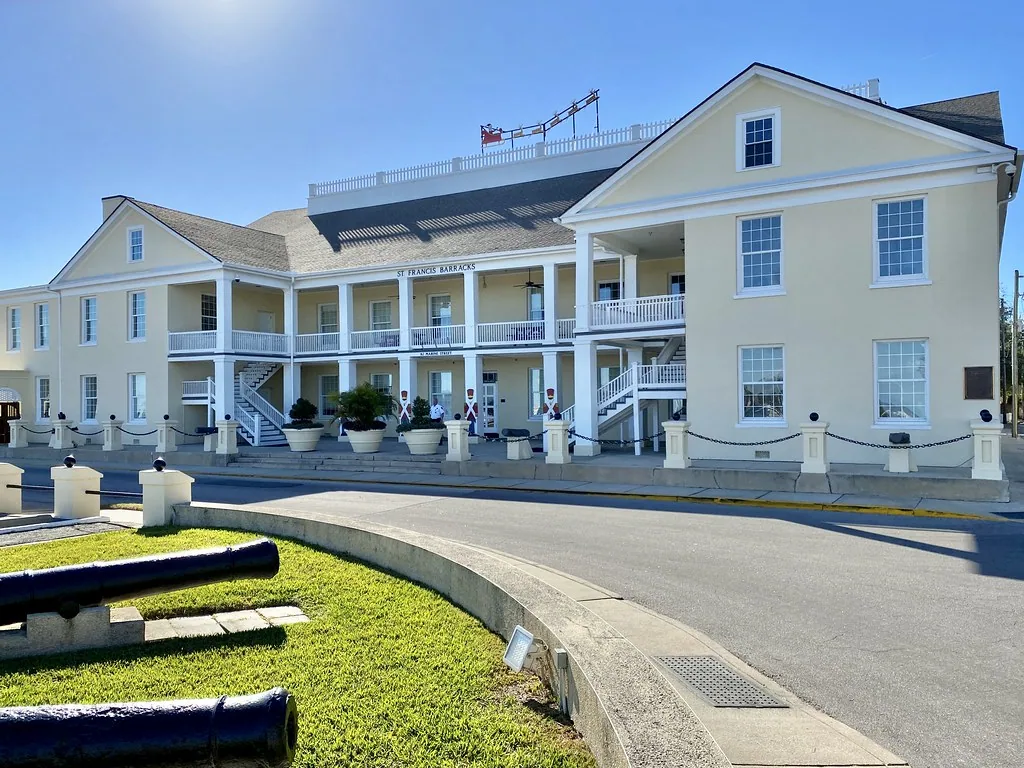
Joint Base Myer-Henderson Hall provides housing support and temporary lodging, and Fort Belvoir includes housing villages among its installation facilities. Those facts describe nearby installations, not the construction or condition of a specific barracks. We confirm the address, assembly, occupancy, access controls and resident schedule with the facility contact. An apartment roof may present similar occupied-building logistics, while senior living roofing requires its own resident-protection plan.
Military Barracks Roofing
Keep Rooms and Routes in Service
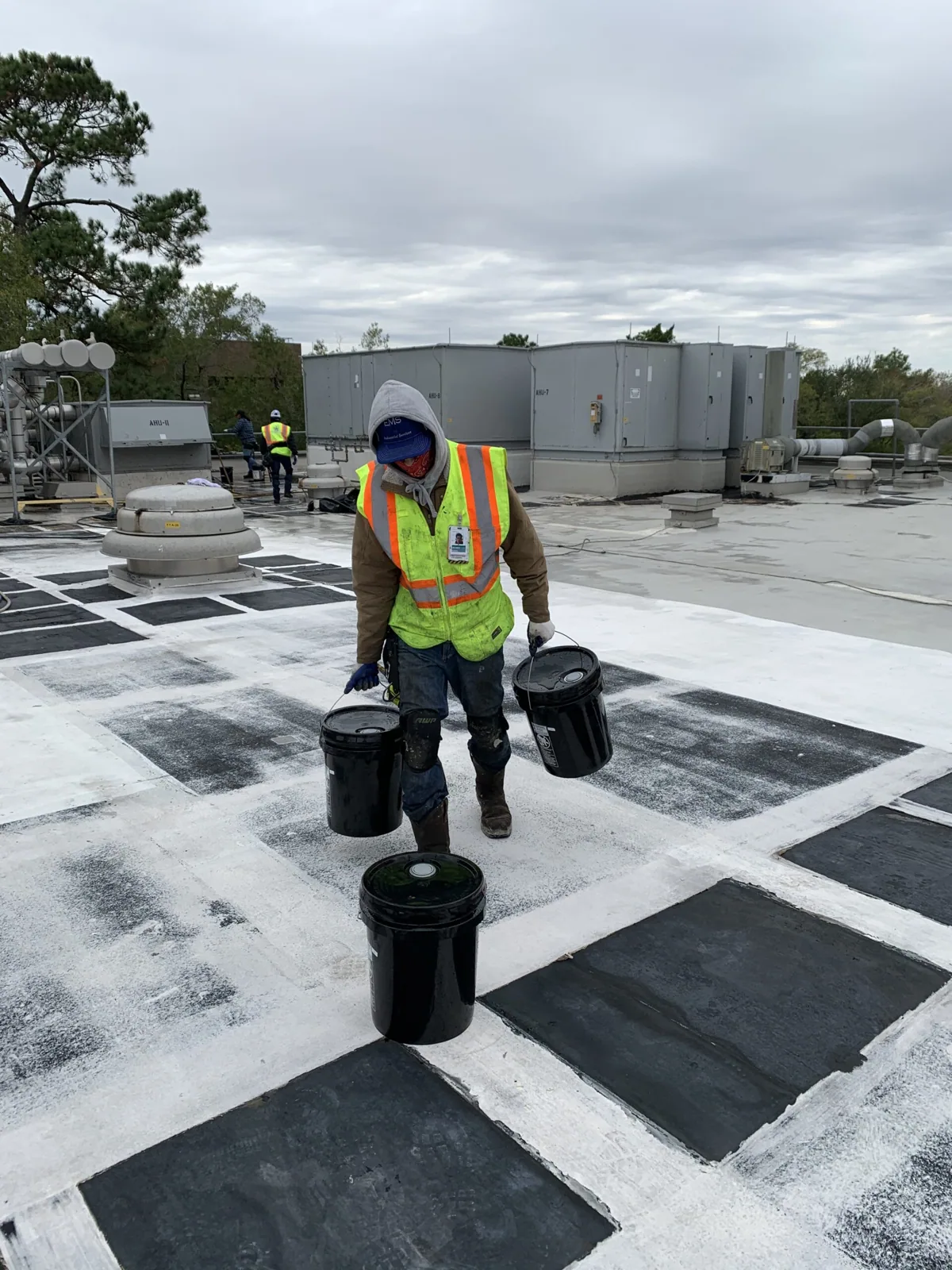
Interior protection can matter as much as the roof repair. We coordinate ceiling access, furniture relocation and barriers with the building contact, then keep residents away from the active area. Roof tear-off can add vibration, noise, odor and debris. The scope notes where those effects may occur and how the route below will be protected. We do not assume rooms can be vacated or that the same notification process applies to every facility.
For a multi-building property, we identify each building and roof zone separately. A single moisture report should not be applied to every room or wing. If residents report leaks in different areas, we compare dates, weather conditions and roof details to see whether they share a likely path. The result can be a focused first repair while a separate area remains scheduled for investigation.
Follow the Water Across the Roof
Water may enter at a drain, curb or roof-to-wall transition, then travel along insulation or deck before reaching a sleeping room. We map the reported ceiling location against roof slope, seams, penetrations, parapets and overflow points. A commercial roof inspection documents those details with photographs and a field sketch. The record distinguishes the visible entry evidence from the interior location where moisture appeared.
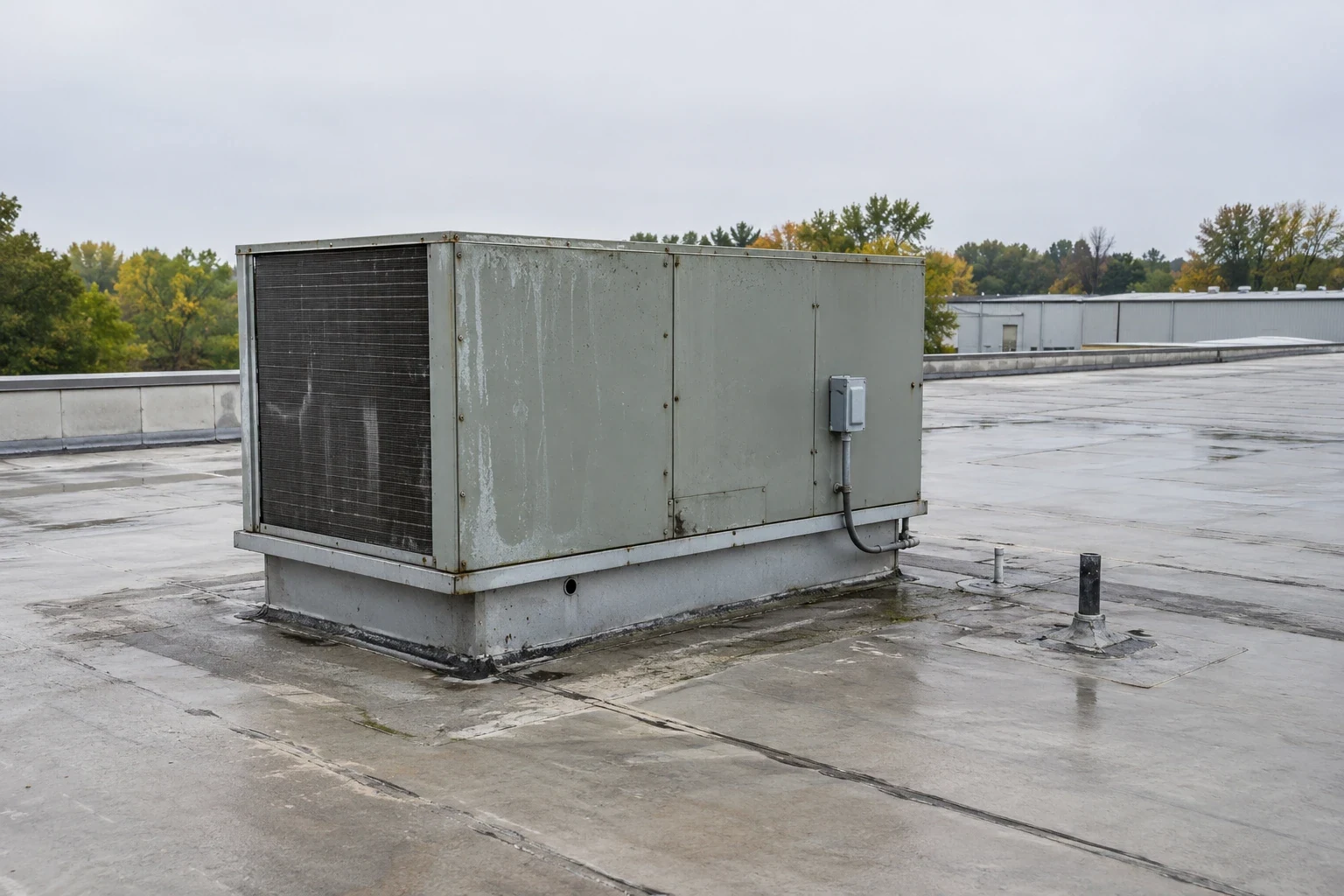
At a seam, we check for separation, an incomplete weld or movement at an adjacent penetration. At a wall, we look at flashing height, counterflashing and terminations. Around drains, we inspect the bowl, strainer, surrounding membrane and route to discharge. If a condition repeats after heavy rain, flashing repair or seam repair may be relevant, but the recommendation follows the observed detail rather than the report alone.
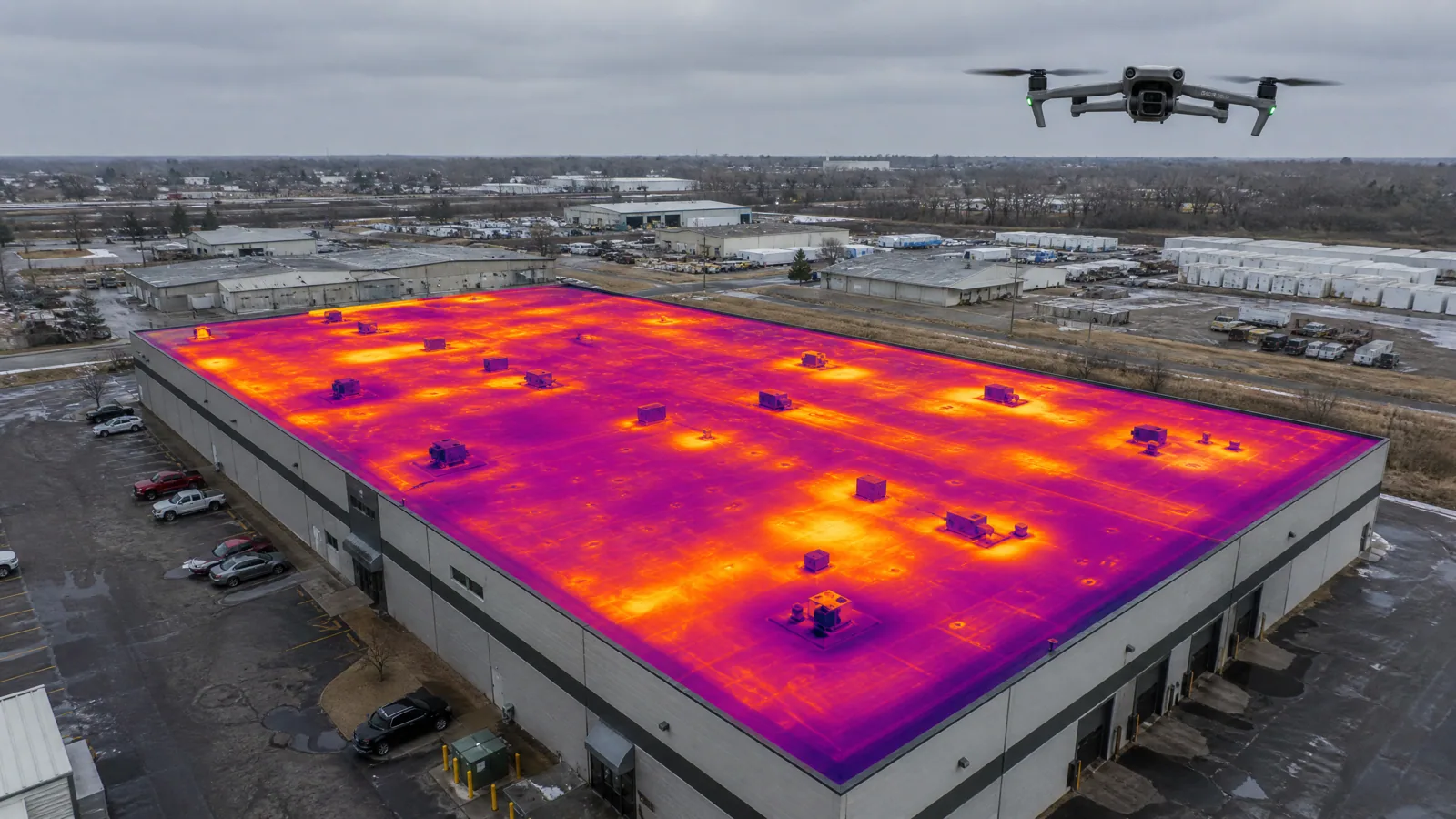
A drone roof inspection can help document broad roof areas or hard-to-reach sections when conditions permit. Infrared observations need suitable collection conditions and interpretation, with material confirmation where required before defining wet insulation removal. If evidence remains uncertain, we can propose a controlled test opening with an agreed room observation point. The scope records what the opening shows and how it will be restored.
Choose Work for the Existing Roof
When damage is local and surrounding material remains serviceable, a measured repair can limit disturbance to residents. Broader moisture, repeated seam failure or deteriorated attachment may support a larger area of replacement. A TPO system and an EPDM system have different repair procedures, so identifying the installed roof is part of the scope. If the existing assembly qualifies for a recover, a roof overlay may reduce tear-off, subject to condition, drainage and project criteria.
For a multi-building plan, a condition report can preserve findings by building, zone and priority. If repair or replacement is phased, each phase should identify which occupied areas may be affected, what temporary protection is planned and what follow-up inspection closes the work. That detail helps the facility compare schedules without treating a broad campus description as a complete roof assessment.
Account for Alexandria Weather
Heavy rain tests whether water can leave the roof through drains and overflow routes. Summer heat can increase movement at seams and flashing, while freeze-thaw can stress joints where moisture remains. We check these mechanisms on the actual roof and document whether the drainage route appears clear. A citywide exposure is context for inspection, not evidence that a barracks roof has ponding, wind damage or a failed detail.
Before coating or membrane installation, we confirm the surface is clean, dry and compatible with the selected material. Weather windows can affect work shifts and temporary protection, particularly if a roof section must remain open during removal. A staged occupied-building reroof can sequence manageable work areas when the assembly and facility plan allow it. The contact receives the area and timing for each phase, including limits on access below.
Landmark/Van Dorn and Pentagon City represent different commercial contexts near the Alexandria market, but neither district identifies a barracks roof assembly or access process. We use the street address and roof information to plan site access. For work near Landmark/Van Dorn, the facility contact can also identify loading, parking or perimeter constraints that affect inspection equipment.
Leave a Usable Roof Record
After work, we provide photographs and notes tied to repaired seams, drains, wall details and the limits of the completed area. If a test opening or interior access point was used, the record identifies its location and restoration. Remaining concerns are listed separately so a facility manager can decide whether to monitor, test or schedule another phase. The report should let the next reviewer understand what was observed without inferring a condition in an uninspected wing.
Preventive visits can check drain strainers, flashing transitions, seams and prior repair boundaries before they become active leak paths. A maintenance program can track those observations by building and date. The interval should fit the roof’s condition and the installation’s access process. If a new leak appears, we compare it with the recorded zones and inspect the relevant path rather than repeating a generic survey of the property.
For a barracks roof review, share the Alexandria-area address, the affected rooms, any roof plans and the access or resident constraints. We can identify what needs inspection first and prepare a repair or phased-work scope based on what the roof evidence supports.
Property Types We Roof
Commercial Roofing Questions
Can roofing work proceed while barracks rooms are occupied?
Occupied work can be staged when the facility approves the access, protection and notification plan. We identify the rooms below the work area, secure routes and coordinate ceiling access with the contact. Some repairs may require a temporary room restriction, which should be set by the facility based on the work zone and resident needs.
How should recurring leaks in different wings be investigated?
Each report should be logged by room, date and conditions, then compared with the roof details above and nearby. Separate reports can share a drainage route or point to unrelated defects. We inspect and mark each suspected zone, then propose testing where surface evidence does not show the water path clearly.
Does freeze-thaw mean the barracks roof needs replacement?
No. Freeze-thaw is a reason to inspect joints, drainage and areas where water can remain, but it does not establish failure. We assess the membrane, insulation and attachment at the property. A repair can remain local when the surrounding assembly is serviceable; wider work needs supporting field evidence.
What information helps schedule a controlled-access inspection?
Send the property address, access contact, escort or badging requirements, permitted vehicle route and any resident schedule restrictions. Roof plans and prior leak locations are useful when available. We confirm those details before selecting equipment or setting an inspection window.
How do you keep findings useful across several housing buildings?
We label each building and roof zone, attach photographs and keep recommendations tied to the observed condition. Similar construction does not prove every building has the same issue. A common record format can help compare priorities while preserving the distinction between inspected, tested and uninspected areas.
Review a Barracks Roof
Send the Alexandria-area address, leak locations and facility access limits. We will inspect the reported roof zones and outline a repair or phased scope tied to the evidence.