
Roof Damage Repair
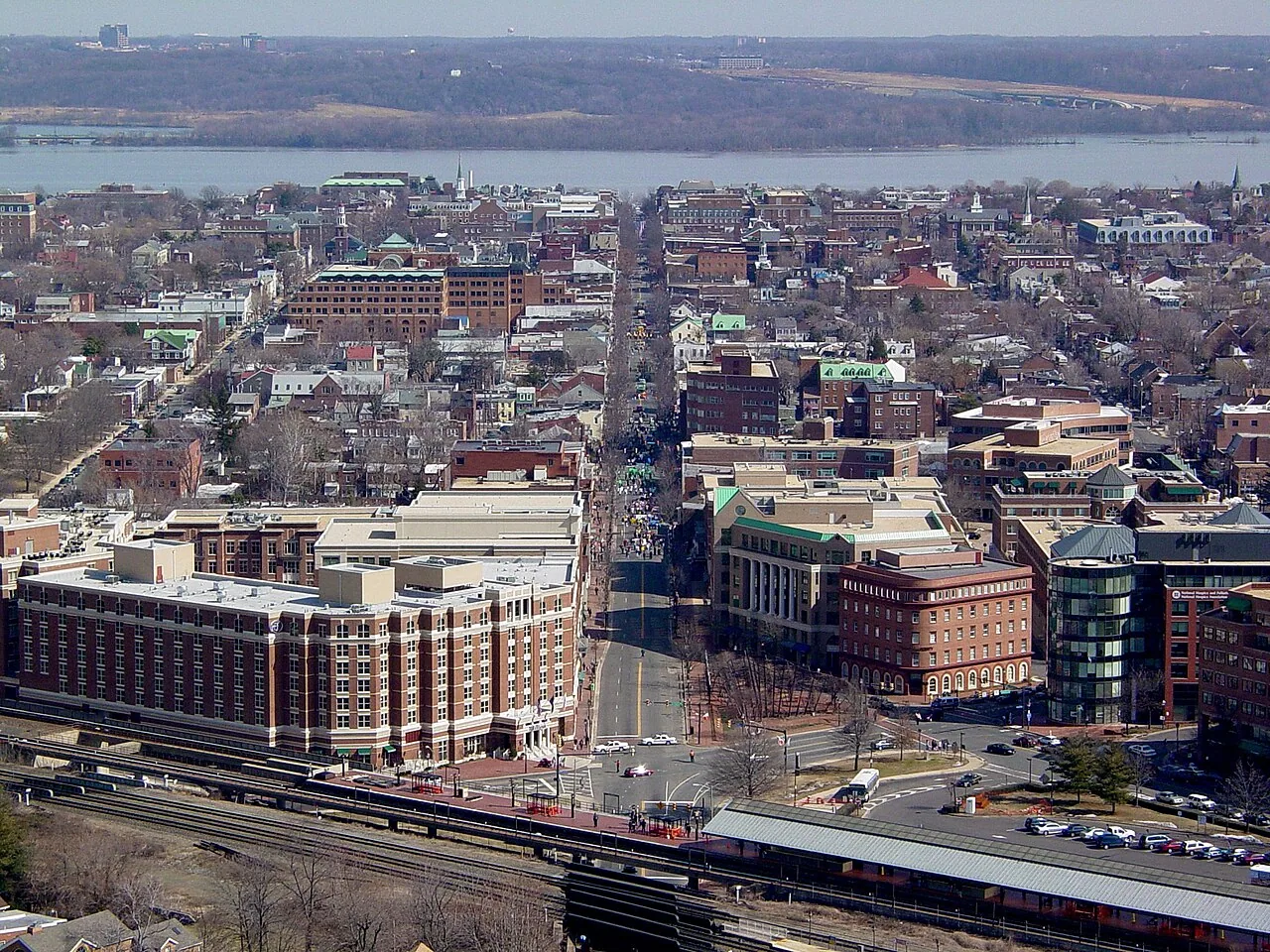
After rain, wind or a sudden interior leak, the visible mark is only one part of the roof record. We identify where water entered, which roof zone is affected and what testing confirms before setting the repair boundary. Alexandria’s heavy rain, heat, winter freeze-thaw and tidal Potomac exposure put drainage and edge details on the inspection list at each property.
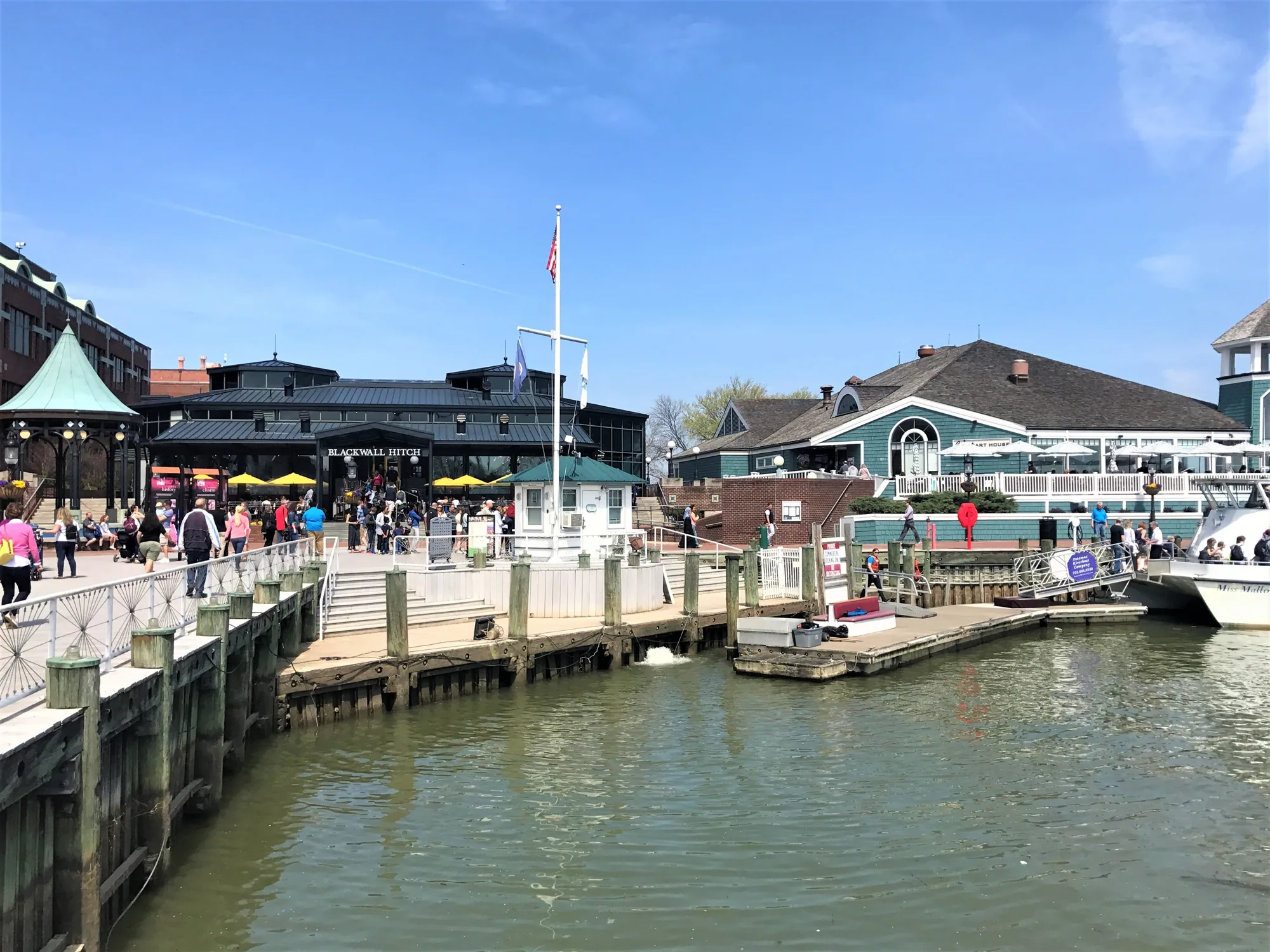
A roof at a waterfront property in Old Town and an office building in Carlyle each need an address-specific investigation. We document the membrane, seams, flashings, drains and prior repairs where visible, then separate immediate protection from the work needed to restore the roof.

Trace the Failure Before Repair
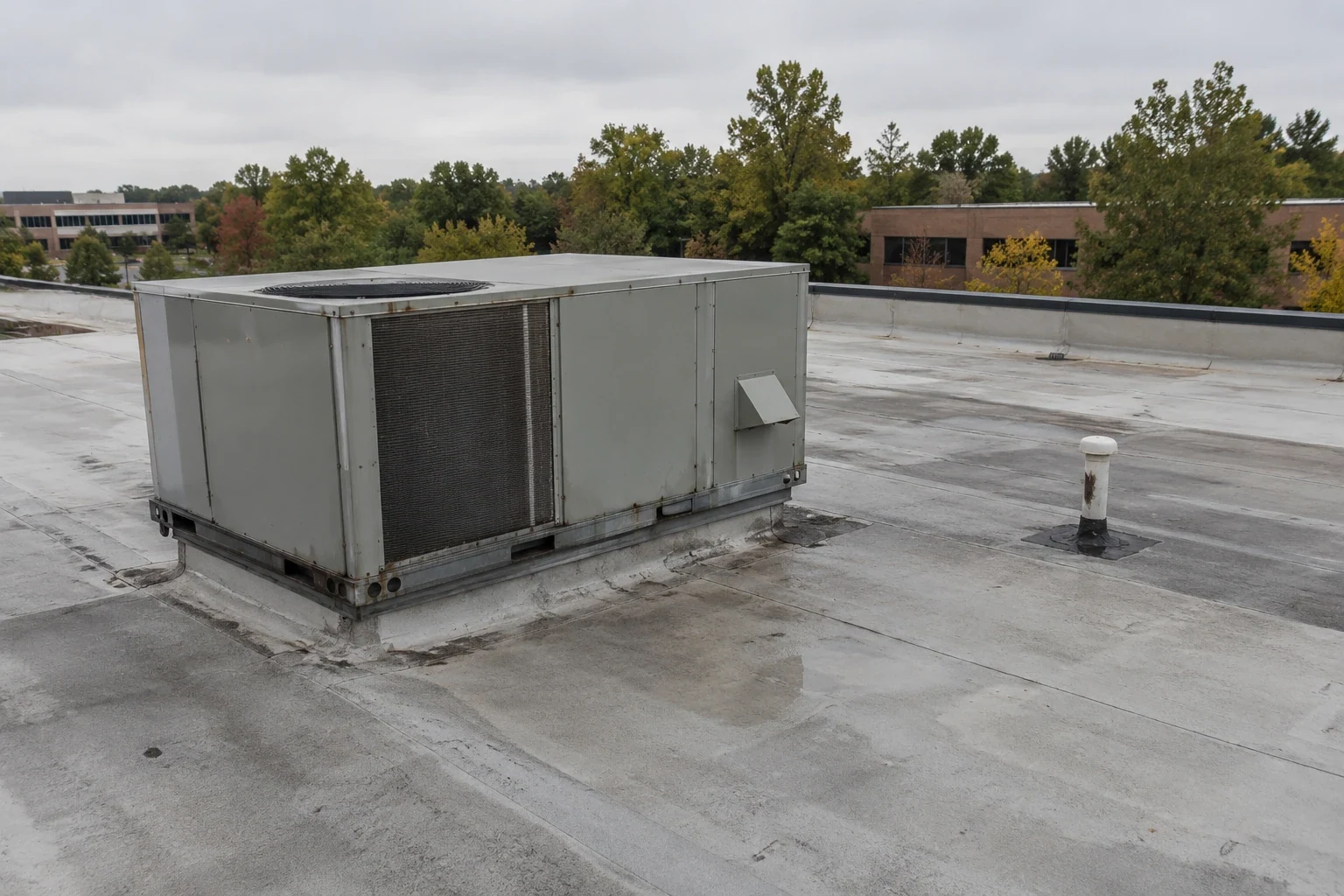
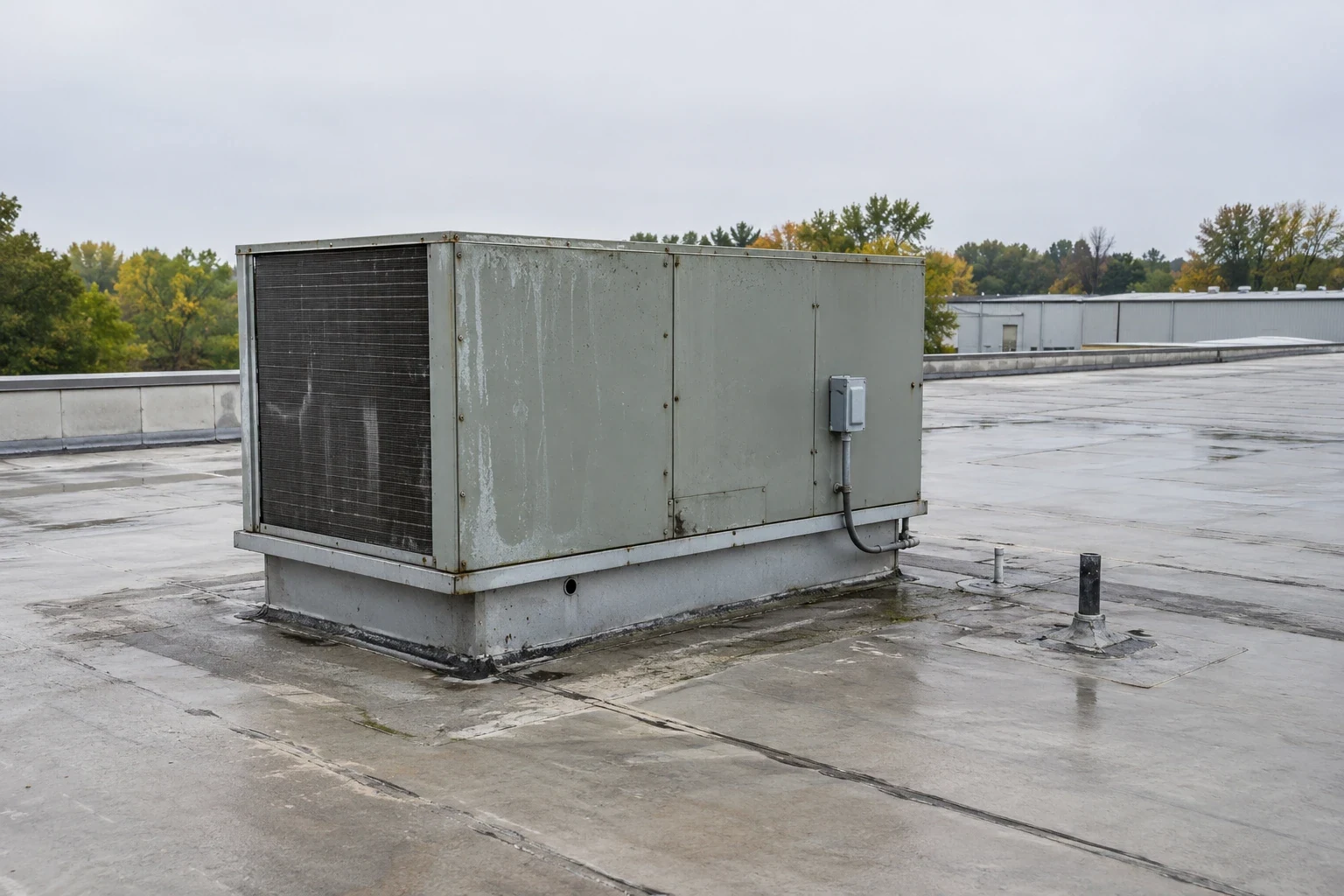
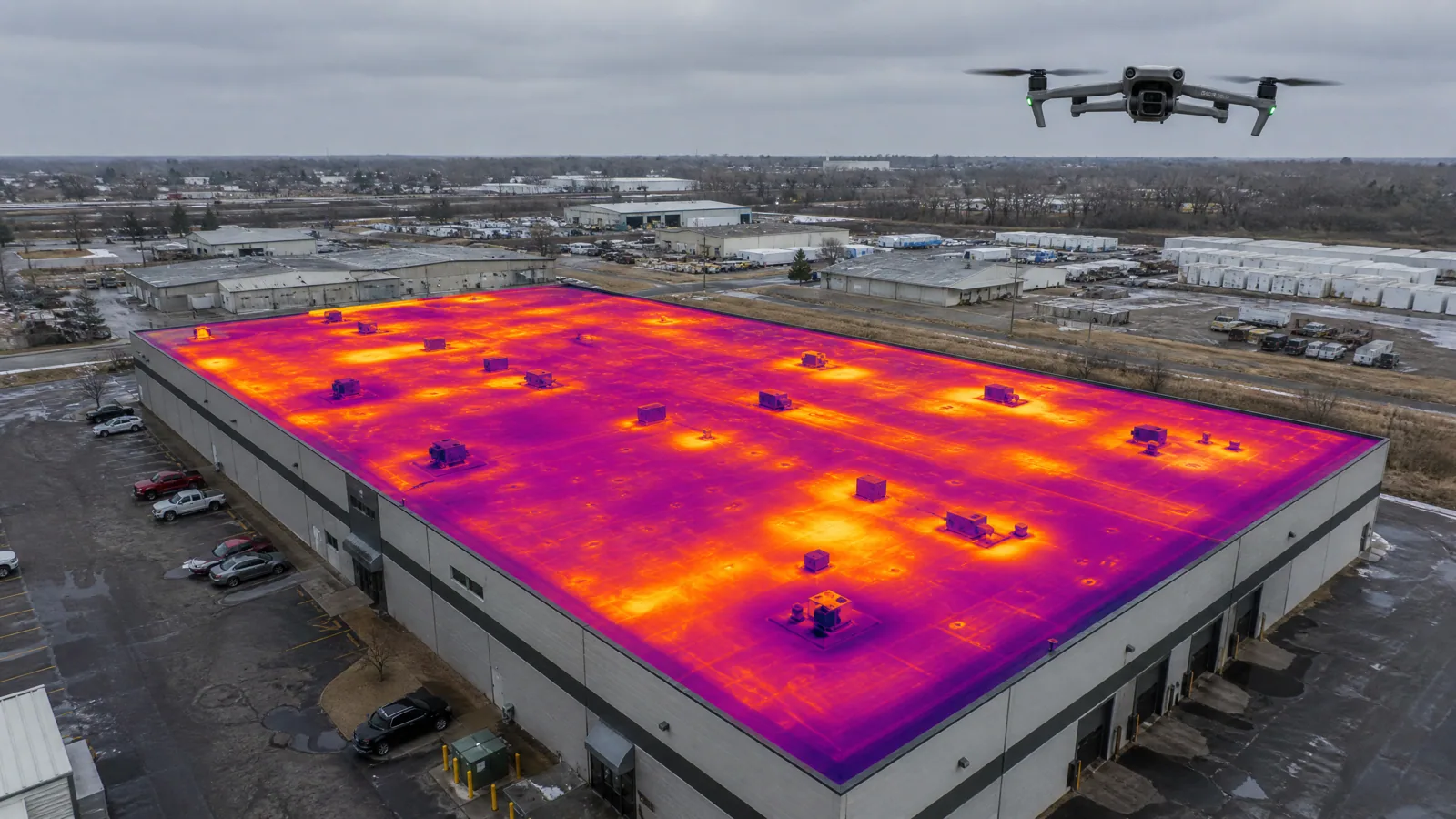
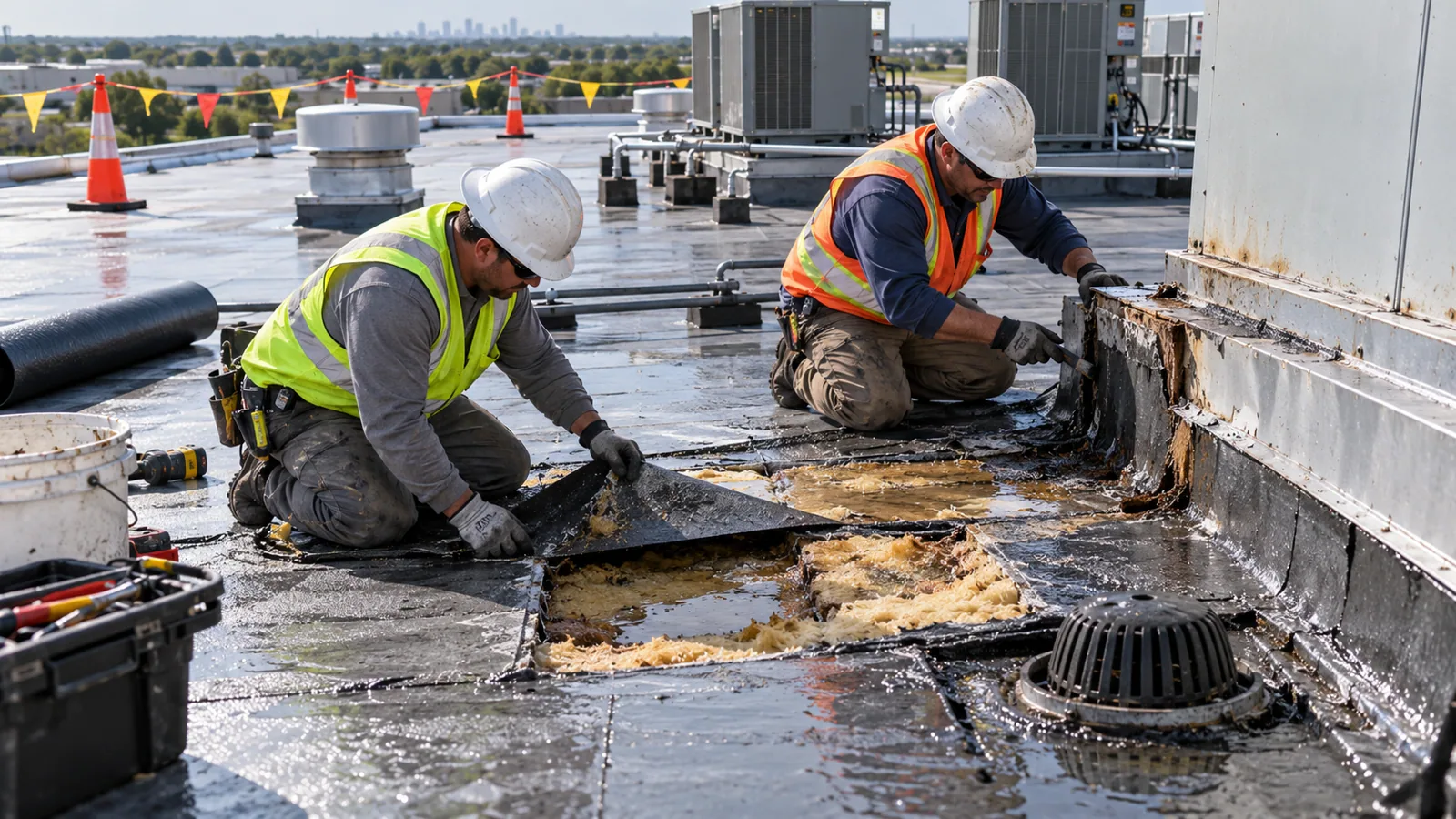
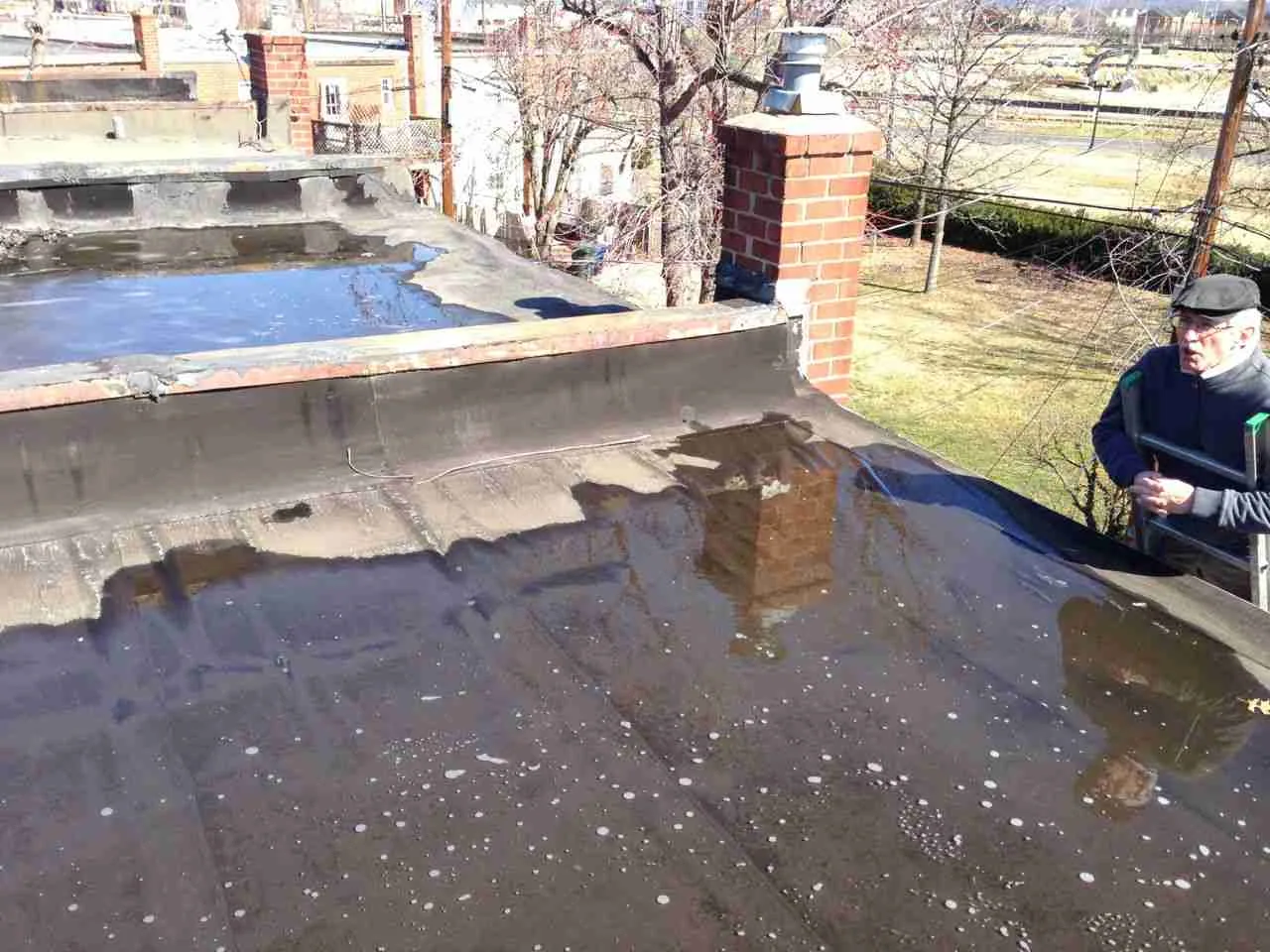
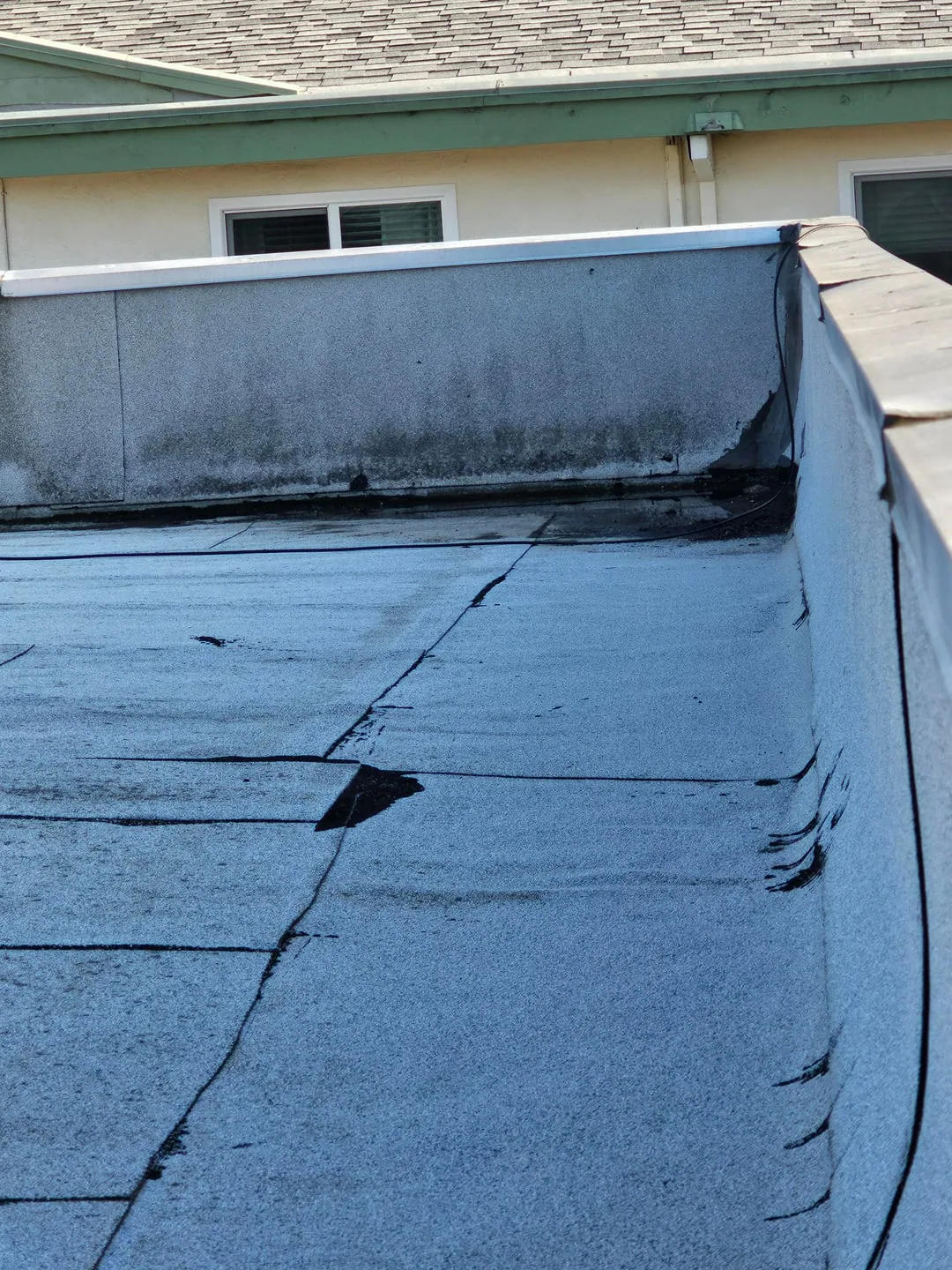
Water may travel beneath a membrane before surfacing indoors. We compare the report with slope, drains, penetrations, seams, parapets and wall transitions. Ponding-water repair starts by distinguishing a blocked outlet from a low deck or drainage design issue. A test opening may be needed when concealed insulation affects the size of the repair.
Wind-related movement can lift edges, loosen flashing or disturb attachment. A wind-damage inspection checks the perimeter and field details together. Flashing repairs and seam corrections address different connections; the report identifies which one is open rather than extending a patch across unrelated material.
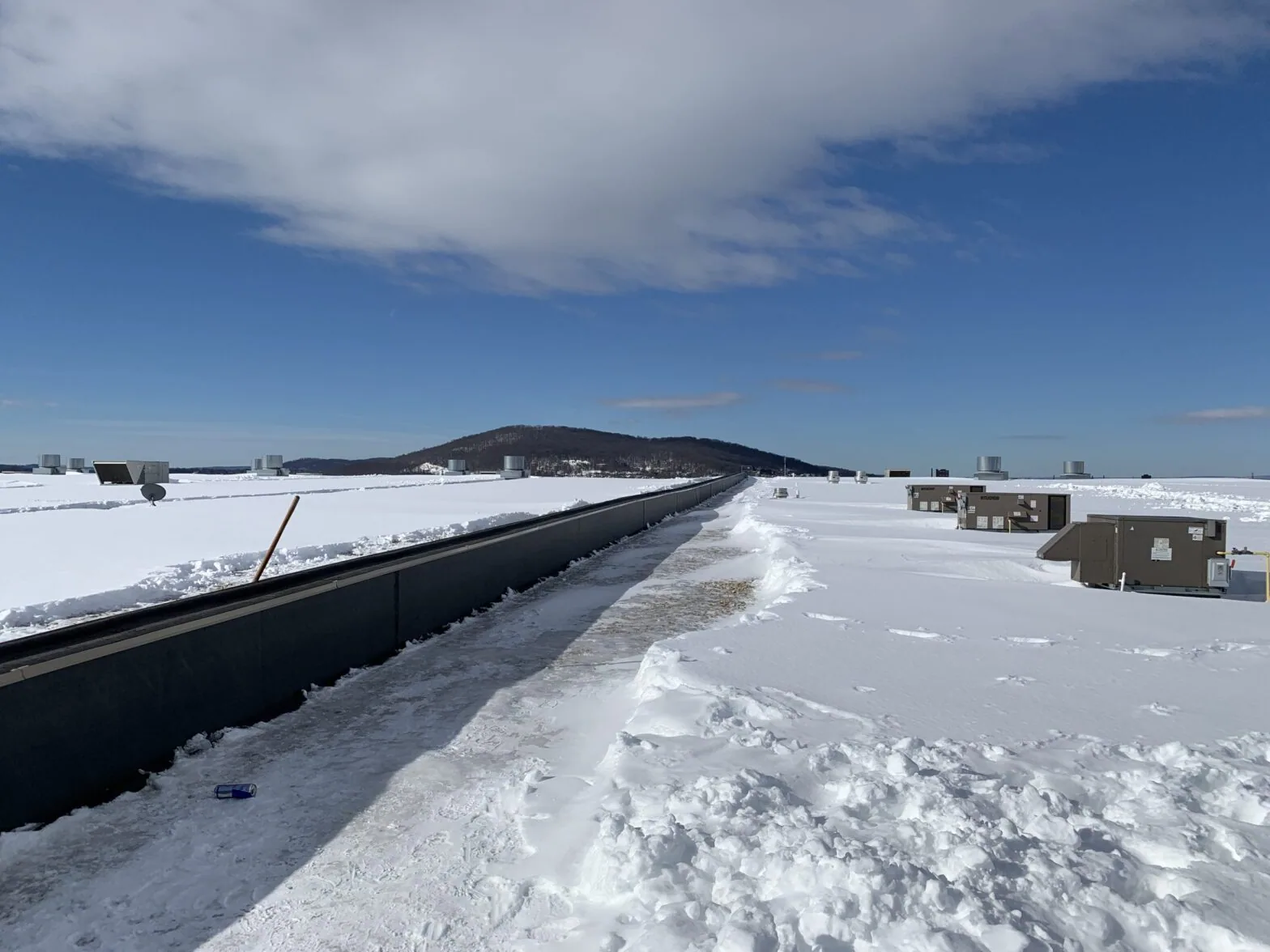
Impact, heat and cold weather can produce other symptoms. We assess membrane punctures, heat and UV wear, and snow or ice effects by the observed condition and assembly. A mark, wrinkle or water stain is not enough on its own to establish the cause.
Control Water and Preserve Evidence
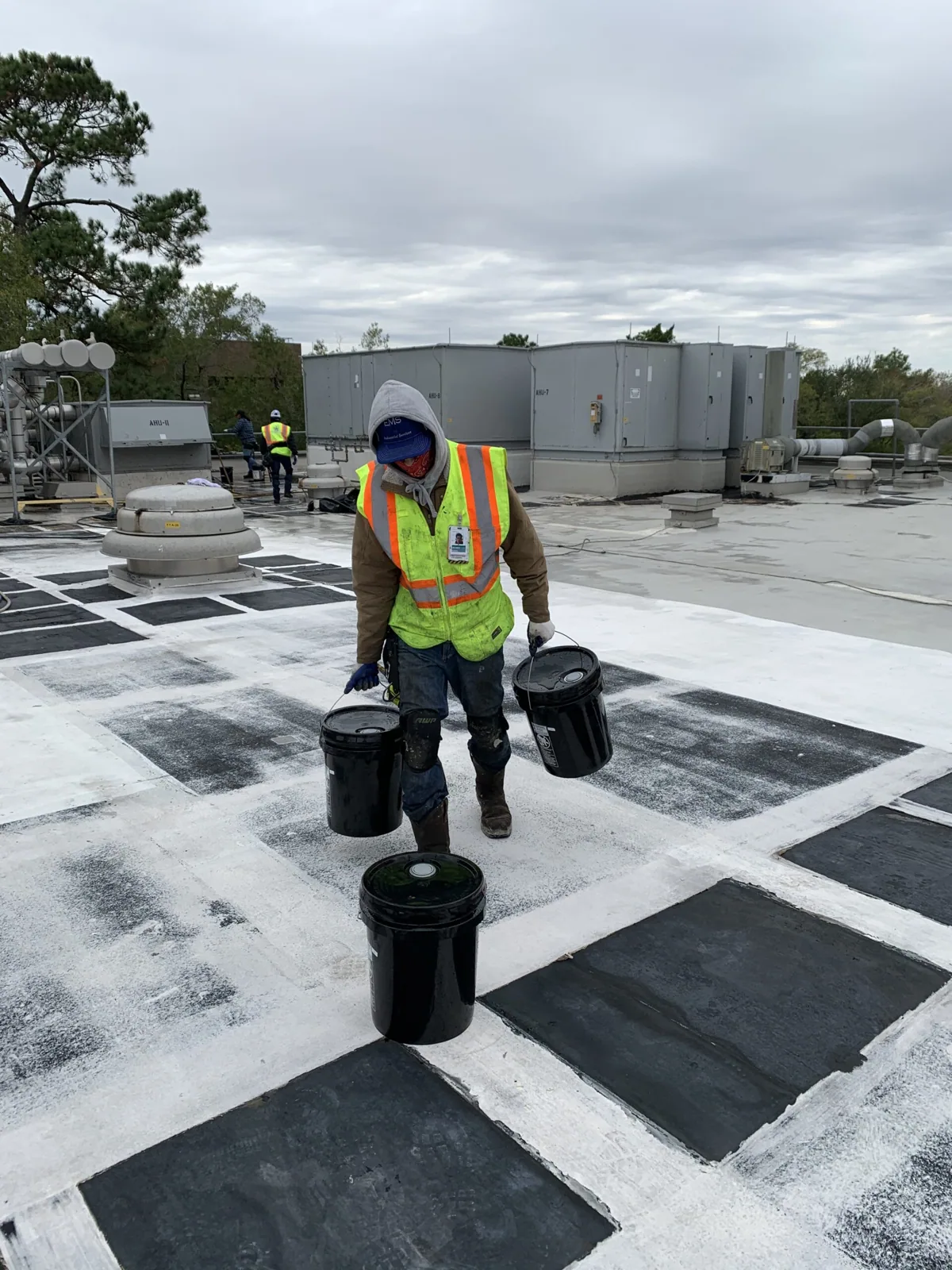
When active water is entering, we can respond at any hour, including weekends and holidays, to limit exposure and inspect the affected zone. Temporary covering, water diversion and permanent correction are recorded as separate work. The first priority is to protect the interior while keeping the opening accessible enough to identify the roof detail that failed.
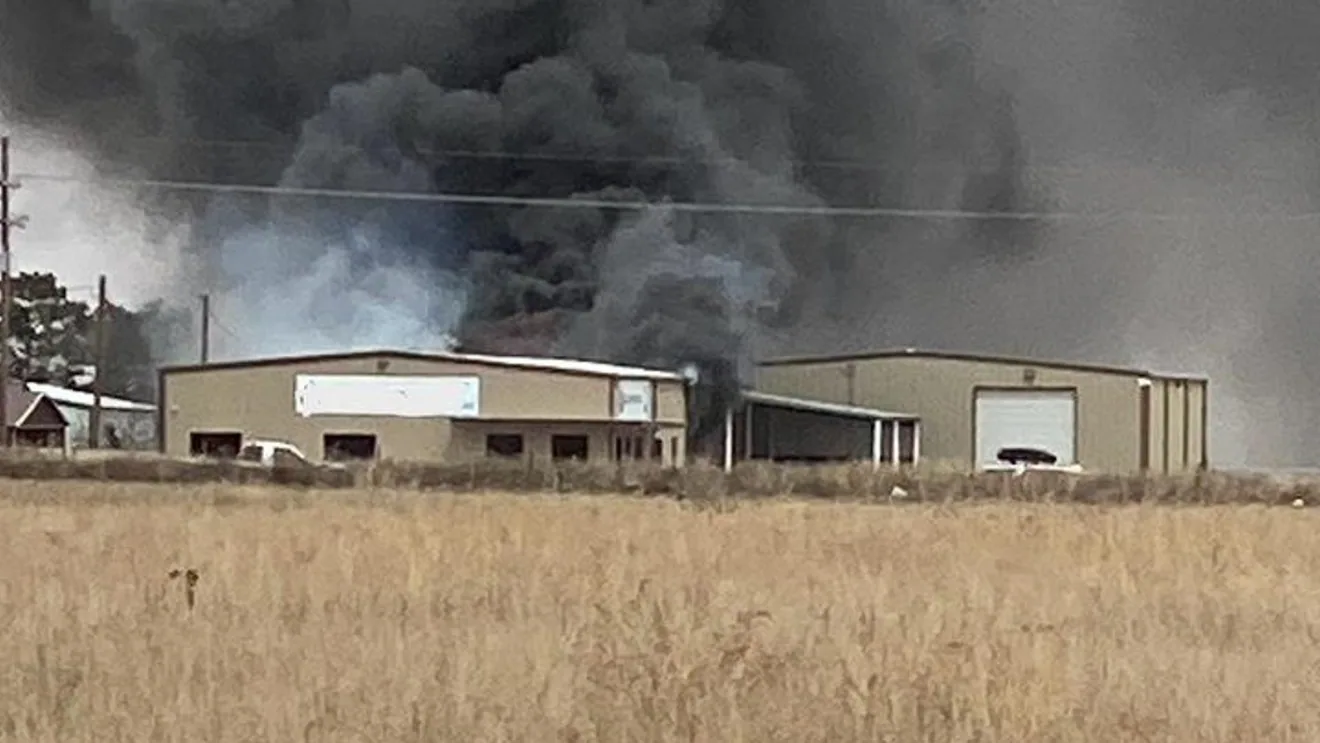
For larger events, hurricane-related repair or fire-damage assessment may require coordination with other trades, building officials or an insurer. We photograph visible roof conditions and note which portions were tested. Insurance documentation describes observed damage and completed mitigation; it does not promise claim approval or replace the owner's policy review.
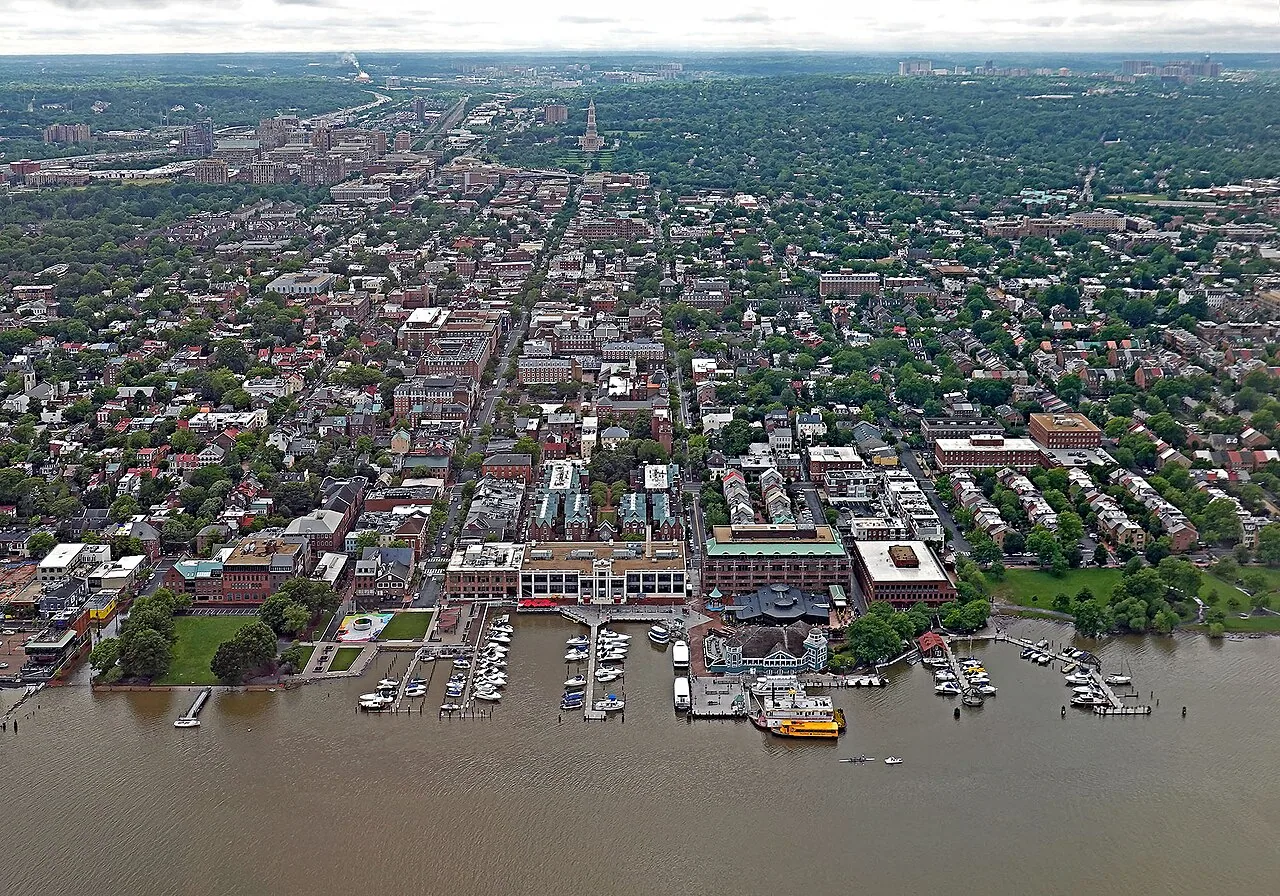
Alexandria faces tidal flooding and extreme rainfall, making roof drainage and edge details useful inspection priorities. Those risks guide questions about overflow and drainage, not conclusions about a specific property. We look at actual outlet paths, water marks and attachment, then state what the evidence supports.
Compare the Permanent Correction
A repair can remain local when the failure is bounded and surrounding materials are sound. If moisture, attachment loss or multiple defects extend beyond it, we compare broader restoration, recover or replacement. The proposal names the assembly, repair quantities, access and weather-protection assumptions. Where a test exposes added damage, the new area is shown for review before expanding the work.
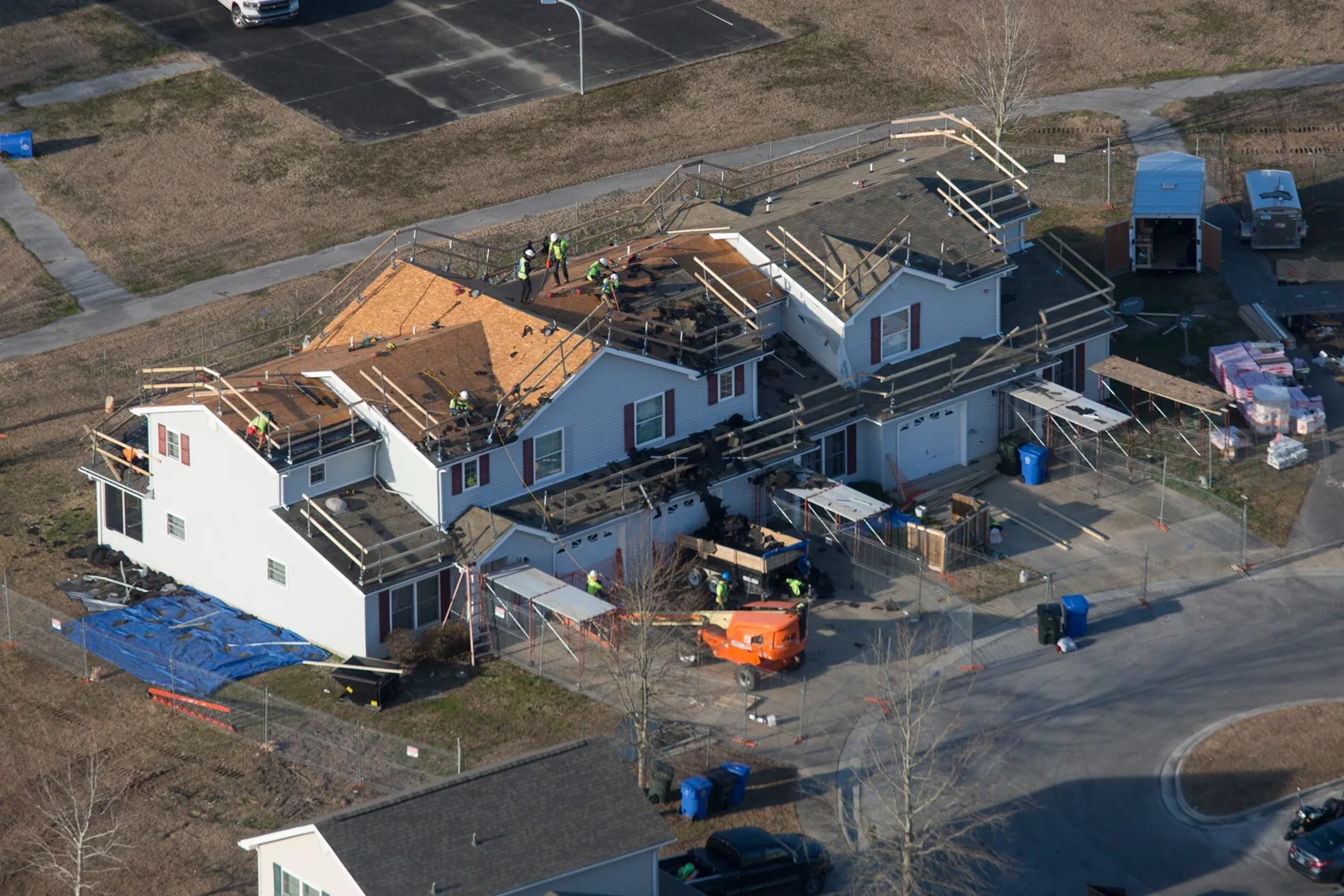
Occupied buildings need a secure sequence. We coordinate roof entry, staging, interior protection and mechanical restrictions, then establish a stop point that can be closed each shift. The property contact identifies routes and timing; the field record determines which roof zones can proceed.
Send the Alexandria address, reported event, affected room, photographs and access contact. We will inspect the relevant details, document temporary measures and prepare permanent repair options tied to confirmed findings.
Protect the opening through a work pause
Temporary protection has a location and interval. Record the covered condition and permanent connection still needed. If material changes the boundary, document it and obtain approval before removal. Closeout should show whether the roof is restored or awaits another operation.
Commercial Roofing Questions
Does a storm report prove the roof has damage?
No. Weather context explains why certain details deserve inspection, but a specific roof needs field evidence. We record visible changes, water paths, attachment and test limits before recommending a repair.
When should removal stop for approval?
Stop at the authorized boundary if exposed damage expands. Photograph the condition, protect the opening and obtain written direction before adding work.
Does temporary protection restore the roof?
No. It limits exposure for a stated area and interval. Permanent closure uses material compatible with the receiving surface and roof system.
What belongs in a storm-related repair record?
Record the report date, roof zone, observed detail, photographs, test results and unresolved areas without assigning a cause beyond the findings.
Assess Commercial Roof Damage in Alexandria
Share the address, event date, interior report and site contact. We will inspect the affected zones and separate immediate protection from the permanent repair scope.