
Roof Systems
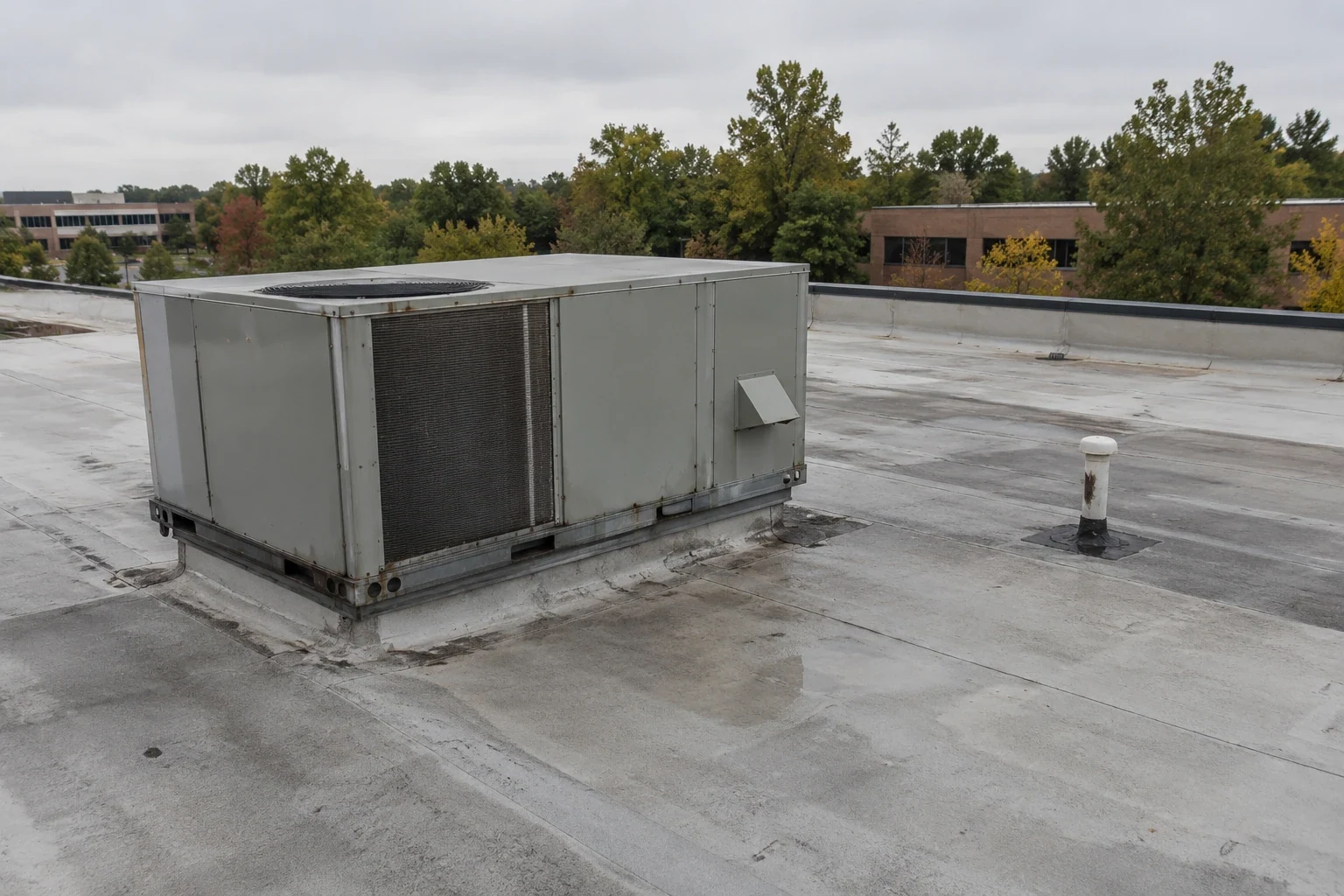
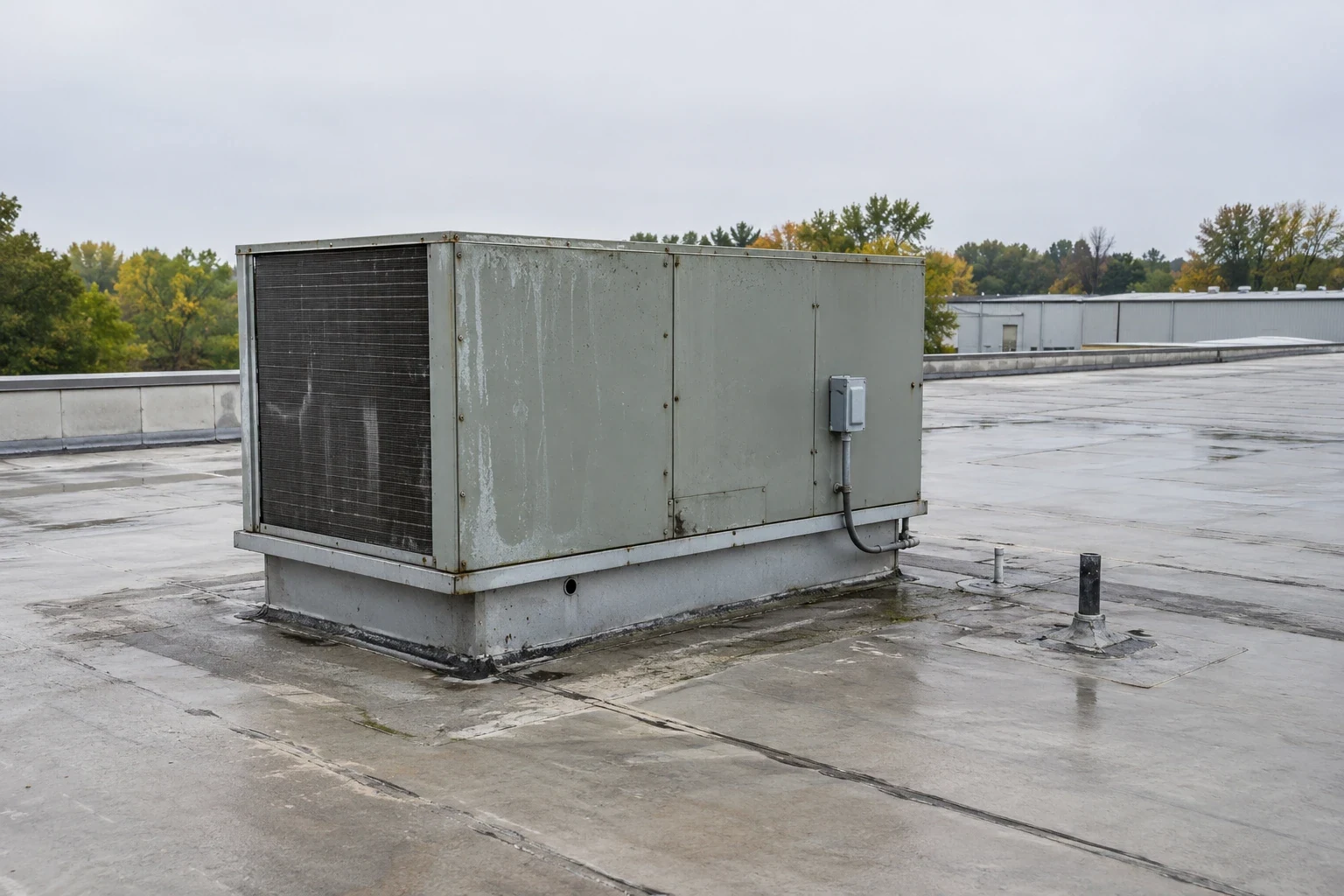
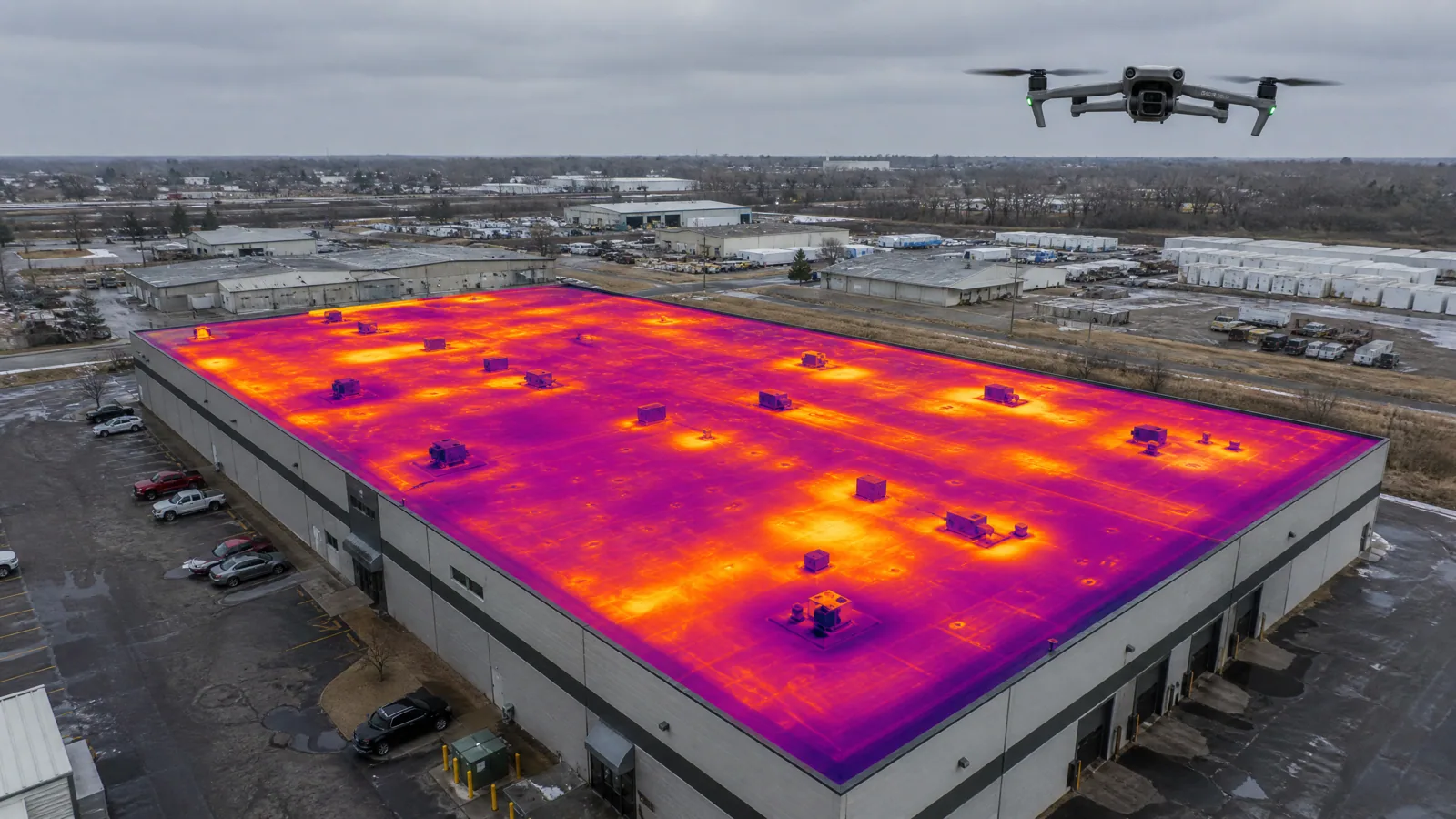
Summer heat can move a membrane at seams and penetrations; winter freezing can stress water held at a weak transition. In Alexandria, a system decision starts with the assembly that is actually on the building, not a product label. We identify layers, attachment, drainage, edges and prior repairs, then compare materials that fit the deck, use and project constraints. A roof inspection records the evidence before replacement or restoration is scoped.
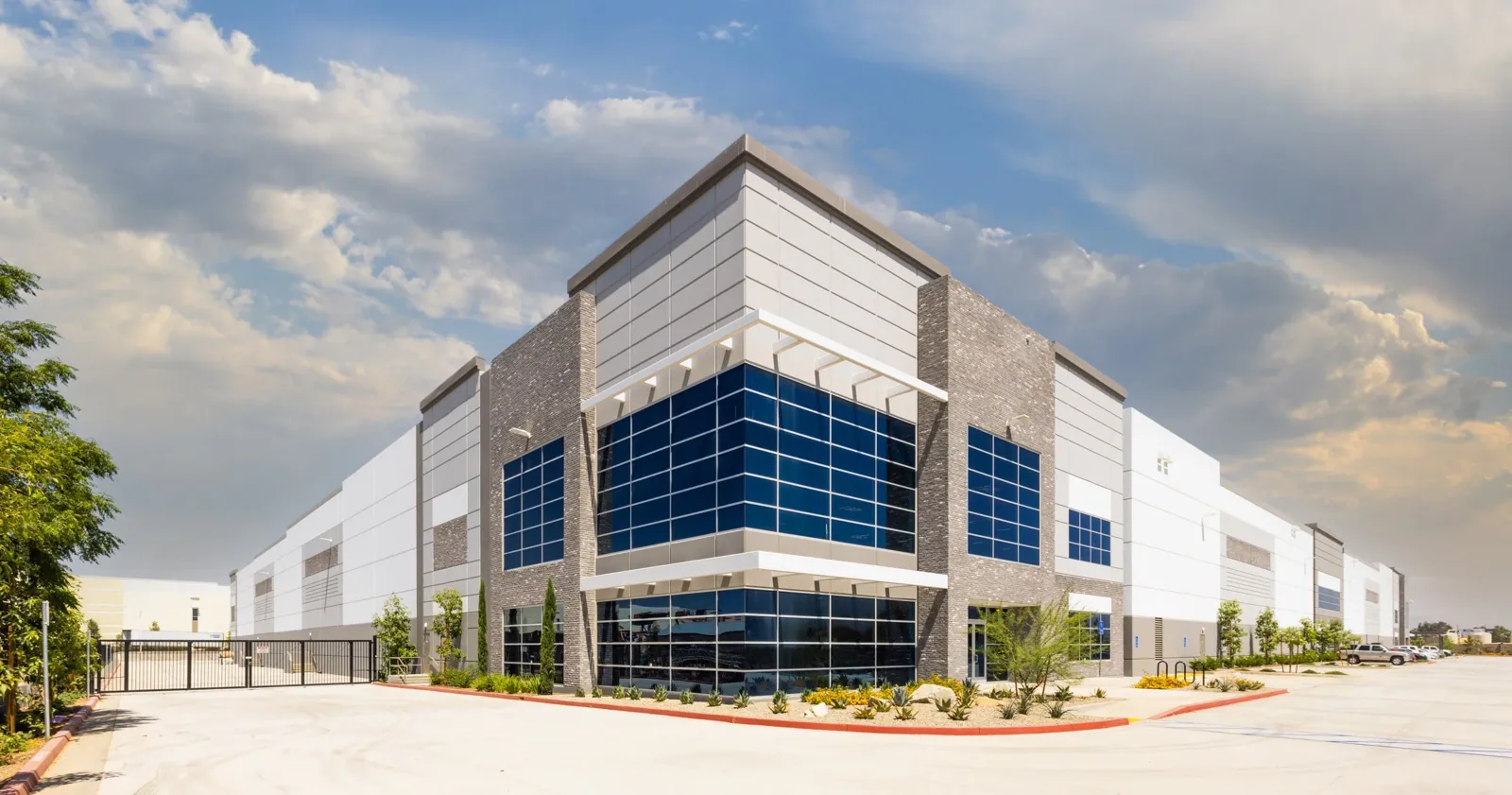
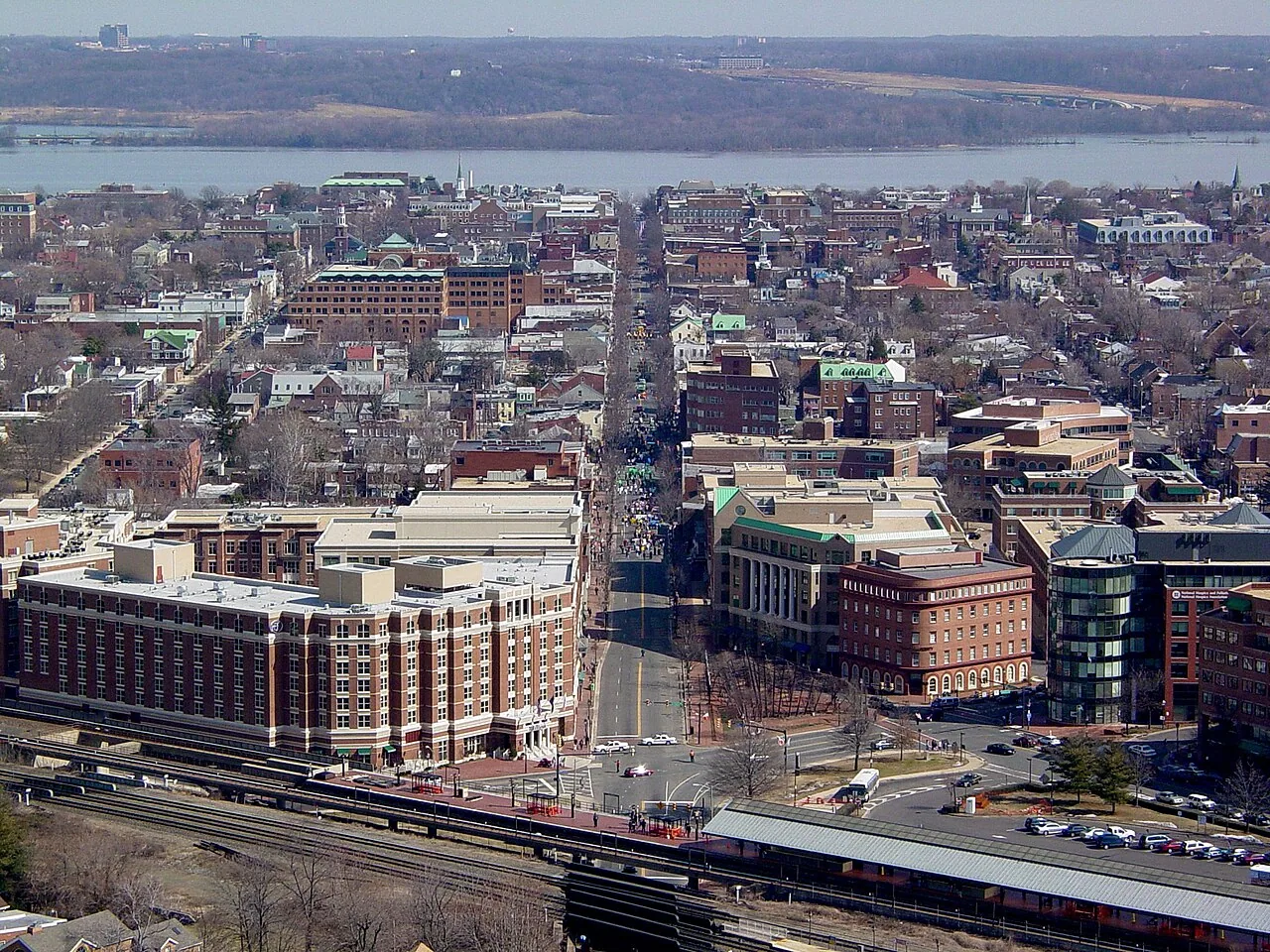
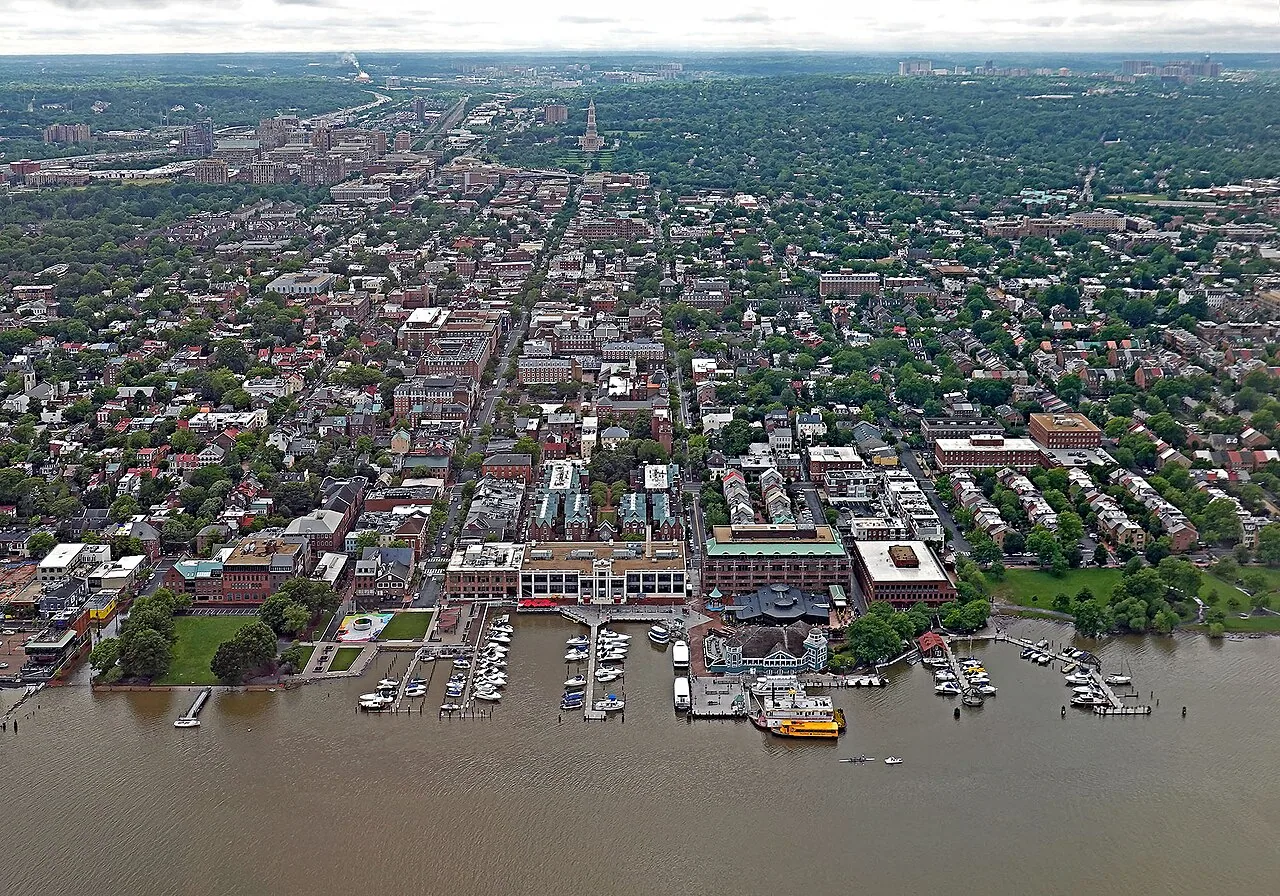
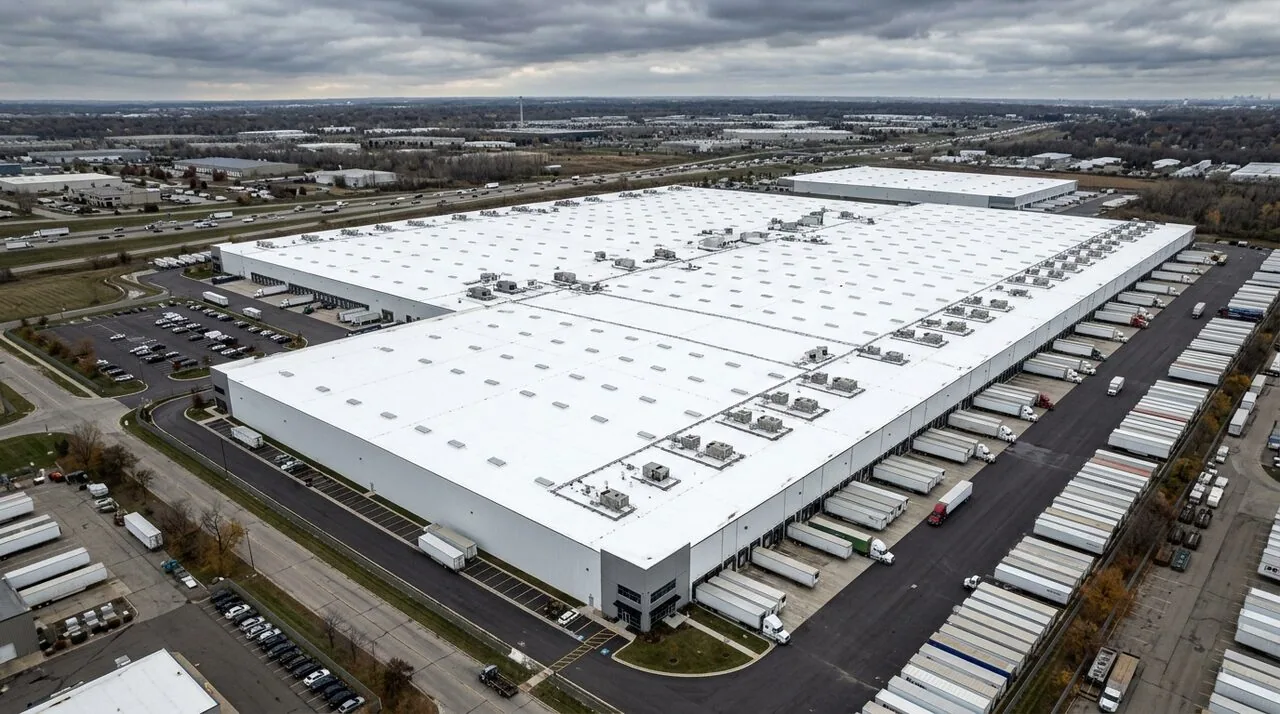
Office and mixed-use buildings in Carlyle and approved office blocks in North Potomac Yard still require address-level review. District plans do not reveal an individual roof system or its condition. We verify those details before recommending membrane, metal or coating work.

Choose a Membrane by the Assembly
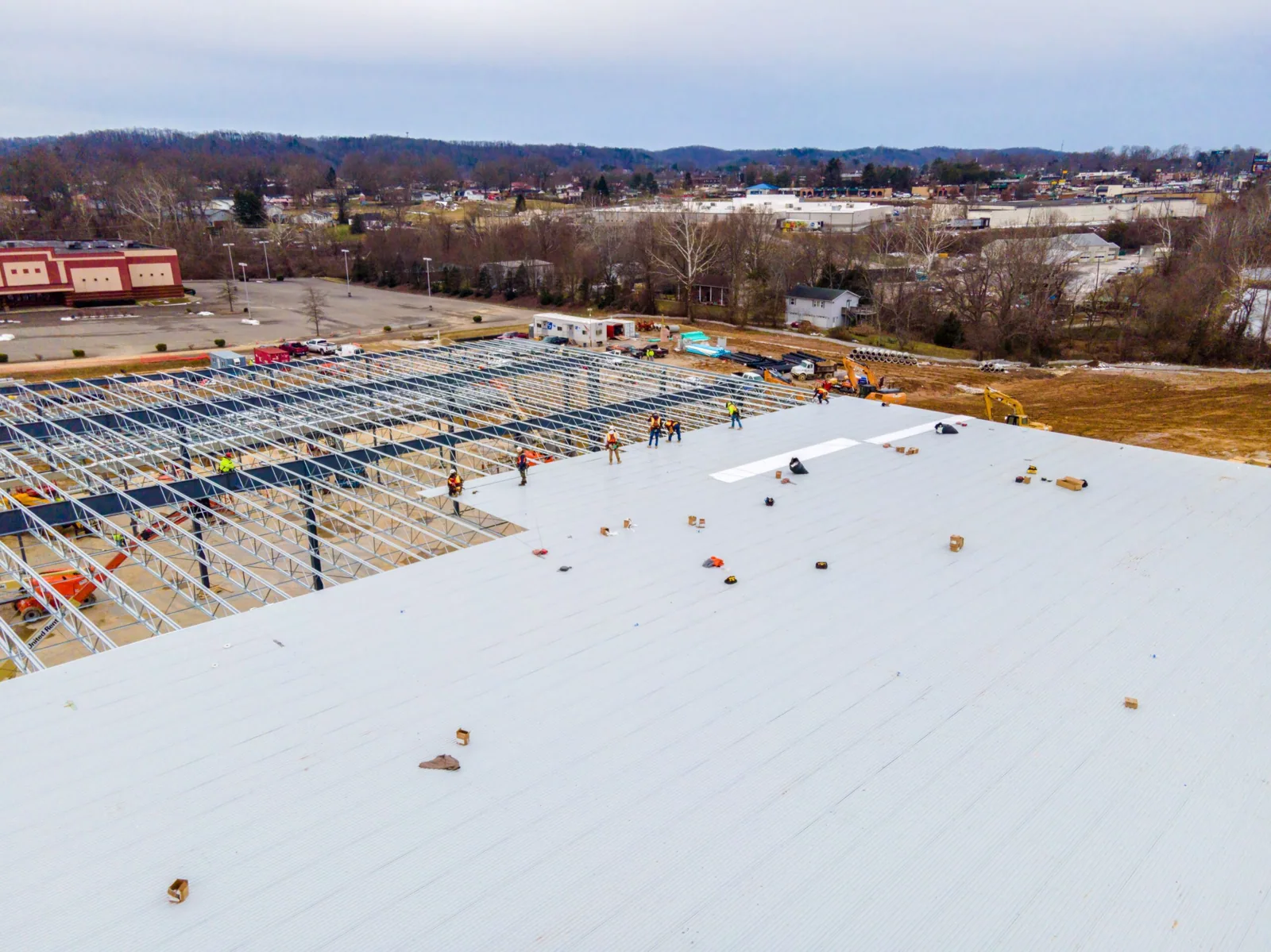
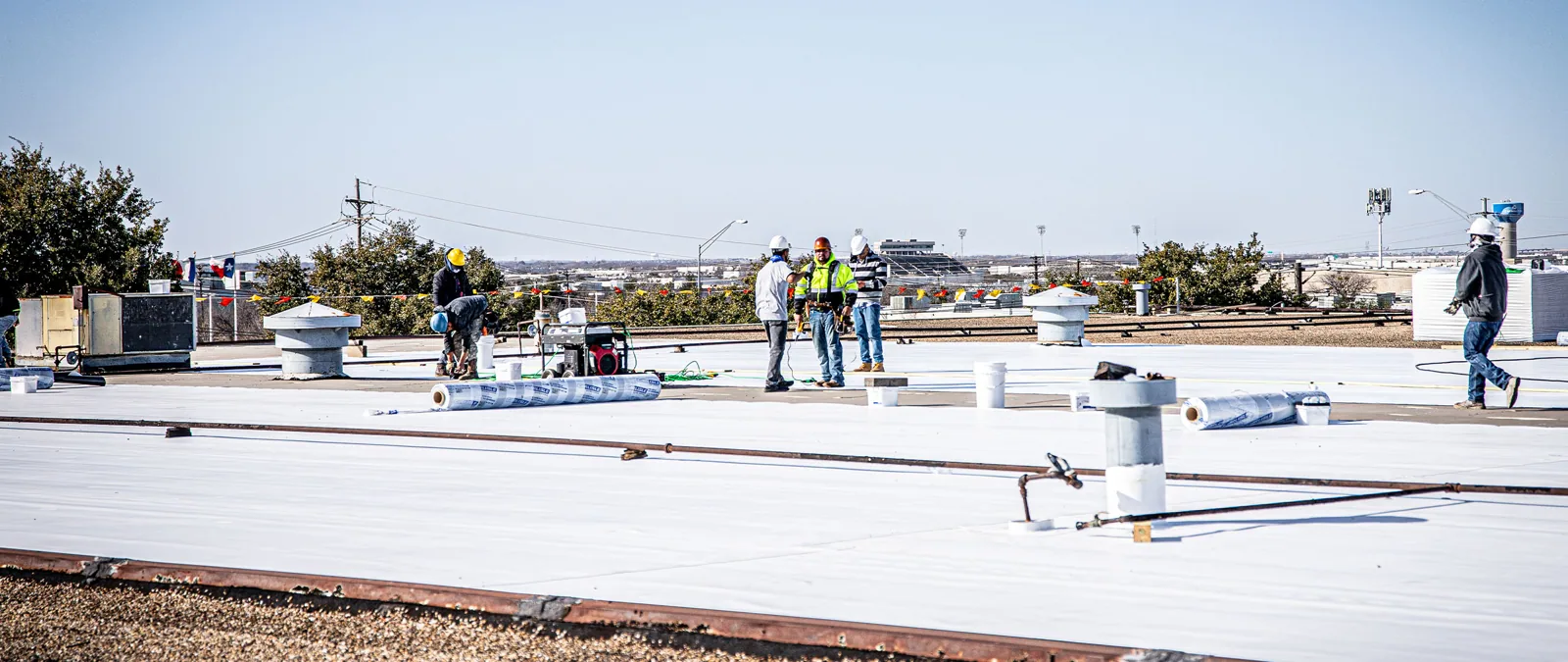
Thermoplastic membranes such as TPO and PVC use heat-welded seams, so weld quality, substrate preparation and edge termination matter. EPDM and KEE each have distinct joining and flashing requirements. A change in material is not a shortcut around drain height, cover board, attachment or existing layers.
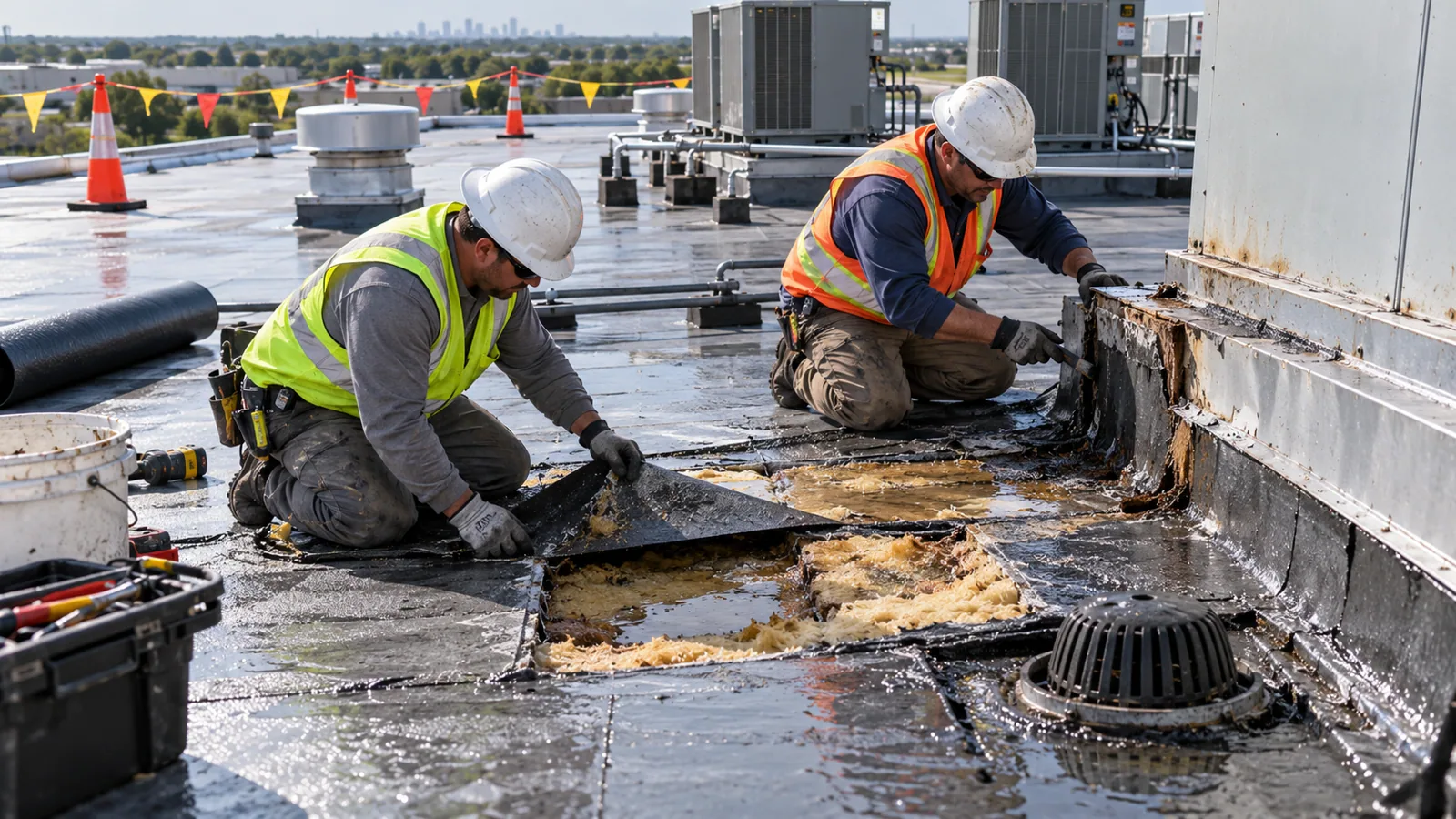
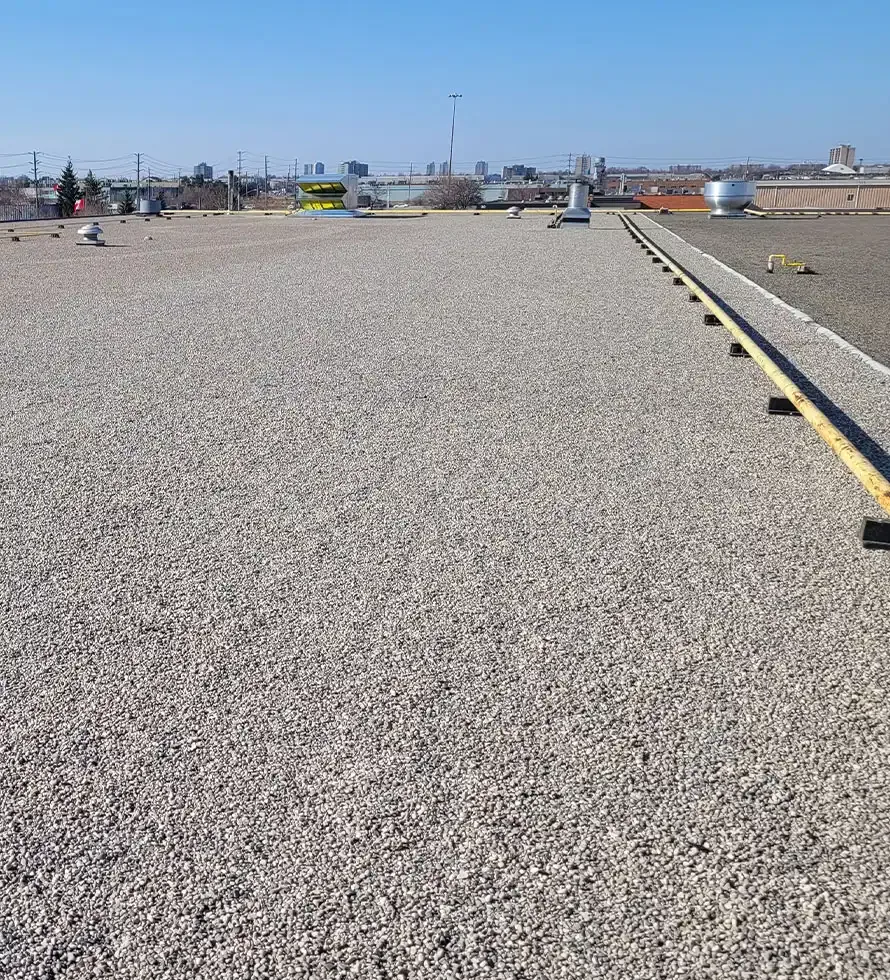
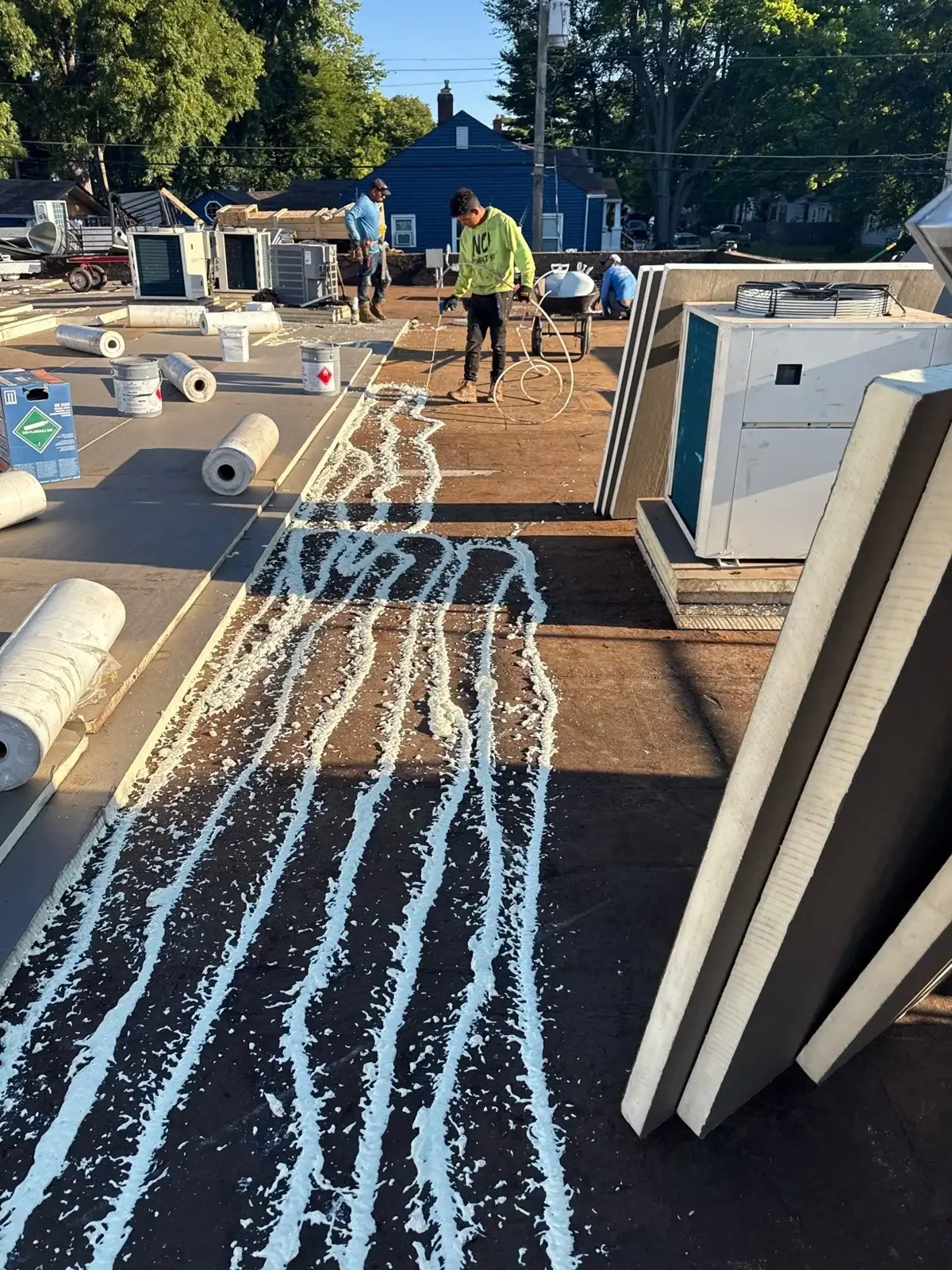
Built-up and modified bitumen assemblies use layered components and surfacing that must be evaluated for adhesion, cracking and moisture. The built-up roofing condition can vary across a property, particularly around penetrations and previous repairs. We check the section at issue and confirm compatibility before detailing a patch or overlay.
A recover can reduce removal only when moisture, attachment and perimeter conditions support another layer. If test openings reveal wet insulation, replacement may be the clearer comparison. The estimate explains which layers remain, where testing occurred and what cannot be confirmed without removal.
Read Metal and Coating Options Carefully
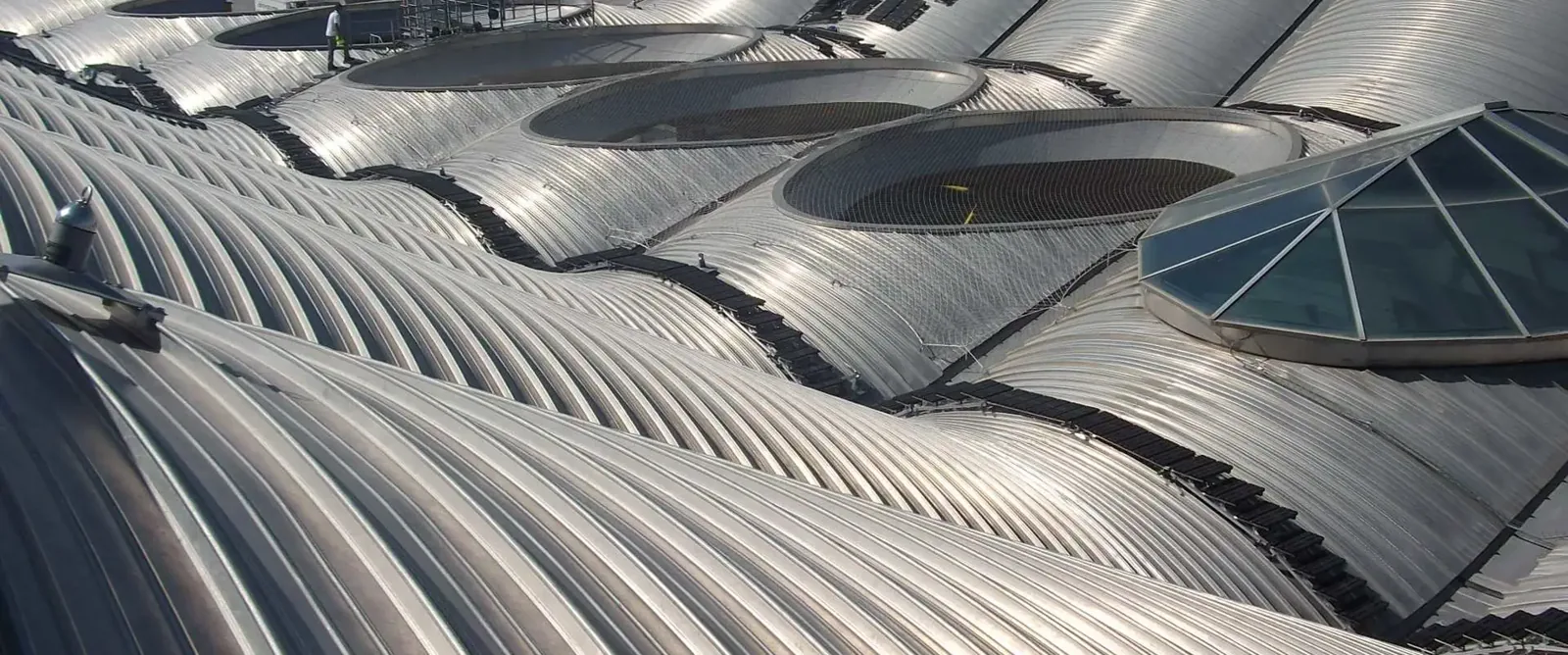
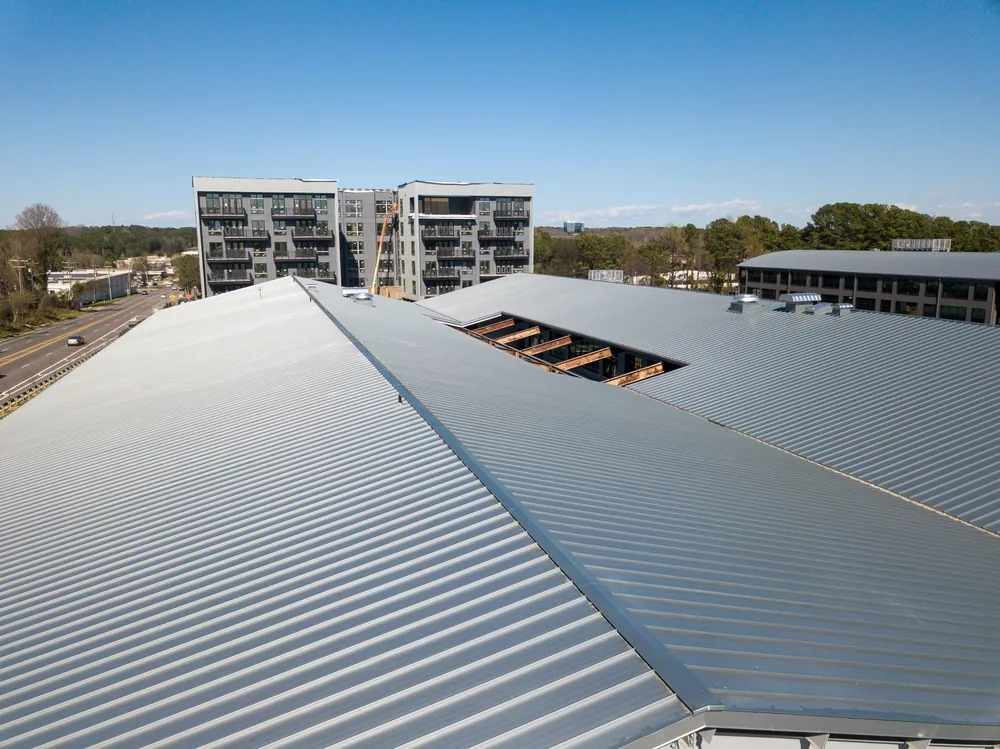
Standing-seam metal and retrofit systems need inspection at panel laps, clips, fasteners, penetrations and movement points. A standing-seam assembly has different repair details from a metal retrofit. We review attachment and existing corrosion before specifying a correction, then account for drainage and edge transitions that remain part of the roof.
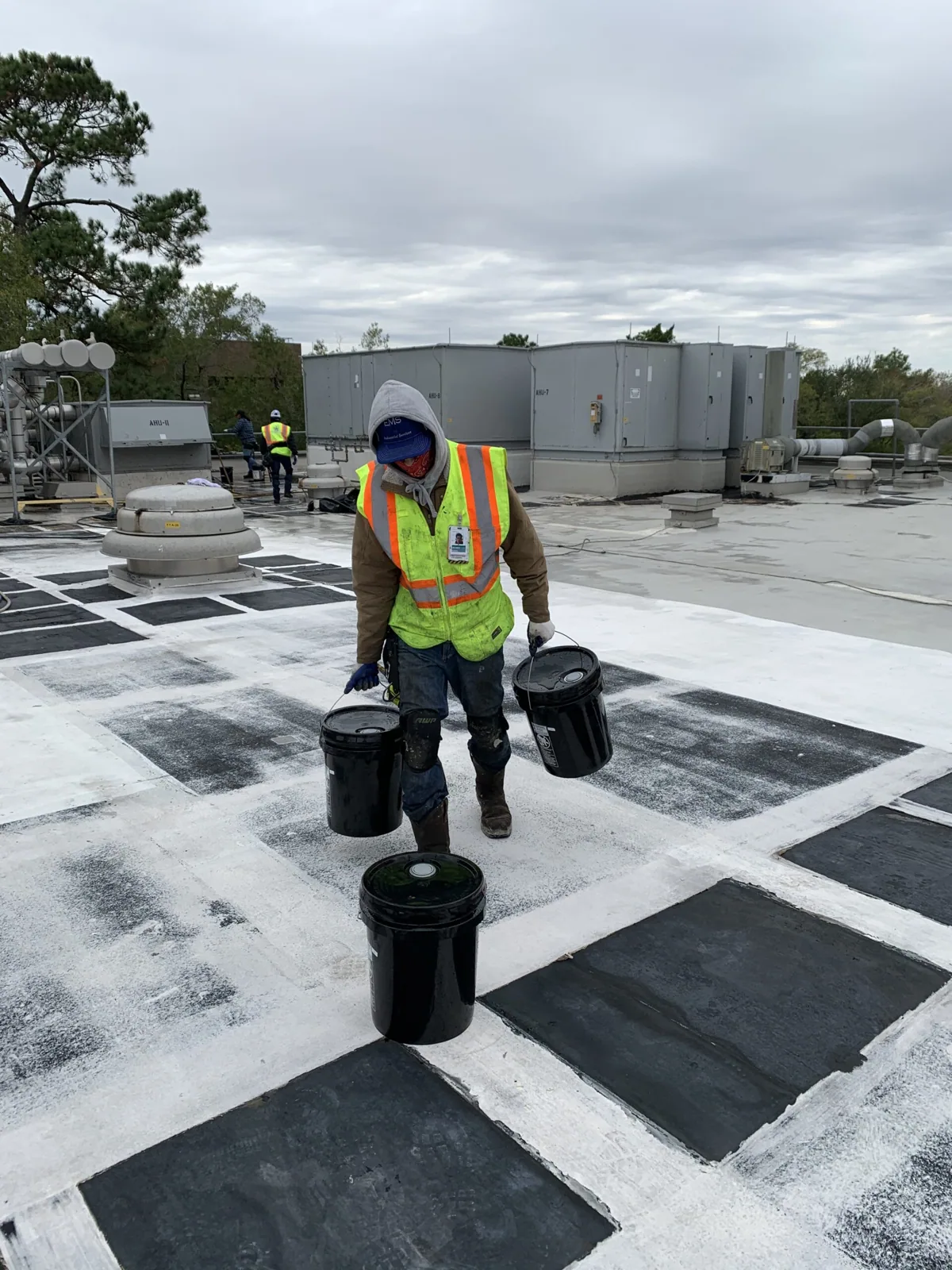
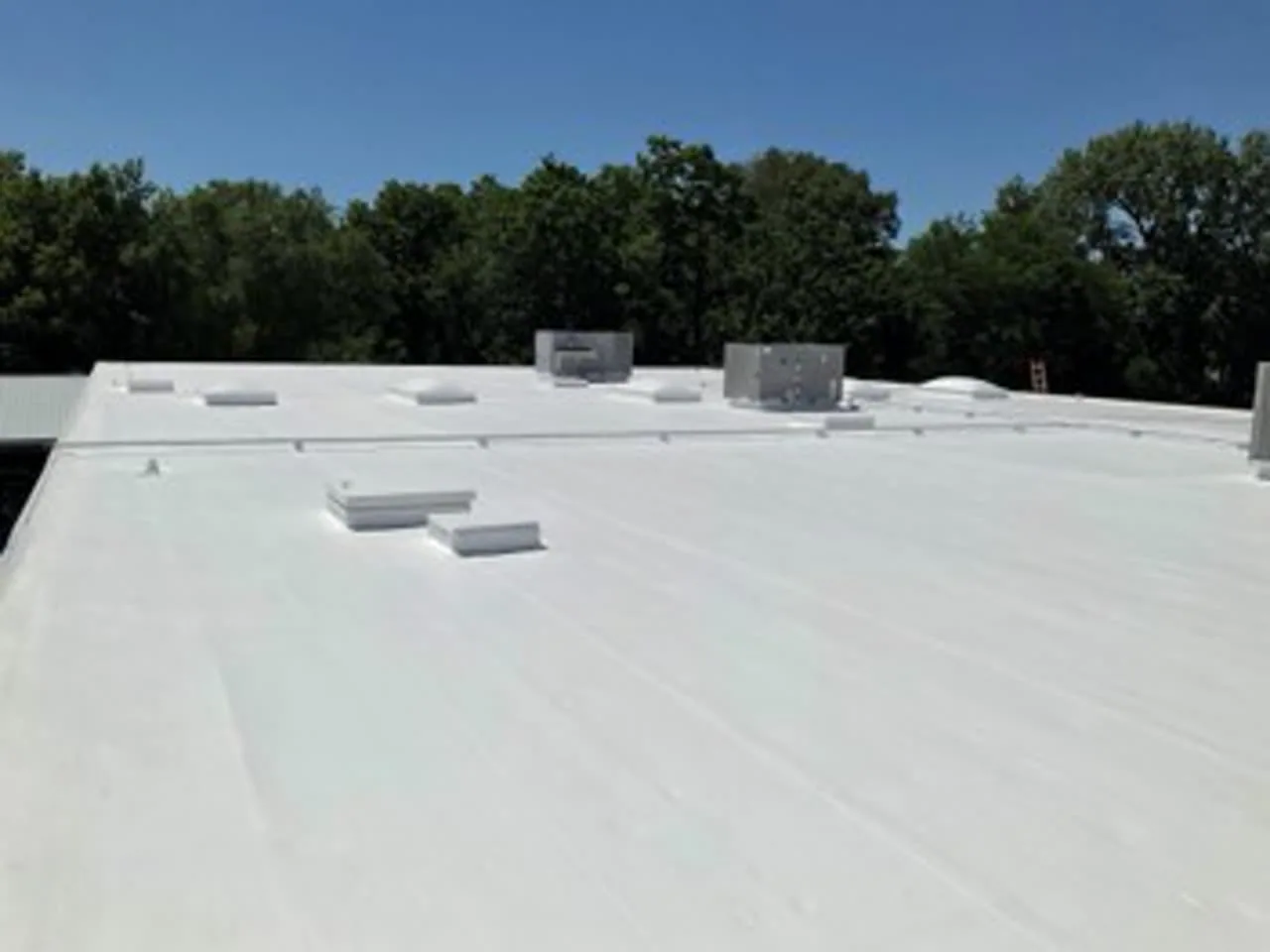
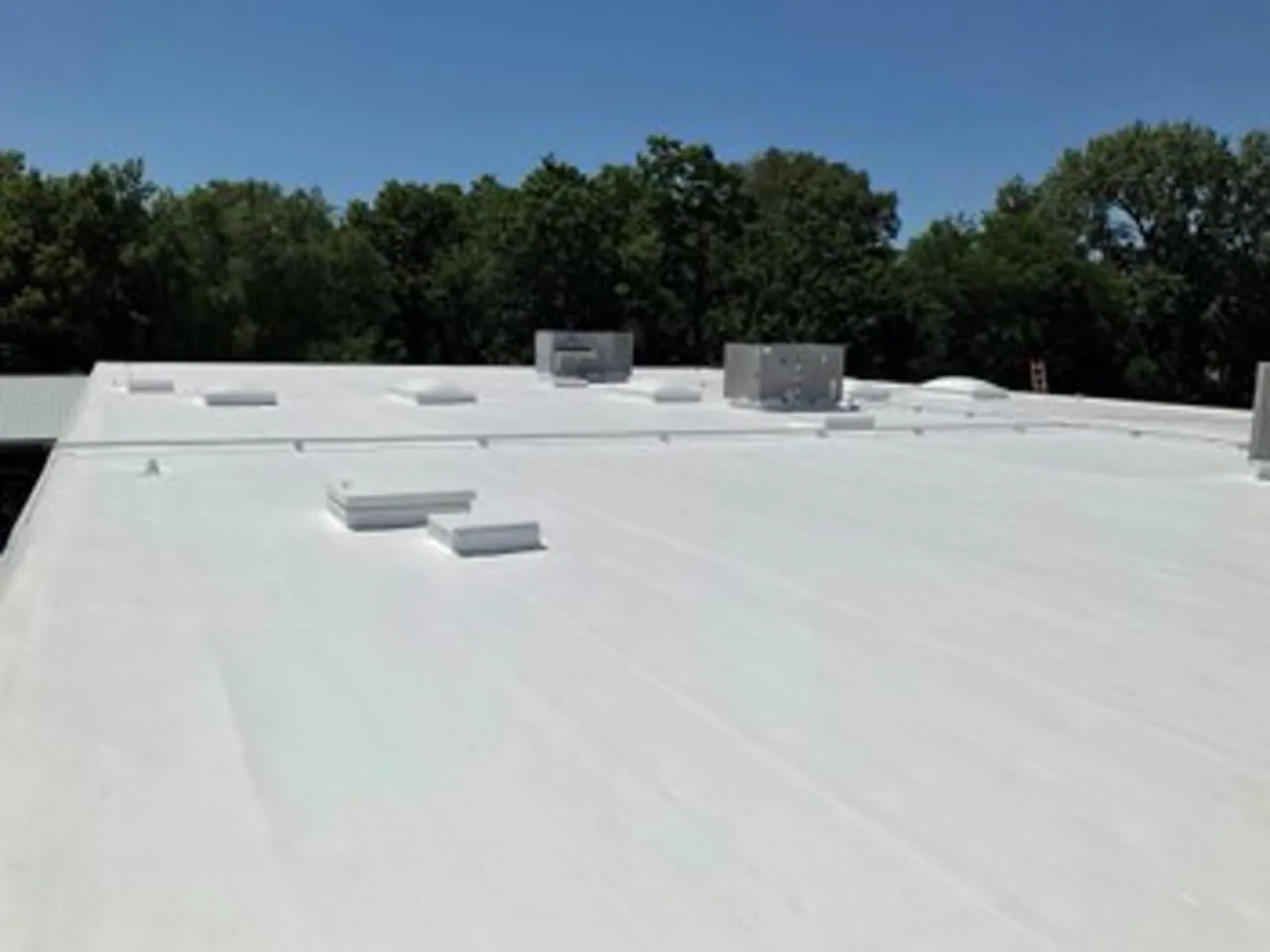
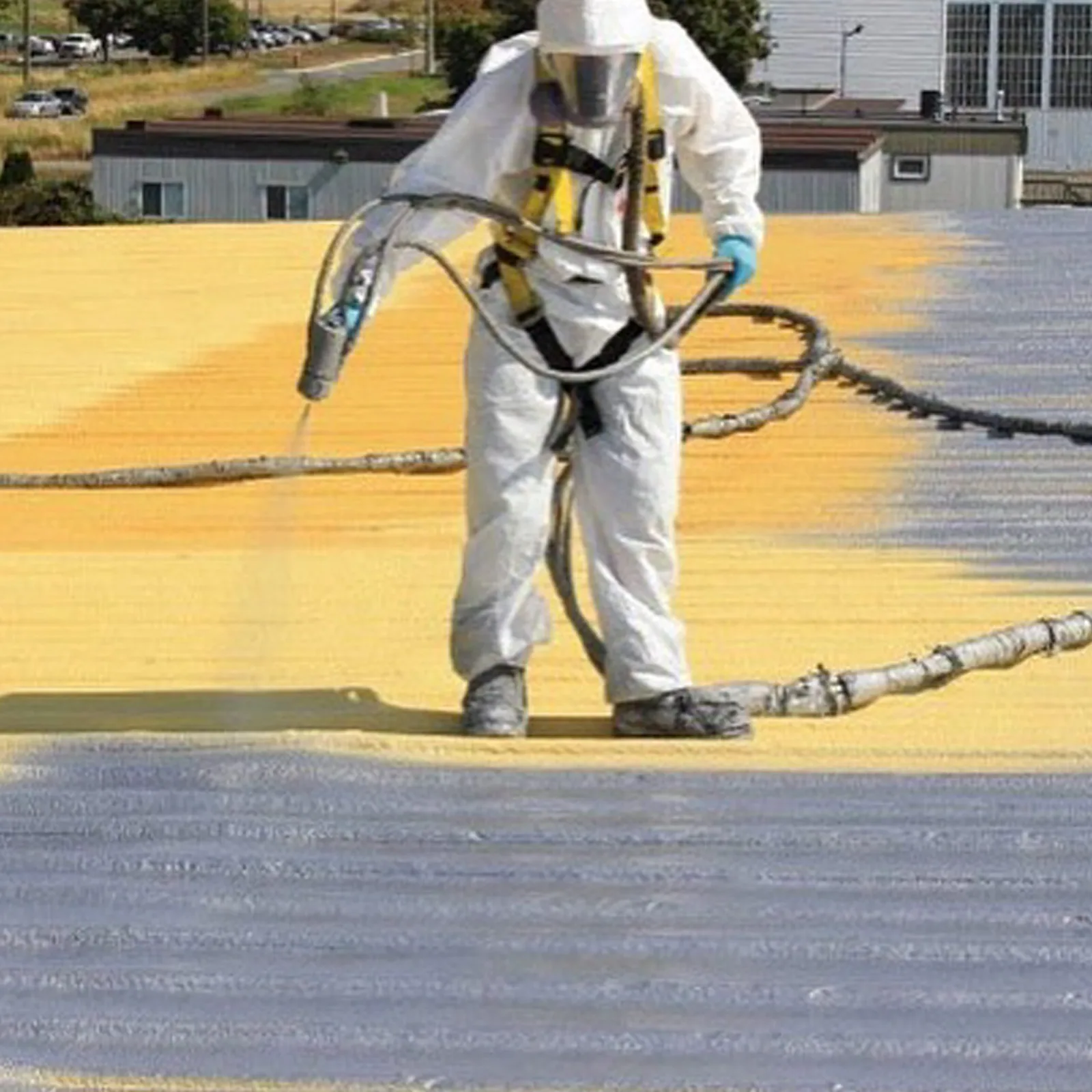
Spray polyurethane foam and fluid-applied coatings may restore a suitable substrate, but they do not correct wet insulation, active movement or a failed drain by themselves. Spray foam, silicone and acrylic systems each require appropriate surface preparation, thickness control and compatible details. We identify the condition a restoration system can address and the repairs that must come first.
Washington National Airport's 1991-2020 climate normals show a July high of 89.6°F and January freezing conditions and snowfall. Those market readings inform questions about movement and drainage; they do not establish performance at a specific roof. The field report links the chosen system to the substrate, water route and exposure found on that property.
Compare What the Roof Can Support
System selection affects seam work, repair materials, insulation details, edge height, staging and the length of time a roof area must remain open. We compare repair, recover, replacement and coating only after the existing layers and constraints are understood. For an occupied building, phased work can coordinate roof protection with mechanical and tenant access.
Share the Alexandria address, roof records, reported condition and any project timing limits. We will inspect the assembly and explain which options fit the observed conditions, including where a test opening or additional detail is needed before pricing the work.
Use roof zones to contain the conclusion
A test opening answers a question at a particular location. Record its position, exposed layers, moisture findings and closure, then compare that evidence with adjoining roof zones before setting a larger removal area. This keeps an isolated result from becoming an unsupported conclusion about the whole assembly.
Commercial Roofing Questions
Can one roofing material be selected from the building’s location alone?
No. Location gives climate context, not information about the deck, existing membrane, attachment or repairs. We inspect the assembly and drainage before comparing materials or restoration options.
What tells whether an existing membrane can remain?
Inspect attachment, moisture, support and edge connections. A sound visible surface alone does not establish concealed layers or recover suitability.
Why record roof-zone boundaries?
Zone records tie tests and repairs to exact locations, helping the contractor compare findings without generalizing across unexamined areas.
Can a coating correct a failed membrane seam?
Not by itself. Restore the connection where required, then confirm the prepared surface is suitable for the specified coating.
Review a Roof System in Alexandria
Provide the address, existing roof records and reported condition. We will inspect the assembly and compare compatible repair, recover or replacement paths.