
Roofing Manufacturers
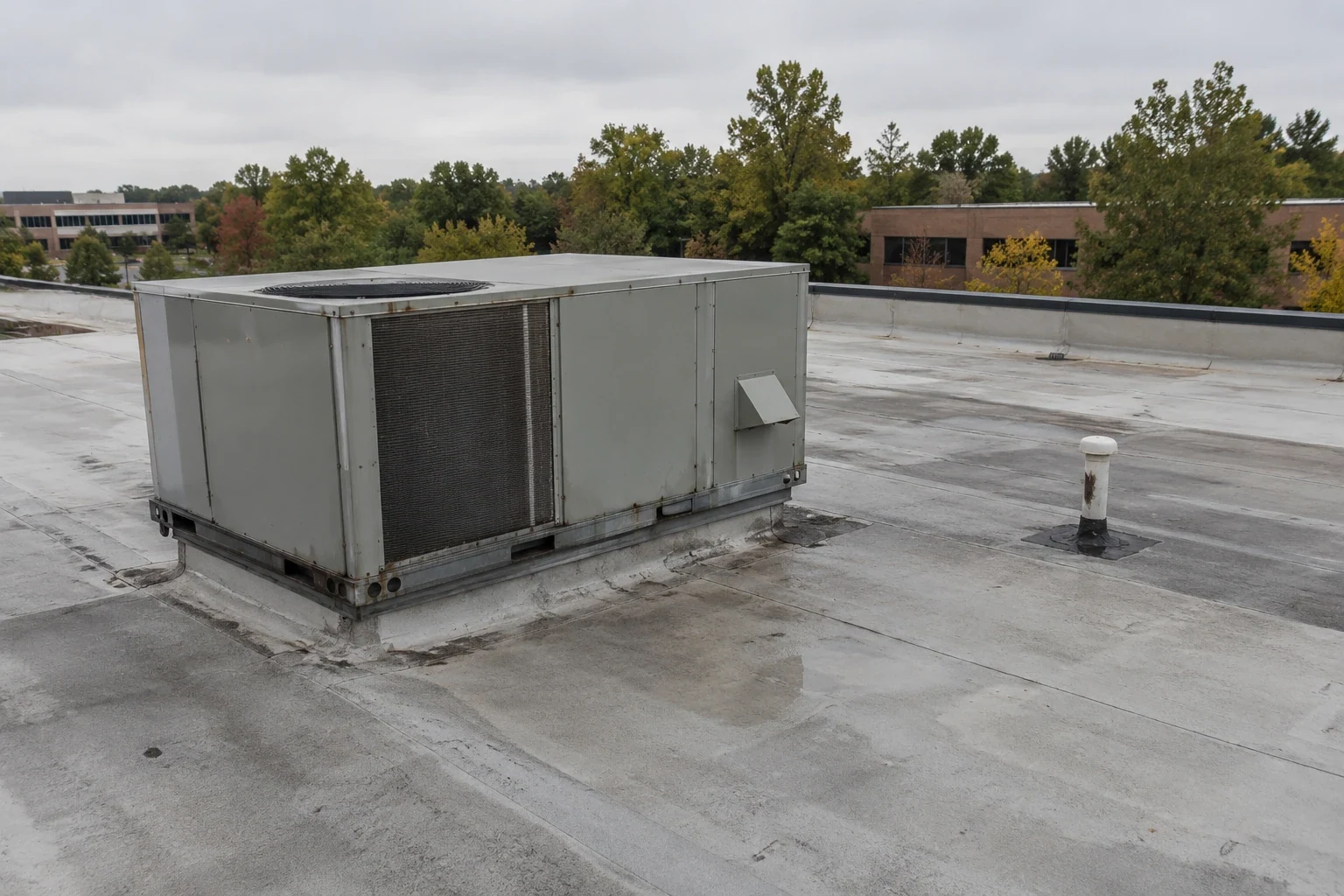
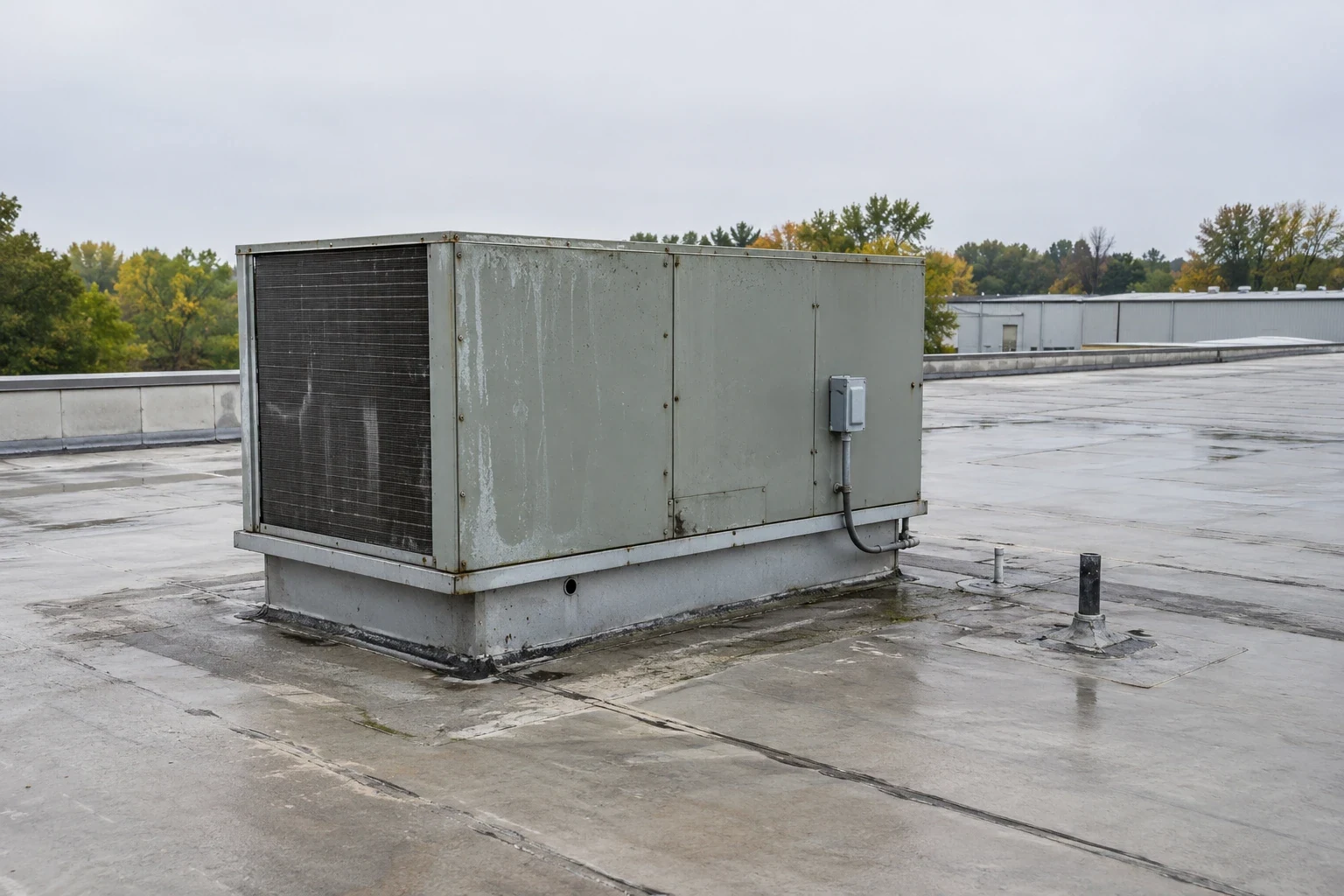
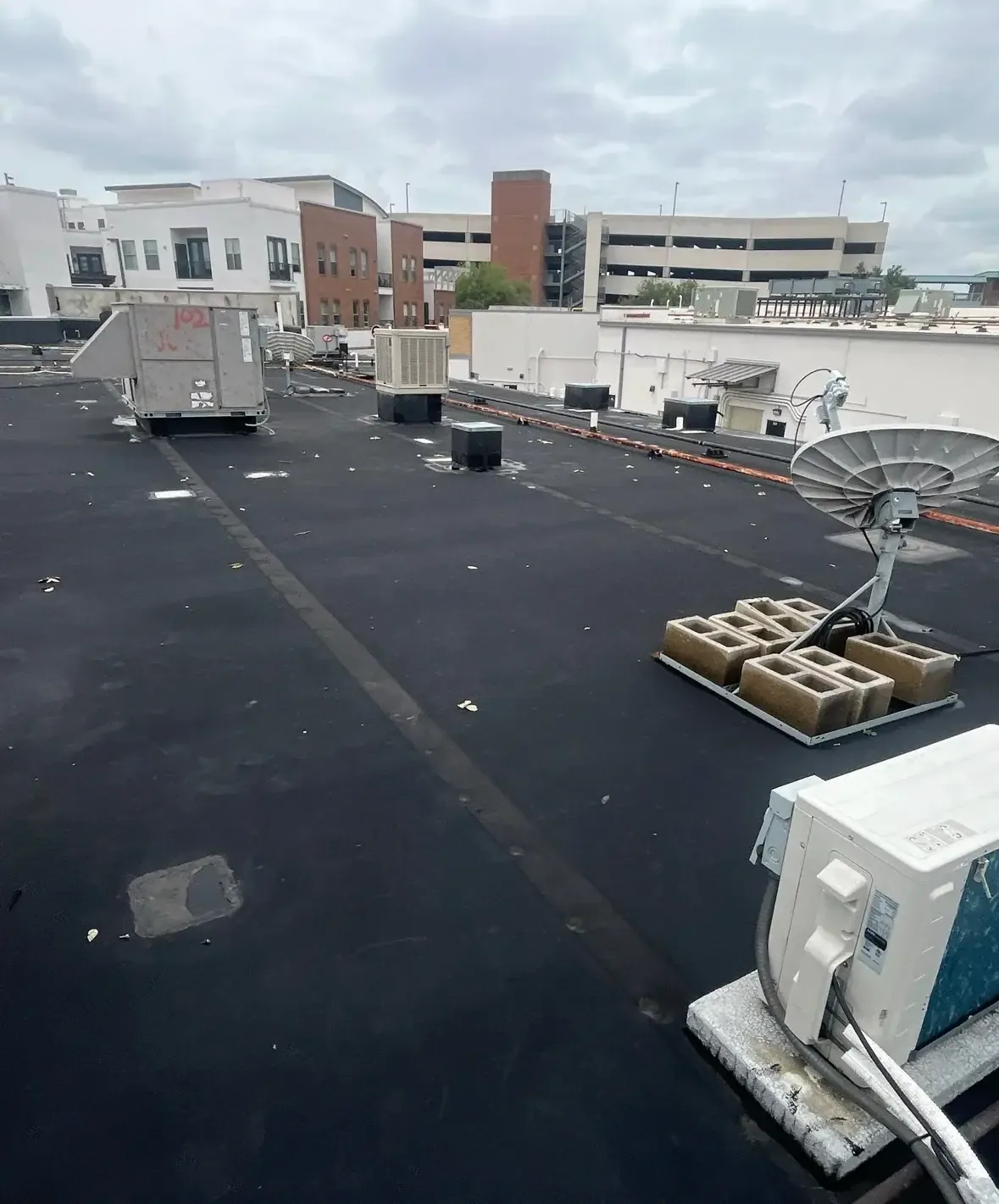
An older invoice can help trace a roof system, while current field conditions show which membrane, accessory and repair detail are in place. We match repair material to the installed assembly and the surface condition at the work area. Seam type, flashing components, attachment and substrate all matter when a repair meets an existing system. A roof inspection records those details where they can be seen.
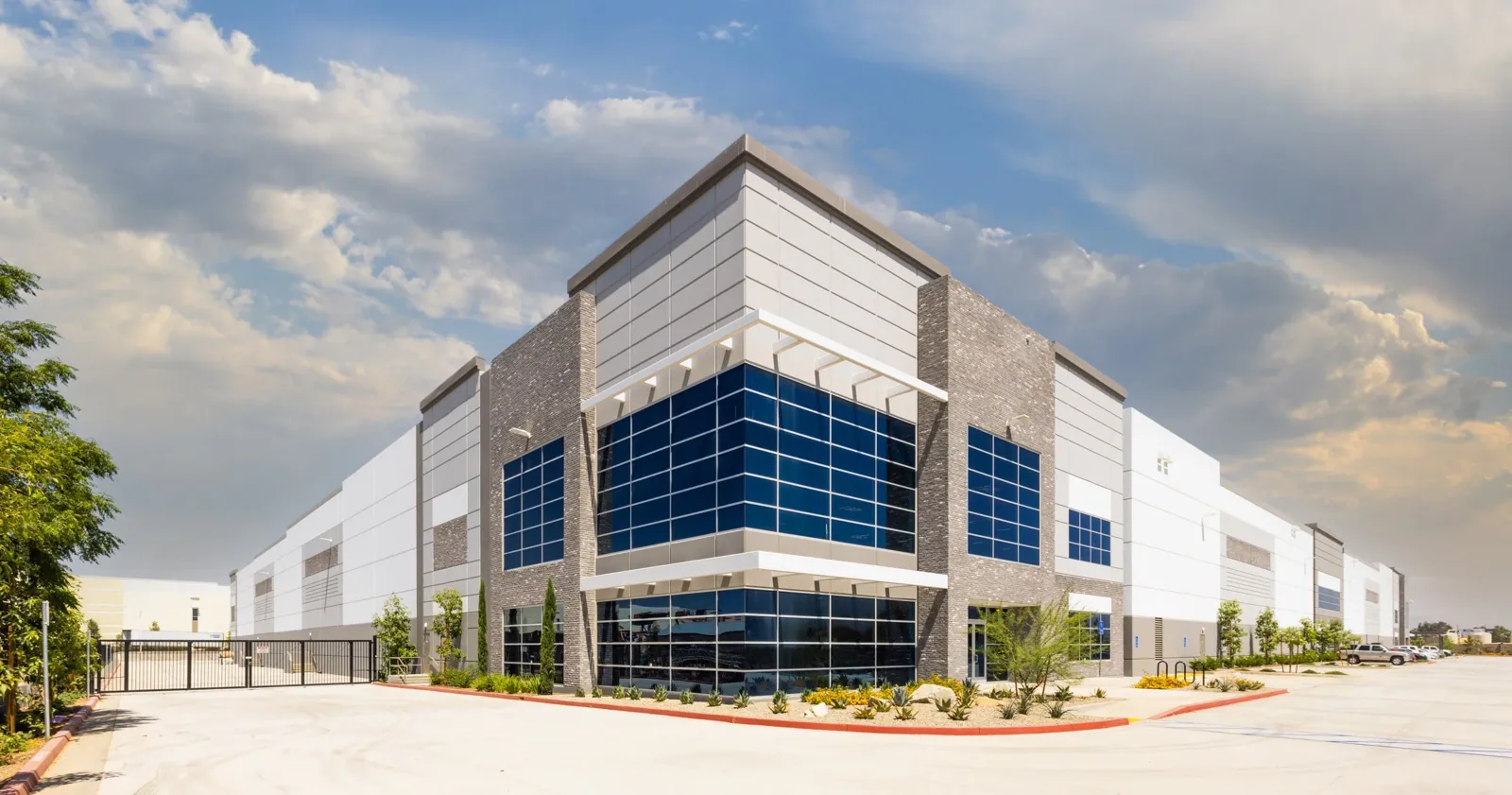
Office and mixed-use properties in Eisenhower East and redevelopment blocks around Landmark/Van Dorn still need address-specific review. Alexandria’s summer heat, winter freeze-thaw and intense rain put movement, drainage and seam transitions on the inspection route.
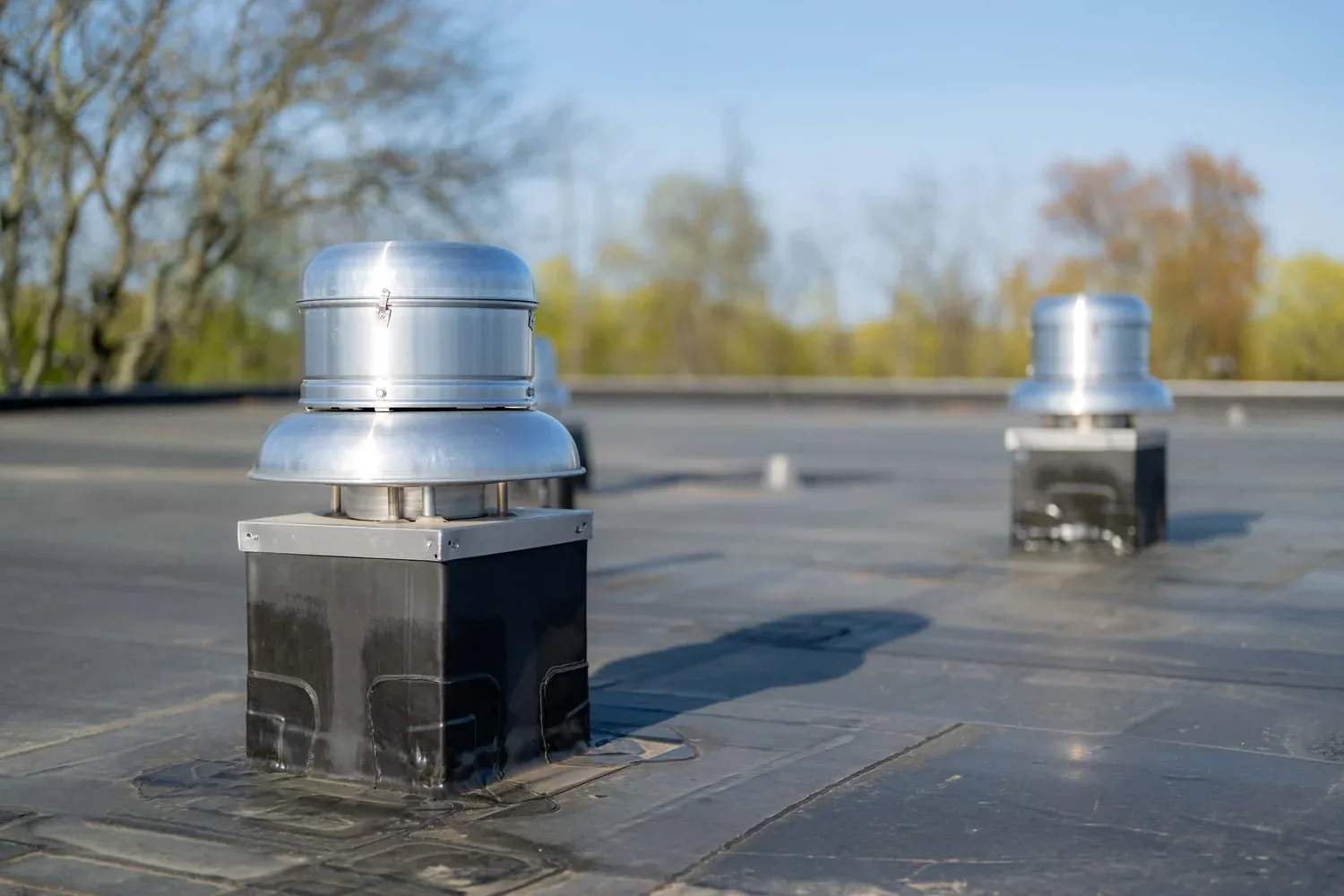
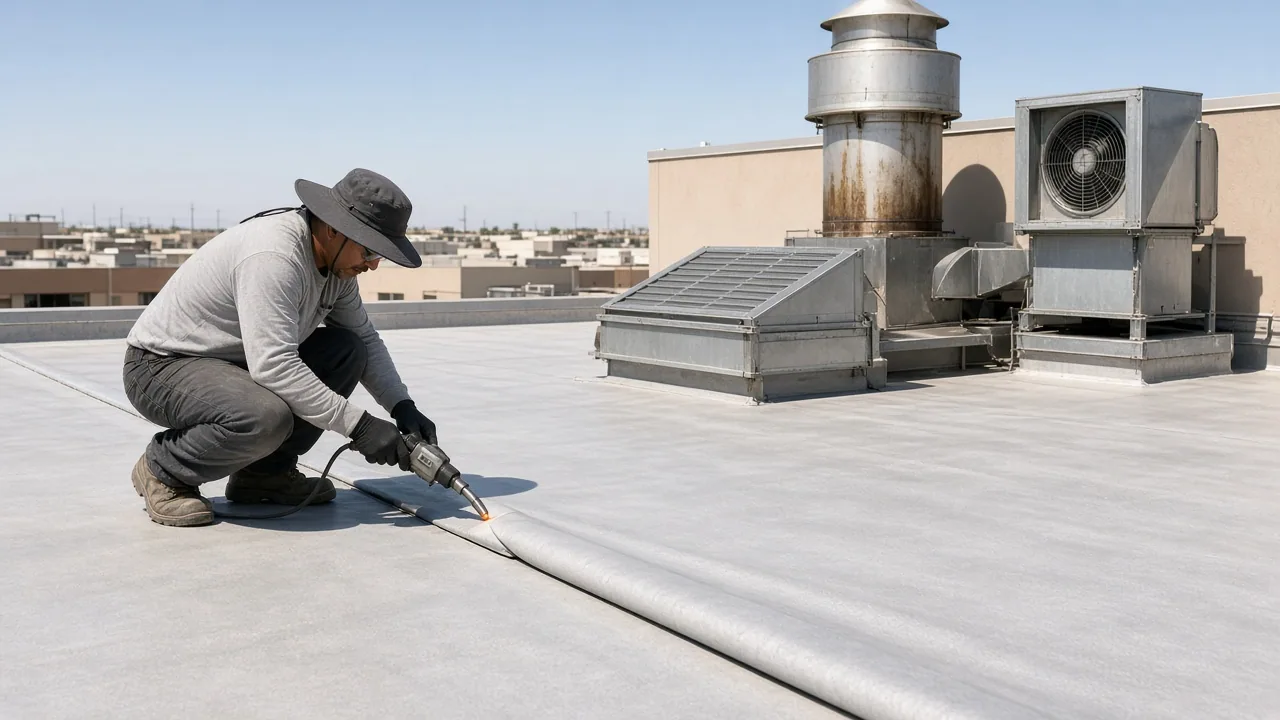
Identify the System Before Selecting Material
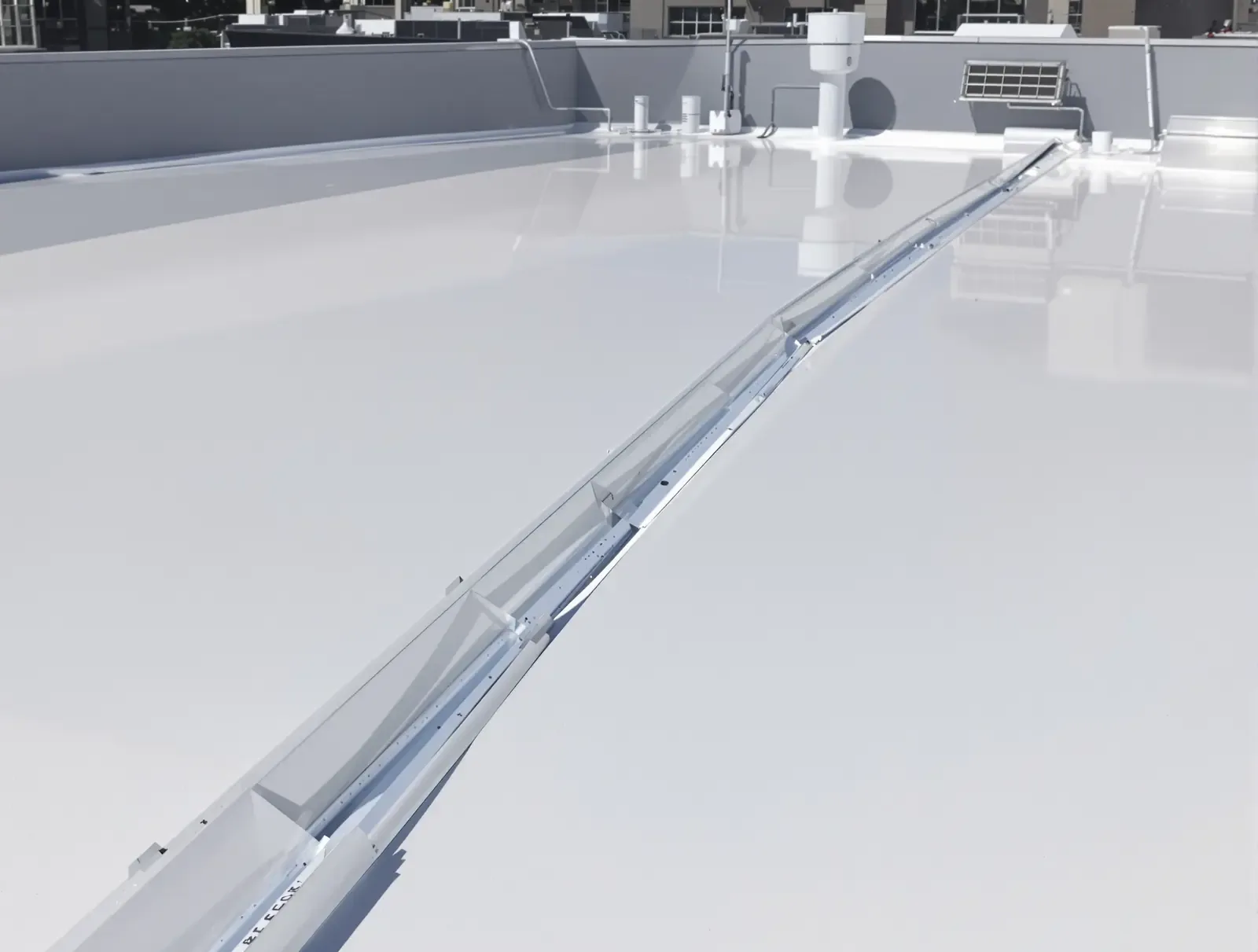
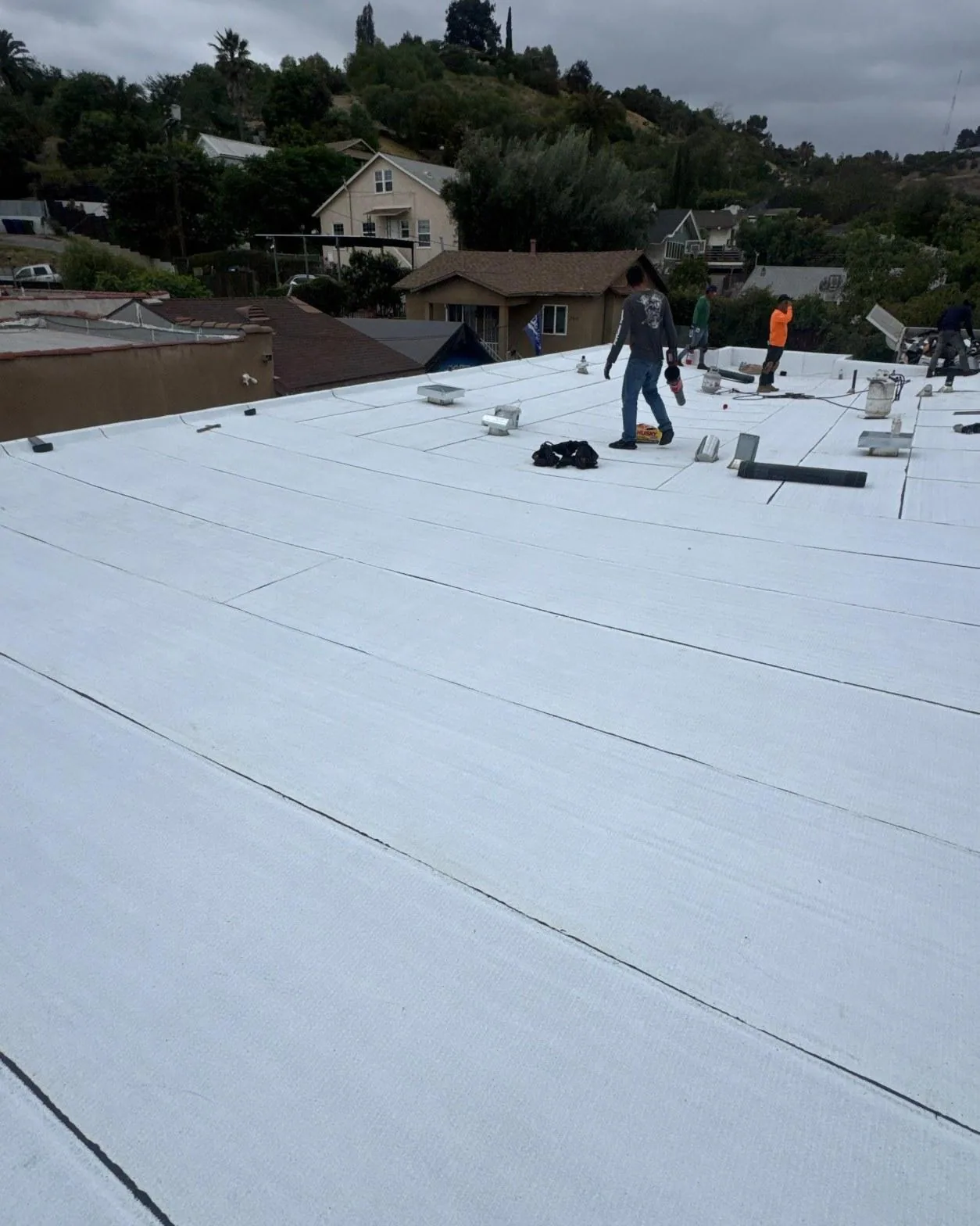
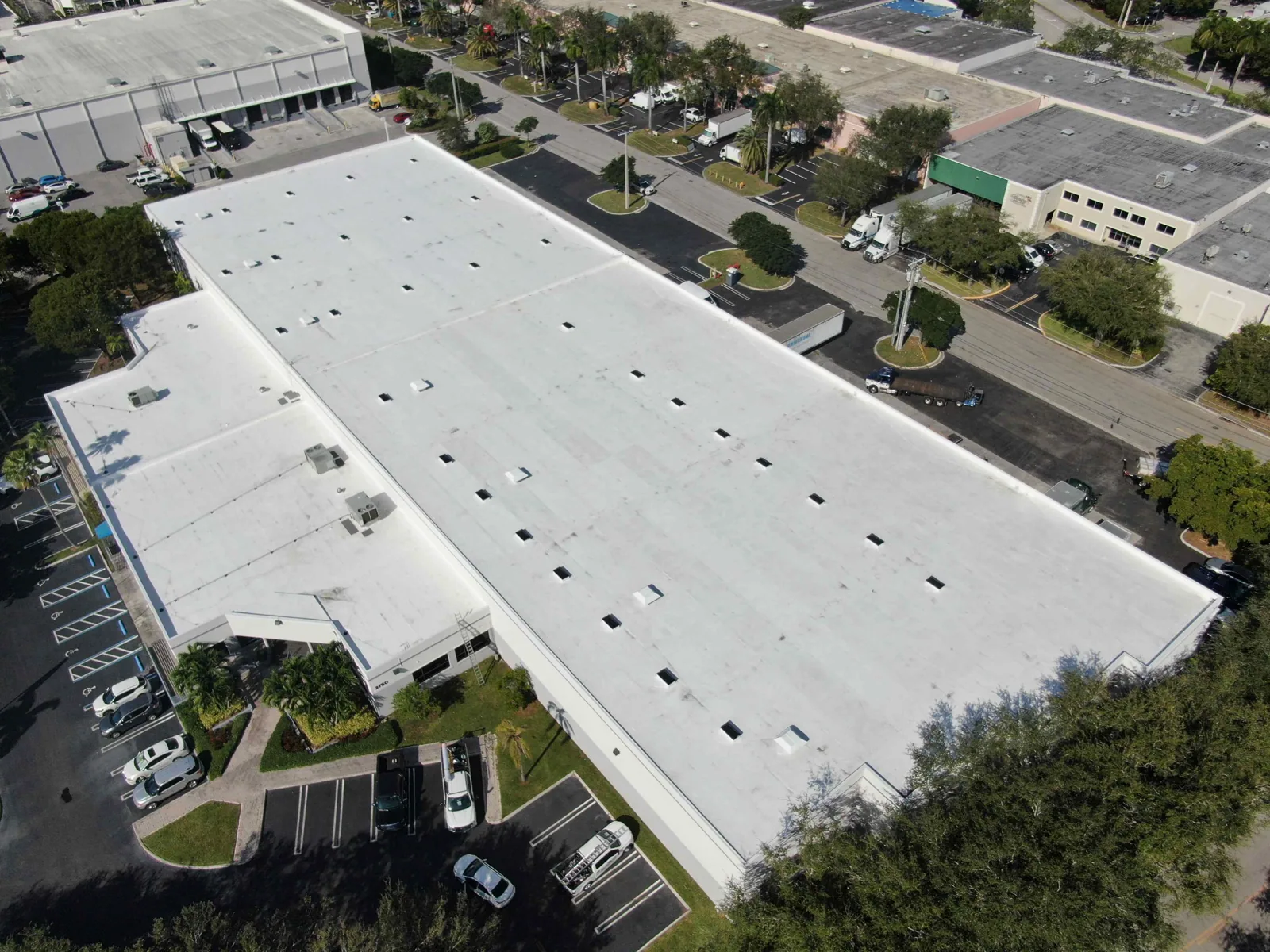
We work with commercial membrane, metal, foam and coating assemblies, but each manufacturer’s installation details and accessories differ. GAF, Carlisle SynTec and Johns Manville use distinct membrane and accessory details, so the installed product and seam method guide repair selection. The field check still has to match the roof in place, including cover board, fasteners, seams and previous repairs.
For a roof using Holcim Elevate, Sika Sarnafil or Versico materials, repair details and accessories need to suit the membrane already installed. The product name alone does not determine which repair detail belongs on the roof. We describe the assembly observed and use compatible materials and details for the work proposed.
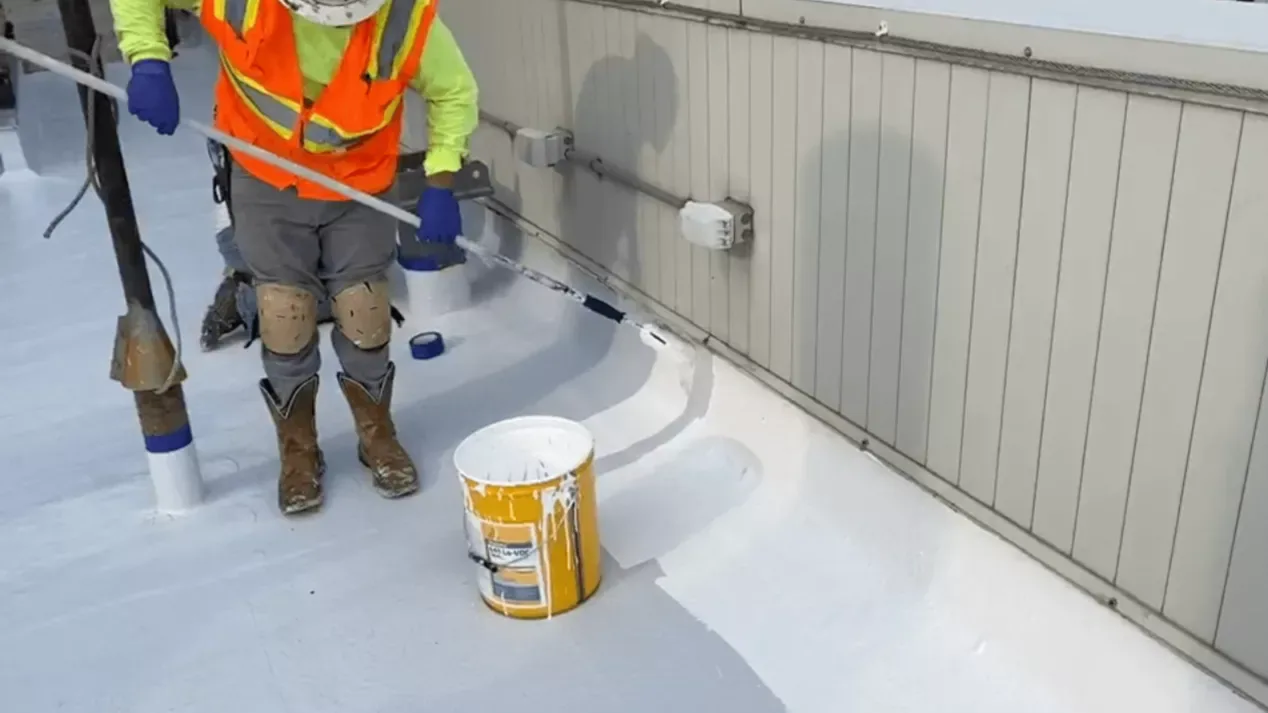
For liquid-applied and single-ply systems, surface condition and tie-in preparation can control whether a repair bonds and remains continuous. Soprema and Duro-Last have distinct products and system details. Before an overlay, inspect moisture, existing layers, drainage height, attachment and perimeter termination so the new layer does not cover a condition that needs correction.
Match the Repair Detail
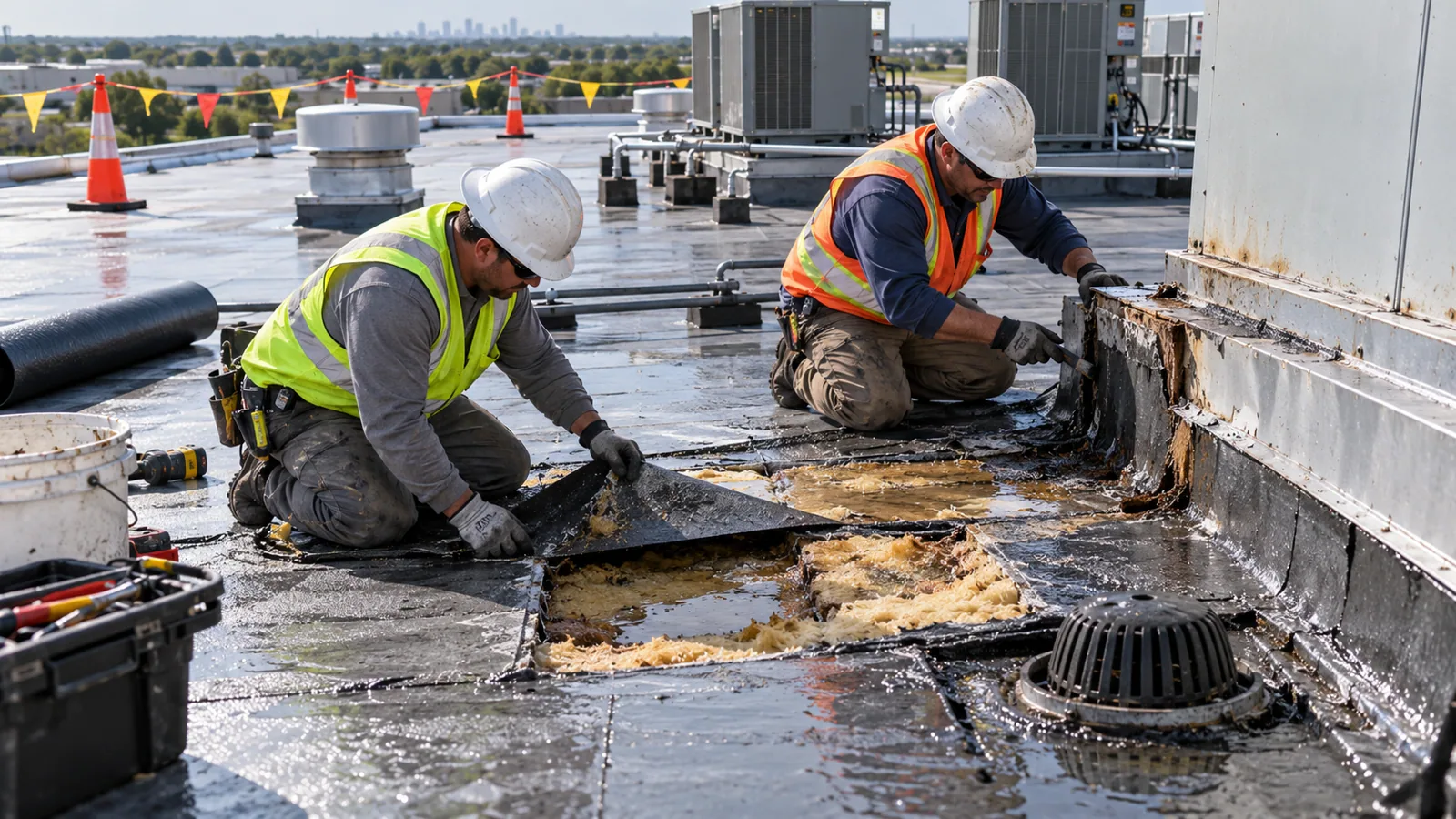
When a leak is reported, the inspection traces water across the roof and separates the visible opening from a likely path. If concealed layers could change the work, an agreed test opening confirms them at that point. The closeout shows material removed, the repair installed and how it meets adjacent roofing. A later service visit can then compare the same zone with the completed detail.
Alexandria’s summer heat can increase movement at seams and transitions, while winter freeze-thaw can stress a weak termination. Heavy rain tests drains and overflow routes. Those seasonal stresses put seam movement, flashing transitions and drainage on the inspection route. The roof assembly and visible conditions determine whether repair, coating or replacement fits.
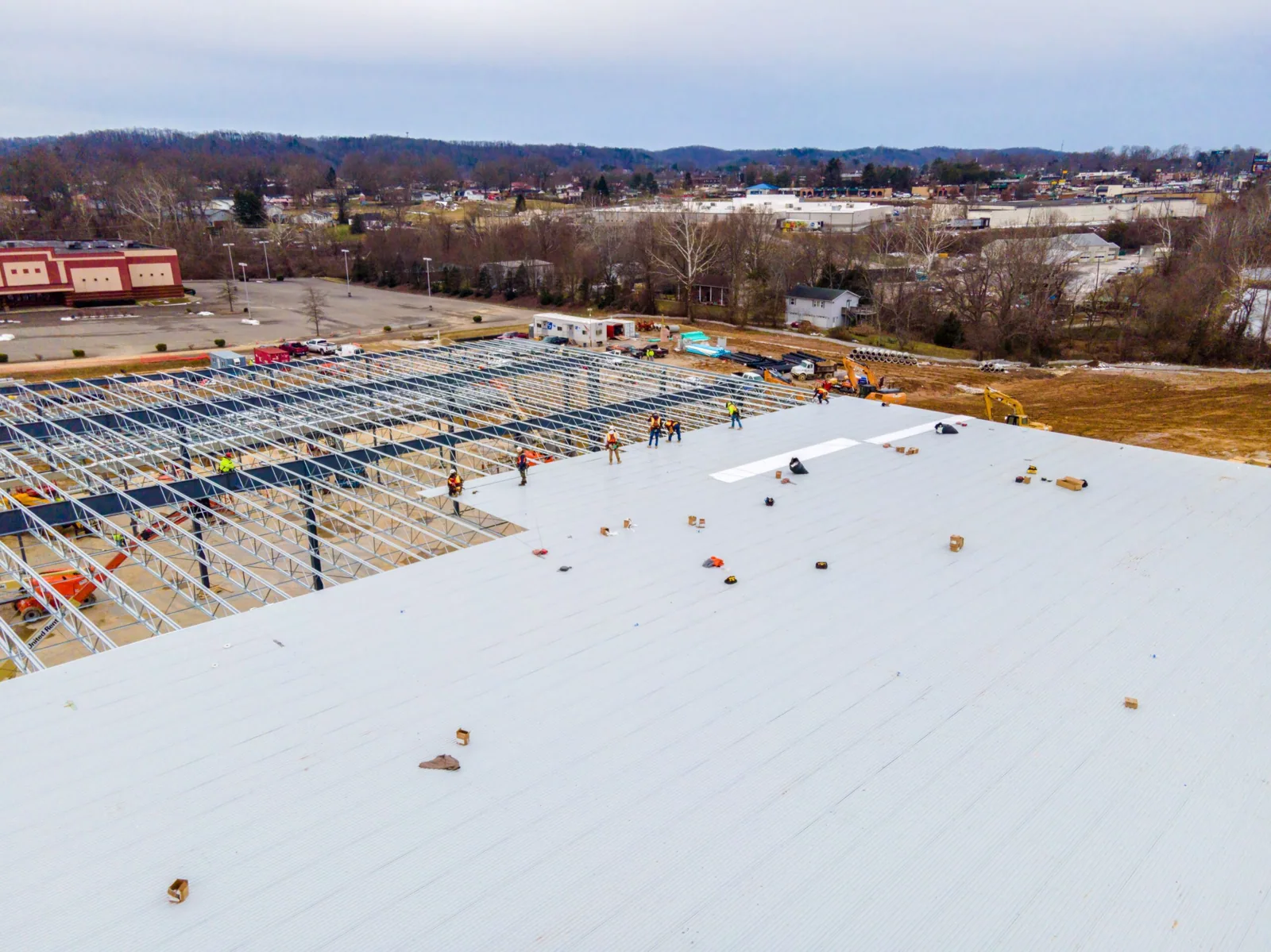
For a larger project, we compare repair with recover or replacement after checking the existing assembly. Material availability, access, staging and operating constraints affect timing. We keep product assumptions visible in the proposal and identify any compatibility question that needs a field test before broad application.
Tie Product Choice to the Roof
The appropriate system must match the installed assembly, substrate and project requirements. We inspect the roof, compare available system details with field conditions and explain the work boundary. For occupied buildings, phased work can coordinate dry-in with operations and mechanical access.
Send the Alexandria address, prior product records, reported condition and project timing. We will inspect the roof and prepare a compatible repair or replacement scope with assumptions stated.
Select Compatible Materials
A material substitution can change seam joining, adhesion, flashing dimensions, lead time and warranty terms. Match any proposed substitution to the roof assembly and project requirements before ordering. At turnover, retain the selected product information and any approved change with the roof-zone record so later repairs can identify what was installed.
Commercial Roofing Questions
Does a manufacturer name on an invoice prove what is installed now?
It is a useful record, but changes and repairs may have occurred since that document was issued. We compare records with visible seams, flashing, attachment and components before selecting repair materials.
How can a substitution affect roof details?
A changed product can alter adhesion, joining or flashing dimensions. Review the proposed assembly and written requirements before placing the order.
Does a data sheet identify what is installed?
No. Compare records with field markings and visible layers. Record uncertainty that needs an opening or another suitable examination.
Which product records belong at turnover?
Keep approved product details, substitutions, installed areas, photographs and signed changes with the building’s roof records.
Review a Manufacturer System in Alexandria
Share the property address and any product records or repair history. We will inspect the assembly and identify compatible options based on field findings.