
 Services
 Roof Systems
 Property Types
 Industries
 Damage Repair
 Capabilities
 Manufacturers
 Service Areas
Commercial Roofing for Property Management Companies in Alexandria, VA
Industries We Serve:
- Commercial Roofing for Property Management Companies in Alexandria, VA
- Commercial Roofing for Real Estate Investors and REITs in Alexandria, VA
- Commercial Roofing for Healthcare Systems in Alexandria, VA
- Commercial Roofing for Manufacturers in Alexandria, VA
- Commercial Roofing for Logistics and 3PL Operators in Alexandria, VA
- Commercial Roofing for School Districts in Alexandria, VA
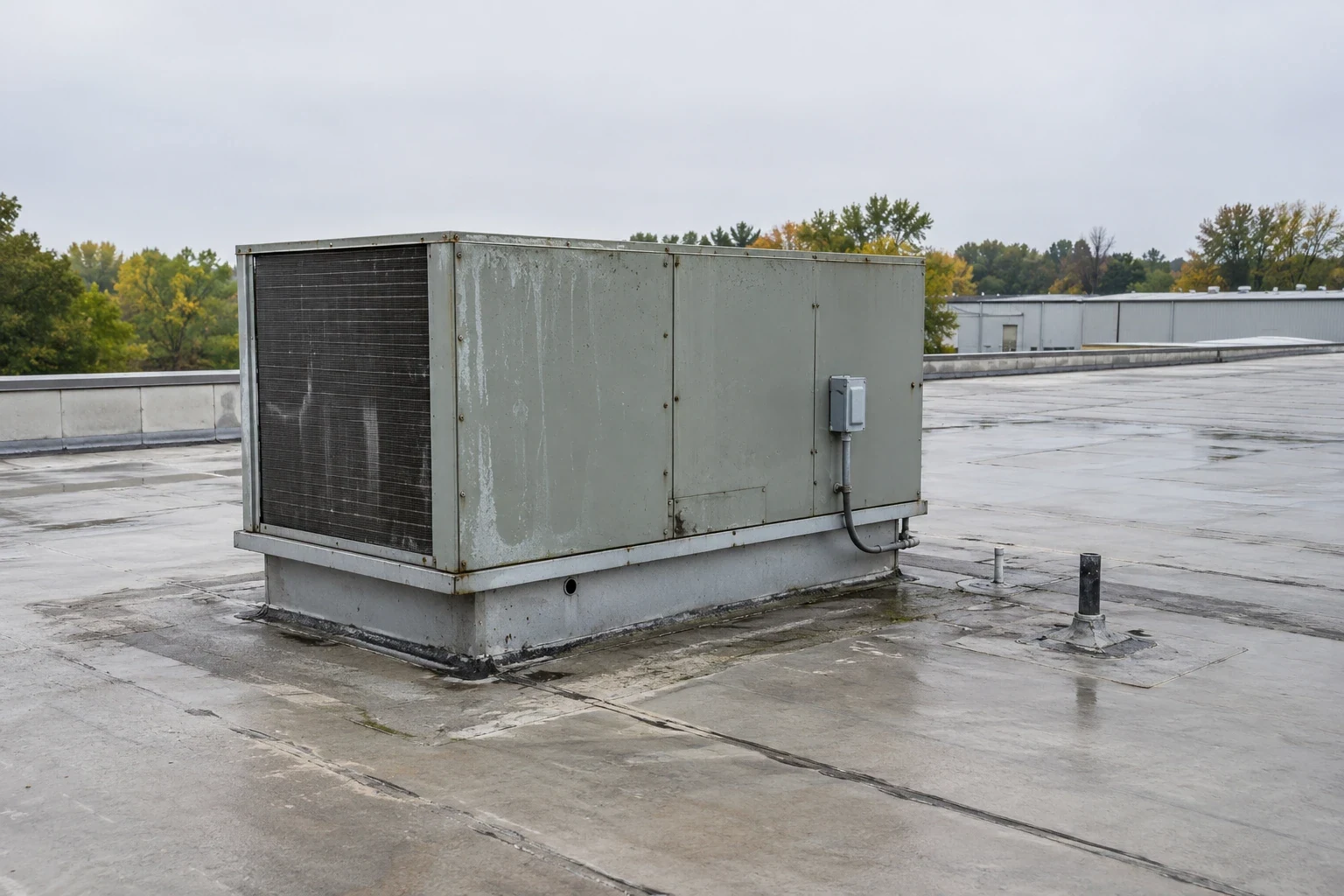
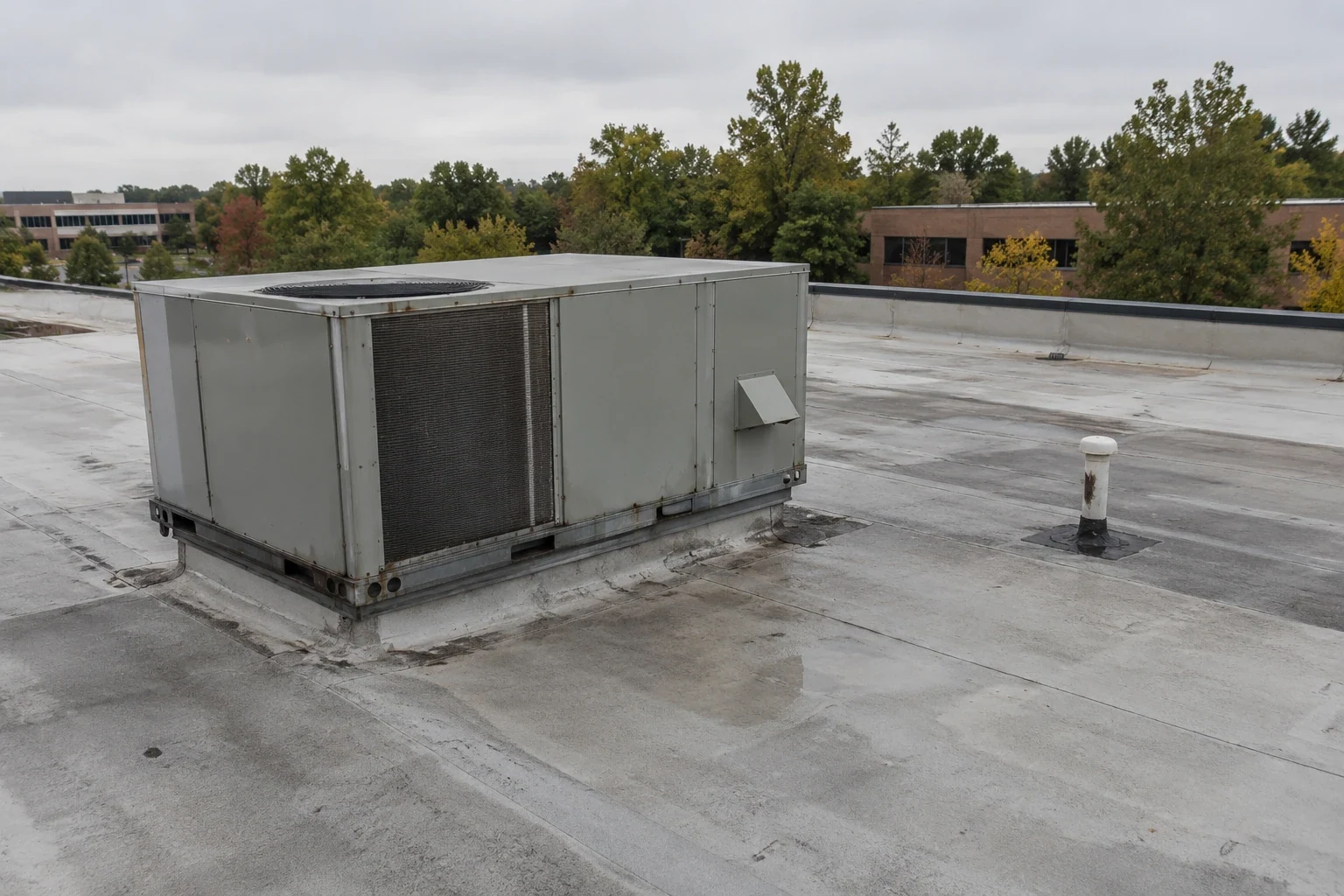
A leak call from one tenant can point to a roof detail several suites away. For a property manager, the first job is to connect the reported room with the water path above it, then decide what evidence is strong enough to authorize work. We inspect the drain, seams, penetrations and wall transitions, recording the roof zone and interior symptom separately. In Alexandria, heavy rain, summer heat and winter freeze-thaw make drainage and transitions useful inspection priorities. We confirm the roof condition at each property.
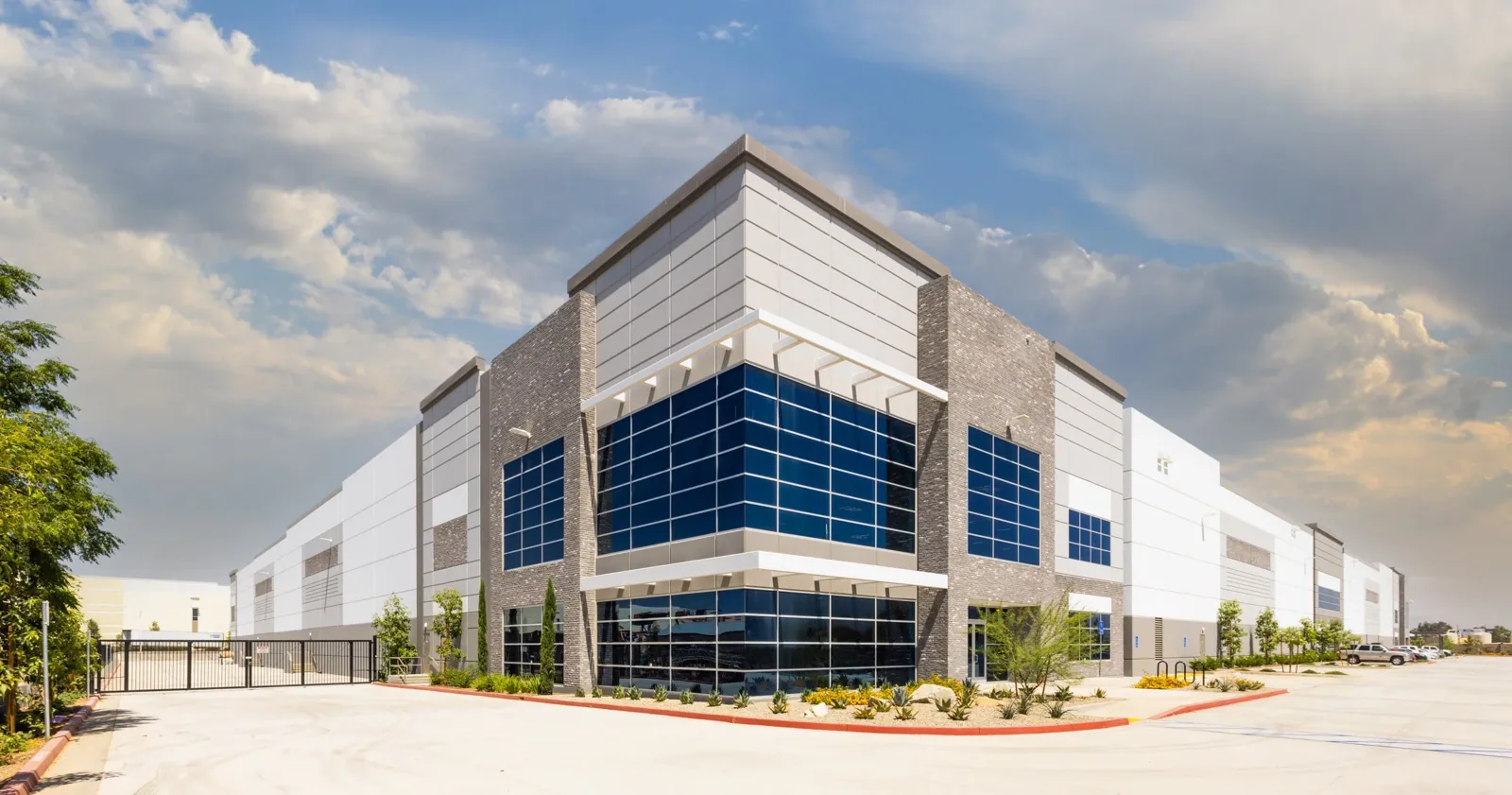
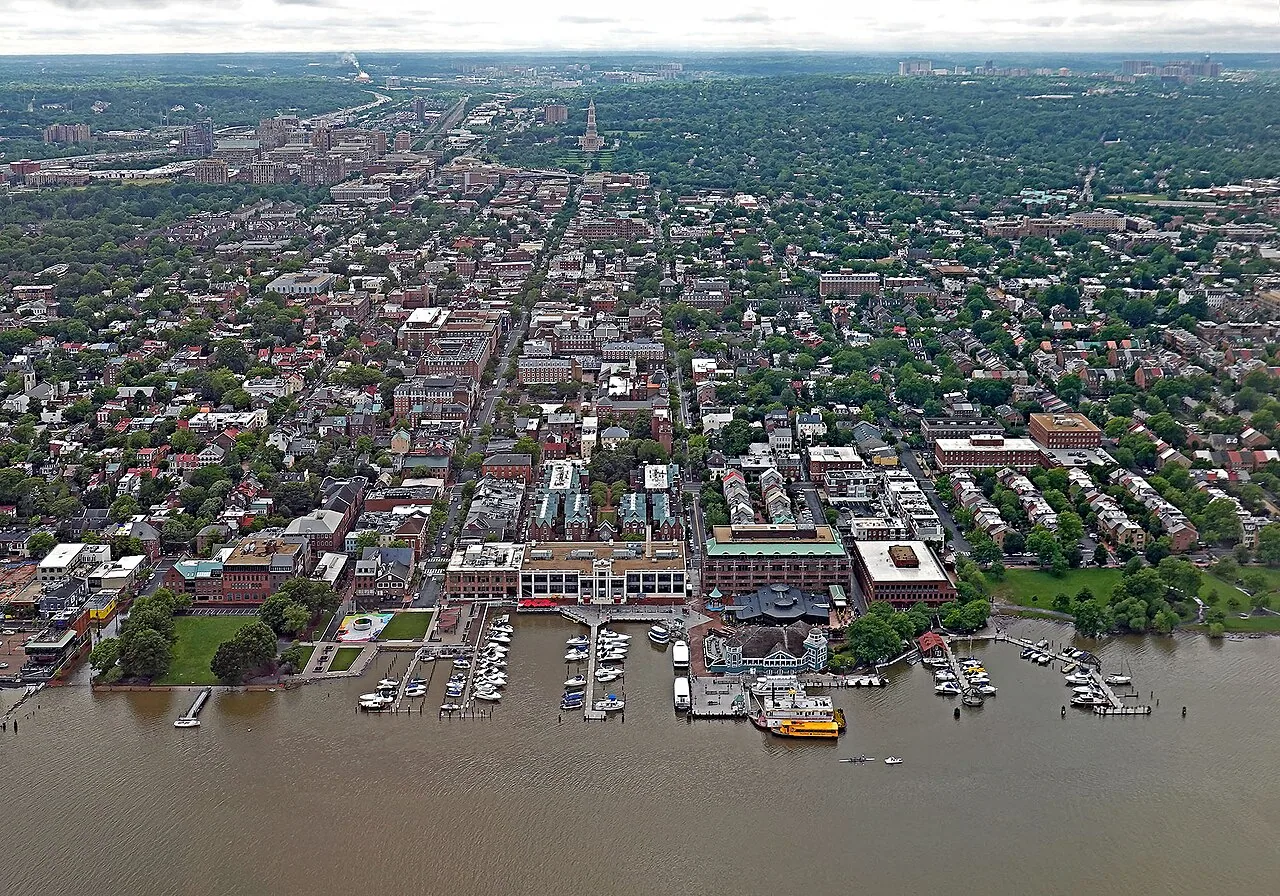
Commercial properties around Carlyle, Eisenhower East and Landmark/Van Dorn can have different access and operating conditions. A district name does not identify a building's roof, tenancy or maintenance history. We confirm each address, access contact and affected area before proposing a repair. An office roof may need tenant coordination, while a warehouse roof can place more emphasis on loading and clear-span operations.
Property Management Companies
Turn Calls into a Roof Investigation
We ask for the property address, unit or room, time the condition appeared, recent weather and any photos from inside. The manager can identify who controls roof access, whether a tenant must be present and what areas below must stay open. That information helps us select the first roof zones to inspect. If water is active, emergency response is available around the clock, including weekends and holidays, while permanent work is scoped.
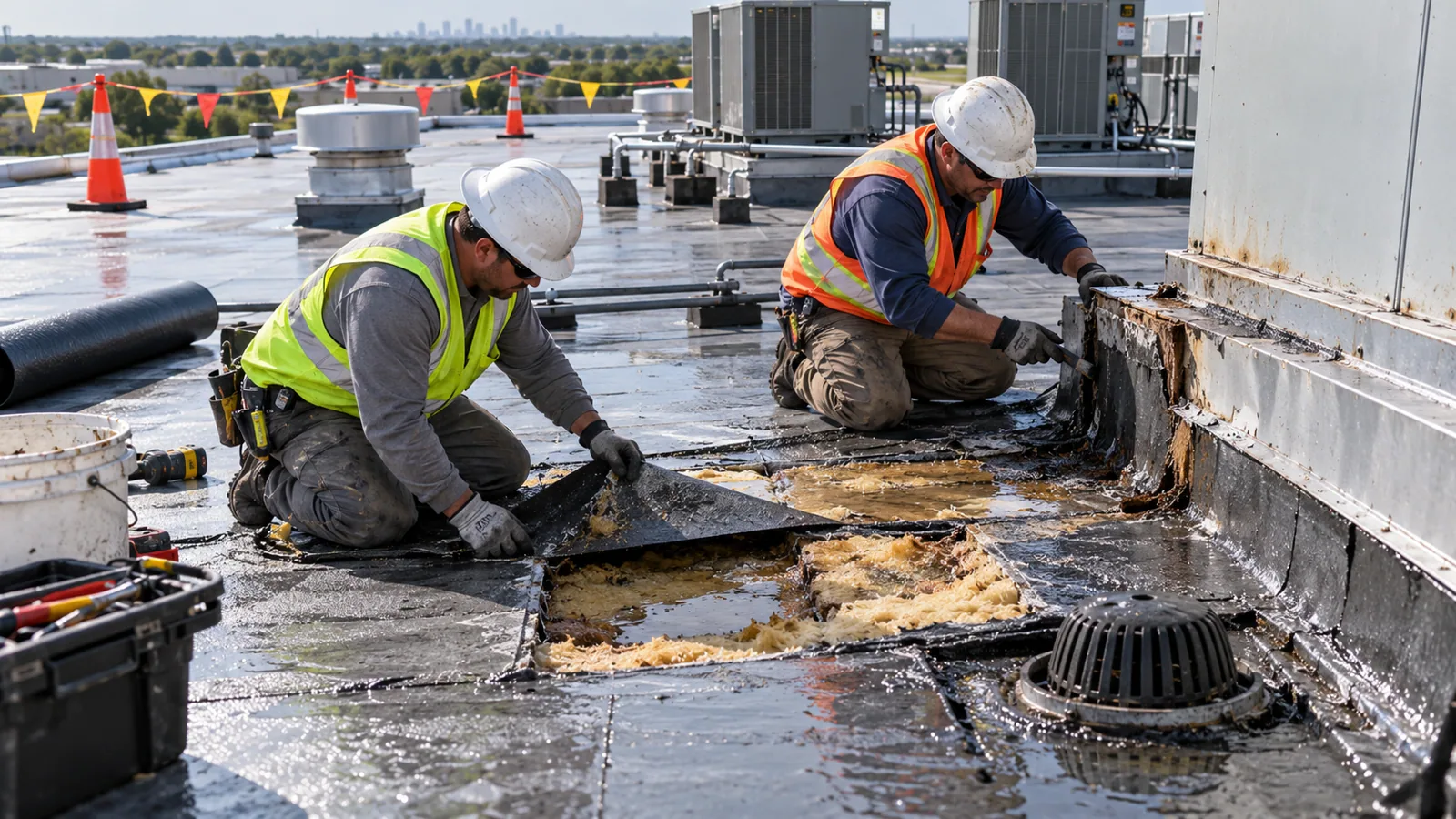
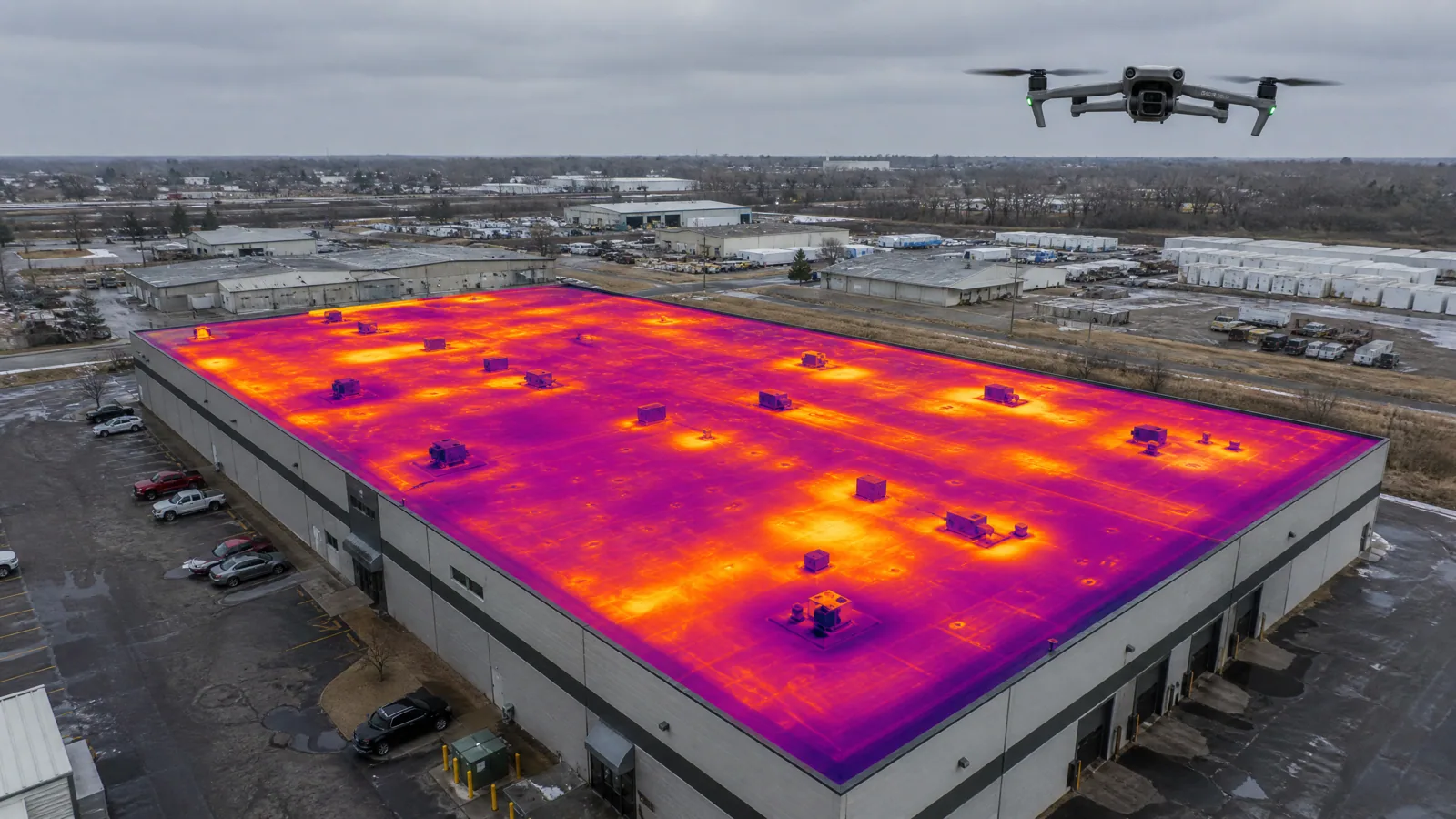
A stain is evidence of moisture at the ceiling, not a roof diagnosis. Water can travel along a deck, insulation or wall before it becomes visible. We compare the interior report with roof slope, drainage, parapets, curbs and prior repair boundaries. A commercial roof inspection includes a field sketch and photographs that tie findings to an area the manager can locate.
Where the surface does not show the path clearly, we discuss targeted testing before widening the scope. An approved test opening can show the layers and deck at one point, while a moisture survey can help identify areas for closer review. The report states what was examined and what remains unconfirmed. This gives the manager a useful basis for an initial work order without making a limited observation sound like a building-wide conclusion.
Coordinate Tenants and Building Operations
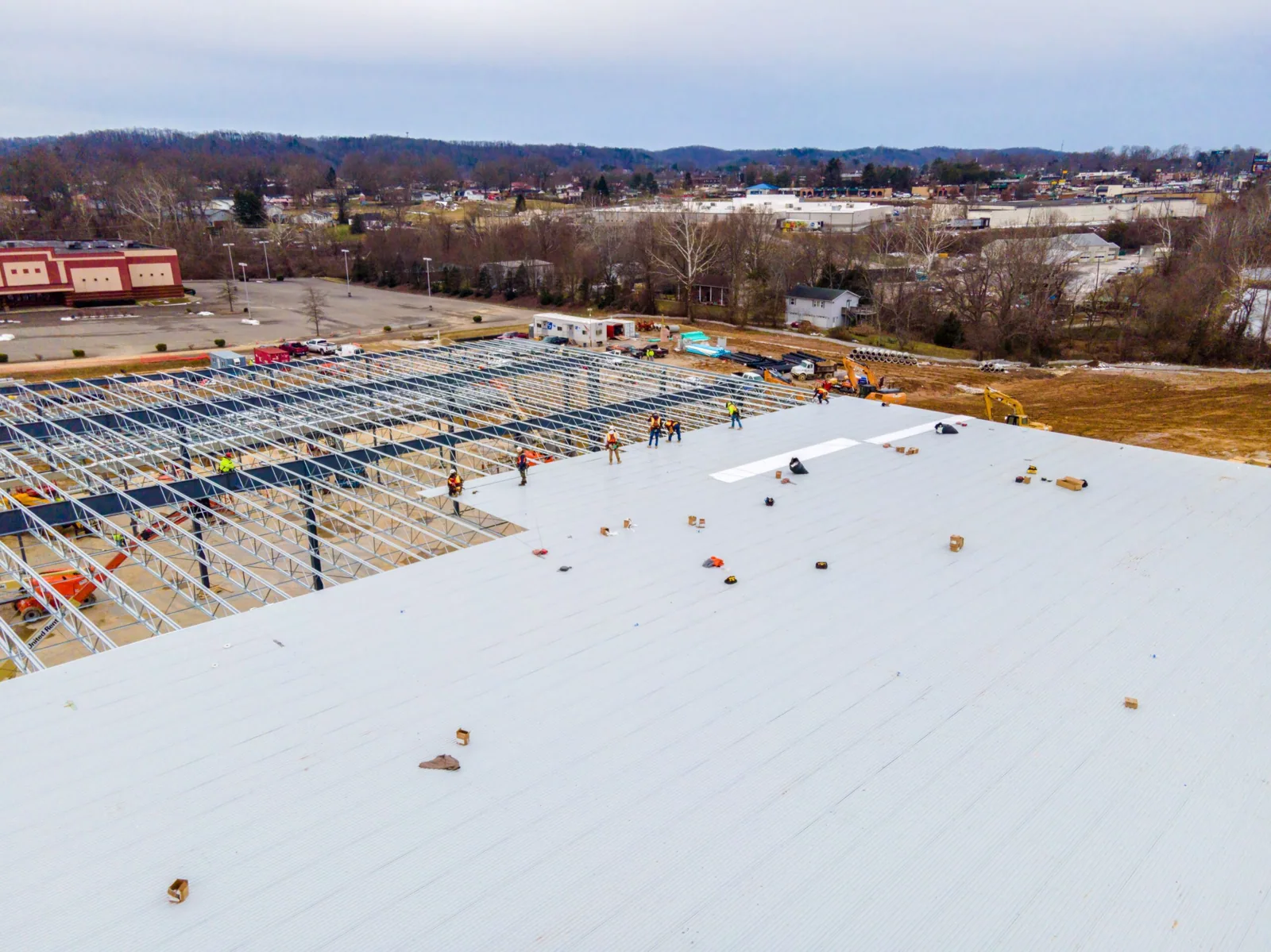
Roof work affects people below through noise, odor, debris, ceiling access and temporary route changes. The manager identifies tenant hours, sensitive rooms, loading routes, security rules and notice requirements. We describe the work zone and expected effects so the property team can communicate accurately. For occupied buildings, a staged reroof can limit the area active at one time when roof conditions and project requirements permit it.
Before a lift, crane or debris container is scheduled, we confirm site access and staging with the property contact. Carlyle and Potomac Yard have distinct street and loading conditions; the address and site rules determine where equipment can go. For a property near Carlyle, the manager can flag deliveries, parking controls or tenant events that affect a work window. We include those constraints in the sequence instead of assuming every building can use the same setup.
If a leak affects multiple tenants, we log each report by location and timing, then compare them with the roof plan. Several interior symptoms may share one drainage route, or they may reflect separate defects. We explain which areas were verified and which need access or testing. That distinction helps the manager prioritize urgent protection and schedule a measured repair without treating every complaint as the same scope.
Compare Repair with Replacement
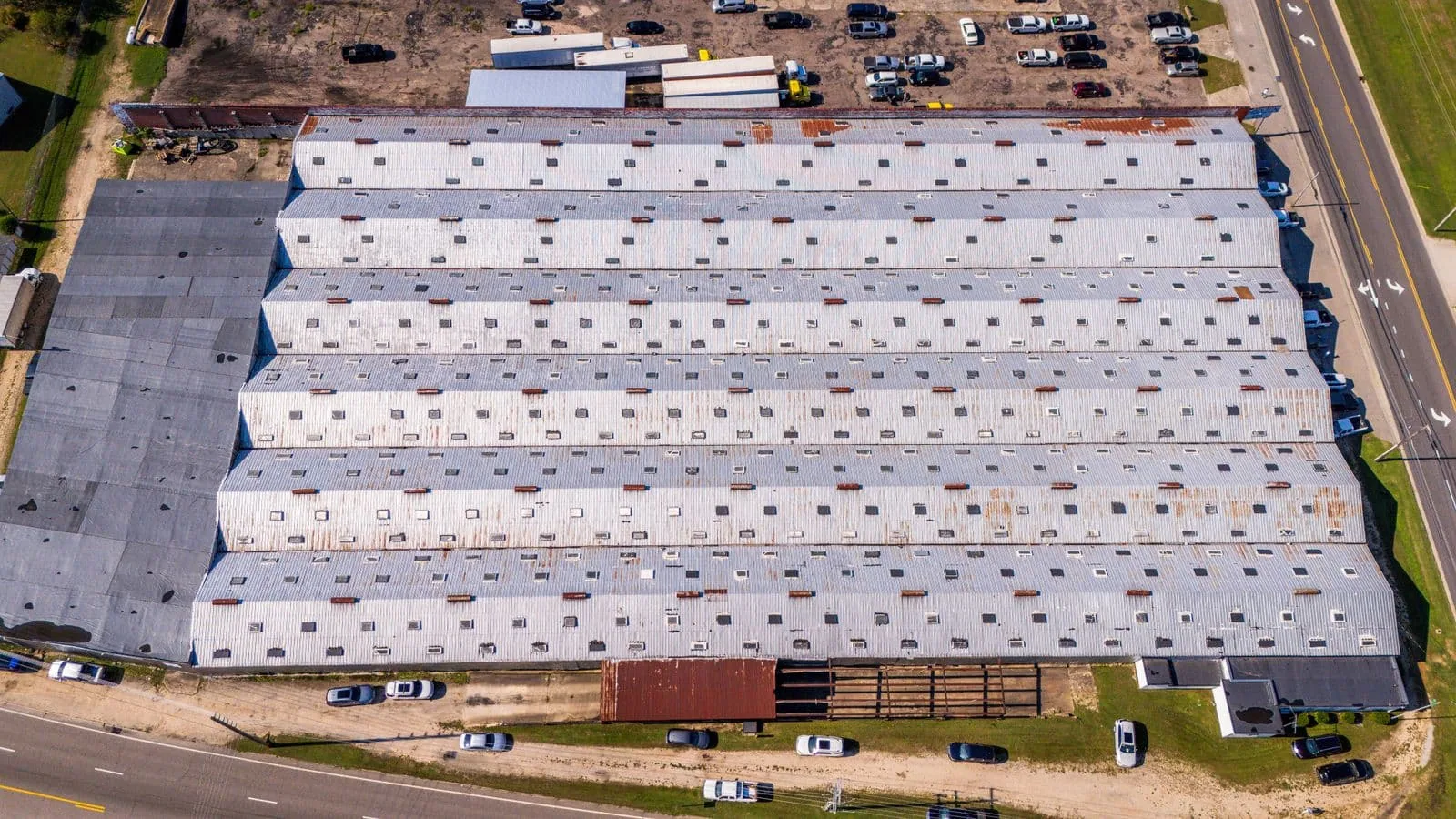
A compatible local repair can be appropriate when the membrane around a defect remains serviceable. We inspect nearby seams, flashing, insulation indicators and attachment before setting the boundary. If water has reached a wider area or details repeatedly separate, replacement may deserve comparison. A flashing repair addresses a failed transition; it does not correct blocked drainage or unrelated membrane wear.
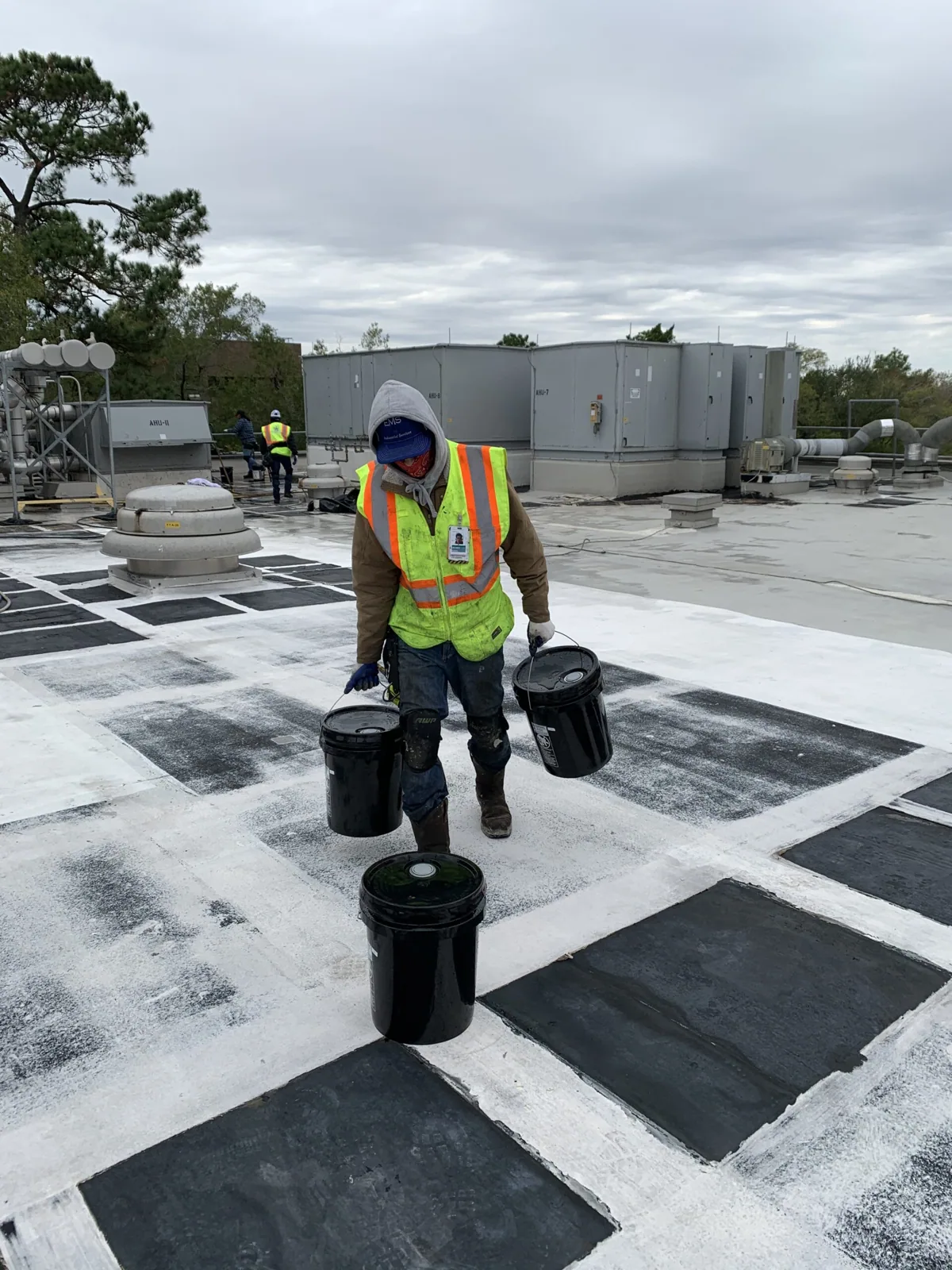
The existing assembly controls material choice. TPO seams are repaired differently from EPDM, modified bitumen or metal panels. We identify the roof system from records and field conditions before selecting a detail. A TPO repair and an EPDM repair use different preparation and compatible components. If insulation is wet or the deck is affected, the proposal should show that work separately from the membrane correction.
When a larger project is considered, we compare repair, recover and replacement based on assembly condition, drainage, access and the property budget cycle. A recover may reduce tear-off only if the current roof and project criteria allow another layer. The scope describes roof zones, staging, disposal and protection for occupied areas. Each phase can show its own boundary so the manager can schedule work and communicate impacts without blending separate buildings or tenant areas together.
Keep Portfolio Decisions Comparable
For a portfolio, useful records share a consistent structure while retaining each building's own facts. We label the address, roof zone, material, observed condition, photographs and open questions. For a portfolio, real-estate investors can review the located repair needs with general contractors using the same building-specific findings. Neither replaces a site inspection when a new leak or change appears.
Preventive visits can revisit drains, seams, edge metal and previous repairs before the next major rain. The interval should reflect roof condition and access, not a blanket assumption across every asset. If a manager needs a capital sequence, we can separate immediate water control from work that can be planned for a later budget window. Each recommendation identifies the evidence, access needs and consequence of waiting in practical terms.
Send the property list or address, the reported condition, the person who can approve roof access and any tenant or loading restrictions. We can inspect the relevant area, document what is confirmed and present a repair or phased project scope the property team can evaluate.
Industries We Serve
Commercial Roofing Questions
What should a property manager collect before requesting a roof visit?
Provide the address, interior location, date and time the issue appeared, photos if available, roof access contact and any tenant restrictions. Prior reports or roof plans help us compare the new condition with known details. We confirm whether the issue is active and set the inspection around site access.
Can multiple tenant leak reports come from one roof defect?
They can, especially when water travels along the deck or follows a drainage route, but separate reports may have separate causes. We map each report and compare it with roof details. The inspection identifies shared evidence and keeps unrelated or unverified areas separate.
How can work continue in an occupied commercial building?
We coordinate work hours, notice, staging, noise and protection with the manager. The scope can divide the roof into phases when conditions allow. Some access or interior areas may need a temporary restriction, and the property contact decides how tenants are notified.
What belongs in a portfolio roof record?
Keep the property address, roof zones, assembly information, dated photos, observed conditions, repairs and unresolved questions together. Distinguish confirmed findings from assumptions and note where access was limited. That record helps compare properties while preserving their different construction and maintenance histories.
When does a recurring repair become a replacement discussion?
Repeated failures, moisture beyond the repair area, deteriorated attachment or broad material wear can justify comparing a larger scope. We inspect the assembly and describe why the boundary changes. Replacement should follow field evidence and project constraints rather than the number of prior service calls alone.
Plan Roofing Across Managed Properties
Share the address, roof concern, access contact and tenant constraints. We will document the affected zones and prepare a clear repair or phased-work scope.