 Services
 Roof Systems
 Property Types
 Industries
 Damage Repair
 Capabilities
 Manufacturers
 Service Areas
Commercial Roofing in Eisenhower East, Alexandria, VA
Service Areas:
- Commercial Roofing in Carlyle, Alexandria, VA
- Commercial Roofing in Landmark / Van Dorn, Alexandria, VA
- Commercial Roofing in Eisenhower East, Alexandria, VA
- Commercial Roofing in North Potomac Yard, Alexandria, VA
- Commercial Roofing in Potomac Yard, Alexandria, VA
- Commercial Roofing in Old Town North, Alexandria, VA
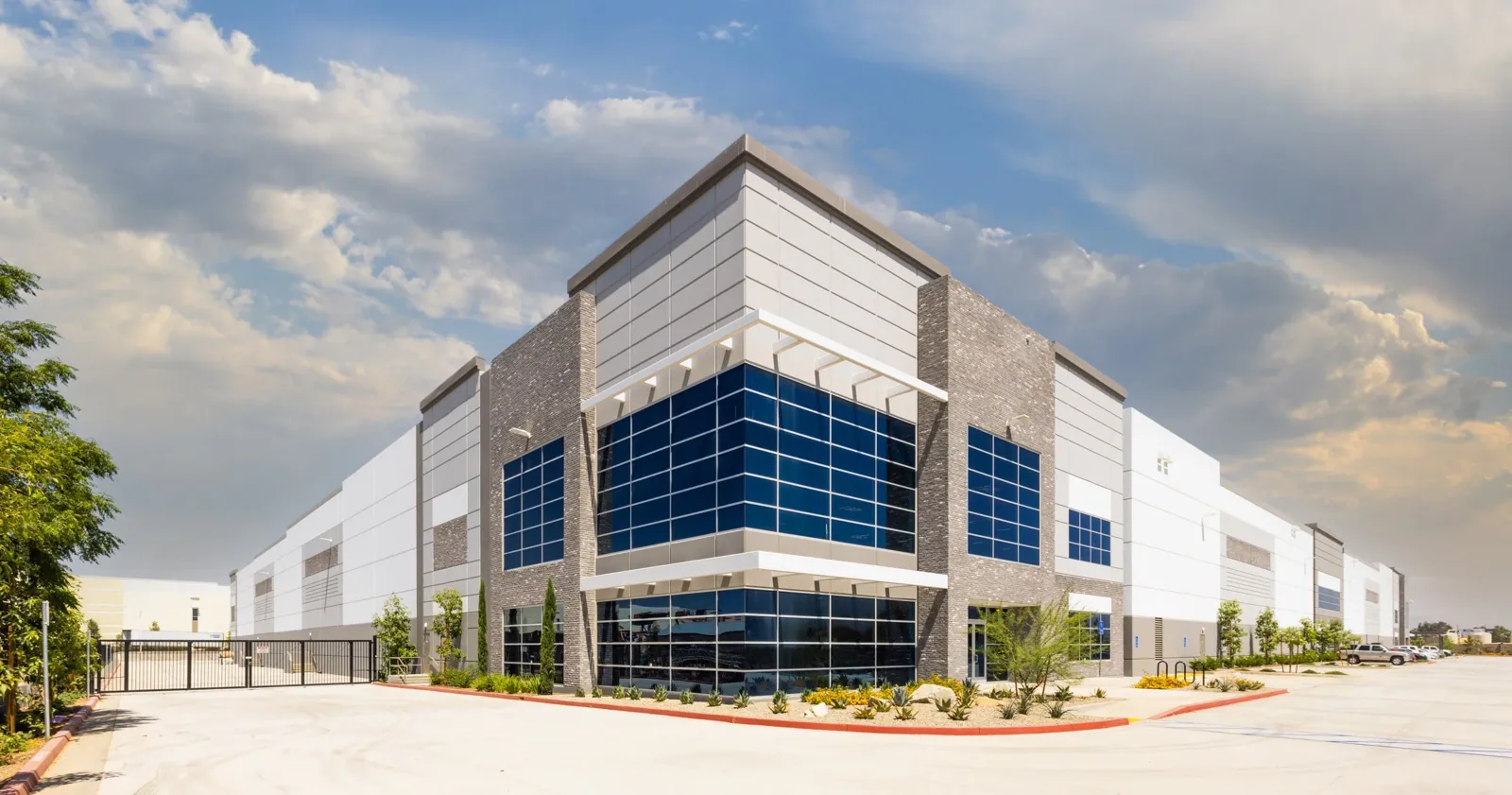
Office and mixed-use development along Eisenhower Avenue calls for roof scopes that account for occupied floors, equipment, drainage and access. Eisenhower East includes office and mixed-use properties, with approved blocks near Carlyle Street and Jamieson Avenue. We identify roof zones and confirm access at the address.
Alexandria, VA sees summer heat, winter freezing and intense rainfall. A leak can move under a membrane or along a deck before reaching a room, so the initial review follows the water path instead of assigning the repair from the ceiling stain. Carlyle is adjacent planning context, but its property facts and access are not interchangeable with Eisenhower East. Each building gets its own field record.
Eisenhower East
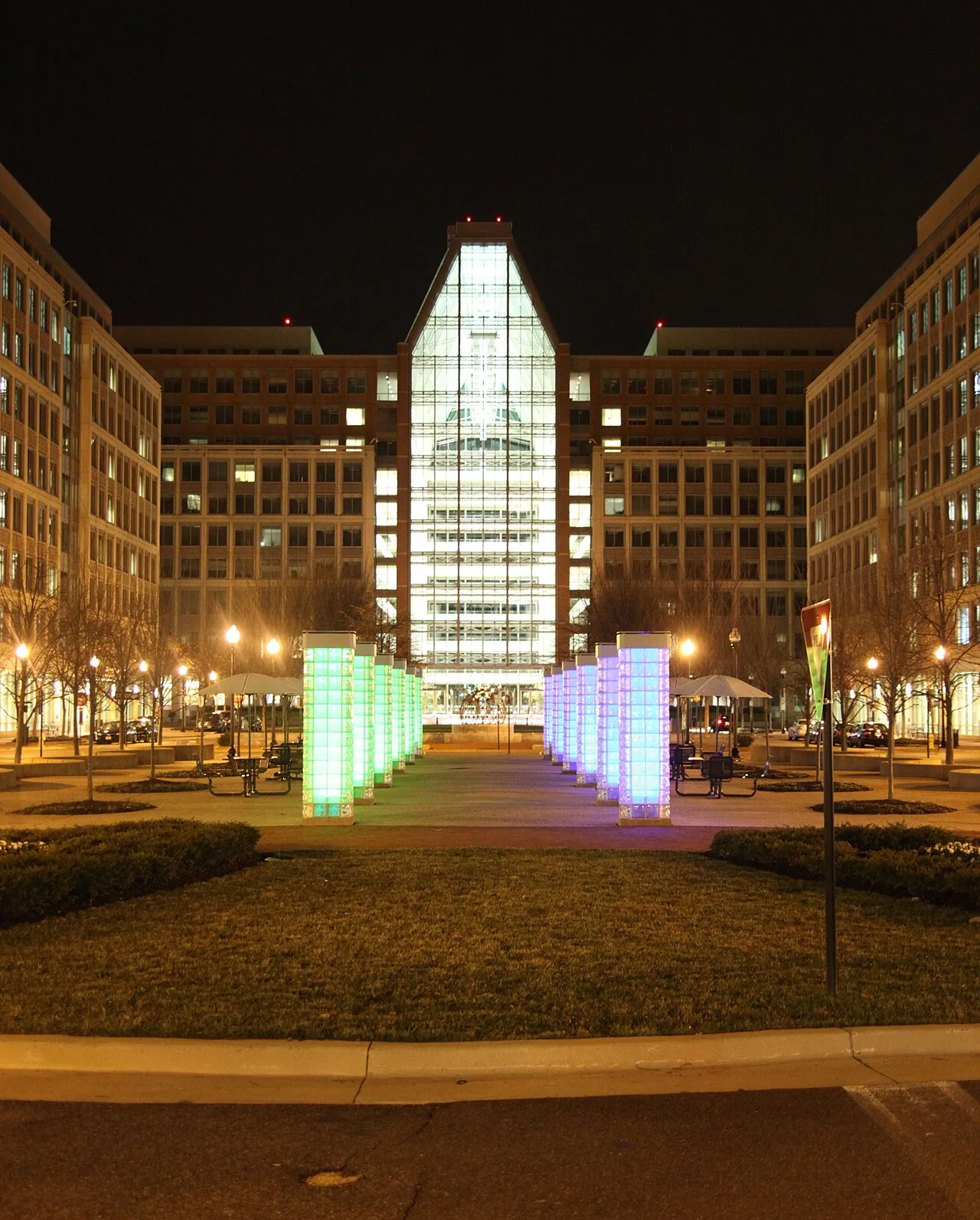
Map the Area Above the Report
We record the affected room, when moisture appeared, and whether it followed rain or equipment use. On the roof, drains, scuppers, parapets, curbs, pipe penetrations, seams and prior patches are matched to the interior location. A commercial roof inspection labels the suspected path and separates visible conditions from points that could not be reached. This ties the finding to the roof zones reached during the visit.
Office and mixed-use properties can have multiple occupants and operating hours. The project contact confirms roof entry, security, loading, lift placement, deliveries and interior protection needs before work begins. We use the current building instructions to set a sequence and estimate that fit the property.
At each accessible detail, we examine the membrane, flashing turn, edge termination and drainage route. At low points, we check the outlet and overflow route. If equipment obstructs a route, we record whether another trade must move or protect it. Photographs and a roof-zone sketch distinguish the finding from any test or repair that still needs authorization.
Check Transitions and Drainage
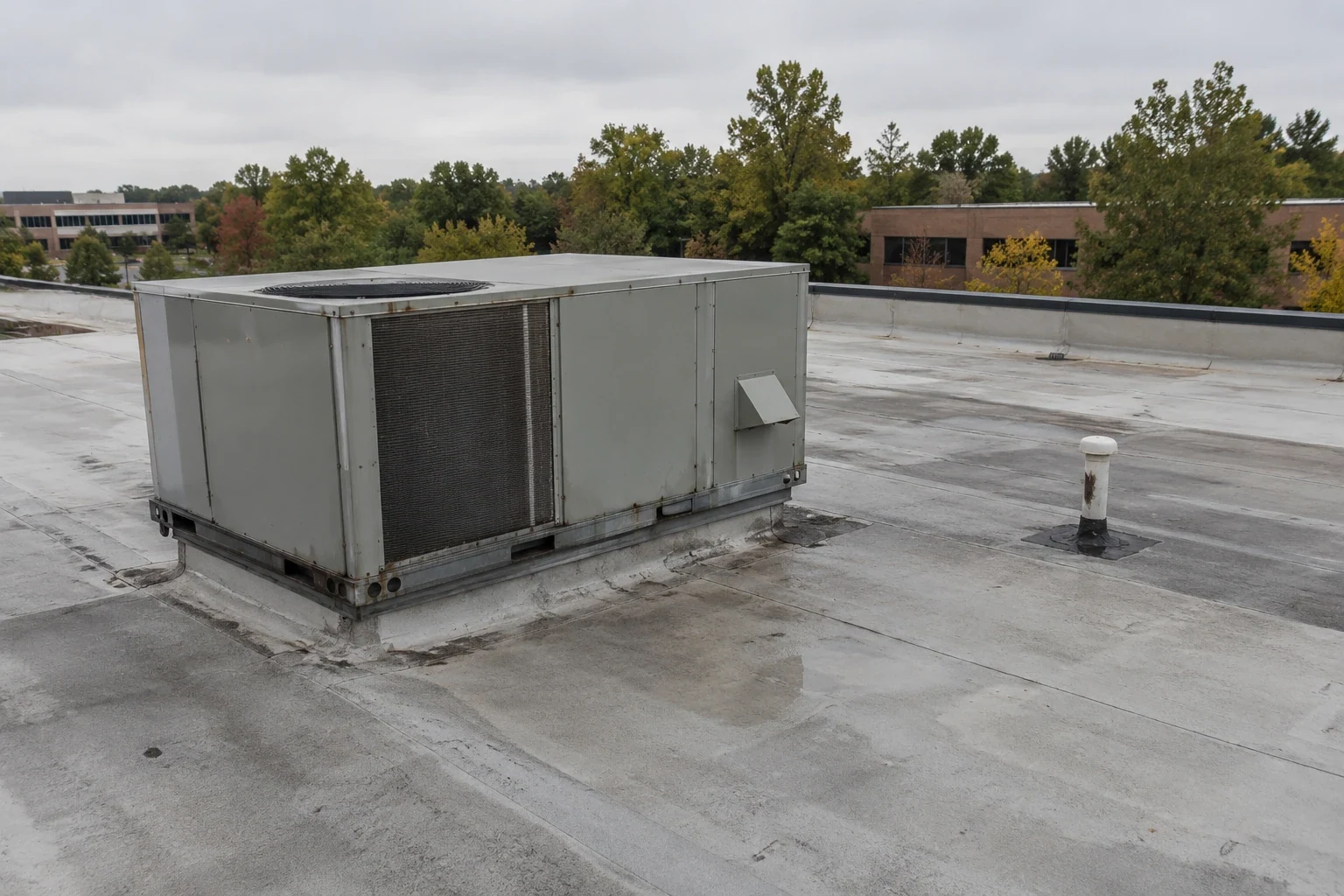
Water entry often begins where one roof surface meets another material. We inspect parapet caps, curb corners, metal terminations, expansion joints and penetrations for open laps, failed sealant or movement. A roof-edge and coping inspection considers the connection among wall, cap and membrane rather than treating one visible crack by itself. The report marks the details checked and the conditions that remain concealed.
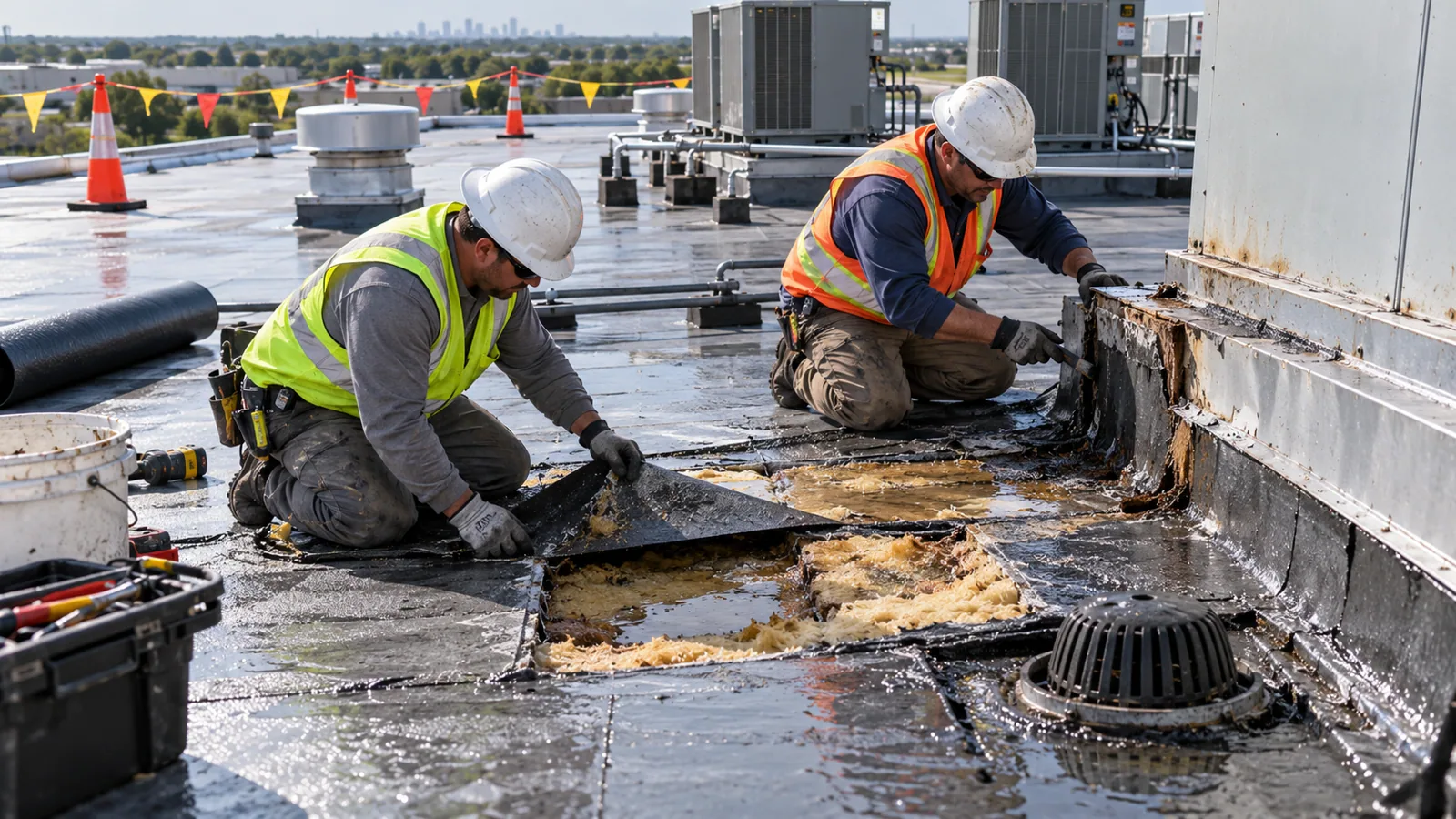
Drain bowls, scuppers and overflows are traced as a system. Debris, a restricted outlet or an inadequate low point can leave water around details that otherwise appear intact. A drainage repair scope identifies outlet cleaning, membrane repair or further design review separately. If water is present during inspection, we record its location and depth without inferring the cause from a single observation.
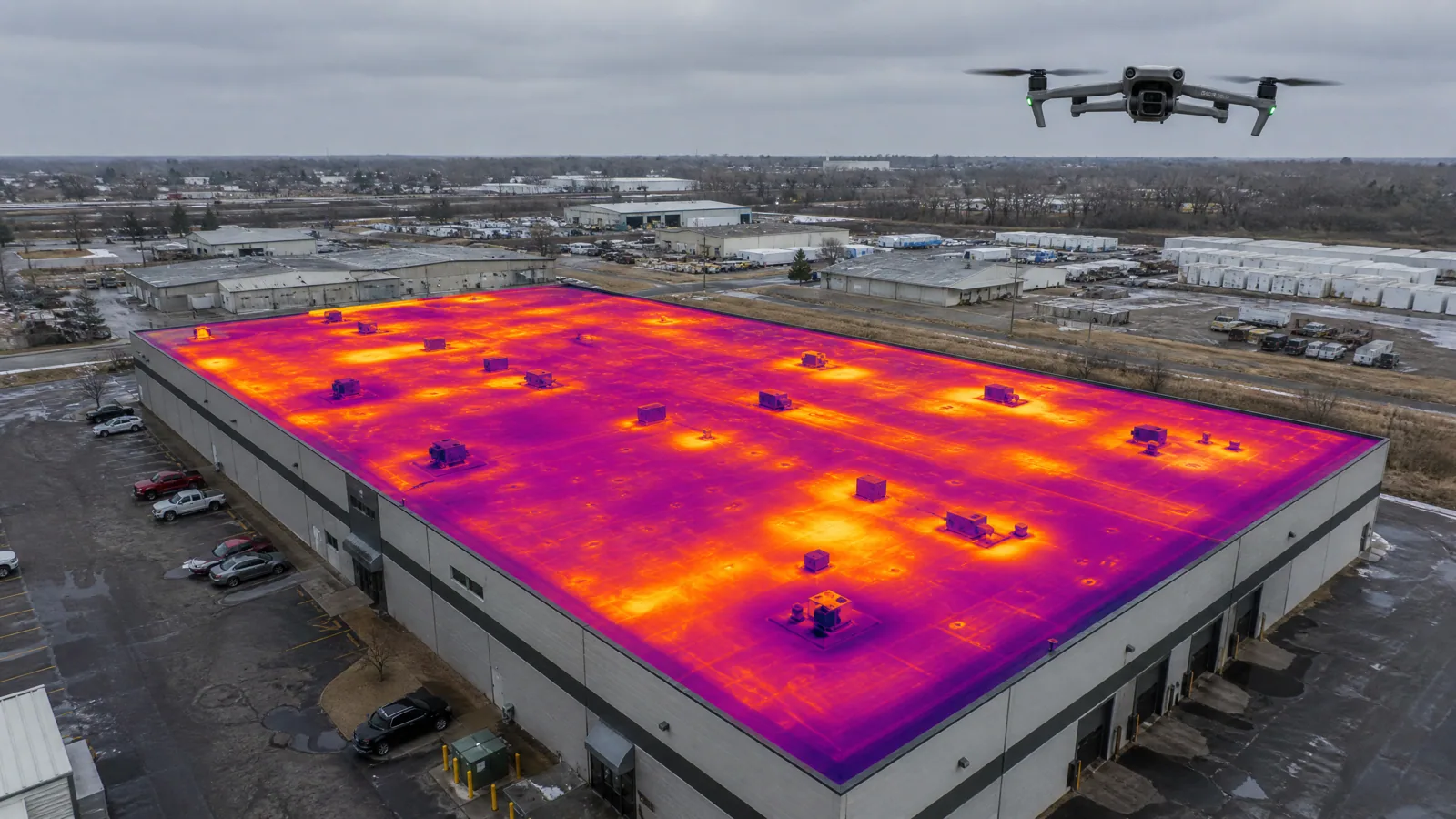
Where moisture below the surface could change the work boundary, an infrared survey may help choose a test area. A test opening shows the materials at that spot. We coordinate the location and protection below, photograph the layers and keep the result tied to that roof zone. The owner can then compare localized repair with broader removal using the inspection findings.
Compare a Repair with Replacement
A local correction may be appropriate when the failed seam, flashing or penetration is bounded and nearby attachment remains sound. We match the repair material to the existing assembly and inspect the tie-in after the work. If moisture extends below the membrane or a perimeter detail has lost secure attachment, the repair boundary may need to widen. A measured scope names the area and the evidence supporting that decision.
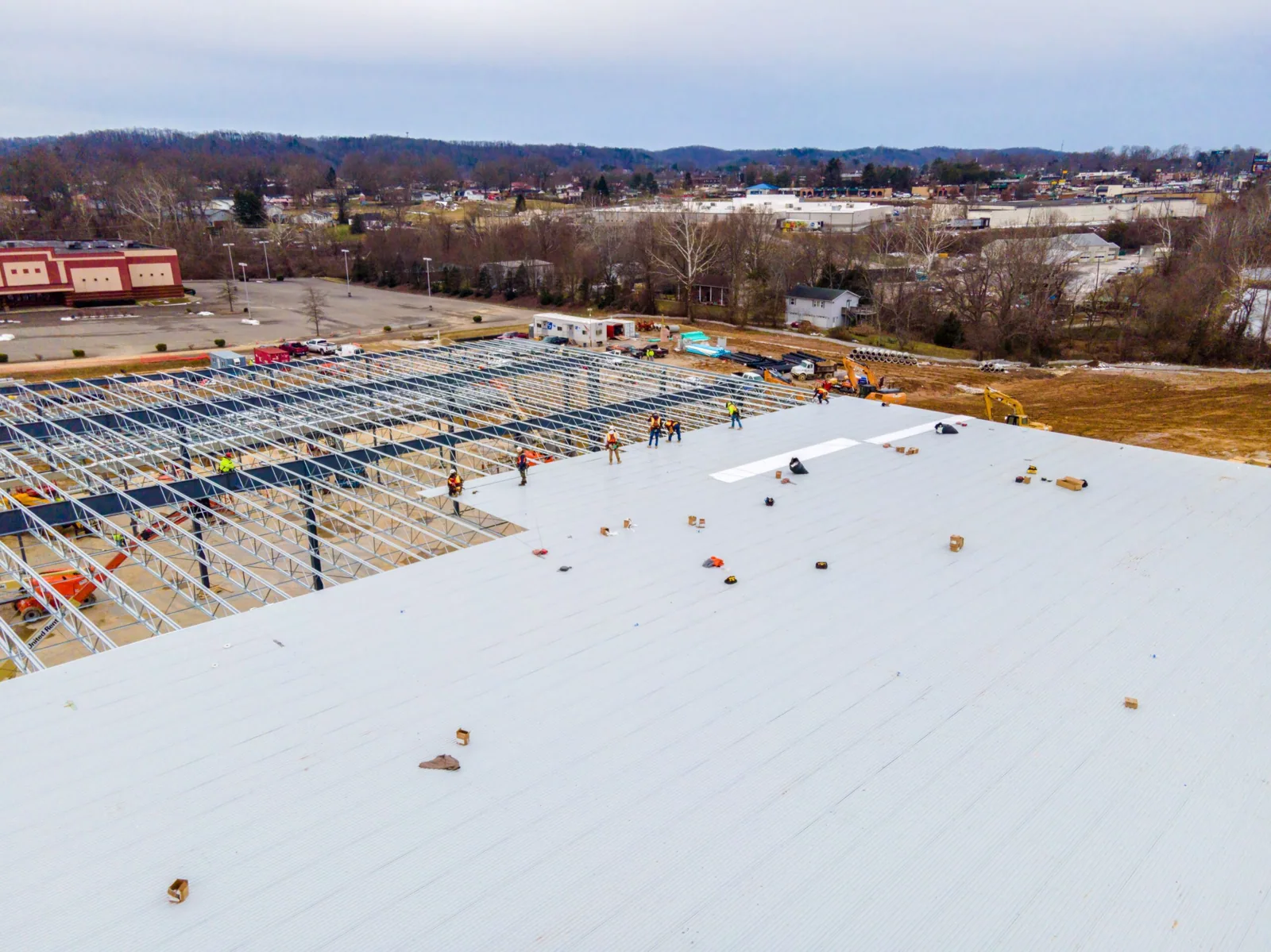
Repeated leaks or broad deterioration can lead to a recover or replacement comparison. Existing layers, wet insulation, edge height, drainage, equipment and project requirements affect feasibility. A replacement scope should specify removal limits and explain how concealed deck conditions will be recorded. A recover may reduce tear-off when existing layers are dry and secure and transitions can be rebuilt to the new height.
Cost and duration depend on material, access, disposal, staging, protection, testing, repair depth and weather. We identify allowances and the approval process for added work. For a property with several roof zones, roof condition reporting can help the GC compare findings while keeping each zone's assembly and history distinct.
Plan Around Alexandria Weather
Alexandria summer heat, winter freezes and occasional snow can affect roof movement, wet details and installation windows. We inspect seams, flashing and drainage at the Eisenhower East property.
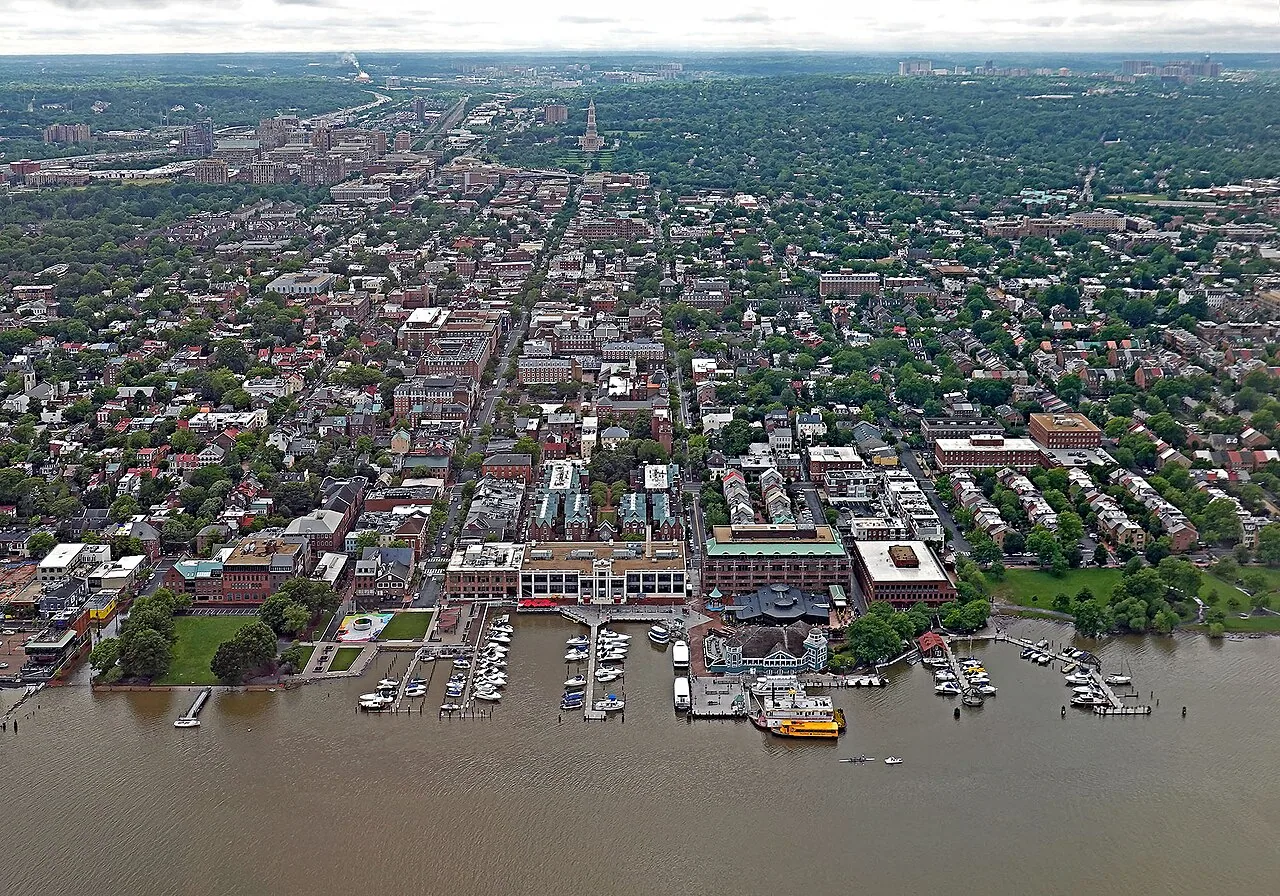
Alexandria’s low elevation and Potomac River proximity contribute to tidal and heavy-rain flood exposure. We check drain capacity, scupper routes and visible water marks, then identify any concealed area that needs testing.
Coordinate Access and Daily Closure
Approved blocks around Carlyle Street, Jamieson Avenue and Eisenhower Avenue bring active redevelopment alongside established offices. The owner’s representative confirms loading restrictions, security, tenant hours, material staging, lift location and emergency routes. If work shares access with another contractor, the GC identifies active work areas before roofing materials arrive.
For occupied work, zones can be sequenced so one area is prepared, repaired or replaced, then closed before the next is opened. The plan states noise periods, protection below and how equipment or penetrations will be handled. Occupied-building phasing works only if each stage can be tied in safely and protected from weather. If a condition exposed during tear-off changes scope, we document it and seek direction before proceeding.
Carry the Roof History Forward
The completion file identifies the address, roof zone, observed assembly, work performed, photographs and any unresolved test or access limit. A field sketch can connect the interior report with the repair location. Landmark / Van Dorn is another redevelopment area. We confirm the project phase and access details for the Eisenhower East address separately.
Where a roof adjoins a loading court or shared service lane, the work plan identifies which delivery windows remain open and how a lift or debris container changes the route. That detail can control the crew sequence as much as the repair itself.
Maintenance revisits drains, edge details, curbs, seams and previous repairs. A maintenance inspection records changes after later weather and gives the building team a dated comparison. If other phases proceed around the approved blocks, new work areas should have separate roof-zone records and tie-in photographs.
For an Eisenhower East roof review, send the building address, interior report, roof plans and access contact. We will map the water route, inspect the transitions and prepare a repair scope around the property’s loading and operating windows.
Service Areas
Commercial Roofing Questions
Does WMATA’s office in Eisenhower East show which roofing system is nearby?
It is one office property in the area, while neighboring buildings have their own roof assemblies. We inspect each address against its roof records and field details, then identify any conflict that calls for further testing.
How do you investigate an office leak in Eisenhower East?
We compare the room and timing with drains, seams, parapets, equipment curbs and prior repairs. Water may travel before appearing inside. The inspection documents the suspected path separately from confirmed damage and identifies whether an opening or moisture test is needed.
Can work be planned around occupied offices?
Yes, where safe access and weather protection allow phasing. The building contact confirms tenant hours, loading, roof entry, noise limits and affected rooms. The daily plan identifies an area that can be secured before another roof zone is opened.
What should an Eisenhower East roof proposal include?
It should define roof zones, assembly, repair details, drainage work, access assumptions, interior protection and any allowance for concealed conditions. We separate scoped tasks from testing or removal that could change after an opening.
Do Alexandria flood risks mean an office roof needs replacement?
No. Citywide flood exposure is a reason to examine drainage and overflow, not a roof condition assessment. We inspect the actual outlets, water marks, membrane and interior report, then recommend a boundary supported by the observations.
Inspect an Eisenhower East Roof
Send the property address, reported condition, roof documents, access contact and schedule limits. We will inspect the relevant zones and prepare a clear repair or replacement scope.