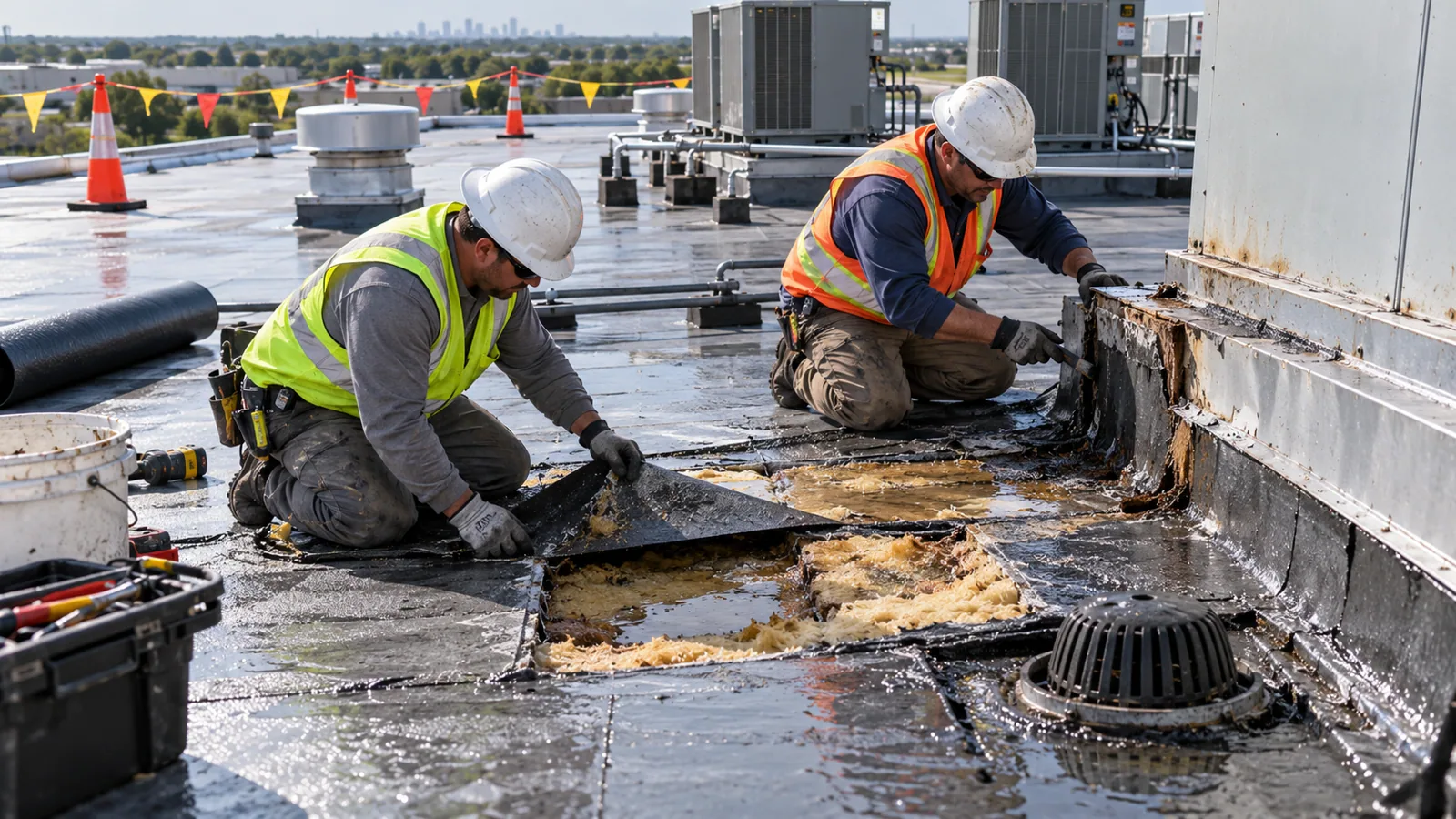
 Services
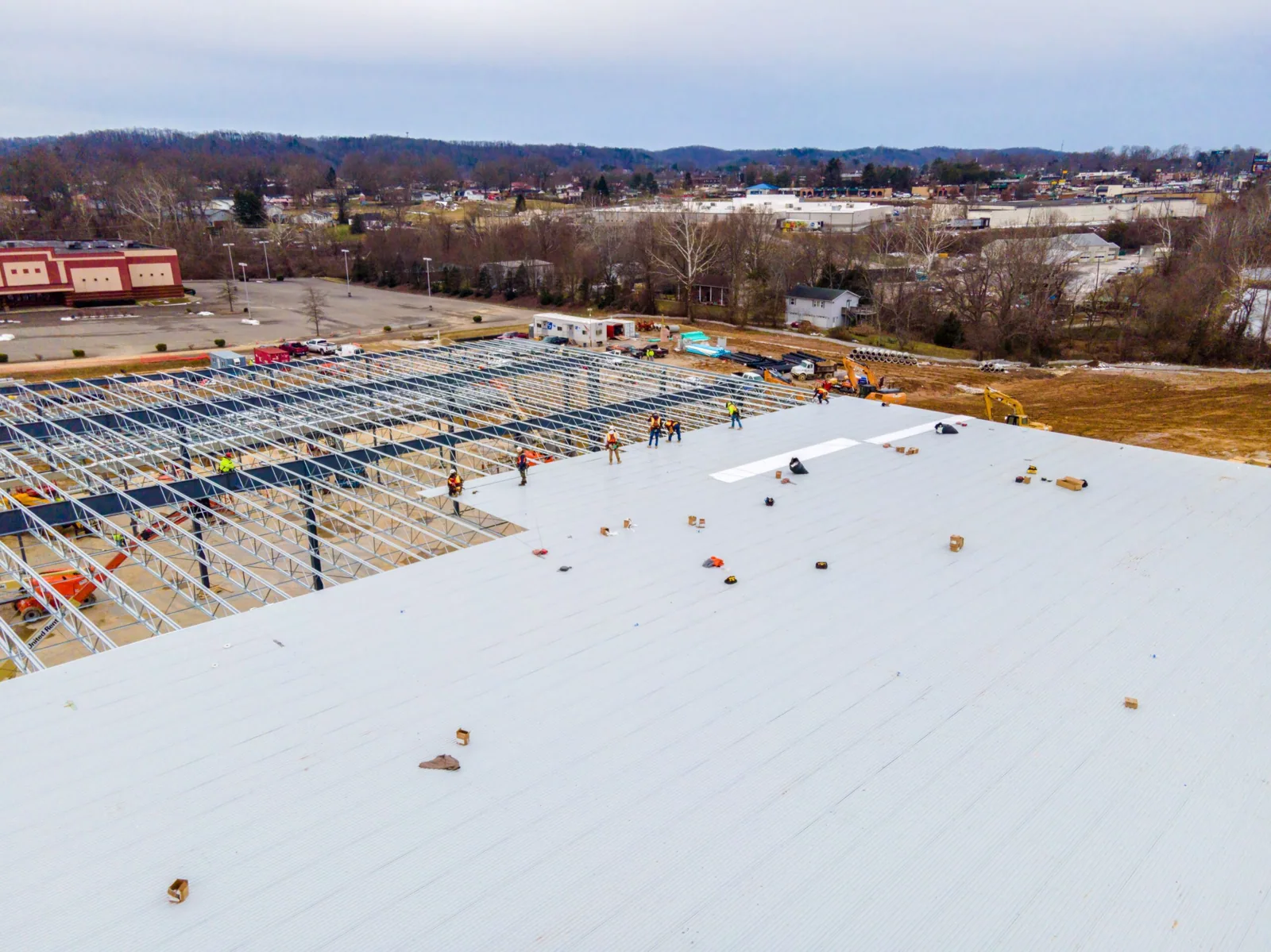 Roof Systems
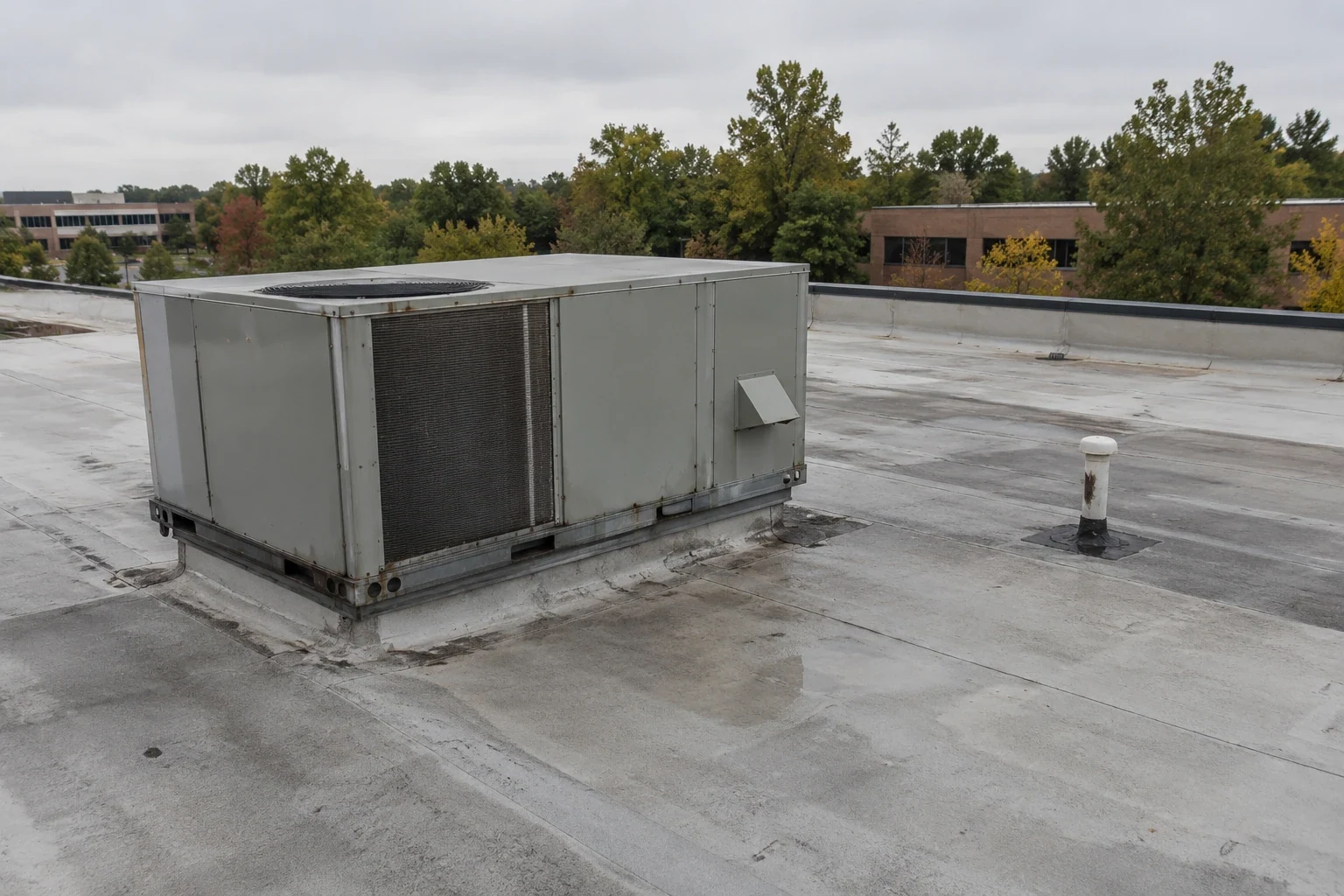 Property Types
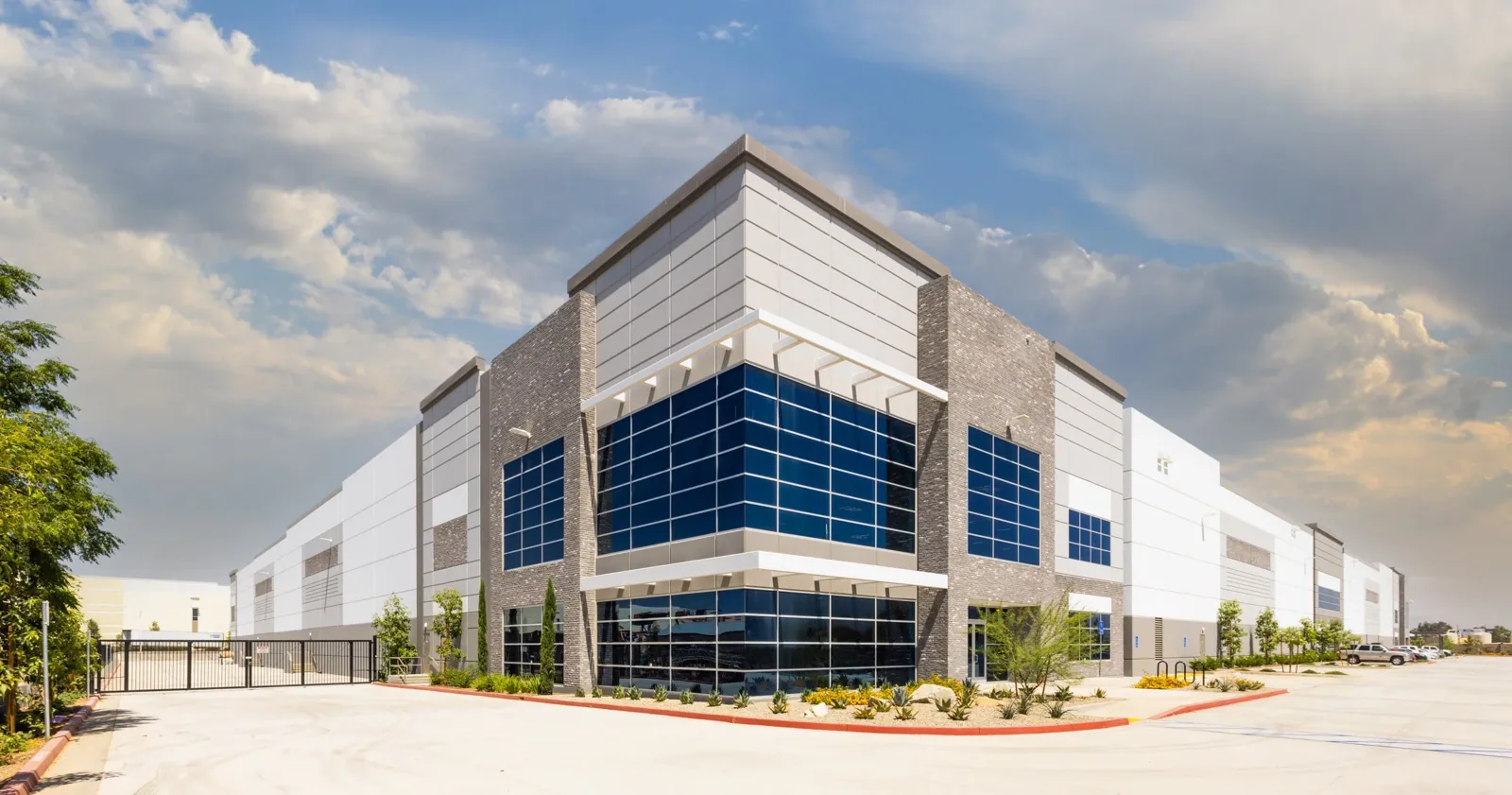 Industries
 Damage Repair
 Capabilities
 Manufacturers
 Service Areas
EPDM Commercial Roofing in Alexandria, VA
Roof Systems:
An EPDM roof can have a durable field sheet and still leak at a termination bar, seam or pipe boot. In Alexandria, heavy rain and winter freeze-thaw make those transitions worth checking before repair or replacement is priced. We inspect the rubber membrane, seam tape or adhesive, flashing, insulation and drainage, then explain what can be repaired and what requires broader work.
EPDM is a synthetic rubber single-ply system used on low-slope roofs. Sheet attachment and seam methods depend on the specified assembly and substrate. We identify the installed membrane and review previous repairs before choosing materials. For a membrane comparison, TPO and PVC use different seam and flashing approaches that may fit other exposure conditions.
EPDM Commercial Roofing
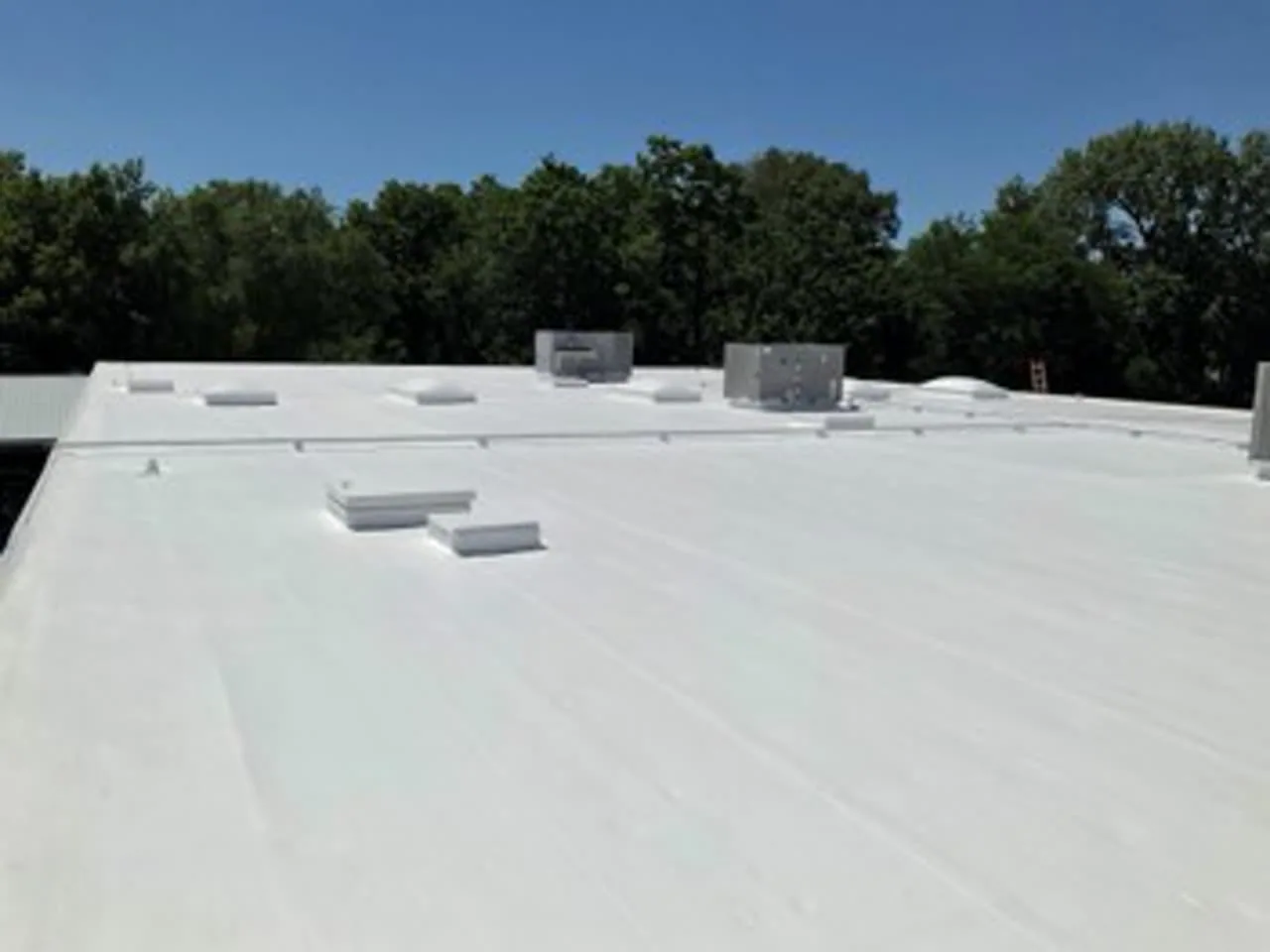
Inspect Seams and Terminations
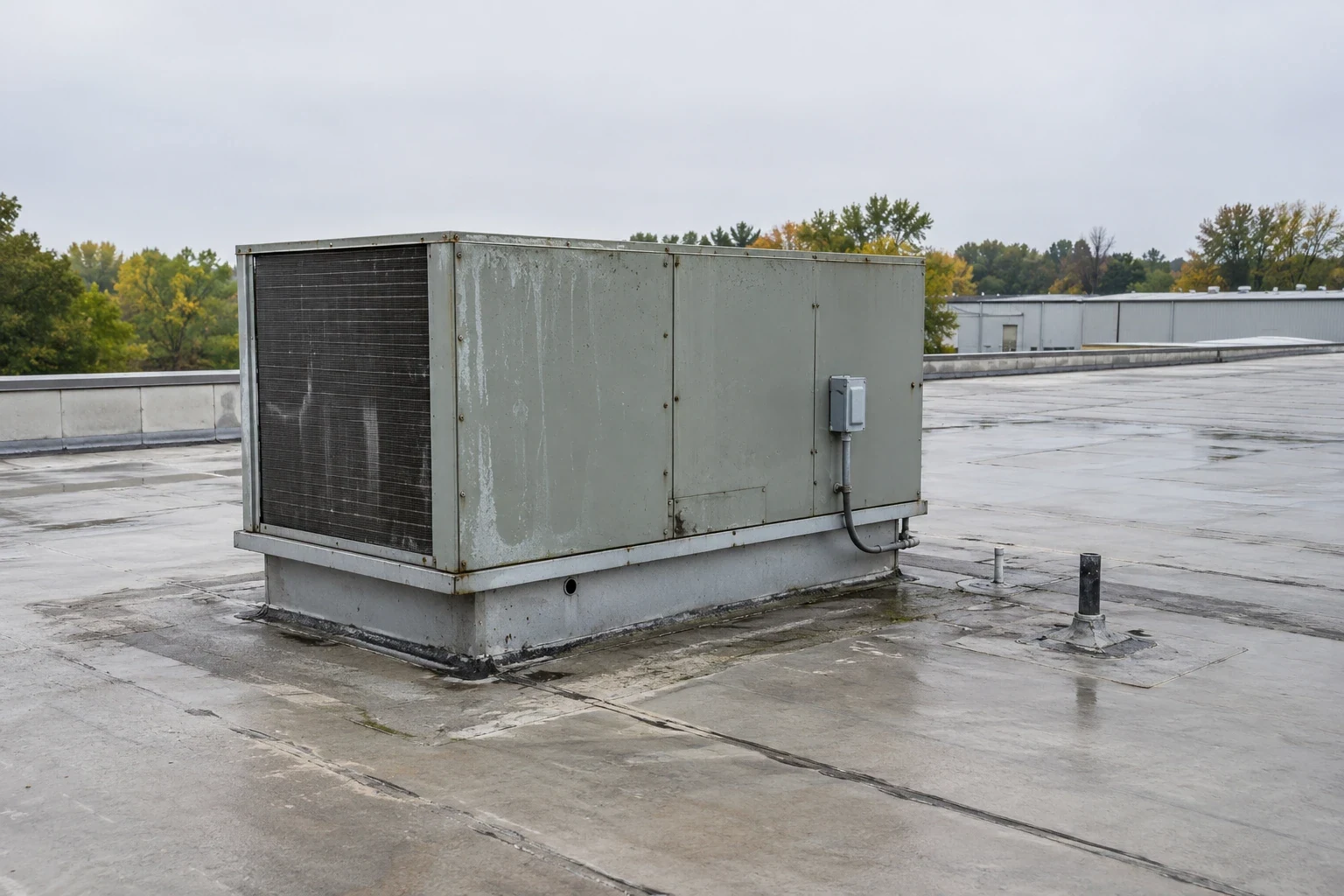
We inspect EPDM field seams for separation, fishmouths, wrinkles, dirt and patch edges. Tape and adhesive repairs need compatible preparation; a generic sealant may not bond to the rubber surface. At parapets and equipment curbs, we check membrane terminations, counterflashing, corners and movement joints. Photos and zone labels show where the defect begins and whether adjacent seams need review.
Penetrations often collect runoff around a boot or curb. We check the vertical flashing, clamp or termination and membrane connection at the base. If the EPDM has shrunk or pulled away, we measure the gap and assess whether enough sound membrane remains to extend the detail. A drain inspection can be relevant where ponding brings water repeatedly to the same transition.
Interior stains may not sit directly below the roof opening. Water can move beneath membrane or insulation before reaching a ceiling. We compare the leak location with seams, drains, walls and equipment curbs, then recommend a test opening if hidden moisture could change the repair boundary. A leak investigation can trace the source before surface work begins.
Understand the Existing Build-Up
EPDM may be fully adhered, mechanically attached or ballasted, depending on the roof design. Each method changes how the membrane moves and how a repair should be tied in. We review plans or visible details, check the substrate and identify the fastening or adhesive approach where possible. If the assembly is uncertain, a test opening can show deck, insulation, cover board and prior layers.
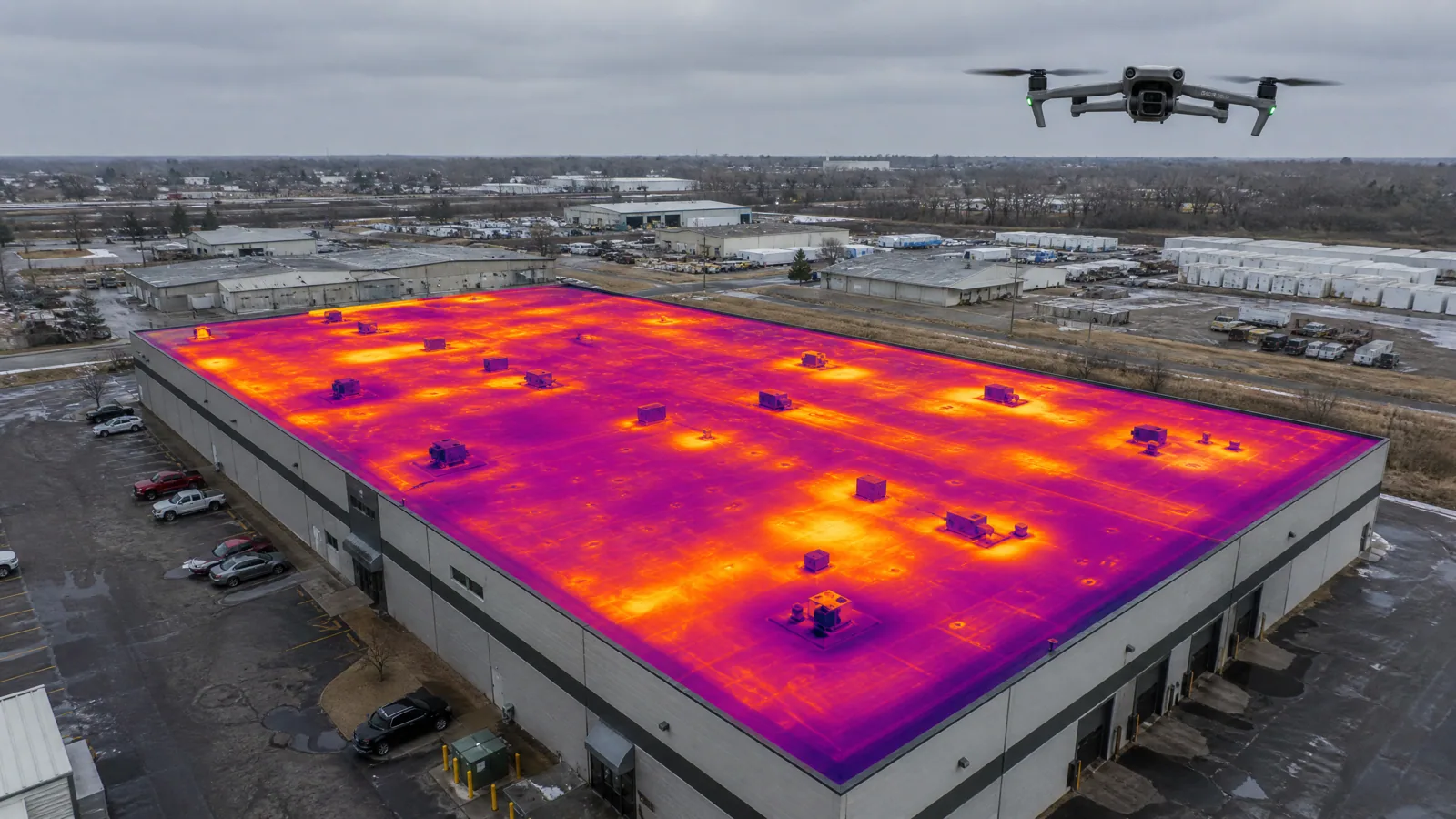
Wet insulation should not be sealed beneath new membrane. We record where moisture is confirmed, where material appears sound and what has not been tested. An infrared scan may help choose openings when conditions support useful thermal patterns, with appropriate material confirmation and sufficient investigation supporting the proposed removal extent. A cover board scope can address substrate and insulation needs within a reroof plan.
Ballasted systems have weight and movement considerations; attached systems rely on a specified fastener pattern; adhered systems depend on substrate preparation. We do not infer attachment from the membrane color. The proposal identifies what is known and what needs design review before making a repair that could disturb the field.
Account for Alexandria Weather
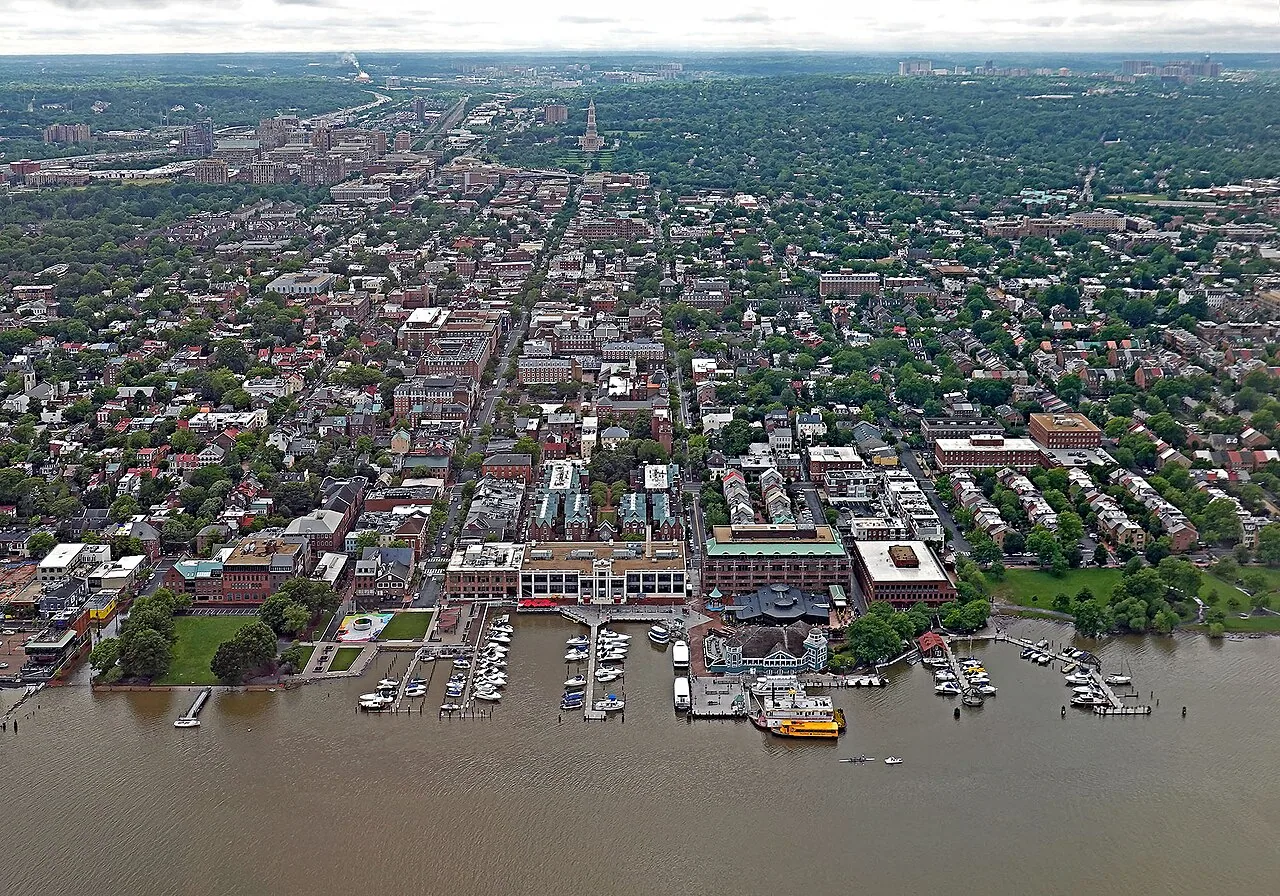
At Washington National Airport, 1991 to 2020 normals show a January low of 30.1°F and 4.9 inches of snowfall, plus a July high of 89.6°F. Cold-weather movement and summer surface heat can affect exposed seams, flashing and repair preparation.
Heavy rainfall calls for inspection of the roof's outlets and adjoining weather connections; Alexandria's tidal flood exposure also makes site access and ground discharge relevant to planning where affected. We trace water from the roof surface through drains and overflow points, then check the membrane termination around those details. Flooding at ground level is not the same as a roof leak; the inspection records any roof opening and the path water followed.
Office and mixed-use sites along Mill Road and Eisenhower Avenue can have equipment and service routes that affect repair access. We coordinate with the property contact and identify when a unit shutdown or interior visit is needed. If surface moisture or temperature prevents proper adhesive work, the repair is scheduled for a suitable window or temporarily protected.
Use Compatible EPDM Materials
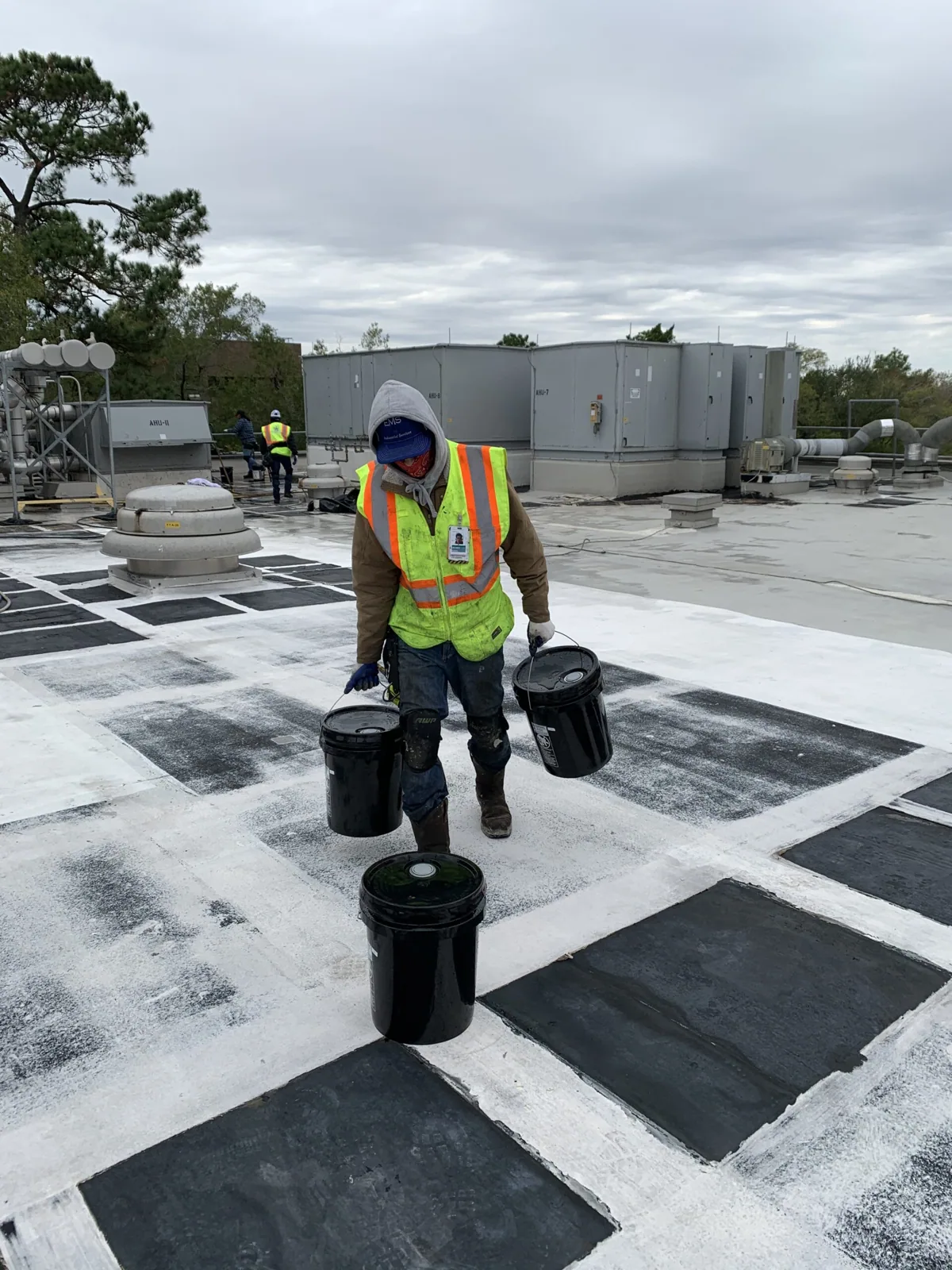
Repair begins with cleaning and preparing a sound area around the seam, puncture or flashing. We use repair materials and adhesives compatible with the installed EPDM and follow their application requirements. If a patch crosses an old repair or coating, we test whether the substrate is stable and remove incompatible material. The proposal shows the area prepared and the tie-in method.
At corners and curbs, the repair needs formed flashing or reinforcement that follows the geometry without leaving a water pocket. If the curb is too low or the parapet termination has failed, the scope may need metal or substrate work as well as membrane material. A flashing repair can address a transition separately from field seam repair.
If wet material extends below the sheet, a test cut may expand the repair boundary. We document the layers, remove material only to the confirmed limit and close the opening with a compatible assembly. When several zones show repeated deterioration, the owner can compare localized repair with a recover or replacement estimate instead of repeating patches without a condition record.
Compare Repair and Replacement
Localized EPDM repair can make sense when the field and adjacent details remain stable. Repeated seam separation, widespread membrane shrinkage, wet insulation or multiple failed terminations may point to a larger scope. We separate active leaks from conditions that can be monitored and show the evidence supporting each option. A recover evaluation needs to confirm moisture, attachment, code and roof-height limits.
Cost depends on membrane condition, repair material, cleaning, test openings, insulation, access and number of penetrations. A proposal should identify the system, preparation and areas excluded. If the roof’s age is known, it may inform the review but does not determine the work boundary by itself. We inspect what is present and state whether the deck or hidden layers were opened.
For properties in Old Town North or North Potomac Yard, tenant operations and roof access can shape phasing. The actual building controls the schedule. A condition report can organize photos and open recommendations across roof zones so the manager can plan maintenance or a capital project.
Maintain the Membrane Record
Closeout photos show repaired seams, flashing, penetrations and drainage details. We note the EPDM material used and identify any adjacent condition left outside the scope. This record helps a later crew select compatible repair material and revisit the same roof zone if water appears again.
Share the Alexandria address, roof plans, prior repair records, leak history and access window. We can inspect the membrane, verify uncertain layers and recommend repair, recover or replacement based on the assembly. For an Old Town North property, include service-hatch access and any tenant restrictions.
Roof Systems
Commercial Roofing Questions
How do you repair an EPDM seam?
We identify the existing membrane, remove contamination or failed material, prepare the surface and install a compatible seam repair. The exact method depends on the assembly and condition of the remaining sheet. We photograph the repaired edge and check nearby transitions that may have contributed to movement.
Can a new EPDM layer cover the existing roof?
A recover can be considered when the existing layers are dry, stable and suitable for the proposed attachment, and project requirements allow retention. Test openings help verify the roof build-up. Added height at drains and curbs must be reviewed before a new layer is approved.
What causes EPDM to pull away from a parapet?
Movement, attachment, aging materials or a weak termination can contribute to shrinkage or separation. We inspect the edge, measure the gap and check how much sound membrane remains. The repair may require extending the field sheet, rebuilding flashing or correcting a separate metal detail.
Does EPDM need special care in Alexandria winters?
Winter temperatures and moisture make exposed seams, drains and flashing useful inspection points. We record actual separation, ponding or wet insulation rather than assume damage from climate normals. Repair timing depends on surface moisture and the materials used to bond or patch the membrane.
What information helps price EPDM repairs?
Send roof plans, known membrane type, leak timing, prior repairs, interior photos and access rules. Details about insulation, curb locations and drains help define the inspection. If records are unavailable, we can identify the test openings needed to establish the assembly.
Inspect an EPDM Roof in Alexandria
Share the property address, roof history, known membrane, leak locations and access window. We will inspect seams, flashing, insulation and drainage before recommending EPDM repair or replacement work.