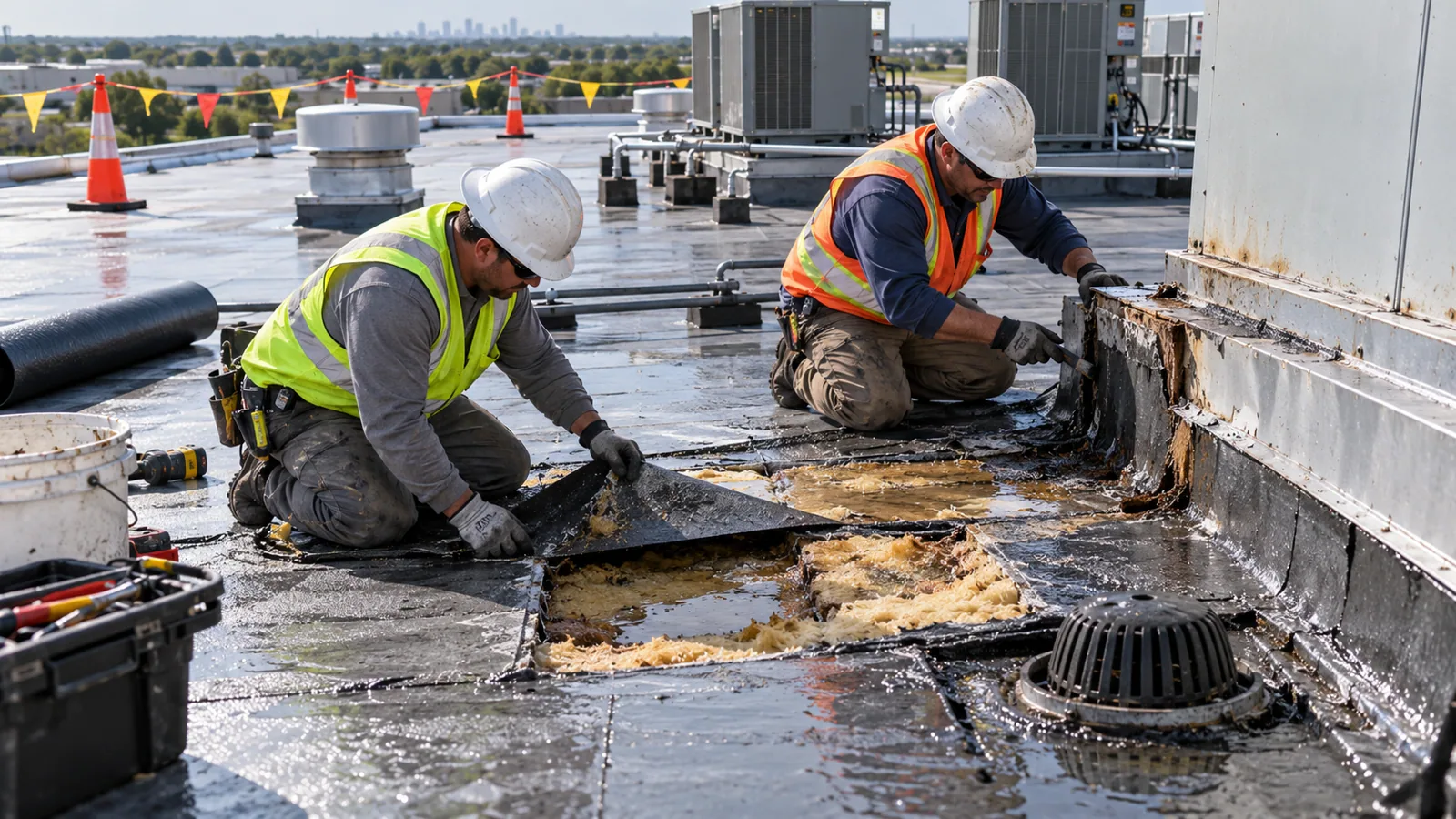
 Services
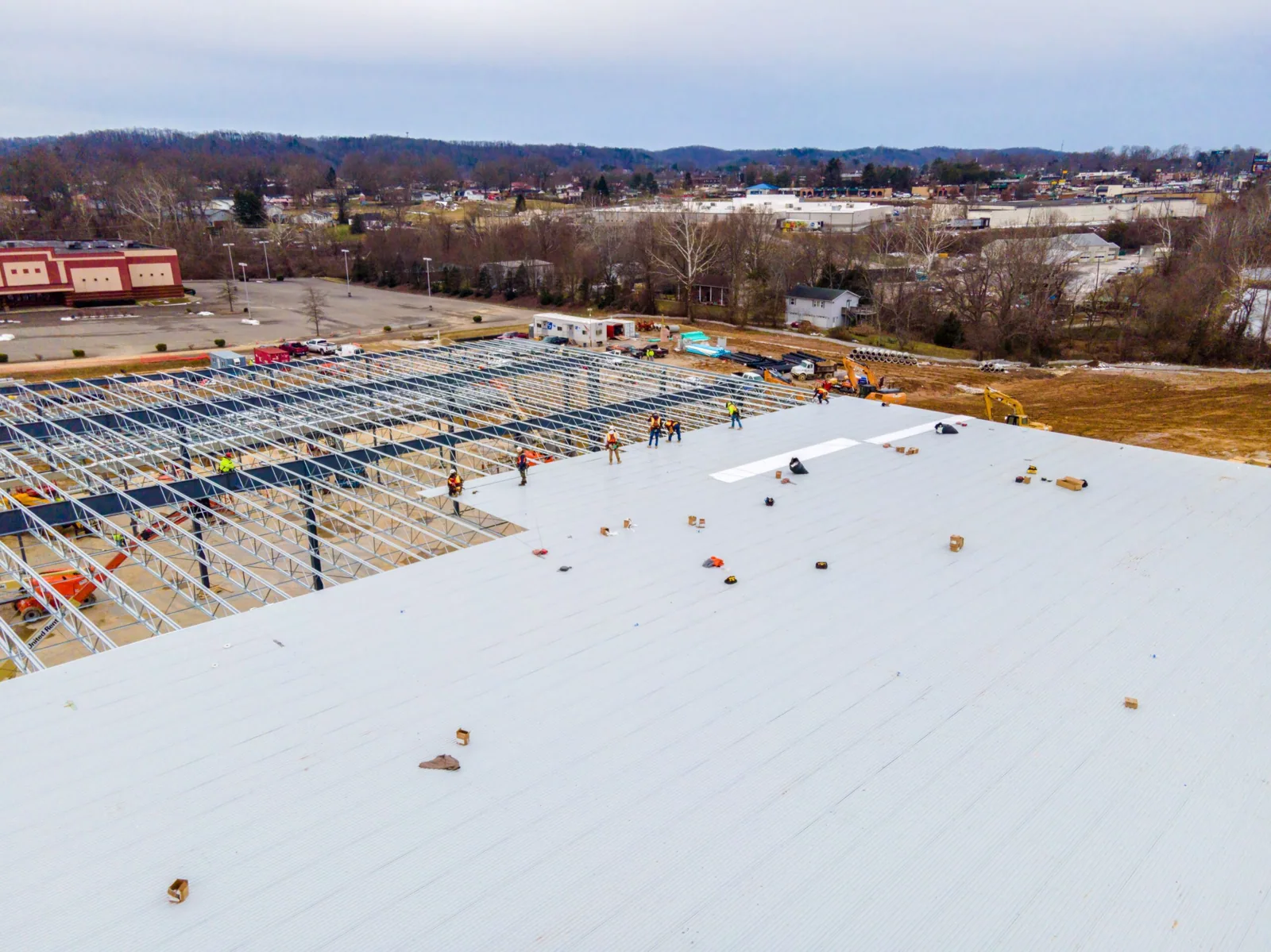 Roof Systems
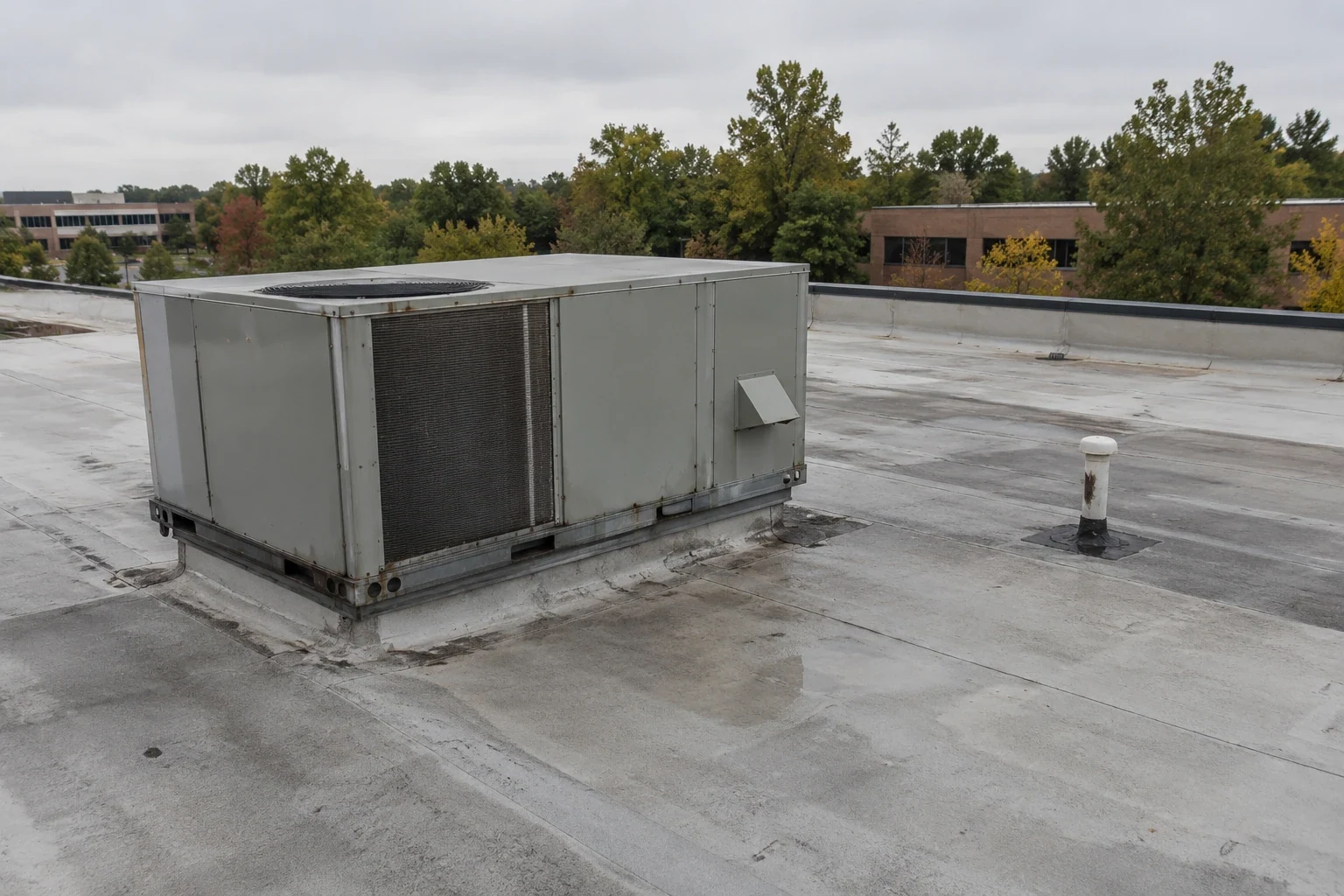 Property Types
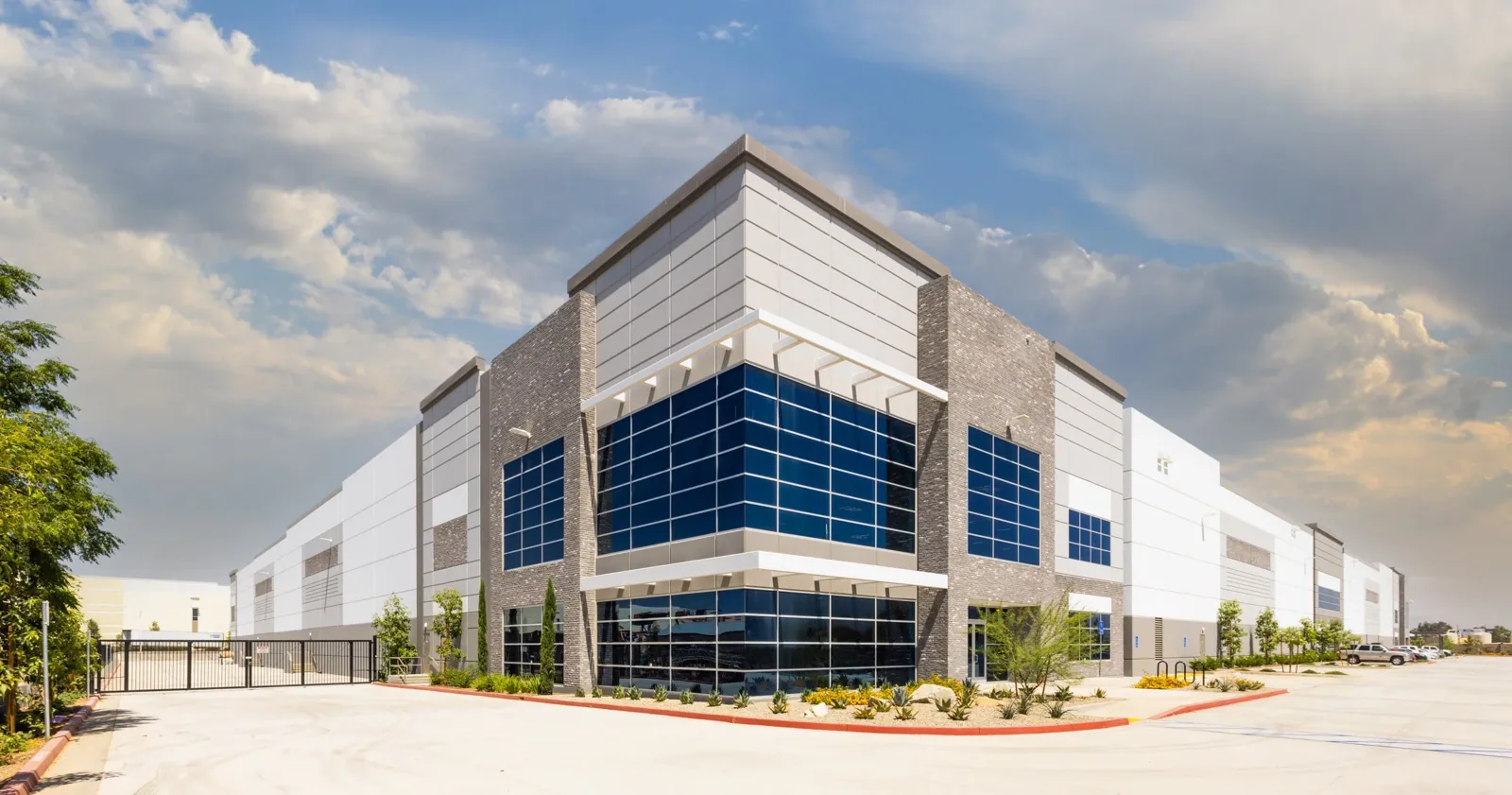 Industries
 Damage Repair
 Capabilities
 Manufacturers
 Service Areas
Commercial Roofing at Braddock Road Metro, Alexandria, VA
Service Areas:
- Commercial Roofing in Carlyle, Alexandria, VA
- Commercial Roofing in Landmark / Van Dorn, Alexandria, VA
- Commercial Roofing in Eisenhower East, Alexandria, VA
- Commercial Roofing in North Potomac Yard, Alexandria, VA
- Commercial Roofing in Potomac Yard, Alexandria, VA
- Commercial Roofing in Old Town North, Alexandria, VA
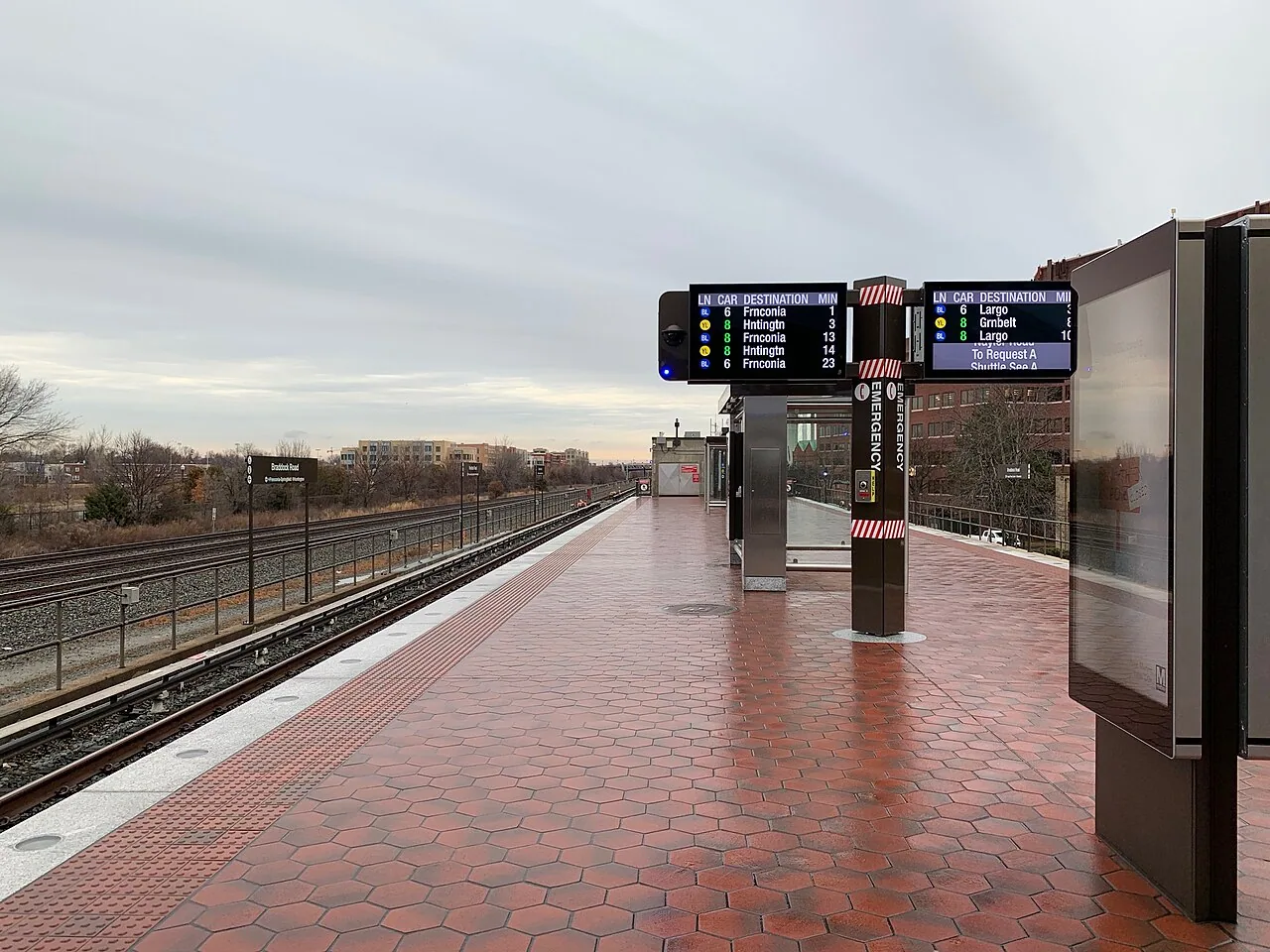
Retail and office properties linked to Metrorail give the Braddock Road station area an operating context where roof access and public circulation must be confirmed at each address. The Braddock Metro Station plan includes Braddock East and King Street retail planning, and the city records approved land-use changes around the station. We confirm roof access, loading rules and work windows with each property's contact. The inspection connects each reported interior leak with the roof section and drainage detail above it.
Alexandria, VA brings summer heat, winter freezing and intense rain to low-slope systems. We map the reported leak against seams, drains, parapets and equipment transitions, then distinguish weather exposure from a defect observed on the roof. Old Town includes King Street's office, lodging, retail and civic properties, but its uses and roof details are not a substitute for a Braddock Road site review.
Braddock Road Metro
Confirm the Building and Work Window
The station-area plan connects neighborhood retail and office properties with Metrorail. We ask the manager or GC about roof entry, tenant hours, deliveries, lift placement, noise limits and security. If station-area construction affects access, the project contact provides current routes and site rules. These constraints shape mobilization and estimate assumptions before materials are ordered.
On inspection, the interior report is matched to the nearest roof zones. We photograph seams, wall transitions, curbs, penetrations, drains and earlier patches. A commercial roof inspection records the likely water path and confirmed condition as separate items. If an area cannot be reached safely, that limitation stays visible and the report identifies what additional access would be needed.
The current owner or project manager confirms whether the building is active, under renovation or operating normally. We do not infer demolition, occupancy or roof type from the plan. The site representative's information directs staging and coordination with other trades.
Inspect the Water Route
Water can cross a roof deck and appear inside away from the opening. We compare the reported room, timing and rain history with roof slope, drainage, parapets and penetrations. If a low point holds water, we document the observation and inspect the outlet route. A drain and scupper check identifies whether debris, damaged flashing or another visible condition affects flow.
At a seam, the inspection looks for an open lap, poor tie-in or movement. Around equipment, the curb, flashing and termination are checked together. At a wall, coping and membrane transition can each affect water entry. A flashing correction should follow evidence at that transition; it will not correct a blocked drain elsewhere on the roof.
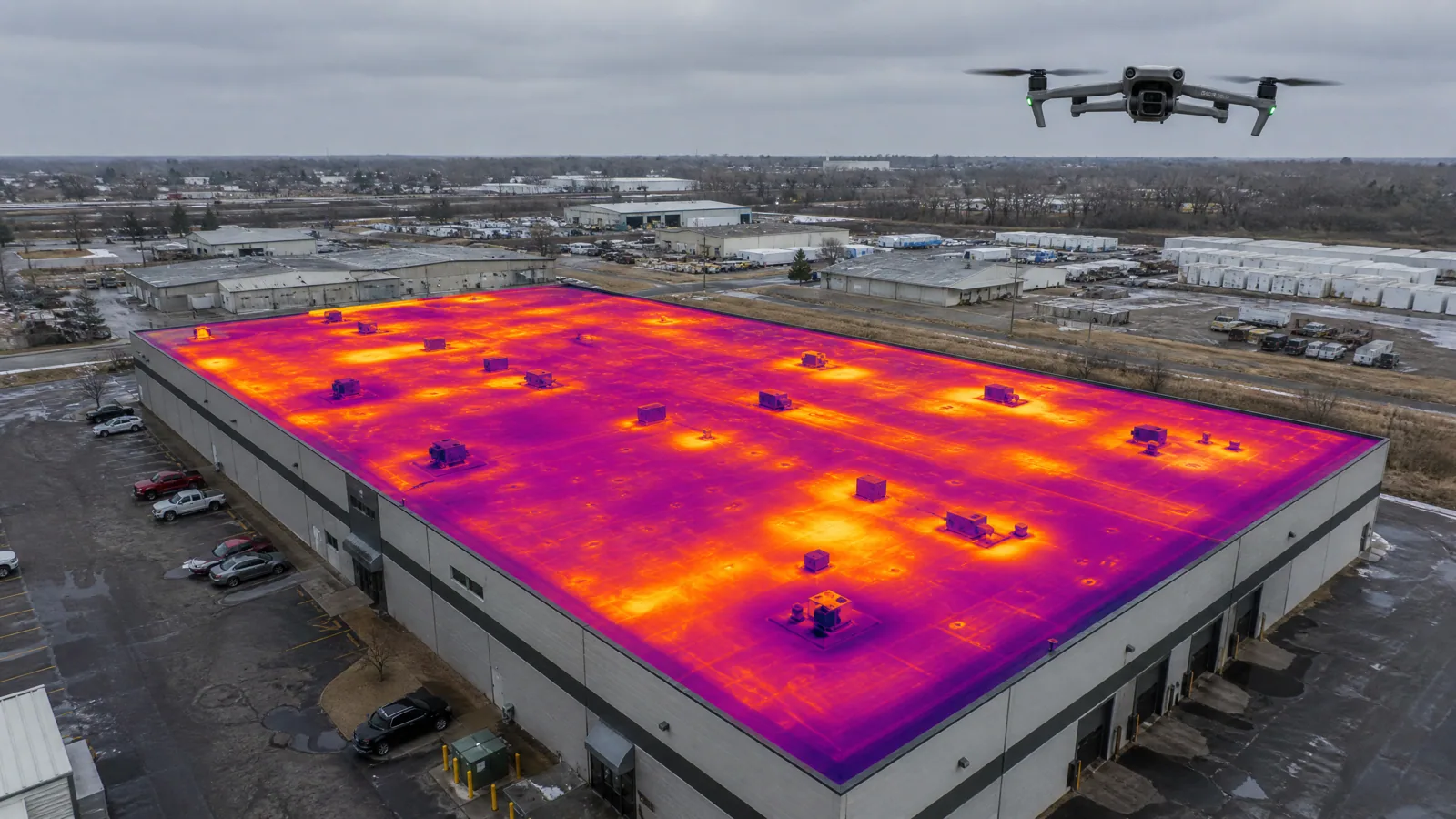
Moisture below the membrane is a separate question from the visible opening. Thermal images collected under suitable weather and roof conditions can guide investigation after interpretation; samples establish the concealed condition at the locations opened. We coordinate protection inside, photograph insulation and deck if exposed, and state where testing stopped. This allows the owner to decide whether more investigation is needed before a broad removal scope is priced.
Set Options from Verified Conditions
A local seam, puncture or flashing repair may be sufficient when surrounding material and attachment remain sound. We clean and prepare the area, use compatible components and inspect the completed tie-in. If a test finds wet insulation or damaged deck, we identify that work separately. The visible stain does not set the quantity; the affected assembly does.
When defects repeat or the roof has broader deterioration, recover and replacement can be compared with continued repairs. The existing layers, drainage height, edge metal, substrate and project criteria matter. A recover evaluation checks whether another layer is feasible without concealing wet material or compromising a termination. Replacement specifies removal and an approval method for concealed deck conditions.
Timing and price reflect access, staging, work height, deliveries, protection below, test openings and weather. At a station-linked property, public routes or shared loading may affect sequencing, but the building contact confirms the real constraints. The proposal shows base work, allowances and the steps for reviewing changes if removal exposes conditions not visible on the initial walk.
Keep Climate Separate from Roof Evidence
Alexandria's climate includes warm summer days, winter freezes and occasional snowfall. At Braddock Road, we inspect transition movement and cold-season drainage, then use field evidence to decide whether either needs work. Regional climate alone cannot diagnose the roof.
Alexandria's low elevation beside the Potomac leaves the city susceptible to tidal and heavy-rain flooding. On a commercial roof, we inspect the outlet and overflow path, look for water marks, and note whether the drainage route is clear. Water entry still needs confirmation at the roof. If concealed layers or structural slope remain in question, we identify the records or tests needed to evaluate them.
Work timing depends on the roof surface, material, forecast and dry-in. Before opening a zone, the crew sets a secure closure point. For active water entry, a response can be arranged nights, weekends and holidays to locate the source and protect the space; permanent repair follows when the surface and access support that method.
Coordinate Around Station-Area Use
The plan ties neighborhood retail and office properties to Metrorail, so circulation and deliveries should be checked with the current site contact. We confirm where a vehicle or lift can stand, which routes must remain open, and whether noise or staging has a restricted window. The Braddock Metro plan includes King Street retail planning, but those boundaries do not tell us a shop's current hours or loading instructions.
On occupied buildings, a phased reroof plan can divide work by roof zone when each area can be secured and tied in. It identifies protection below, equipment coordination and daily closure. If another trade has work at a curb or penetration, we agree on the flashing sequence before the membrane is disturbed. A site representative approves any restriction that affects a public entrance or tenant route.
Document the Repair for Future Work
Closeout names the address, inspected zone, visible assembly, repair method, photographs and any limitation on access or testing. A field sketch ties the reported room to the roof details reviewed. If the material or concealed layer could not be verified, we preserve that point as an open question instead of silently carrying it forward as a fact.
A maintenance inspection can revisit drains, seams, edge metal and previous repairs after later rain. For a commercial property near King Street, note that the retail strategy is part of Old Town planning; that fact does not replace building-specific conditions or access rules.
Send the Braddock Road address, reported condition, roof documents and site contact. We will inspect the relevant zones, report what is confirmed and prepare a repair or larger scope that identifies schedule assumptions and any further testing needed.
Service Areas
Commercial Roofing Questions
What should a Braddock Road property manager share before inspection?
Share roof plans, repair history, leak locations and any station-area access or loading restrictions. We confirm the assembly and current conditions at the property before setting the repair boundary.
How do station-area operations affect commercial roof work?
The project contact confirms loading, deliveries, lift placement, public routes and work hours. Those details shape staging and daily closure. We record the assumptions in the proposal so the sequence reflects the actual address.
Can a leak be located from a ceiling stain alone?
No. Water may travel beneath the roof before it reaches the room. We compare the interior report with roof slope, drains, seams and transitions, then state what was observed and whether a test opening is needed.
When should a Braddock Road roof be considered for replacement?
We compare the membrane, attachment, drainage and concealed moisture with the extent of repeated failures. A bounded defect may support repair; broader deterioration may justify recover or replacement options. The scope identifies verified conditions and open tests.
Can work be phased around retail tenants?
Yes, when each zone can be made weather-tight and the site permits the sequence. We coordinate noise, access, deliveries and protection below with the property contact before opening the roof.
Scope Commercial Roofing at Braddock Road
Provide the property address, reported condition, access contact and any station-area construction constraints. We will inspect the roof zones and prepare a scope tied to visible findings.