
 Services
 Roof Systems
 Property Types
 Industries
 Damage Repair
 Capabilities
 Manufacturers
 Service Areas
Church and House of Worship Roofing in Alexandria, VA
Property Types We Roof:
A ceiling stain in a sanctuary may trace back to a roof valley, parapet or flashing detail far from the pews. We inspect the water path and building transitions, then set a repair boundary that the congregation can review. Alexandria’s heavy rain tests drainage and edges, while winter freezes can stress wet details. Worship schedules, community programs and building access shape when the roof can be opened.
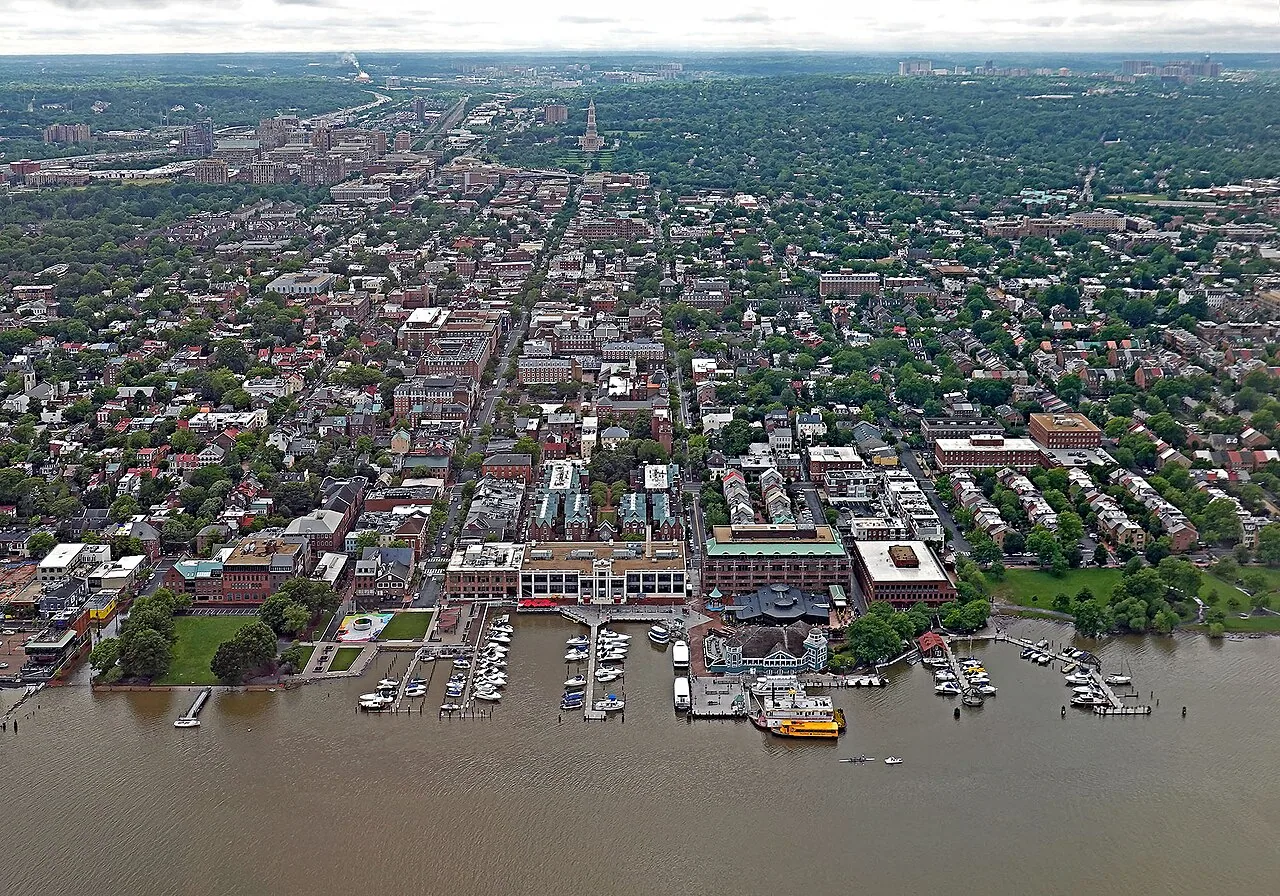
Old Town includes office, lodging, retail and civic properties; Seminary Hill includes institutional and neighborhood commercial properties. Their location does not establish the age, roof type or historic status of a particular house of worship. We inspect the building and confirm access rules before planning work. A school roof may share calendar constraints, while a government building can have separate access controls.
Church and House of Worship Roofing
Read the Roof Shape and Details
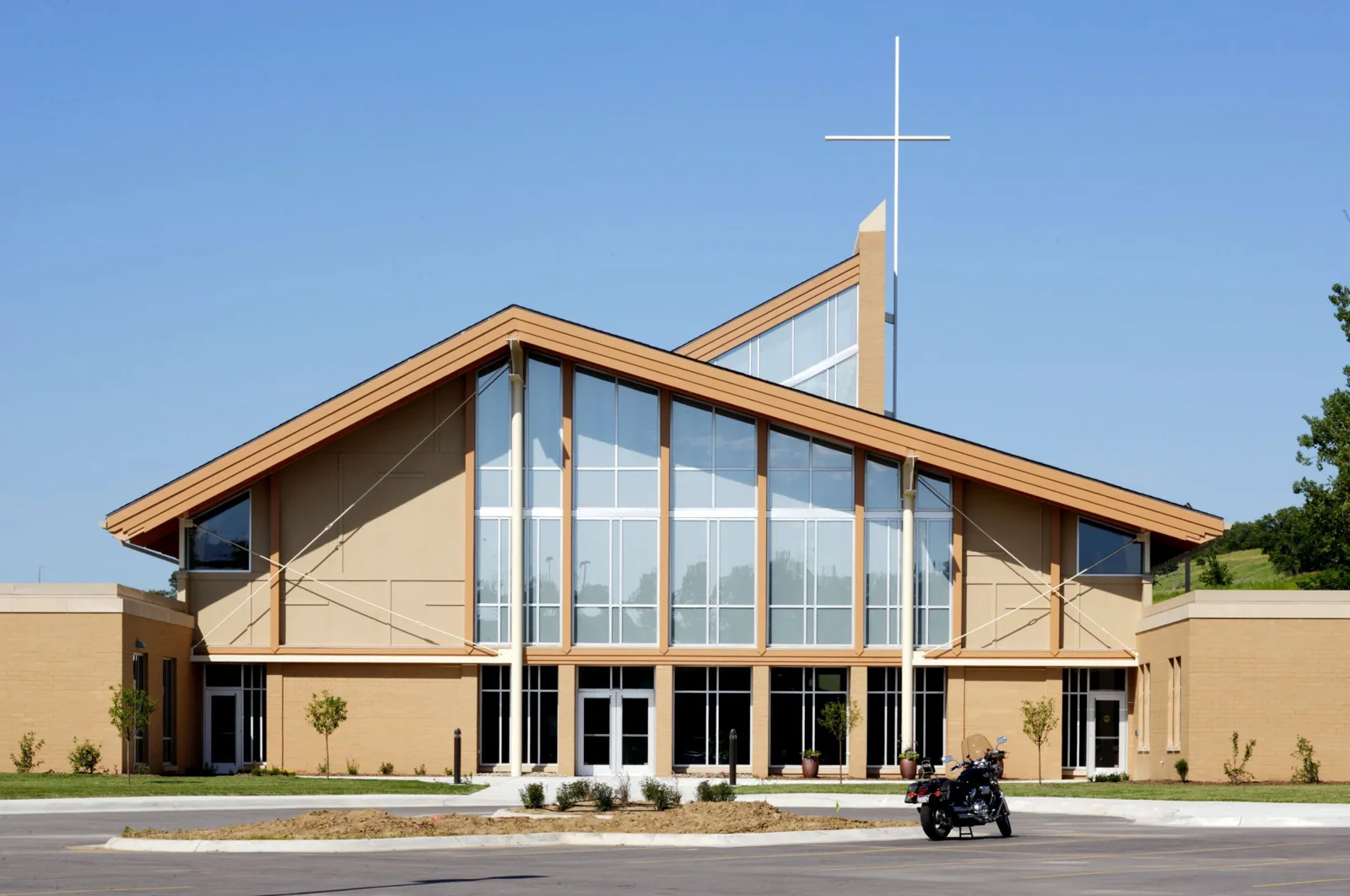
A worship building may include sloped sections, low-slope additions, towers, parapets, halls and service areas. We identify each assembly rather than treat the property as one roof type. Valleys, wall intersections, steeple transitions and roof-to-addition joints can concentrate runoff. The inspection photographs each transition and notes which areas were safely accessible.
A steeple or tower can have limited access and different materials from the main roof. We check visible cladding, seams, flashing and connections from a safe position. If close access is needed, the scope identifies the lift or fall-protection plan. We do not assume that a tower is part of the same roof assembly as an adjoining hall.
Interior stains may appear below a distant roof transition. We compare them with valleys, gutters, penetrations and parapets, then mark a likely route. If the building has prior repairs or additions, plans and maintenance notes can help identify changes in the assembly.
Work Around Services and Programs
The building contact identifies service times, weddings, community meals, classes and other dates when entrances or halls need to remain available. We coordinate roof access, deliveries, noise and any temporary closure with that calendar. If a leak is active, emergency response is available at any time, weekends and holidays included, while permanent repair is arranged.
Removal or coating can create noise, odor and debris. We plan barriers and protection below the work area and identify a secure stop point for each shift. A project can move across roof zones so the sanctuary or hall remains open when the conditions allow. The estimate states what space below might need to be closed temporarily.
Where volunteers or outside groups use the building, the manager confirms access and notice requirements before mobilization. We agree who can approve a test opening or change in work area. That avoids scheduling roof work against an unlisted event or leaving a space below without notice.
Trace Water at Valleys and Walls
Water can travel from a valley or flashing joint before reaching the ceiling. We compare the room location and leak timing with roof edges, penetrations, drains and transitions between additions. A leak investigation documents the likely entry point separately from the interior stain.
At a tower, chimney or wall, flashing needs to direct water away from the roof opening and remain secure through movement. We inspect counterflashing, sealant, exposed fasteners and adjacent roofing. A edge and coping review can address a confirmed perimeter defect, while a separate roof covering issue stays within its own repair scope.
If visual inspection cannot confirm whether water crossed the transition, we may recommend a controlled test or opening with owner approval. The test is limited to an identified location and restored as specified. Findings at one valley do not confirm other roof areas.
Keep Water Off Entrances
Heavy rainfall in Alexandria makes the roof outlet and overflow route useful inspection points. We follow runoff to gutters, drains, scuppers and overflow points, then note blockages and discharge routes. Regional flood exposure does not prove a defect at a church. The inspection describes the building’s own drainage and flashing conditions.
A clogged gutter can spill onto an entrance, walkway or lower roof. A drain and scupper service can clean or repair the outlet; membrane and flashing work are itemized separately. If water remains because of slope or deck movement, clearing the outlet does not correct the cause.
Ground-level drainage around an entrance may need coordination with a separate trade. We identify where roof runoff discharges and note the property contact’s concern, but do not extend roof repair scope to unrelated site drainage. Photos show the exit point so follow-up can be assigned clearly.
Choose Repairs That Fit the Assembly
A localized metal, membrane or flashing defect can be repaired when the surrounding material is sound and compatible. We identify the roof system first, prepare the damaged area and photograph the completed tie-in. If removal reveals wet wood, insulation or deck, we document the opening and seek approval before broadening work.
For multiple leak areas, compare local repairs with a larger replacement or restoration. A roof inspection can organize visible findings and test locations. A replacement review defines removal, flashing and protection if the covering is broadly compromised. The method follows the materials and design at the property.
Alexandria construction applicants are directed to the 2021 Virginia Codes. Design and permit review establish project requirements. The architect and construction lead resolve transitions at towers and additions, including any review required for the specific building.
Document the Building for the Next Season
Closeout photos show repaired valleys, walls, gutters, penetrations and any test opening. We list the roof section, material and limits of work. The building’s facilities contact can keep the record with service schedules and notes from the next heavy rain.
For a property near Old Town or Seminary Hill, retain access instructions and event dates with the roof plan. Share leak locations, prior work and upcoming programs when requesting follow-up.
A building with multiple roof forms benefits from a closeout record organized by section, not just by campus or service date. Note where a valley meets the addition, which wall flashing was rebuilt, and whether the work ended at a material change. The next maintenance visit can then inspect the same transitions after heavy rain and compare them with dated photographs before recommending more work. Keep any area missed for access listed separately.
Property Types We Roof
Commercial Roofing Questions
Can roof work be scheduled around worship services?
Yes, when the weather and repair method allow. We coordinate service dates, community programs, access and noise with the building contact. The plan states any temporary entrance or room closure.
How do you inspect a church steeple or tower?
We review safe access, visible cladding, seams and flashing from approved positions. If a closer inspection is required, the estimate identifies equipment and fall-protection needs. Findings are kept separate from the main roof assessment.
Can a sanctuary leak come from a roof valley?
It can. Water may travel from the valley along framing before appearing inside. We compare the interior location with roof transitions and document the likely entry point, using an approved test if visual evidence is not enough.
What if the building has several roof types?
We identify and record each assembly separately. A metal tower, sloped sanctuary roof and low-slope hall need different inspection details and repair materials. The scope ties each recommendation to a roof section.
What should the building committee provide?
Send roof plans, past repairs, service and event dates, interior photos and access instructions. We verify the building conditions and identify any test opening or area that could not be reached safely.
Plan Church Roofing in Alexandria
Share the building address, roof plans, service calendar, leak locations and access rules. We will inspect each roof assembly and coordinate repairs around worship and community use.