 Services
 Roof Systems
 Property Types
 Industries
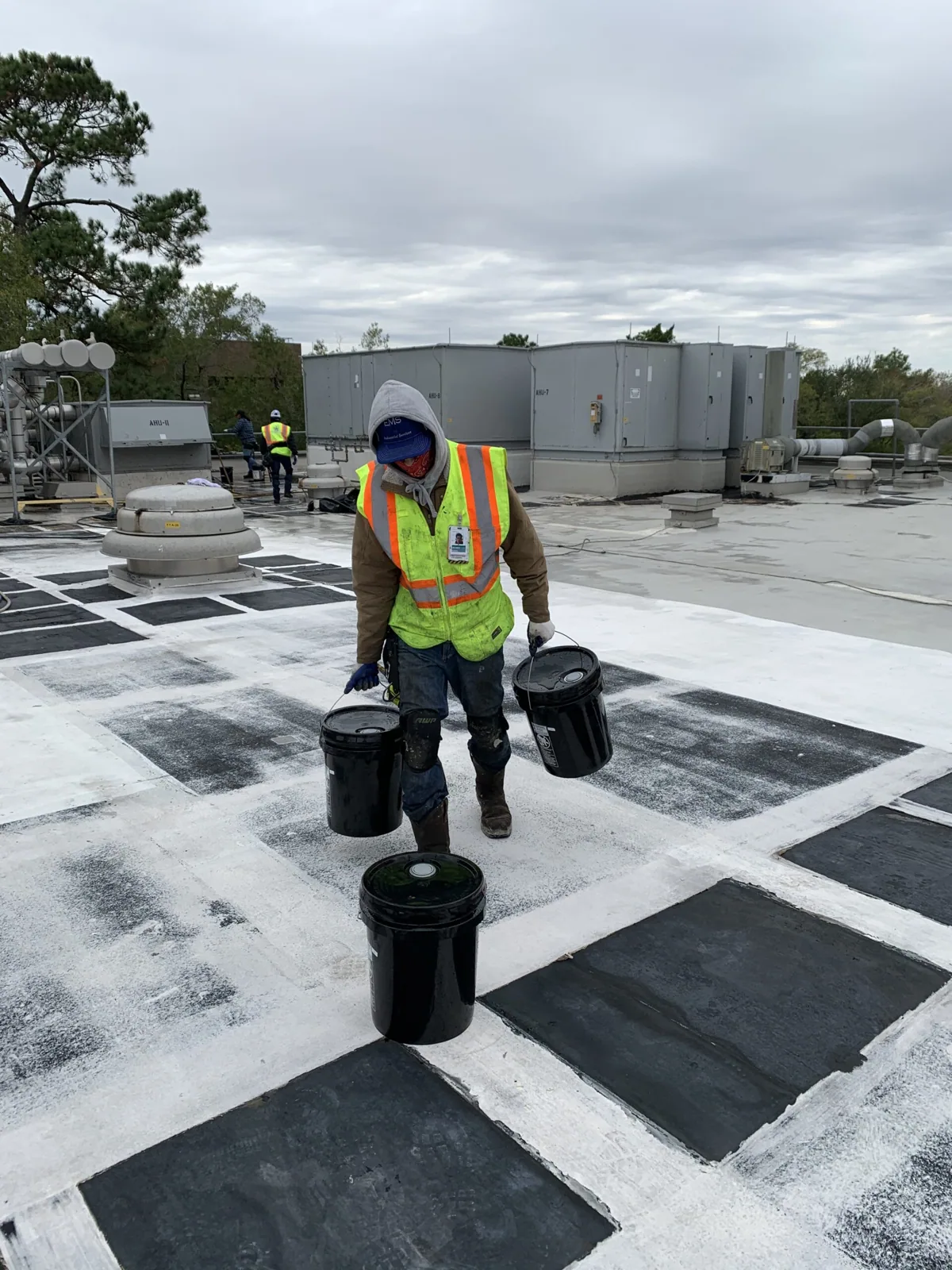 Damage Repair
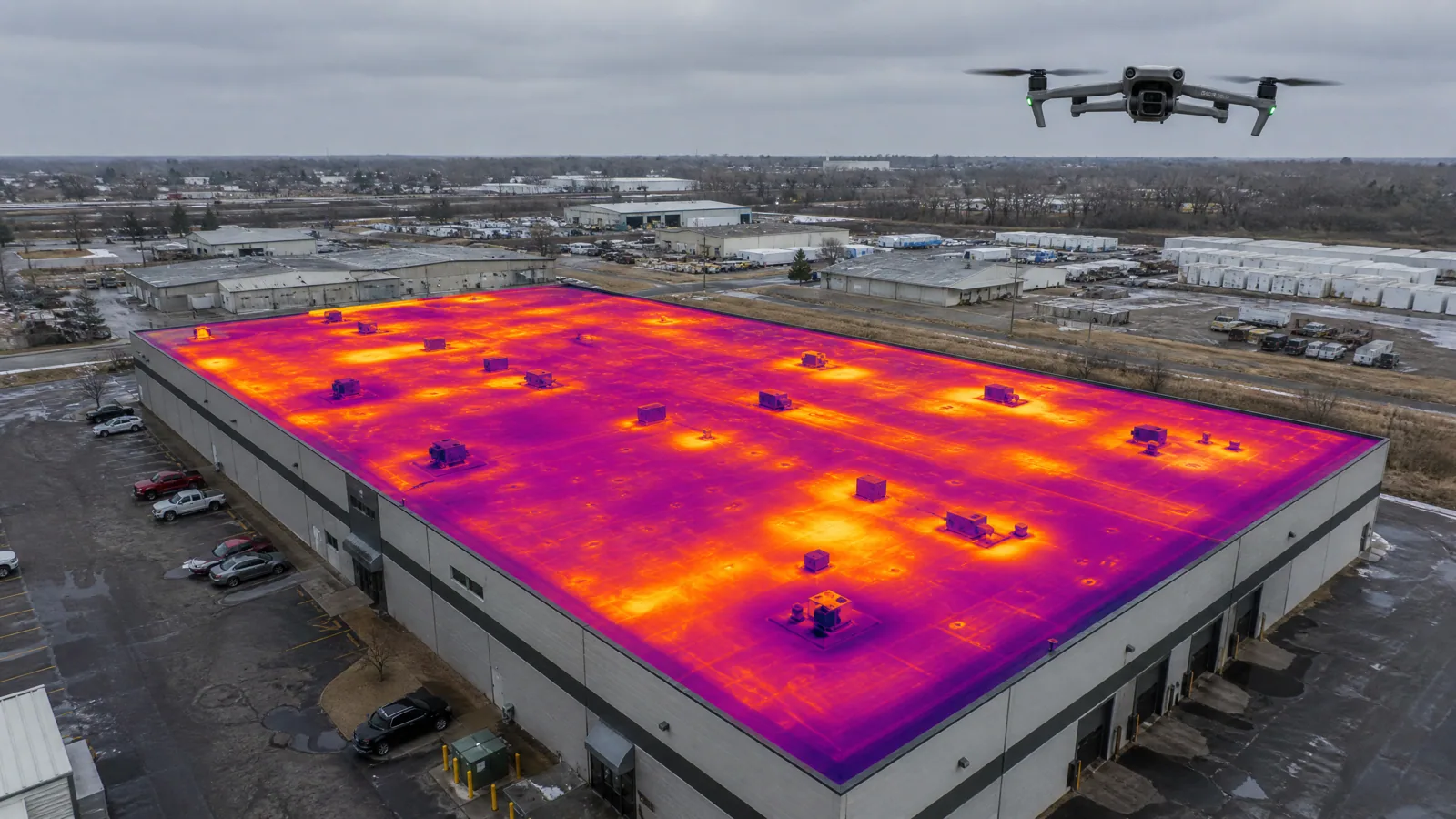 Capabilities
 Manufacturers
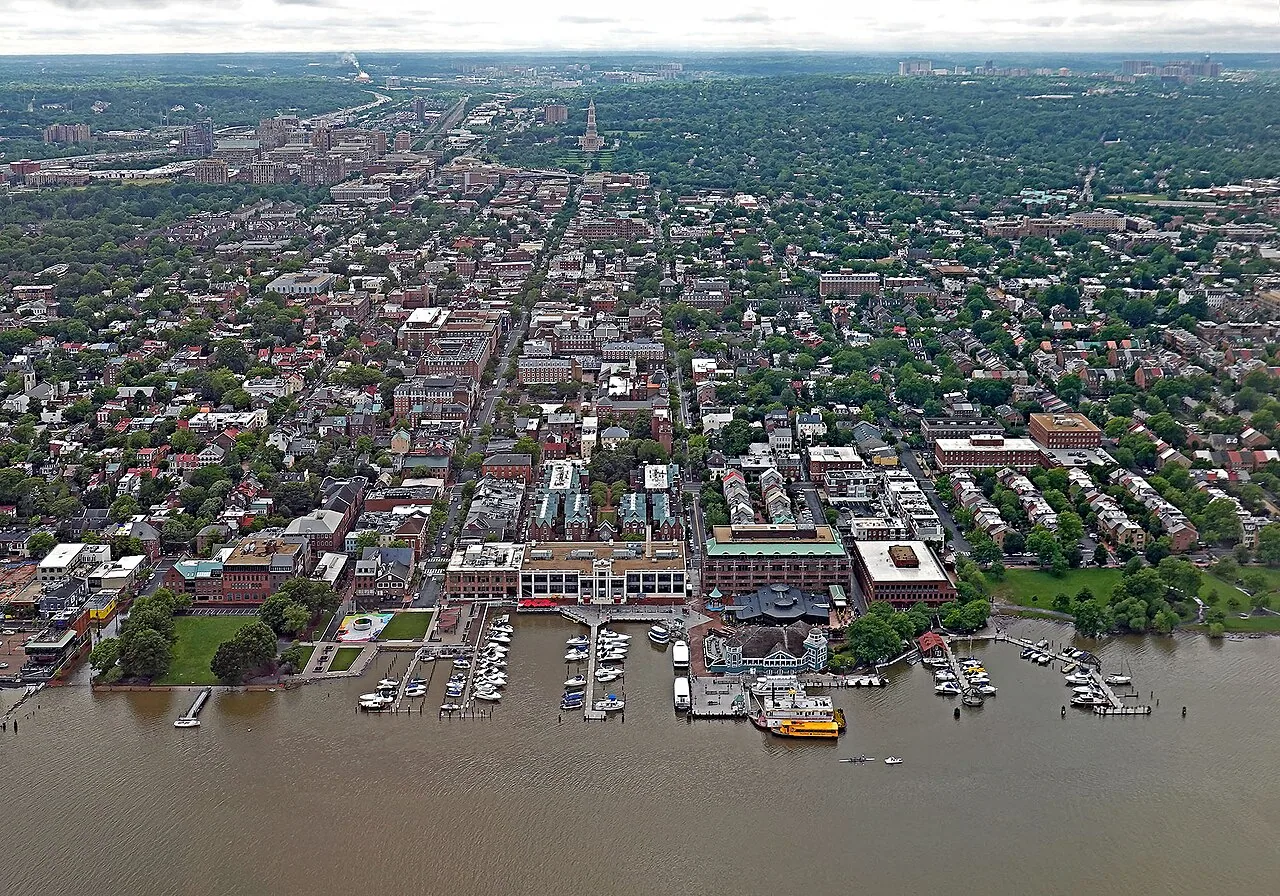 Service Areas
Commercial Roofing in Old Town, Alexandria, VA
Service Areas:
- Commercial Roofing in Carlyle, Alexandria, VA
- Commercial Roofing in Landmark / Van Dorn, Alexandria, VA
- Commercial Roofing in Eisenhower East, Alexandria, VA
- Commercial Roofing in North Potomac Yard, Alexandria, VA
- Commercial Roofing in Potomac Yard, Alexandria, VA
- Commercial Roofing in Old Town North, Alexandria, VA
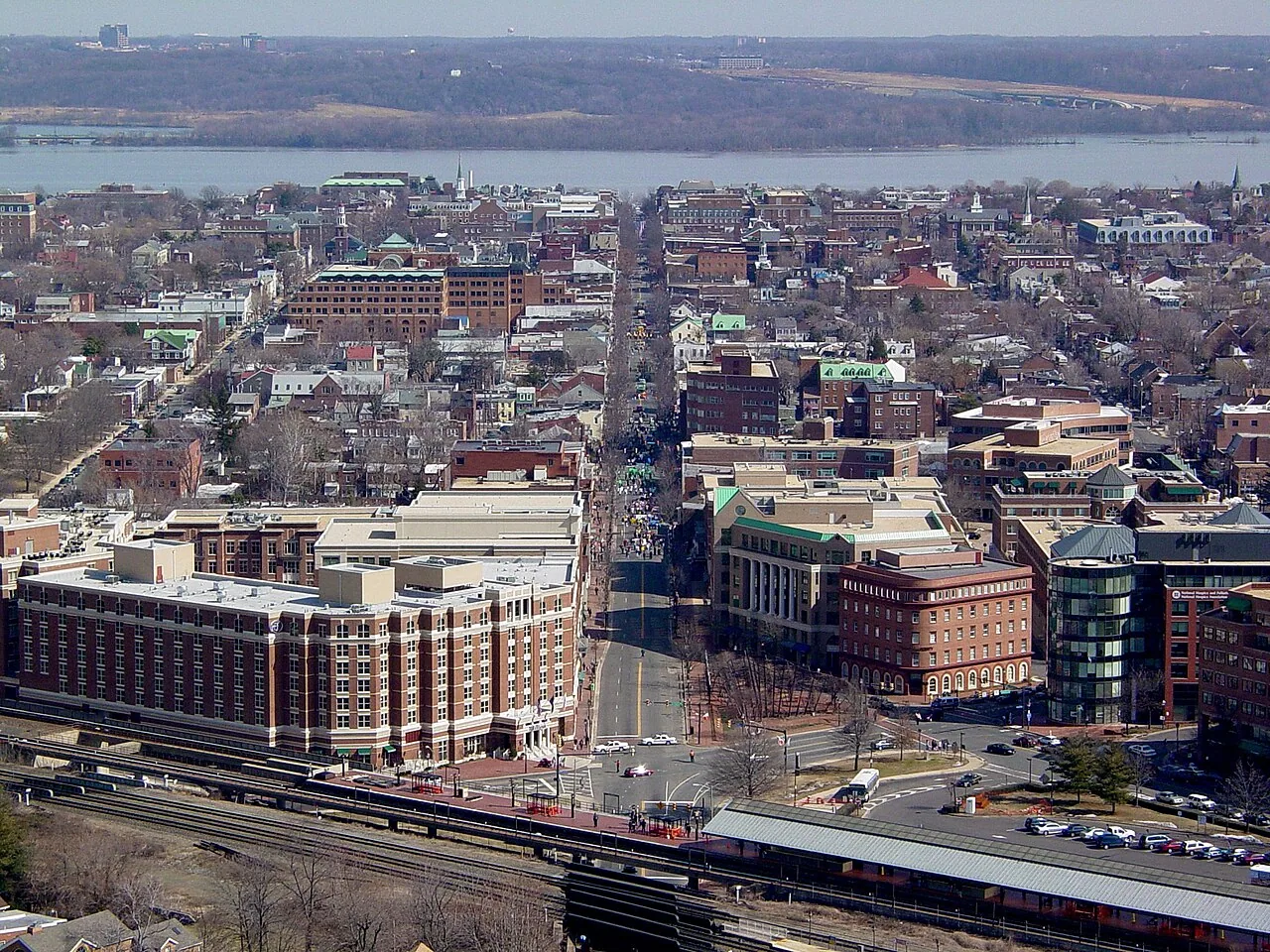
King Street's offices, lodging, retail and civic properties create a dense commercial mix in Old Town. The district's historic area also includes protected buildings along the Potomac waterfront. We start with the actual address, roof condition and project constraints; those area facts do not establish a building's age, membrane, roof history or preservation requirements. The inspection records the assembly and the work boundary before a repair is priced.
Alexandria, VA experiences summer heat, winter freeze-thaw and intense rain. Near the waterfront, the city's tidal and heavy-rain context makes drainage routes worth examining, but regional exposure is not proof of damage at one property. We inspect drains, overflow points, edges and flashing at the roof. Braddock Road and its station-area retail and office planning form a different district context, with separate access and roof conditions.
Old Town
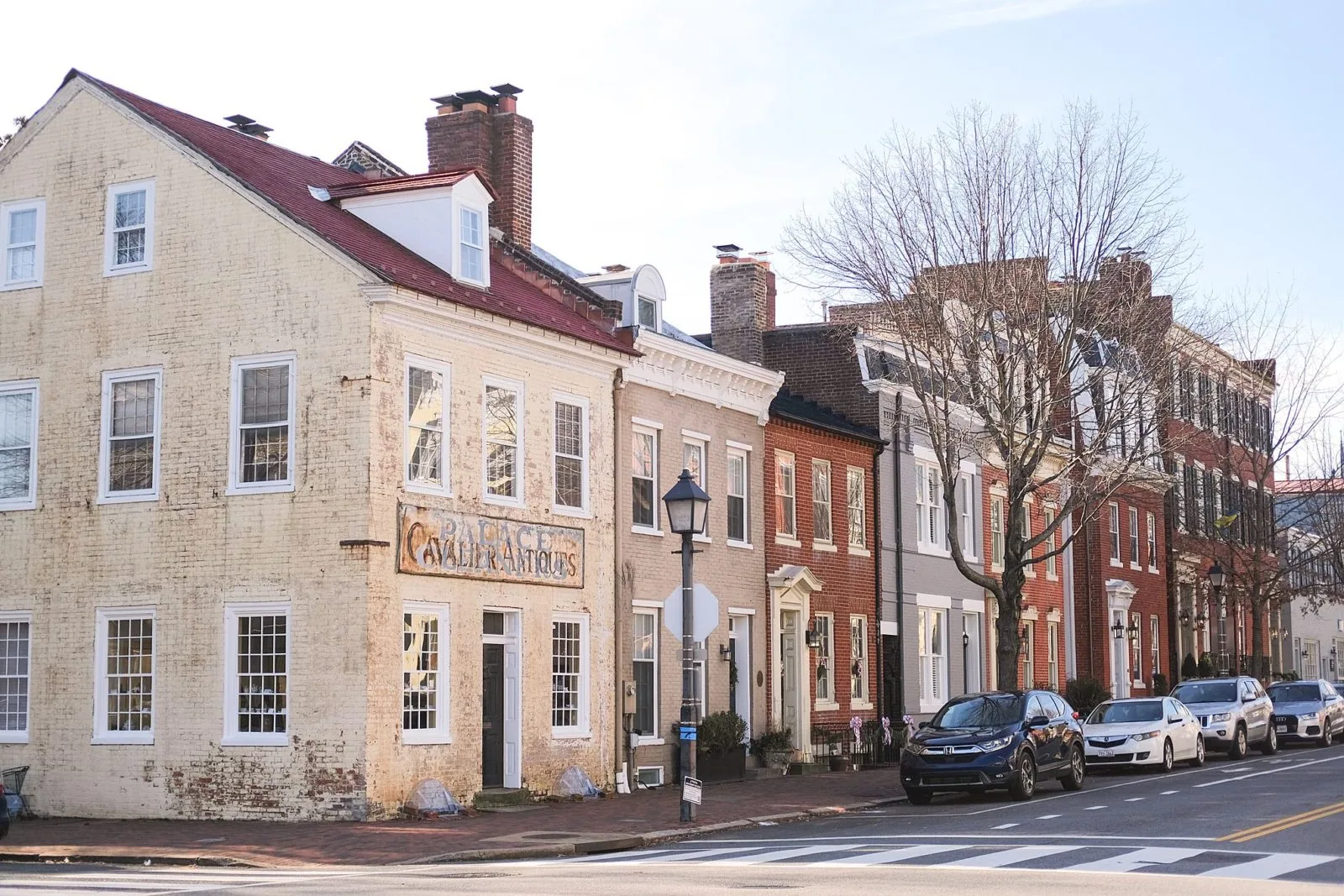
Read the Roof with the Address in View
We ask where moisture appeared, when it began and whether the condition changes after rain. A field walk compares that report with roof slope, drains, scuppers, parapets, curbs and penetrations. A commercial roof inspection identifies the suspected water path and visible defects in separate notes. That distinction matters in a dense mixed-use area because the space below the roof may have a different operator from the property owner.
King Street ties office, lodging, retail and civic properties into a compact commercial portfolio. The mix calls for site-specific communication, not a guessed tenant schedule. We confirm roof entry, working hours, loading and areas below that need protection with the owner or manager. If the property has protected status, the contact tells us whether the planned work requires additional review or documentation; we do not infer that process from a map.
Test the Path, Not Only the Stain
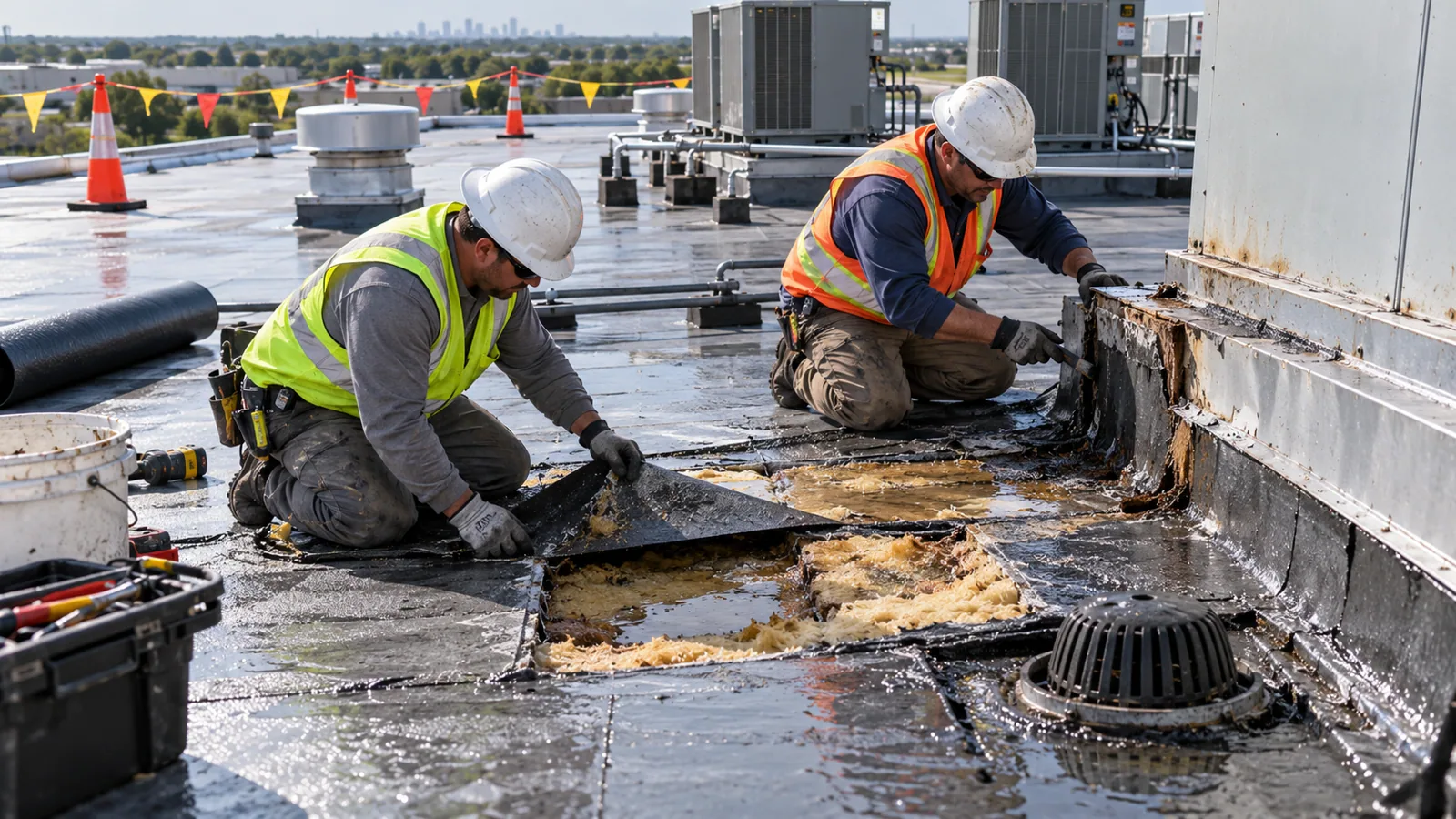
Water can move between membrane and deck before it shows inside. We compare the ceiling report with the nearest roof details, then expand the walk when slope or drainage suggests a longer route. Leak investigation records timing, photos and the affected zone. Where moisture below the sheet could alter the repair boundary, infrared readings may help choose a test location, but a test opening is what exposes layers at that point.
On a low-slope assembly, the drain bowl, membrane termination and surrounding slope need to be read together. At a parapet, the cap, wall flashing and termination can each affect how water crosses the edge. A drainage repair may be different from seam repair even if water appears near both details. The scope names the component supported by evidence and keeps unrelated corrections separate.
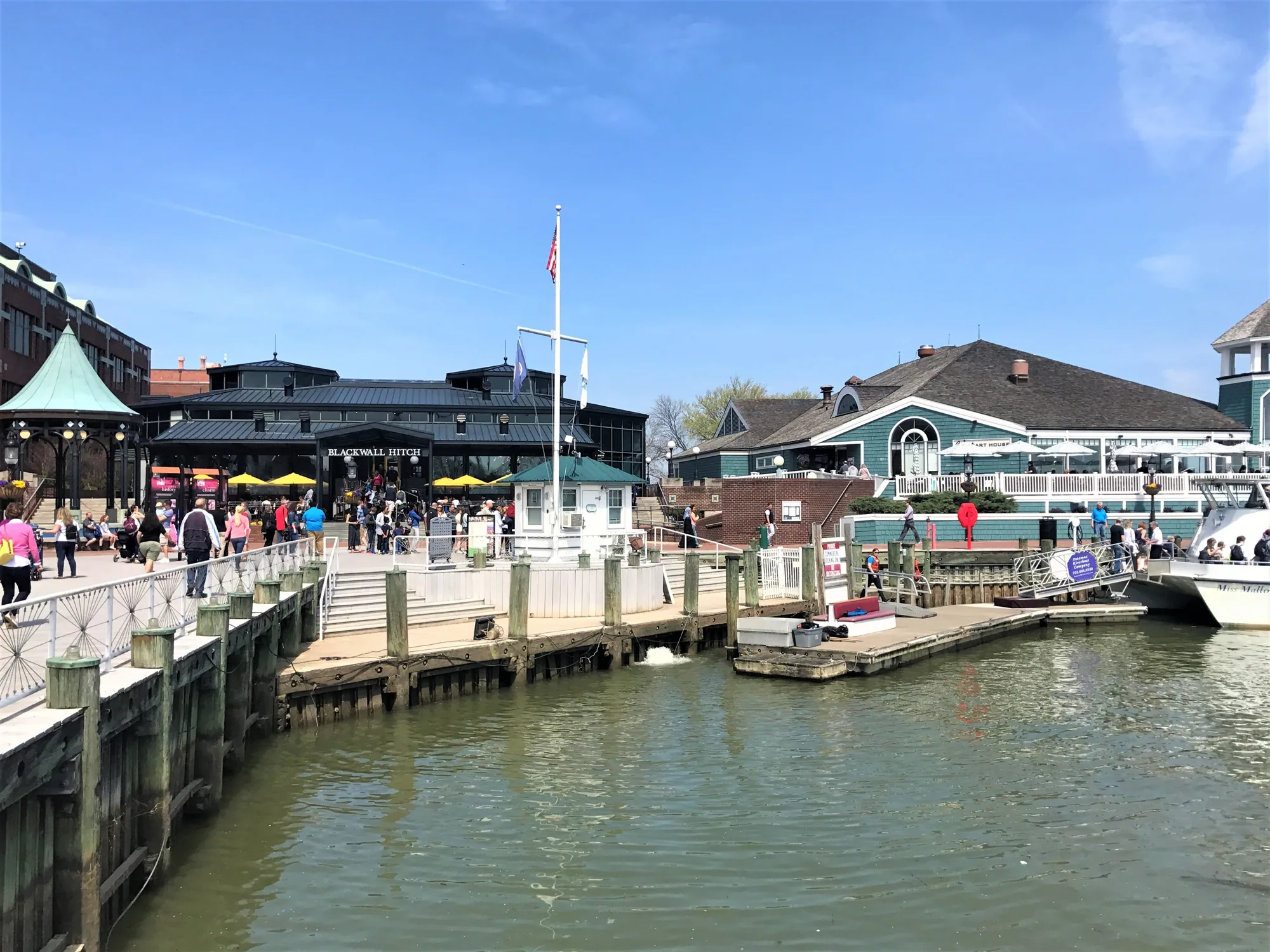
Heavy rain calls for examination of the roof outlets and overflow paths. At a waterfront property, flood planning also considers the ground-level discharge and site approach where those positions are affected. We document actual water marks, blocked outlets, open laps or failed flashings at the address, and report what remains hidden.
Set a Repair Boundary That Holds
A local patch or flashing correction may be enough when the membrane and attachment beyond the defect remain sound. We prepare the surface, use material compatible with the existing assembly and inspect the tie-in. If insulation is wet, a deck is damaged or an edge has loosened, the scope expands to those confirmed layers. We do not use the visible ceiling area as the measure of roof removal.
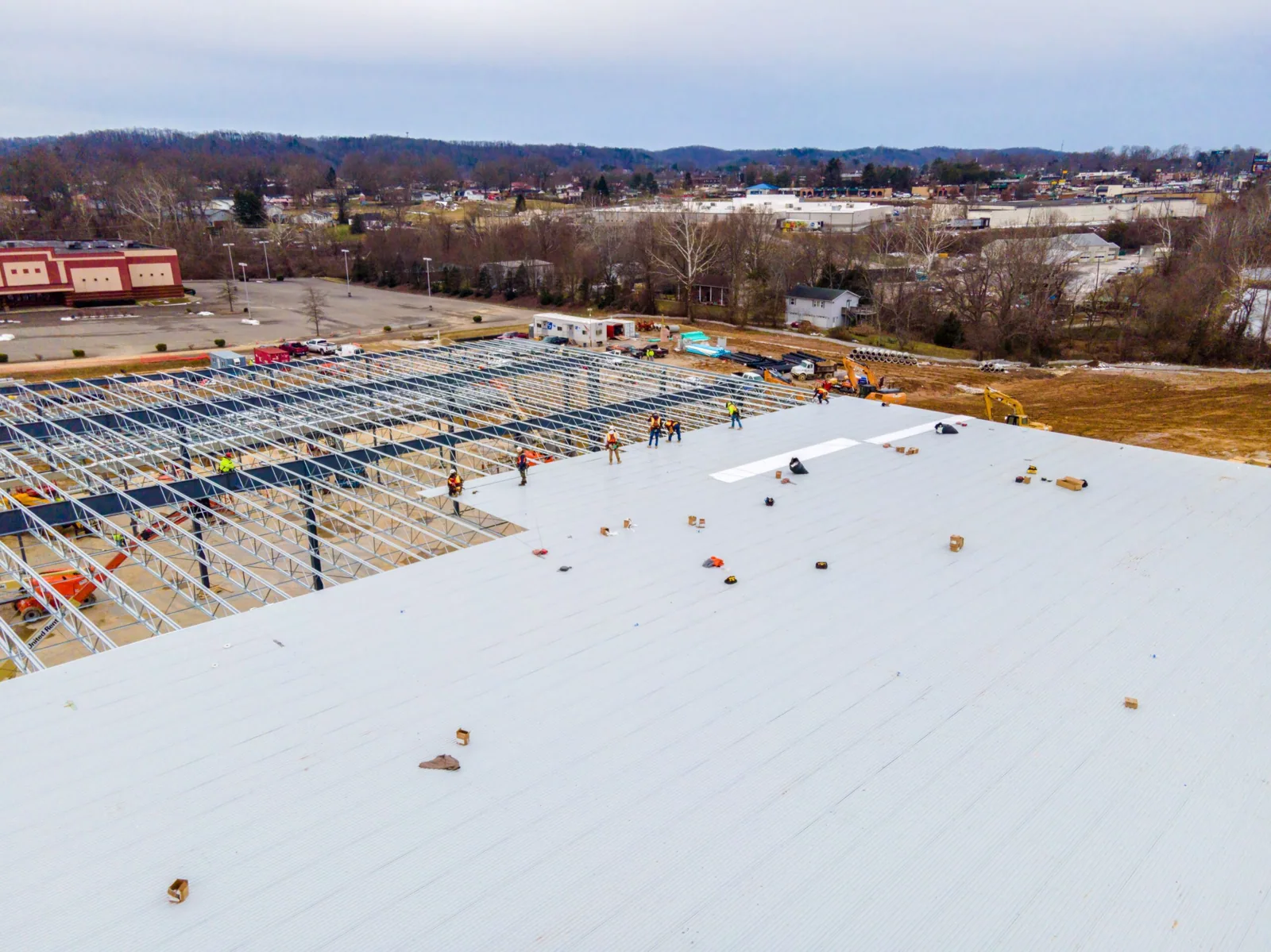
Several leak locations, widespread wear or recurring seam separation can make recover or replacement worth comparing. We inspect existing layers, drainage height, edge metal, roof access and project criteria. A recover evaluation considers whether another assembly can be added without trapping moisture or compromising transitions. Removal exposes more of the deck but adds disposal, dry-in and weather coordination.
Cost and duration depend on access, staging, material, protection below, test openings, repair depth and work hours. In Old Town, loading and occupied uses are confirmed for the specific property. The proposal separates base work from concealed-condition allowances and states how changes are measured and approved.
Account for Heat, Rain and Winter Change
Washington National Airport normals show sustained summer heat, winter freezing and average snowfall for the Alexandria area. These conditions can make membrane movement, cold-weather details and seasonal drainage checks relevant. They do not establish the condition of a roof in Old Town. We inspect how the actual seam, flashing, drain and perimeter have performed and consider the exposure only as context.
Alexandria's low elevation and Potomac proximity bring tidal and heavy-rain flood exposure into the city risk picture. On a roof, we check whether primary drains and secondary overflow routes are open and where water is retained. The inspection does not infer roof flooding from a city's flood map. If the drainage route cannot be verified because of access or concealed construction, the report states what information is still needed.
Plan for Occupied Commercial Use
A roof repair above a restaurant, office, lodging property or civic space can affect people below through noise, access, odor or temporary protection. The manager confirms actual business hours, delivery periods, security rules and areas that must remain open. We identify those constraints in the work plan and arrange communication before a lift or material arrives.
For a larger project, work can be divided into roof zones if each section can be closed safely. Phased reroofing defines where tear-off begins, how the crew protects interiors and the planned closing connection and suitable protection for the work area. A building with protected status may have project-specific conditions; the owner or design team supplies them for review before the material and sequence are finalized.
Old Town plans incorporate the Waterfront Plan, Hunting Creek Area Plan and King Street Retail Strategy. Those planning documents orient the district, but site access and roof design come from current records. The contact identifies loading, public routes, roof entry and any coordination with another trade. We include those assumptions in the estimate so duration is tied to an actual sequence.
Preserve the Roof Record
Closeout identifies the address, roof zone, assembly observed, materials installed, photographs and limits on access or testing. A field sketch can connect the room report to a drain, parapet or penetration. If the roof system or hidden condition could not be verified, the report keeps that open question visible for the next project rather than inferring it from the district.
Follow-up can revisit the repaired detail and the drainage route after later rain. A maintenance visit records changes at seams, edges and outlets. If work also touches Old Town North, that neighborhood plan includes retail, arts and cultural uses; findings and access assumptions remain attached to each address.
Send the Old Town property address, affected room, roof documents and access contact. We will inspect the relevant zones, explain what is verified and prepare a repair, recover or replacement scope with any testing or preservation-review question identified for the project team.
Service Areas
Commercial Roofing Questions
Does Old Town's historic district status establish roof material or repair rules?
No. The district includes protected buildings along the Potomac waterfront, but the property contact must confirm a specific building's designation and project review requirements. We document the roof assembly and coordinate the proposed work with the information provided.
How do you investigate a leak near King Street?
We map the interior report against roof slope, drainage, flashing, curbs and prior repairs. Water can travel before it becomes visible. The inspection separates likely path from confirmed entry and identifies whether testing is needed to establish the removal boundary.
What changes a repair into a replacement discussion?
The condition of the membrane, attachment, insulation, deck and drainage can move the scope beyond one defect. We inspect those components and state which are confirmed. Repeated failures or widespread wet material can support a separate recover or replacement comparison.
Can roofing work be scheduled around King Street businesses?
The owner or manager confirms hours, deliveries, access, security and any protected public routes. We use those constraints to set staging and daily closure. A district plan does not tell us the current operating schedule of an individual business.
Do Potomac flood risks mean an Old Town roof needs replacement?
No. Citywide exposure is a reason to examine drainage and overflow details, not a conclusion about the roof. We report the outlets, water marks, seams and interior condition observed at the address before recommending a scope.
Review an Old Town Commercial Roof
Provide the property address, reported water condition, available roof records, access contact and any preservation or operating constraints. We will inspect the affected zones and define a scope from field evidence.