Service Areas
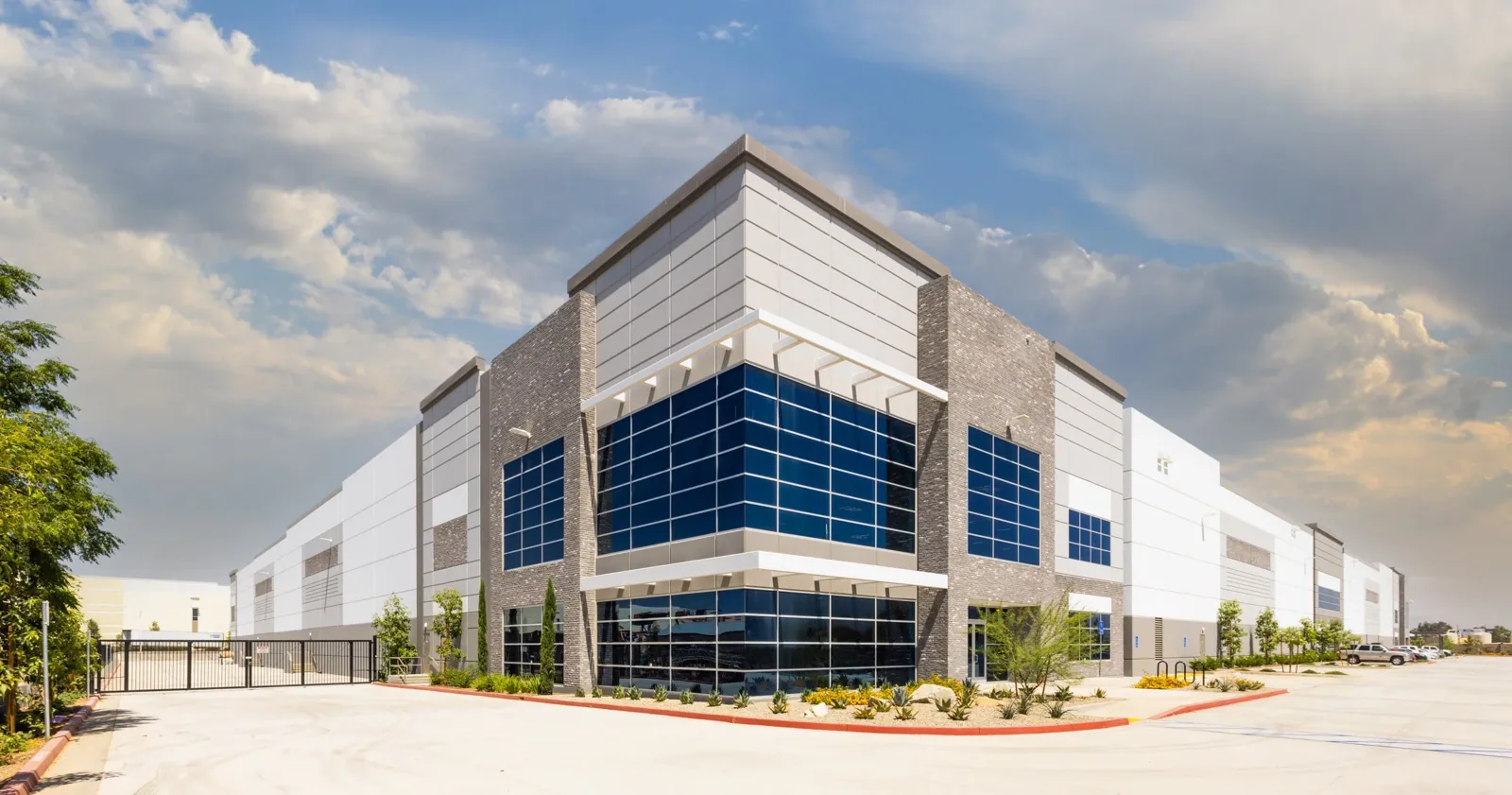
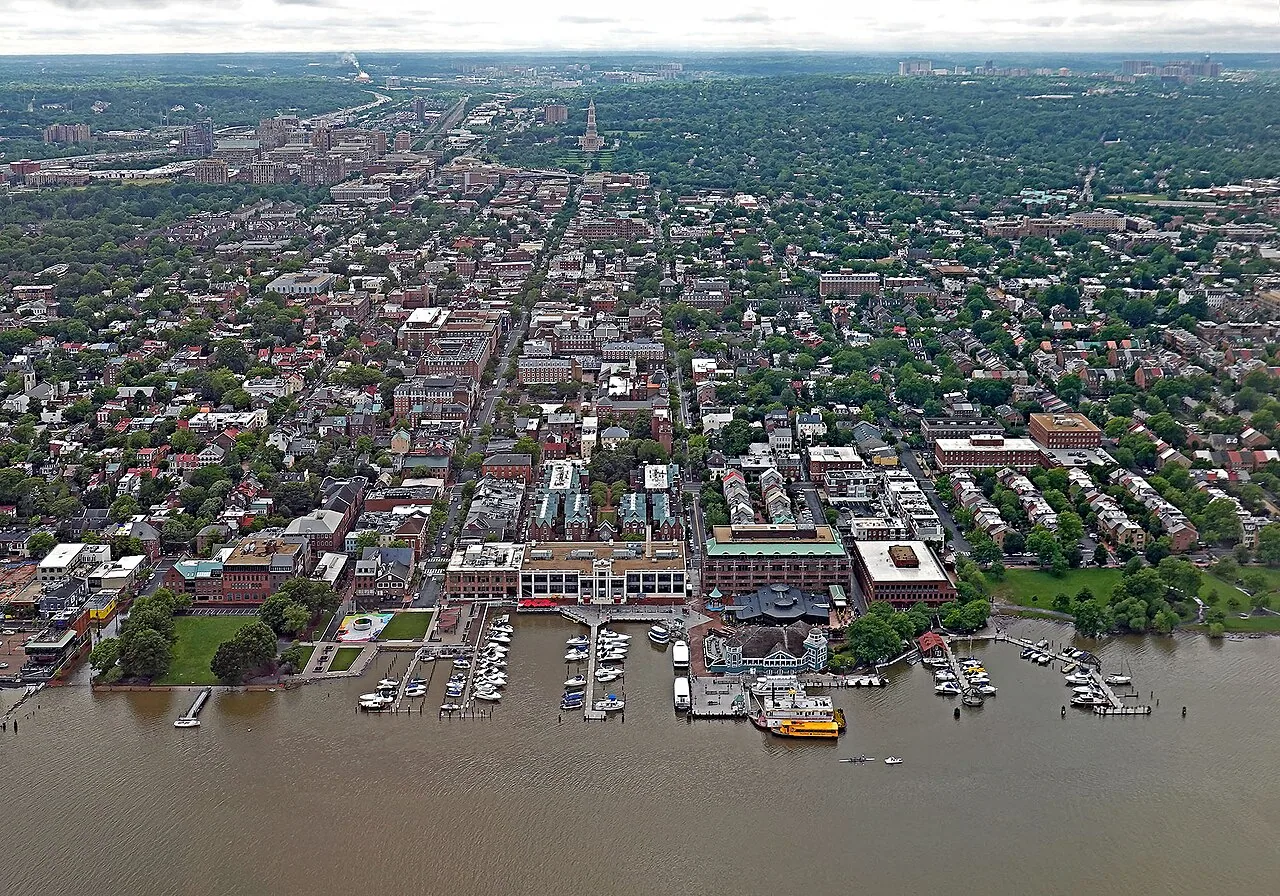
A roof scope stays tied to its property, even when buildings share a corridor or neighborhood plan. We inspect commercial roofs across Alexandria and nearby parts of Northern Virginia, recording the system, reported condition, access and work limits at each address. We identify the roof assembly and observed condition at the property before preparing a repair scope.
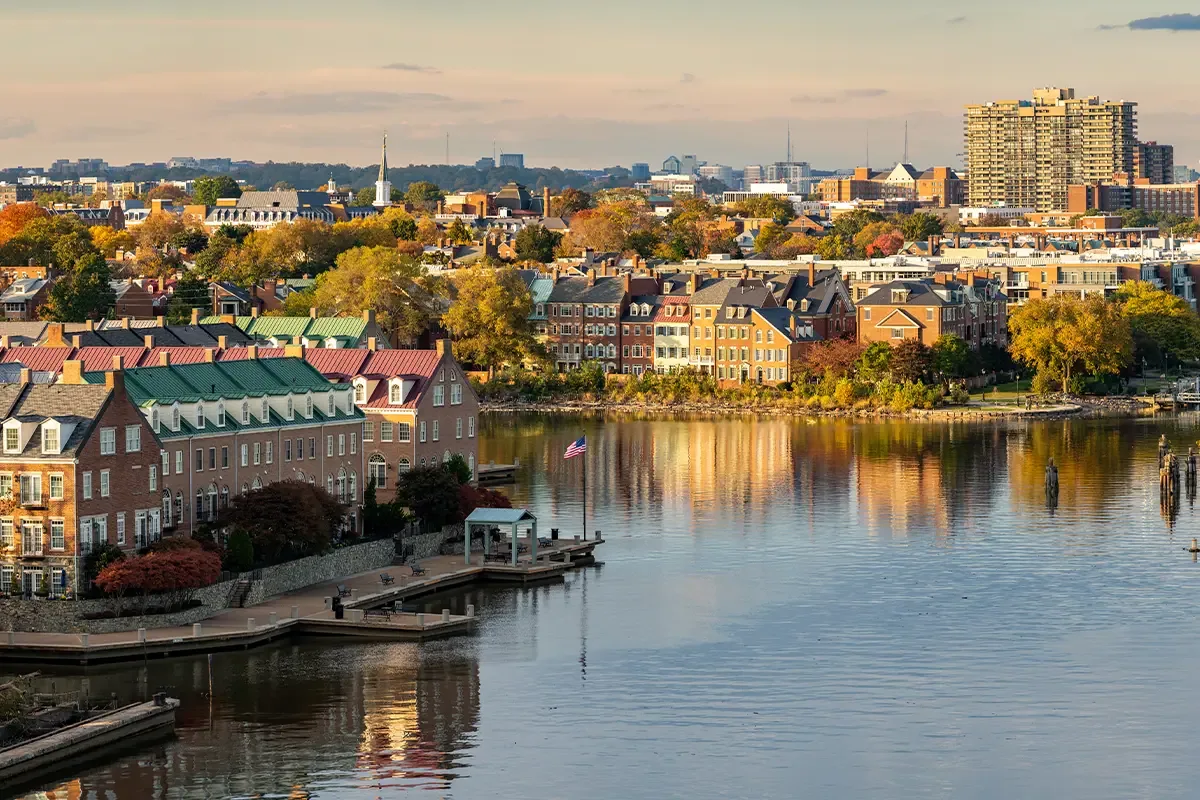
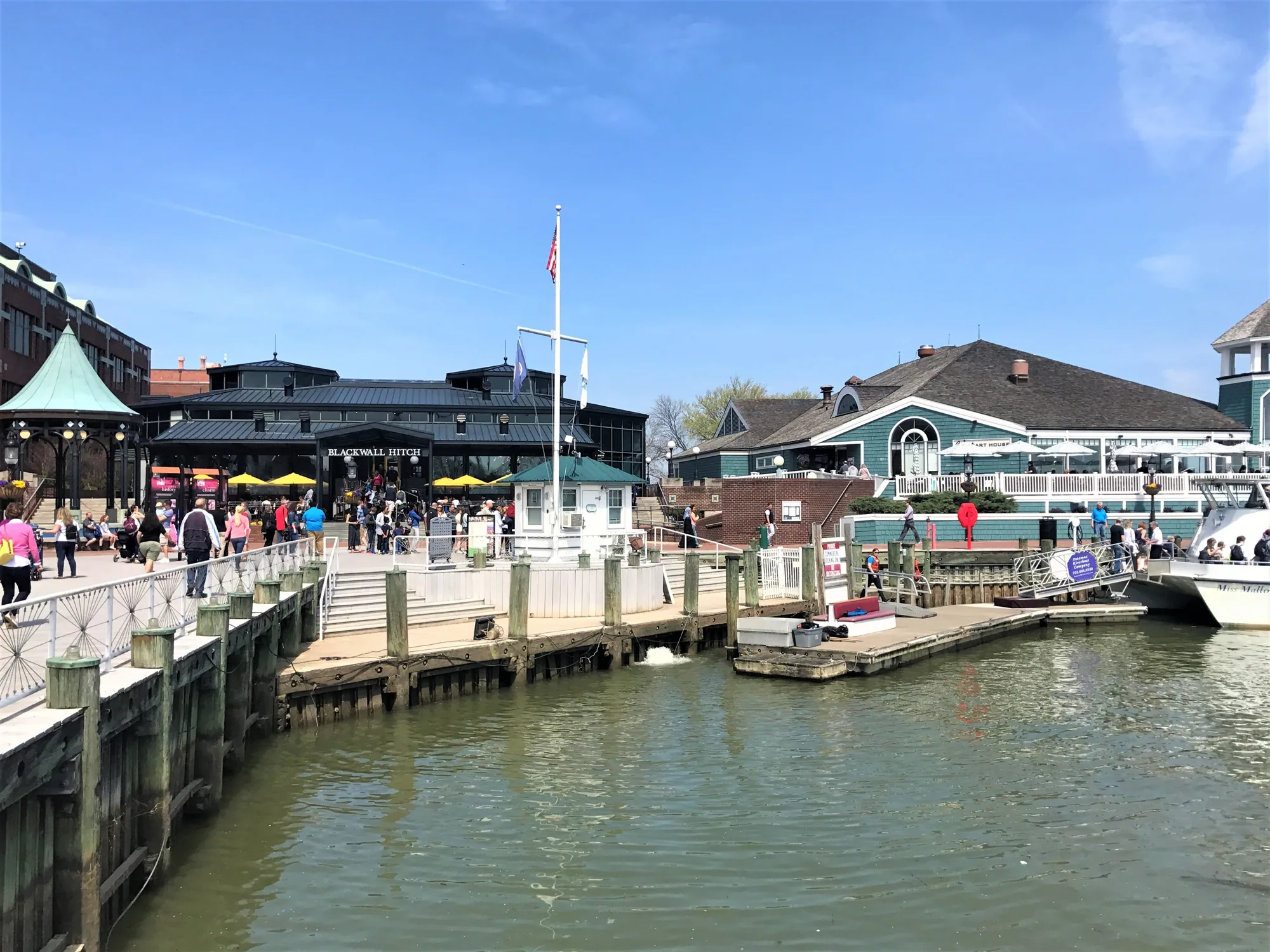
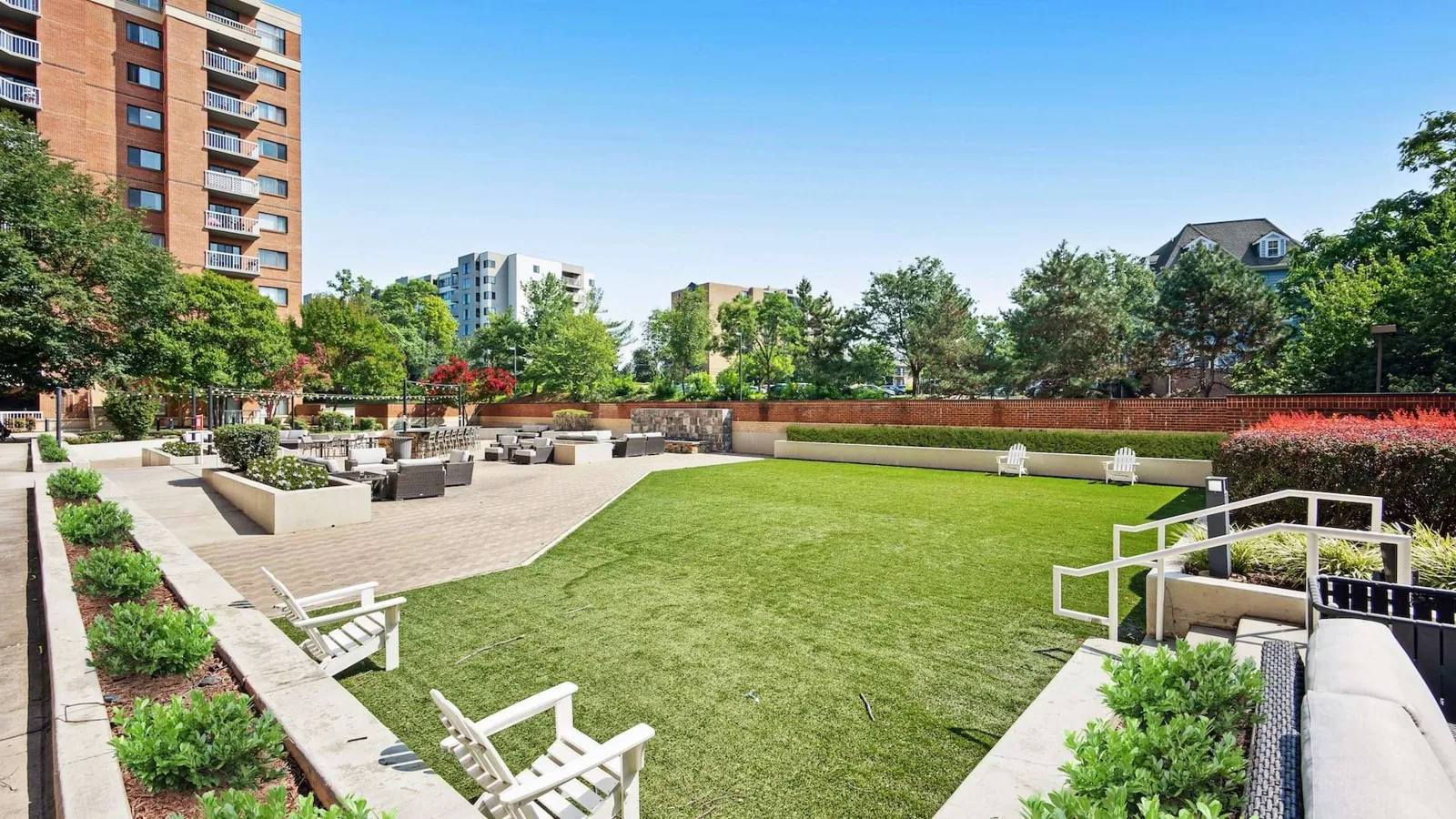
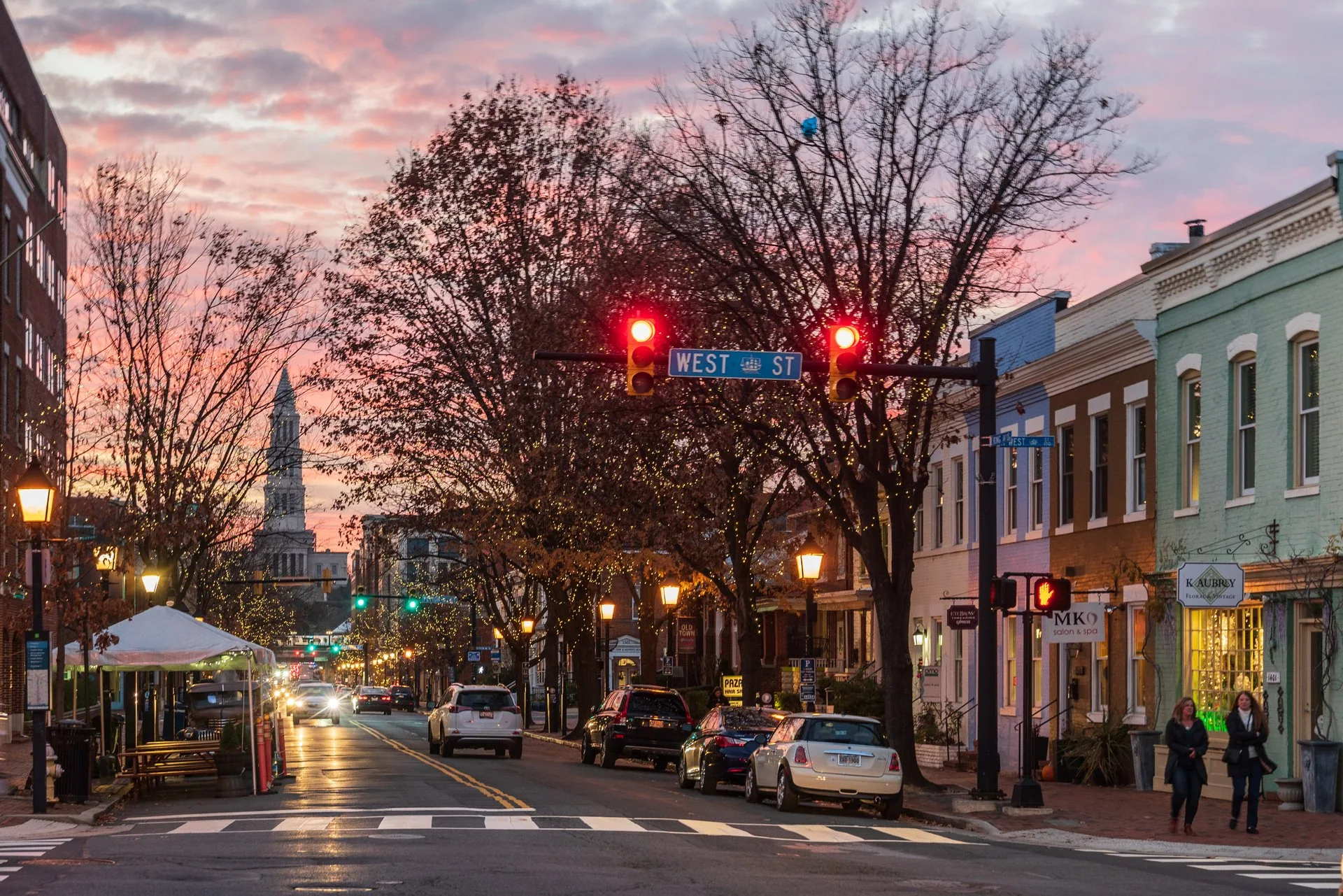
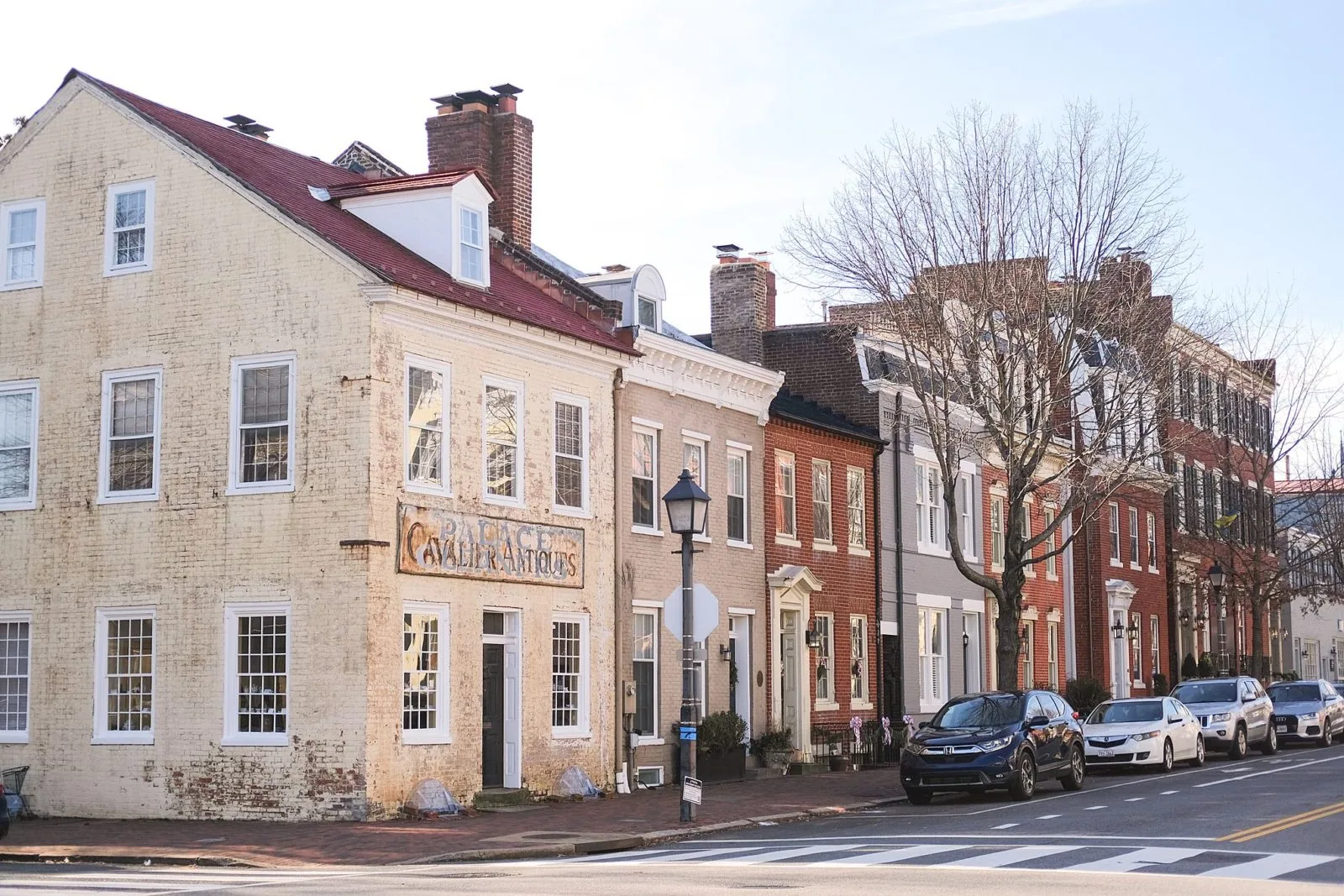
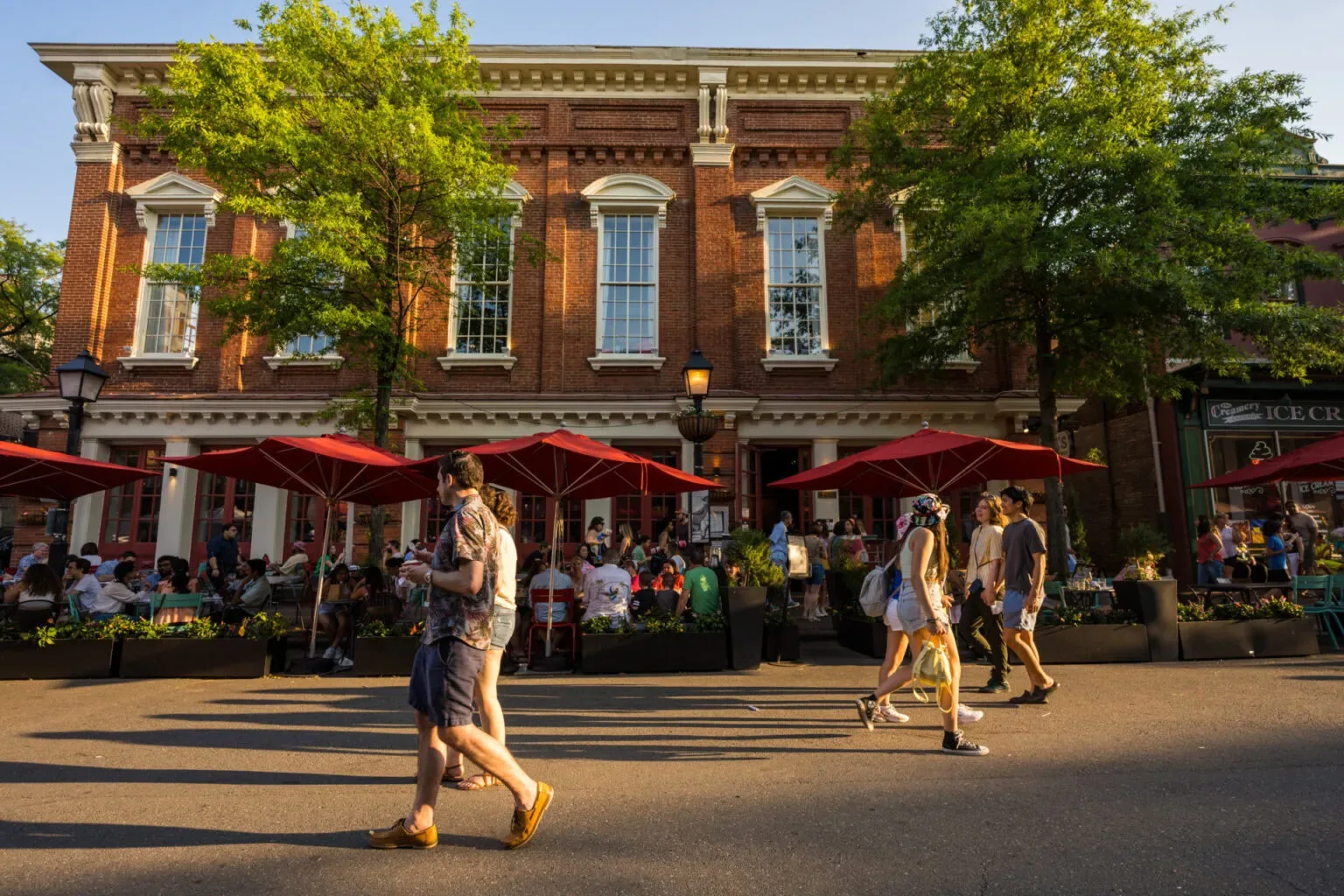
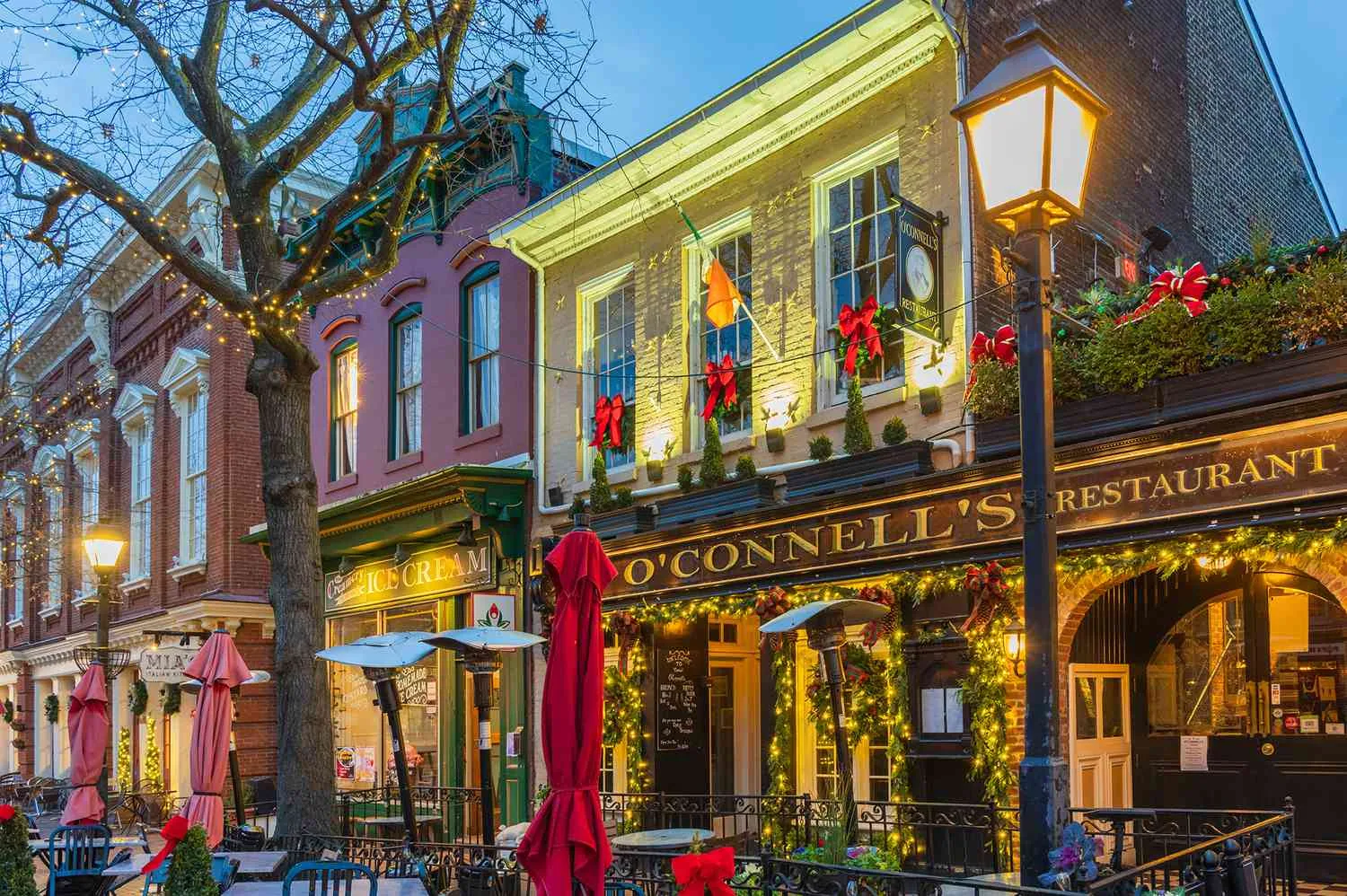
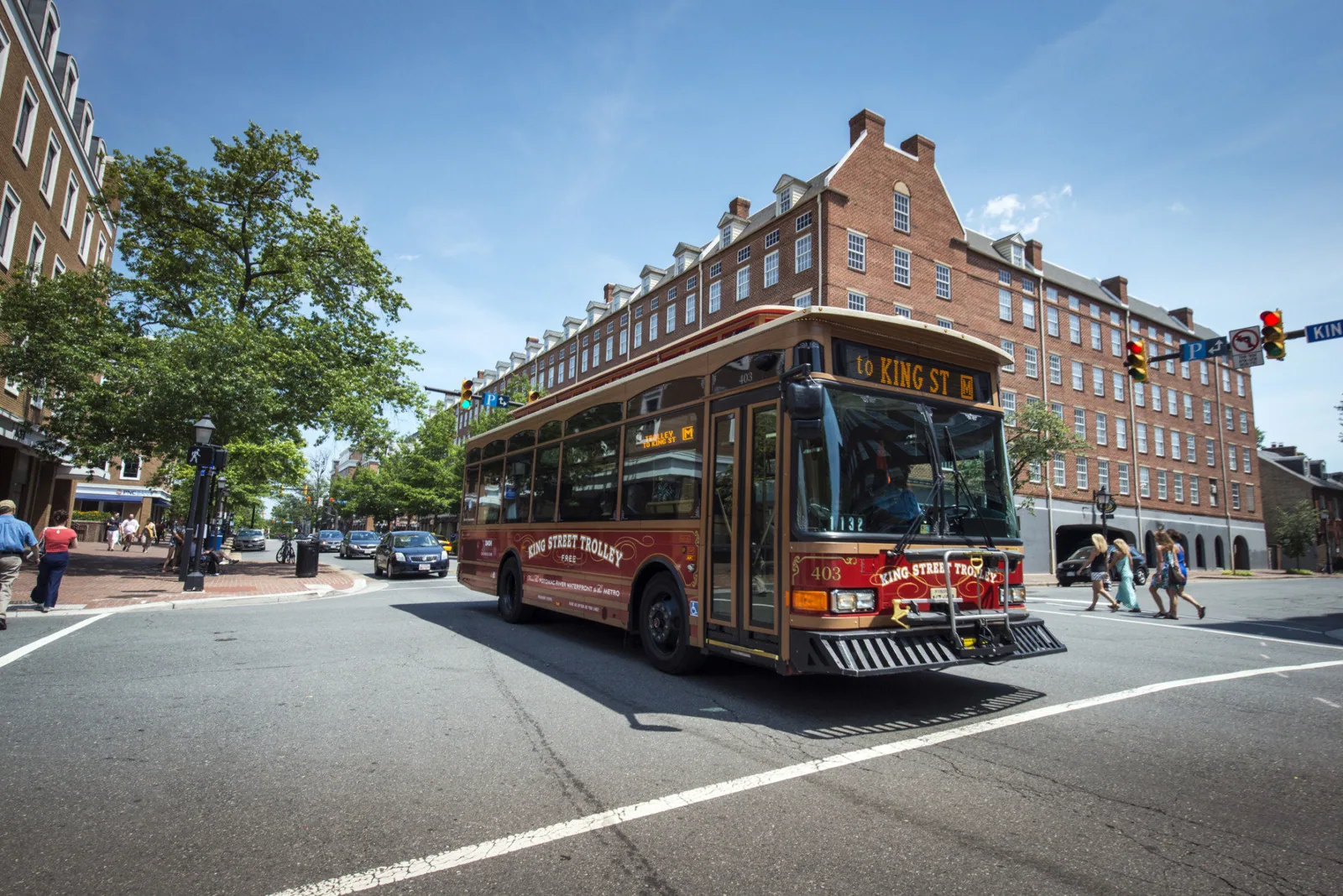
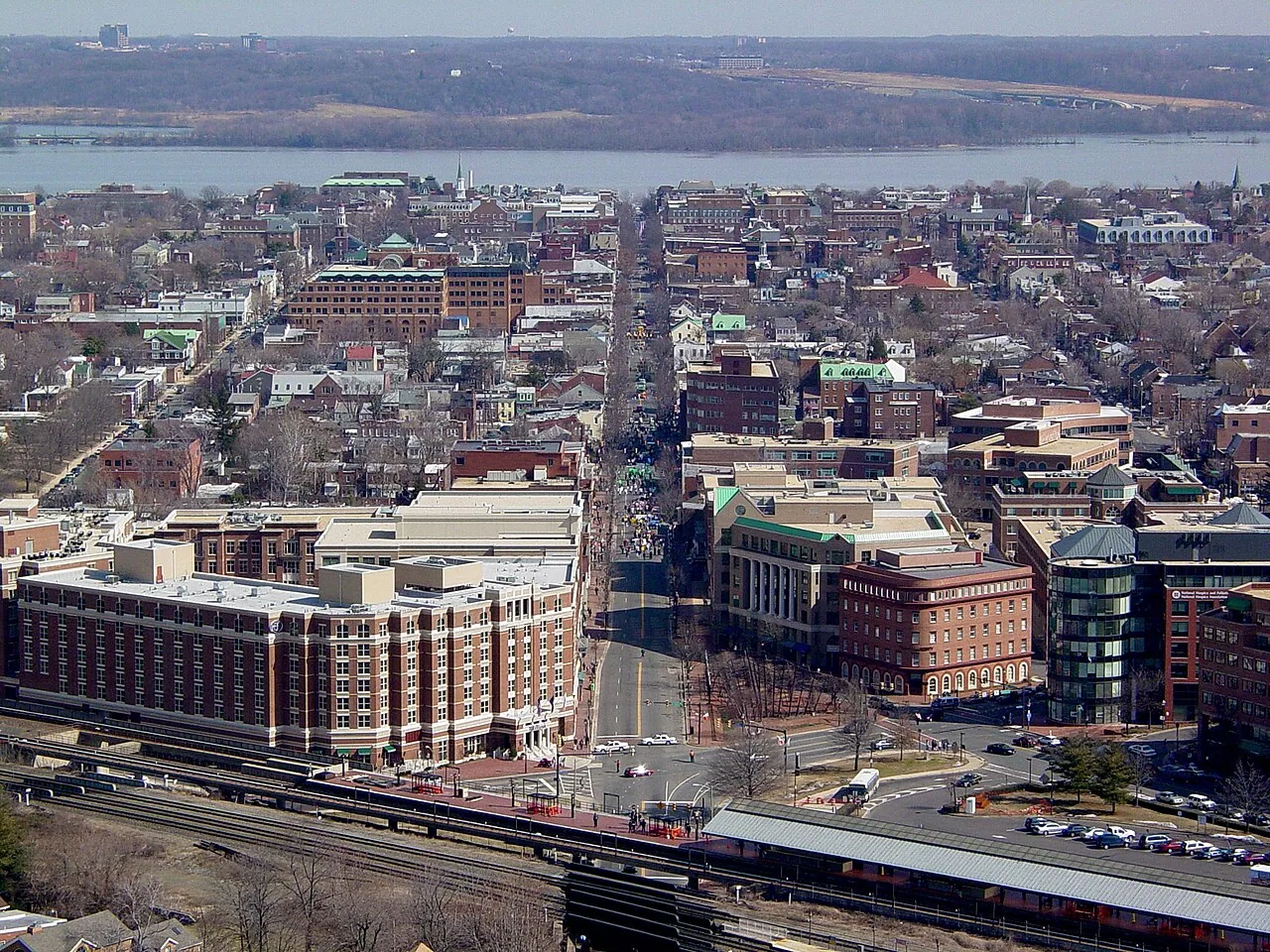
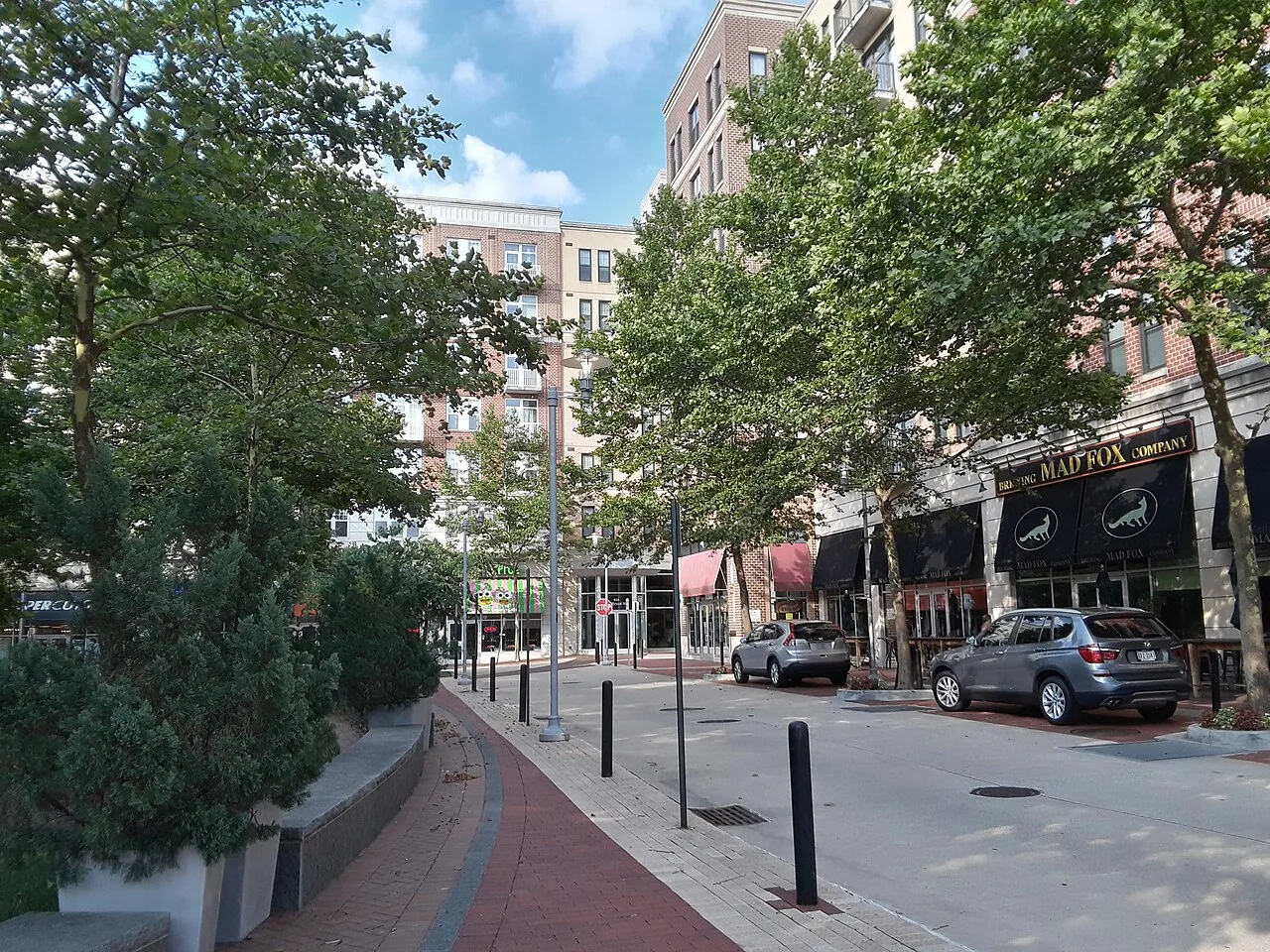
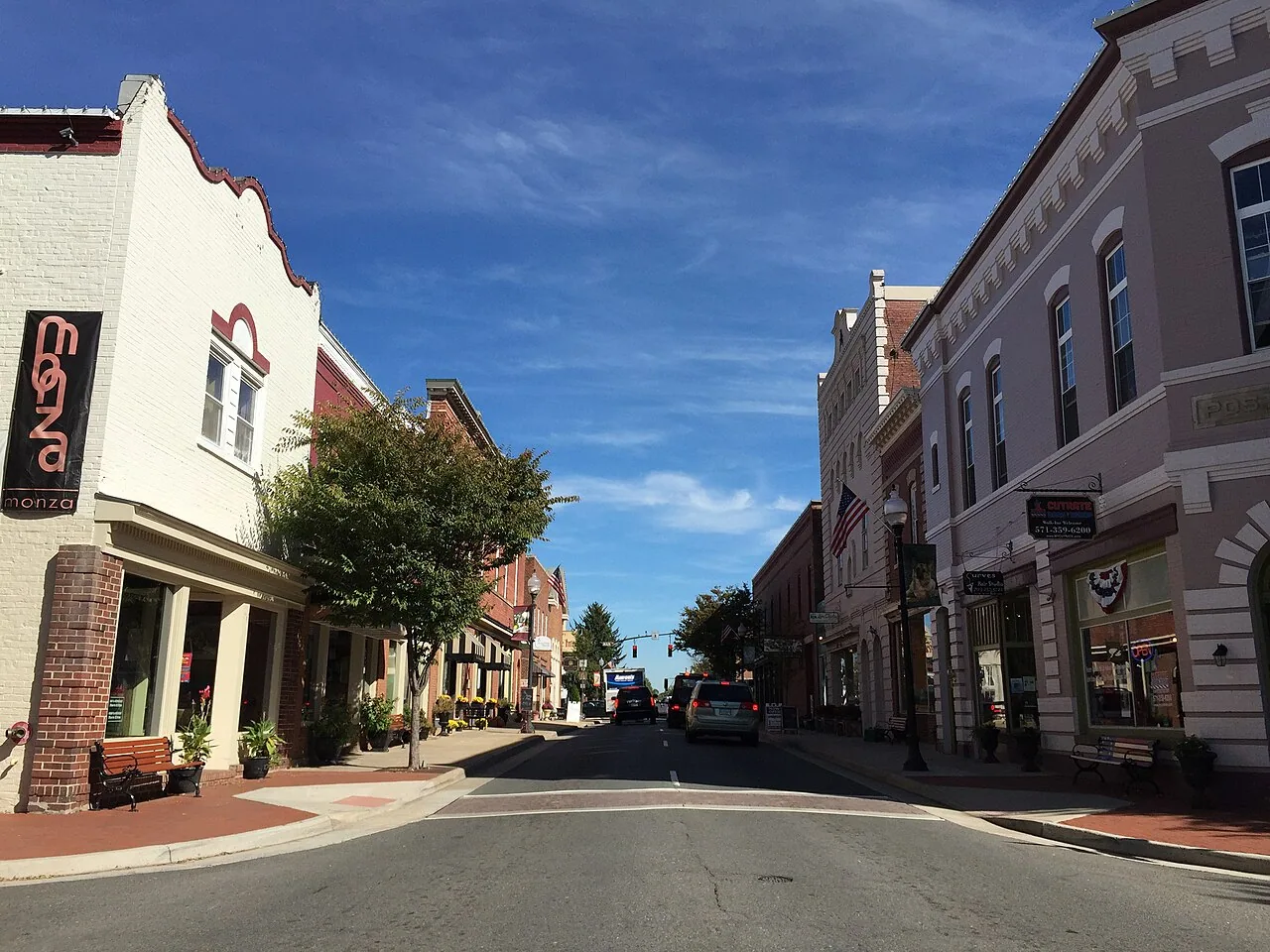
Alexandria’s heat, winter freeze-thaw, occasional snow, heavy rain and tidal Potomac exposure shape questions about seams, drainage and overflow. We keep those citywide conditions separate from what the field inspection confirms. Old Town and Del Ray each have their own property mix and access context, just as office and mixed-use roofs in Carlyle require building-specific coordination.
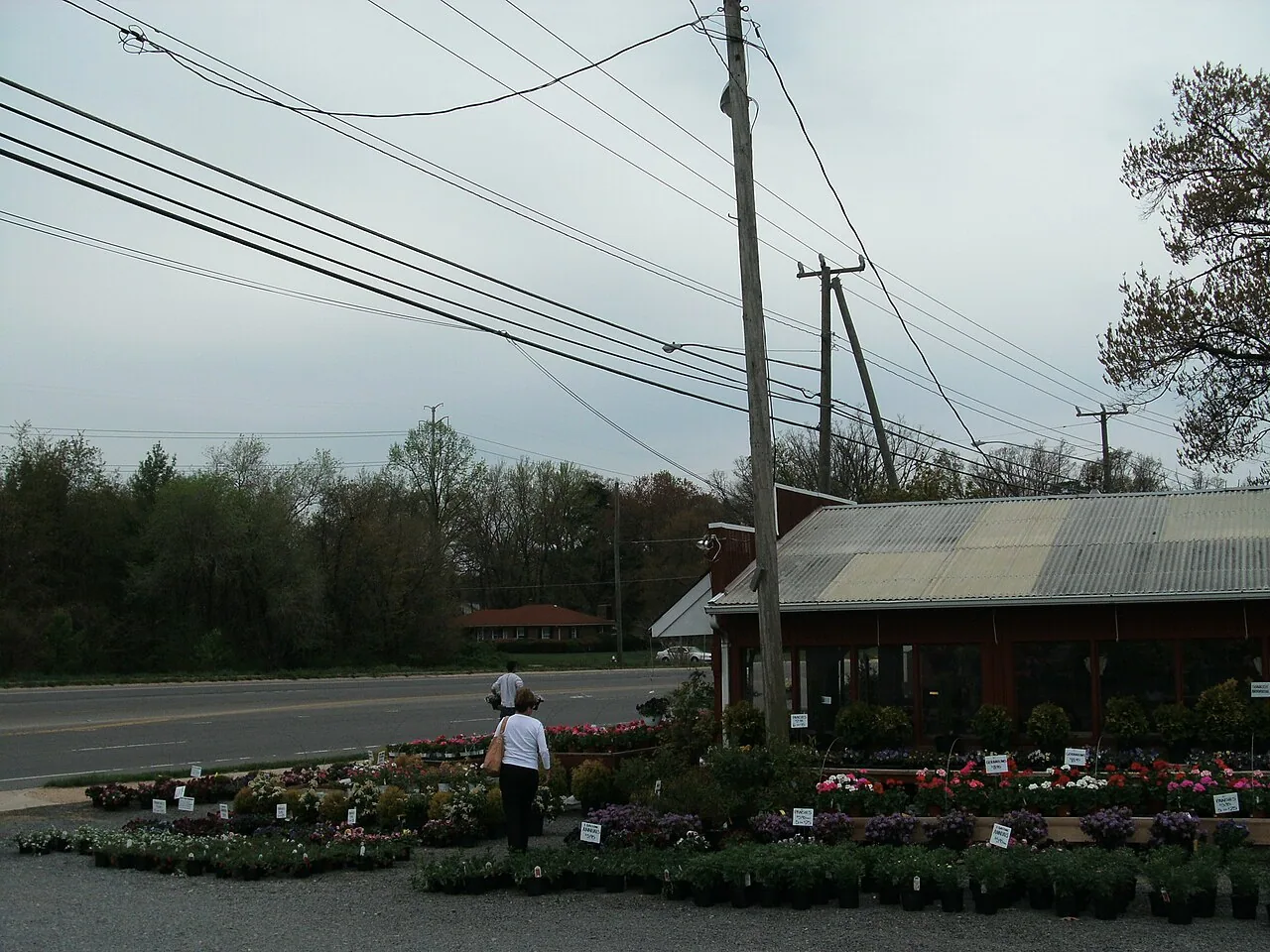
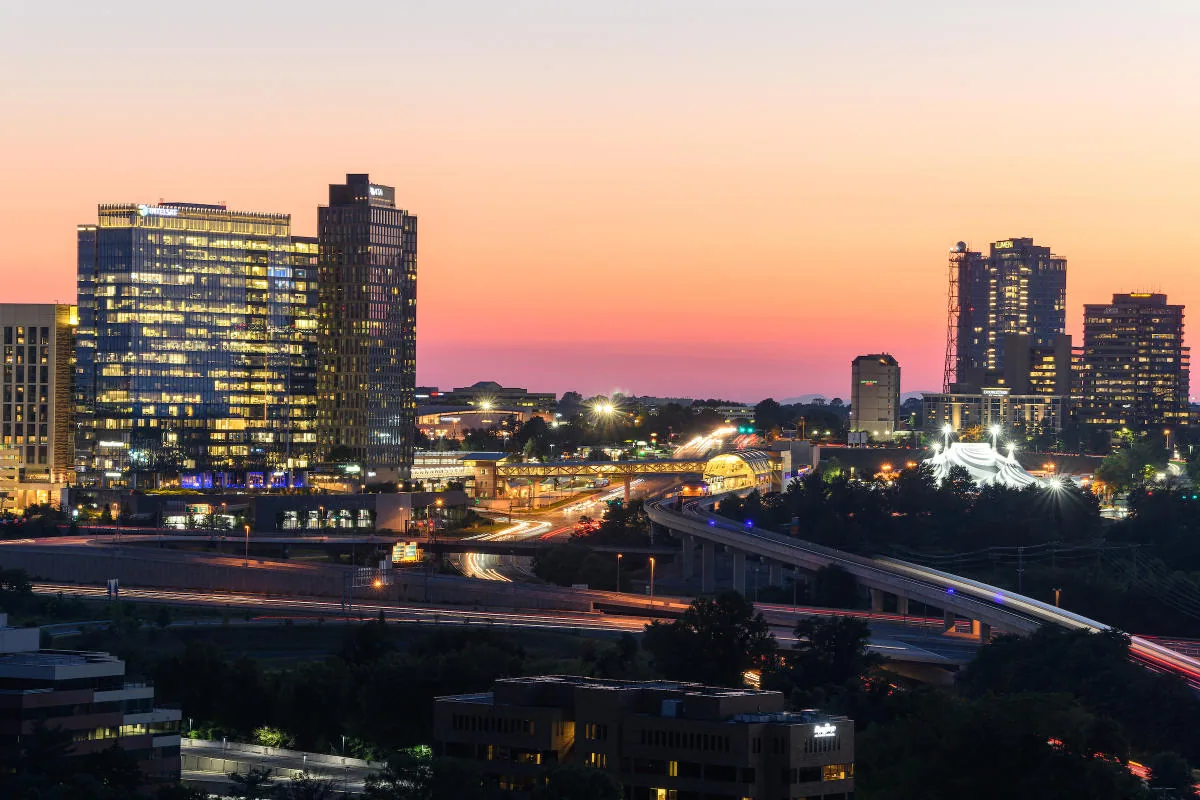
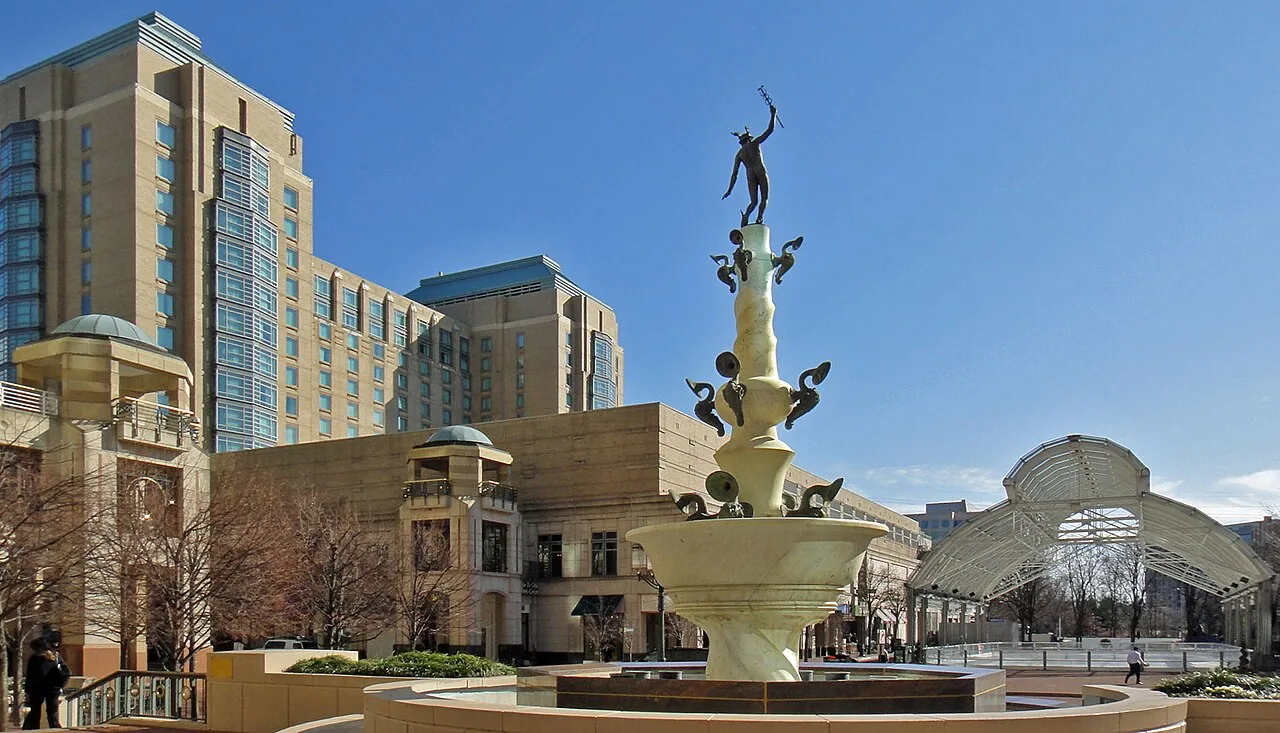
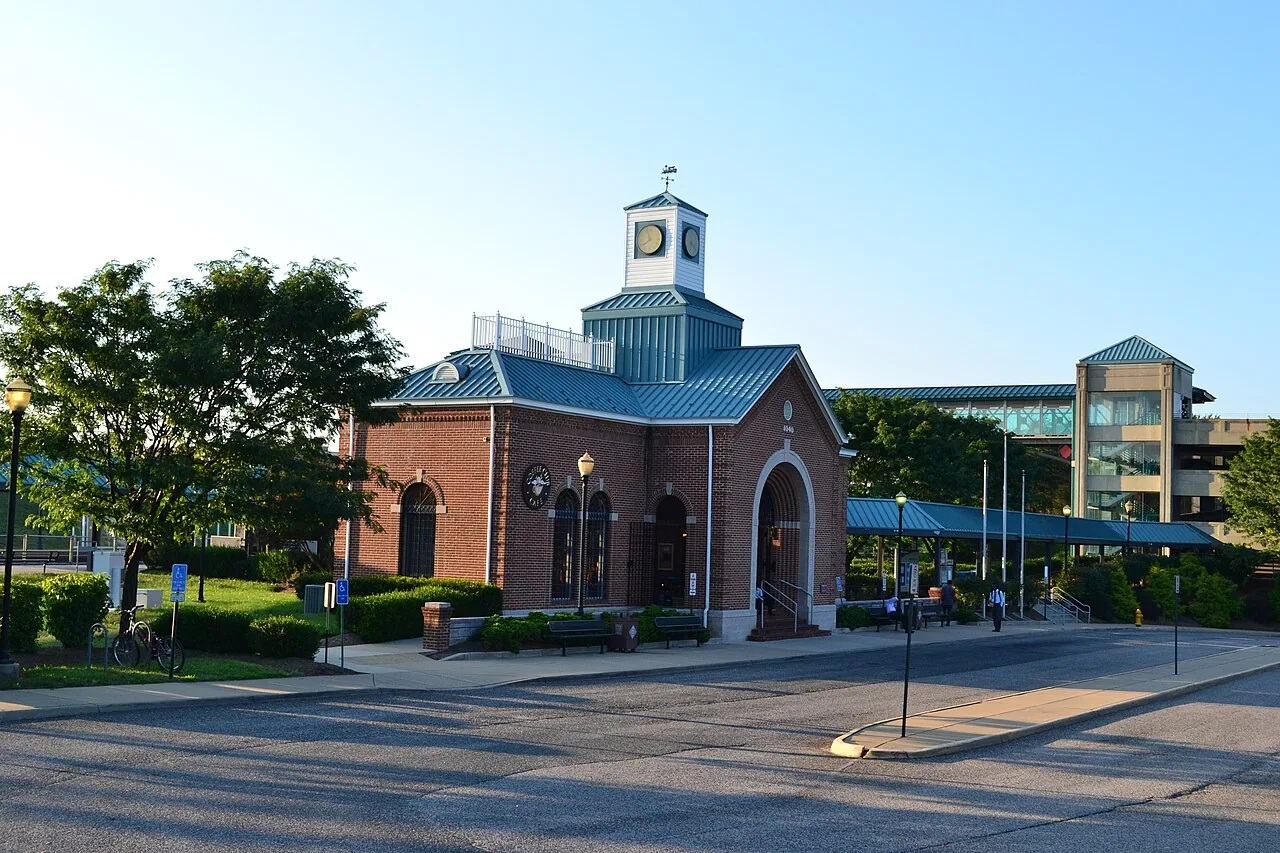
Inspect the Roof at Its Address
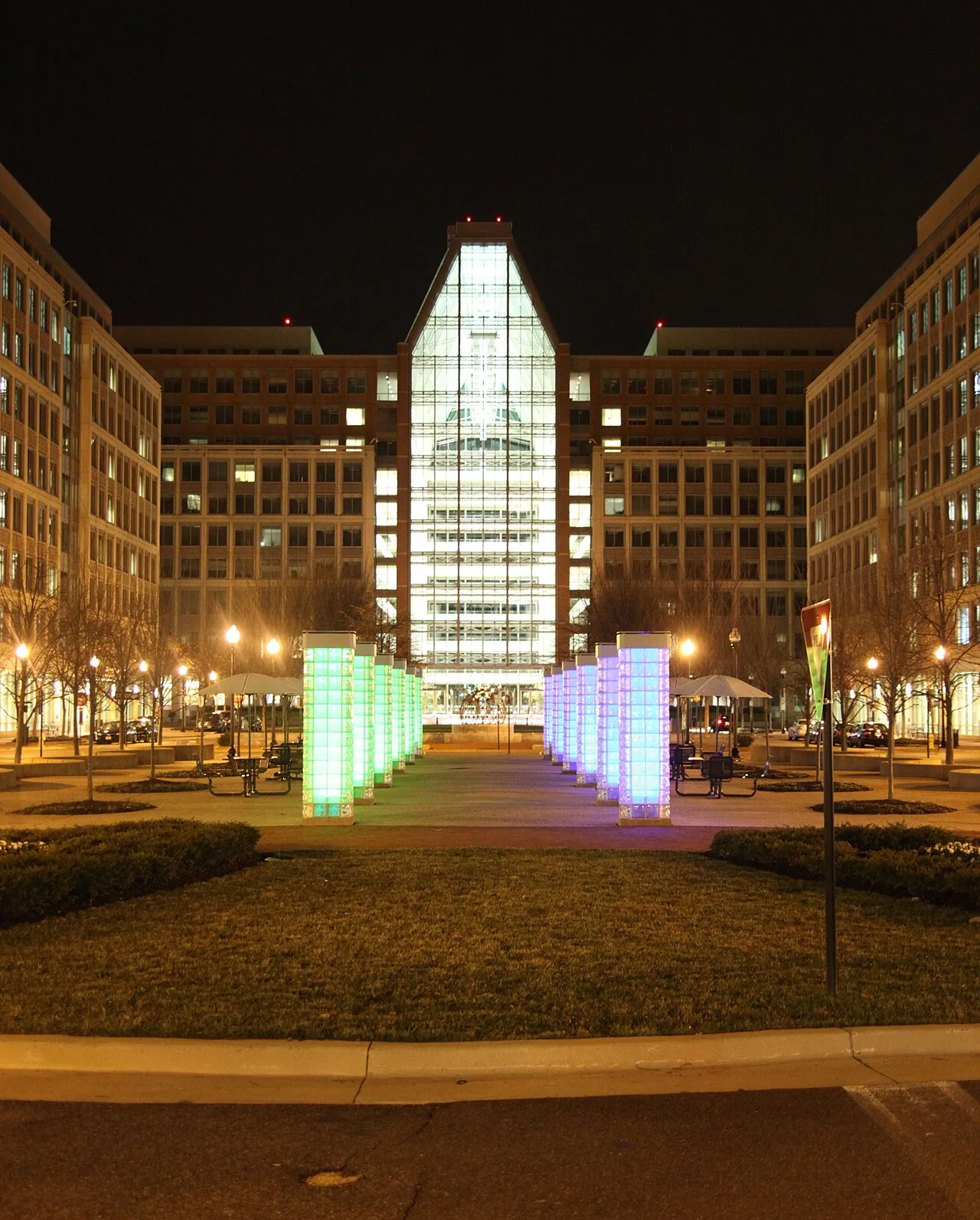
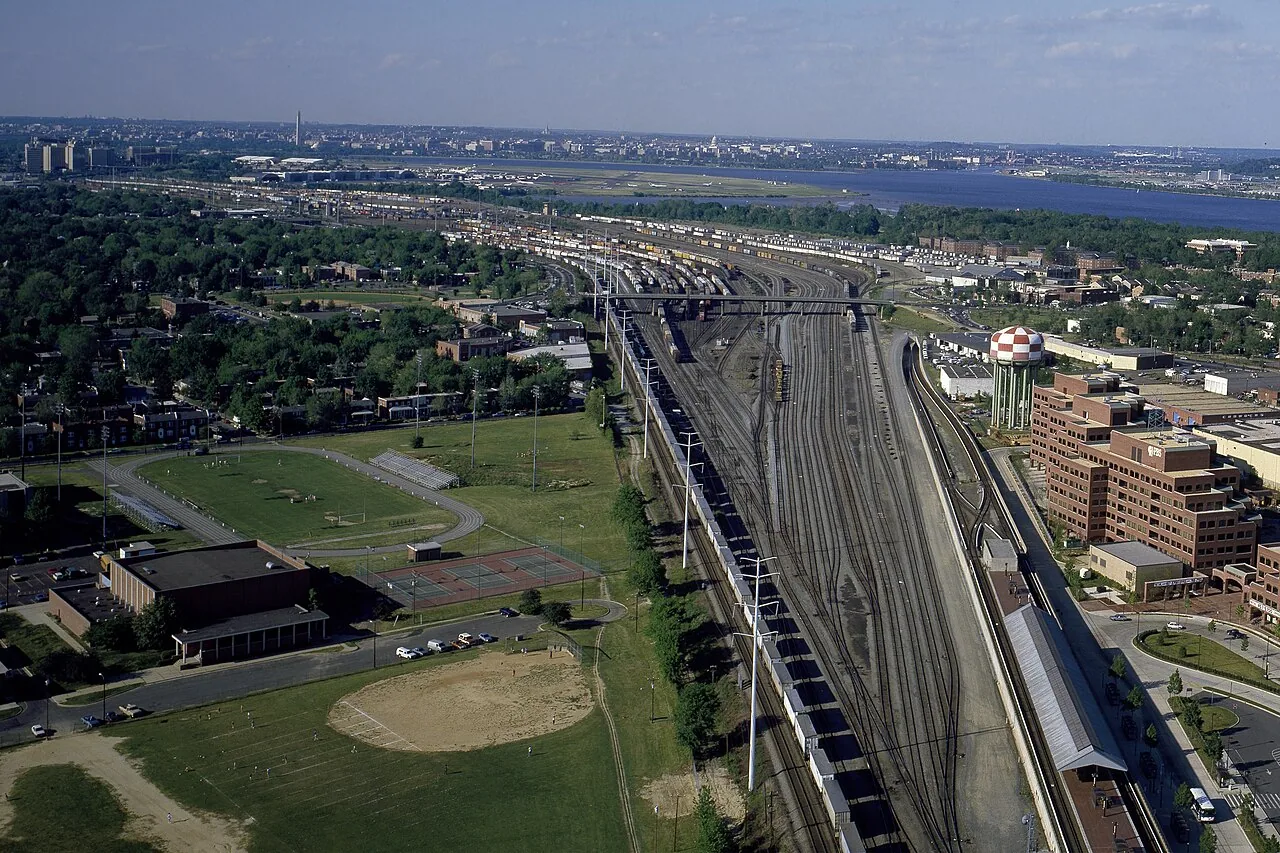
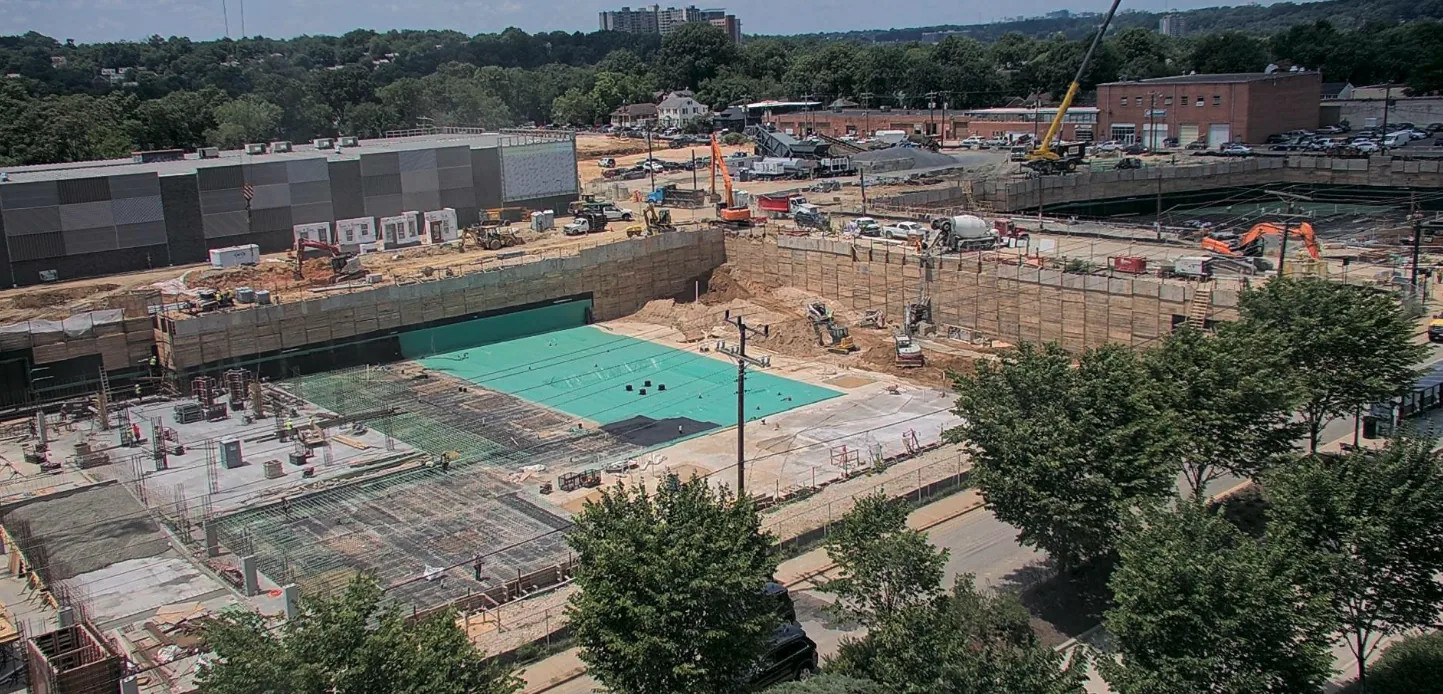
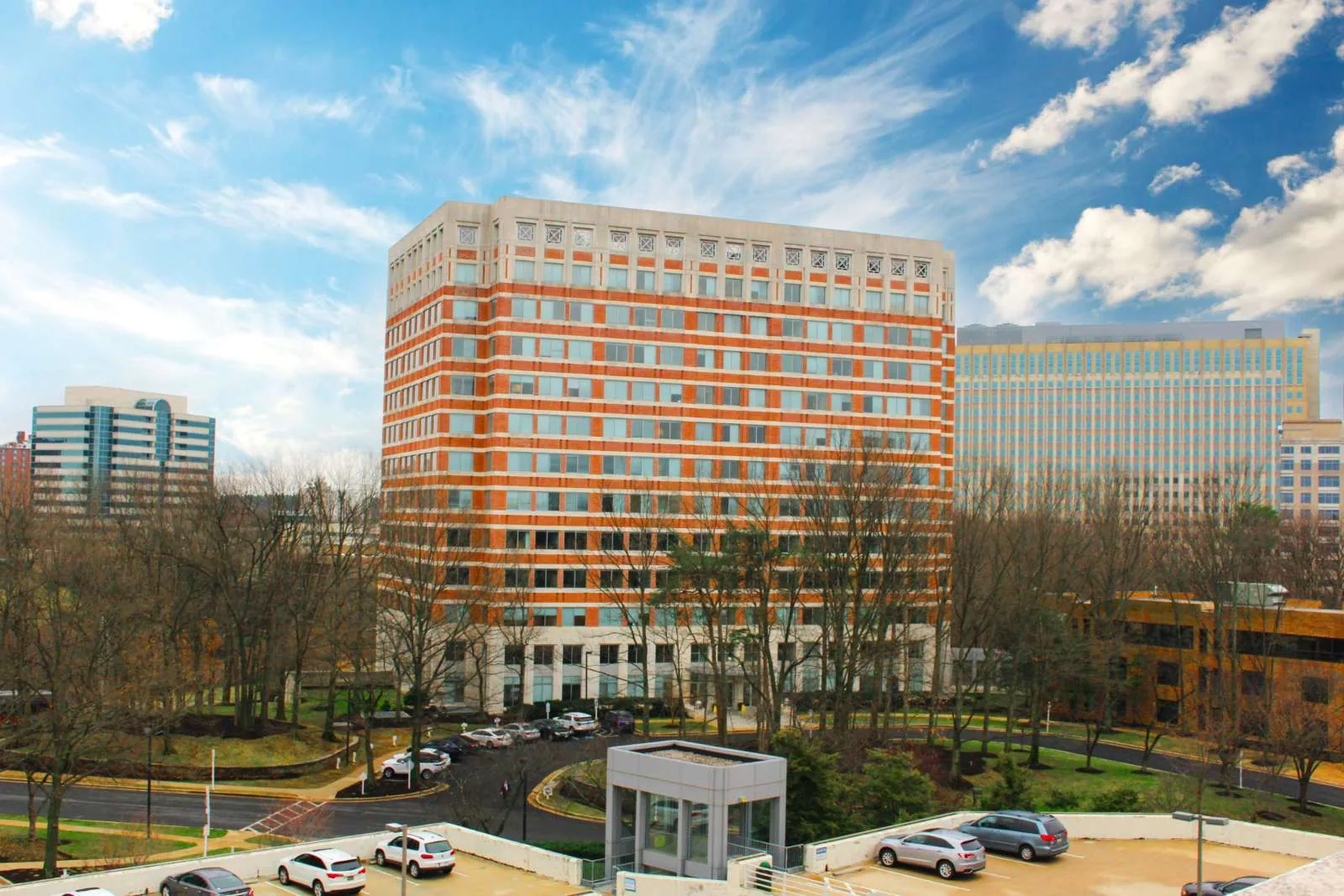
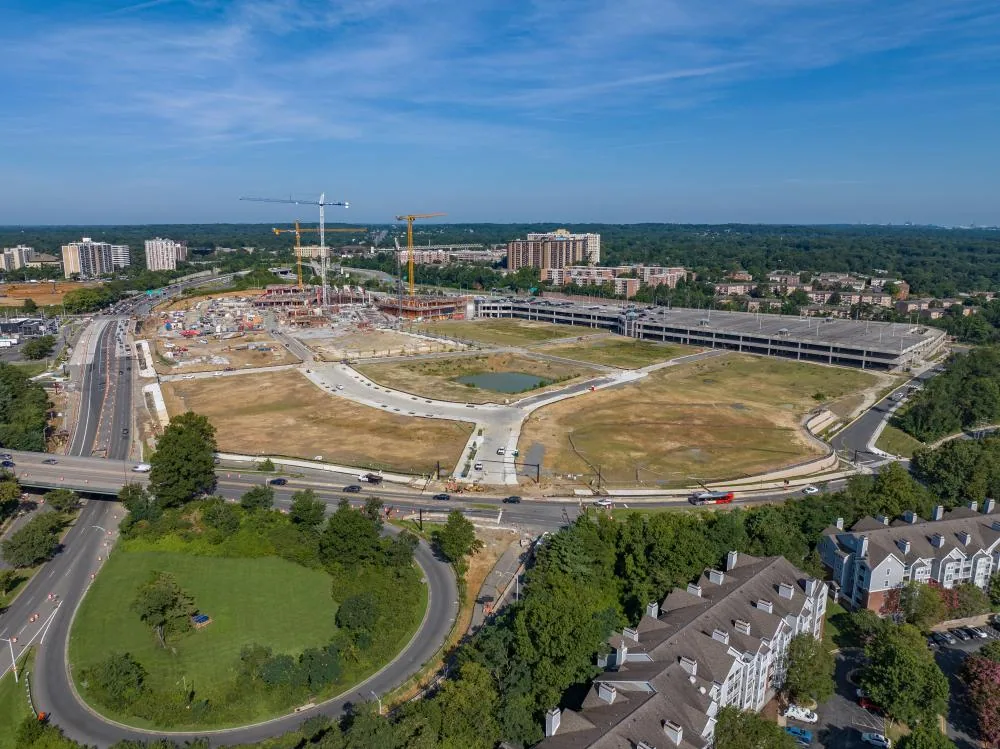
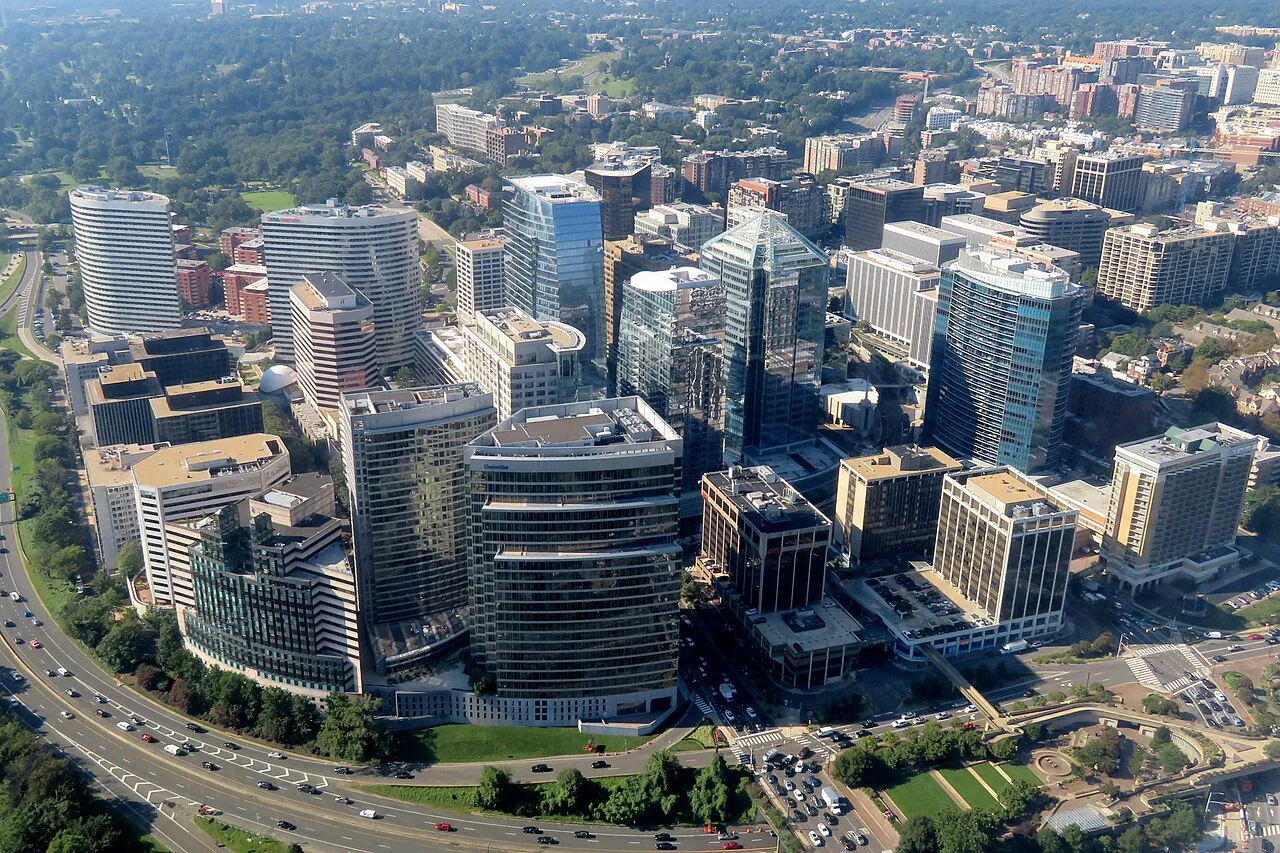
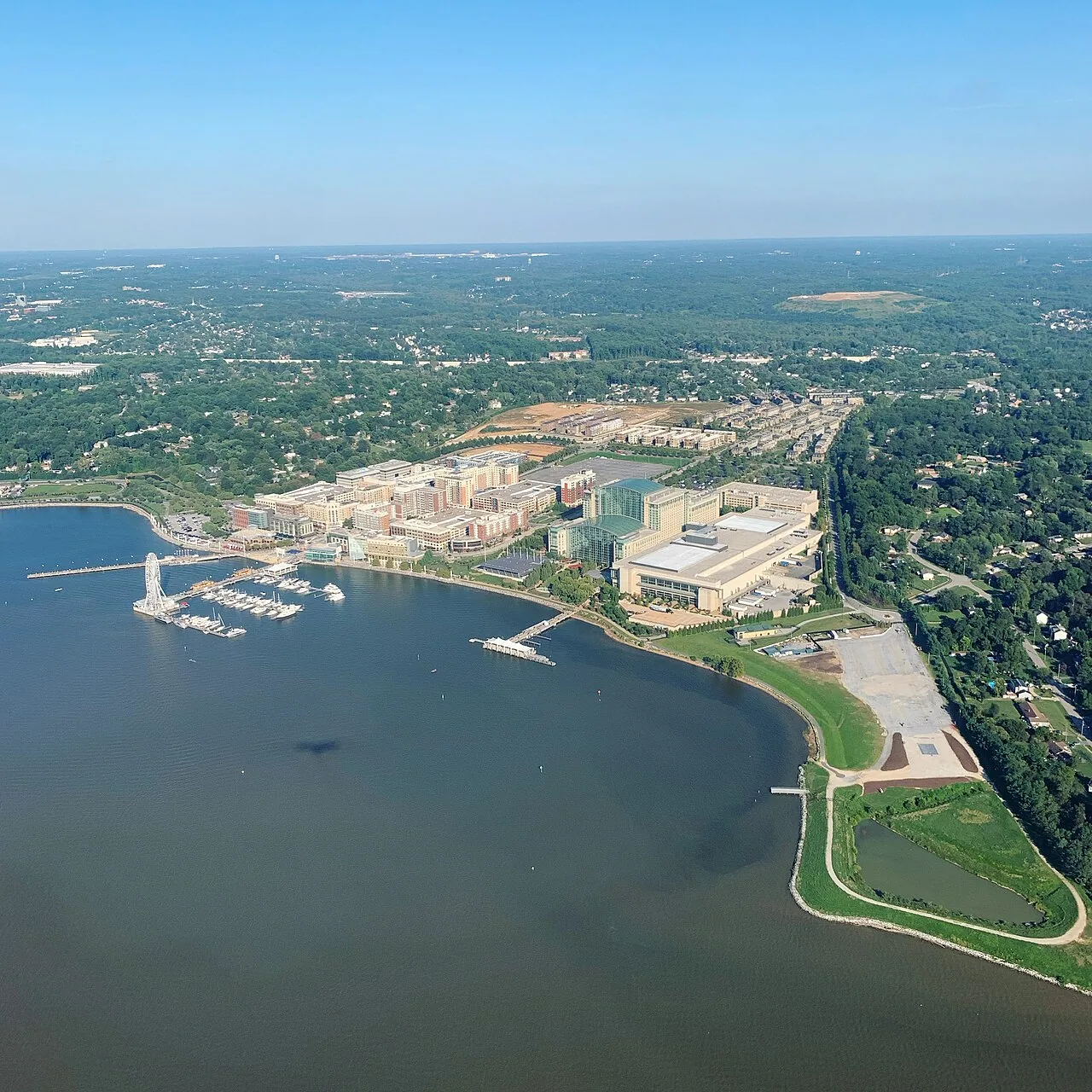
In the city, commercial areas include the office and mixed-use districts of Eisenhower East, Virginia Tech’s campus and approved office development at North Potomac Yard, and commercial and retail uses in Old Town North. The district’s commercial and redevelopment mix makes roof access and staging important parts of the project sequence. We check the actual assembly, drainage path, edge details and prior repairs before recommending work.
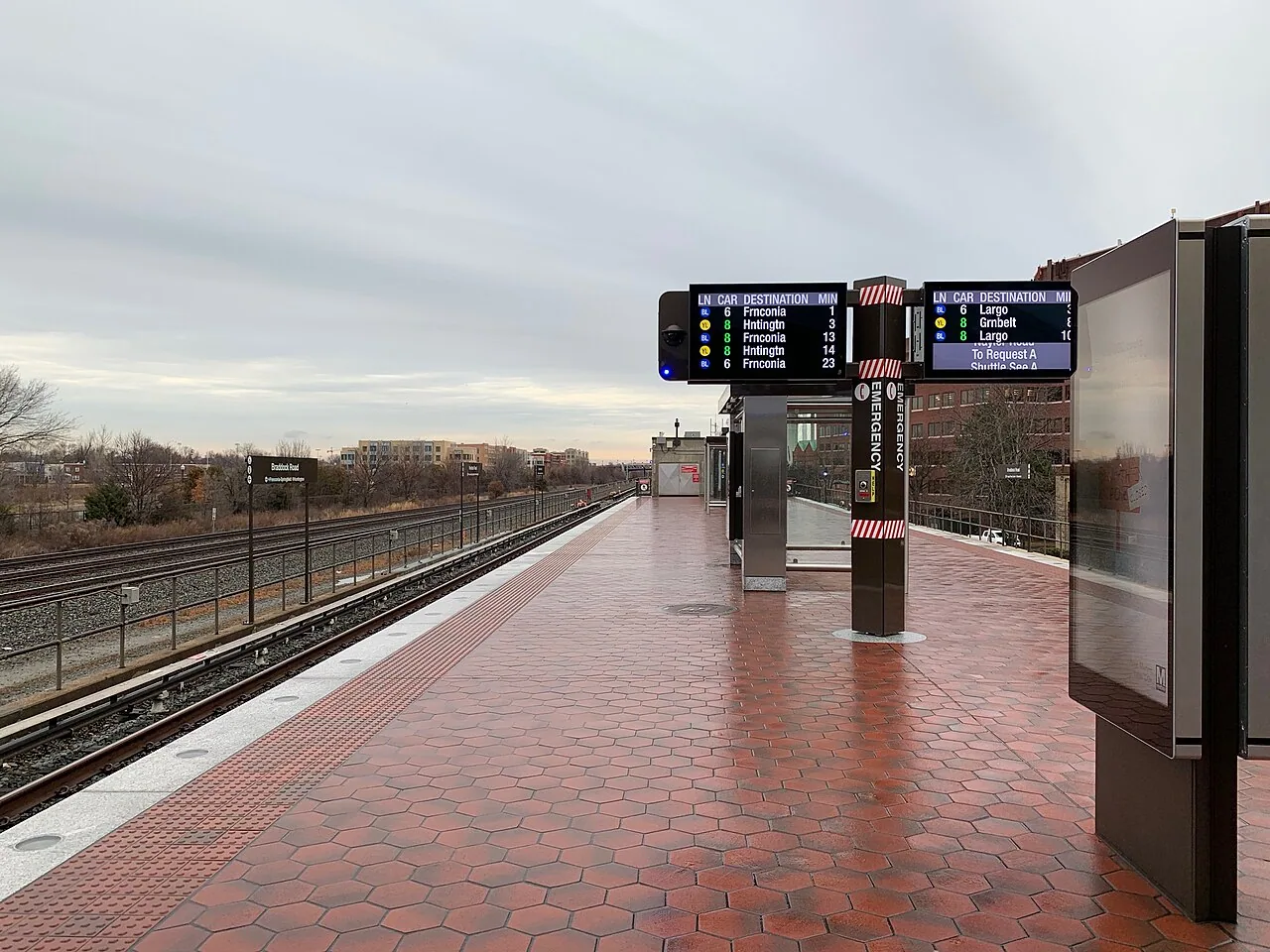
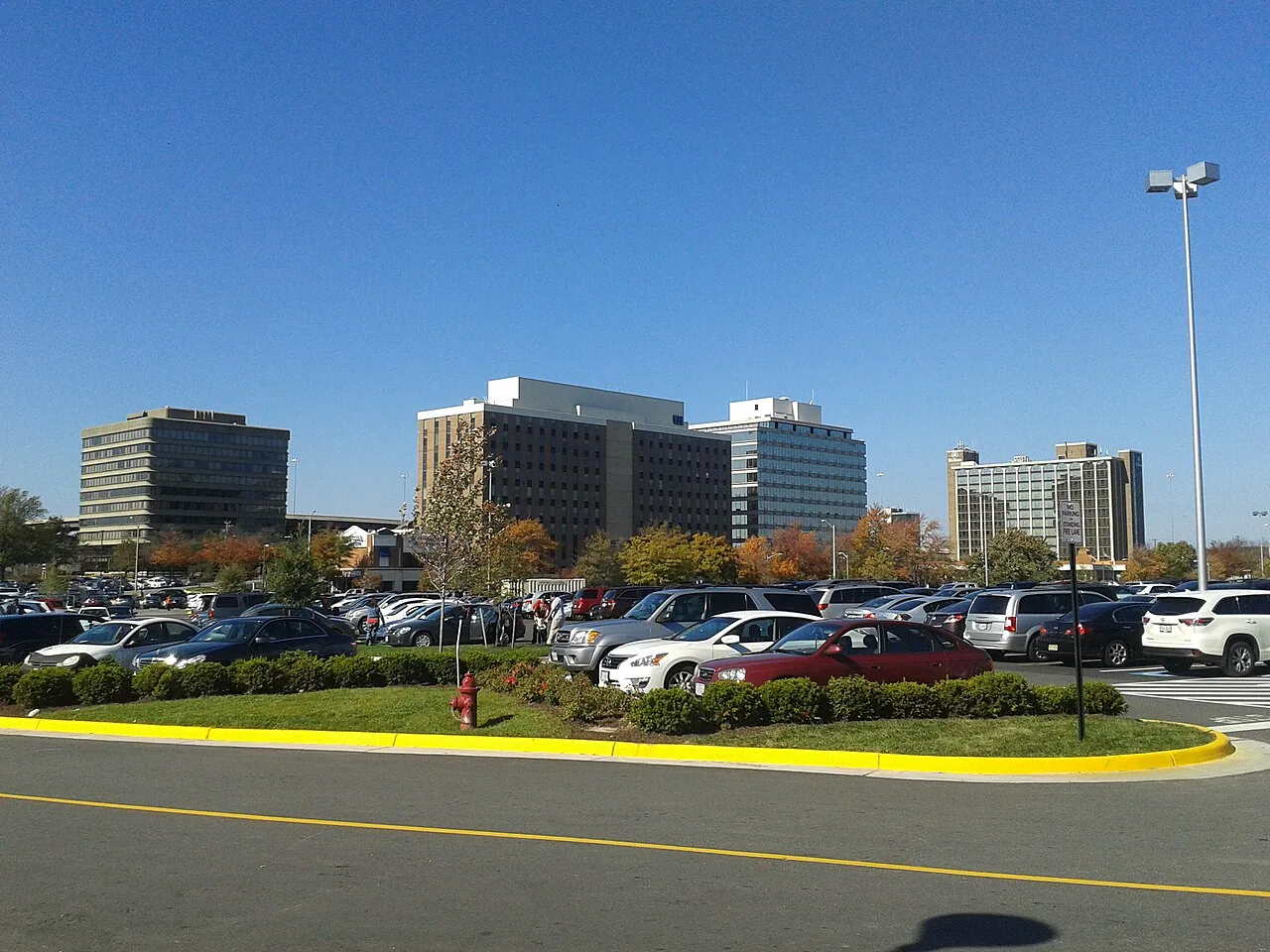
At Landmark/Van Dorn, approved redevelopment includes medical facilities; in Braddock Road, station-area planning includes commercial uses. The owner or manager sets the schedule, loading route, escort needs and restrictions for each property. An occupied building may need a different sequence from a vacant work area even when both sit within one plan boundary.
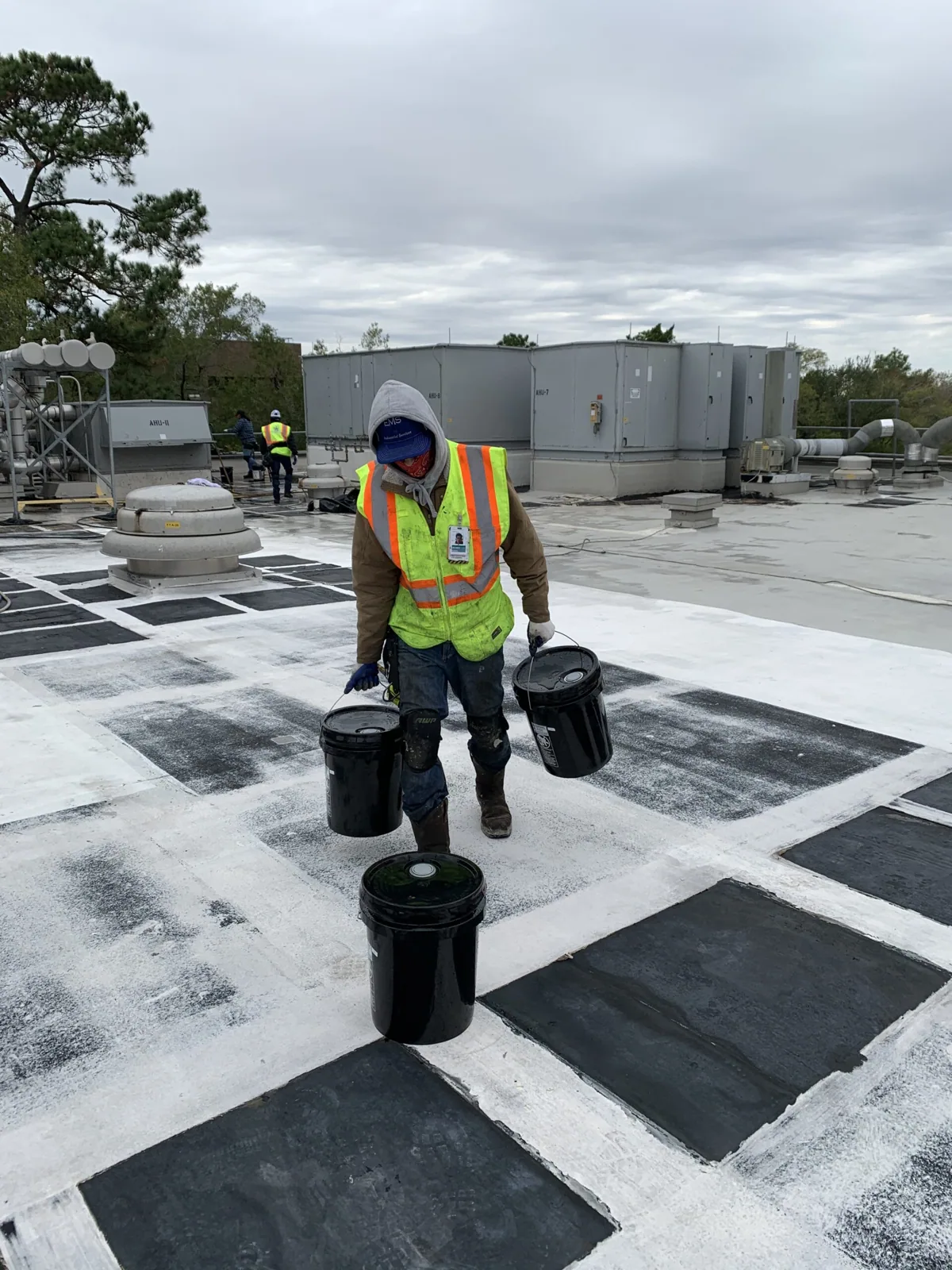
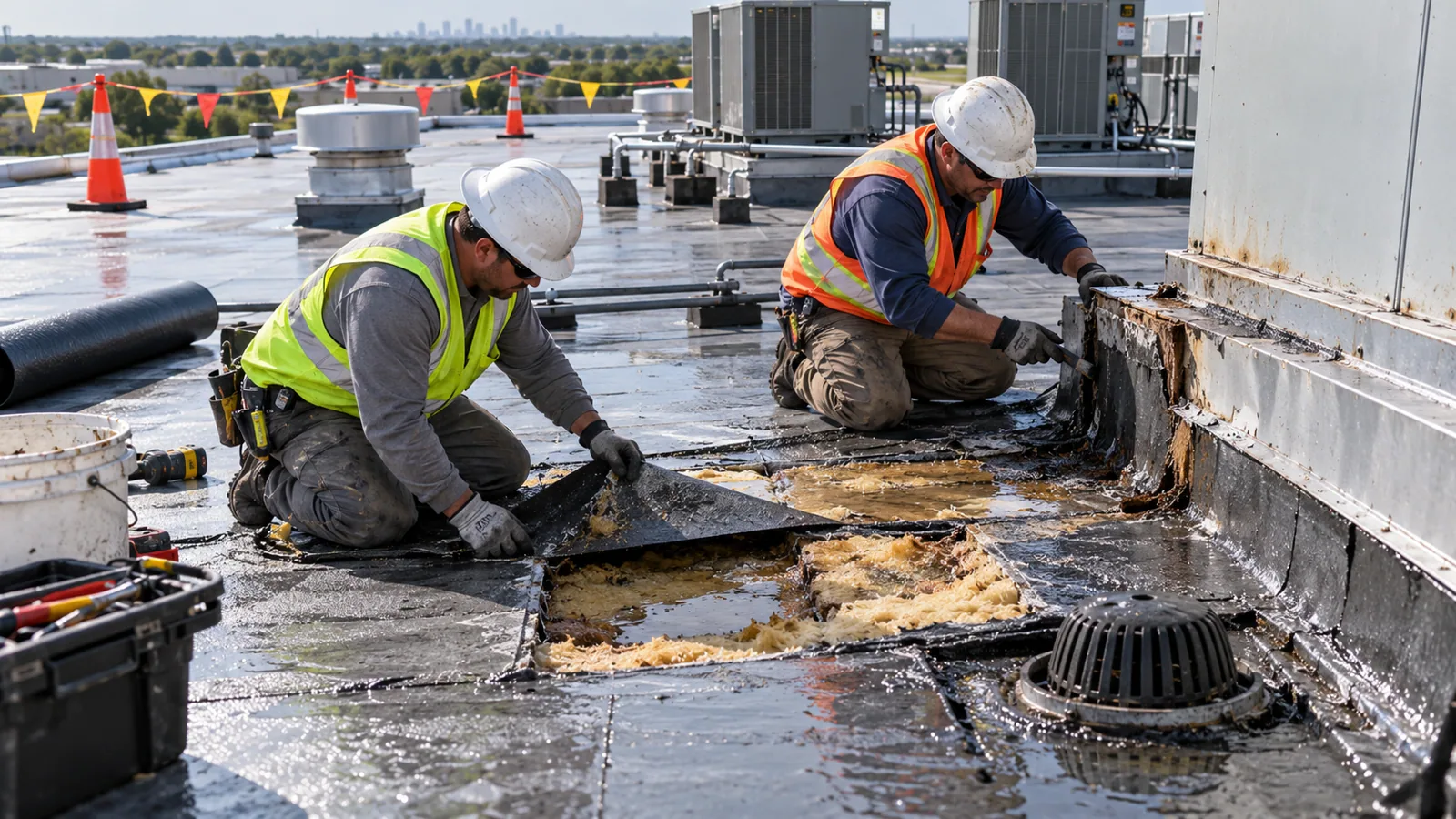
For active water entry, we locate the affected roof zone and set a temporary protection plan, then define permanent repair after testing and inspection. Recover and replacement comparisons account for existing layers, moisture, attachment, drainage height and edge terminations. Cost and timing also depend on staging, material, roof access, protection below and operating windows.
Coordinate Nearby Communities Separately
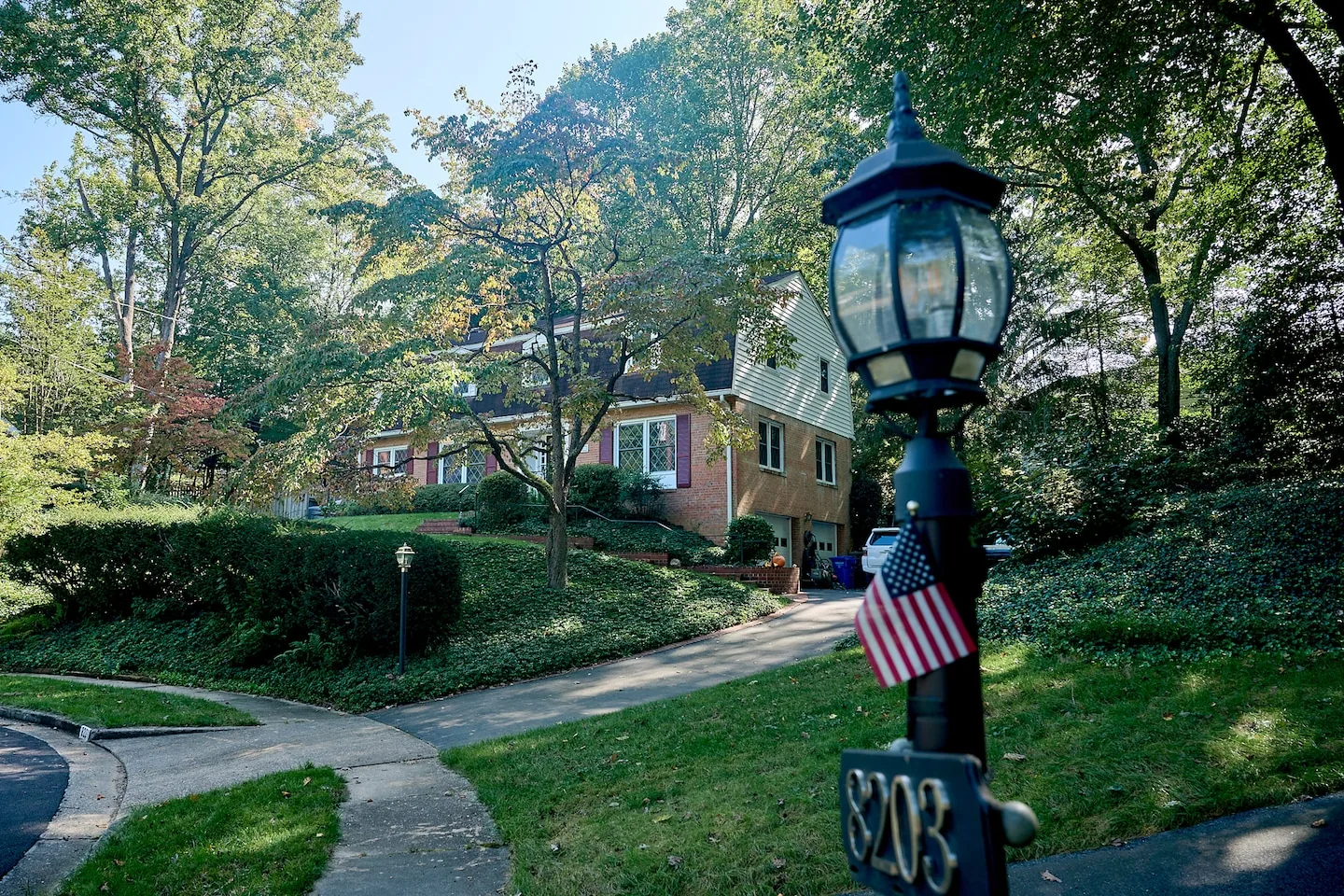
Work also reaches communities and commercial centers outside the city. Springfield and Franconia connect with Fairfax County planning around the Franconia-Springfield station area. Woodbridge is a Prince William County center served by I-95 and U.S. 1. The routes and planning areas help locate a job; the property contact still sets the delivery path, roof entry and work window.
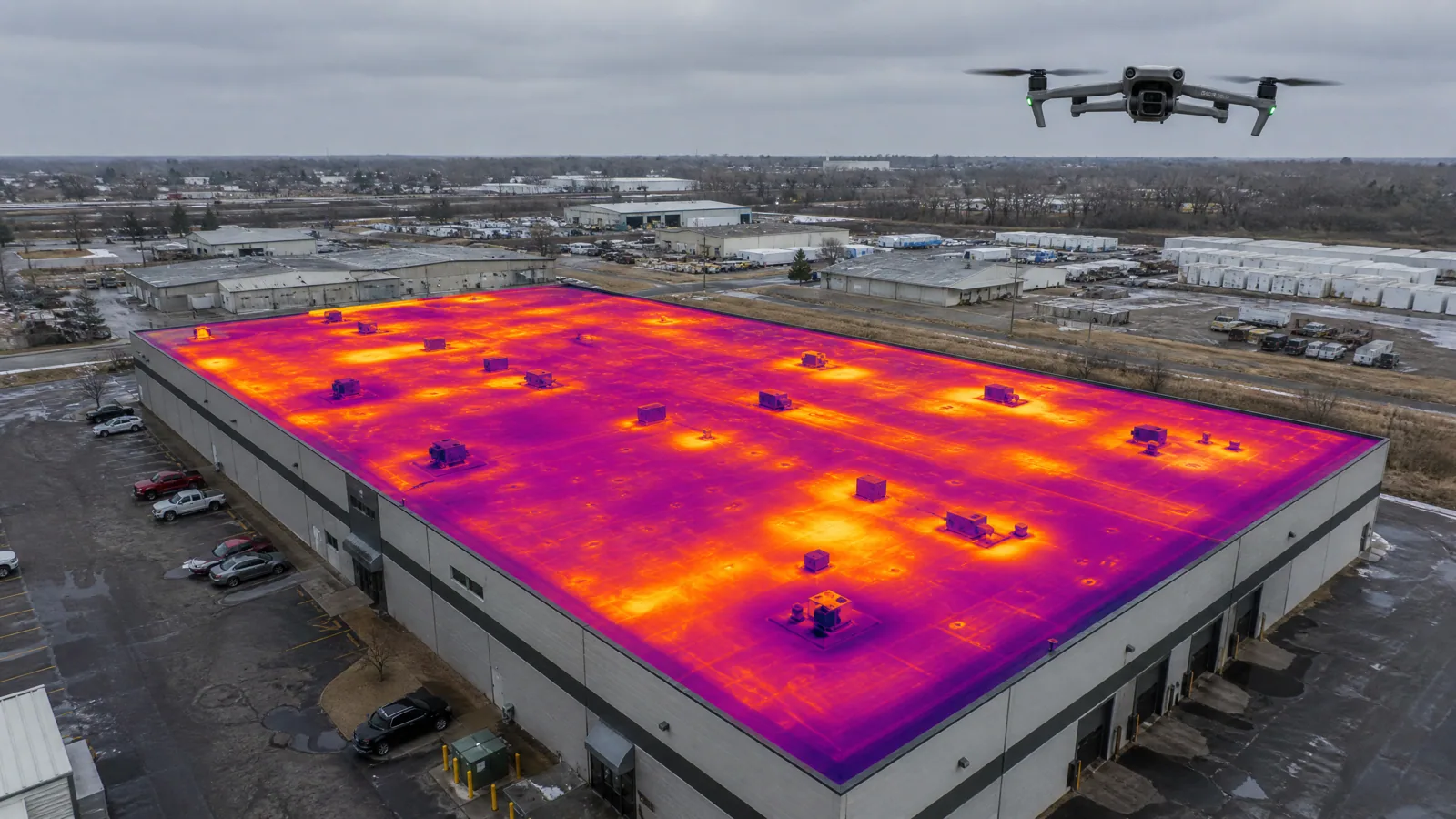
For each property, we record which zones were inspected and what was directly visible. Infrared screening can help choose a test location, while an opening confirms the layers at that point. We state any area that could not be reached and keep its condition unverified. That record helps a general contractor or facilities manager compare options without carrying a finding from one location to another.
A roof report can support a single leak repair or a broader capital decision. Our inspection process documents the water path, membrane and transitions, while phased reroofing coordinates work by zone when the building remains active. Emergency response is available at any hour, including weekends and holidays, when water is entering.
Request a Site-Specific Roof Review
Share the property address, reported condition, building contact, available roof plans and schedule constraints. We will confirm access, inspect the relevant roof details and prepare a measured scope with repair or replacement options tied to field findings.
Make the address specific before dispatch
Give us the street address, building identifier and facility contact so we can coordinate roof entry, work limits and the affected interior area. For a group of buildings, we keep each roof zone, approval and work record tied to its address.
Commercial Roofing Questions
Can the neighborhood plan identify my building’s roof system?
No. We inspect the roof assembly and drainage at the property before recommending a repair. We review records and field conditions at the address, noting what can be seen, tested or still needs access.
Does a district name confirm roof access?
No. Use the address and facility contact to establish entry, roof limits, delivery route and instructions for affected interior areas.
Can one visit cover more than one property?
Only when each site contact and access arrangement is confirmed. Keep findings, roof zones and work approvals separate by address.
What belongs in an area-specific request?
Provide the address, building identifier, reported water path, available roof records, access limits and contact who can release the inspection.
Schedule Commercial Roofing in Your Area
Send the property address, roof concern and access contact. We will inspect the relevant zones and prepare a scope that reflects the building's condition and operating limits.