 Services
 Roof Systems
 Property Types
 Industries
 Damage Repair
 Capabilities
 Manufacturers
 Service Areas
Commercial Roofing in Annandale, VA
Service Areas:
- Commercial Roofing in Carlyle, Alexandria, VA
- Commercial Roofing in Landmark / Van Dorn, Alexandria, VA
- Commercial Roofing in Eisenhower East, Alexandria, VA
- Commercial Roofing in North Potomac Yard, Alexandria, VA
- Commercial Roofing in Potomac Yard, Alexandria, VA
- Commercial Roofing in Old Town North, Alexandria, VA
Commercial revitalization in Fairfax County's targeted activity centers makes property-specific roof records useful before repairs or capital work are planned in Annandale. The community is in the county's Mason District and connects through Route 236 and the I-495 network. Fairfax County supports commercial revitalization in targeted activity centers. For an Annandale property, we confirm its address, roof assembly and access restrictions before preparing a scope.
Rain and seasonal temperature changes can stress roof seams and drainage. We check those details at the Annandale property and document the actual condition. Falls Church is a nearby independent city with Route 7 and I-66 connections, but its sites and local requirements remain separate.
Annandale
Identify the Property in the Mason District
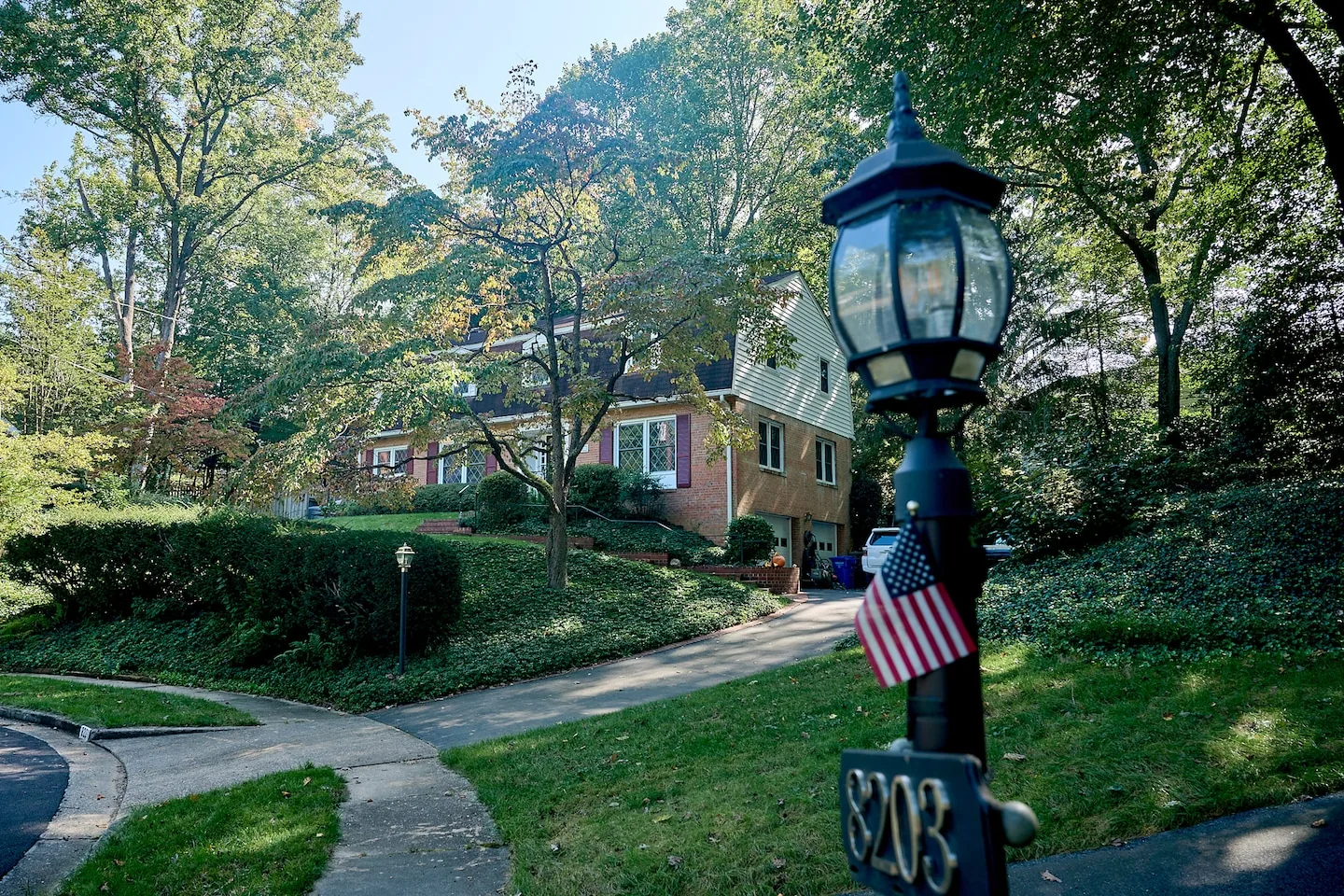
Annandale is a Fairfax County community in the Mason District. The property contact provides roof access, work authorization, delivery limits and occupant restrictions; current redevelopment schedules come from the owner or project team.
Our first visit compares the room report, timing and weather with roof slope, drains, edges, curbs, penetrations and prior repairs. A commercial roof inspection marks the area reached, the visible assembly and limits on access. Photos and a sketch separate an observed opening from a likely water path that still needs confirmation.
Route 236 and the I-495 network connect the community to regional travel. The property representative supplies the entry gate, loading arrangement and lift staging instructions. If equipment or another trade has changed a roof transition, we record its location and coordinate responsibility before the repair detail is selected.
Locate the Roof Entry
Water may travel below the membrane or along a deck before becoming visible inside. We record the room, time and precipitation history, then inspect outlets, seams, parapets, curbs and penetrations above. A leak investigation distinguishes suspected travel from the point where the roof defect is confirmed. That keeps a service call from turning into an unsupported removal area.
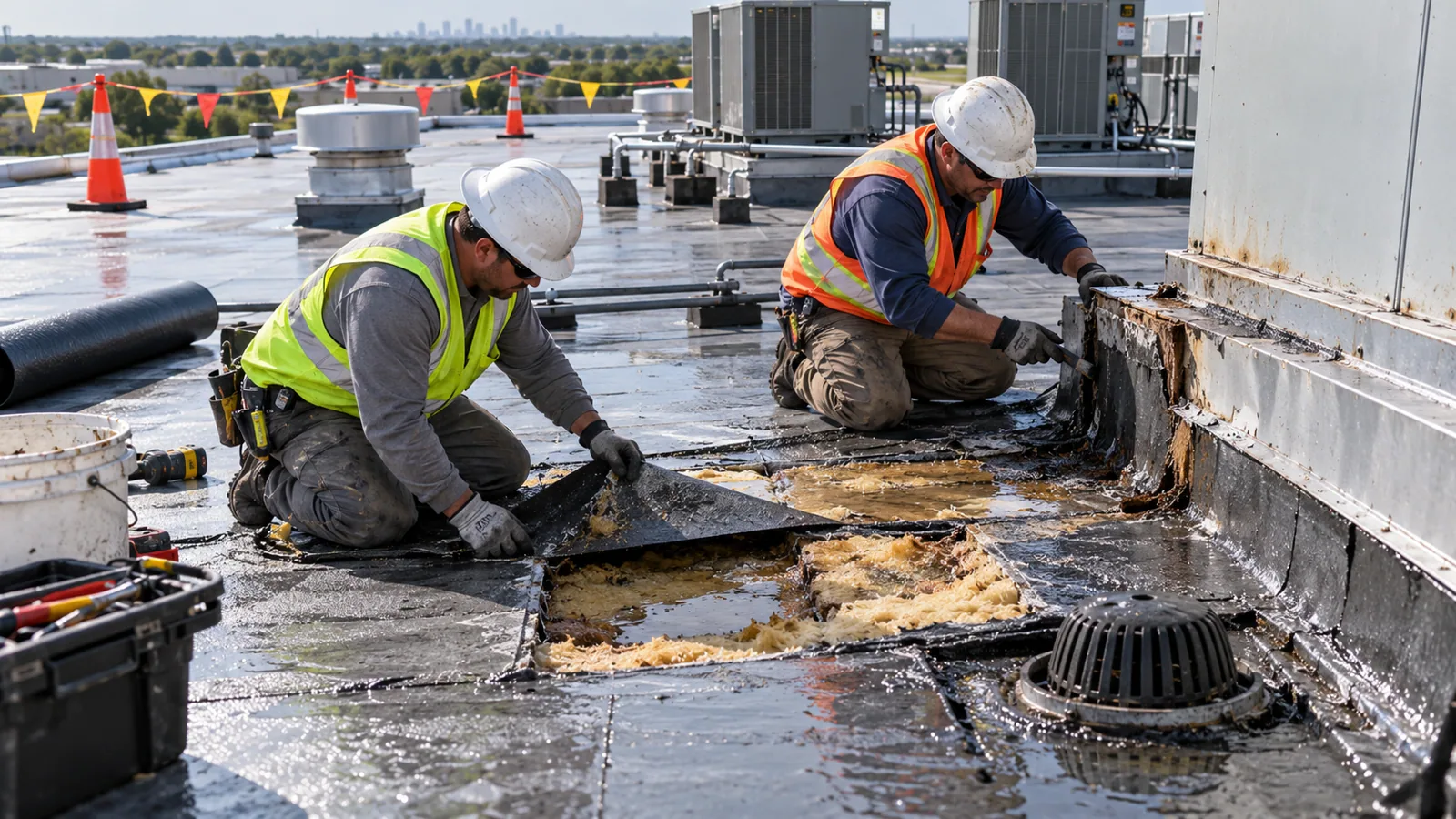
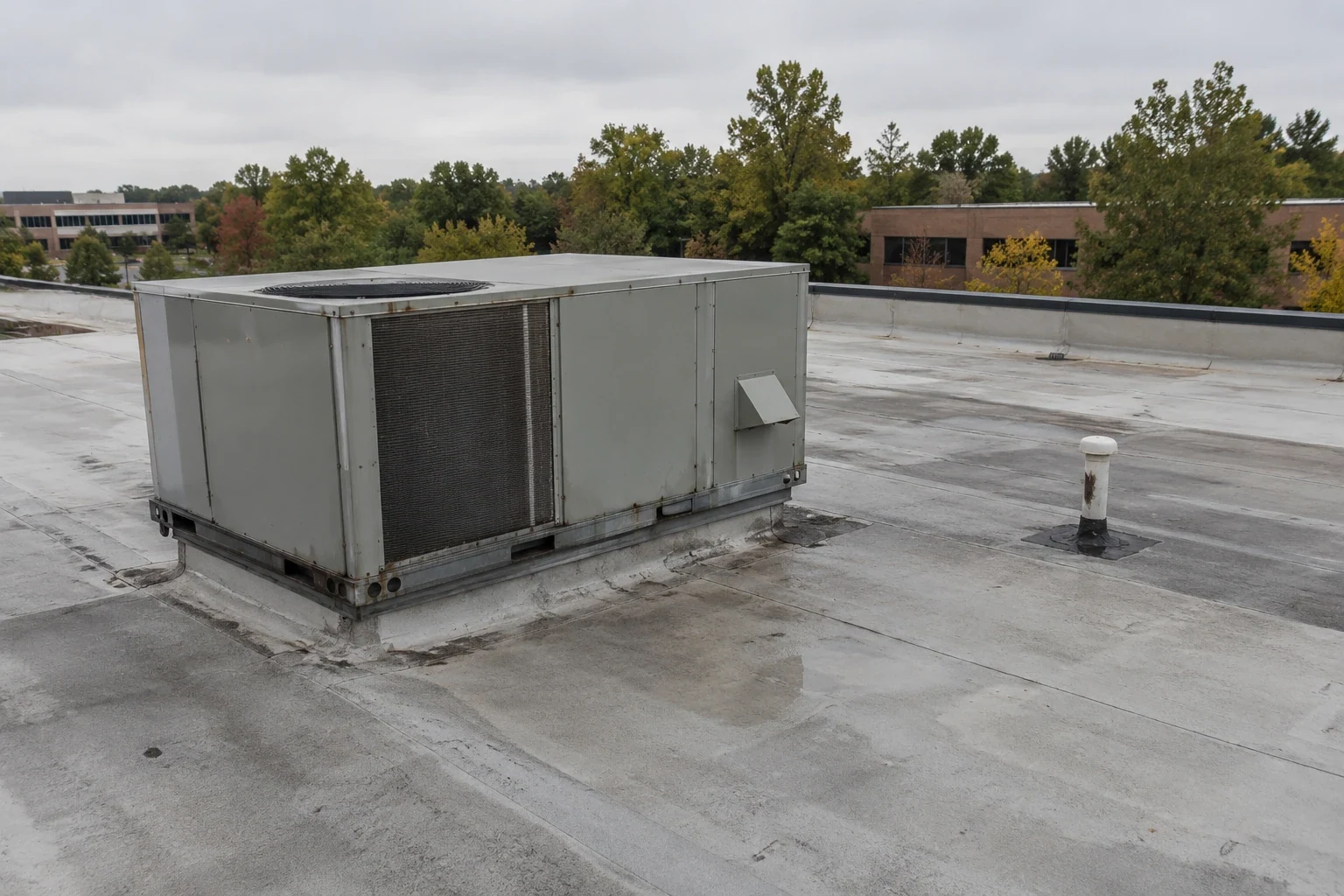
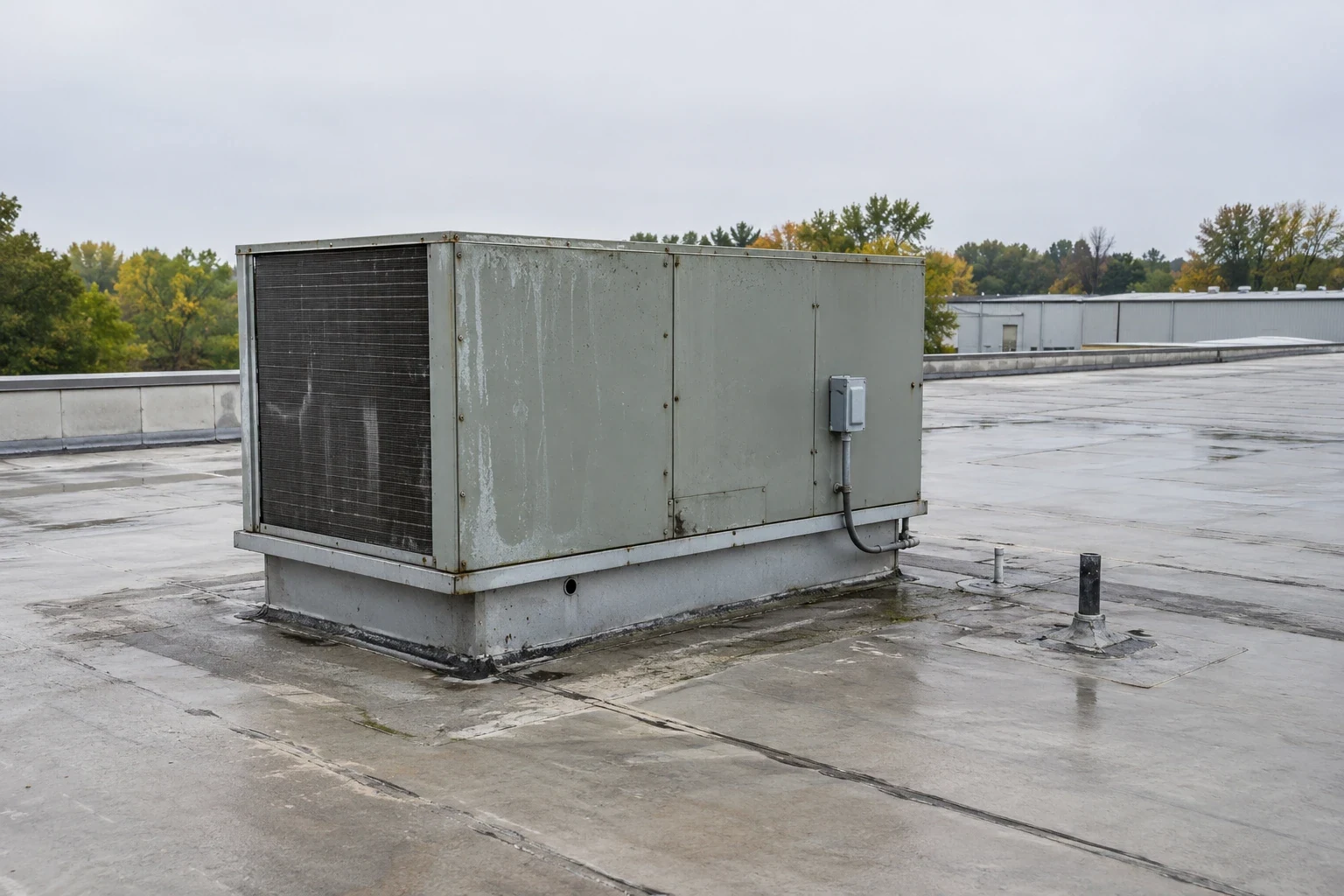
At drains, we check the bowl, surrounding membrane and overflow route. At the perimeter, we look at the edge termination and flashing turn. Around equipment, curb corners and pipe penetrations can shift during service. A drainage review addresses outlet conditions, while flashing or seam repairs are scoped only when those details show a failure.
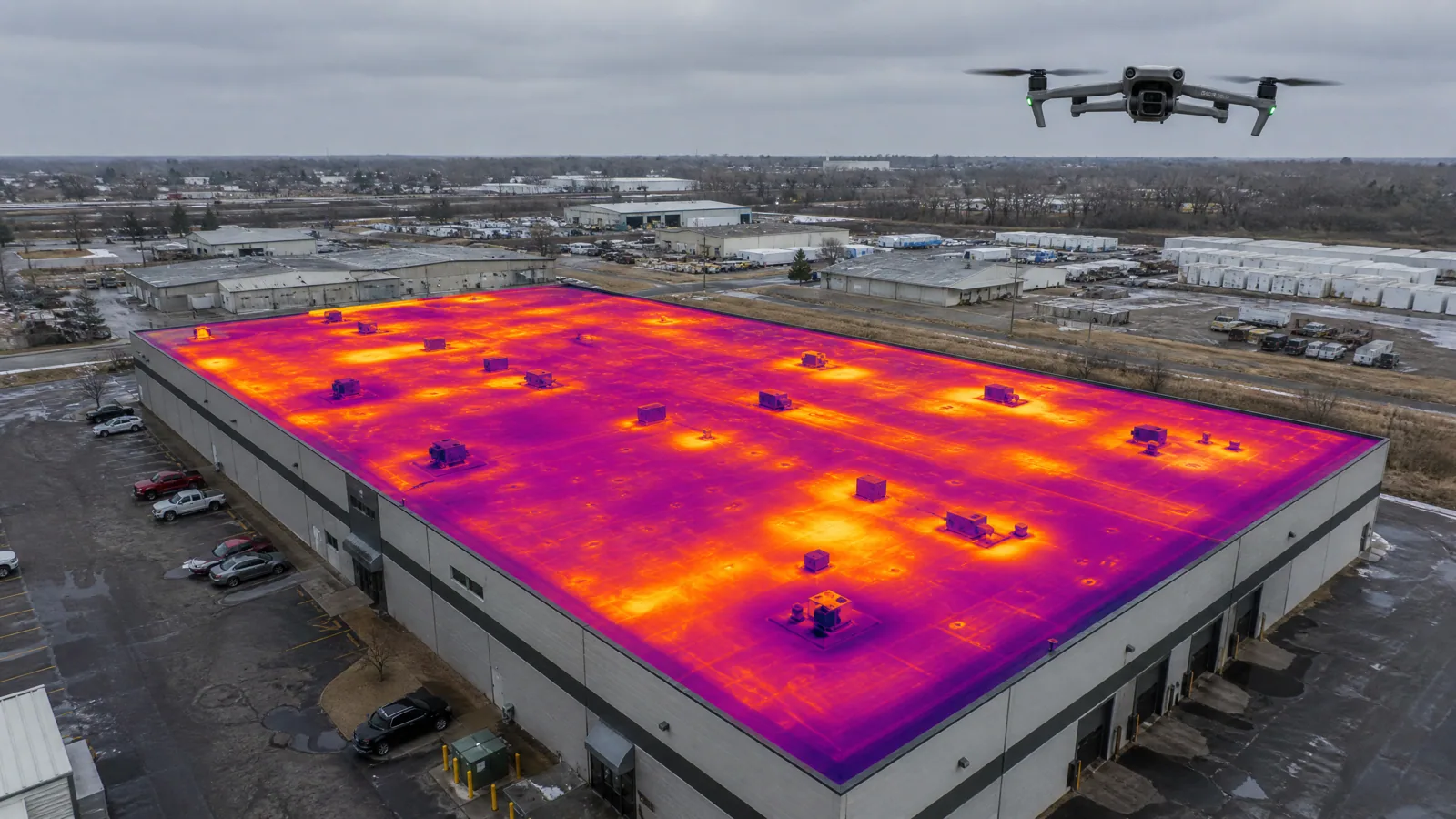
When moisture below the sheet could increase removal, infrared readings may help choose a test point, but only an opening reveals the layers at that spot. We agree on placement and protection below, photograph the insulation or deck and document what remains hidden. The report separates tested findings from neighboring areas that were not opened.
Price the Confirmed Boundary
A localized flaw may be corrected when adjacent sheet and fastening remain serviceable. We confirm the membrane, prepare a compatible repair and check its perimeter. If opening the roof exposes wet insulation or weakened decking, we photograph and measure that additional work apart from the surface correction.
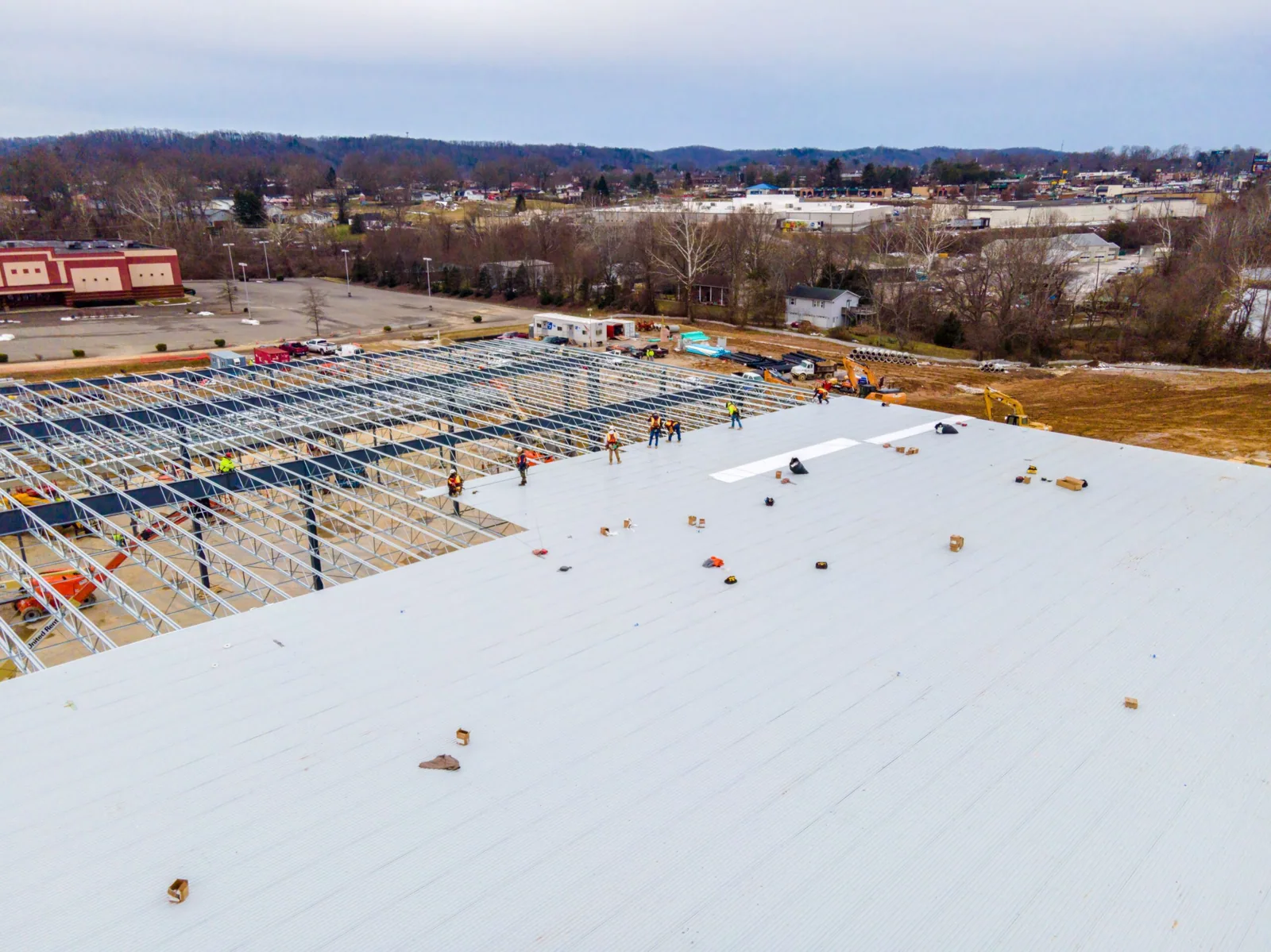
Repeated leaks, broad surface wear or loose attachment may warrant comparing recover and replacement. The existing assembly, moisture, drainage, perimeter height, project criteria and access shape the decision. A recover assessment checks whether the current roof can support an additional layer without trapping moisture or weakening edge transitions. Tear-off requires debris and weather planning but can expose concealed conditions.
Cost and timing reflect height, materials, access, testing, staging, protection below, disposal and labor windows. We show base tasks, allowances and how an opened condition will be approved before expanding quantities. For revitalization planning, a capital plan can separate urgent leakage from projects that can be staged later, with each building's observations retained on its own record.
Separate Alexandria Data from Annandale Findings
We check the Annandale roof for blocked drains, water marks, open laps and compromised flashing, then relate each finding to its roof zone. Heavy rain can test outlet flow, while seasonal temperature changes can move roof materials. If a zone is inaccessible or the slope is concealed, the report identifies that limit.
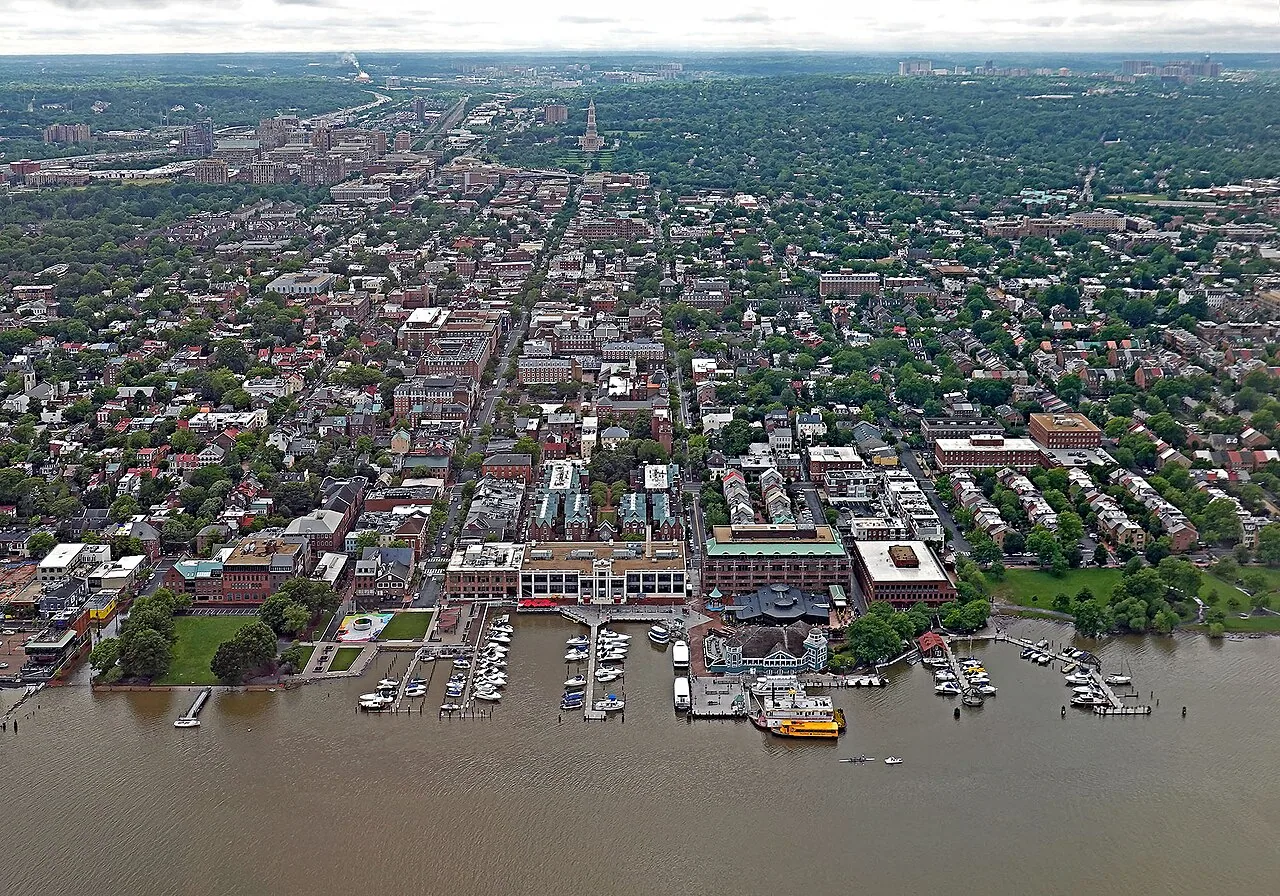
Alexandria's tidal-flood exposure belongs to that city's lower-lying areas; it does not establish ponding or water intrusion at an Annandale property. Here, the inspection documents the roof and drainage at the address under review, including any overflow path the building actually has. Ponding-water repair is considered only when retained water is observed and its cause is examined.
Weather and surface condition affect installation. Before permanent work, we consider substrate dryness, material instructions and forecast. A roof opening must have a safe closure point before work stops. If water is actively entering, a response can be arranged outside normal hours to trace entry and protect the interior, while permanent work is scheduled when access and conditions permit.
Coordinate the Work Window
The property contact confirms delivery timing, staging, roof entry, work hours and which spaces below need protection. A targeted revitalization area may have its own project coordination, but the current owner or county representative establishes applicable requirements. We put access assumptions in the proposal because they affect labor, equipment and schedule.
For an occupied site, phased roof work can divide the job into secure sections. The sequence identifies noise periods, protection, trade handoffs and the end-of-day tie-in. If removal reveals unexpected moisture or deck damage, we document the exposed condition and get direction before adding material quantities to the scope.
Springfield is another Fairfax County community associated with plans for the Franconia-Springfield station area and a community business center. For work in Annandale, the property contact confirms access, staging and the available work window for that building.
Retain a Property-Specific Record
Closeout lists the address, roof zone, material observed, repair detail, photographs and any area not tested or accessed. The field sketch can connect the interior report to the drain or flashing reviewed. If plans and field conditions differ, the record identifies the open question and what would confirm it.
A maintenance inspection can revisit the repair, drainage and roof edges after later weather. Keep the report with the building's drawings and note equipment changes that could affect a future detail. If a roof hatch, unit replacement or tenant improvement changes access, update the facility contact and work plan before the next visit, and list which zones the maintenance crew can inspect.
Share the Annandale address, reported condition, roof documents, site contact and work restrictions. We will inspect the accessible zones, separate established conditions from remaining questions and prepare a measured repair or replacement scope.
Service Areas
Commercial Roofing Questions
Does a Fairfax County revitalization area identify a roof problem in Annandale?
No. The activity-center program supports commercial revitalization. We inspect the Annandale roof and compare plans with field details before recommending a repair or test.
How do Route 236 and I-495 affect a roofing visit?
They help locate the service area, but the building contact supplies entry, loading, lift placement and work-hour rules. We record those conditions before estimating crew and equipment needs.
How can you tell where an Annandale roof leak began?
We compare the interior report with drains, seams, wall transitions, curbs and previous repairs. Water can travel beneath a membrane. The report separates likely route from confirmed entry and identifies testing if hidden layers matter.
When is a test opening useful?
It can confirm insulation or deck condition where concealed moisture would change the work boundary. We agree on the location, protect the interior and report only the layers exposed there. Nearby closed areas remain untested.
Can you phase roof work at an occupied property?
Yes, if each section can be closed securely and the site contact confirms access, noise and protection. We show the daily tie-in, material route and coordination with other trades in the plan.
Inspect a Commercial Roof in Annandale
Send the Annandale address, reported condition, roof records, site contact and access limits. We will inspect the relevant roof zones and prepare a scope from confirmed conditions.