
 Services
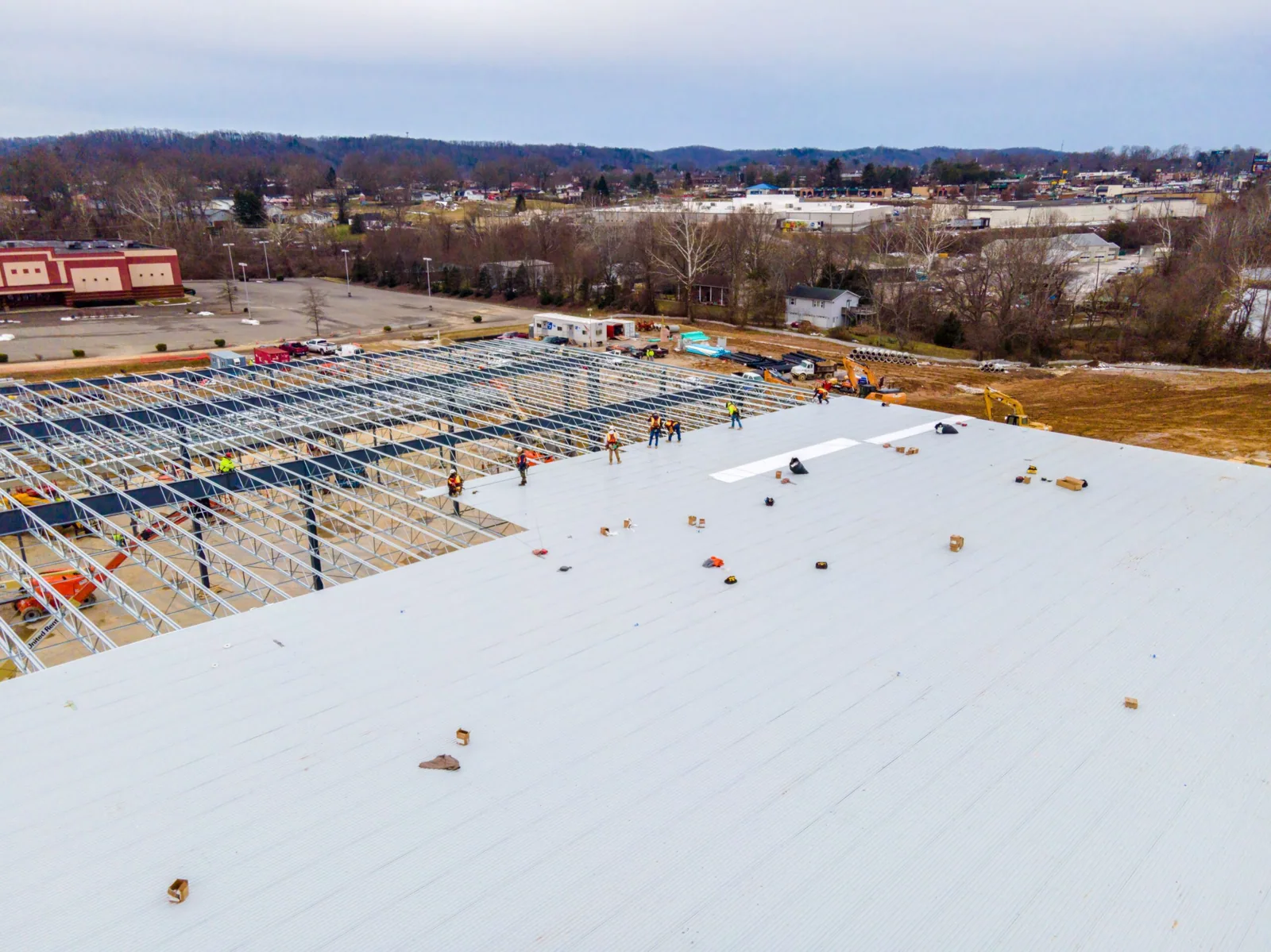 Roof Systems
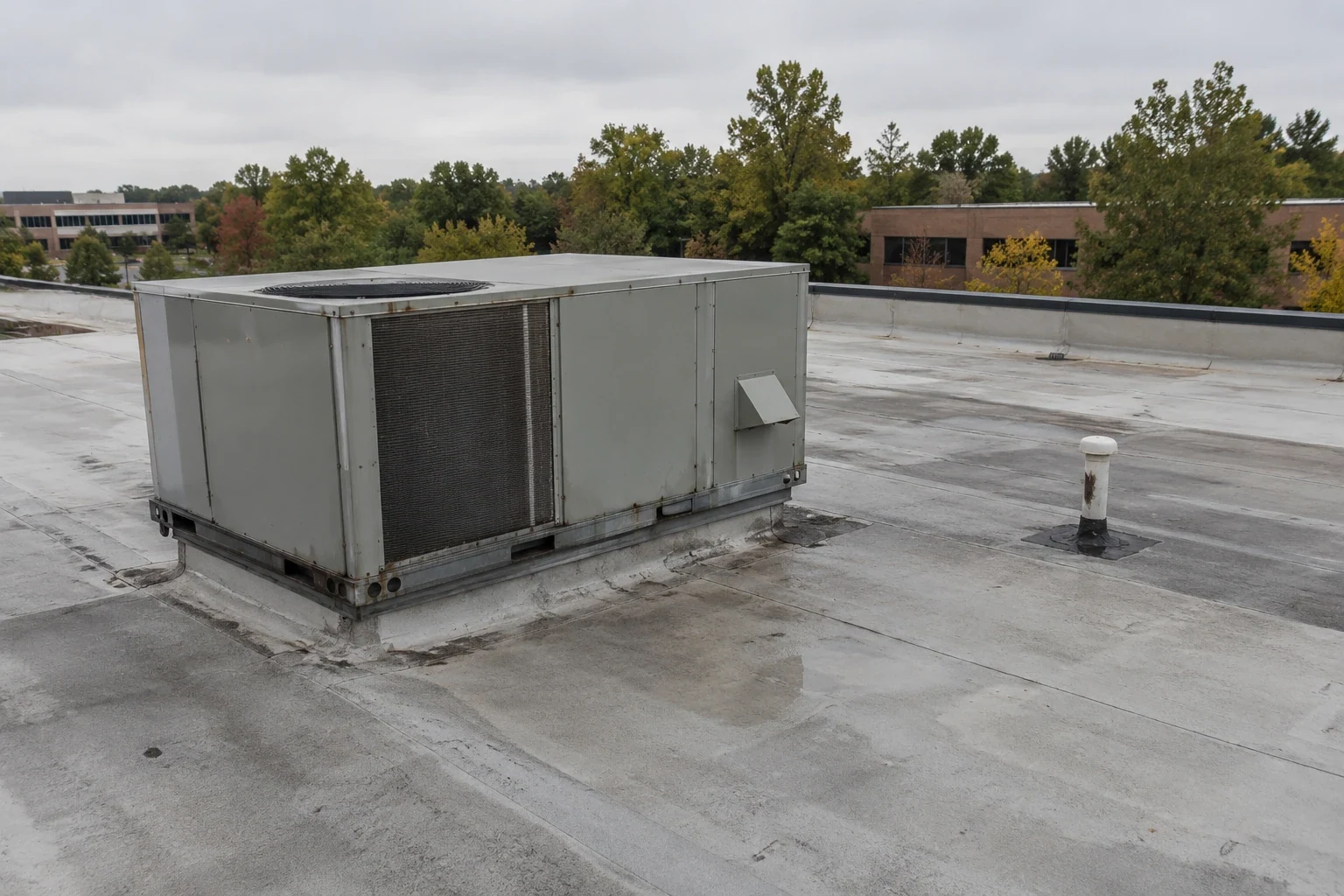 Property Types
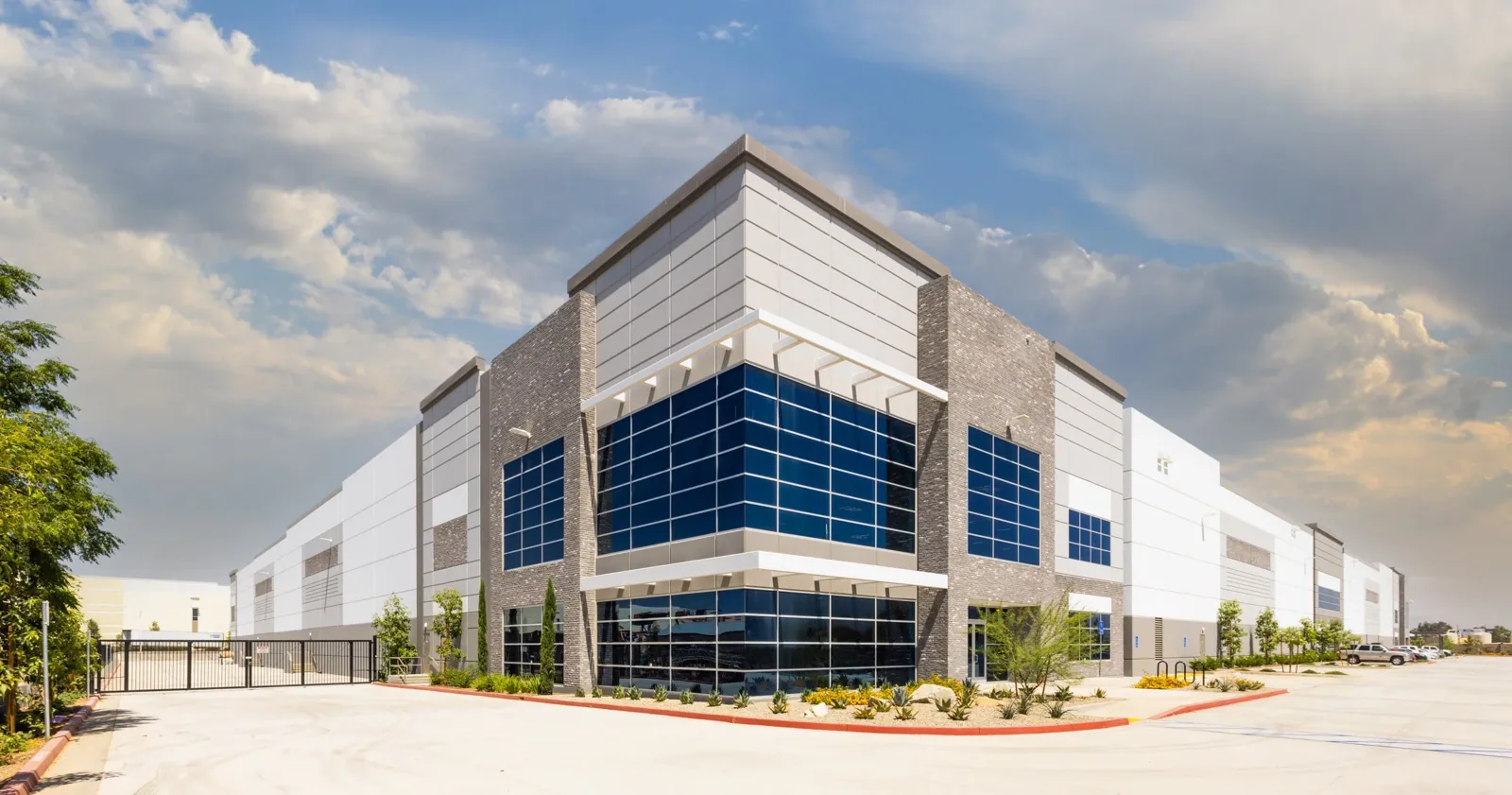 Industries
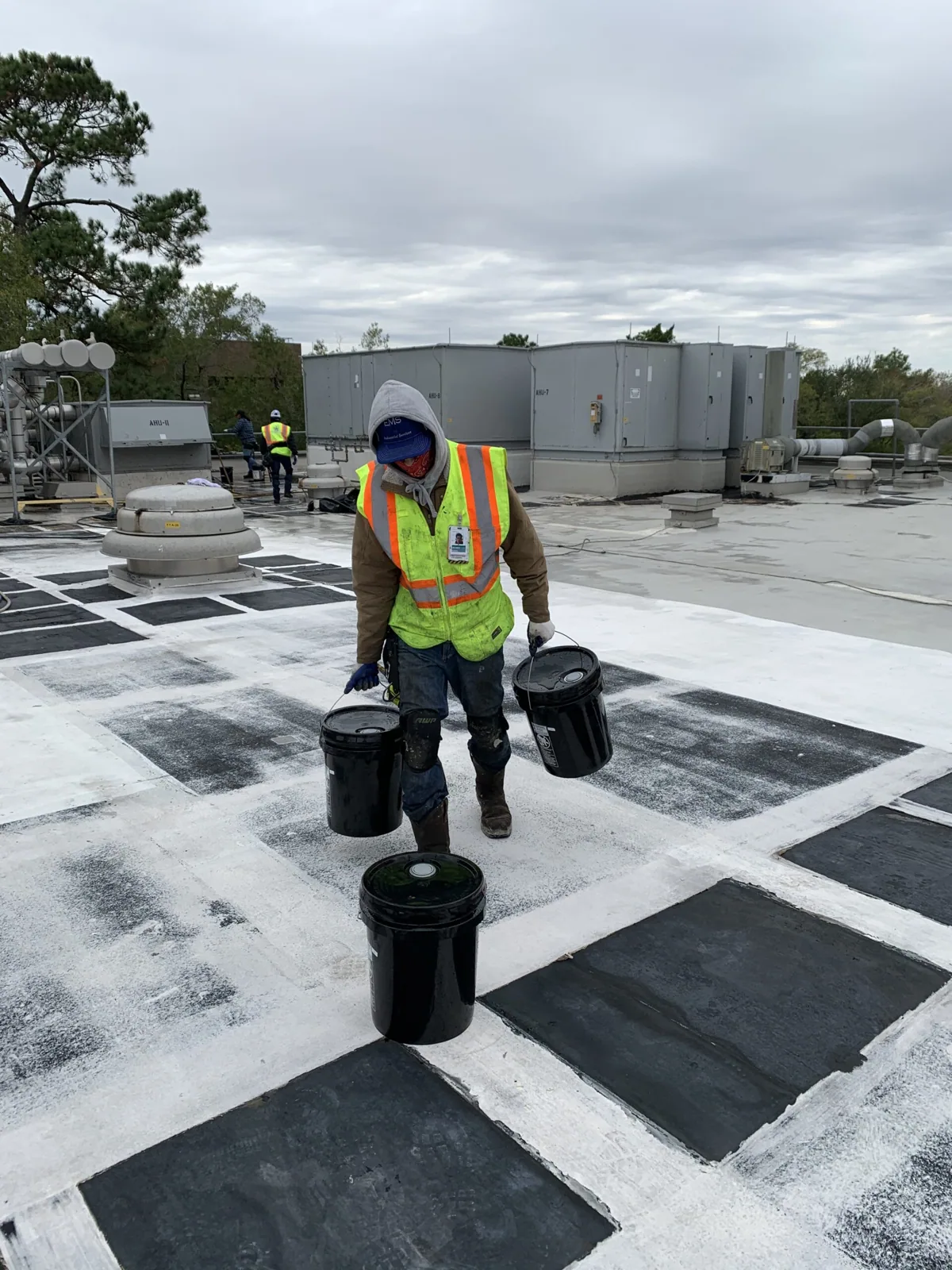 Damage Repair
 Capabilities
 Manufacturers
 Service Areas
Commercial Roofing in Reston, Fairfax County, VA
Service Areas:
- Commercial Roofing in Carlyle, Alexandria, VA
- Commercial Roofing in Landmark / Van Dorn, Alexandria, VA
- Commercial Roofing in Eisenhower East, Alexandria, VA
- Commercial Roofing in North Potomac Yard, Alexandria, VA
- Commercial Roofing in Potomac Yard, Alexandria, VA
- Commercial Roofing in Old Town North, Alexandria, VA
Reston’s office, retail and institutional buildings around its business and transit centers bring different roof access, occupancy and drainage needs. As part of Fairfax County’s Hunter Mill District, Reston’s commercial areas coordinate work with active tenants, facilities teams and transit-linked operations.
Reston’s office, retail and institutional buildings cluster around business and transit centers. We confirm each property’s address, roof assembly, drainage, access and repair history before setting the work boundary. If the building is near a transit center, access timing and occupant protection also need to be confirmed with its contact.
Reston
Start With the Roof Record
A ceiling stain identifies where water appeared; the roof inspection traces the entry route and repair area. We ask when water appeared, which room is affected, whether the condition changes during rain, and what work or equipment service happened nearby. On the roof, we compare that account with slope, drains, seams, curbs, parapets and prior patches. A commercial inspection records visible conditions, limits on access and details that need closer testing.
Reston’s office, retail and institutional mix means the contact may need to coordinate with tenants, facilities staff or a general contractor. Before the inspection, coordinate entry, escorts, loading and any restricted mechanical areas with the property contact. Business and transit centers bring different loading peaks and access routes; the building contact sets the schedule for roof work.
Records and field details help identify the assembly. Membrane type, cover board, insulation, attachment and prior recover layers affect repair compatibility. When roof plans differ from the field, compare membrane, cover board and attachment at the affected area before selecting the repair.
Follow the Water Path
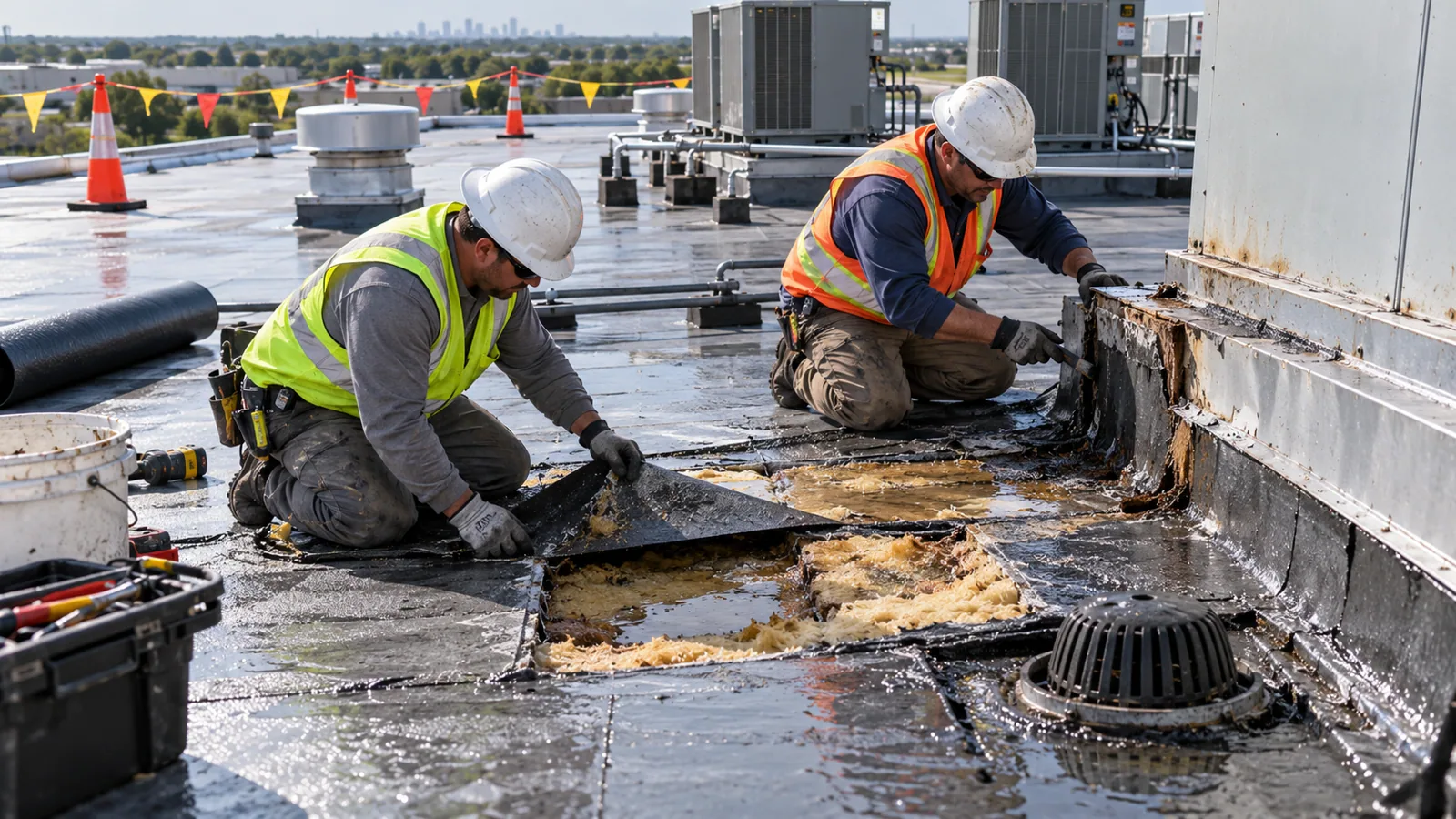
Water can cross below a membrane before a ceiling shows a stain. We map the report against drains, low areas, seams, penetrations and wall transitions, then separate a probable travel path from an entry point confirmed in the field. A leak investigation can include interior observations, roof photographs and a test opening when concealed layers could change the repair boundary.
At a drain, the bowl, membrane turn and overflow route work as one detail. Movement at a curb can stress flashing after mechanical service. At an edge, a loose termination may let water reach the assembly even when the field membrane looks intact. We inspect drainage details and perimeter connections separately.
Standing water deserves measurement. We check whether it follows a blocked outlet, depressed deck or deflection. A follow-up after runoff time can show whether water remains, helping distinguish outlet cleaning from correction of a low slope or deck.
Compare Repair and Replacement
A localized repair can make sense when the failure is bounded and the surrounding membrane, attachment and substrate remain serviceable. We prepare the surface, use compatible material, tie the repair into sound roofing and inspect the finished edge. If a test finds wet insulation or damaged deck, we document the added area before changing quantities. That keeps the original repair boundary visible to the owner.
Broader wear, recurring leaks or moisture across multiple roof zones may call for a recover or replacement comparison. Existing layers, attachment, drainage, edge height, penetrations, access and code requirements all affect the choice. A recover assessment checks whether the existing assembly can accept another layer and whether its terminations can remain sound. Replacement provides access to concealed conditions during removal, with added protection and disposal needs.
Cost and timing depend on the confirmed assembly, material, access, weather protection, testing, interior safeguards and operating window. We list assumptions and explain how concealed conditions would be reviewed before additional work proceeds. For a portfolio or capital schedule, roof capital planning can separate an immediate repair from a larger project decision without treating an untested area as failed.
Keep Regional Exposure in Context
Roof exposure depends on the building’s height, orientation, equipment and drainage details, so we inspect those conditions at the Reston property. Tie each recommendation to the membrane, attachment, outlets and flashing seen during the inspection.
When a roof inspection follows heat, freezing conditions or heavy rain, we compare the reported timing with separated laps, open sealant, drains and overflow points. The field record records visible changes and whether they connect to the reported interior effects.
Installation timing also depends on material and substrate conditions. Before opening a roof, the crew plans a secure stopping point and protection for exposed layers if weather changes. Emergency response is available at any hour, including holidays, to limit active water entry. Permanent work follows when surface, access and materials allow a proper tie-in.
Plan Around Occupied Operations
A roof project near a business or transit center can share loading areas and access with other work. The contact confirms deliveries, lift placement, security, roof entry, noise limits and work hours so the crew and material plan fits the site.
For an occupied office, retail or institutional property, phased reroofing can divide the work into zones with daily dry-in points. We coordinate interior protection and mechanical access before opening a section. If removal exposes wet insulation or damaged deck, the crew documents it and gets direction before extending the boundary.
Tysons is another Fairfax County center, with office, retail and mixed-use development in Hunter Mill and Providence. Its parcel access and work windows need separate confirmation. Springfield has its own planning context near the Franconia-Springfield station, so access and operating windows there need separate confirmation too.
Leave a Usable Roof Record
Closeout identifies the roof zone, confirmed assembly, repair materials, photographs, test openings and access limits. A field sketch can connect the interior report to the outlet or transition examined. If the roof plan differs from observed conditions, that difference stays in the record.
A maintenance visit can revisit outlets, flashing and prior repairs after later weather, preserving the new observations and any access limits. In a multi-tenant office, schedule the walk with building engineering so rooftop units, loading areas and tenant entrances remain coordinated. Pair each finding with its roof-zone location and a repair priority the facilities team can use.
Send the Reston address, affected room or zone, available plans, access contact and project restrictions. We will inspect the relevant details and return a measured scope with options tied to field findings.
Service Areas
Commercial Roofing Questions
What does Reston’s Hunter Mill designation tell you about my roof?
That designation situates Reston in Fairfax County; the property’s assembly and condition guide roofing work. Inspect the membrane, layers, drainage and access at the property before recommending work.
Can you locate a leak when the ceiling mark is far from the roof opening?
We compare the interior report with roof slope, seams, drains, parapets and penetrations. Water can travel below the membrane. The report maps likely water travel separately from the roof opening found and identifies any test that could change the repair area.
How do you work around an occupied Reston property?
The site contact confirms roof entry, tenant routes, loading, work hours, noise limits and mechanical access. We use those conditions to sequence protection and daily dry-in points, then record any restrictions that affect the estimate.
When is a test opening useful?
A test opening helps when insulation or deck condition could change the repair size or recover decision. We agree on its location, protect the space below, photograph the layers and describe what remains outside the tested area.
Would a recover avoid replacing a Reston roof?
It may be an option if the existing layers, moisture condition, attachment, edge height and drainage support another assembly. We inspect those factors first. If concealed damage or incompatible layers are found, replacement may be the sounder comparison.
Request a Reston Roof Inspection
Share the Reston address, reported condition, roof records and access contact. We will inspect the relevant zones and prepare options tied to confirmed field findings.