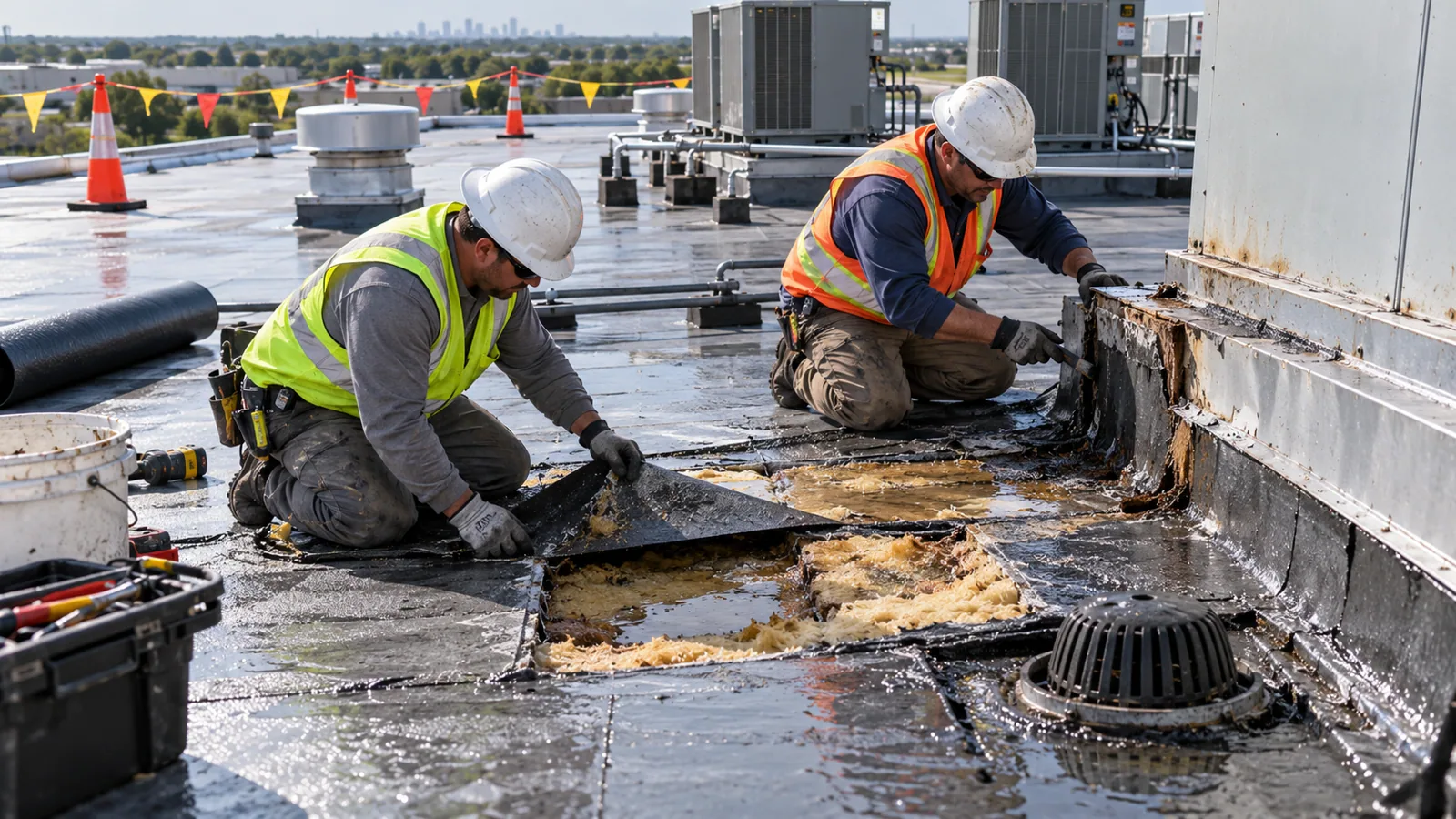
 Services
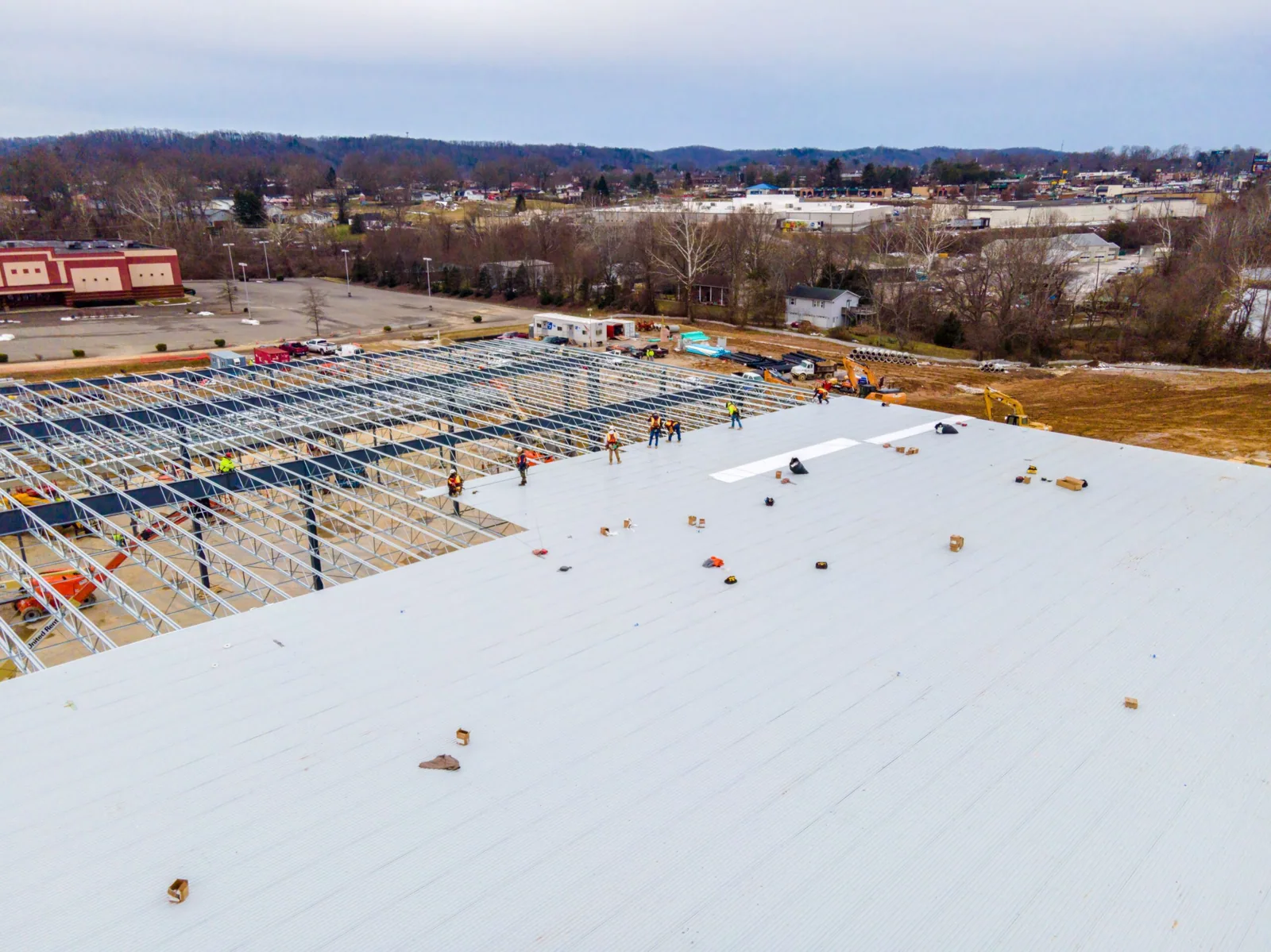 Roof Systems
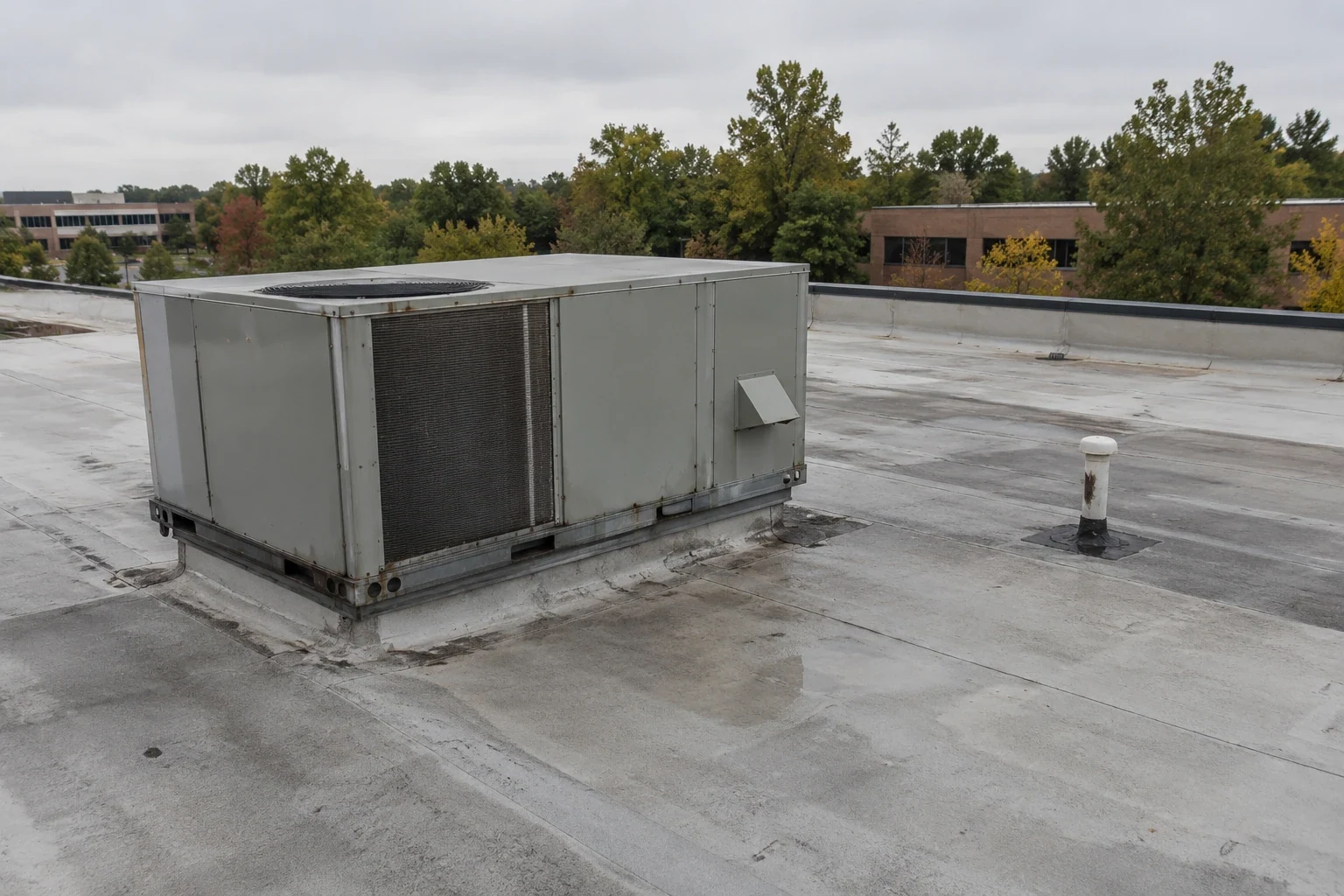 Property Types
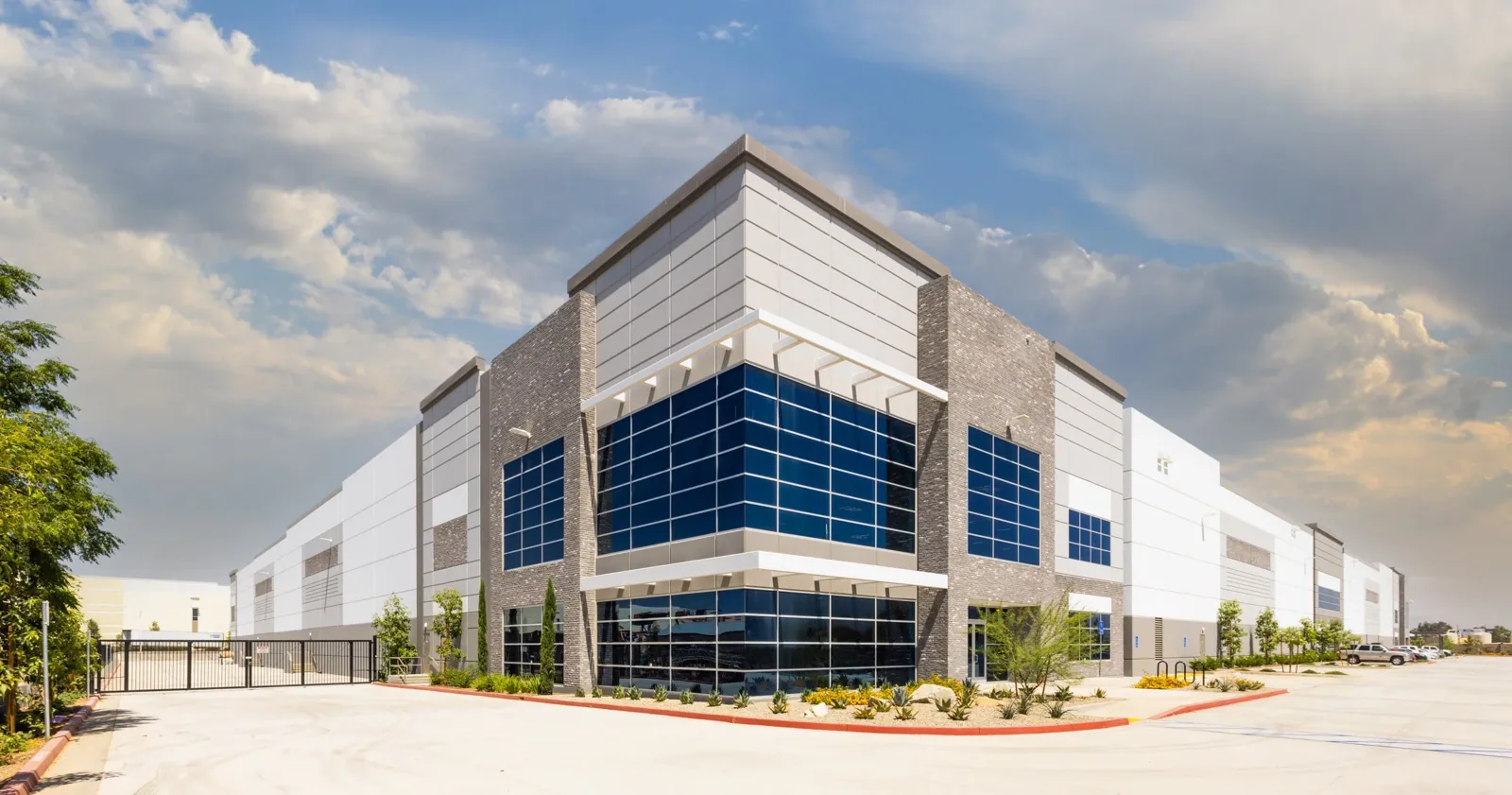 Industries
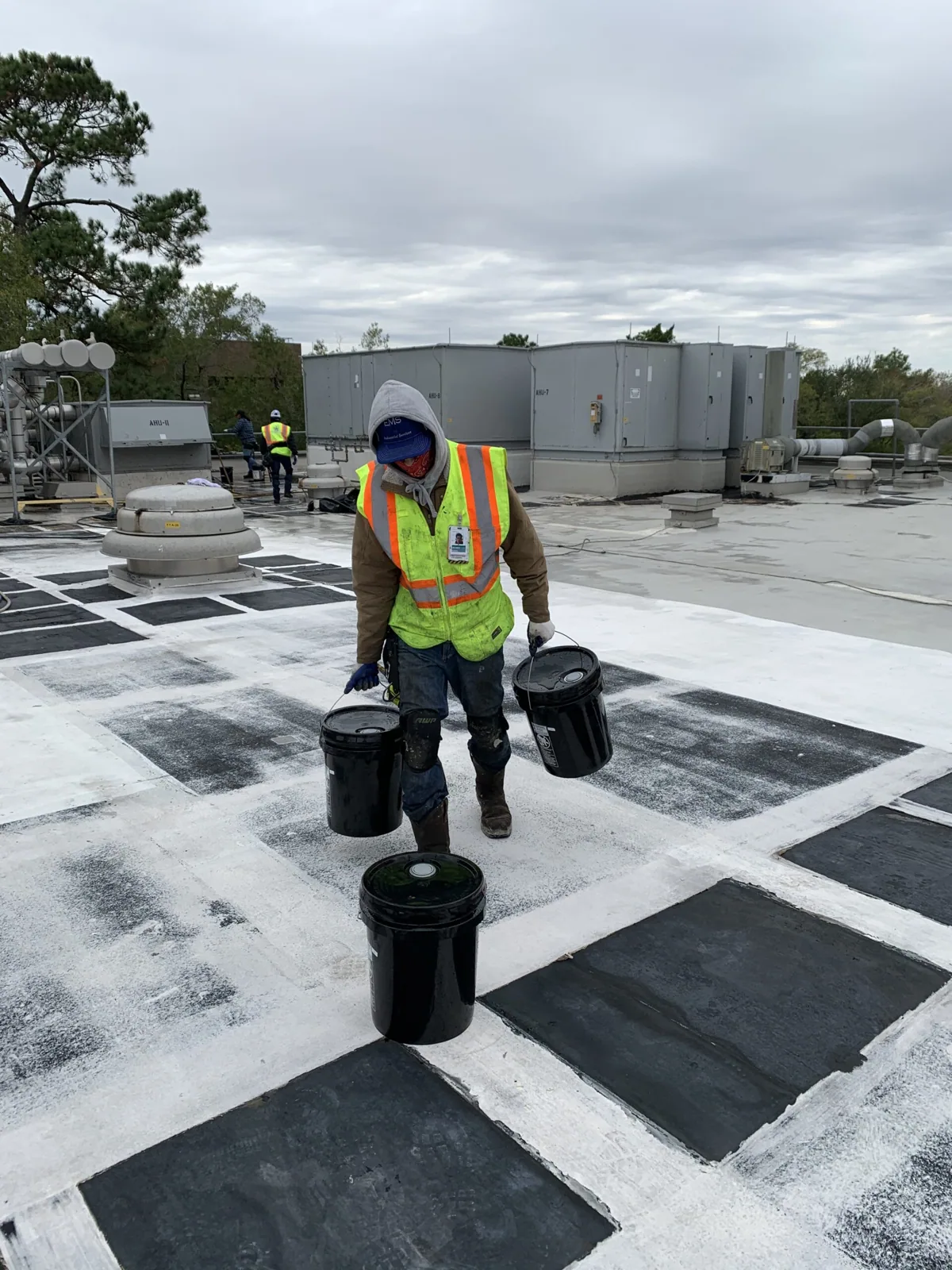 Damage Repair
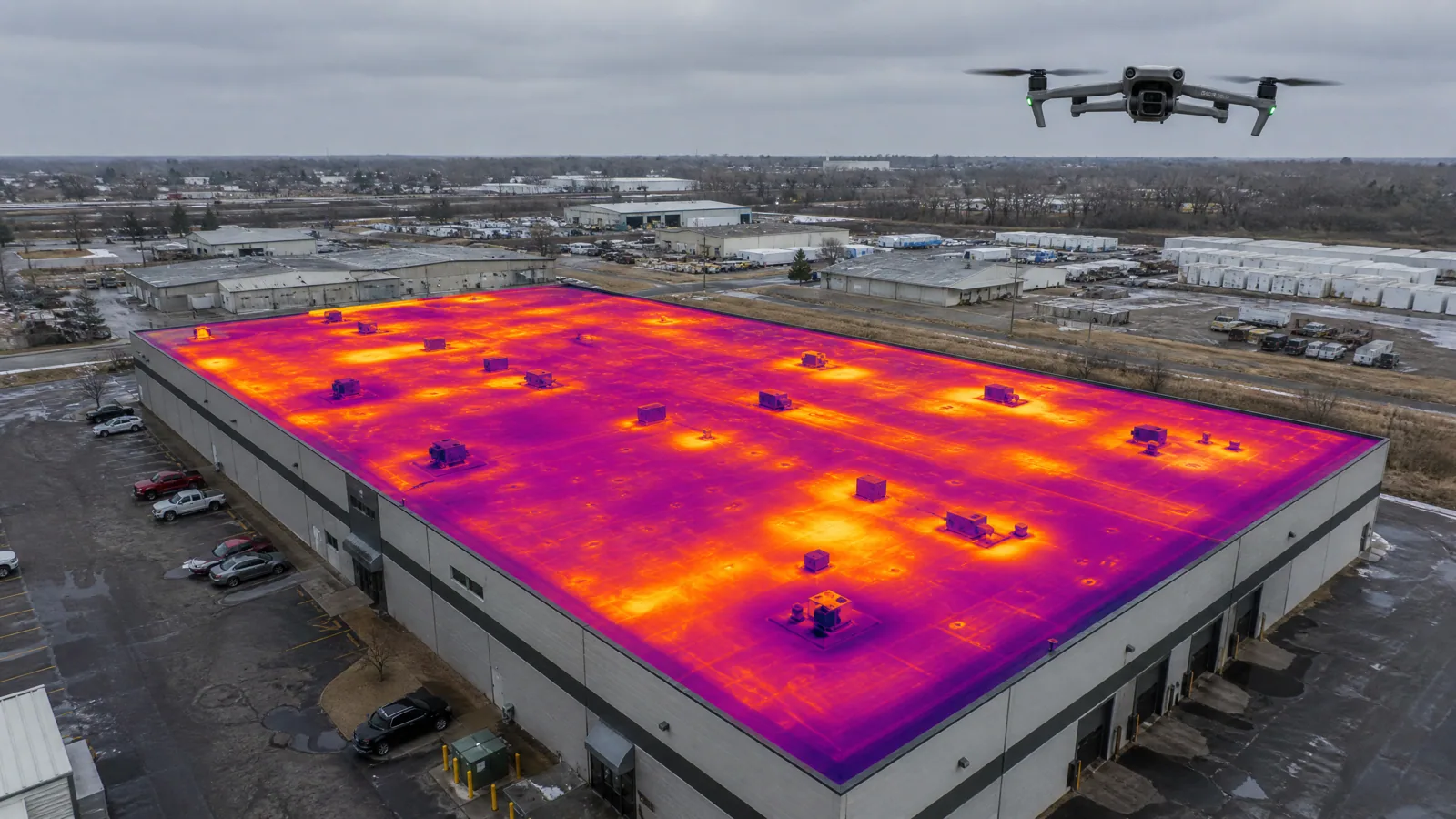 Capabilities
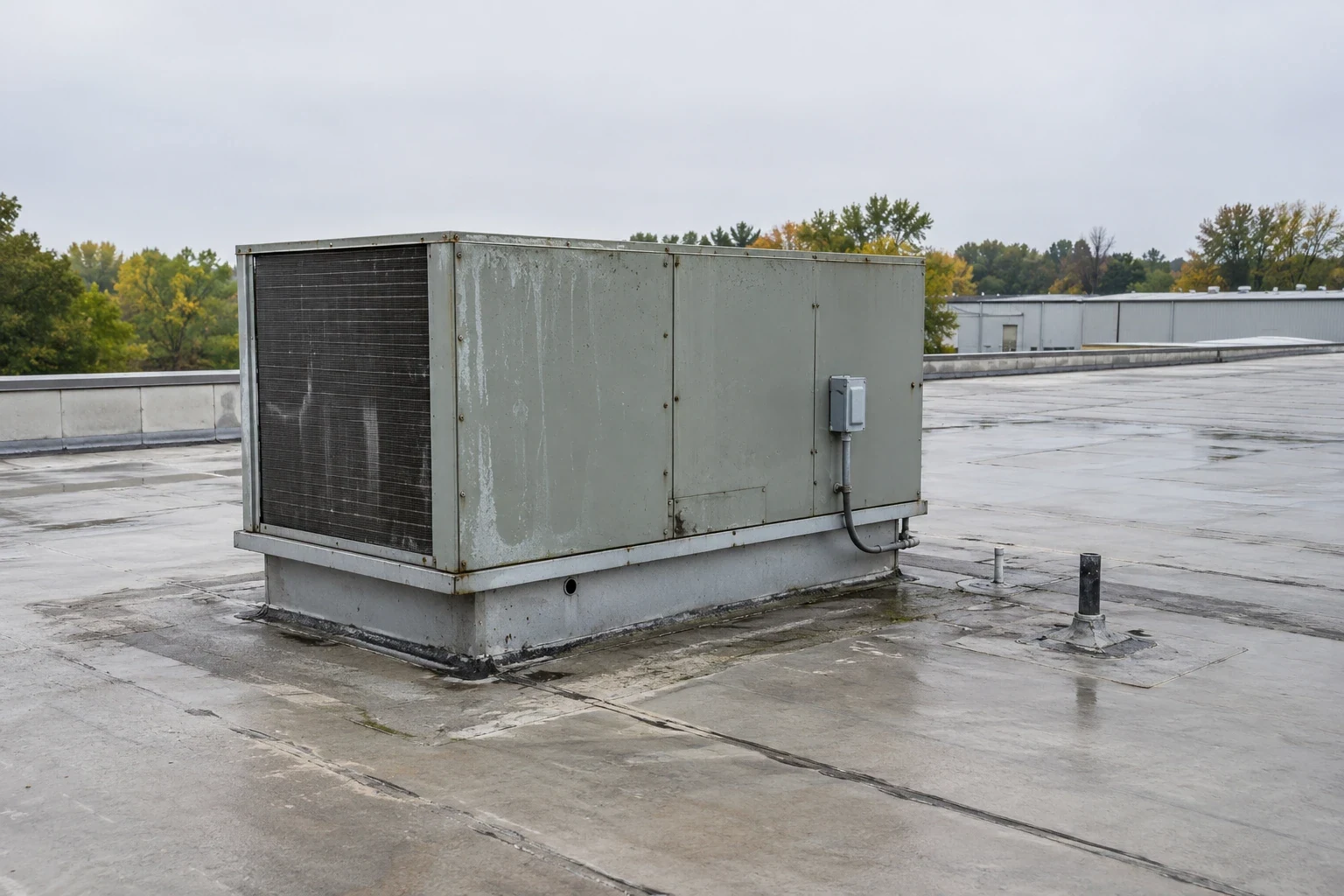 Manufacturers
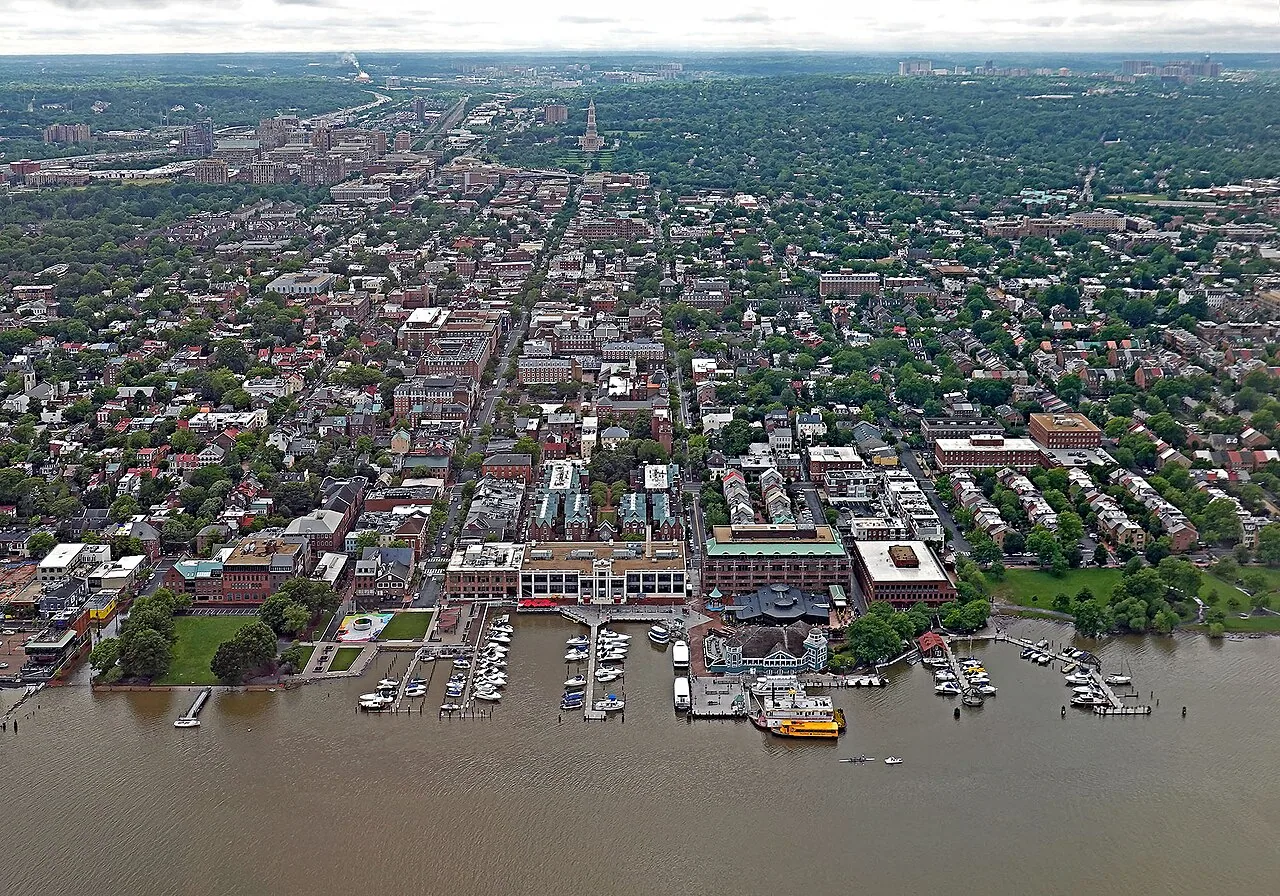 Service Areas
Commercial Roofing in National Harbor, Prince George’s County, MD
Service Areas:
- Commercial Roofing in Carlyle, Alexandria, VA
- Commercial Roofing in Landmark / Van Dorn, Alexandria, VA
- Commercial Roofing in Eisenhower East, Alexandria, VA
- Commercial Roofing in North Potomac Yard, Alexandria, VA
- Commercial Roofing in Potomac Yard, Alexandria, VA
- Commercial Roofing in Old Town North, Alexandria, VA
Hotels, retail, restaurants and conference facilities at National Harbor depend on roof work that can be mapped to an operating zone and a confirmed access window. The mixed-use waterfront development sits in Prince George’s County and connects to Alexandria by the Woodrow Wilson Bridge and I-95/I-495. The building contact confirms loading routes, roof access, operating hours and assembly records before we set the scope.
At the National Harbor address, we inspect the roof assembly, outlet flow and edge details. The field record ties each finding to the building and operating zone. A hotel, shop or conference facility also needs its own plan for guest routes, deliveries, equipment and work timing.
National Harbor
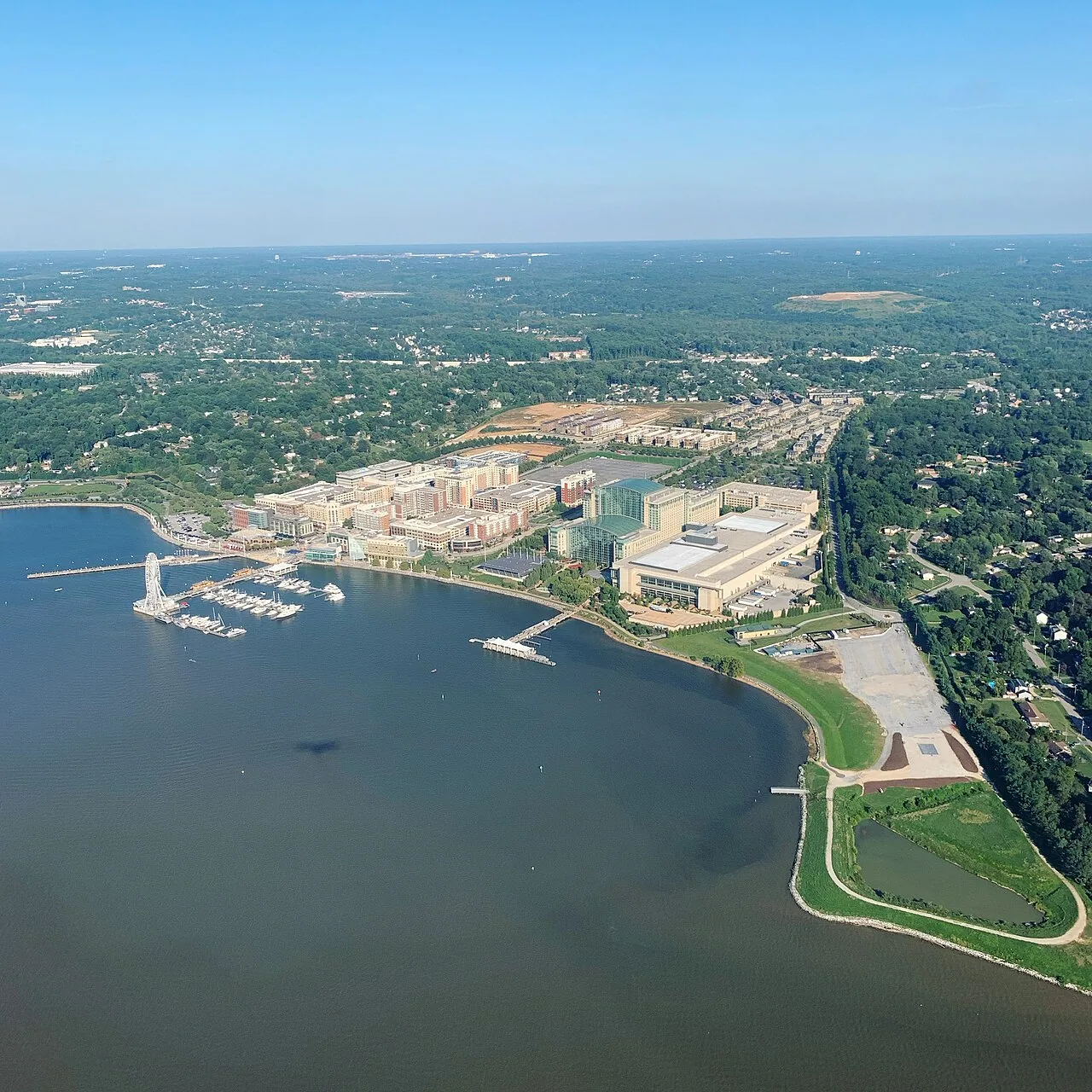
Match the Inspection to the Operation
A stain in a guest room, a damp ceiling over a shop or a leak report in a service area each needs a location and time before a roof scope can be drawn. We record the affected space, weather, recent mechanical work and any prior repair. On the roof, we compare the report with drains, seams, curbs, parapets and equipment. A commercial roof inspection documents visible conditions and the areas that access prevented us from checking.
National Harbor’s mix of hotels, retail, restaurants and conference facilities means operating contacts may control different routes and schedules. The building manager confirms roof entry, escort requirements, loading, lift placement and restrictions near guest or public areas. Hotels, retail, restaurants and conference facilities have different access, loading and work-hour constraints. The building manager confirms the membrane records and live event calendar for each property. The owner’s records and current site contact guide the work sequence.
We identify the assembly from plans and observable details when possible. Membrane, cover board, insulation, attachment and previous recover layers influence repair compatibility and the replacement path. If equipment blocks a transition or roof records differ from visible conditions, we mark the affected zone for follow-up before setting a wider repair boundary.
Trace Water to a Confirmed Detail
Water can move below a membrane before it reaches a ceiling, so the closest drain or curb may not be the entry. We map the report to slope, low areas, seams, penetrations and wall transitions, then separate likely travel from the area exposed at a test opening. A leak investigation can include photographs, interior observations and a test opening where concealed layers could affect the repair boundary.
At a drain, the bowl and membrane turn must direct water toward the outlet without an open tie-in. At an edge, coping and flashing control how water leaves the assembly. Around mechanical equipment, service movement can disturb a curb transition. We review edge and coping details alongside penetrations instead of treating a surface patch as proof that the path is closed.
Rainfall can expose an overflow problem that does not appear during a dry inspection. We record water marks, debris, outlet condition and any standing water, then compare those findings with the roof plan and reported timing. We compare water marks with rainfall timing and outlet conditions. When water duration or insulation condition could change the scope, a return visit or agreed opening helps define the repair boundary.
Separate Immediate Work From the Long-Term Choice
A bounded seam opening, puncture or failed flashing may be repaired when surrounding materials and the substrate remain sound. We prepare the surface, use a compatible detail, complete the tie-in and record the boundary. If testing finds wet insulation or damaged deck, the added quantity is shown for review before it becomes part of the approved work.
Repeated leaks or widespread wear can make recover and replacement worth comparing. The current layers, moisture, attachment, drainage, edge height, penetrations and site access all affect the decision. A recover review checks whether an added assembly can terminate correctly and whether drains remain usable. Replacement requires removal, disposal and weather protection, while opening the roof can expose conditions hidden by the existing layers.
For a hospitality or retail building, cost and schedule also respond to guest protection, public separation, loading, lift placement and coordination with events or deliveries. A capital plan can set an immediate water-control scope apart from a larger project decision, with each assumption recorded. The estimate keeps concealed deck work as a separate allowance until an opening establishes its extent.
Keep Market Climate Separate From Site Findings
Temperature changes can move membrane laps, and water at an open transition can work on the seam. Heavy rain tests drains and overflow points. We inspect movement, drainage restrictions, open seams and edge details at the property and tie each recommendation to what is visible.
Before removal, the crew plans how to secure an opened area if weather shifts. Material, dry substrate, access and work windows affect timing. Emergency response is available around the clock, including holidays, for active water entry. Permanent work follows when conditions allow a lasting tie-in.
Coordinate Access Before Mobilization
The Woodrow Wilson Bridge and I-95/I-495 connect National Harbor with Alexandria. The building contact confirms loading and roof access for the job. The facility contact confirms entry, security, delivery timing, staging, escorts and restrictions near public or guest spaces. We list those constraints in the estimate.
Where guests, diners or conference activity continue, phased reroofing can divide work into sections with daily dry-in points. We plan noise, debris handling, interior protection and equipment access with the contact. If removal exposes concealed damage, the crew documents it and requests direction before expanding the approved section.
Old Town sits on Alexandria’s side of the Potomac, while National Harbor is in Prince George’s County across the bridge. Each project follows its address, site rules and operating contact. A separate property in Woodbridge likewise needs its own operating contact and access plan.
Close Out by Roof Zone
The record identifies the address, roof zone, confirmed assembly, repair detail, photographs and access limits. If a test opening exposes layers, we record what was visible and what remains covered. A field sketch can connect the interior report to a drain, curb or transition.
A maintenance visit can revisit drainage, flashing and previous repairs after later weather, distinguishing new observations from earlier work and noting inaccessible areas.
Share the National Harbor address, building use, affected zone, roof plans, operating calendar and access contact. We will inspect relevant details and return a measured scope tied to findings.
Service Areas
Commercial Roofing Questions
Does waterfront location prove that a National Harbor roof has flood damage?
No. We inspect the roof, outlets and edge details, then connect each recommendation to the building’s observed conditions and reported interior effects.
Can roof work be scheduled around hotel or conference operations?
The facility contact confirms guest routes, events, deliveries, work windows, security and roof access. We use those constraints to sequence protection and daily dry-in points, and include any limits that affect the scope.
What if the reported ceiling stain is away from the roof defect?
We trace slope, seams, drains, curbs and wall transitions. Water can travel below the membrane, so we record probable movement separately from a confirmed entry and identify testing when concealed layers could change the repair area.
How do you determine whether recover is possible?
We check existing layers, moisture, attachment, drainage, edge height and penetrations. If the assembly can accept and terminate another layer, recover may be compared. Wet insulation or incompatible transitions can make replacement the better path.
What happens if removal finds damage beyond the approved scope?
The crew records the exposed condition, protects the opening and pauses at the agreed boundary. We provide the added area and work needed for review before proceeding beyond the approved quantity.
Plan Commercial Roof Work at National Harbor
Provide the property address, reported condition, operating calendar, roof records and access contact. We will inspect the relevant zones and document a measured scope with logistics assumptions.