



 Services
 Roof Systems
 Property Types
 Industries
 Damage Repair
 Capabilities
 Manufacturers
 Service Areas
Commercial Roofing in Seminary Hill, Alexandria, VA
Service Areas:
- Commercial Roofing in Carlyle, Alexandria, VA
- Commercial Roofing in Landmark / Van Dorn, Alexandria, VA
- Commercial Roofing in Eisenhower East, Alexandria, VA
- Commercial Roofing in North Potomac Yard, Alexandria, VA
- Commercial Roofing in Potomac Yard, Alexandria, VA
- Commercial Roofing in Old Town North, Alexandria, VA
Institutional parcels and neighborhood commercial buildings along Seminary Road call for roof recommendations tied to the specific property. Alexandria's Seminary Hill planning district includes both settings. Before scheduling, confirm who controls roof entry, which drawings match the building and which interior areas need protection. A field visit can then connect the reported leak with roof zones an owner can inspect and authorize.
Alexandria summers bring heat, winter freezes can stress joints, and intense rain tests drains and overflow routes. We check the runoff path and inspect penetrations, seams and perimeter details that can change the repair. Alexandria West includes institutional and redevelopment areas in the West End network; each property needs its own roof and access plan.
Seminary Hill
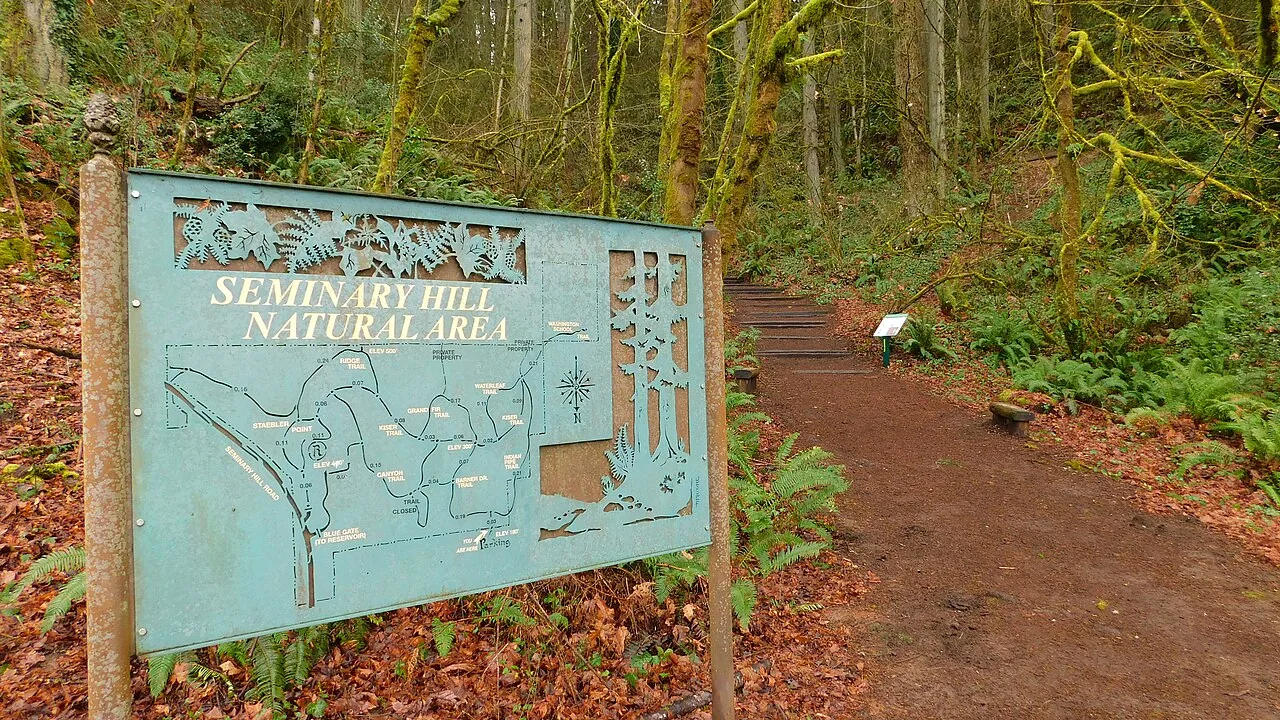
Start with the Parcel Record
At a Seminary Hill property, the building contact can identify who approves roof access, which drawings are current, active interior areas and any other trade work scheduled nearby. Those details help set a safe inspection route and protect the space below if testing is needed.
During the walk, we compare the reported condition with roof slope, membrane seams, drains, parapets, curbs, penetrations and repair history. A commercial roof inspection records the affected zone and anything the crew could not access. A field sketch connects the interior report with visible roof details while keeping concealed layers open for testing.
The address and property contact establish entry, staging and roof access for the job. We include those constraints in the estimate so the crew can plan equipment and work windows for the actual building.
Trace Water Through Layers and Transitions
Water may travel beneath a membrane, along a deck or behind a flashing before it reaches a room. We log the location and timing, then compare the report with nearby outlets and transitions. A leak investigation distinguishes likely travel from a defect directly observed. If several details could explain the same symptom, each candidate is noted until testing or further access narrows the path.
At the perimeter, we review membrane termination, edge metal and wall flashing. At drains, we inspect the bowl, nearby sheet and overflow route. Around rooftop equipment, curb corners and penetrations can show movement or an incomplete tie-in. A flashing correction is scoped when the detail supports it; a blocked drain or wet insulation can require a separate response.
Moisture below the roof can change whether a patch stays local. Interpreted infrared observations collected under suitable conditions can help choose confirmation positions; a test opening records the layers and condition locally. We coordinate protection below, photograph the exposed layers and mark untested zones. That gives the owner a basis for deciding whether further sampling is worth the schedule and cost.
Make the Work Boundary Measurable
A localized seam, puncture or flashing repair can suit a bounded defect when adjacent membrane and attachment remain sound. We prepare the surface, use compatible material and inspect the completed edge. If the test shows moisture in insulation or a compromised substrate, the scope identifies those layers separately instead of burying them beneath a patch.
Where deterioration repeats or covers multiple roof zones, recover and replacement can be compared. Existing layers, drainage, attachment, perimeter height, project criteria and access all affect feasibility. A recover review checks the current assembly for moisture and secure attachment and considers how the new layer would meet drains and edges. Tear-off allows review of concealed deck but adds dry-in and disposal requirements.
Cost and schedule depend on work height, material, staging, protection, testing, hours and weather. We list confirmed quantities and any allowance for hidden conditions, with the approval process for changes. If the project involves a second institutional parcel, condition reports can organize findings while keeping each roof's assembly and repair history distinct.
Check Alexandria Exposure at the Roof
Washington National Airport's 1991-2020 climate normals provide a regional reference for seasonal heat, winter freezing and snowfall. Alexandria's climate plan also identifies extreme heat and tidal Potomac flooding. At a Seminary Hill roof, we check how drains, overflow points and perimeter details handle the property's actual runoff and exposure before setting a repair boundary.
We follow the building's drainage route, inspect primary outlets and overflow points, and note visible water marks. If slope, a drain connection or concealed insulation needs further review, the report identifies the access or test that would resolve it.
For permanent work, surface dryness, material requirements and the forecast guide the method. Before opening a roof zone, the crew defines a secure end-of-shift closure. For active water entry, an after-hours response can examine accessible details and identify suitable protection for the affected space; permanent work follows when access and application conditions permit.
Coordinate Institutional and Commercial Use
Institutional parcels and neighborhood commercial buildings can have different contacts and access processes. We confirm who approves entry, whether escort or notice is required, when deliveries can arrive and which interior areas stay in use. The building contact confirms its operating rules before inspection so access and protection match the property.
For an occupied property, phased roof work can divide the project into sections that can be secured independently. The sequence identifies noisy tasks, equipment coordination, protection below and the daily tie-in. If another trade changes a curb or penetration, we coordinate the flashing transition before closing the roof.
Landmark / Van Dorn is another Alexandria planning area with its own institutional redevelopment context. The Seminary Hill contact supplies its own schedule and access instructions. We keep the site contact, phase and work limits with the address inspected so owners can compare records without merging separate projects.
Keep the Inspection Record Specific
Closeout identifies the building, roof zone, visible assembly, repair method, photographs and any test or access limit. If a plan and field detail conflict, we note the discrepancy and what record or opening would resolve it. The report then supports later review without presenting an unverified layer or condition as established.
A maintenance visit can revisit drains, seams and the repaired transition after later weather. If a project extends into Beauregard, its coordinated development districts have separate planning conditions; each building keeps its own roof and access record.
Send the Seminary Hill address, affected area, roof documents and access contact. We will inspect the available zones, state what is confirmed and prepare a repair or broader scope with open tests and schedule assumptions clearly identified.
Service Areas
Commercial Roofing Questions
Does Seminary Hill's planning district establish a building's roof condition?
No. It identifies a named district and planning references such as Seminary Road. We verify the property, drawings and roof assembly directly, then distinguish visible findings from concealed conditions that need testing.
What should an institutional contact arrange before inspection?
Confirm roof entry, escort or notice procedures, operating hours, deliveries and protection needs below. We document any restriction that prevents a complete view and plan the work window with the person who controls access.
Can water appear far from the roof defect?
Yes. It can travel beneath a membrane or along the deck before showing inside. We map the reported room to drains, curbs, seams and wall transitions, then identify likely travel separately from a confirmed opening.
What makes a repair area larger than first reported?
Moisture in insulation, deck damage, loose attachment or related failures can widen the verified boundary. We inspect and test where needed, document what was exposed, and present added removal as a separate quantity for review.
How do you protect a building that remains occupied?
We coordinate notices, access, noisy tasks and interior protection, then set a daily closure for each opened roof zone. The building contact identifies active areas and any schedule limits before crews mobilize.
Inspect Commercial Roofing in Seminary Hill
Share the address, reported roof condition, available plans and access contact. We will inspect the relevant roof zones and outline repair or replacement options from field evidence.