

 Services
 Roof Systems
 Property Types
 Industries
 Damage Repair
 Capabilities
 Manufacturers
 Service Areas
Commercial Snow and Ice Roof Damage Repair in Alexandria, VA
Roof Damage Repair:
- Wind Damage Roof Repair in Alexandria, VA
- Ponding Water Roof Repair in Alexandria, VA
- Commercial Roof Flashing Failure Repair in Alexandria, VA
- Commercial Roof Seam Failure Repair in Alexandria, VA
- Commercial Roof Membrane Puncture Repair in Alexandria, VA
- Commercial Roof Fire Damage Repair in Alexandria, VA
A winter roof leak can continue after snow has melted from the visible surface. Water may remain at a drain, enter a joint during thaw or follow a roof path before reaching a ceiling. We inspect drainage, flashing and membrane details, then record what can be verified. Alexandria's winter climate includes occasional snowfall and temperatures that cross freezing. We confirm roof conditions and any distress at the property before setting the repair boundary.
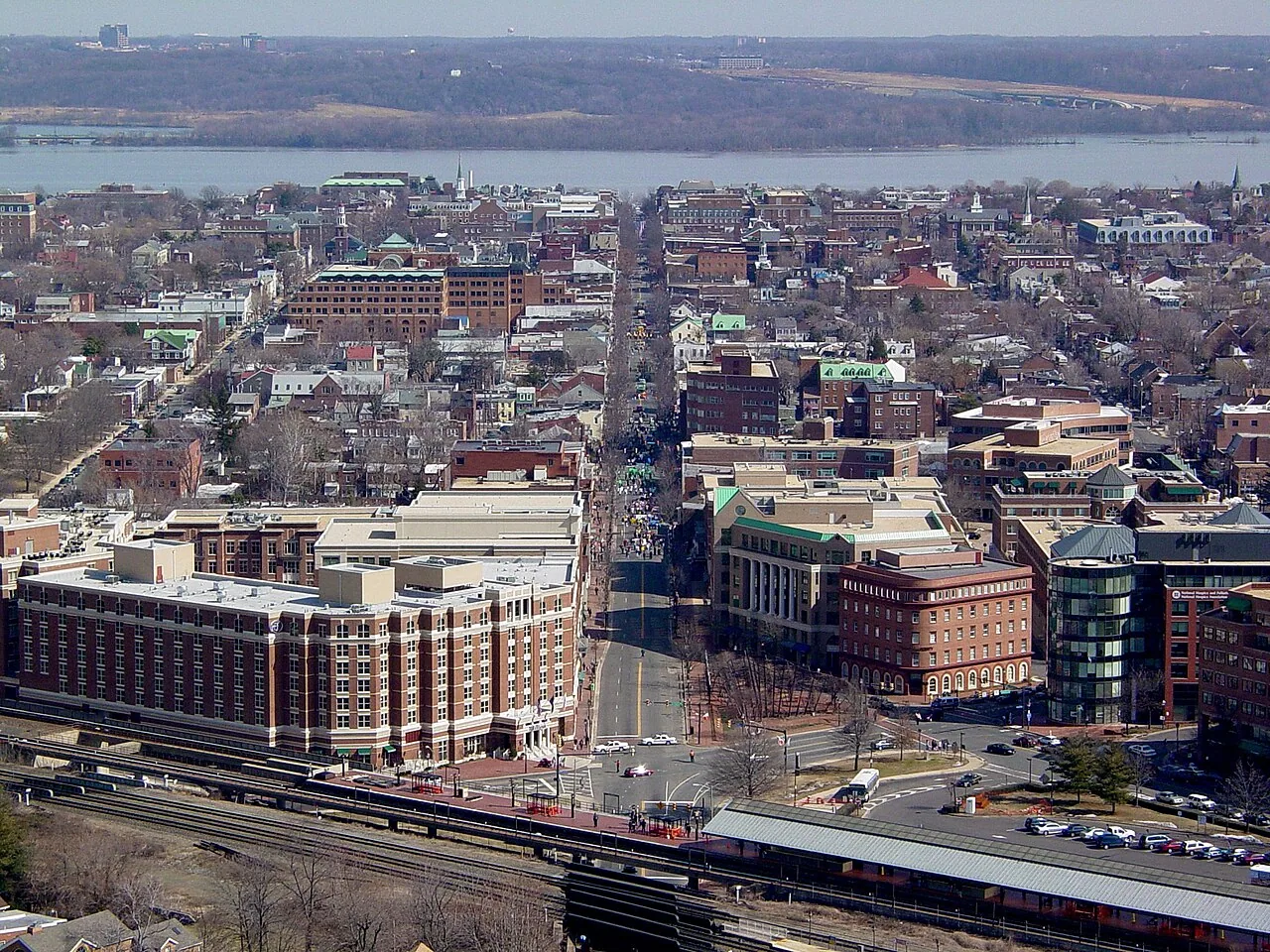
Commercial areas around Carlyle and Eisenhower East include office and mixed-use buildings, while Old Town North includes commercial and retail uses. Each property has its own roof slope, drains and access. We note when the surface ice cleared relative to the indoor leak; that timing can help distinguish a thaw-related entry from an ongoing drainage problem. Ponding-water repair and wind-damage repair may be relevant if separate issues are found, but winter symptoms require inspection of their own water path.
Commercial Snow and Ice Roof Damage Repair
Keep Roof Access Safe in Winter
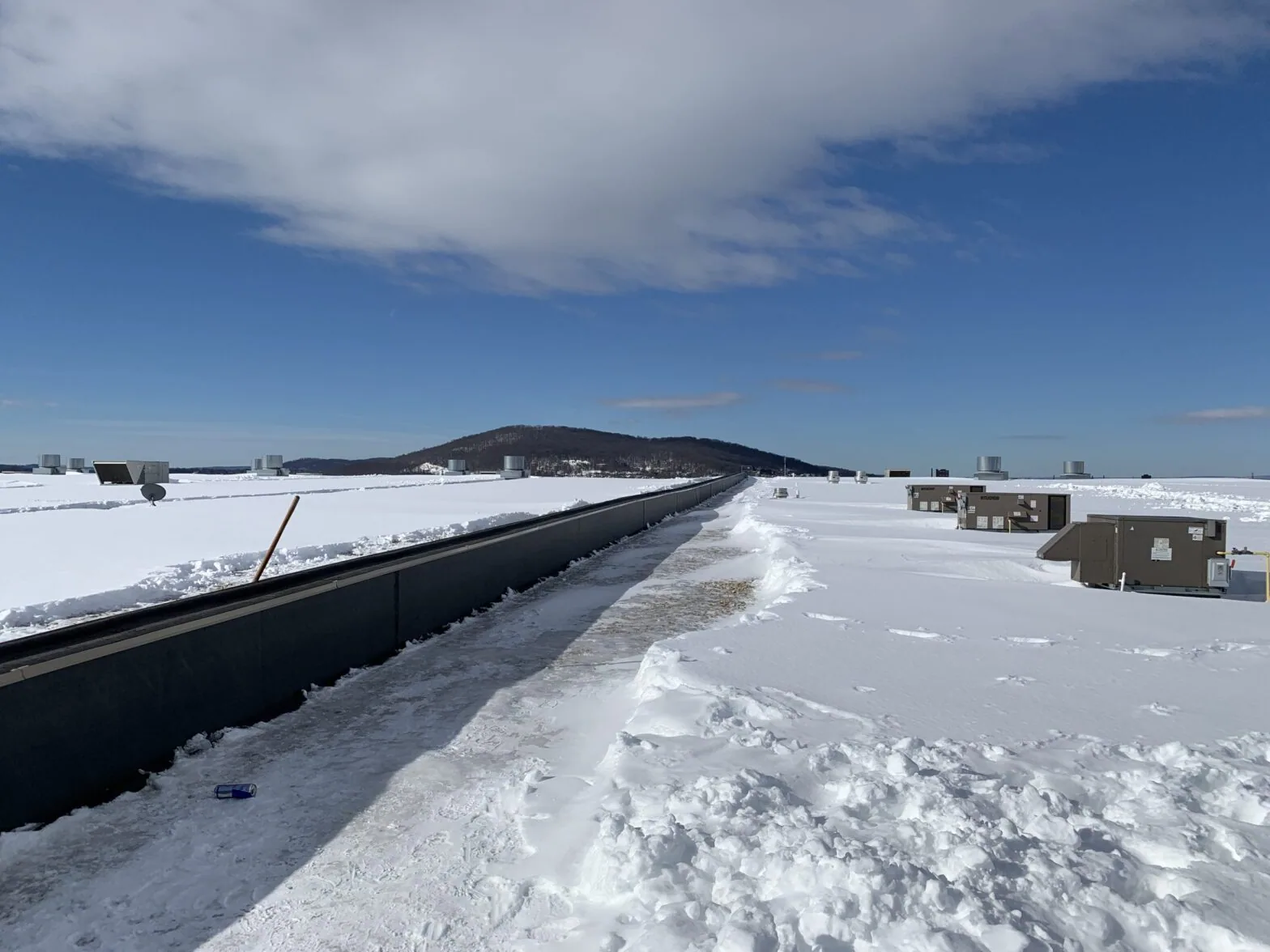
Snow, ice, wet membrane and cold-weather materials can make roof access hazardous. We confirm conditions and approved access before sending a crew onto the roof. If a leak is active indoors, emergency response is available at any hour, including weekends and holidays, but the response method must fit site safety and weather. The property contact can help isolate interior areas and identify routes that remain open.
We do not estimate snow loading from a weather normal or assume that a roof needs snow removal because snow was reported. Structural or load concerns are referred to the responsible building professional. Roofing inspection looks at membrane, drains, edges and visible distress only when safe access is available. Any temporary cover or water control is documented by location and limit.
Cold conditions affect adhesives, sealants and membrane welding. We check product and surface requirements before planning permanent work. If installation conditions are not suitable, the scope can separate immediate protection from the return visit for durable repair. Before opening the roof, the crew selects a manageable area and prepares the closure materials for a weather interruption.
Trace Thaw Water to Its Entry Point
We compare a winter leak report with roof drains, scuppers, parapets, seams, curbs and wall transitions. Water can move beneath snow or along a deck before showing inside. A commercial roof inspection documents the suspected route and nearby details with photos and a roof-zone sketch. The observed interior location remains separate from the probable entry point until evidence connects them.
Ice at an outlet can restrict drainage, while an open flashing joint can admit water during thaw. We inspect the drain bowl, strainer, surrounding membrane and overflow path, and note any water marks or debris. A drainage check helps distinguish a blocked discharge route from a membrane or flashing defect.
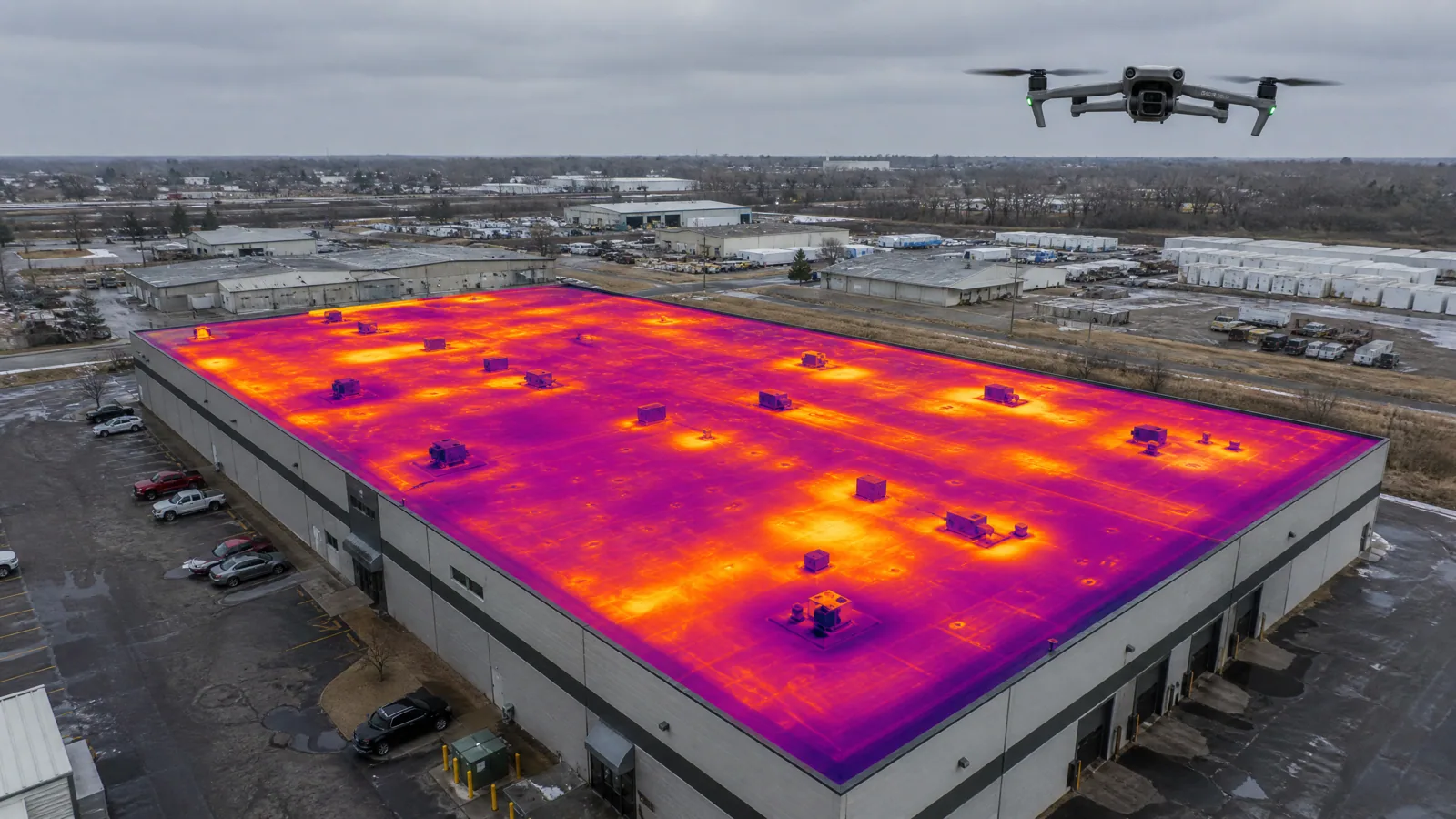
If moisture beneath the roof is suspected, infrared readings may help select a test location, but recent temperature changes affect interpretation. An approved test opening can confirm layers at one point. We coordinate protection and interior observation with the owner, restore the opening and record what remains untested. No single reading is treated as proof across the full roof.
Repair the Confirmed Detail
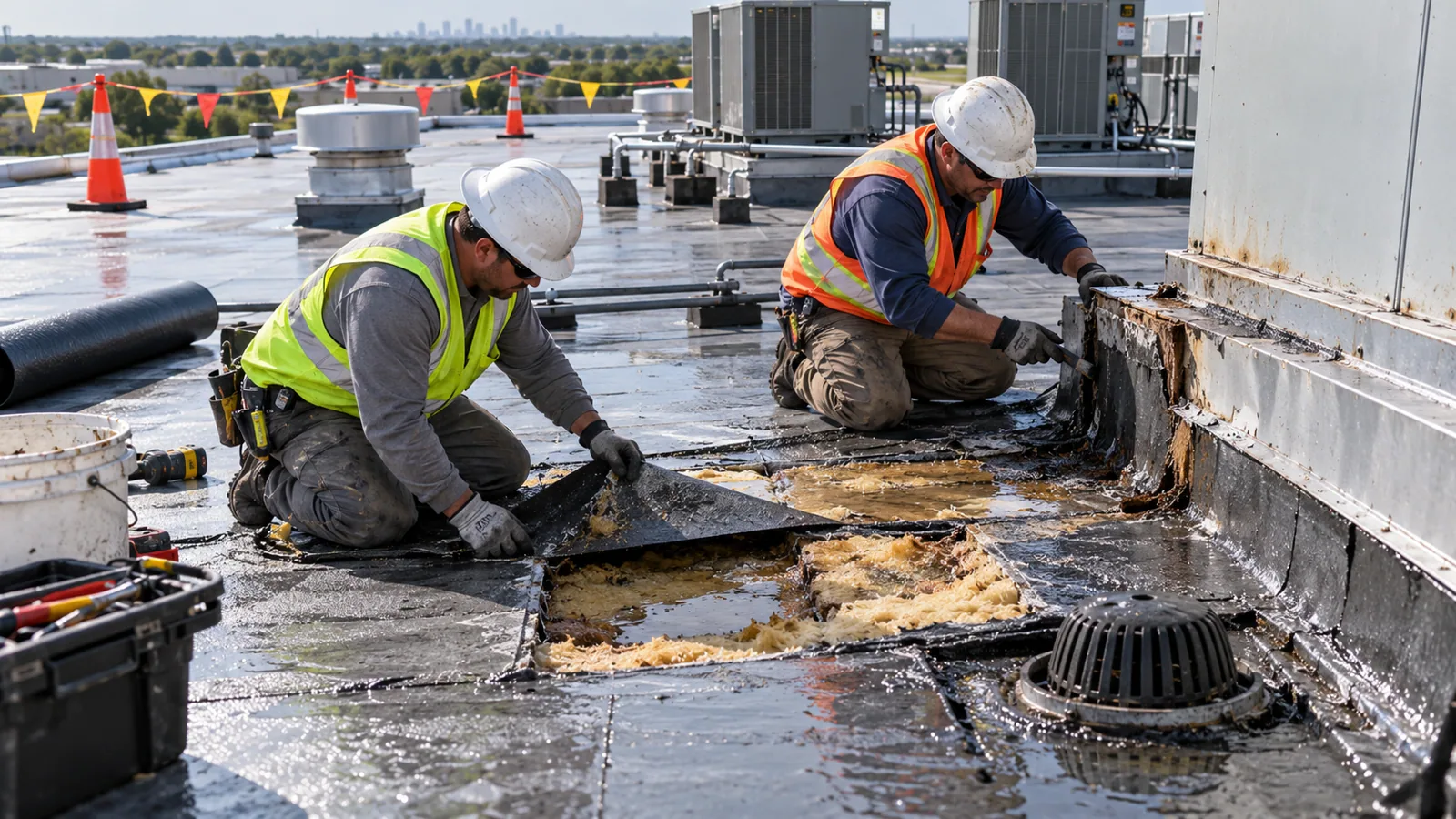
We identify the existing roof system and inspect adjacent material before selecting a repair. A drain connection, membrane seam, metal edge and wall transition require different details. A compatible patch can be suitable when the surrounding material is sound. If water has reached insulation or separated a larger area, the proposed boundary expands only as far as the inspection or test supports.
TPO, EPDM, modified bitumen and metal roofs have different cold-weather repair requirements. A EPDM membrane cannot be treated like a thermoplastic lap, and adhesive or welding conditions must meet product requirements. The scope includes surface preparation, compatible materials and a weather-tight closeout for the affected area.
If the winter condition exposes a drainage problem, we separate outlet correction from unrelated roof deterioration. A replacement option may be considered when broader failure is documented, but snow or ice alone is not a replacement diagnosis. The proposal lists the repair, any test result and conditions requiring a later inspection so the facility can review the evidence.
Plan the Work Around Building Use
Interior protection depends on which rooms, equipment and public routes sit below the leak. The facility contact identifies occupied areas, ceiling access and schedule limits. A phased roof repair can separate active areas if conditions allow. Each work zone should have a clear access route and an end-of-shift protection plan.
For a building near Carlyle, the site contact confirms where a lift or material delivery can be staged. Conditions in Old Town North may differ, including pedestrian access and loading. We verify actual site arrangements instead of assuming a district provides a particular route.
If the roof cannot be reached safely during winter weather, we document the access limit and focus on safe interior protection or follow-up planning. When conditions improve, we return to the roof detail and compare it with the original report. That record prevents a temporary winter measure from being mistaken for permanent repair.
Record Winter Conditions for Follow-Up
We provide photographs, roof-zone labels, the reported conditions, repairs completed and any area not inspected. The facility can retain those notes with later maintenance records. If snow or ice obscured a detail, the report identifies it as a limit and calls for review once visibility and access improve.
A maintenance visit can revisit drains, seams, edge details and earlier repair points after the winter period. The interval should reflect the roof's condition and available access, not a general snowfall average. If a change appears, we compare it with the same recorded zone before expanding the scope.
Share the property address, leak timing, photos from a safe location and site contact. We will assess access, inspect the roof when conditions permit and explain which repair or follow-up step the evidence supports.
Snow clearing and roof repair are separate decisions. We confirm who directs removal and inspect the membrane and flashing afterward, since an unsuitable tool or method can create a second defect.
Roof Damage Repair
Commercial Roofing Questions
Does occasional snow mean a commercial roof has a load problem?
No. Climate normals describe regional weather, not the snow depth or structural capacity at a building. A structural concern should be reviewed by the responsible building professional. We inspect roofing details when access is safe and document visible damage or drainage issues.
Can ice at a drain cause a leak?
Ice can restrict an outlet and hold water near roof details, but the leak may also come from a seam or flashing opening. We inspect the drain, overflow route and nearby membrane, then test further if the water path remains uncertain.
Should a roof be inspected while it is covered with snow?
Only if safe access and visibility permit useful inspection. Snow or ice can conceal the membrane and create fall hazards. We may document access limits, protect an active interior leak where safe, and return when conditions allow the roof detail to be examined.
Will a winter repair last if temperatures are low?
The material and application method have specific surface and temperature requirements. We check those conditions before permanent work. If the roof cannot accept the specified repair, we separate temporary protection from the return visit for a durable correction.
What helps determine whether thaw water entered through the roof?
Record when water appeared, where it showed indoors, recent weather and photos. We compare that account with drains, seams, wall transitions and equipment. A test opening may confirm the assembly at one point if the surface inspection does not establish the path.
Review a Winter Roof Leak
Send the address, leak location, reported conditions and access contact. We will confirm safe access, inspect the drainage path and plan the supported repair.