
 Services
 Roof Systems
 Property Types
 Industries
 Damage Repair
 Capabilities
 Manufacturers
 Service Areas
Commercial Roof Flashing Failure Repair in Alexandria, VA
Roof Damage Repair:
- Wind Damage Roof Repair in Alexandria, VA
- Ponding Water Roof Repair in Alexandria, VA
- Commercial Roof Flashing Failure Repair in Alexandria, VA
- Commercial Roof Seam Failure Repair in Alexandria, VA
- Commercial Roof Membrane Puncture Repair in Alexandria, VA
- Commercial Roof Fire Damage Repair in Alexandria, VA
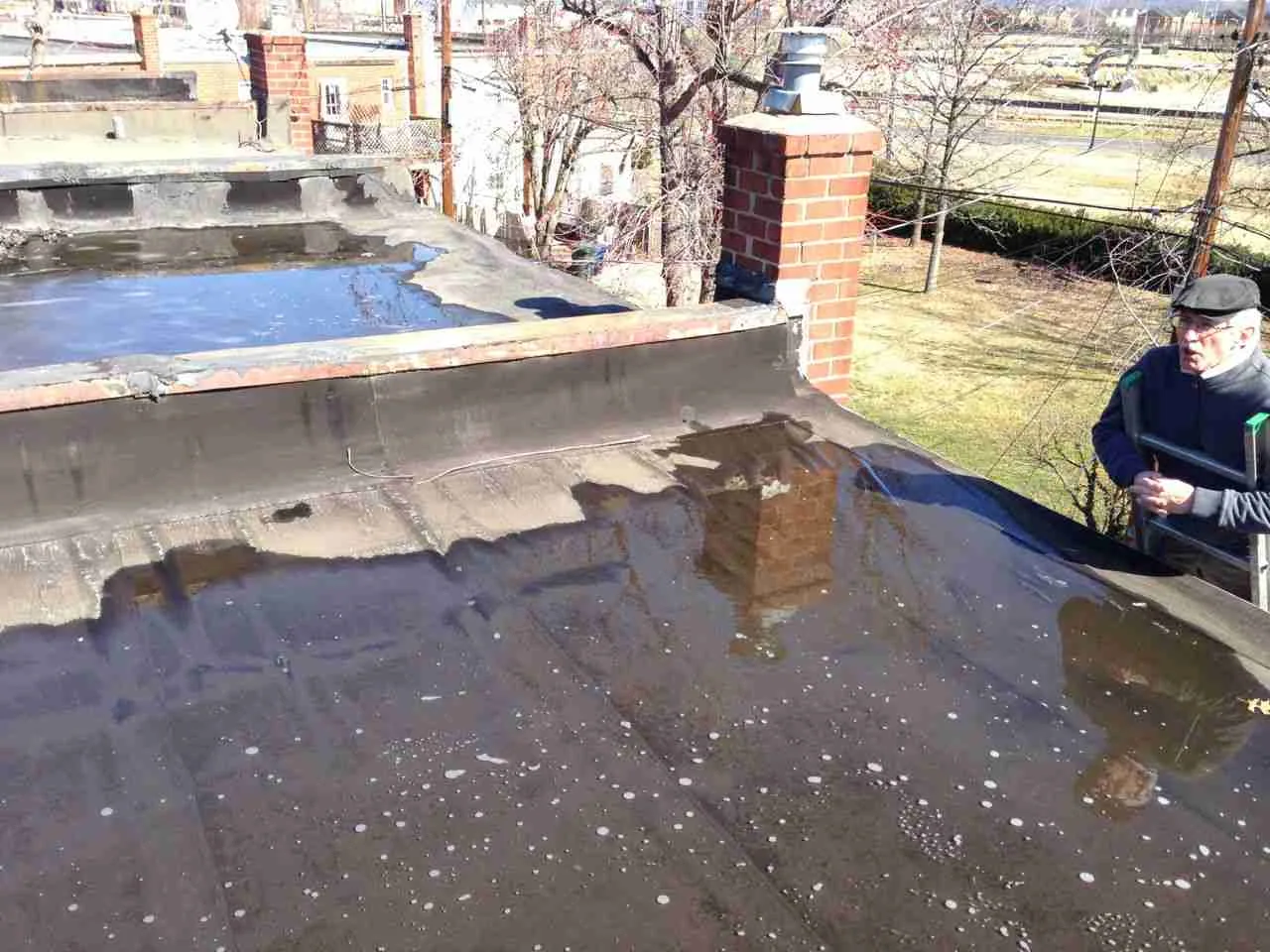
A roof-to-wall transition can admit water while the membrane field nearby remains intact. The leak may appear at a ceiling several bays away, so we inspect the flashing, termination and adjoining drainage before defining a repair. Alexandria, VA has heavy rainfall, summer heat and winter freeze-thaw, all of which make transitions useful inspection points. Weather is context for the visit; the condition at the property controls the scope.
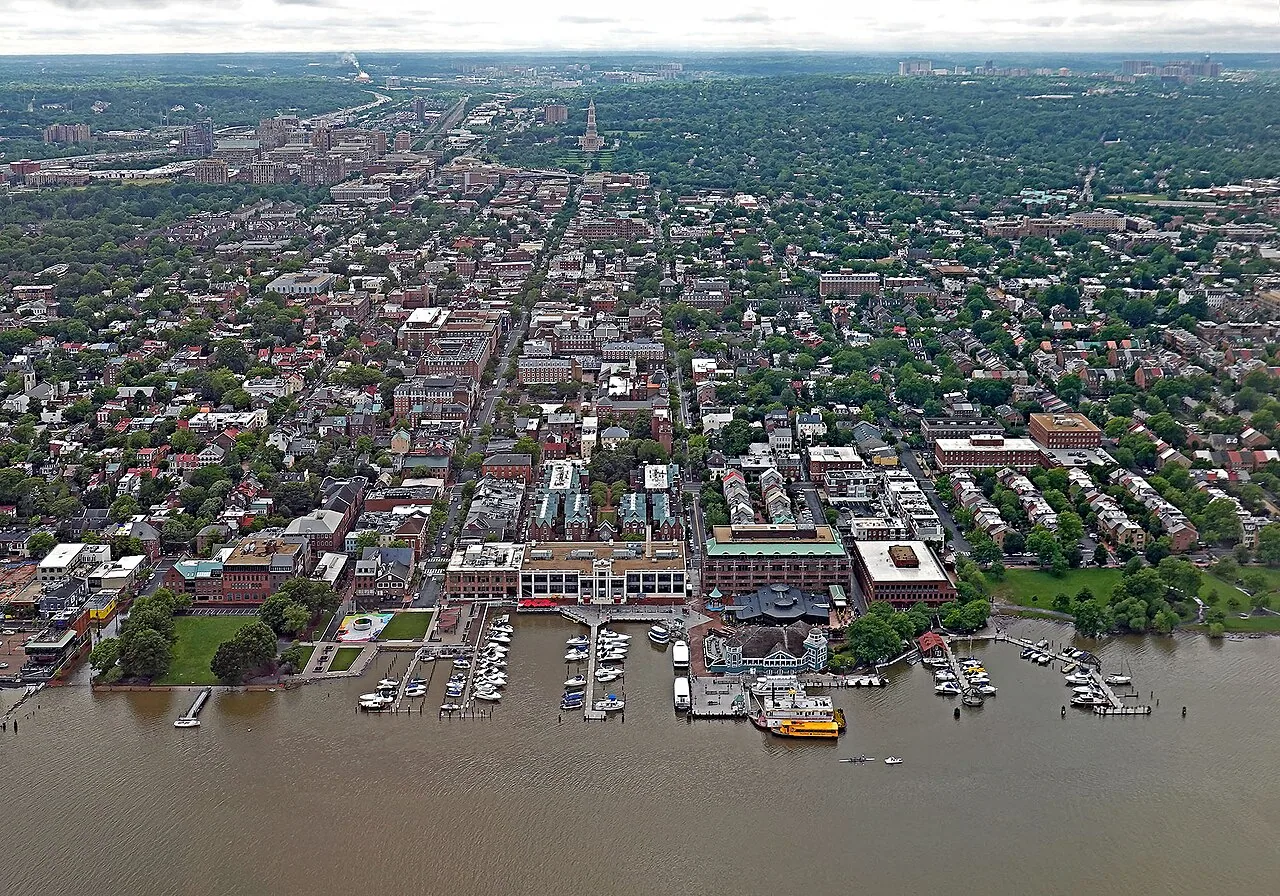
Carlyle and Eisenhower East contain office and mixed-use blocks around Eisenhower Avenue and Mill Road; Duke Street connects the city center with Landmark/Van Dorn. These local corridors do not identify the construction at a particular address. We confirm wall height, substrate, roof assembly and access before specifying work. A split seam or wind-related edge issue may affect the same water route but needs its own inspection.
Commercial Roof Flashing Failure Repair
Trace the Transition
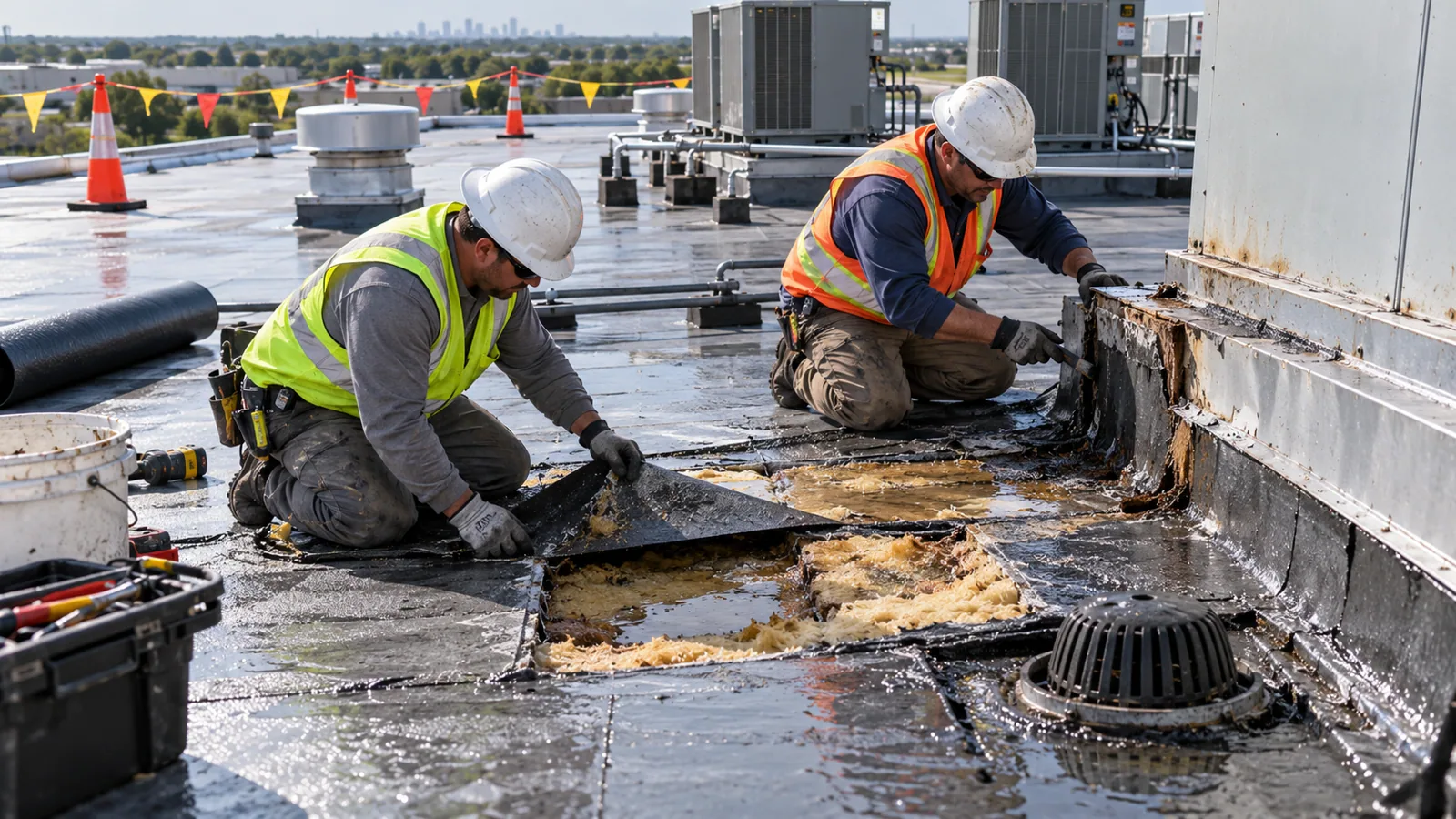
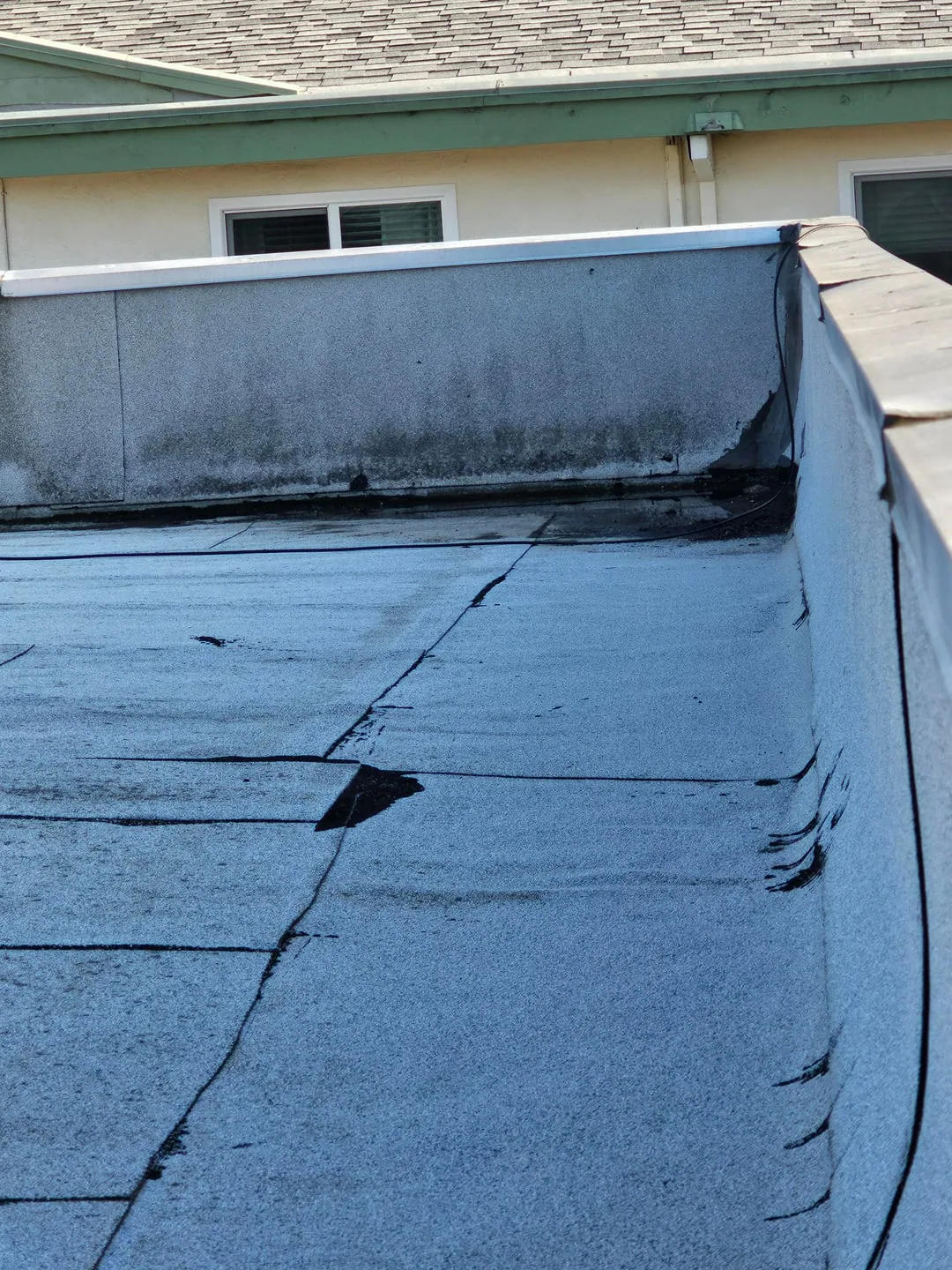
We inspect flashing at parapets, roof-to-wall joints, curbs, penetrations and changes in material. The review checks termination bars, counterflashing, sealant, laps and the membrane immediately beside the transition. A commercial roof inspection records the location, photographs and likely route water could follow. We compare those details with interior reports and roof slope rather than using a stain as the repair boundary.
Movement can open a joint or separate a flashing edge from its substrate. Heat cycling, wind exposure and standing water can contribute, but the observed condition must support a diagnosis. We look for loose metal, split sealant, punctured membrane, failed corners and previous patches. If the substrate is concealed or unstable, the scope may need a test or selective removal before the permanent detail is approved.
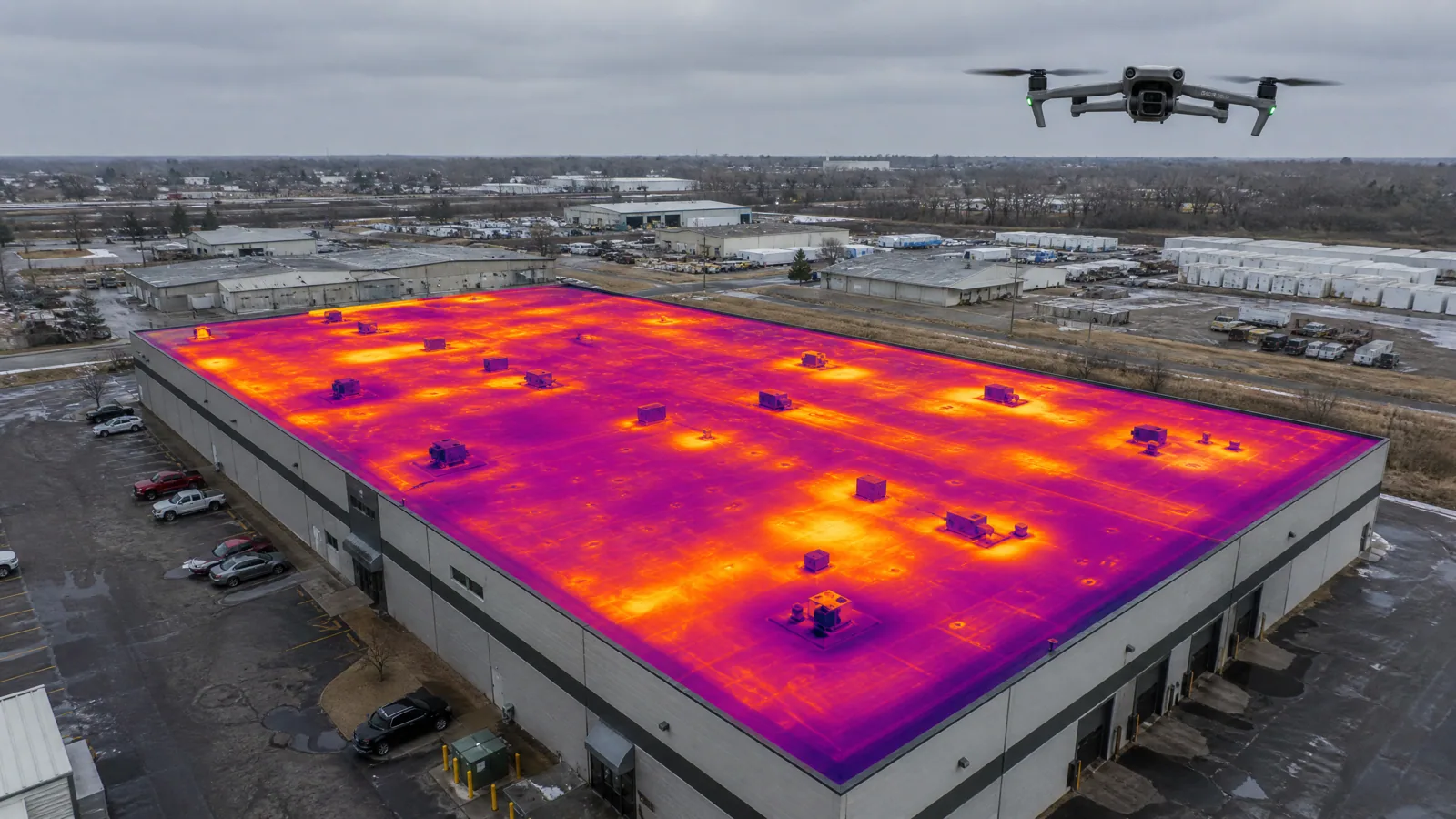
If insulation condition changes the repair scope, we select suitable investigation. Infrared observations need appropriate collection conditions and interpretation, with material confirmation where needed before defining wet-layer removal. We can propose a controlled opening at an agreed point and coordinate interior protection. The record states what layers were observed, how the opening was restored and whether additional areas remain untested. We also note whether the wall surface is stable, how the flashing terminates at its upper edge and whether a counterflashing interface is present. These observations help the owner evaluate the durable detail, not only the first sealed joint.
Rebuild the Detail for Its Substrate
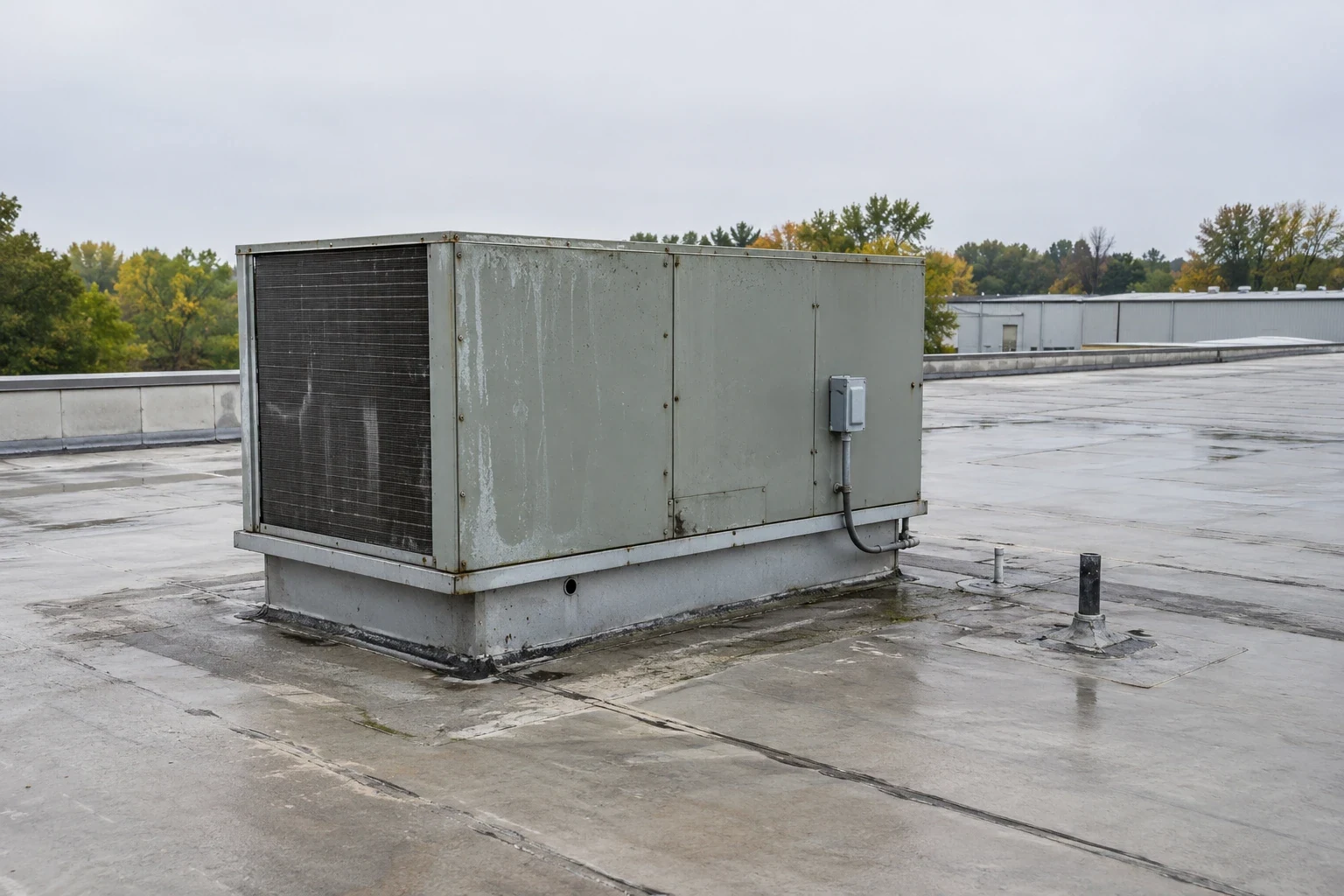
A sound repair begins with a clean, stable surface and a compatible connection to the existing roof. We remove failed material to a clear boundary, prepare the substrate and install flashing suited to the membrane or metal system. At a parapet, the scope may include membrane turn-up, termination and coping interface. At an equipment curb, it may need corner reinforcement and a transition that allows expected movement.
TPO, EPDM, modified bitumen and metal all use distinct flashing methods. A TPO transition cannot be repaired with an unverified product or detail meant for another membrane. We identify the system and select compatible materials before specifying welding, adhesive or mechanical attachment. The proposal records the preparation and termination, not only the surface sealant.
If adjacent membrane is deteriorated or insulation is affected, a local flashing repair may not address the full condition. We inspect the surrounding zone and state whether removal, replacement or further testing is needed. A membrane correction may be included only where the puncture or affected area is verified. The estimate separates those items so the owner can review the boundary and its basis.
Protect the Building Until Permanent Work
For active water entry, emergency response is available any time of day, including holidays and weekends. We assess whether temporary protection can limit exposure, record where it is placed and identify when a follow-up inspection is needed. A temporary seal or cover does not replace a durable flashing detail; it is recorded as an interim measure.
We coordinate roof access, lift or ladder placement, interior barriers and occupied-room restrictions with the property contact. If work is above a loading area, entrance or tenant space, the contact identifies routes that must remain open. Temporary protection below and a weather-tight stopping point are included in the plan if the detail cannot be completed in one shift.
Near Landmark/Van Dorn, Duke Street and Van Dorn Street connect the corridor with regional roads. The location helps orient a service call, but the property representative confirms loading and roof access. We include those verified arrangements in the scope rather than assuming a staging area from the district name.
Verify the Completed Flashing
At closeout, we photograph the prepared substrate, installed transition and adjacent membrane. The report identifies the roof zone and any remaining condition, with open questions separated from completed work. If the repair connects to coping, a curb or another trade's equipment, the handoff is noted so future work does not disturb the repaired interface.
Maintenance can revisit flashing corners, sealant edges, terminations and prior repair boundaries. The visit should record movement or water marks at the same points, keeping the follow-up tied to the repaired roof zone. A maintenance inspection may identify an opening before it becomes an interior leak, while a distinct defect receives its own scope.
Send the Alexandria address, affected room, roof plan if available and access contact. We will inspect the transition, show what the evidence supports and prepare a compatible repair detail for review.
The roof turn-up and the adjoining wall assembly meet at one transition but may have separate repair responsibilities. We check whether counterflashing, a reglet, coping or a sealant joint protects the upper edge, and whether the membrane termination remains fastened below it. A new bead of sealant cannot substitute for missing metal or a failed substrate. If water continues behind masonry, cladding or a wall opening, coordinate that portion with the appropriate enclosure contractor and show where roofing work ends. Photographs before and after the repair help the owner verify that both sides of the transition were considered and that the new flashing sheds water onto the roof surface.
Roof Damage Repair
Commercial Roofing Questions
What causes commercial roof flashing to separate?
Movement at a wall, curb or penetration can stress the termination, and poor adhesion or a failed substrate can also contribute. We inspect the material, attachment and adjacent membrane to identify the observed mechanism. The scope follows that evidence instead of sealing over an unstable edge.
Can new sealant repair every flashing leak?
Sealant may be part of a detail, but it cannot replace missing termination, membrane turn-up or sound attachment. We inspect the transition and rebuild the connection required by the installed system. If the substrate is deteriorated, that condition is included in the scope.
How do you locate a leak from a wall transition?
We compare the interior report with roof edges, parapets, wall joints and nearby penetrations. Water can travel along the deck, so the visible stain may sit away from the entry. Photographs and a field sketch identify the details checked and any need for testing.
Will a flashing repair require access inside the building?
Some repairs can be inspected from the roof, while testing or interior protection may require access below. We confirm the observation point and any ceiling work with the property contact before opening the assembly. The work plan identifies occupied areas and routes that need protection.
How can a manager confirm the repair is complete?
The closeout record should include photos of the prepared area, installed flashing, adjoining membrane and any test opening restoration. We identify the roof zone and remaining limitations. A later maintenance check can revisit the same detail for movement or water marks.
Inspect a Roof Flashing Failure
Share the address, reported leak location, roof plans and access contact. We will inspect the transition and prepare a repair scope for the installed system.