

 Services
 Roof Systems
 Property Types
 Industries
 Damage Repair
 Capabilities
 Manufacturers
 Service Areas
Commercial Roof Membrane Puncture Repair in Alexandria, VA
Roof Damage Repair:
- Wind Damage Roof Repair in Alexandria, VA
- Ponding Water Roof Repair in Alexandria, VA
- Commercial Roof Flashing Failure Repair in Alexandria, VA
- Commercial Roof Seam Failure Repair in Alexandria, VA
- Commercial Roof Membrane Puncture Repair in Alexandria, VA
- Commercial Roof Fire Damage Repair in Alexandria, VA
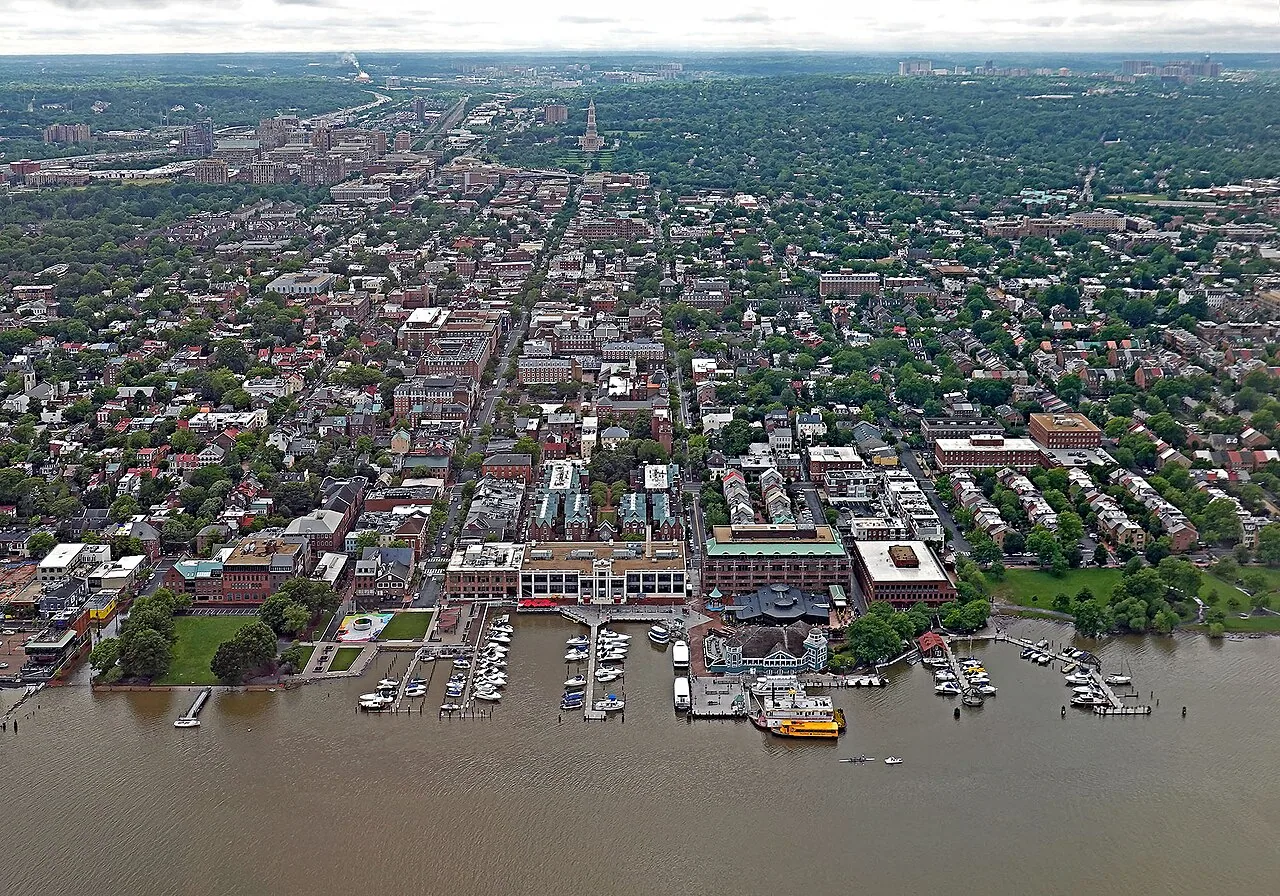
A small puncture can admit water even when the surrounding membrane appears intact. A dropped tool, service traffic or equipment work may leave a cut, but the path indoors can emerge several feet away. We inspect the suspected breach, nearby seams and the route water could follow, then mark the repair boundary. Alexandria, VA has summer heat, intense rain and winter freeze-thaw, useful conditions to consider when reviewing membrane movement and drainage. The address and roof evidence determine the actual scope.
Commercial buildings in Carlyle and Eisenhower East include office and mixed-use blocks; North Potomac Yard includes academic and office development. We confirm the membrane, reported activity and entry route with the facility contact for each property. A seam failure or wind-damaged edge may also admit water, so we inspect each condition separately.
Commercial Roof Membrane Puncture Repair

Locate the Breach and Its Cause
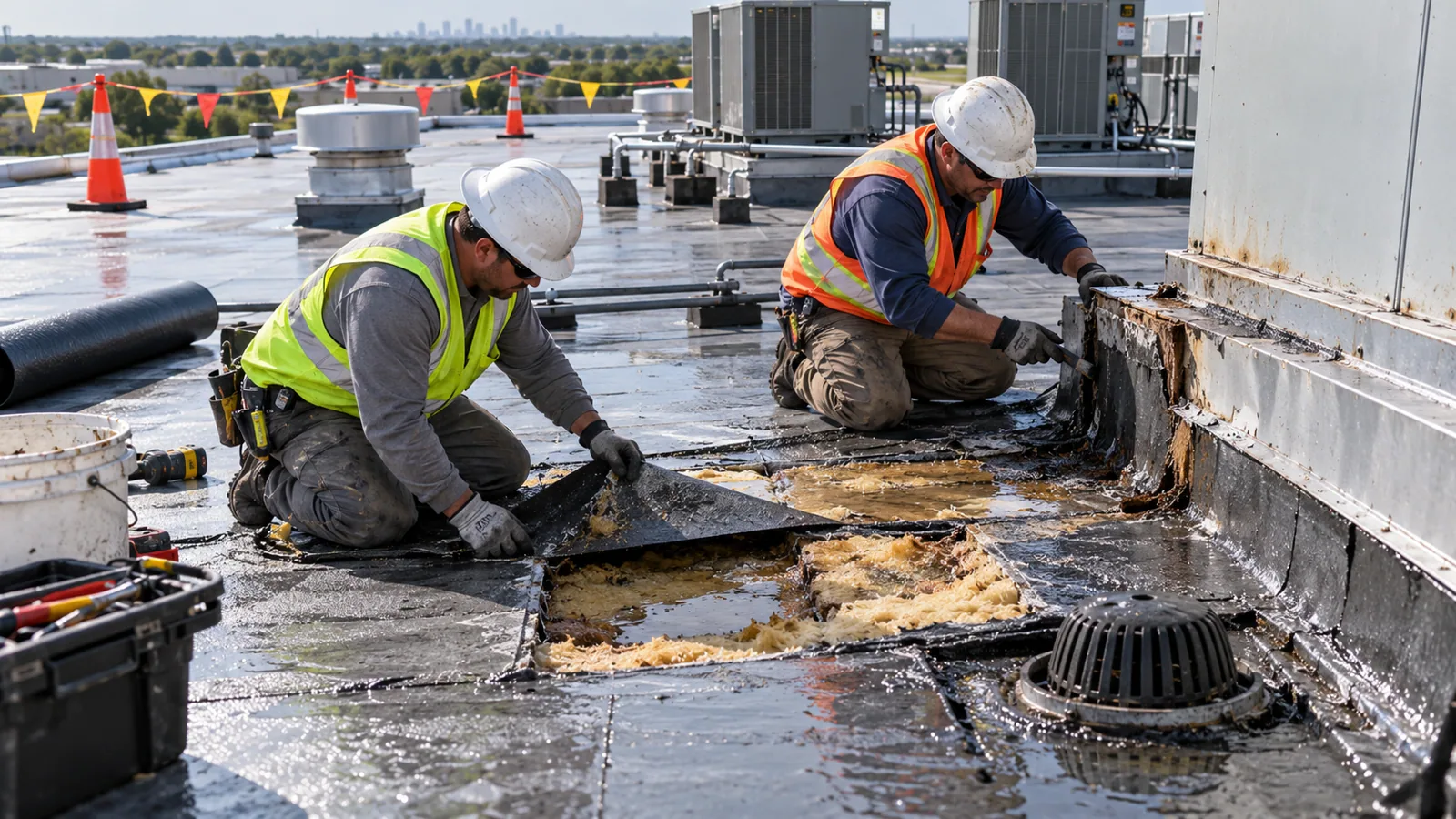
We review the interior report and compare it with roof slope, drains, mechanical equipment, access paths and previous repairs. The puncture may be visible, hidden beneath debris or mistaken for an open seam. A commercial roof inspection photographs the surface and places the candidate breach on a roof-zone sketch. The record notes whether the membrane is cut, crushed, abraded or separated at a nearby detail.
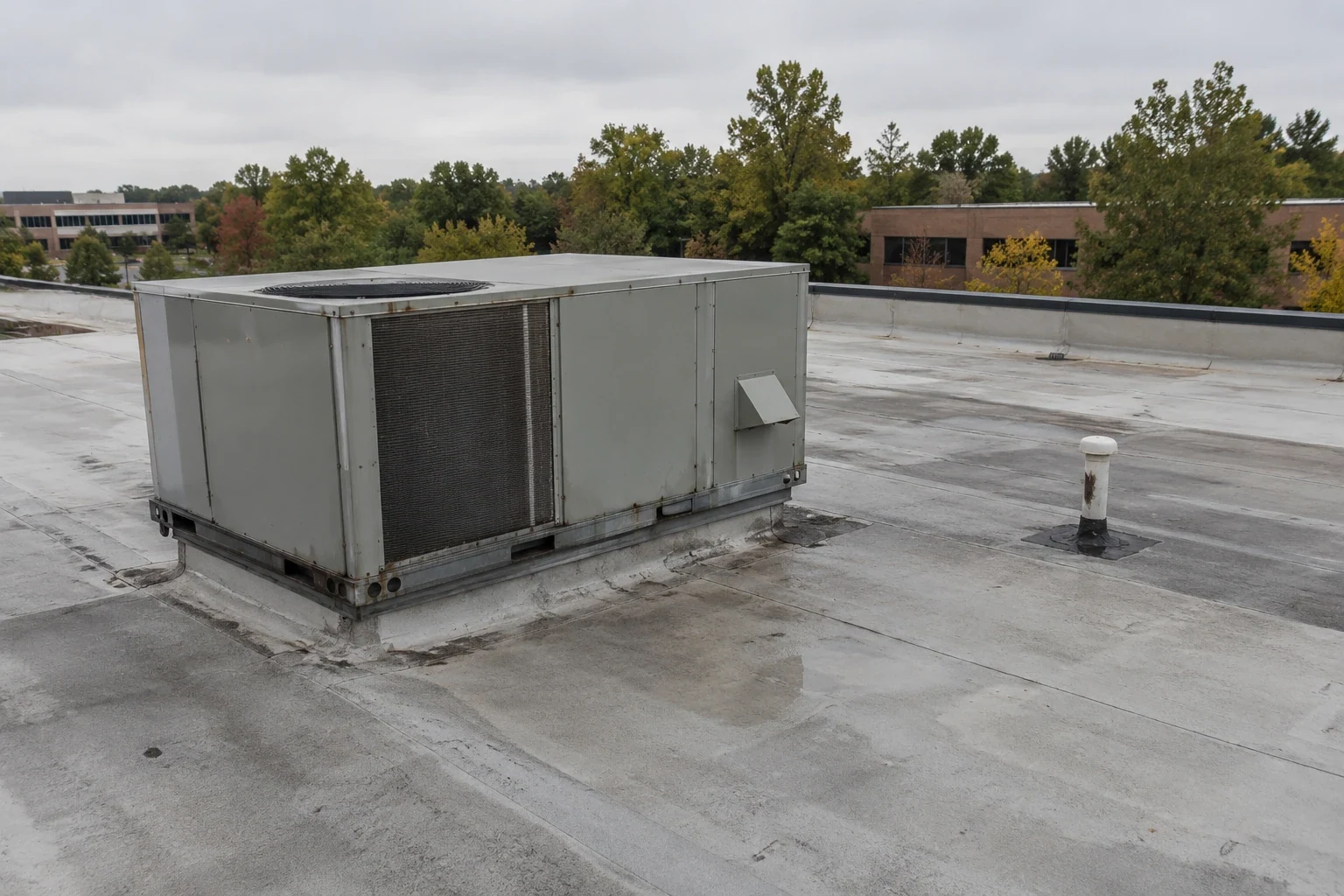
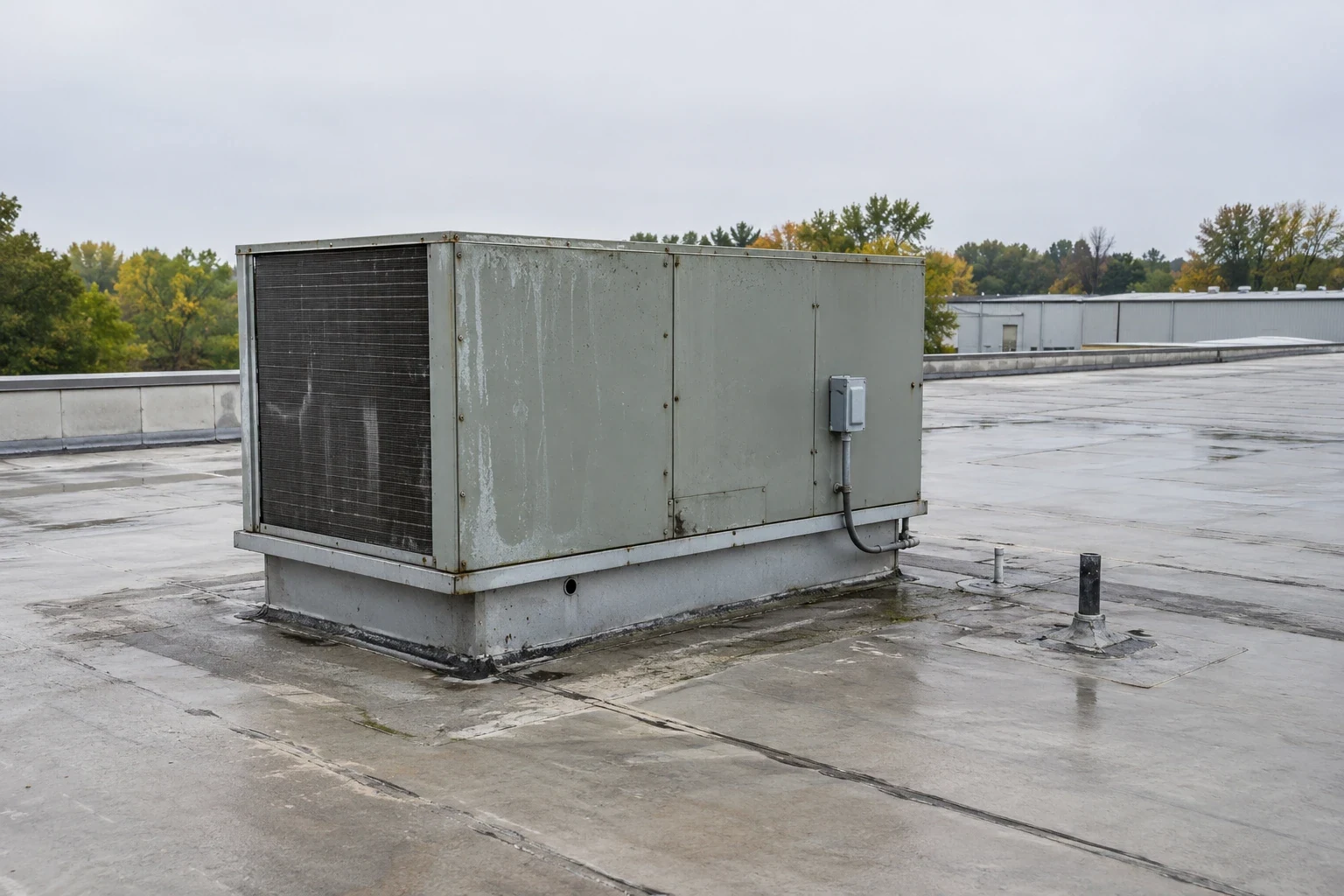
Foot traffic often follows a predictable route between roof access, HVAC equipment and service points. We look for scuffs, compressed insulation, loose walk pads and repeated tool or material staging near the reported location. The building manager can identify recent contractors and maintenance work; we compare that history with the puncture, surrounding membrane and water path before naming a cause.
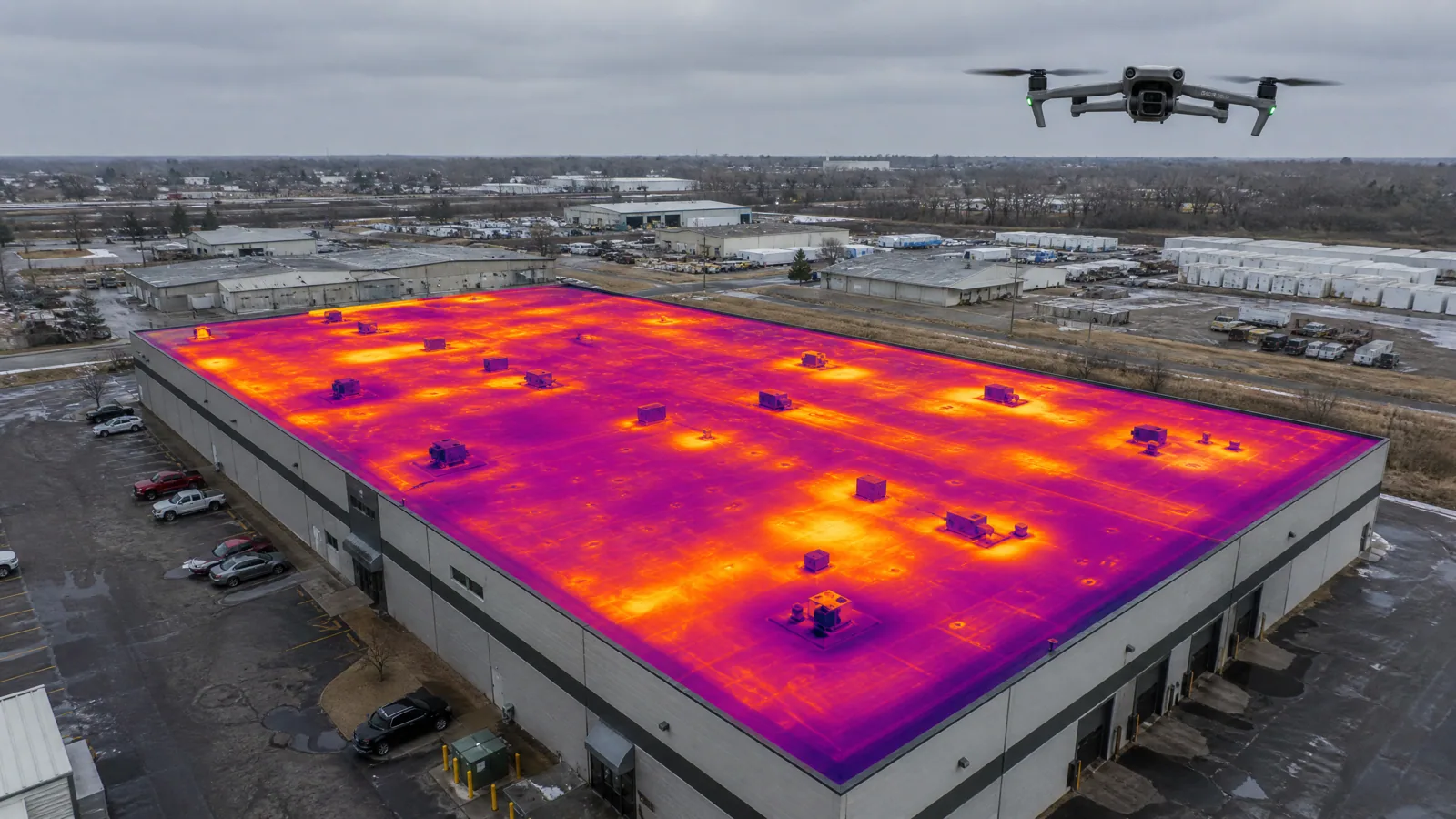
If water may have spread beneath the membrane, infrared survey results can guide further inspection but do not confirm wet insulation by themselves. An approved test opening can reveal the layers and deck at one location. We coordinate interior observation, debris control and restoration with the contact, then distinguish tested points from areas where the assembly remains closed.
Patch a Compatible Surface
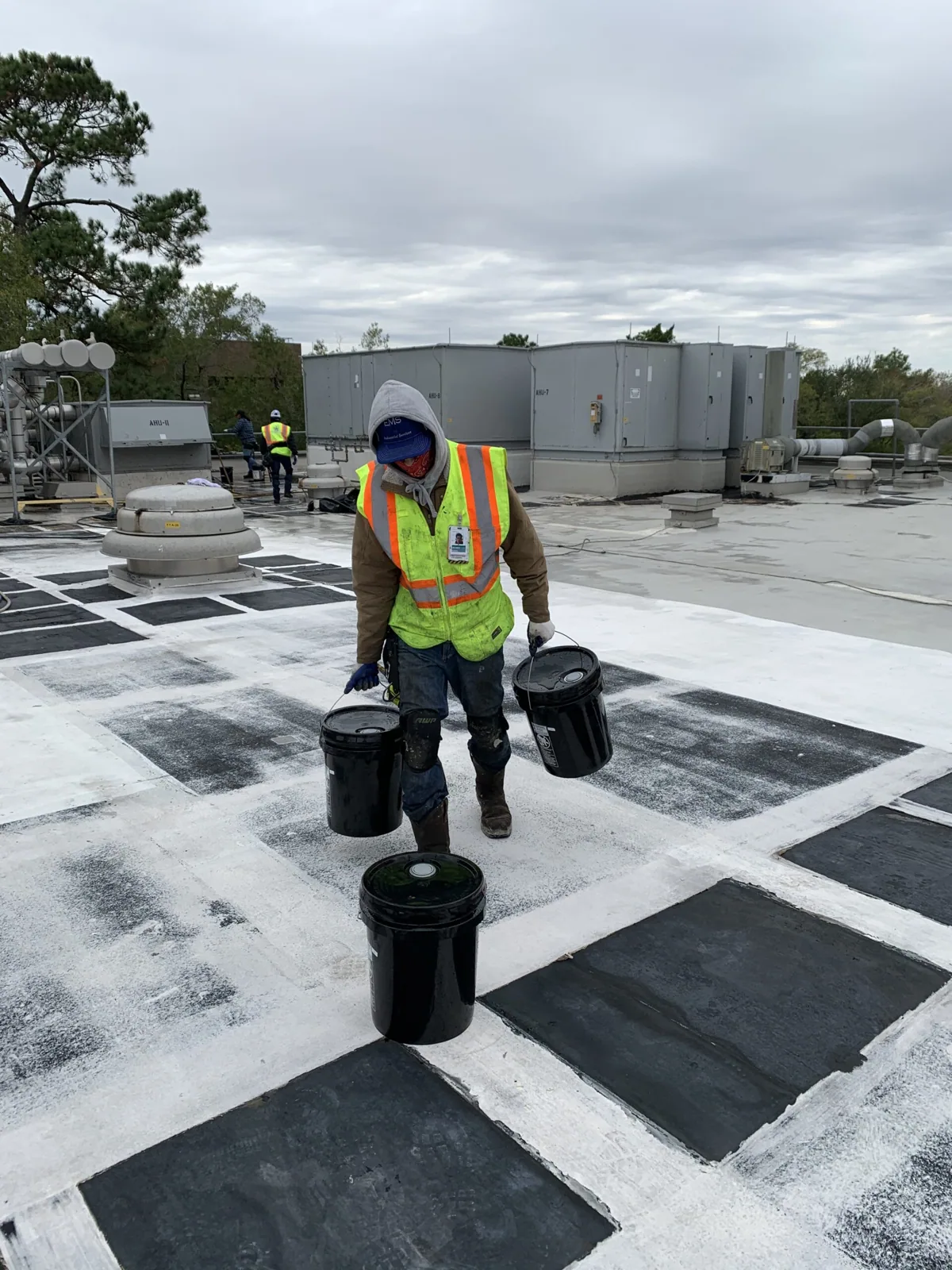
The repair method depends on membrane type, surface condition and the shape of the opening. We remove loose material, clean the area and confirm the substrate is suitable for a patch. A thermoplastic roof may require a welded patch; EPDM may need compatible adhesive and cover tape; other assemblies use their own details. A patch should extend to sound material and avoid adding stress at a nearby lap.
A TPO patch is prepared differently from EPDM or modified bitumen. If a cut reaches insulation or the deck, we identify that scope separately and replace affected material as approved. Where the puncture sits near a curb, drain or seam, the adjoining transition is inspected before the repair is closed.
One puncture does not establish that all roof areas have been damaged. If several similar marks appear along a service route, we map them individually and check whether protective walk pads or access controls are missing. A flashing correction is a separate detail unless the puncture intersects the transition. The estimate identifies each work area and material so future maintenance can locate it.
Coordinate Roof Access and Temporary Protection
If water is actively entering, emergency response is available at all hours, including weekends and holidays. We assess interim protection, record the location and note whether a permanent patch can be completed during the first visit. Temporary material is not described as a finished repair, and a follow-up may be needed after the surface is dry and safe to work.
The facility contact identifies who can access the roof, which routes are approved and whether equipment service is scheduled. We coordinate a repair window so the puncture is not covered by a mechanical crew or material staging before inspection. If the building remains occupied, protection below and access limits are identified before tools or debris are moved.
Near North Potomac Yard, development and transit planning form the area context, but they do not define a specific site's loading or roof entry. The building contact confirms the delivery route and equipment rules. We use those details to plan the visit, protect the interior and restore any opening before the crew leaves.
Reduce Repeat Punctures
After repair, we can identify foot-traffic paths that cross vulnerable membrane and note where walk pads or access markings may help. The facility controls who enters the roof and how tools or parts are carried. A maintenance procedure should also require service crews to report dropped fasteners, sharp debris or a new cut before water reaches an occupied space.
Closeout photographs show the patch boundary, nearby seam and any surrounding condition. A maintenance inspection can revisit those points and check drains, curbs and service routes. If more than one puncture was confirmed, records stay separated by roof zone so repeat damage can be tied to a particular access path. We can also note whether the marks cluster near a service route or a single equipment bay.
Send the Alexandria address, suspected damage location, any recent roof work and the person who controls access. We will inspect the membrane, document the breach and prepare a compatible repair scope that explains whether underlying layers need further evaluation.
When a cut lies near a regular service route, identify what work was occurring and how tools or replacement parts travel between roof access and equipment. A walkway pad or designated path can reduce repeat contact when the membrane and system allow it, but it must not cover a drain or conceal another defect. We examine the puncture's depth and nearby layers before choosing a surface patch. If a test shows wet insulation, include its removal and restoration as a separate quantity. If the interior report does not align with this breach, continue tracing before attributing every leak to one cut. The closeout can mark both the repair and the route that prompted a change in maintenance practice.
Roof Damage Repair
Commercial Roofing Questions
Can a small membrane cut cause a ceiling leak?
Yes. Water can enter through a small opening and travel along the assembly before it appears inside. We locate the suspected breach, inspect nearby seams and compare the interior report with roof slope and drainage before setting the repair boundary.
How do you find what punctured a commercial membrane?
We inspect the cut shape, surrounding abrasion, foot routes, equipment work areas and any debris. A maintenance or contractor log can provide context, but the roof marks and assembly condition guide the diagnosis. We record suspected cause separately from confirmed damage.
Does a puncture repair include wet insulation?
Only when testing or removal confirms that insulation is affected and the approved scope includes it. A surface puncture can be repaired without opening the assembly when surrounding material is sound. If moisture may extend below, we propose a test point and show that work separately.
What can prevent damage from future roof visits?
Mark approved access routes, use suitable walk pads where needed, keep loose fasteners and sharp debris off the membrane, and report impacts promptly. The property manager can coordinate these rules with mechanical and maintenance vendors. Follow-up inspections can revisit areas with repeated traffic.
Should we patch a puncture immediately during an inspection?
If the surface is safe, dry and compatible materials are available, a measured repair may be completed after the breach is documented. Active weather, uncertain layers or access limits can require temporary protection and a return visit. The repair record should show what was done and what remains to check.
Inspect a Roof Membrane Puncture
Share the property address, suspected roof damage, recent service activity and access contact. We will document the breach and outline the repair and any testing needed.