 Services
 Roof Systems
 Property Types
 Industries
 Damage Repair
 Capabilities
 Manufacturers
 Service Areas
Commercial Roof Fire Damage Repair in Alexandria, VA
Roof Damage Repair:
- Wind Damage Roof Repair in Alexandria, VA
- Ponding Water Roof Repair in Alexandria, VA
- Commercial Roof Flashing Failure Repair in Alexandria, VA
- Commercial Roof Seam Failure Repair in Alexandria, VA
- Commercial Roof Membrane Puncture Repair in Alexandria, VA
- Commercial Roof Fire Damage Repair in Alexandria, VA
After a fire, the roof may have direct heat damage in one area and water or suppression effects elsewhere. A membrane can look intact while insulation, deck or attachment below needs review. We document the affected roof zones, nearby penetrations and any openings before scoping restoration. Alexandria, VA experiences summer heat and intense rain, making weather protection important while a damaged assembly is exposed. Those local conditions do not establish the extent of fire damage at an individual building.
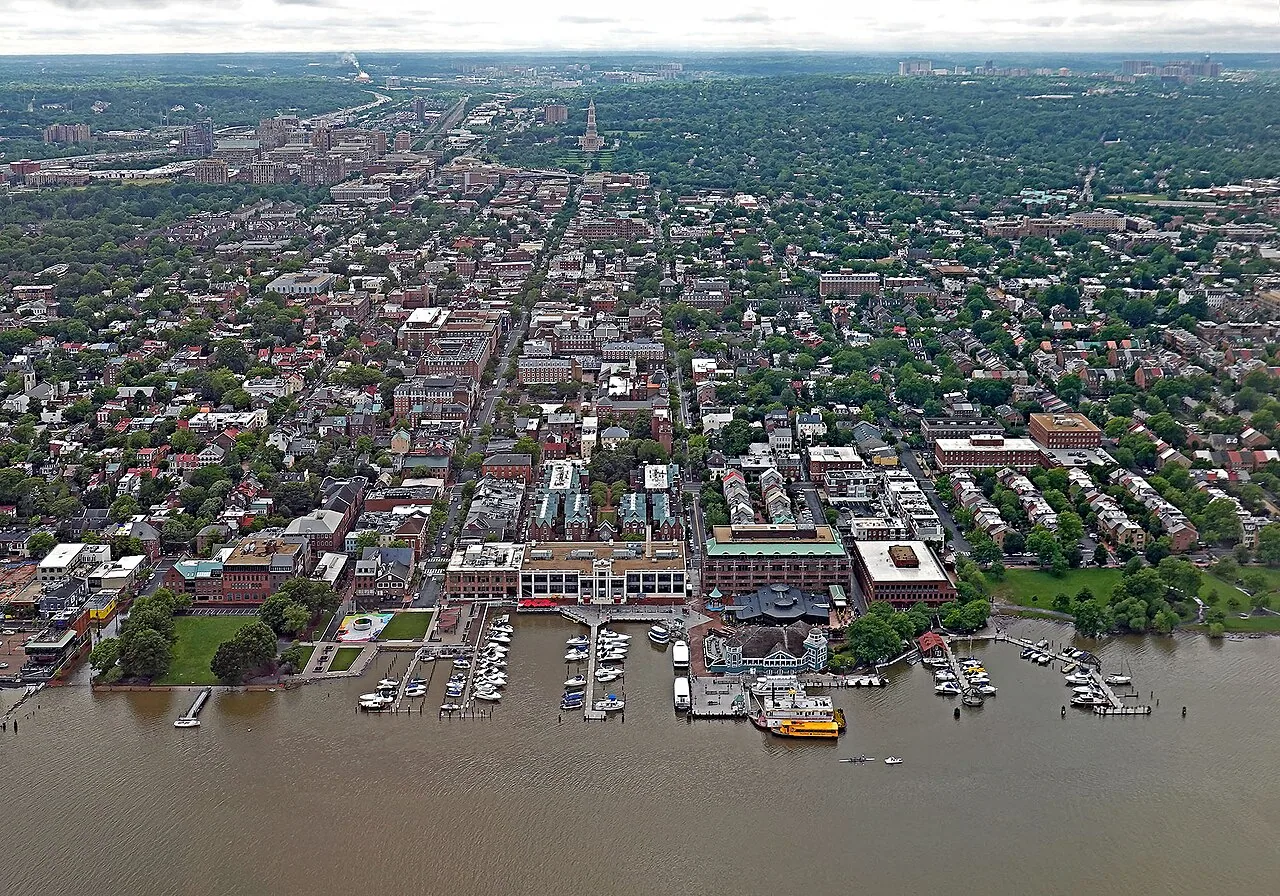
Old Town North includes commercial and retail uses alongside redevelopment, while Inova Alexandria Hospital and related medical facilities are included in the approved Landmark/Van Dorn redevelopment. These local districts provide setting, not evidence about a specific fire or roof. We confirm the property address, incident boundary, fire-service release and access authority. Membrane punctures and open seams can be separate conditions after response work, so we record each observed detail distinctly.
Commercial Roof Fire Damage Repair
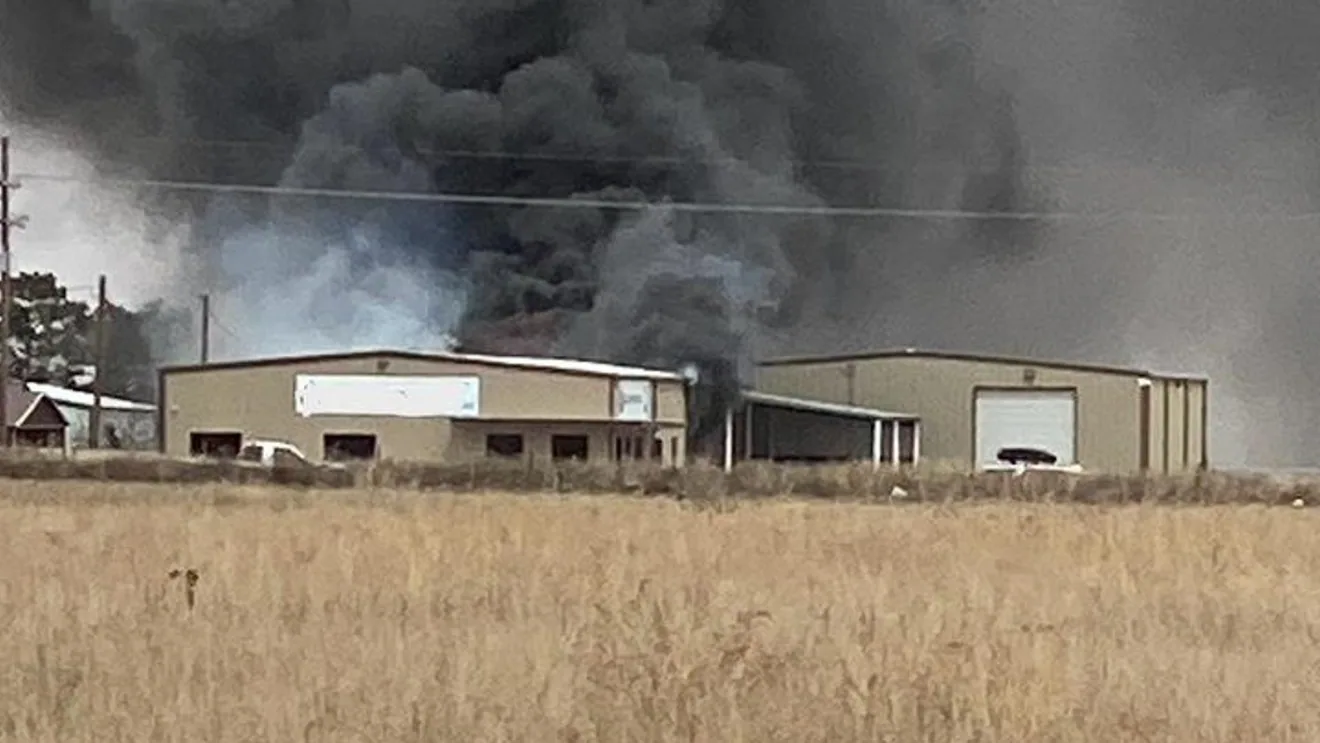
Secure the Roof Before Opening the Assembly
We confirm that the building and roof are released for contractor access and identify any hazards or restricted areas with the owner’s representative. Heat can soften or deform membrane, metal and roof accessories; suppression water can add moisture to insulation and deck. We photograph visible conditions before disturbing material, then coordinate temporary covering if rain can reach an opening.
For active water entry, an after-hours crew can assess temporary protection on weekends and holidays when access and conditions permit. Permanent work waits for testing and scope review. Temporary protection is documented by location and limit, with a return inspection planned when conditions permit. A temporary cover does not determine which materials need replacement. The permanent scope follows inspection and any testing required by the project team.
The property contact identifies fire-damaged interiors, equipment, utility status, access routes and areas that must remain isolated. We coordinate debris handling, lift placement and crew movement with restoration personnel. If the roof is unsafe or structural review is pending, work pauses until the responsible authority clears the area.
Separate Heat, Smoke and Water Effects
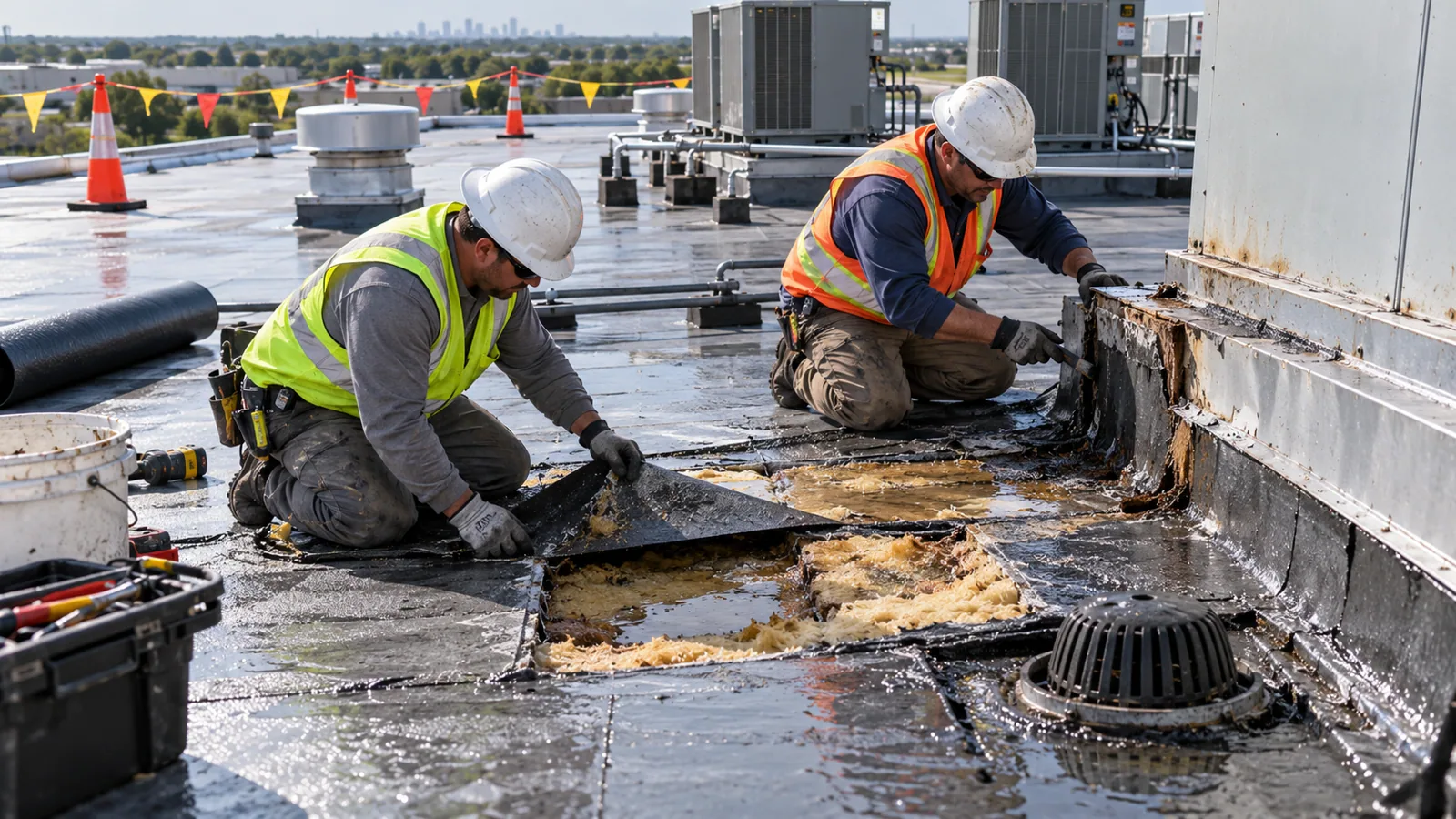
We inspect membrane blistering, char, shrinkage, punctures, displaced flashing and distortion at metal details. The assessment records where visible damage ends and where concealed layers may need testing. A commercial roof inspection includes photographs, roof-zone references and any access limit, giving the owner and restoration team a common record of what was observed.
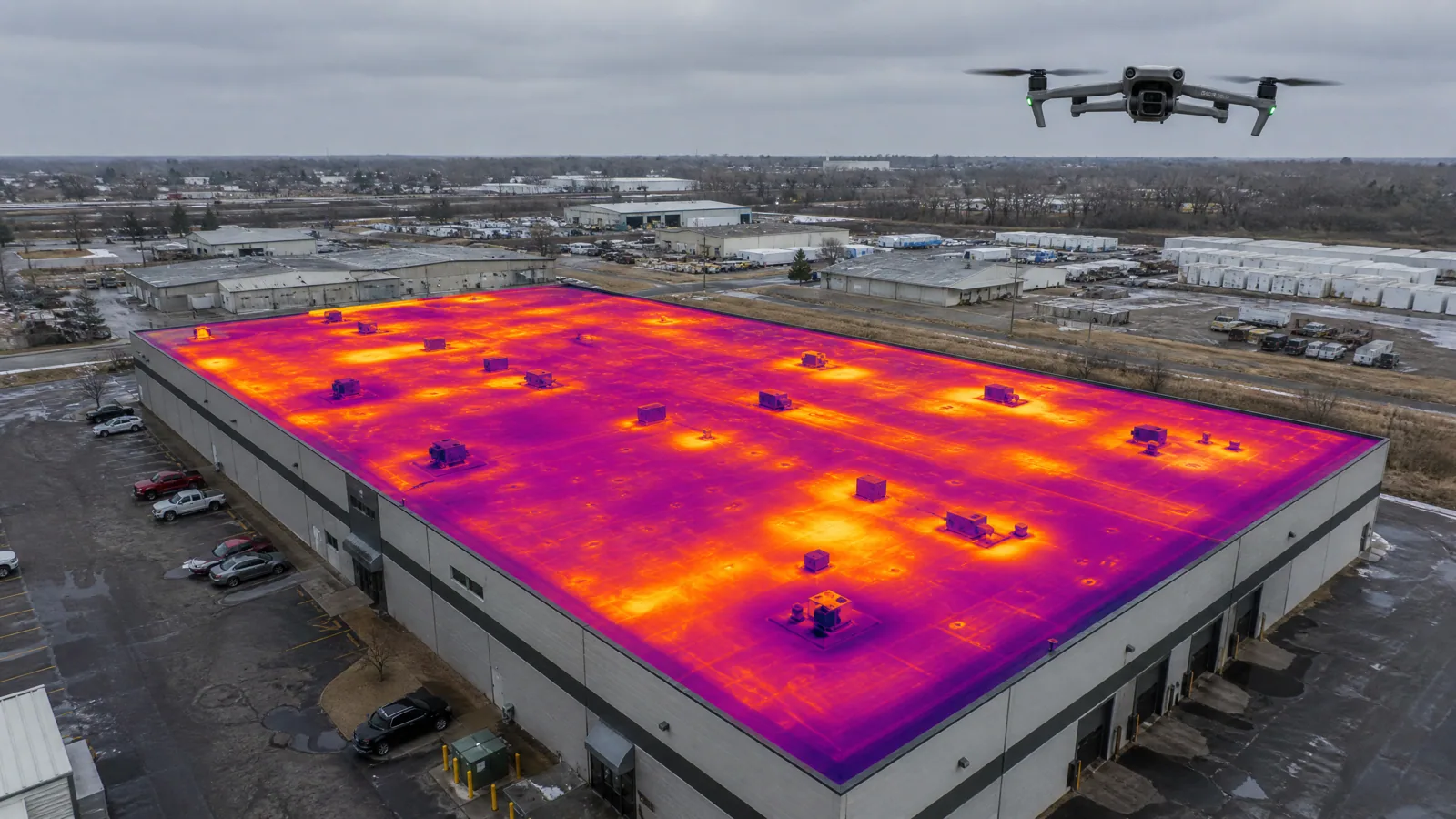
Fire response can wet areas outside the direct heat zone. When suppression-water reports are available, we map those paths separately from rain entry before defining drying and roof-repair scopes. We check drains, low areas, seams and penetrations for water entry, then compare the roof evidence with interior reports. An infrared survey can guide further testing, but temperature differences after a fire may be affected by residual heat and recent weather. Readings need context and cannot independently confirm wet insulation.
Where the assembly remains uncertain, an approved test opening can reveal membrane, insulation and deck at a selected location. We coordinate the opening with the restoration manager and interior protection team. The report states what was found at that point, how the opening was restored and whether other zones remain untested. That boundary matters when repair quantities are being developed.
Rebuild the Damaged Roof Zones
We identify the existing roof system before selecting replacement material. TPO, EPDM, modified bitumen, built-up roofing and metal behave differently under heat and require compatible transitions. Localized replacement may be possible when the perimeter ties into sound material. If heat or water has affected the substrate beyond the visible area, the scope expands to include the confirmed layers and a defined tie-in.
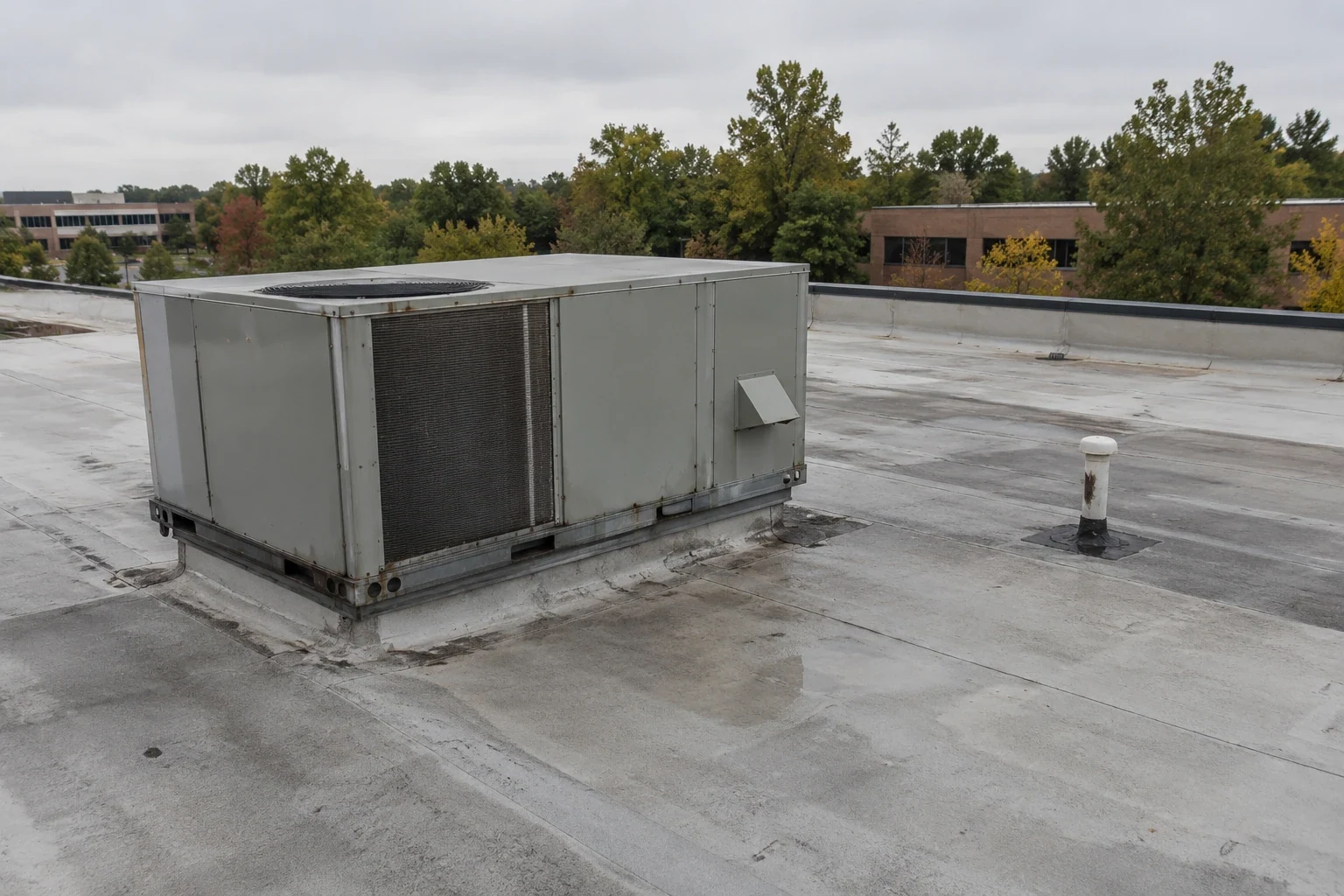
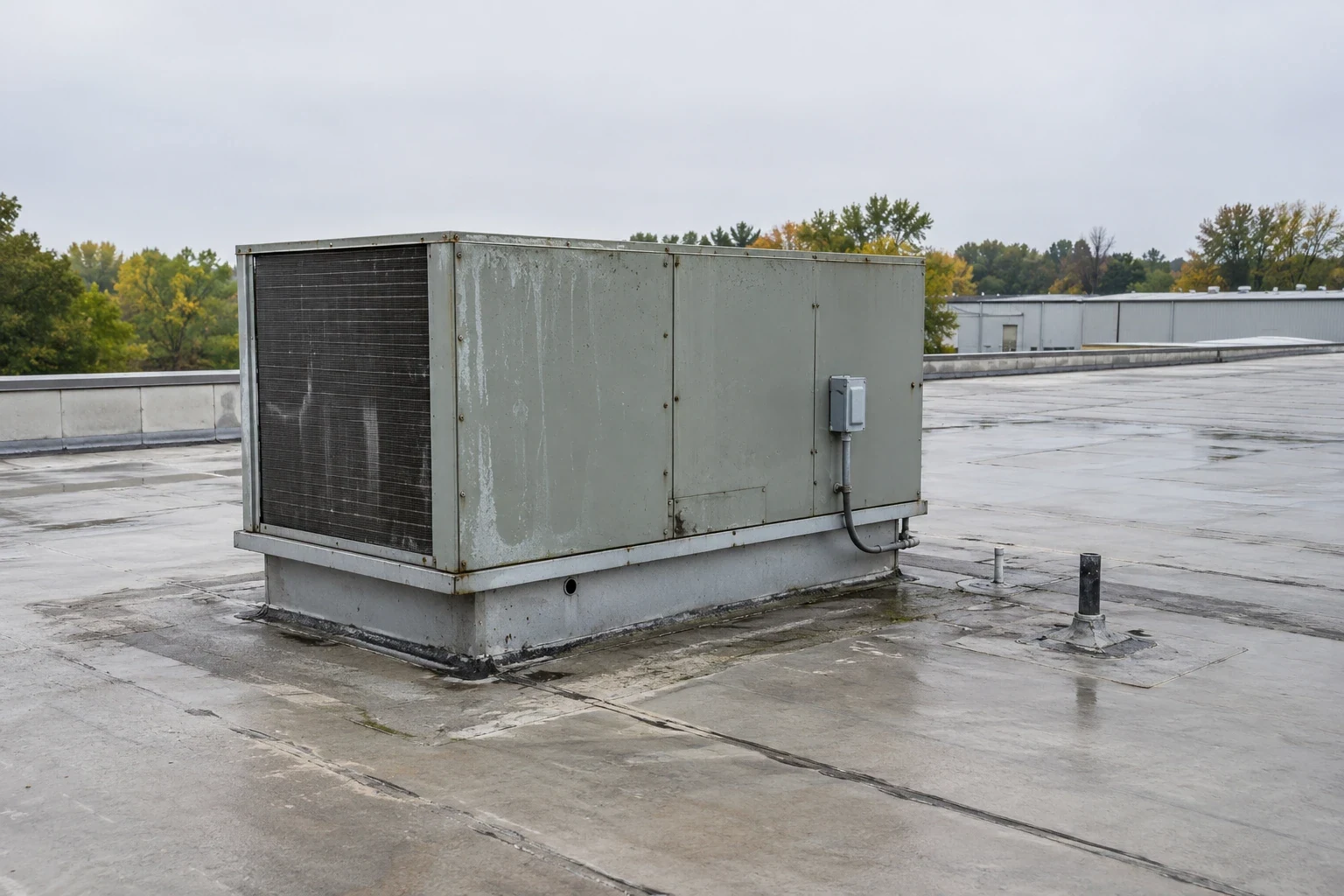
A TPO assembly or metal roof needs its own repair detail, edge condition and attachment method. We document the deck and insulation if they are exposed, identify penetrations and drainage that must be restored, and coordinate any mechanical or structural interface with the project team. A flashing repair is scoped separately when the transition itself is damaged.
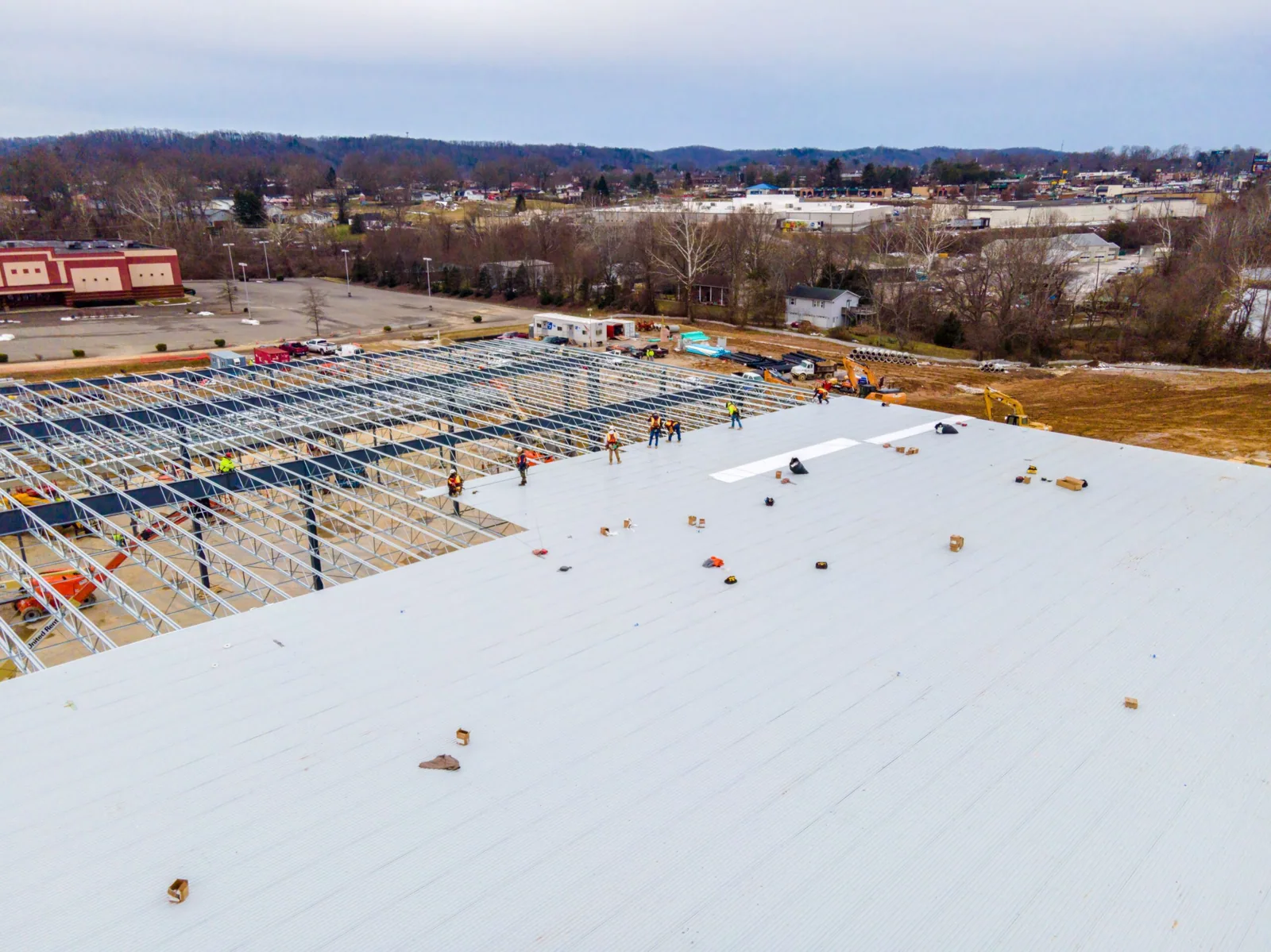
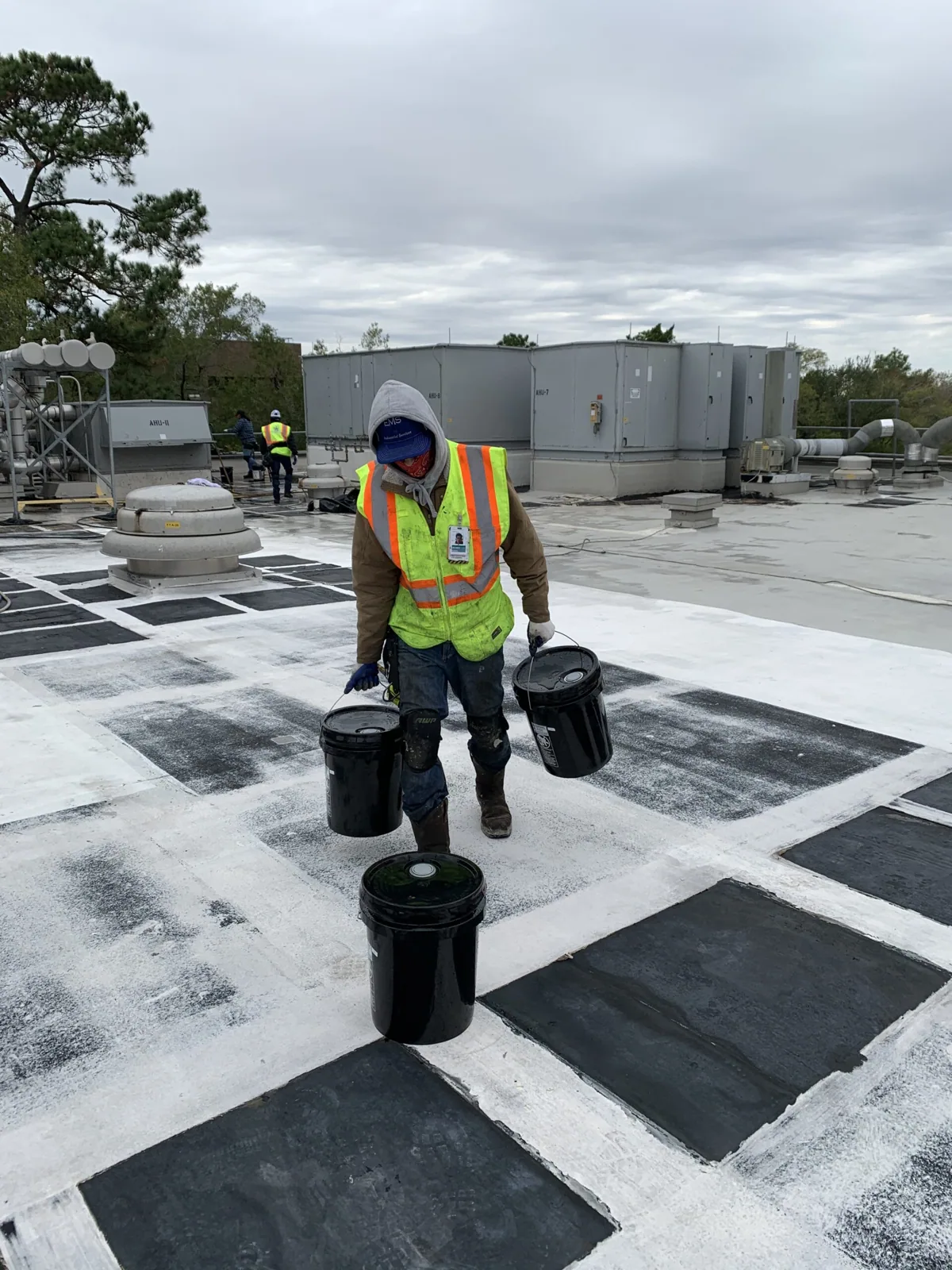
For a larger loss, we compare measured repair with replacement of a full roof zone. The proposal identifies demolition, temporary weather protection, insulation, membrane, edge and closeout steps. Work proceeds in protected sections when the facility and restoration schedule allow. We do not cover a damaged area until the project team has reviewed and documented the assembly condition that will be concealed.
Keep Claim and Construction Records Distinct
Roofing observations can support a restoration file, but coverage, cause determination and claim decisions belong to the insurer and policy process. We document visible conditions, measurements, materials and work performed. Any conclusion outside the roof inspection is left to the responsible reviewer.
When an adjuster, mitigation contractor and general contractor are involved, we identify who approves access, testing and permanent repairs. A claim documentation service can organize roof photos and repair notes, while the facility contact coordinates interior cleanup and room access. The record separates temporary protection, verified damage and proposed construction so later reviewers can follow the sequence.
Near Old Town North, streets and redevelopment activity may affect delivery or staging, but the property team confirms current access. We coordinate the actual address, waste route and any protected public area rather than relying on neighborhood assumptions.
Document the Restored Assembly
Closeout includes dated photographs, roof-zone labels, materials installed, transitions rebuilt and any limitations that remain. If additional testing or structural review is still pending, that item is not represented as complete. The owner can retain the restoration record with incident and interior work files, while maintaining separate documentation for roofing findings.
Follow-up inspection can check repaired tie-ins, drains and nearby materials after the building returns to service. We note any area where access was restricted and what future review should include. For an exposed roof edge or temporary cover, a return visit confirms whether permanent closure has been completed.
Provide the property address, incident access authorization, available roof plans, response date and restoration contact. We will document the roof evidence and prepare a repair sequence that coordinates temporary protection, testing and permanent work.
Roof Damage Repair
Commercial Roofing Questions
Can a roof be inspected before the fire investigation is complete?
Only after the owner or responsible authority releases the specific area for access. We coordinate with fire officials, structural reviewers and restoration staff, and document any limits. If entry is not cleared, the roof inspection waits until safe access is authorized.
Does smoke damage require replacing the full roof?
Not automatically. We inspect the membrane, flashing, insulation, deck and attachment in affected zones and identify where conditions change. A local repair can be considered if the surrounding assembly is sound; a broader boundary needs supporting observations or testing.
How do you account for suppression water in the roof scope?
We inspect drainage, low points and possible entry paths, then use approved testing if concealed moisture is suspected. The report separates direct heat damage from water effects and identifies which areas were opened. A reading or interior stain alone does not establish the full extent.
Can temporary roof covering be installed immediately?
If the site is released and access is safe, temporary protection can be assessed to limit weather exposure. We document its location, limits and follow-up needs. Permanent repair is scoped after the assembly can be inspected and the required approvals are in place.
What should be included in the roofing closeout after a fire?
Retain dated photos, roof-zone references, materials, repairs, testing results and areas that remain unverified. Separate temporary measures from permanent work and note who approved access. Those details help the owner and restoration team understand the roof work completed.
Assess a Fire-Damaged Commercial Roof
Share the property address, access release, incident details and restoration contact. We will document roof conditions and outline a protected repair scope.