

 Services
 Roof Systems
 Property Types
 Industries
 Damage Repair
 Capabilities
 Manufacturers
 Service Areas
Hurricane Damage Roof Repair in Alexandria, VA
Roof Damage Repair:
- Wind Damage Roof Repair in Alexandria, VA
- Ponding Water Roof Repair in Alexandria, VA
- Commercial Roof Flashing Failure Repair in Alexandria, VA
- Commercial Roof Seam Failure Repair in Alexandria, VA
- Commercial Roof Membrane Puncture Repair in Alexandria, VA
- Commercial Roof Fire Damage Repair in Alexandria, VA
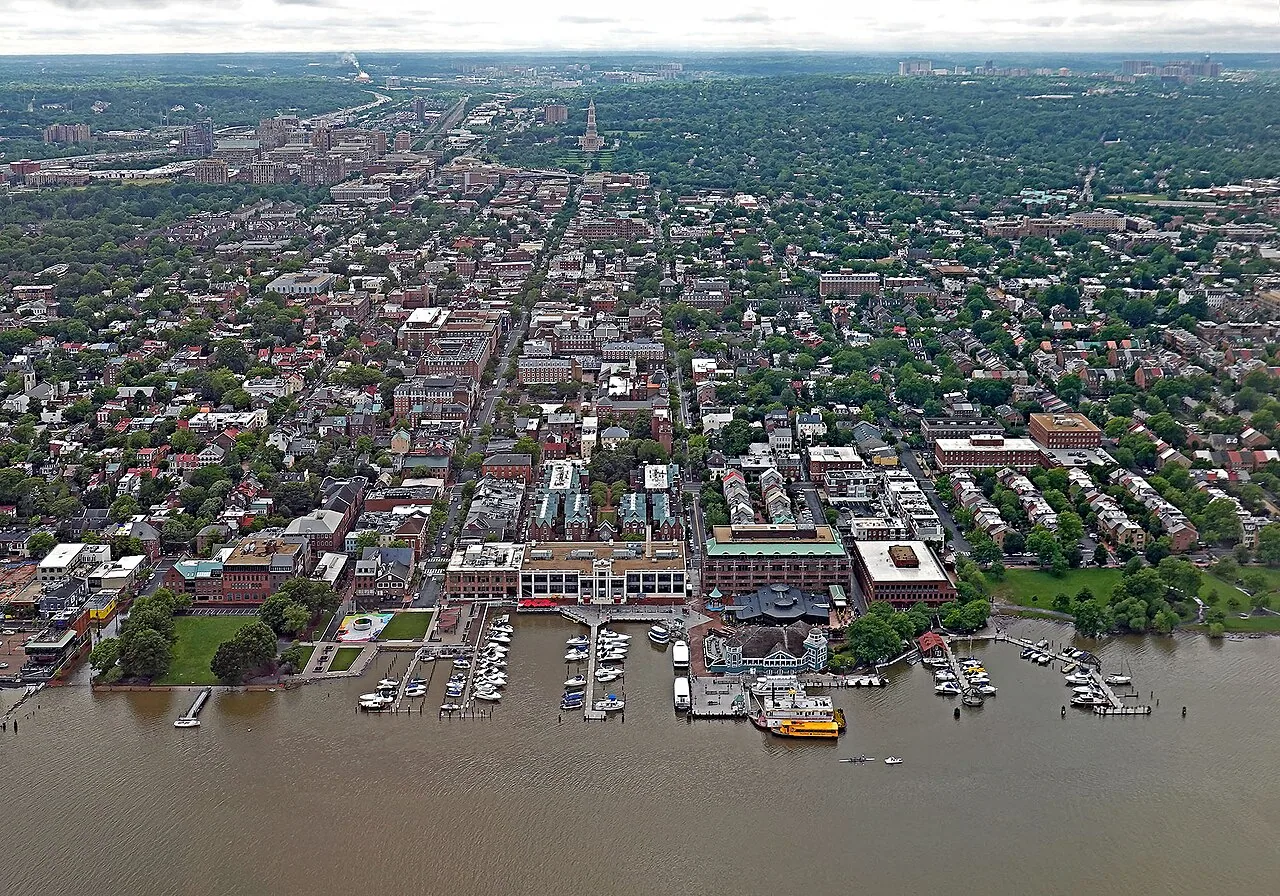
Wind-driven rain can push water past a roof edge or flashing transition even when the membrane field has no obvious tear. A hurricane-related inspection needs to look at both attachment and drainage, then connect the observed detail with any interior report. Alexandria, VA has coastal flooding exposure along the tidal Potomac and intense rain can test roof drainage and edge details. These regional risks guide inspection priorities but do not establish damage at a particular address.
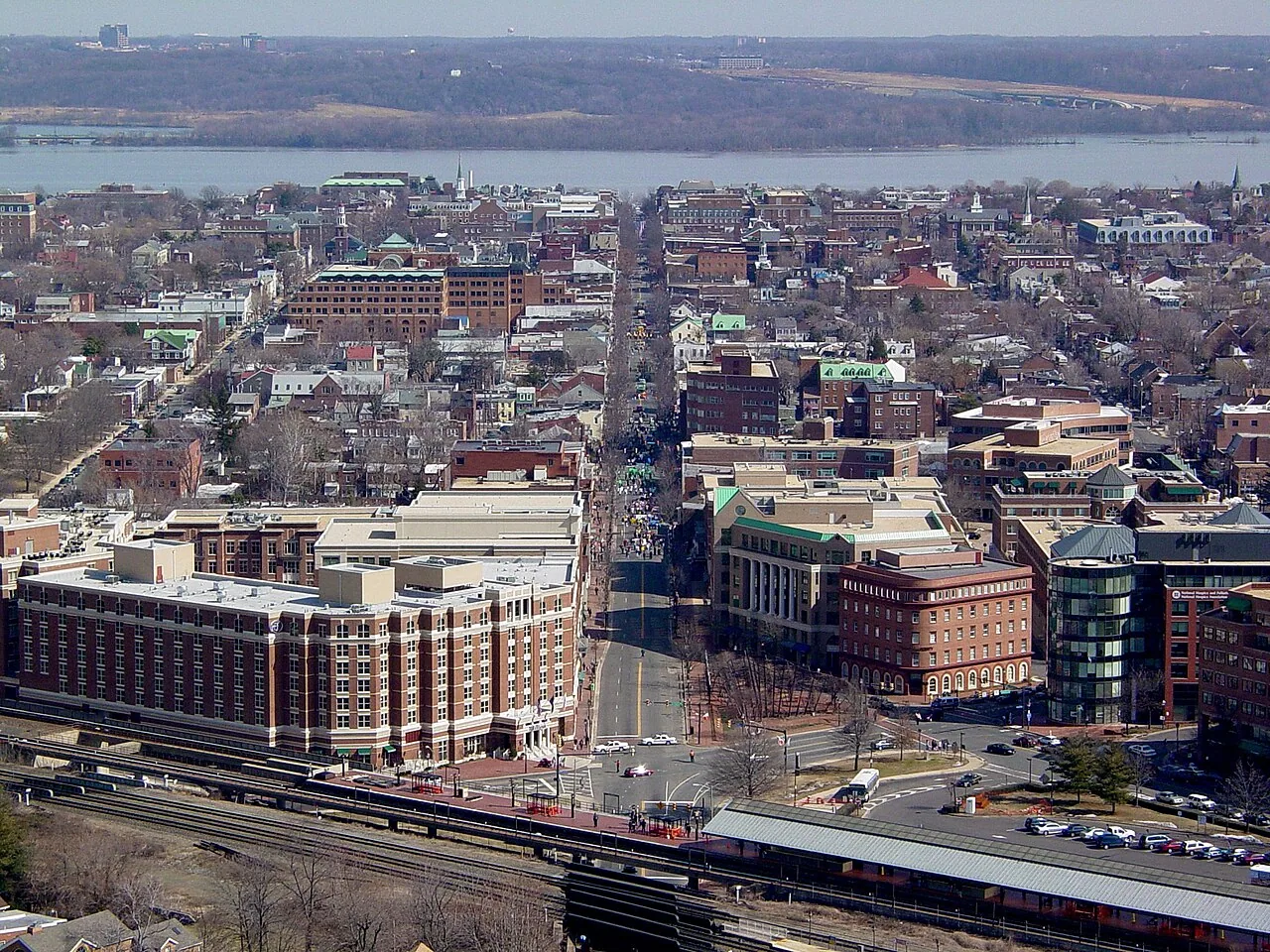
Commercial areas extend from Potomac Yard and Old Town to Landmark/Van Dorn and Eisenhower East. The actual building use, roof system and access rules vary. We confirm the reported storm date, building address and any public safety restrictions before mobilization. Wind damage repair and ponding-water repair can address separate conditions found after a storm, each with its own verified boundary.
Hurricane Damage Roof Repair
Make the Site Safe Before Roof Entry
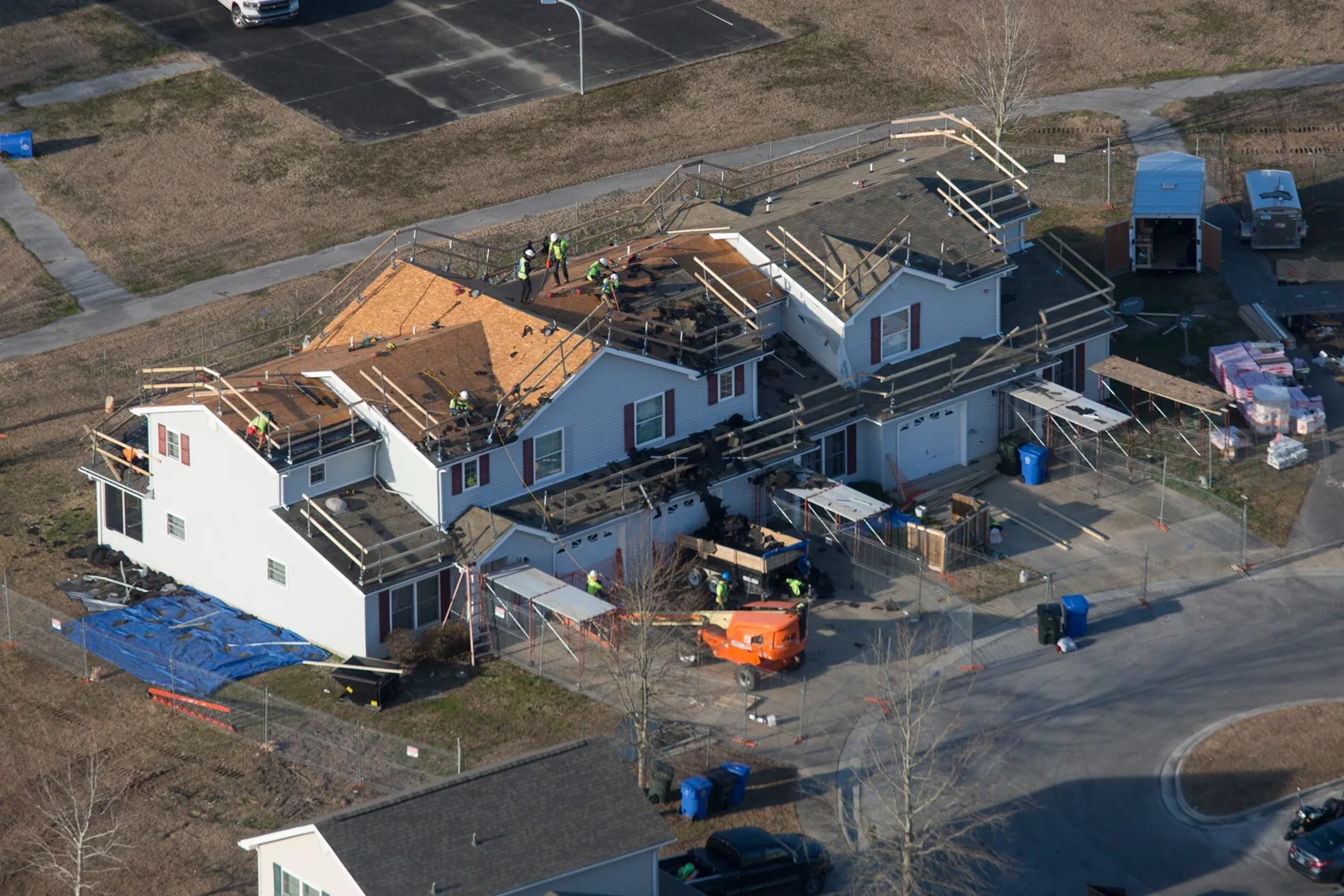
After a major storm, debris, damaged utilities, wet surfaces or unstable edges can make roof access unsafe. We coordinate with the owner or property contact to confirm the area is released, access is permitted and routes below are clear. Do not enter a roof area that has not been checked for safety. If water is active inside, emergency response is available at any hour, including holidays and weekends, once access can be arranged.
We first identify openings that need temporary protection and the areas below that require barriers. A temporary cover is recorded with its location, limits and follow-up requirement. It is not treated as the permanent repair. The building representative confirms occupied rooms, equipment, inventory and emergency routes before lifts, ladders or debris containers are placed.
Rain and power interruptions can affect when inspection and repair proceed. We plan a safe stopping point for any work that exposes the assembly, then review the completed connection and suitable protection for any unfinished area. If structural or utility review is pending, roof work waits for the responsible authority to clear the area.
Check Perimeters, Penetrations and Water Paths
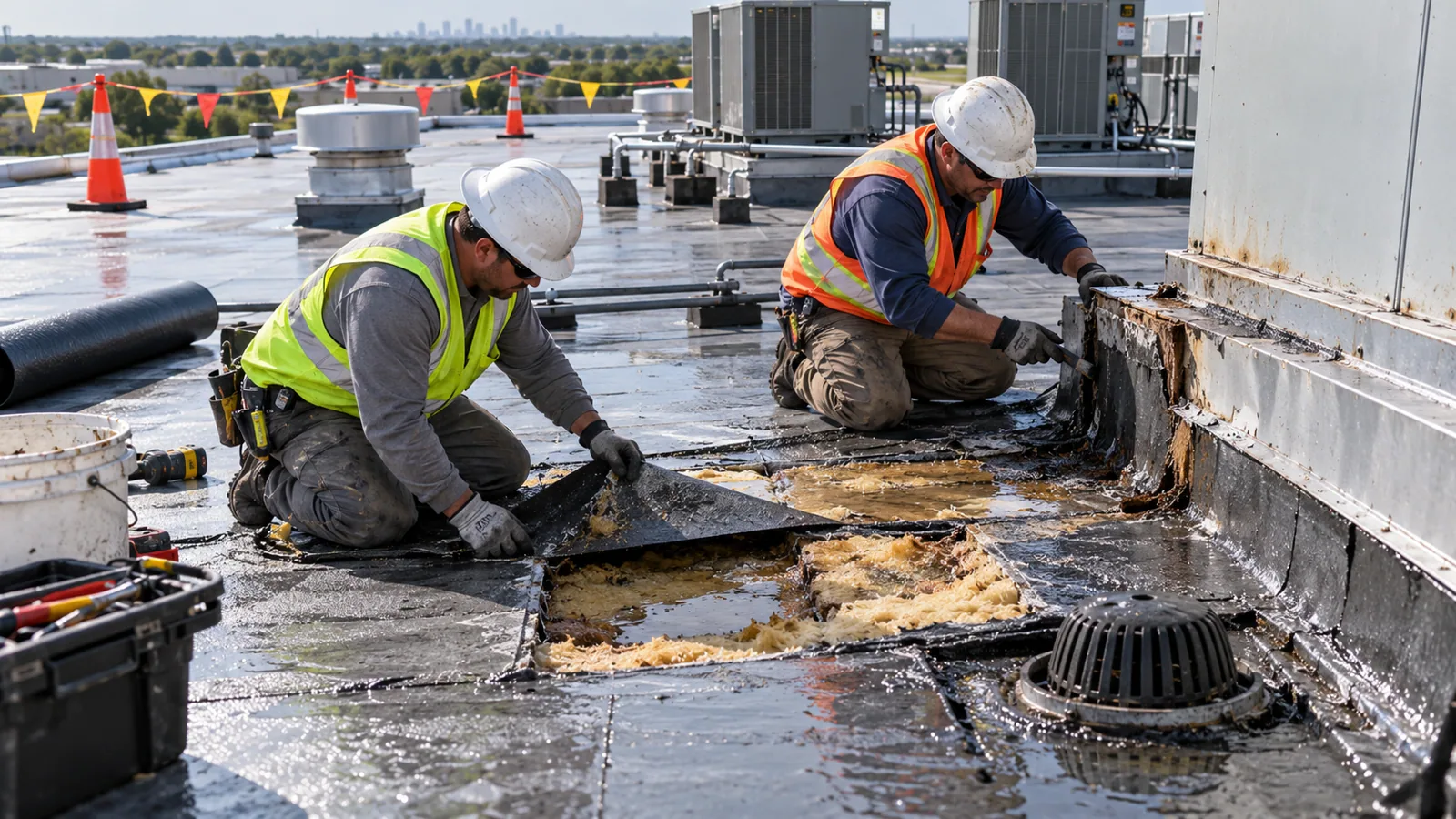
We inspect corners, perimeter attachment, seams, parapets, coping, curbs and penetrations for movement or impact. Roof drains, scuppers and overflow points are checked for blockage and water marks. A commercial roof inspection documents visible conditions with photographs and a sketch that ties the finding to its roof zone.
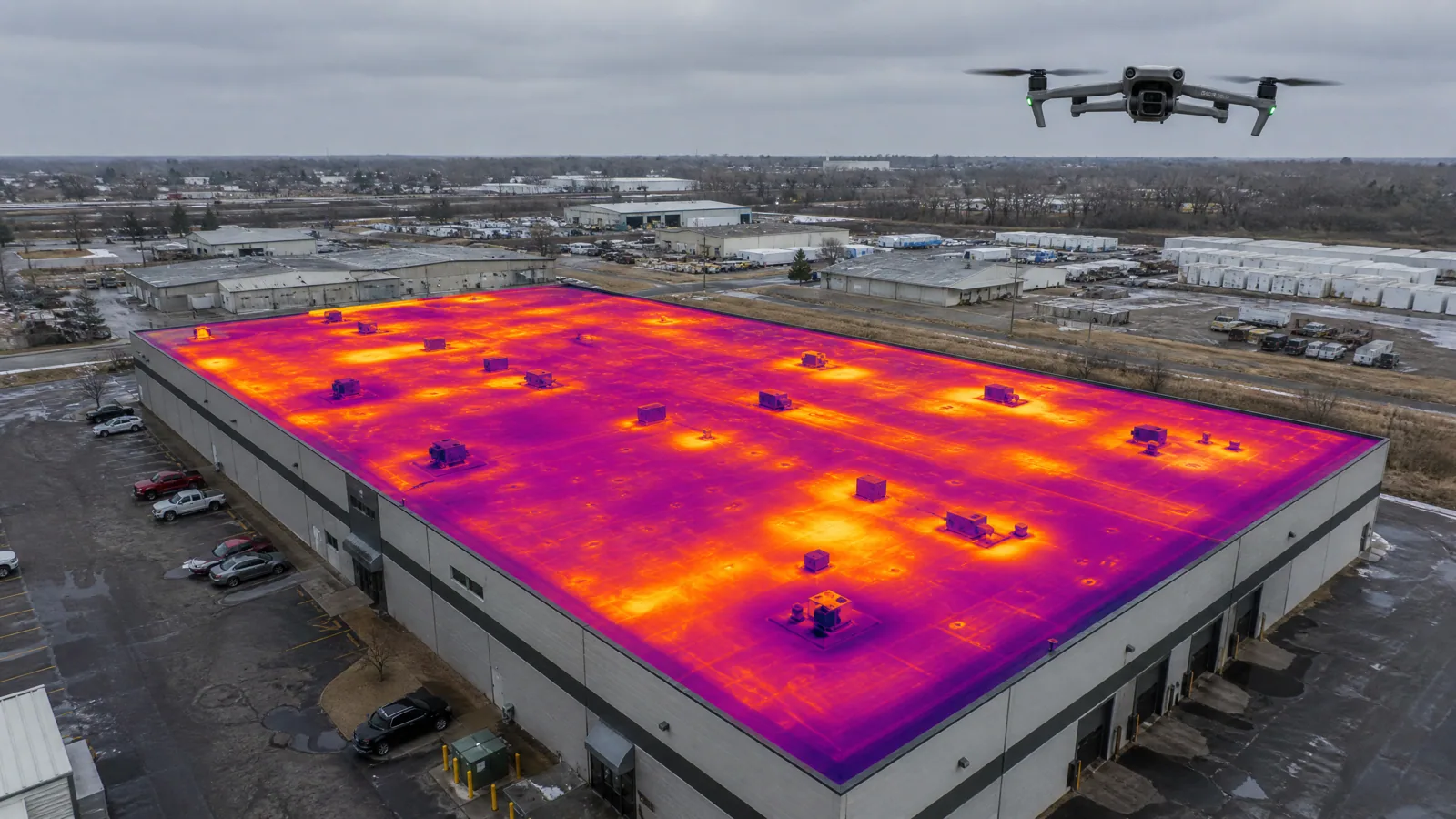
Interior water may appear away from the entry location. We compare the ceiling report with the roof plane, drainage, wall transitions and equipment locations. If moisture beneath the membrane is suspected, infrared observations collected under suitable conditions need interpretation and relevant material confirmation before they support wet-layer removal. An approved test opening can reveal layers at one selected point, with interior protection and restoration coordinated in advance.
We distinguish visible damage from prior wear or repairs when evidence allows. The report states the date and conditions provided by the property, the materials inspected and any area that could not be reached. A storm event does not make every loose edge or old patch a storm-caused condition, and the record should keep those findings separate.
Set a Repair Boundary That Fits the Assembly
We identify whether the roof is TPO, EPDM, modified bitumen, built-up or metal before choosing materials. The repair can remain local when nearby membrane, insulation and attachment are serviceable. If water has entered a larger area or edge attachment has failed beyond the initial section, the scope may expand to include additional removal and restoration.
A TPO membrane and EPDM assembly use different seam methods and compatible components. At the perimeter, the repair may require substrate work and restored edge attachment, not just sealing an exposed lap. We specify fastening, flashing, drainage and tie-in details to match the system found on site.
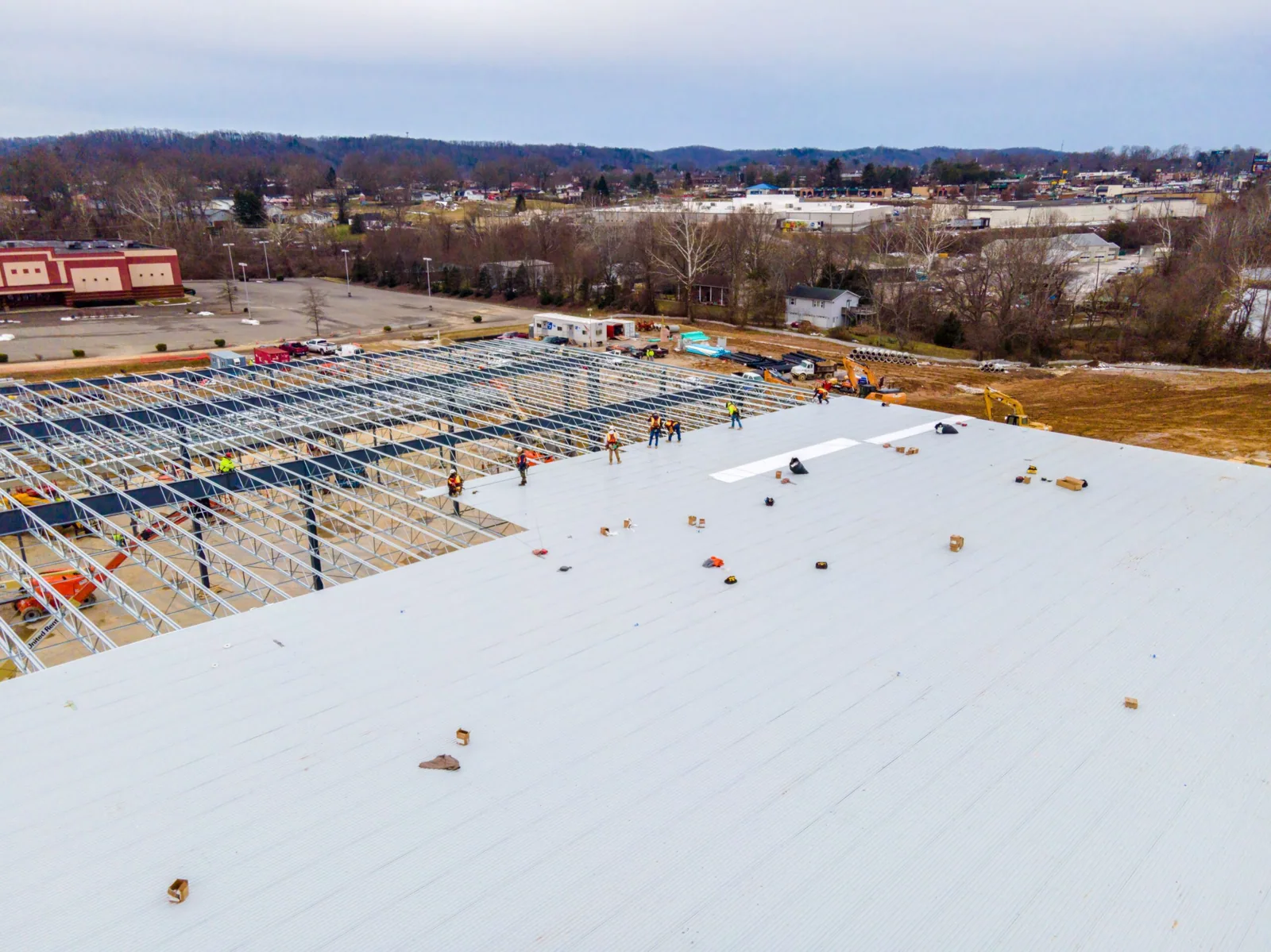
If a broader replacement is considered, we compare repair, recover and replacement based on roof condition, drainage, substrate and operational needs. The proposal identifies temporary protection, access, debris handling and occupied areas. A claim documentation service can organize roofing evidence for the owner, but an insurer or policy representative evaluates coverage.
Coordinate Restoration and Reopening
Owners, property managers, restoration crews and insurers may share the response, but each has a distinct role. We identify who approves roof access, interior protection, testing and permanent repair. Work on an occupied building can be phased when the roof and schedule allow, with the affected space below identified and a suitable closing detail and protection planned for the section.
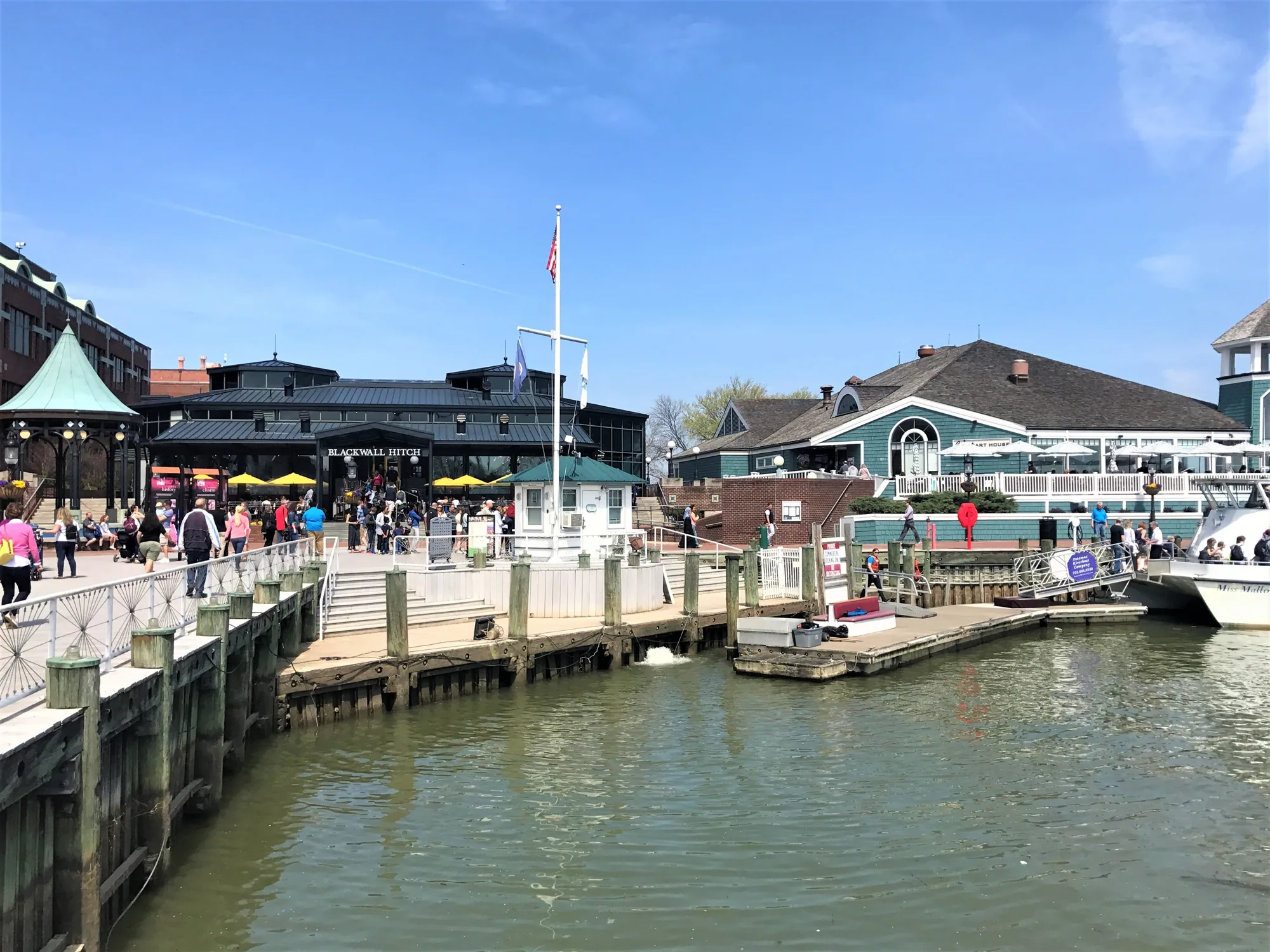
Delivery routes, debris removal, tenant hours and security conditions are confirmed at the property. For a site near Potomac Yard, the contact can identify the current access route and any transit or construction constraints. A project near Old Town may have different staging needs. Neighborhood context helps orient the crew, but the building representative confirms current conditions.
Before reopening a room or roof zone, we review the temporary protection, repaired details and any limits that remain. If drying or additional work is pending, the facilities contact coordinates that return to service. The work record states what is complete so operations staff do not assume an area is cleared based on a visual patch alone.
Close the Storm Repair File
We provide dated photographs, roof-zone references, materials installed, temporary measures and any remaining inspection limits. If test openings were made, the record identifies their locations and findings. The owner can retain roofing documentation separately from coverage decisions and interior restoration records.
Follow-up inspection can revisit perimeter attachment, drains, seams and the repaired zone after weather. A maintenance review can also record conditions unrelated to the storm, keeping the roof history complete without attributing every defect to one event.
Send the Alexandria address, reported storm date, affected room, site contact and any safety release or access limits. We will document visible roof conditions and prepare a measured response plan for the approved area.
When permanent work follows a temporary dry-in, the return visit should start by checking the cover and its termination, then documenting any water that moved past it. We compare post-event photographs with earlier roof records where available, paying attention to corners, edge metal and equipment supports that could have shifted. The owner can then distinguish emergency stabilization from the repair that restores the original roof assembly. If a test opening is needed, agree on its position after the building and access routes are cleared for contractor work.
Roof Damage Repair
Commercial Roofing Questions
Should roof repairs start while a storm is still passing?
No roof work should proceed until weather, access and site safety allow it. We can coordinate emergency protection after the area is released, then return for permanent inspection and repair. Active conditions and unsafe roof surfaces require a pause.
Does a hurricane exposure mean a building's roof is damaged?
No. Regional exposure explains why edges, seams and drainage deserve review, but damage must be documented at the property. We inspect the actual assembly and distinguish observed storm effects from prior wear or conditions that need further testing.
What roof areas are checked after wind-driven rain?
We review corners, edges, coping, seams, wall transitions, equipment curbs, penetrations and drains. Interior reports help direct the search, but water can travel before appearing. The field record shows which zones were reached and what remains uncertain.
Can temporary protection be counted as the final repair?
Temporary covering can limit exposure when safe placement is feasible but permanent work still needs preparation or materials. It is documented by location and expected follow-up. The permanent scope is set after the underlying detail and surrounding assembly can be inspected.
Can an insurer use your roof report to decide coverage?
The report can provide photographs, measurements and roofing observations. Coverage and policy interpretation remain with the insurer. We keep technical findings and proposed roof work distinct from decisions outside the roofing inspection.
Inspect Hurricane-Exposed Roof Areas
Share the property address, reported storm date and access or safety constraints. We will document the roof evidence and outline a measured repair plan.