 Services
 Roof Systems
 Property Types
 Industries
 Damage Repair
 Capabilities
 Manufacturers
 Service Areas
Commercial Roof Heat and UV Damage Repair in Alexandria, VA
Roof Damage Repair:
- Wind Damage Roof Repair in Alexandria, VA
- Ponding Water Roof Repair in Alexandria, VA
- Commercial Roof Flashing Failure Repair in Alexandria, VA
- Commercial Roof Seam Failure Repair in Alexandria, VA
- Commercial Roof Membrane Puncture Repair in Alexandria, VA
- Commercial Roof Fire Damage Repair in Alexandria, VA
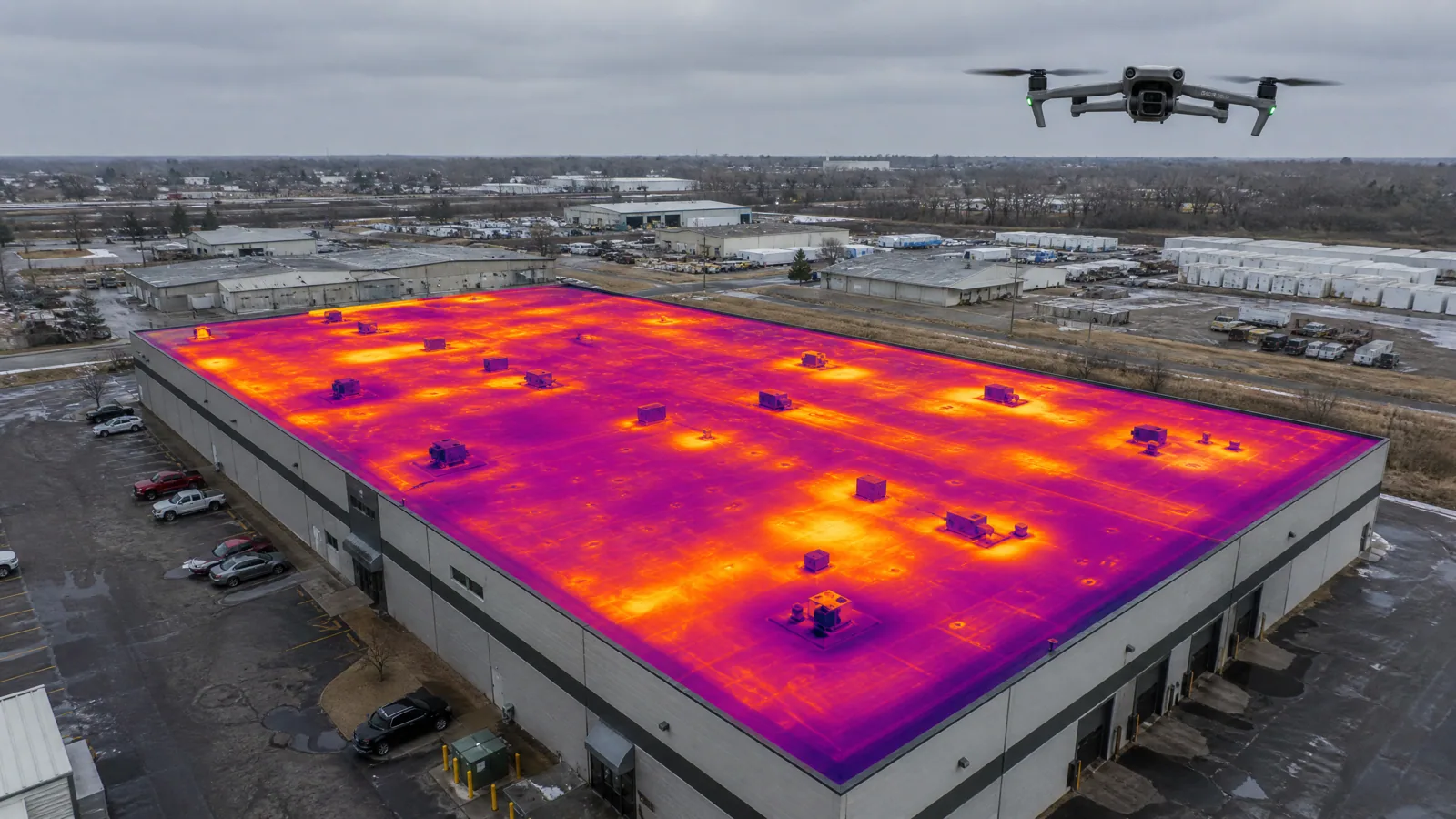
A hot roof surface can stress seams, flashing and exposed sealants over repeated temperature cycles. A brittle coating or open lap deserves a closer look; the membrane, transition and substrate determine whether repair is needed. We inspect the material, transitions and water paths, then connect any recommendation to a roof zone. Washington National Airport's July normal high is 89.6°F, a useful regional reference when planning summer roof work in Alexandria, VA.
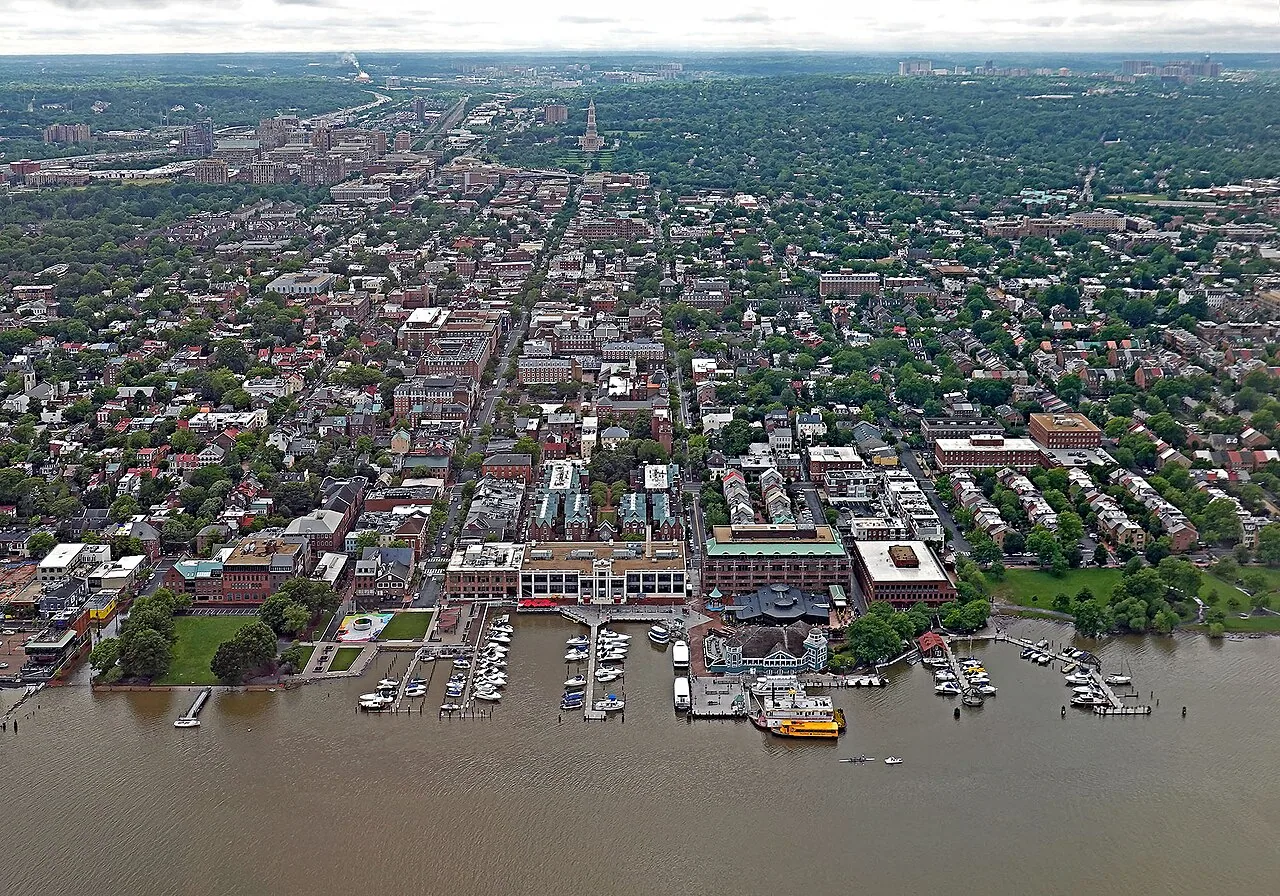
Carlyle and Eisenhower East contain office and mixed-use properties, and North Potomac Yard has academic and approved office development. The use and assembly at a given address still need confirmation. We check membrane type, prior coating, drainage and access before describing heat or UV wear. Seam failure and flashing deterioration can accompany surface aging, but each condition receives a separate finding.
Commercial Roof Heat and UV Damage Repair
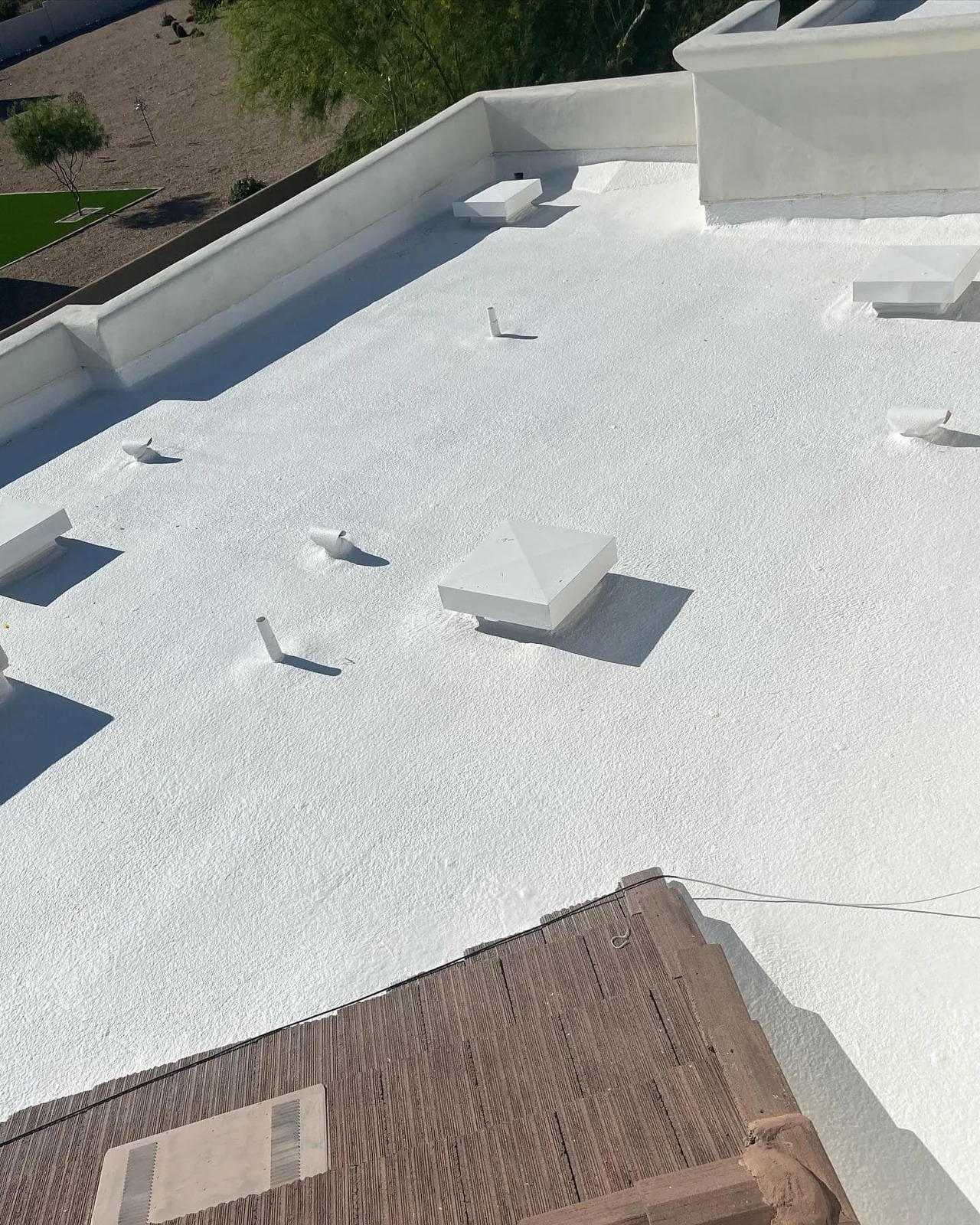
Read the Surface and Transition
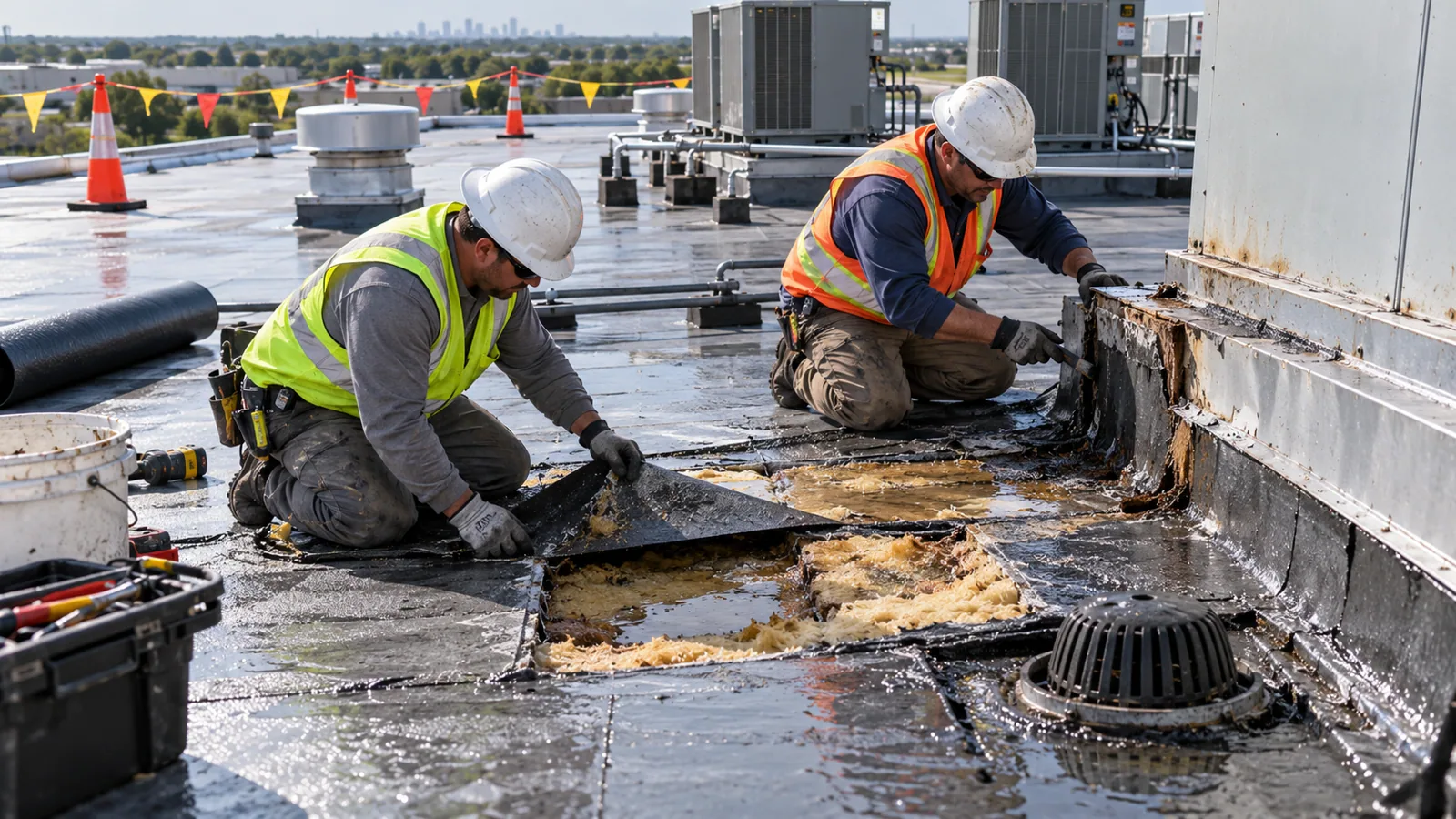
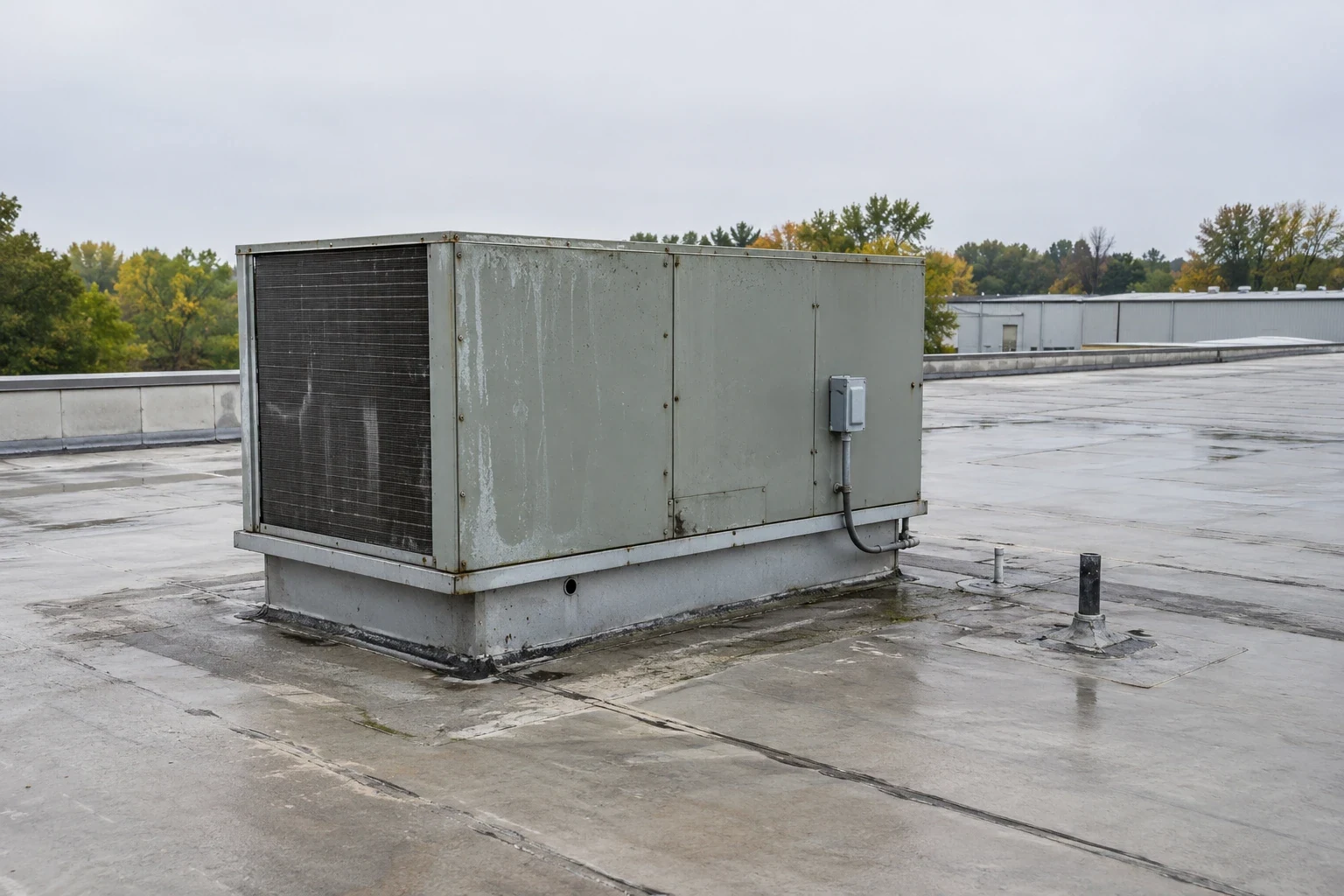
We look for chalking, surface cracking, shrinkage, blisters, exposed reinforcement, brittle sealant and separation at edges. The inspection also checks drains, curbs, penetrations, parapets and previous repairs because water entry may start where aged material meets another surface. A commercial roof inspection records those details with photographs and a zone sketch so condition is tied to a location.
Surface wear can be cosmetic, or it may signal loss of protection or a developing opening. We compare it with membrane thickness where visible, adhesion, seam condition and any moisture evidence. A coating inspection does not infer the condition of buried insulation. If the assembly may be wet, testing or a controlled opening can establish what lies below at a chosen point.
Recent rain and roof temperature affect the appearance of some materials. We record conditions on the visit and distinguish an observed split, loose edge or exposed layer from generalized aging. That boundary helps determine whether a localized correction, coating restoration or broader replacement should be compared.
Choose Compatible Restoration
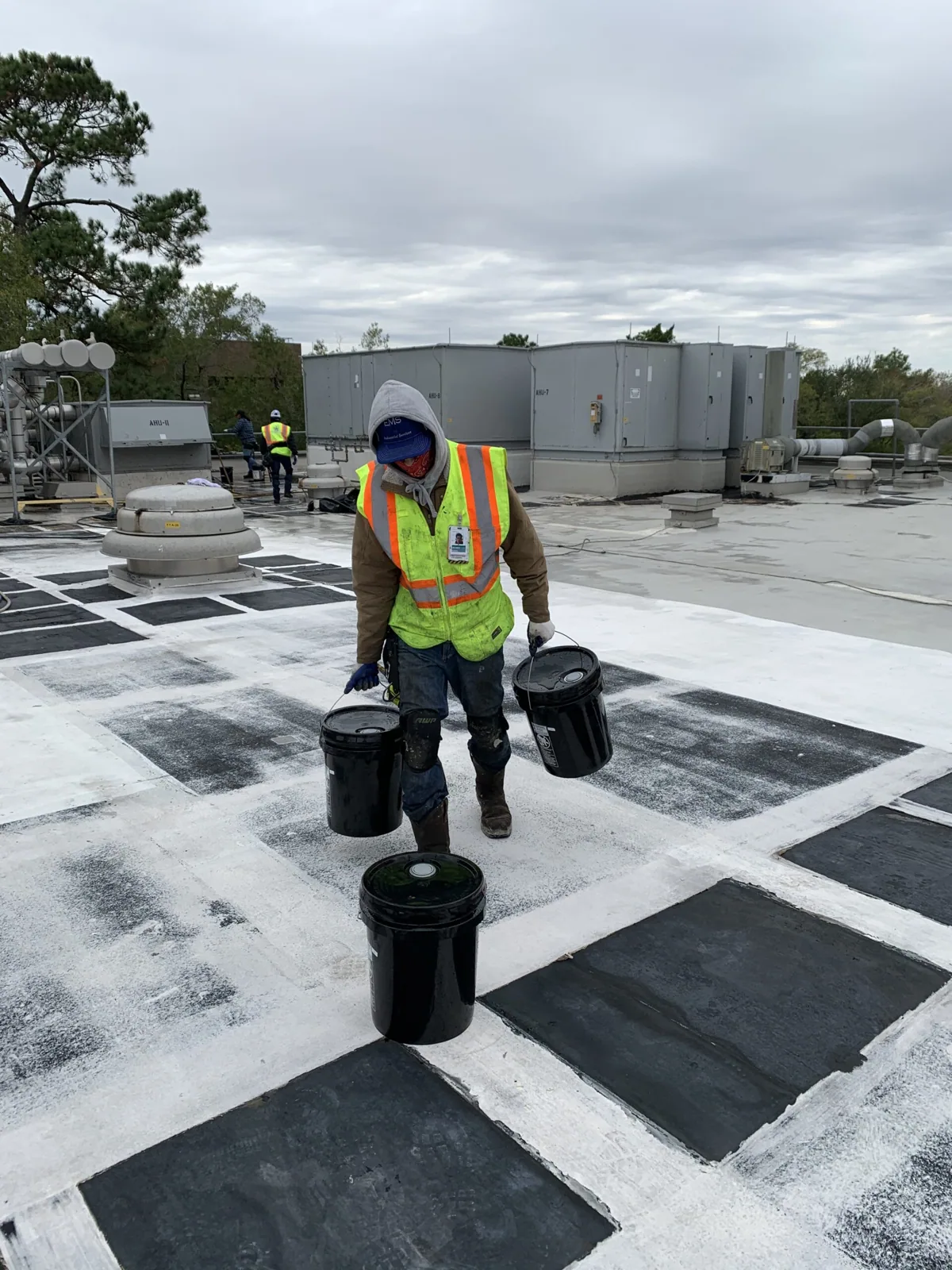
Repair depends on the roof system, preparation and the remaining condition of the substrate. A thermoplastic membrane may be repaired with compatible welded material; EPDM and modified bitumen require their own patches and transitions. A coating is considered only when the existing roof is suitable, clean, dry and capable of accepting the specified product. Applying a new surface layer over loose or wet material does not correct the underlying cause.
For a TPO roof, we inspect seam welds and transition details. A silicone coating can be considered for a compatible assembly after preparation and adhesion requirements are addressed. The scope states cleaning, repair, primer, reinforcement and coating coverage as applicable, while keeping any insulation or deck work separate.
If cracks, blisters or seam openings extend beyond a small zone, we compare coating restoration with repair, recover or replacement. Drainage and edge conditions remain part of that choice. A coating will not correct poor slope, an open drain or a loose termination. We document the condition that requires correction before application and the boundary where the selected system can be installed.
Account for Heat and Rain Together
Summer heat affects roof surfaces while intense rain tests the paths that carry water away. Alexandria faces extreme heat and coastal flooding along the tidal Potomac. Those conditions make roof surfaces, drains and edges useful inspection priorities; observed conditions at the property set the scope. We check coating adhesion and exposed seams at the address before specifying work.
Application windows depend on substrate temperature, moisture, forecast and the product's requirements. We confirm conditions before coating or adhesive work and protect any exposed roof at the end of a shift. If a rain event interrupts preparation, the surface may need to be rechecked before installation resumes. The daily scope includes a safe stopping point and the person who checks the roof closure. If the weather changes between preparation and application, we recheck the surface before resuming.
For a building near Eisenhower East, site access and equipment staging are confirmed by the property contact. North Potomac Yard may present different delivery or campus requirements. We confirm those details at the address and coordinate roof work around the building's hours and occupied areas.
Track Aging Without Overstating It
Maintenance records can show whether a surface change is spreading, remaining stable or recurring at the same detail. We photograph the same roof zones and note seams, penetrations, coating wear, drains and edge transitions. A maintenance review can identify when a small correction remains possible or when testing is needed.
If multiple roofs are in a portfolio, each retains its own system description and observed condition. A hotter roof surface or lighter color does not by itself establish remaining service life. We keep observations separate from estimates until the assembly and substrate are examined. That makes later repair decisions easier to connect to what was actually seen. We also note whether the surface changes follow a sun-exposed roof zone, a detail with repeated movement or a prior repair edge. That pattern can direct the next inspection, but any repair still depends on the material condition found at the site.
Send the Alexandria address, roof records, areas of visible wear and access contact. We will inspect the exposed details, determine whether the surface is compatible with repair or restoration and document any underlying questions. Our findings will remain tied to the areas we can access.
Before recoating, distinguish surface chalking from loss of adhesion, open seams or exposed reinforcement. Loose residue may need removal, but cleaning alone will not repair a weak transition or wet substrate. We confirm that the roof is dry and the existing layer is compatible with the specified coating system, then define washing, primer and reinforcement as separate preparation steps where needed. A trial area can show whether the proposed preparation bonds under product requirements; it does not certify untested roof zones. If the trial exposes incompatible patch materials or a substrate problem, the scope should pause for review before full application.
Roof Damage Repair
Commercial Roofing Questions
Does summer heat mean a roof coating has failed?
No. Regional air temperature does not measure the roof surface or establish coating condition. We inspect adhesion, cracks, exposed layers, seams and water paths at the property. The recommendation follows the visible condition and any testing required beneath the surface.
Can a new coating go over an older commercial roof?
Only if the existing assembly and surface can accept the proposed system. We check moisture, adhesion, repairs, drainage and preparation needs before recommending coating. If the substrate is wet or unstable, that condition must be corrected or another option considered.
How do you distinguish normal aging from a roof leak risk?
We look for openings, seam separation, exposed reinforcement, loose flashing and interior moisture, not surface color alone. Photographs and roof-zone notes show which details are deteriorated and how they relate to a water path. Testing may be needed if insulation condition is uncertain.
Will heat-related roof work interrupt business operations?
We coordinate roof access, odor, noise, staging and temporary protection with the facility contact. Coating and adhesive products have application windows, so the schedule may shift with surface and weather conditions. A phased work plan can limit the active area when the roof allows it.
What should be monitored after a restoration coating is installed?
Record drainage, coating surface, seams, penetrations, edge details and any repaired zones. Follow-up visits should compare the same locations and note changes. A coating does not remove the need to inspect drains or transitions that can admit water.
Review Heat-Exposed Roof Surfaces
Share the property address, visible surface changes, roof history and access contact. We will inspect the assembly and outline compatible repair or restoration options.