
 Services
 Roof Systems
 Property Types
 Industries
 Damage Repair
 Capabilities
 Manufacturers
 Service Areas
GAF Commercial Roofing in Alexandria, VA
Roofing Manufacturers:
A GAF name on a roof record does not identify the membrane, attachment or repair detail by itself. We verify the product and assembly before recommending work, then inspect seams, drains, edges and penetrations. Alexandria, VA's summer heat, winter freezing and heavy rain make those transitions worth checking, while the roof itself establishes what has changed. A field inspection keeps a repair tied to the material installed at the address.
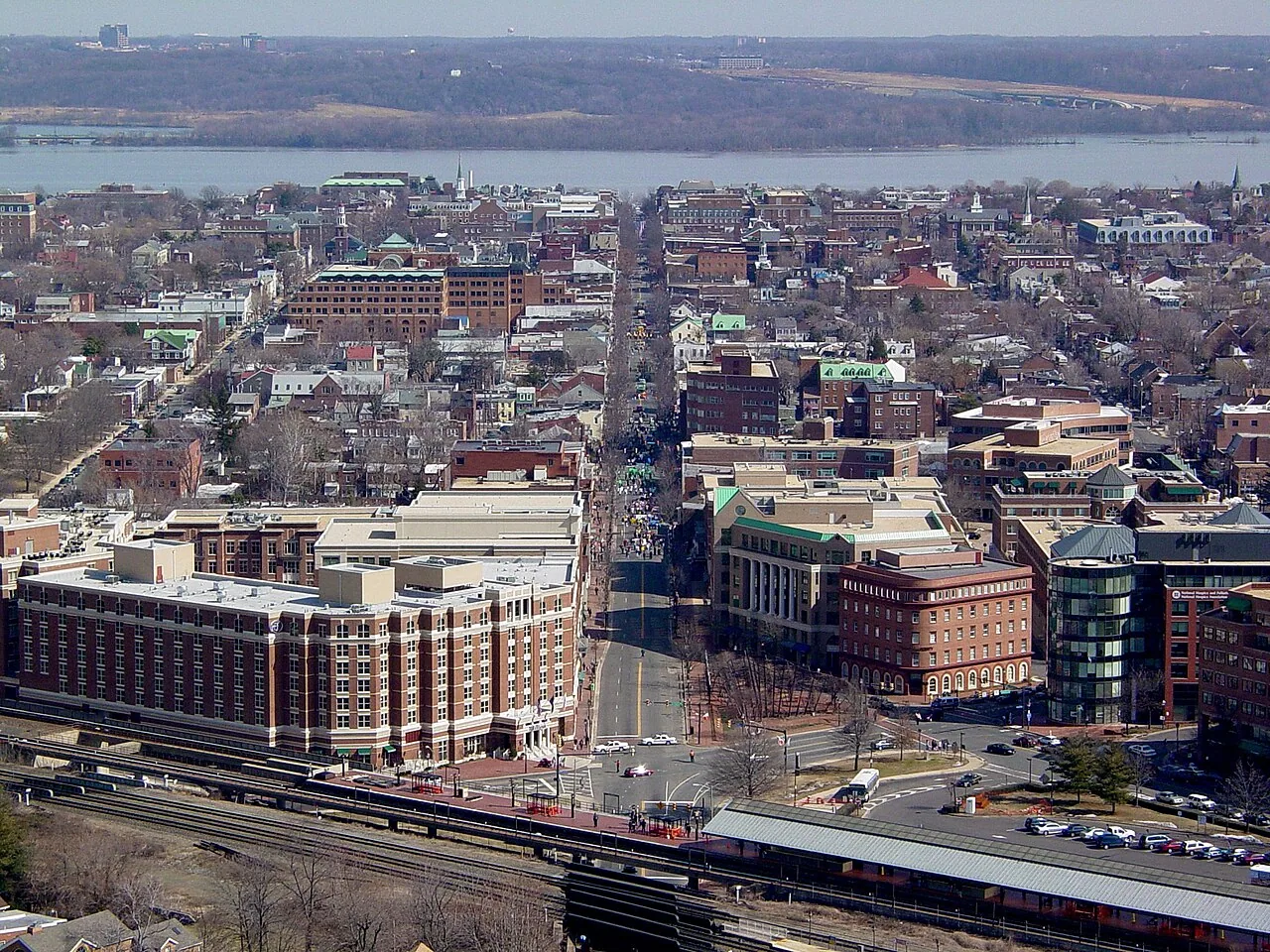
Commercial properties extend through Carlyle and Eisenhower East, with approved redevelopment plans in Landmark/Van Dorn. We review the roof records and compare them with visible conditions to identify the system at the address. Carlisle systems and Johns Manville systems may use different products, so identification comes before the repair scope.
GAF Commercial Roofing
Identify the GAF Assembly
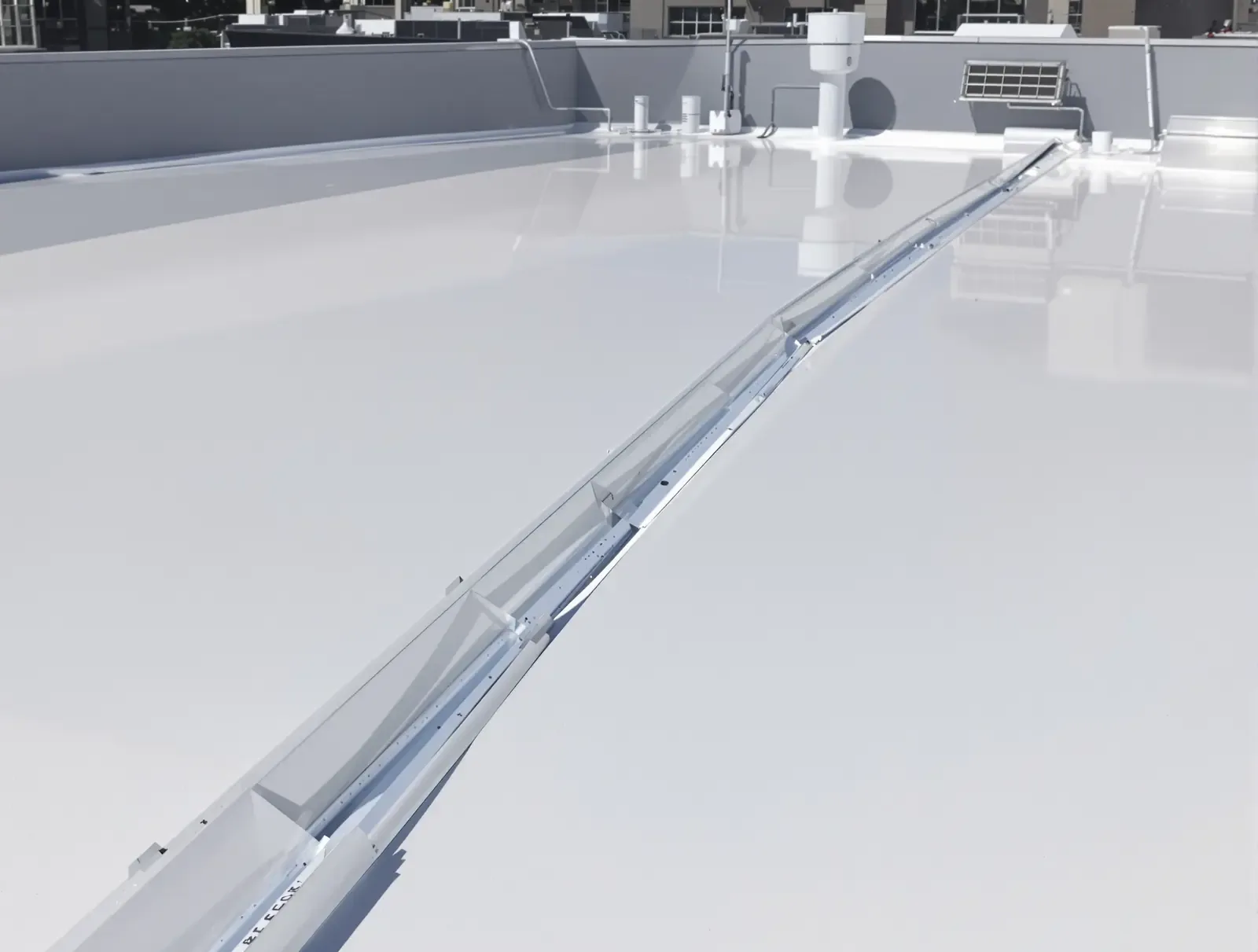
GAF commercial roofing includes single-ply options such as EverGuard TPO and PVC, alongside other low-slope roofing materials. EverGuard TPO is a reinforced thermoplastic membrane with heat-welded seams; GAF also lists smooth and fleece-back configurations and different attachment approaches. The installed material, substrate and detail matter more than a product family name when investigating a leak.
We look for membrane markings, project documents, seam construction, flashing accessories and transition details. A TPO lap may require a probe and weld review, while a PVC system needs compatible PVC material and preparation. If the records point to a GAF assembly but the roof has been altered, we note what can be verified and what requires a test opening or further documentation.
System selection also depends on deck, insulation, cover board, fastening or adhesive and the perimeter design. We review available assembly records and compare them with field conditions before proposing a repair. A TPO roof and a PVC roof should not be treated as interchangeable, even when both use hot-air-welded seams.
Trace Water at Seams and Transitions
Water from a seam opening may travel below the membrane and appear in a room far from the defect. We map the interior report against drains, curbs, parapets, roof slope and penetrations. A commercial roof inspection records the suspected path, photos and the roof zone reached. The findings separate entry evidence from the visible ceiling symptom.
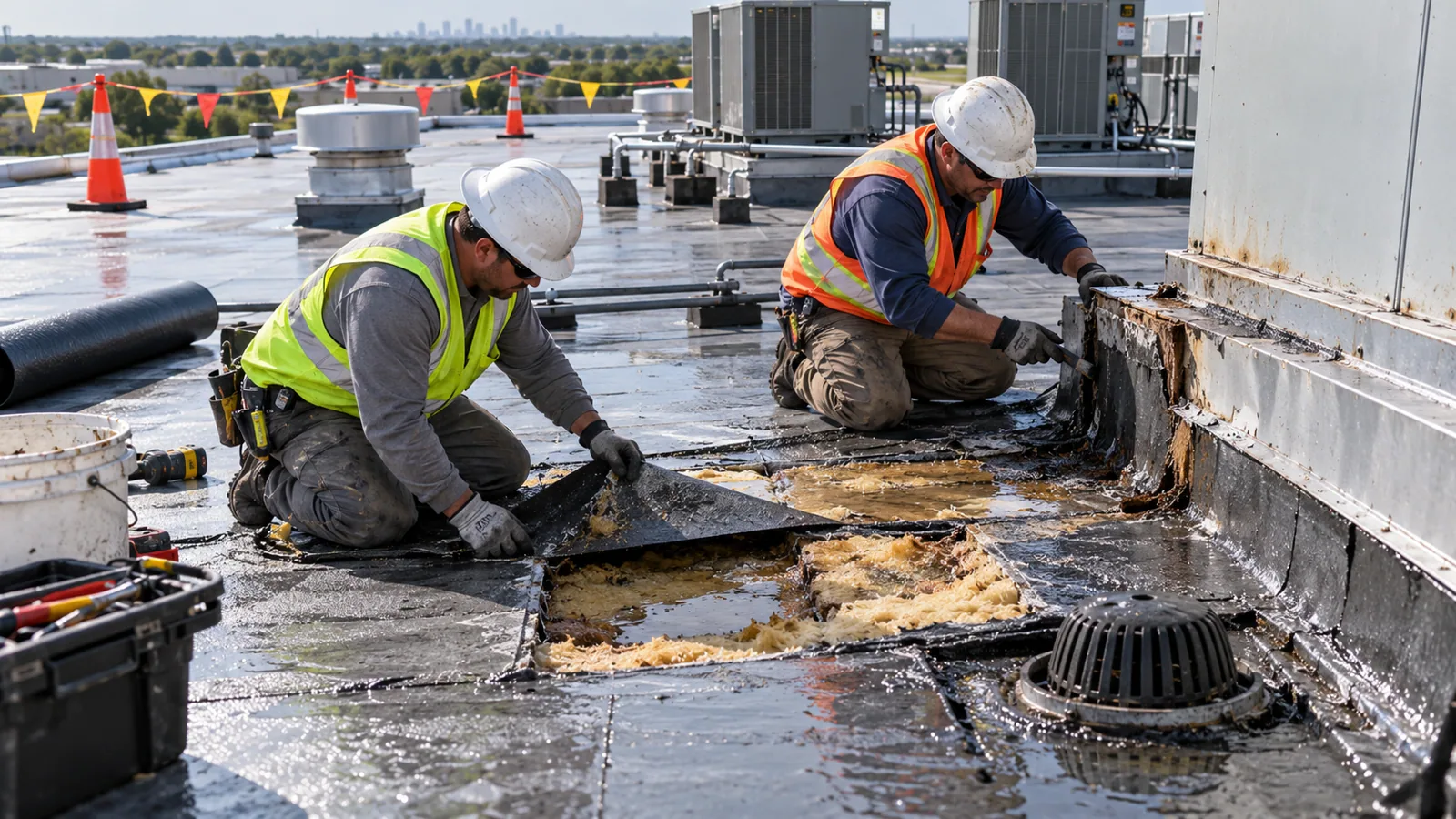
At a thermoplastic seam, we inspect weld continuity, contamination, wrinkles and intersecting details. At the perimeter, we check termination, edge metal and attachment. Equipment curbs and pipe penetrations can introduce movement or flashing failure. A seam repair or flashing repair is specified only after the relevant detail is identified.
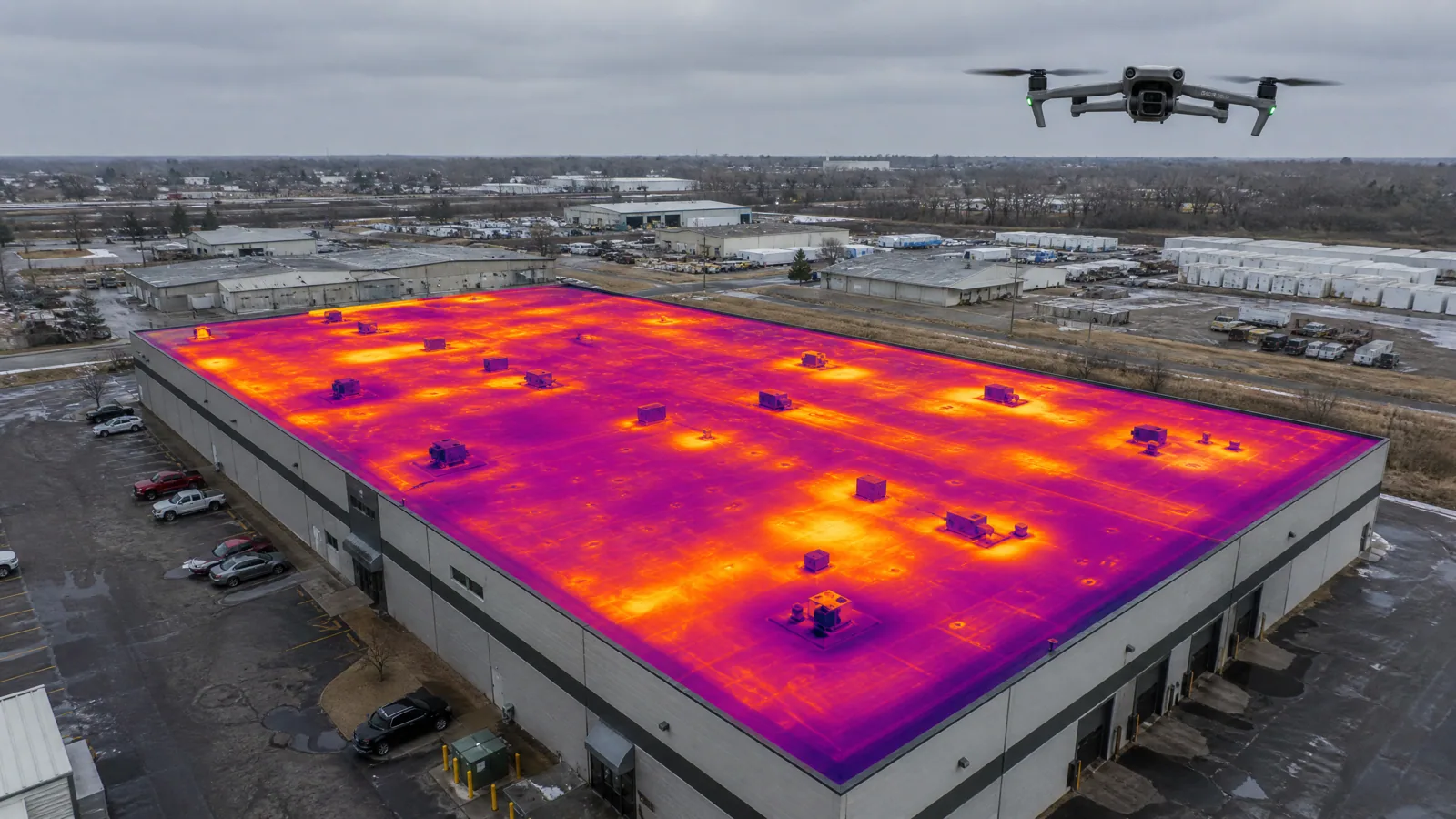
If moisture below the surface is uncertain, a test opening can confirm layers at one location. Useful infrared observations require suitable conditions and interpretation, followed by relevant material confirmation before moisture quantities are assigned. We coordinate the opening and interior protection with the owner, then document what the sample showed and which areas remain closed. That process can prevent a repair from expanding beyond the available evidence.
Use Compatible Materials and Details
A repair should match the identified GAF membrane and its surrounding assembly. We clean and prepare the area, remove loose material and check whether the substrate is suitable. For TPO, the detail may involve a compatible heat-welded patch; for PVC, the repair material and welding procedure must suit the PVC sheet. Fleece-back membranes and coated accessories can require different preparation from smooth membrane.
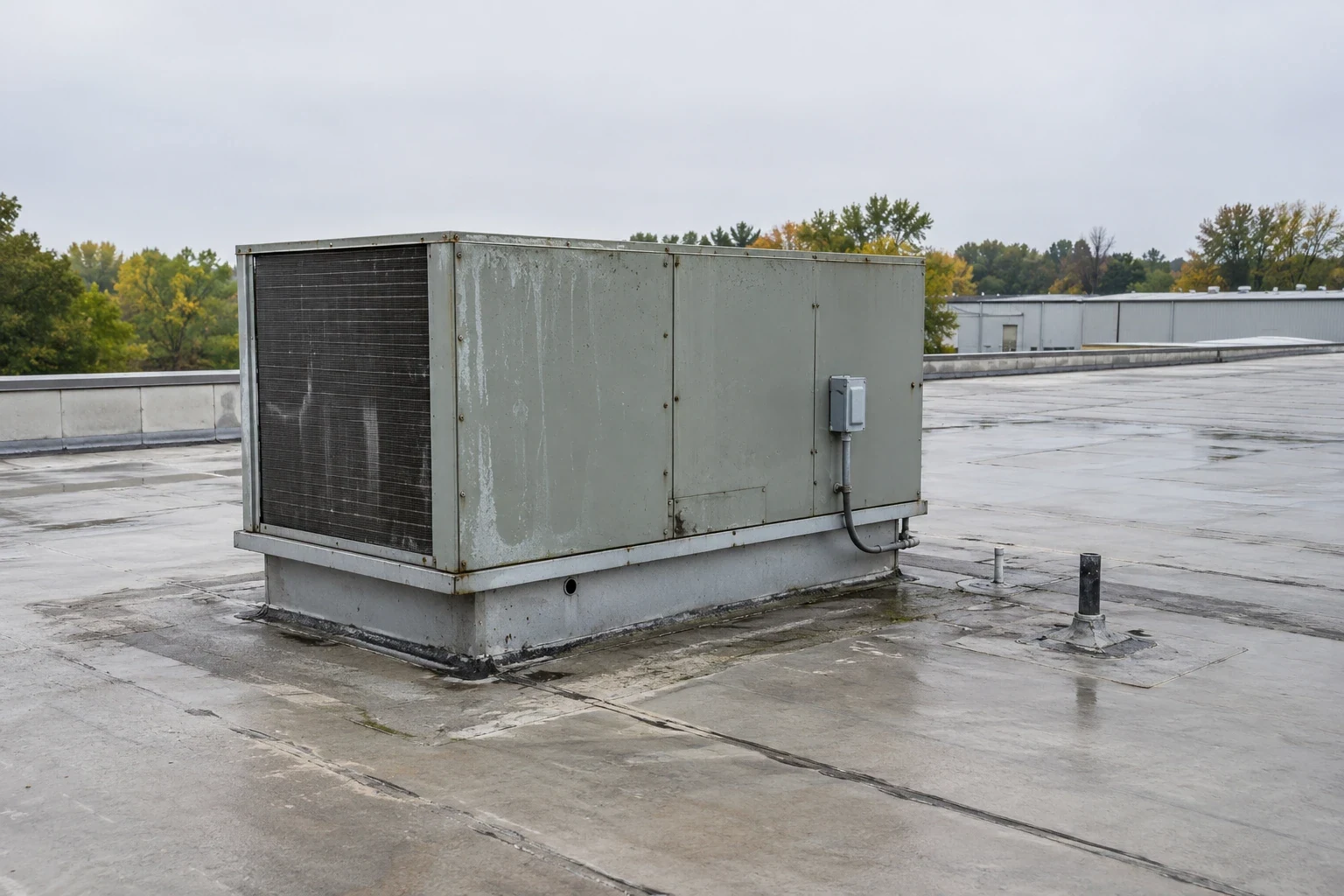
We also inspect the layers below if damage reaches insulation or deck. The proposal states whether it includes local membrane work, substrate correction, edge repair or a broader replacement area. If equipment movement caused a change at a curb, we coordinate the flashing boundary with the mechanical contact before closing the roof.
Where a roof is broadly worn, we compare repair with recover or replacement after reviewing drainage, existing layers and project requirements. A recover option is not assumed suitable over wet material or an unstable substrate. The recover scope identifies preparation and any repairs required before an overlay begins.
Plan Work Around Alexandria Exposure
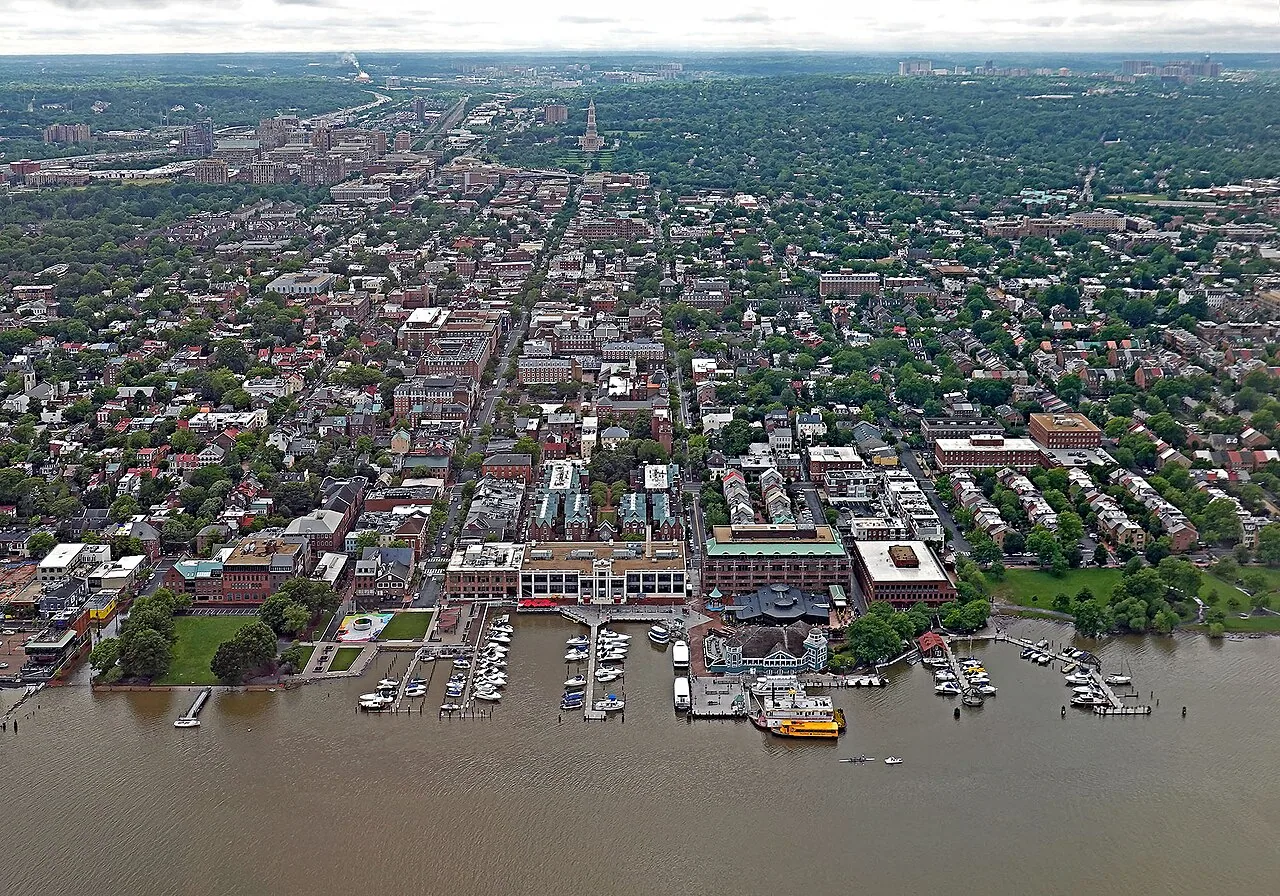
Alexandria summers bring regular heat, and winter includes freezing nights and occasional snow. Heavy rainfall directs the roof outlet and overflow examination. Tidal flooding is considered separately where ground discharge or site access affects the planned work.
In Carlyle, office and mixed-use properties sit around Eisenhower Avenue and Mill Road. We confirm each building's roof entry, staging and hours with the property contact. We inspect each roof assembly and review its maintenance history before selecting a repair detail.
For occupied work, we coordinate noise, deliveries, lift placement and protection below. A leak after closing still warrants attention; we receive calls at night, on weekends and holidays, then assess accessible details and feasible protection for the reported entry. The work plan identifies the roof zone and a weather-tight stopping point before the crew leaves.
Keep the Product Record with the Work
At closeout, we record the assembly identified, repair detail, materials installed, photographs and any access limits. If records did not confirm the original system, that uncertainty remains visible. The building team can retain the report with its product submittals and future maintenance file.
Follow-up inspection can revisit welds, penetrations, drains and prior repair boundaries. A maintenance visit can note new movement before it becomes an interior leak. If additional GAF materials are specified later, the facility can compare the submittal with the roof that was actually inspected.
Send the address, roof documentation, affected area and access contact. We will verify the assembly, inspect the reported details and prepare a repair or replacement scope matched to the conditions found.
For a bid, ask for the named assembly and attachment method rather than a GAF label alone. The submittal should identify membrane configuration, insulation and cover board, perimeter details, drains, penetrations and the deck connection. GAF lists several TPO attachment approaches, so the proposed configuration needs to match the verified substrate and project design. If the existing roof is to remain below new work, confirm its layers and condition before pricing a recover. For EverGuard TPO, record whether the installed sheet is smooth or fleece-back and use a detail compatible with its surface. The repair scope should also identify old coatings or patches that affect preparation.
Roofing Manufacturers
Commercial Roofing Questions
How do you confirm which GAF roof system is installed?
We review available submittals, membrane markings, seam construction, accessories and field details. If those do not establish the full assembly, a test opening or manufacturer record may be needed. The report states what is confirmed and what remains unknown.
Can an EverGuard TPO roof be repaired with any TPO patch?
The repair material and procedure must be compatible with the existing membrane and assembly. We identify the sheet, prepare the surface and inspect the adjacent weld and flashing. The proposed detail is based on roof condition, not just the membrane category.
Does a GAF product name confirm the roof is under warranty?
No. The owner reviews the applicable documents and confirms which sections and requirements they cover. We can document the assembly and repair work, but the manufacturer or issuer confirms warranty status and terms.
Can a recover be installed over an existing GAF membrane?
That depends on the current assembly, moisture, substrate, drainage and project requirements. We inspect the roof and identify repairs or testing needed before considering another layer. A recover should not conceal wet material or unresolved attachment problems.
What should be checked after a GAF seam repair?
Retain photos of the prepared surface, completed weld, adjacent flashing and roof-zone location. A later maintenance inspection can revisit the detail and nearby drains. If moisture below the sheet was not tested, that limit should remain in the property record.
Review a GAF Commercial Roof
Share the property address, roof records and reported condition. We will verify the GAF assembly and prepare a scope for the details that need attention.