

 Services
 Roof Systems
 Property Types
 Industries
 Damage Repair
 Capabilities
 Manufacturers
 Service Areas
Johns Manville Commercial Roofing in Alexandria, VA
Roofing Manufacturers:
A JM product label is a starting point, not a complete description of the roof. The system may include a membrane, insulation, cover board, vapor retarder, fasteners and flashing details that influence repair. We identify those components before scoping work. Alexandria’s summer heat, winter freezes and intense rain make exposed seams and drainage important inspection points.
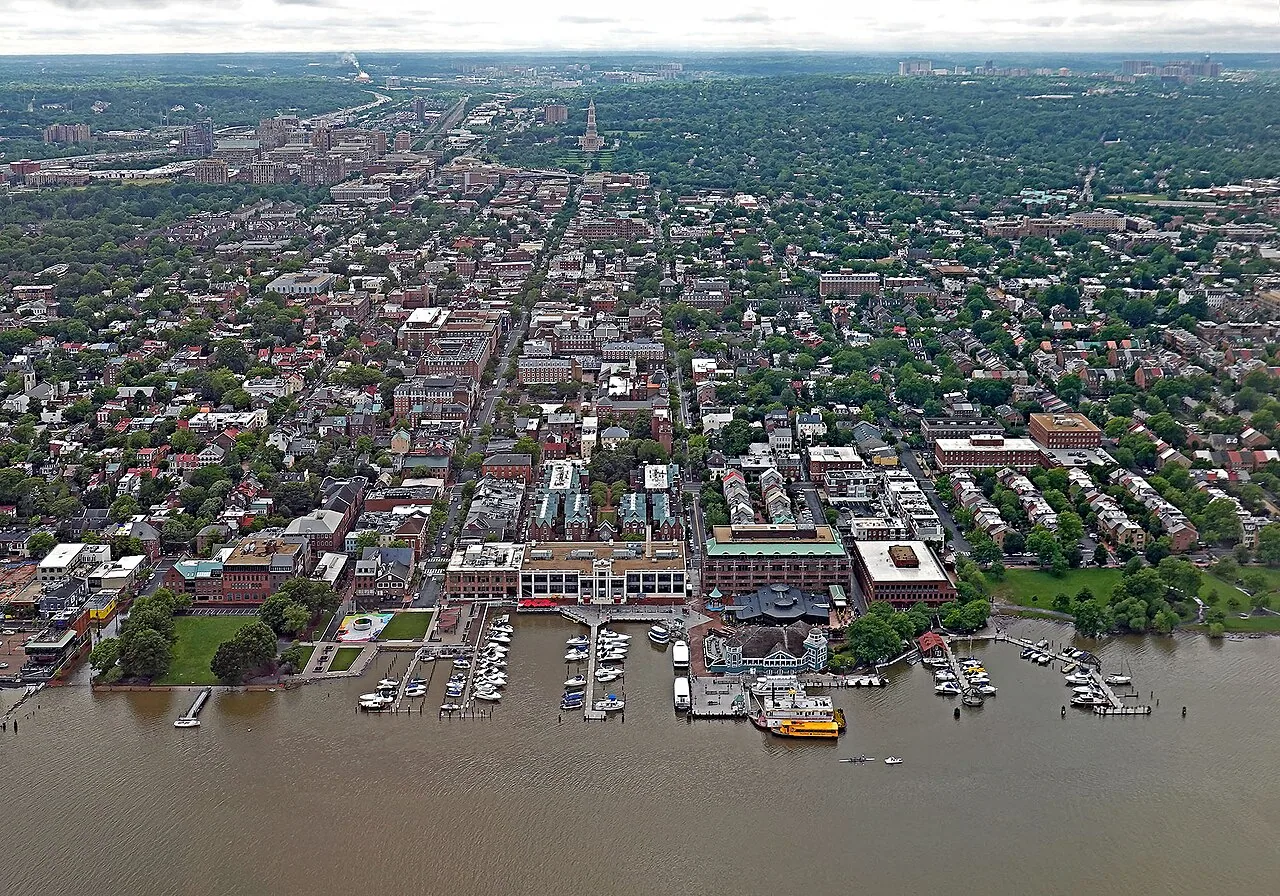
Carlyle and Eisenhower East have office and mixed-use development; Oakville Triangle lies on Route 1 between Del Ray and Potomac Yard. We compare the property’s roof documents with membrane markings, attachment and flashing details in the field. GAF and Carlisle SynTec product families differ, so product identification matters before selecting compatible materials.
Johns Manville Commercial Roofing
Confirm the System from the Roof Up
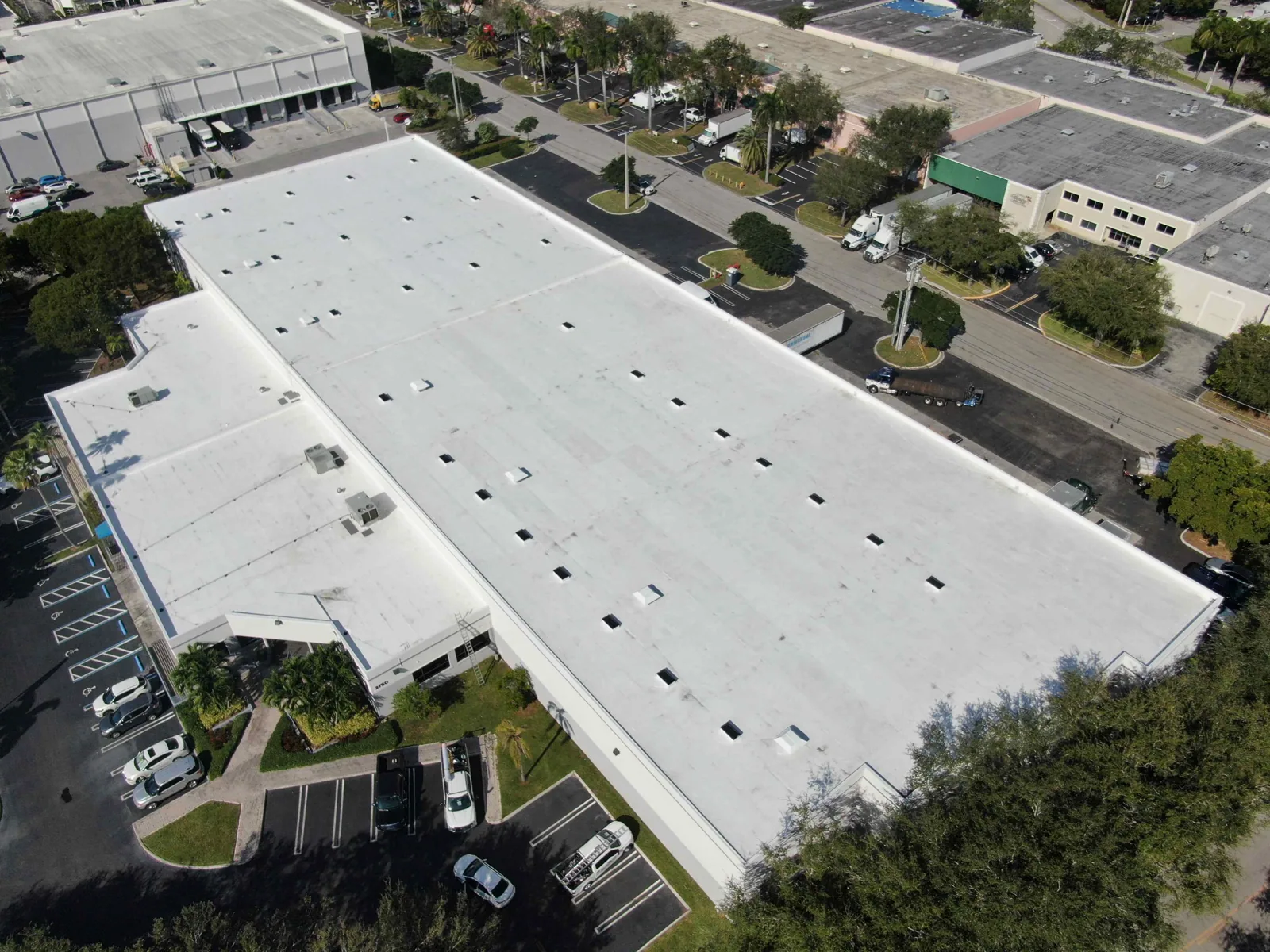
Johns Manville makes commercial TPO, PVC, EPDM and bituminous roofing systems, along with insulation and cover boards. JM TPO uses polyester reinforcement and a thermoplastic formulation; its seams are heat welded. JM TPO and EPDM use system-specific adhesives and installation details. We identify the JM sheet and assembly at the building before selecting repair materials.
We review plans and submittals, then look for membrane markings, seam construction, attachment, insulation, flashings and equipment transitions. The surface may have been repaired or covered since installation. If the current roof differs from available documents, we record what can be confirmed and identify testing needed to settle concealed layers.
Attachment method changes how the roof responds to movement and where water may travel. Mechanically attached, adhered and self-adhered configurations require different field details. A TPO system is not interchangeable with an EPDM system, and a modified-bitumen assembly has its own layer and transition sequence.
Connect the Interior Symptom to Roof Details
A ceiling mark or wet equipment area may sit below a different point from the entry. We compare the report with drainage, roof slope, seams, wall joints and penetrations. A commercial roof inspection records the likely route and the details that were accessible. Photographs and roof-zone references help facilities staff follow the report.
At JM TPO, we inspect weld edges, wrinkles, contamination and tie-ins. For EPDM, we check lap edges, cover strips, adhesive and flashing. At bituminous systems, we look at surfacing, blisters, laps and transitions. Drains and overflow points receive separate review because ponding can coexist with a membrane defect without sharing the same cause.
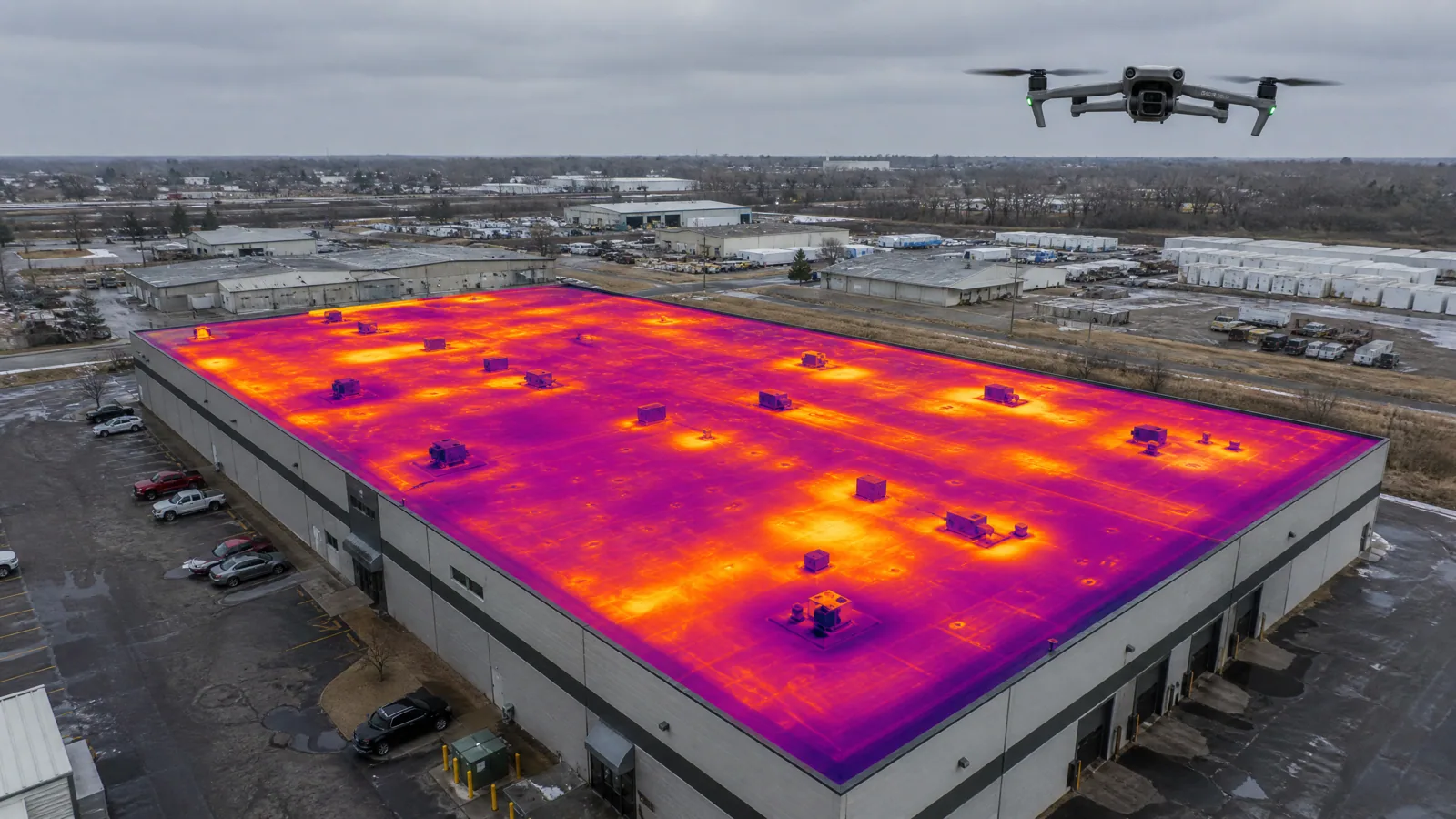
If moisture under the membrane is uncertain, testing may be recommended before material is removed. An infrared survey can help select a test location. An approved opening shows the layers at that point; additional locations are assessed separately before drawing a broader conclusion.
Specify the Repair for the JM Material
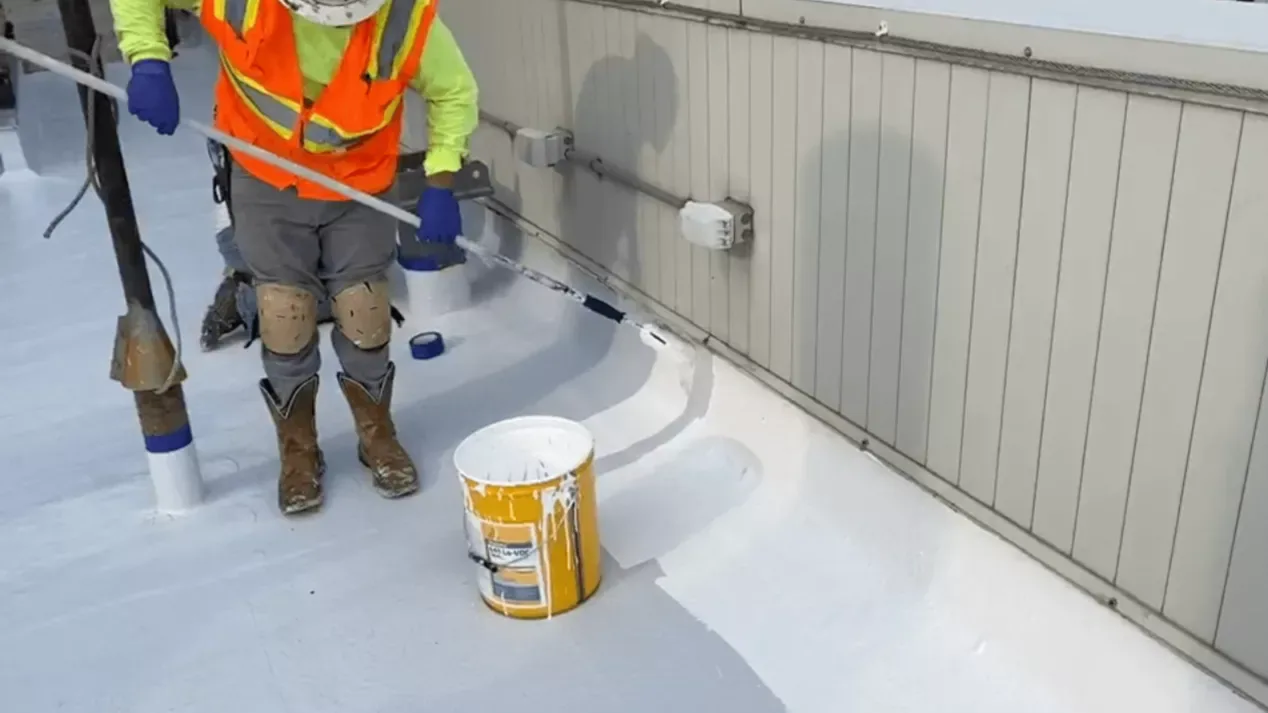
Repair preparation depends on membrane, surface condition and system detail. Thermoplastic TPO can use compatible welded materials when the sheet and conditions permit. EPDM repairs require compatible accessories and adhesive procedures. Bituminous repairs must match the existing assembly and surfacing. We identify the product first, then define cleaning, removal, patch, flashing and termination work.
A localized correction may remain appropriate when surrounding material is serviceable. If water reaches insulation, the deck is soft or a seam keeps opening, the repair boundary may need to widen. We document confirmed layers and include testing or substrate work only when it is authorized and supported by inspection.
When a broader project is considered, we compare repair, recover and replacement by assembly condition, drainage, access and occupied-building effects. A recover option is only considered if existing layers can support it and project criteria permit it. The scope identifies edges, penetrations, equipment curbs and insulation alongside membrane work.
Connect Local Conditions to Roof Details
Alexandria’s July normal high is close to 90°F, while winter includes freezing nights and occasional snowfall. The tidal Potomac also makes flood and heavy-rain drainage worth reviewing. Those conditions put heat-exposed seams, outlets and perimeter transitions on the inspection list. We identify the installed system from the roof records and field details.
Near Oakville Triangle, Route 1 links commercial areas within Potomac West. Oakville Triangle sits on Route 1 within Potomac West. On a roof there, we identify the membrane, repair history and curb transitions before matching a repair material to the installed system.
When a leak continues outside normal hours, we can send a crew at night, on weekends or over holidays. The owner helps arrange temporary protection; we document its limits and schedule permanent work when access and surface conditions allow. For occupied spaces, the contact identifies rooms and routes that need protection below.
Keep the JM Details in the Building File
The closeout record identifies the membrane, repair materials, roof zone, photographs and any unresolved question. If the system was partly concealed or records were unavailable, that limit stays in the file. Facilities staff can compare those records with project submittals or a later roof inspection.
At a curb or parapet, membrane height determines where the flashing must terminate and how a future unit service can reach the connection. We check that transition against the installed sheet and adjacent metal, then identify whether the repair needs a welded patch, compatible flashing or a rebuilt edge. This keeps system-specific work clear at the point where leaks often develop.
Follow-up can revisit the seams, drains, edge metal and repair boundary. A maintenance visit can record movement or a new water mark at those points. Any work involving another system or rooftop equipment is kept separate from the JM membrane scope.
Send the property address, JM product records, leak location and access contact. We will identify the assembly, inspect the reported path and prepare a repair or project scope based on the materials present.
JM offers several assembly families, so the product name should be carried into the estimate with the roof type and components actually found. A single-ply scope identifies membrane, attachment and weld or adhesive detail; a bituminous scope records its plies and surfacing; insulation and cover board remain separate layers in the description. At a tie-in, the repair needs to match the installed material rather than a preferred new-system name. The owner can compare the proposed repair with replacement using the same roof-zone map and measured quantities. Keep any JM specification, product sheet or project submittal with the closeout photos so later work can be compared with the assembly installed.
Roofing Manufacturers
Commercial Roofing Questions
How do you identify which Johns Manville membrane is on a roof?
We review submittals and product markings, then compare seam, flashing and attachment details with the visible assembly. If the records are incomplete, the report identifies what remains uncertain and whether testing is needed before repair materials are selected.
Can JM TPO be repaired with EPDM accessories?
The material and detail must be compatible with the installed membrane. TPO and EPDM use different seam and patch methods. We identify the roof system and prepare a repair detail that matches the sheet and adjacent components.
Does the membrane identify what insulation is below it?
No. The assembly may include different insulation, vapor control and cover-board layers. Plans or an approved test opening can establish those components. We record what is visible and avoid describing concealed materials as confirmed without evidence.
When is a test opening useful on a JM roof?
It can confirm whether insulation or deck is affected when moisture indicators or interior reports leave the extent uncertain. The owner approves the location and protection below. The finding applies to the test point, with broader conclusions requiring supporting evidence.
What should be included in a Johns Manville repair record?
Keep the identified system, repair location, materials, photos, preparation and any test results together. List areas that were not accessed. This gives the facility a reference for maintenance and helps distinguish a later issue from the completed repair. Keep the dated inspection next to the closeout record.
Review a Johns Manville Roof
Share the address, available JM records and reported condition. We will identify the assembly and document the repair details that need attention.