
 Services
 Roof Systems
 Property Types
 Industries
 Damage Repair
 Capabilities
 Manufacturers
 Service Areas
Holcim Elevate Commercial Roofing in Alexandria, VA
Roofing Manufacturers:
A Holcim Elevate roof file may identify UltraPly TPO, RubberGard EPDM or a different assembly, and each needs its own repair method. We confirm the membrane and attachment before inspecting seams, drainage, edges and penetrations. Alexandria’s summer heat, winter freezes and heavy rain make exposed roof details important to inspect.
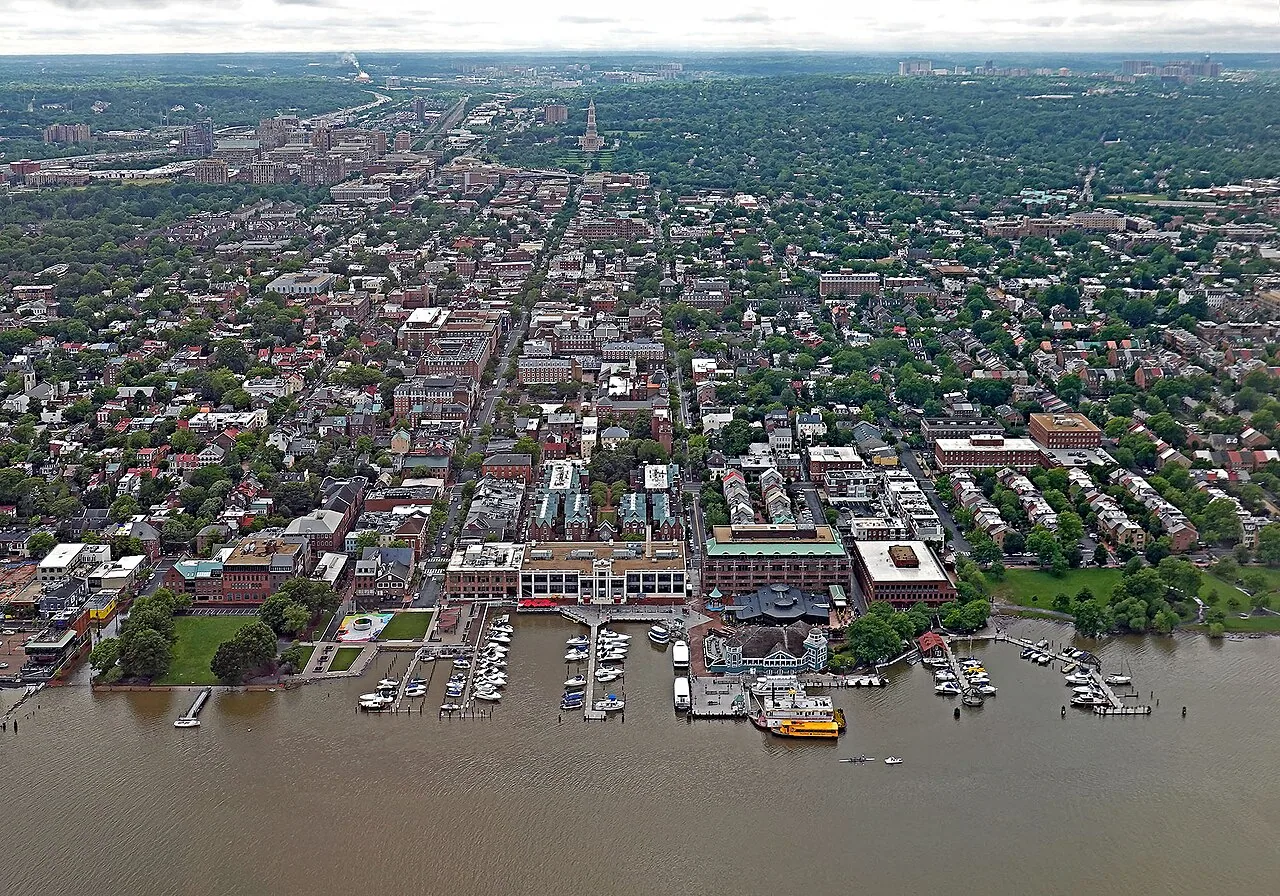
Eisenhower East includes office and mixed-use development along Eisenhower Avenue, while the former Landmark Mall site is being redeveloped with medical facilities. We compare the product records and membrane markings at the address before selecting a repair method. GAF and Carlisle SynTec have different system families; confirming the label and assembly keeps the scope specific.
Holcim Elevate Commercial Roofing
Separate UltraPly TPO from RubberGard EPDM
Holcim Elevate's UltraPly TPO is a reinforced thermoplastic membrane available in configurations that include adhered, mechanically attached and induction-welded systems. Its seams are heat welded. The UltraPly TPO SA product uses factory-applied pressure-sensitive adhesive as an attachment approach, while still using welded seams. Product configuration and sheet identity should be confirmed from records and field evidence.
RubberGard EPDM is a separate membrane family, with pre-taped and reinforced product options among the published configurations. EPDM seam and flashing work uses compatible accessories and preparation rather than a thermoplastic weld. If the roof has been recovered, coated or partly replaced, we record which areas can be confirmed and which need additional documentation.
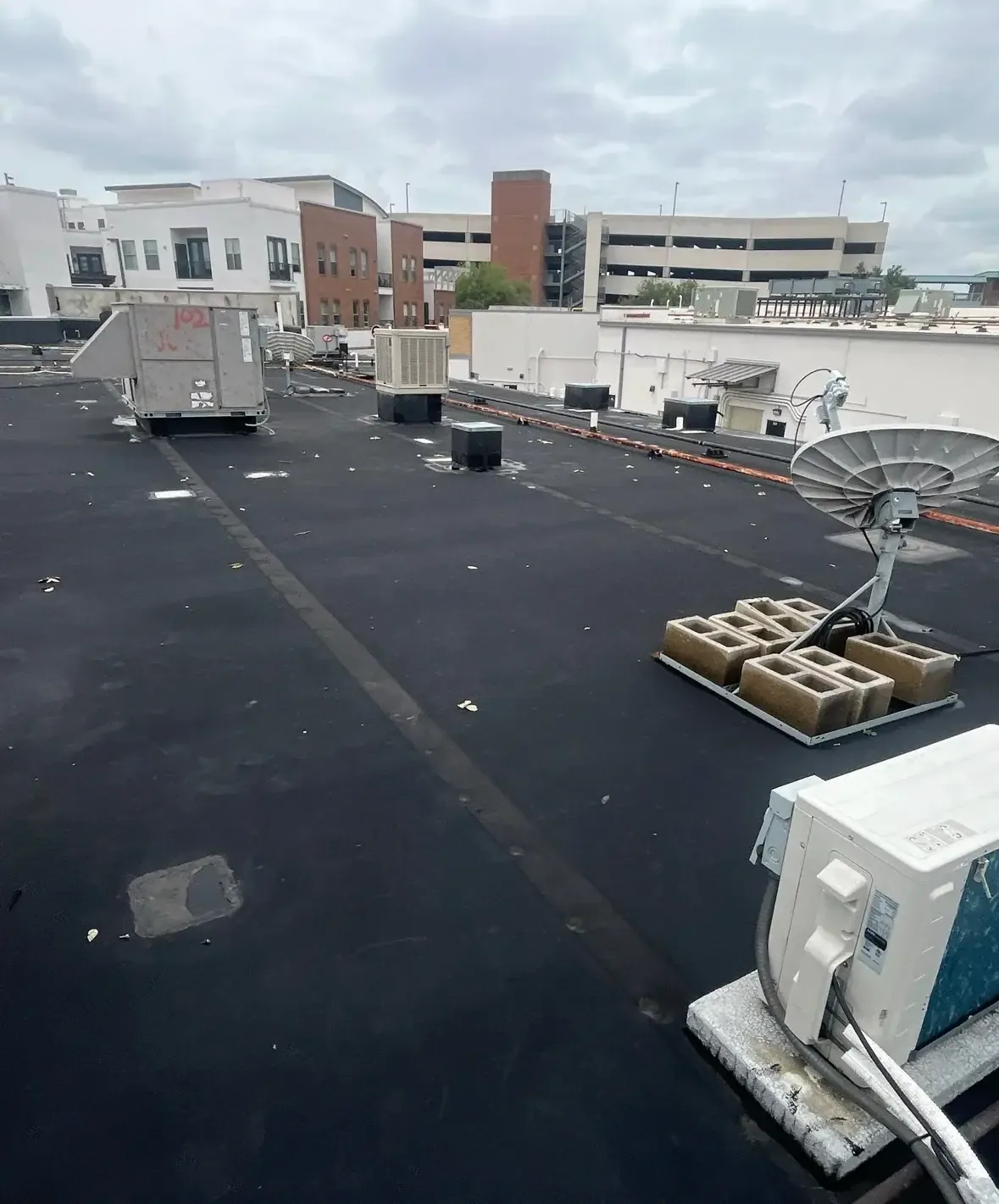
Product configuration affects inspection tools and repair sequence. A factory-applied adhesive on a self-adhered sheet differs from field adhesive, and a fleece-backed surface changes how a patch bonds. System attachment, cover board, insulation, deck and perimeter details also affect repair. We review submittals and inspect fasteners, plates, adhesive evidence, flashing and seams. A TPO system and an EPDM system may look similar from a distance but require different materials and procedures.
Map the Detail Behind the Leak
A leak can appear several feet from the failed curb, lap or drain. We compare the interior report with roof slope, outlets, parapets, equipment and prior repairs. A commercial roof inspection records the location, likely path and visible evidence separately from the room where moisture appeared.
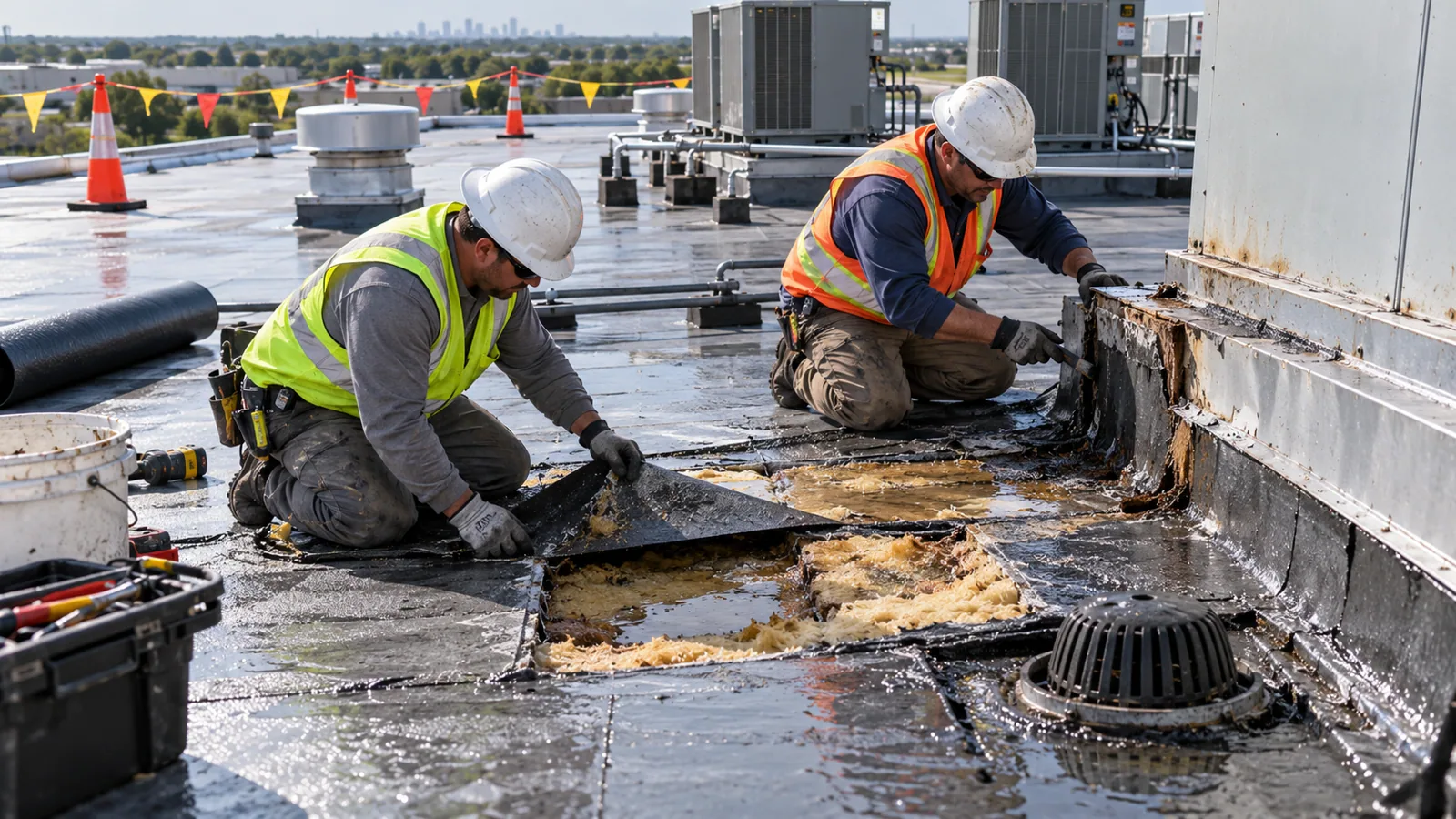
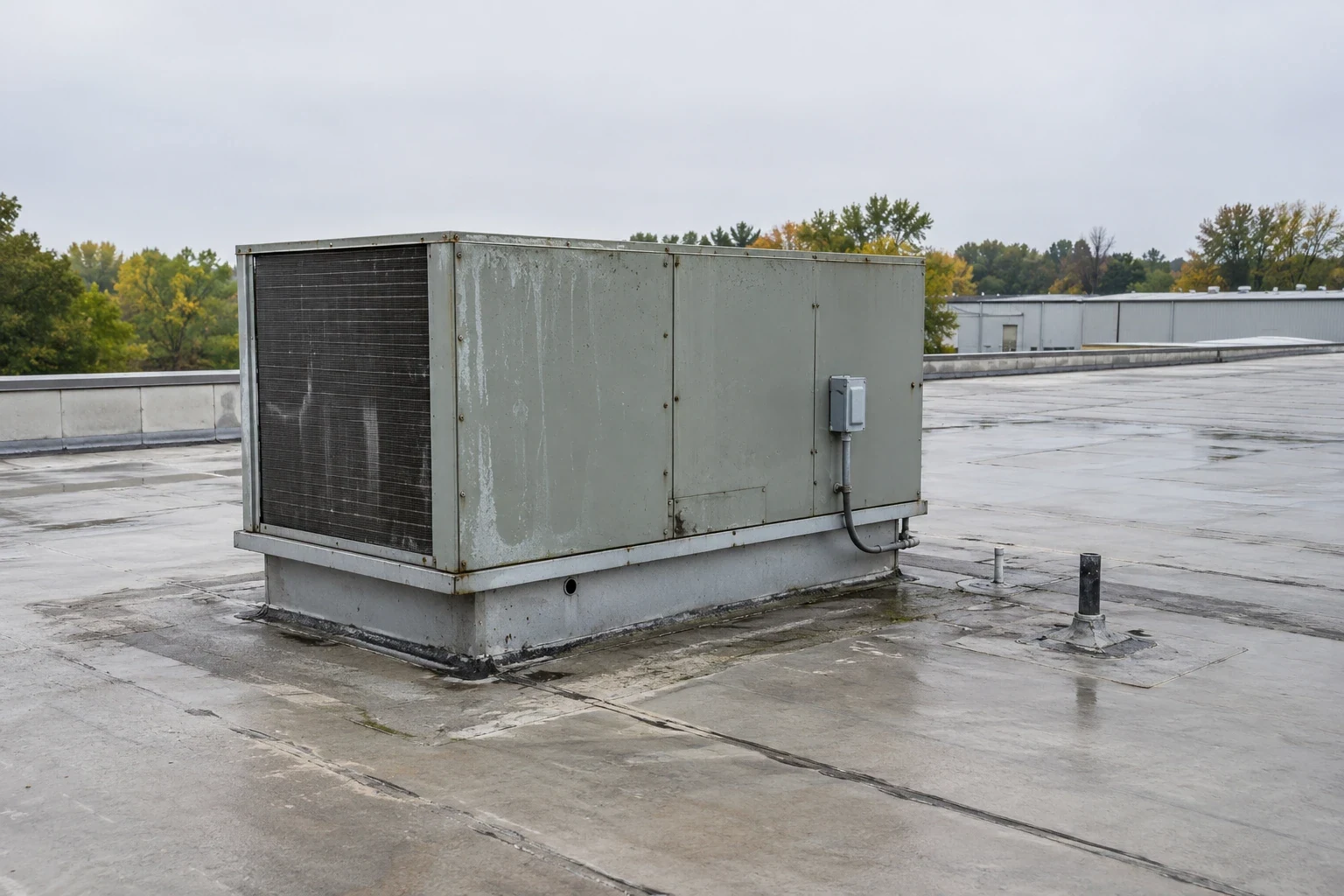
On TPO, we review weld continuity, wrinkles, contamination and edge terminations. On EPDM, we examine seam tape, lap edges, adhesive, flashing and prior patch boundaries. Drain bowls, scuppers and overflow paths are checked for obstruction or water marks. If more than one detail is open, the report assigns a separate roof-zone finding to each.
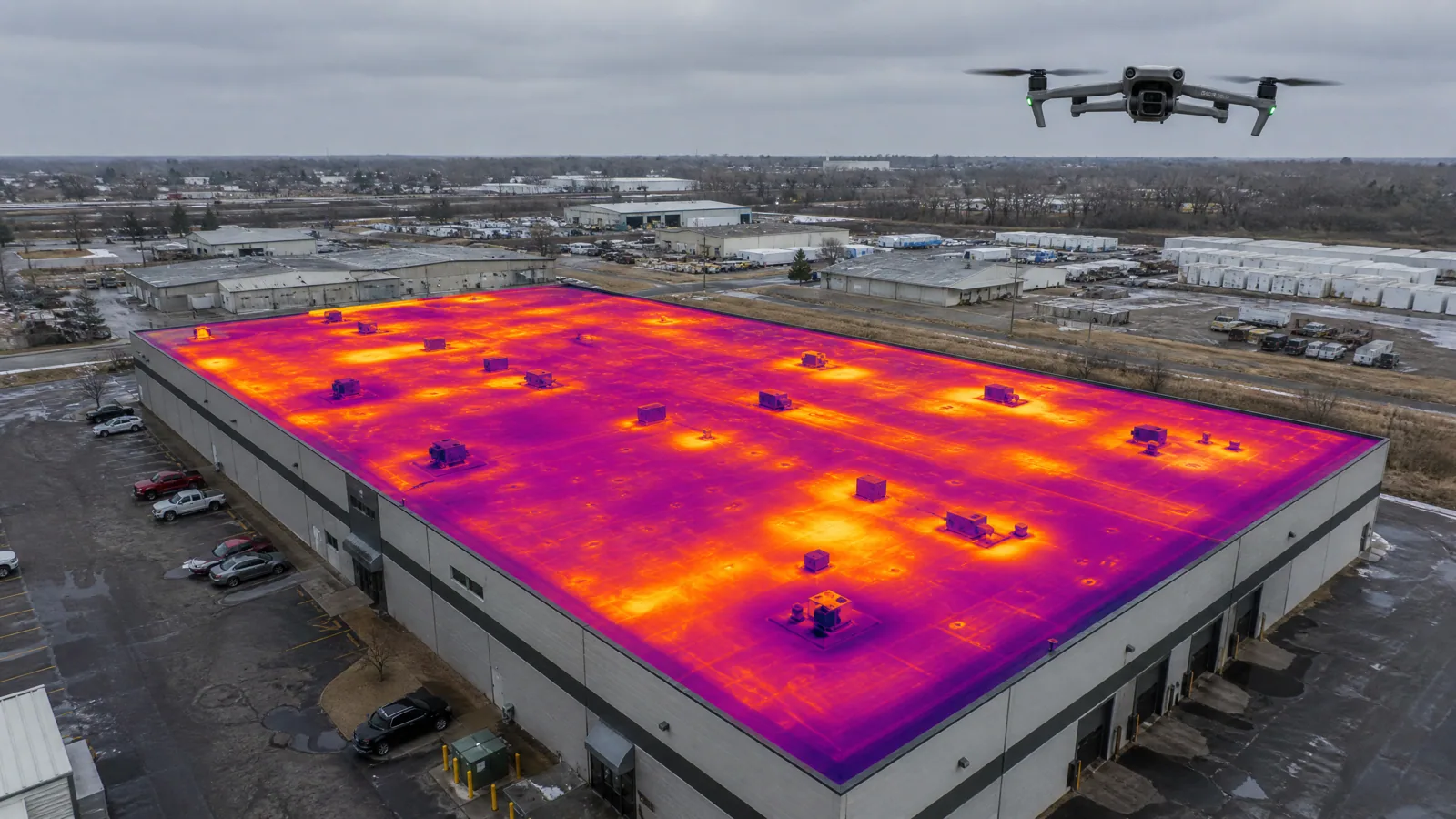
Moisture below a membrane may require further testing. An infrared survey can help locate candidate zones but is not a direct view of insulation. With approval, a test opening can confirm the assembly at one point. We coordinate access and interior protection, then note what the opening showed and what remains unverified.
Use an Assembly-Compatible Repair
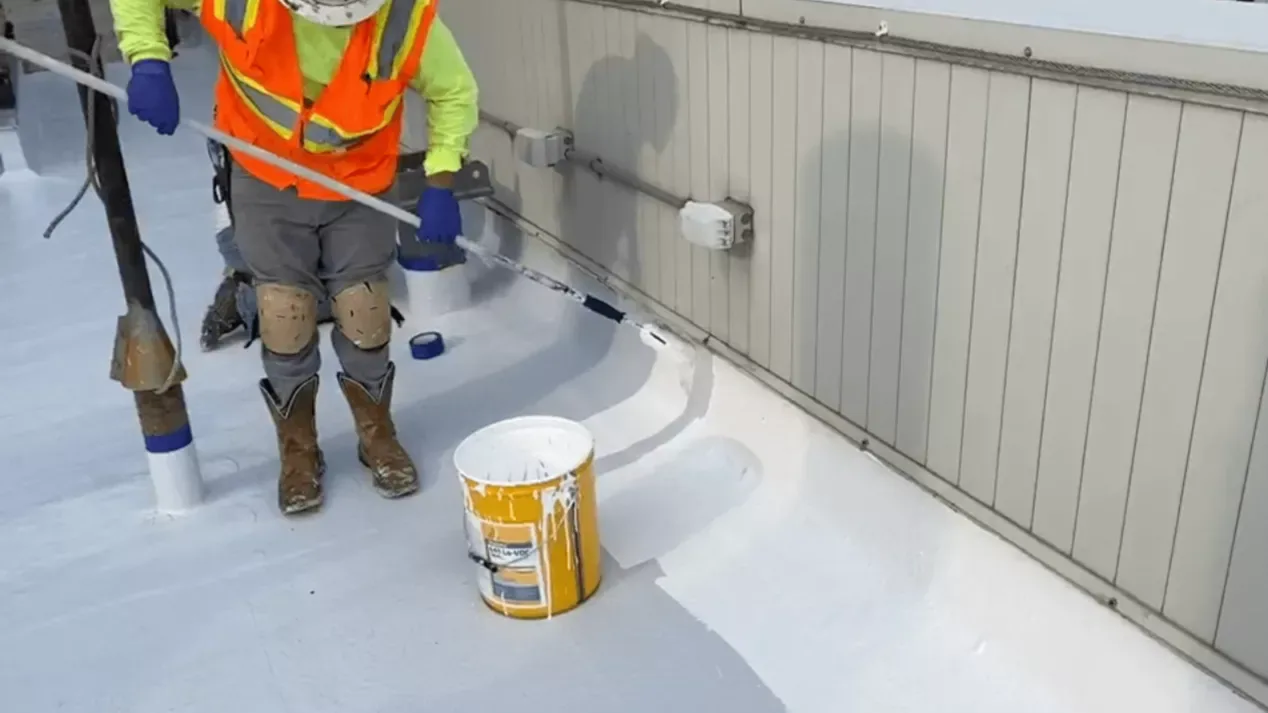
After identifying the system, we prepare the surface and select material that bonds or welds to the installed membrane. UltraPly TPO repairs use compatible TPO material and welding procedures. RubberGard repairs require EPDM-compatible seam and flashing accessories. A fleece-backed or self-adhered product may change surface preparation and attachment requirements, so the exact product is confirmed first.
If the membrane is the only affected layer and surrounding material is sound, the correction can stay local. Wet insulation, a damaged deck, loose edge attachment or repeated seam failure can enlarge the work area. We explain which layers were inspected and separate confirmed removal from any additional testing that may be needed.
A recover or replacement is considered after evaluating the existing assembly, drainage and project requirements. A recover option should not conceal moisture or an unstable substrate. The proposal defines edge work, drains, penetrations, material staging and protection below so the owner can compare the options.
Choose a Safe Work Window
Summer heat and rain affect roof surfaces, while cold conditions can constrain adhesive installation and welding. We check the product requirements, substrate condition and forecast before permanent work. If weather changes after preparation, the surface is reinspected before materials are applied. Any open section needs a secure stop point and temporary protection between shifts.
Alexandria's flood and heavy-rain context makes outlet paths and perimeter details useful inspection priorities. At an Holcim Elevate roof, we inspect drains, seams and edges for ponding, wind movement and water entry, then tie the repair to those conditions.
For a property near Eisenhower East, the manager confirms lift access, loading and tenant hours. The property manager confirms the roof entrance, loading and tenant hours before materials or equipment arrive.
Record the Product and Repair
The report identifies the UltraPly, RubberGard or other product found, along with attachment and repaired detail. Photographs show the work area, patch or weld, drains and any question that needs a product record or further inspection.
Maintenance can revisit seams, drains, wall transitions, curbs and previous repairs. A maintenance inspection can compare the same zones after later weather. If a building project adds equipment or alters the roof, the new detail should be recorded separately. For future service, identify whether each repair used welded TPO or bonded EPDM seam materials, and photograph the tie-in before coatings or equipment work cover it. Keep the replacement patch and original product submittal with the address record so a later crew can select compatible sheet.
Send the property address, product records, leak location and access contact. We will identify the roof system, inspect the affected zones and outline a compatible repair or replacement scope.
When the record names UltraPly TPO, confirm the exact configuration and attachment before setting a repair or recover detail. The product line includes standard, self-adhered and fleece-backed options; the roof’s markings and records identify which configuration is installed. RubberGard EPDM needs its compatible seam and flashing method rather than a TPO weld. At an interface between those materials, map the transition and identify which layer continues beneath it before opening the roof. The estimate should keep membrane, insulation, cover board, perimeter and equipment transitions explicit. If a submittal conflicts with field evidence, pause the material selection until the building team resolves which assembly is present.
Roofing Manufacturers
Commercial Roofing Questions
How can I tell if an Holcim Elevate roof is UltraPly or RubberGard?
We review records, membrane markings, seams, flashing and attachment details. If those sources do not identify the product, an approved test or installation record may be needed. The inspection marks any uncertain area before repair is specified.
Can a RubberGard EPDM seam be heat welded like TPO?
No. EPDM and TPO use different joining methods. We identify the membrane and use compatible seam and flashing components. If the roof has mixed material or a transition between systems, that joint receives a separate inspection.
Does UltraPly TPO SA have welded seams?
Yes. The SA product uses a factory-applied adhesive for field attachment, while sheet seams are still heat welded. We confirm the exact installed configuration and follow its applicable preparation and seam details.
When should a test opening be made?
It can be useful when moisture, insulation or deck condition could change the repair boundary. The owner approves the location, access and protection below. We report the layers at that point and keep other zones separate unless additional evidence supports a broader finding.
What should be included in an Holcim Elevate repair record?
Record the product identified, roof zone, material and preparation, photographs, testing and any limits. Note whether the sheet was UltraPly or RubberGard and what attachment was visible. Future maintenance can use those details to inspect the same area.
Review a Holcim Elevate Roof
Share the property address, product records and reported condition. We will confirm the assembly and prepare a repair scope for the identified material.