
 Services
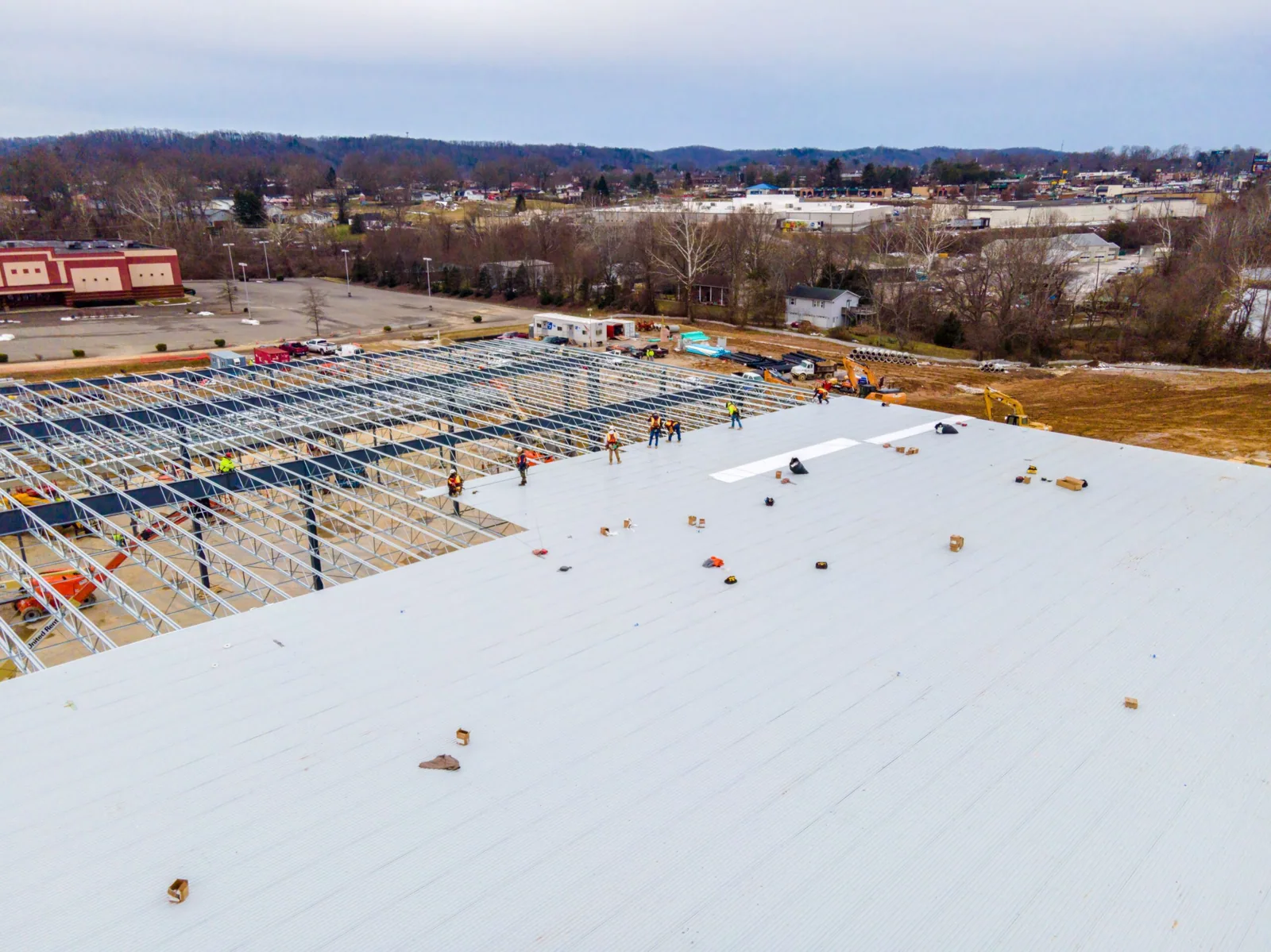 Roof Systems
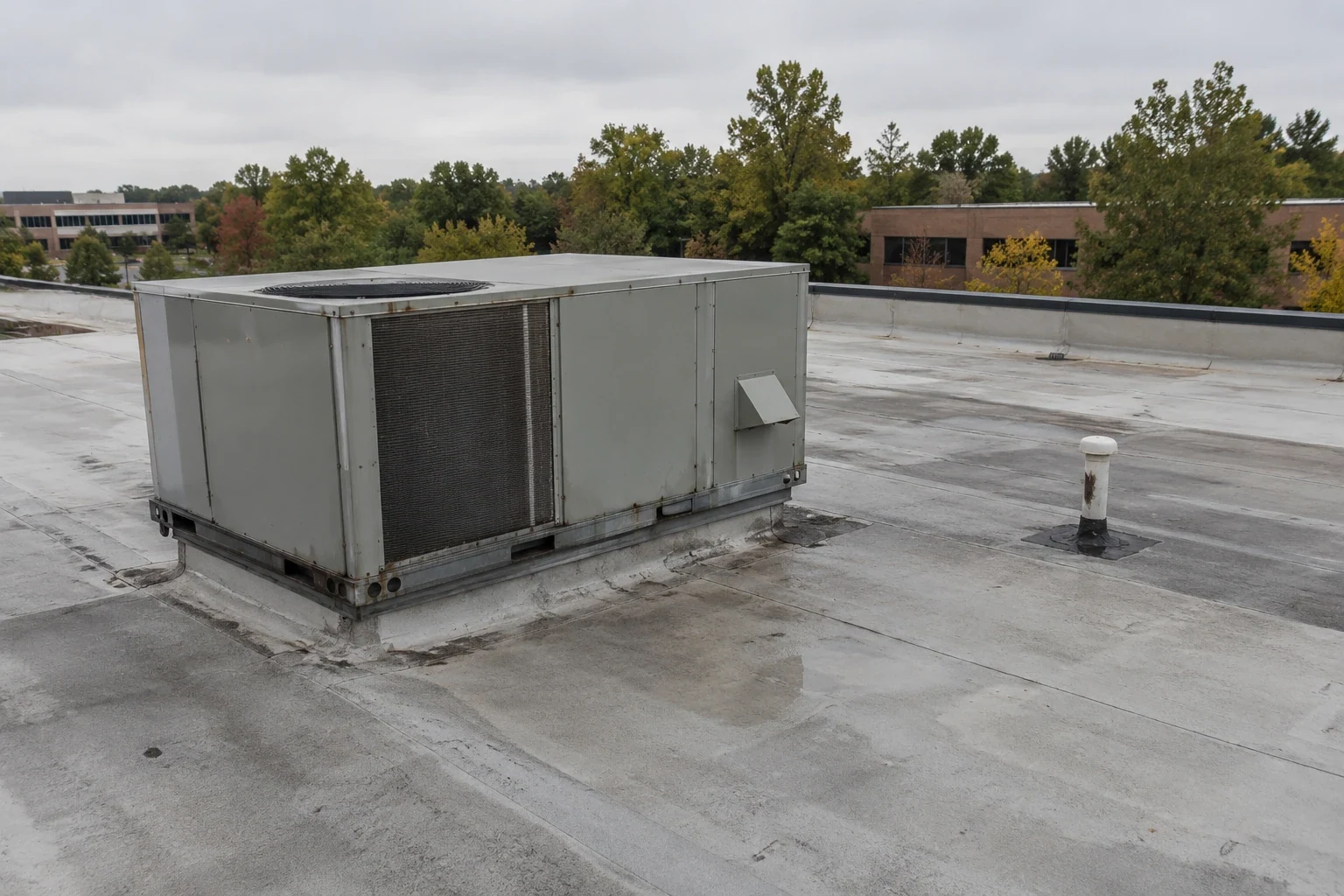 Property Types
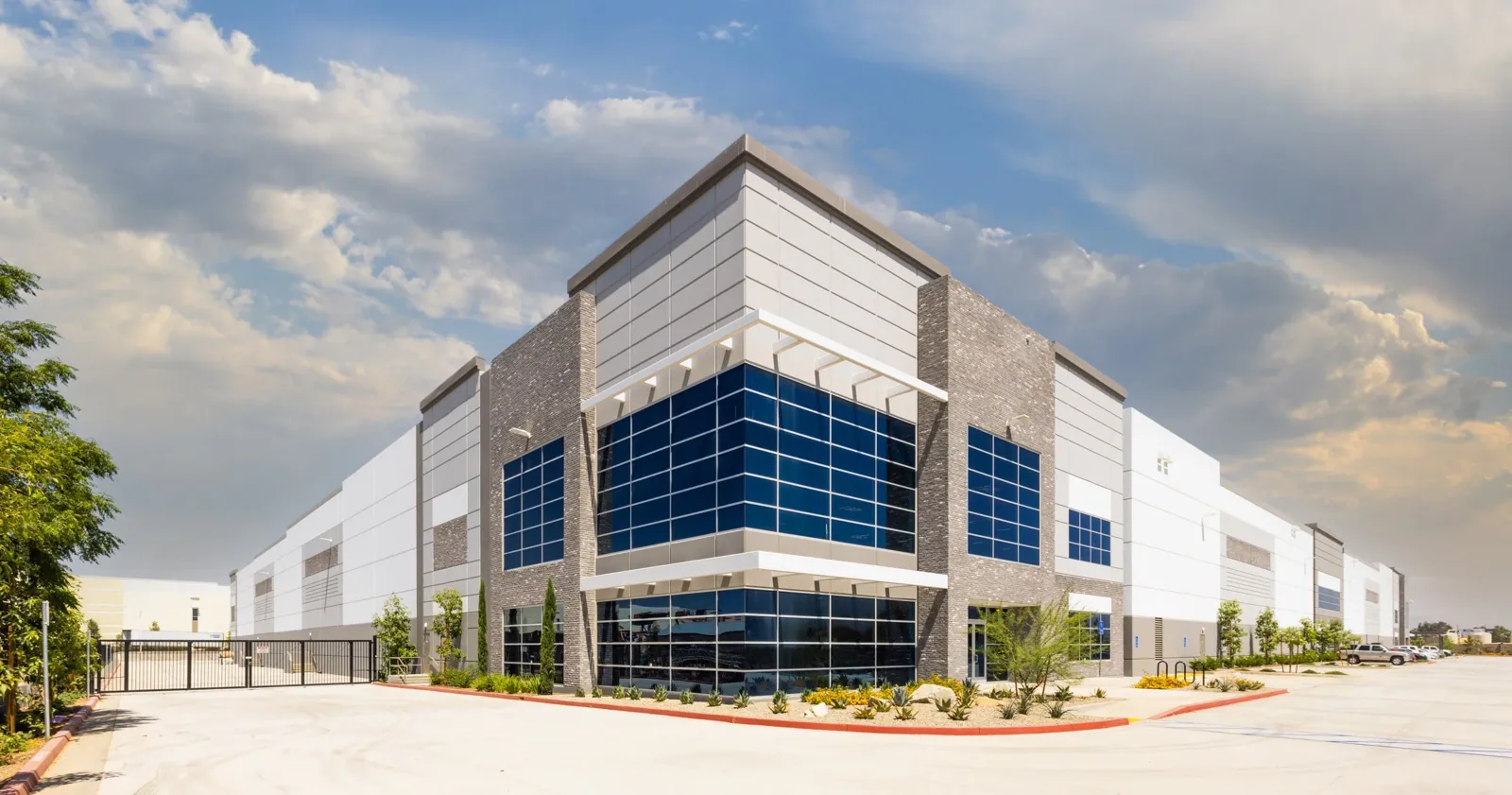 Industries
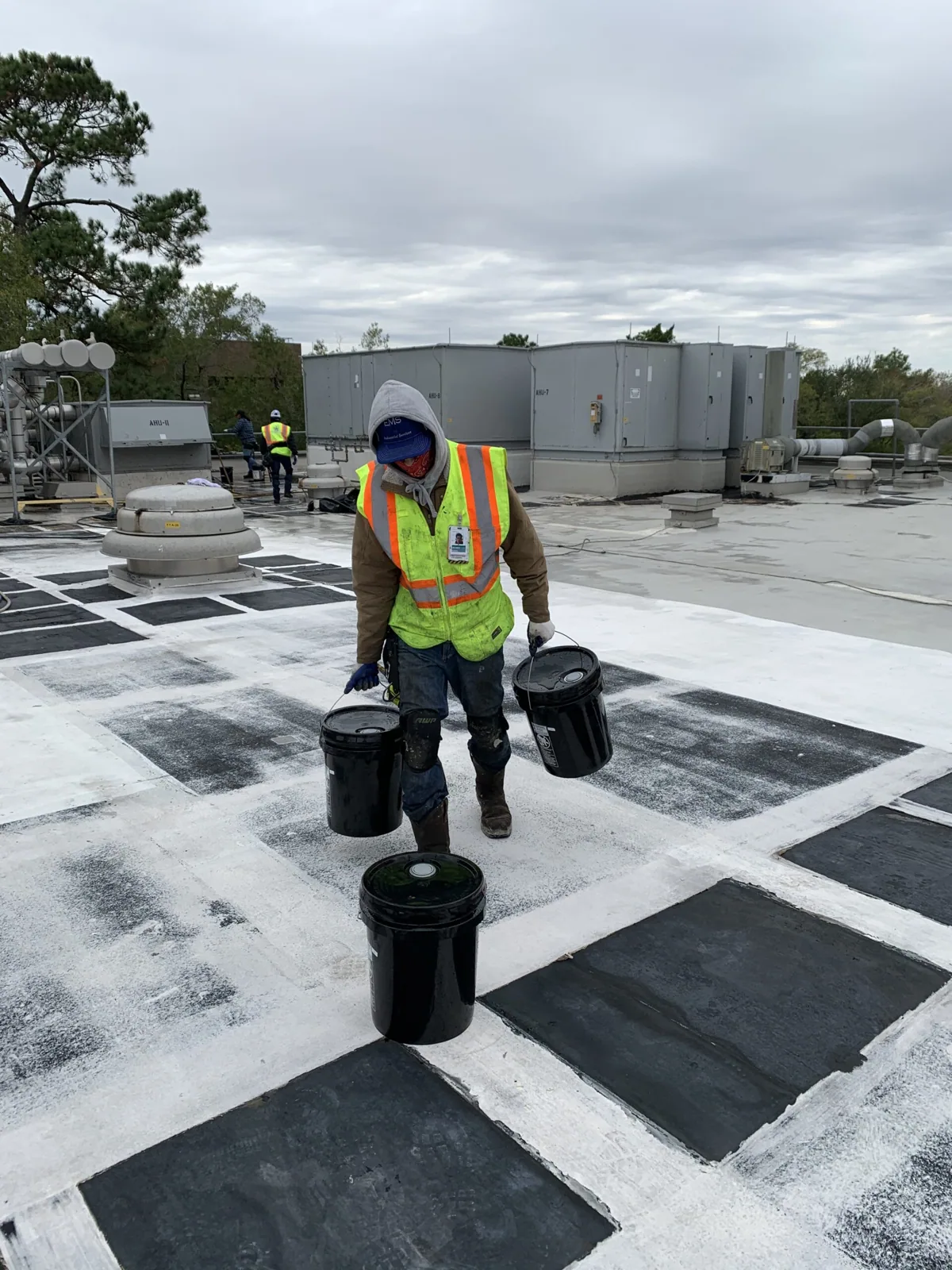 Damage Repair
 Capabilities
 Manufacturers
 Service Areas
Commercial Roof Condition Reports in Alexandria, VA
Roofing Capabilities:
- Commercial Roof Asset Management in Alexandria, VA
- Commercial Roof Capital Planning in Alexandria, VA
- Commercial Roof Condition Reports in Alexandria, VA
- Commercial Roof Warranty Management in Alexandria, VA
- Commercial Roof Due Diligence Surveys in Alexandria, VA
- Multi-Site Commercial Roofing Programs in Alexandria, VA
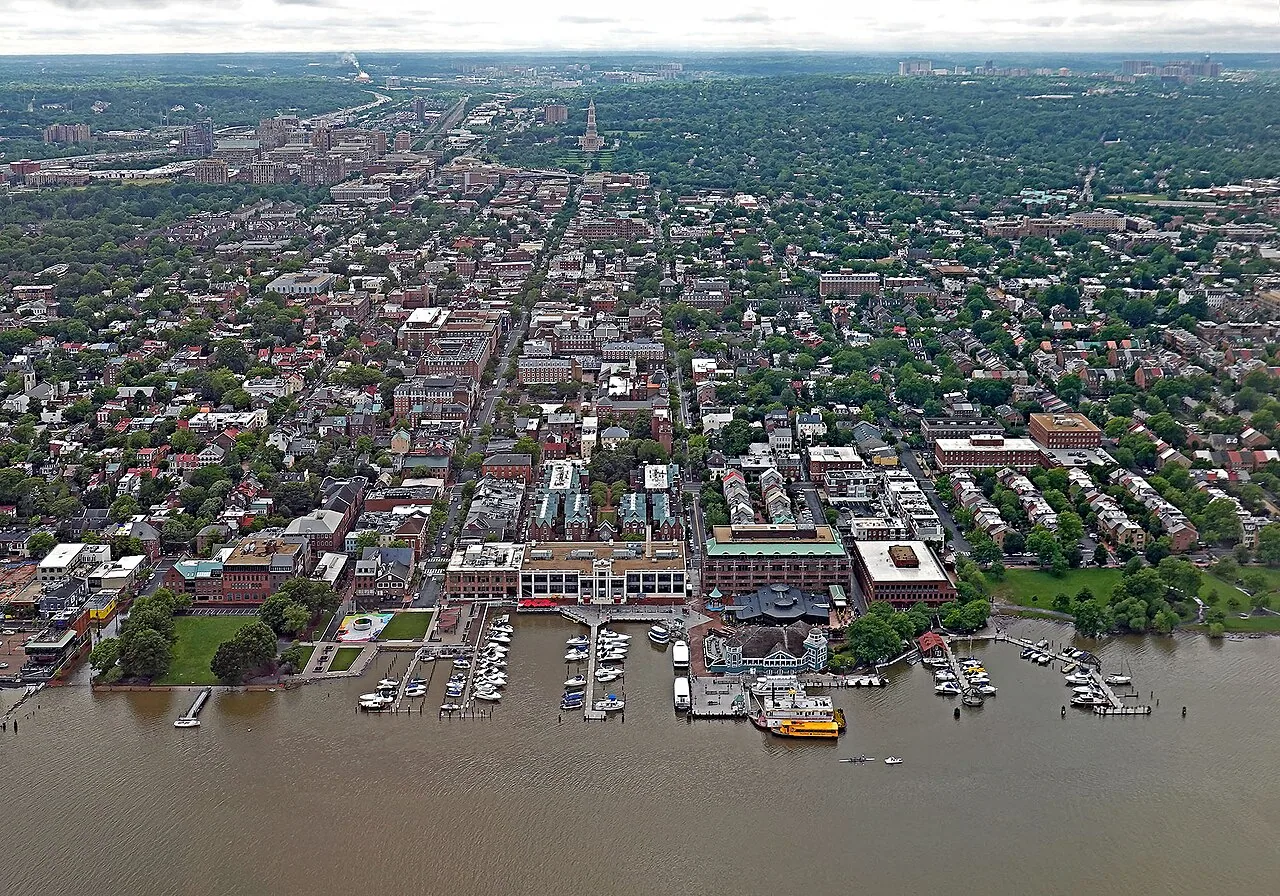
A roof report is useful when a facilities manager can trace each conclusion to a place on the building. We record roof zones, drainage, seams, flashing, penetrations, visible attachment and any interior report, then show what was accessible and what remains uncertain. Alexandria’s summer heat, occasional snow and Potomac flood exposure make drainage and edge details useful inspection priorities.
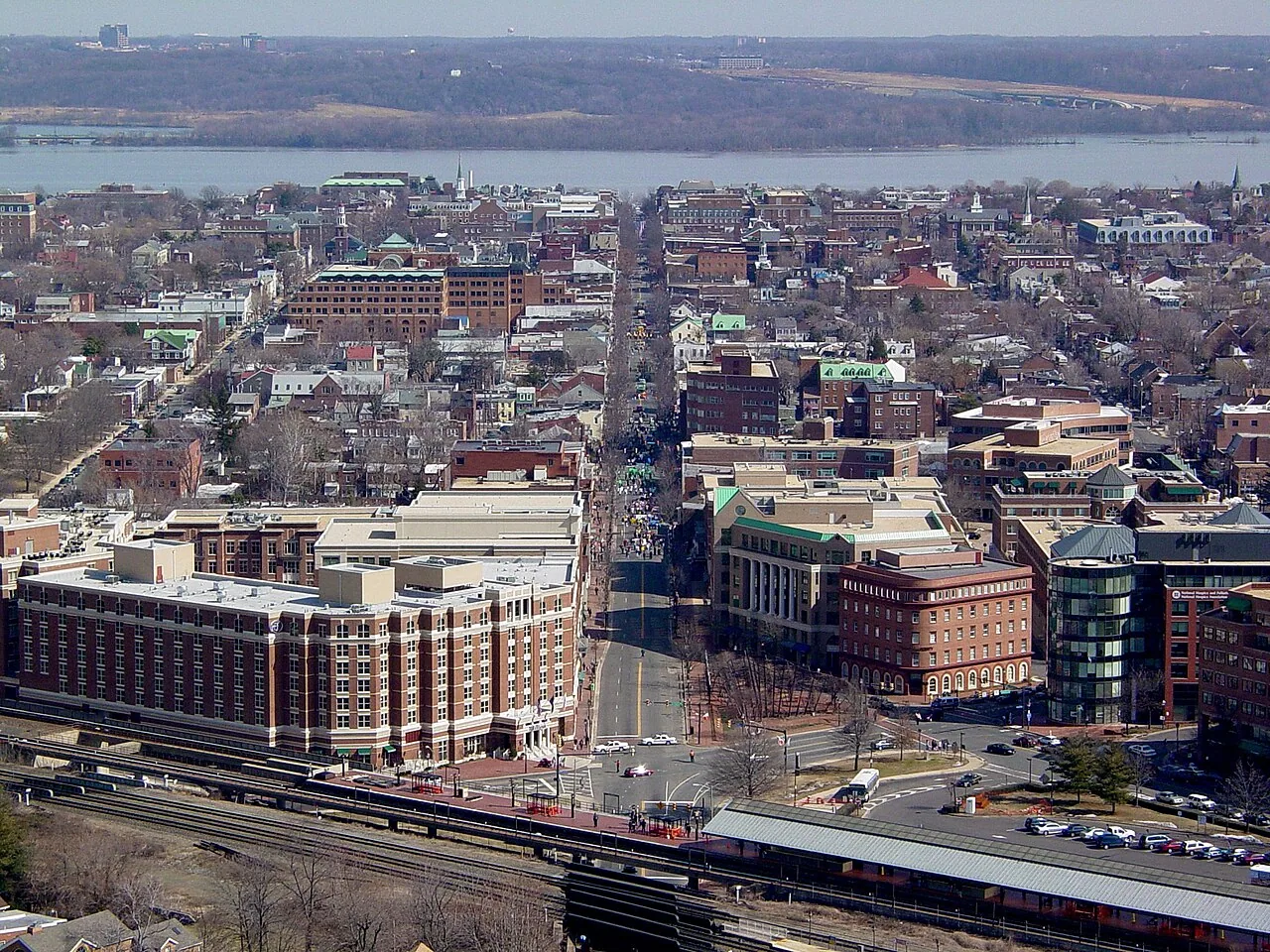
Eisenhower East’s office blocks and North Potomac Yard’s approved development bring different access and staging needs to property reviews. Landmark/Van Dorn continues to change through redevelopment. We map each finding to the inspected building and roof zone, then connect the condition to a repair or budget decision. Roof asset management can retain the findings across inspections, while capital planning uses them to organize future work.
Commercial Roof Condition Reports
Define What the Inspection Covers
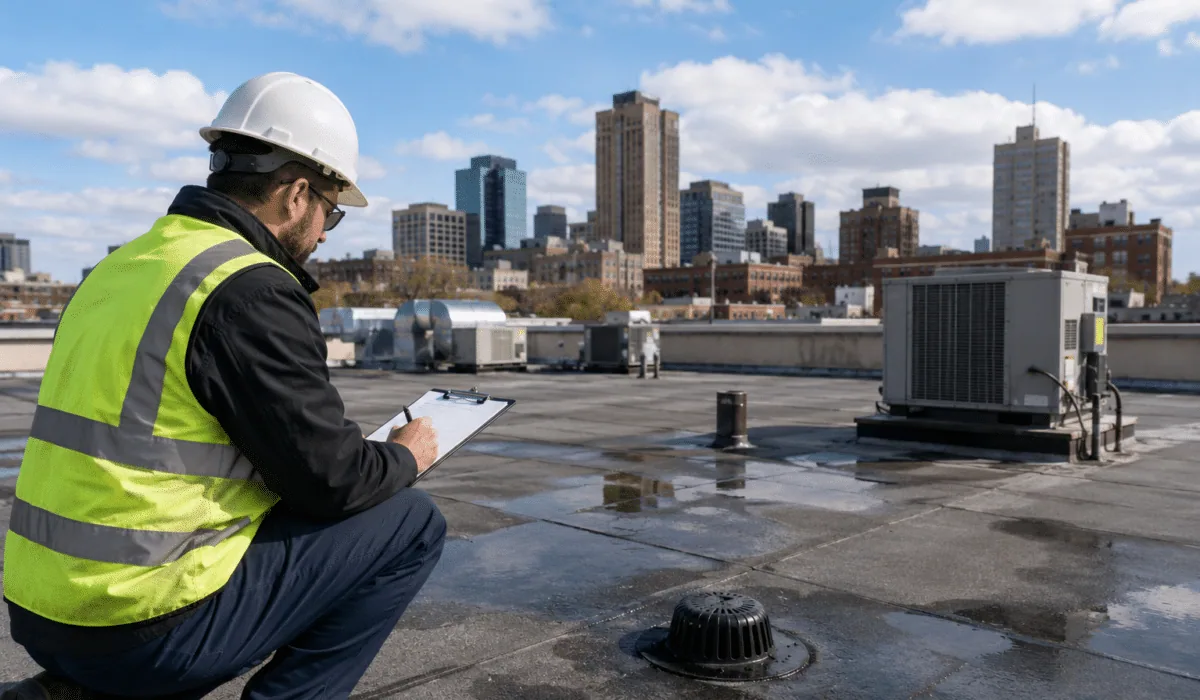
Before field work, we confirm the address, buildings, roof access, available plans and the condition the owner wants reviewed. An active leak, purchase review, maintenance question or replacement project may require a different inspection focus. We identify areas that can be reached, occupied rooms that need approval and any equipment or route restrictions.
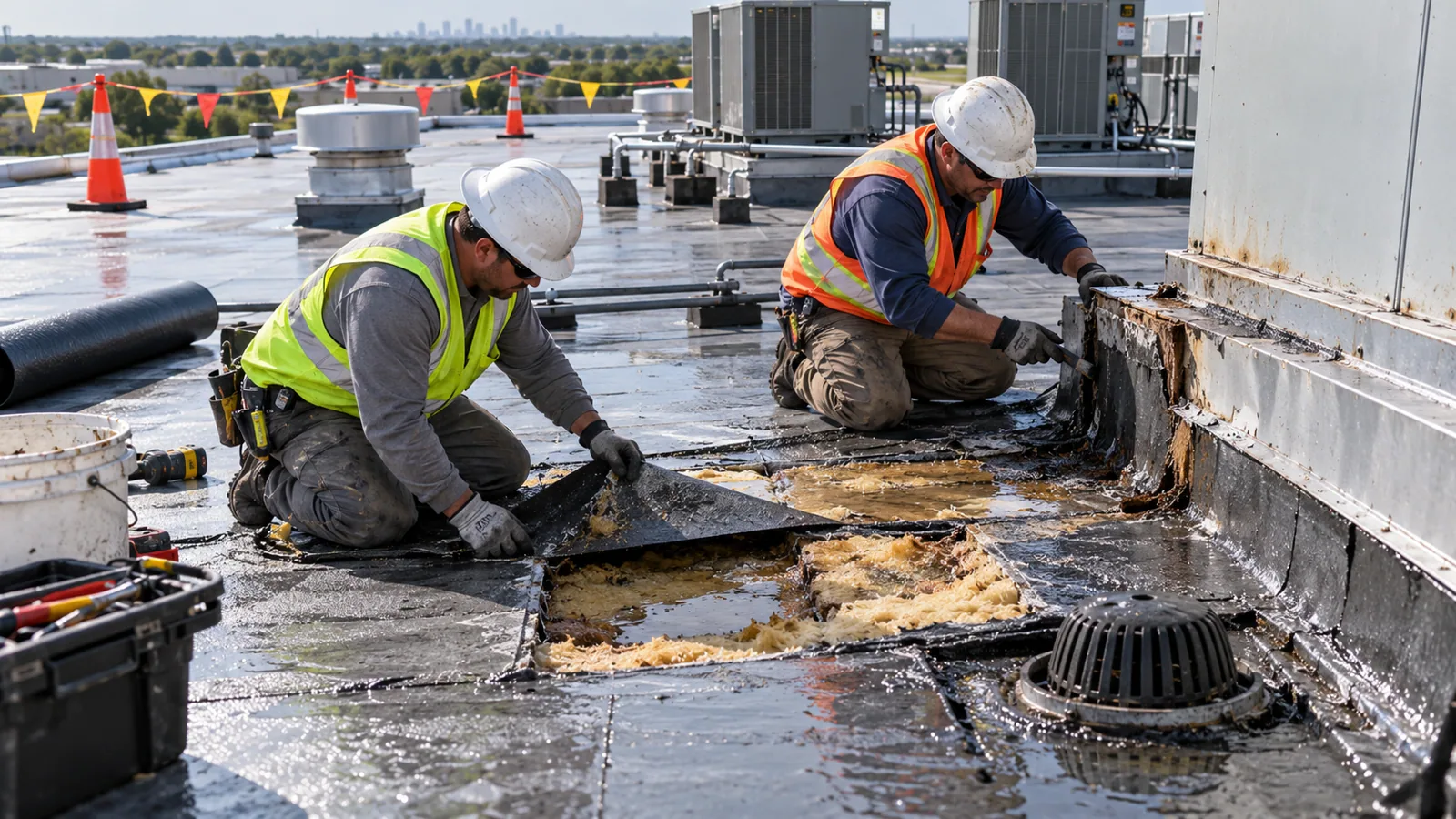
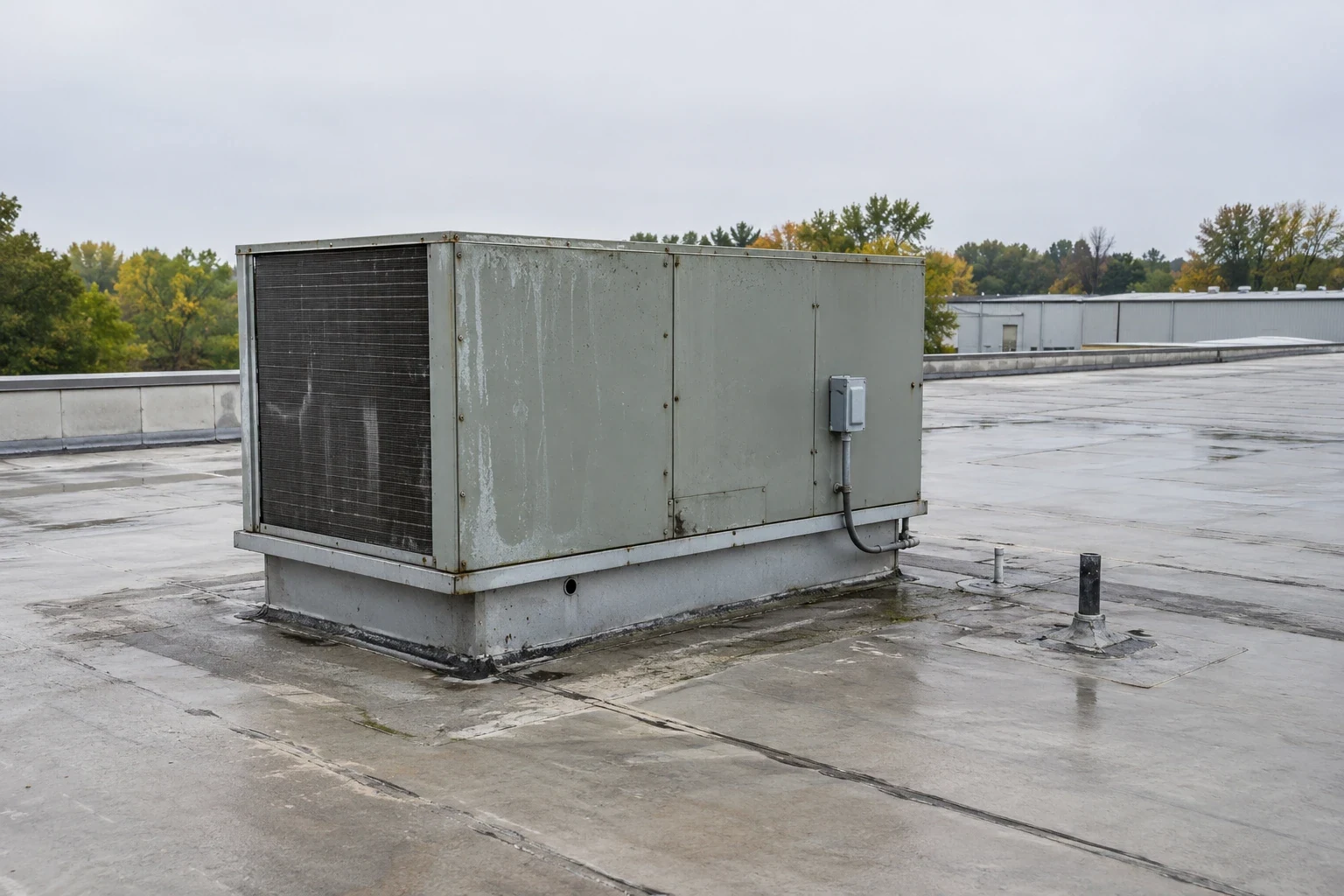
On the roof, we document membrane or metal type where identifiable, visible seams, drains, scuppers, edges, penetrations and prior repairs. Photos are paired with a roof-zone sketch or plan reference. The report distinguishes direct observations from interpretations and records any detail hidden by equipment, weather or restricted access.
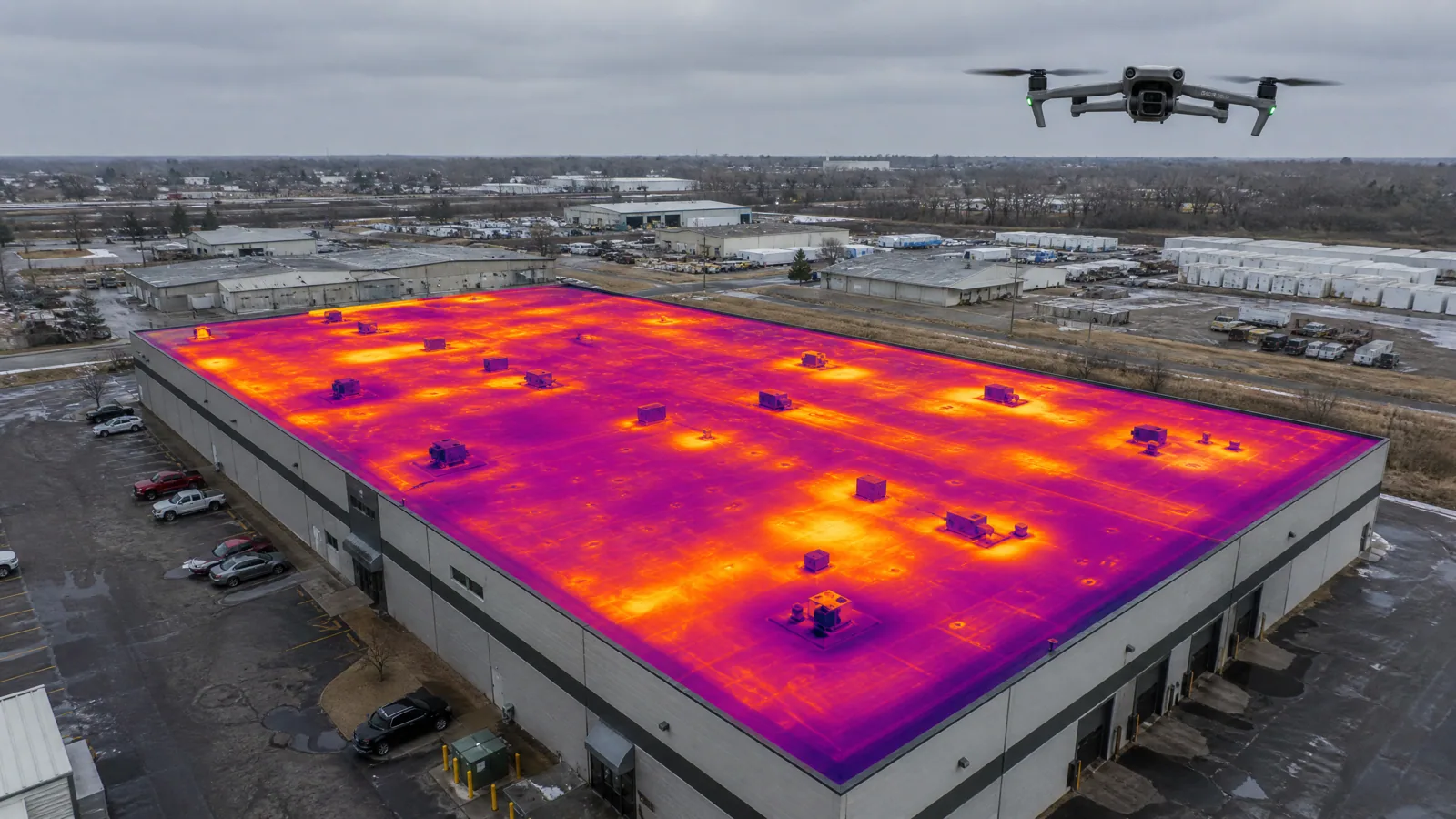
When a surface review leaves a layer condition unresolved, we can recommend a focused test opening or additional measurement. The report identifies the question, proposed location and reason for testing. A thermal pattern guides that choice; an opening shows the layers at that point, and a broader conclusion requires supporting observations elsewhere.
Write Findings for a Clear Decision
Each finding identifies the detail, location, observed condition and roofing consequence. A drain with debris, an open seam and a loose edge are not combined into a general statement about roof health. The report explains which condition may require immediate action and which needs monitoring or further testing. A commercial roof inspection gives the owner a field-based record for that review.
When a leak is reported, we compare the interior area with roof slope and water paths. Water may emerge away from the opening, so the report separates the room where it appeared from the likely entry detail. If the route is still unclear, we identify the details checked and recommend the next inspection or test that could narrow it.
We use dated photographs and consistent roof-zone names so a maintenance team can return to the same detail. For a property near Carlyle or North Potomac Yard, we tie findings to the correct address and roof plan. A finding stays tied to the building inspected.
Connect Findings to Repair Options
A recommendation describes the action, repair boundary, required access and any assumption that could change the scope. A local correction may be enough when surrounding material remains sound. If moisture, attachment loss or repeated failure extends beyond the visible detail, testing or a larger project may be considered. Each option is linked to the evidence that supports it.
Material choice follows the installed assembly. TPO, EPDM, modified bitumen and metal require distinct preparation and flashing. If a roof is being considered for recover, we evaluate the existing layers, drainage and project requirements before listing that option. A replacement recommendation identifies insulation, edges, drains and penetrations along with membrane work.
Cost and timing are affected by removal, staging, access, tenant protection, material and weather. The report can list cost and timing drivers without setting a price or schedule before scope and access are known. If a facility wants to phase work, recommendations identify which boundaries can be separated and what condition remains after each phase.
Keep Alexandria Conditions in Context
Alexandria summer normal highs approach 90°F, and winter brings freezing nights and occasional snow. Tidal Potomac and heavy-rain flooding make roof drainage and edge details useful checks. These facts can direct inspection attention to seams, drainage and exposed edges, we match each recommended repair to the condition observed on the roof.
Weather during the visit can limit access, obscure details or affect testing. We record if a wet surface, snow or active work restricted the inspection. If the roof cannot be evaluated safely, the report identifies the deferred area and the return conditions needed for a useful review.
Alexandria project teams review the 2021 Virginia Codes against the planned work. Our report gives the design team roof observations, test results and repair recommendations to use in that review.
Make the Report Easy to Use
The delivered record includes the property and inspection date, area reviewed, photographs, roof-zone references, observed conditions, recommendation and limitations. If the owner requested a portfolio review, each building remains individually identified. Similar-looking roofs still receive separate findings because assembly and exposure can differ by building.
We can update the report after a repair, test opening or replacement phase. A multi-site program can group reporting by address and priority while keeping findings specific to each building. Routine visits can revisit the same details and show whether a repair stayed stable or another condition developed.
Share the address, reason for inspection, available roof plans, leak reports and access contact. We will document the defined area, explain what the findings support and identify any further evidence needed before a repair decision.
For a decision-ready report, the roof plan should let a reader find each photograph and recommendation without guessing which side or section it shows. We label buildings and zones consistently, pair overview images with close details, and state whether a condition was observed directly, tested or inferred from surrounding evidence. Findings can be grouped by immediate water entry, developing deterioration and items to monitor, but each priority must connect to a reason and a next step. If a portion could not be reached, its limit appears beside that roof area. The manager can then turn the report into work orders and return to the same points on a later visit.
Roofing Capabilities
Commercial Roofing Questions
What should a roof condition report include?
Include the inspected address and zones, assembly information, photographs, observed conditions, recommended actions and limitations. Testing is described by location, and unvisited areas are identified. The owner should be able to trace each recommendation to a specific roof detail.
Can a report confirm how long a roof will last?
An inspection can document condition, repairs and factors affecting future work, but it cannot predict remaining service life for concealed materials. We identify what is visible and any testing that could clarify uncertainty. A planning estimate should retain those limits.
Will the report identify the roof entry behind an interior leak?
When roof evidence shows the entry detail, we identify it and map the route to the reported area. If the path remains unclear, we list the areas examined and recommend targeted testing. The ceiling location helps guide the investigation, while the roof detail sets the repair point.
Can you inspect several Alexandria buildings in one visit?
A coordinated program can schedule multiple properties, subject to access and building operations. Each address receives its own findings, photos and limitations. We confirm the list and roof areas in scope before dispatching so no building is assumed to match another.
Can a report be used for capital budgeting?
Yes. Findings can be grouped by urgency, project boundary, access and further testing needs. We distinguish immediate protection from planned work and identify conditions that may change quantities. The owner uses that evidence with budget and project requirements to set timing.
Request a Roof Condition Report
Send the property address, inspection purpose, available roof records and access contact. We will document the defined roof areas and provide findings with photos and repair priorities.