
 Services
 Roof Systems
 Property Types
 Industries
 Damage Repair
 Capabilities
 Manufacturers
 Service Areas
Multi-Site Commercial Roofing Programs in Alexandria, VA
Roofing Capabilities:
- Commercial Roof Asset Management in Alexandria, VA
- Commercial Roof Capital Planning in Alexandria, VA
- Commercial Roof Condition Reports in Alexandria, VA
- Commercial Roof Warranty Management in Alexandria, VA
- Commercial Roof Due Diligence Surveys in Alexandria, VA
- Multi-Site Commercial Roofing Programs in Alexandria, VA
A regional roofing program works only when each address keeps its own roof facts. Each address keeps its own roof findings, even when buildings share an owner or use. We coordinate inspections, repair scopes and closeout records by site, then assemble the findings in a form the facilities team can compare. Alexandria, VA's heat, winter freeze-thaw and tidal Potomac setting help orient inspection priorities without replacing property-level evidence.
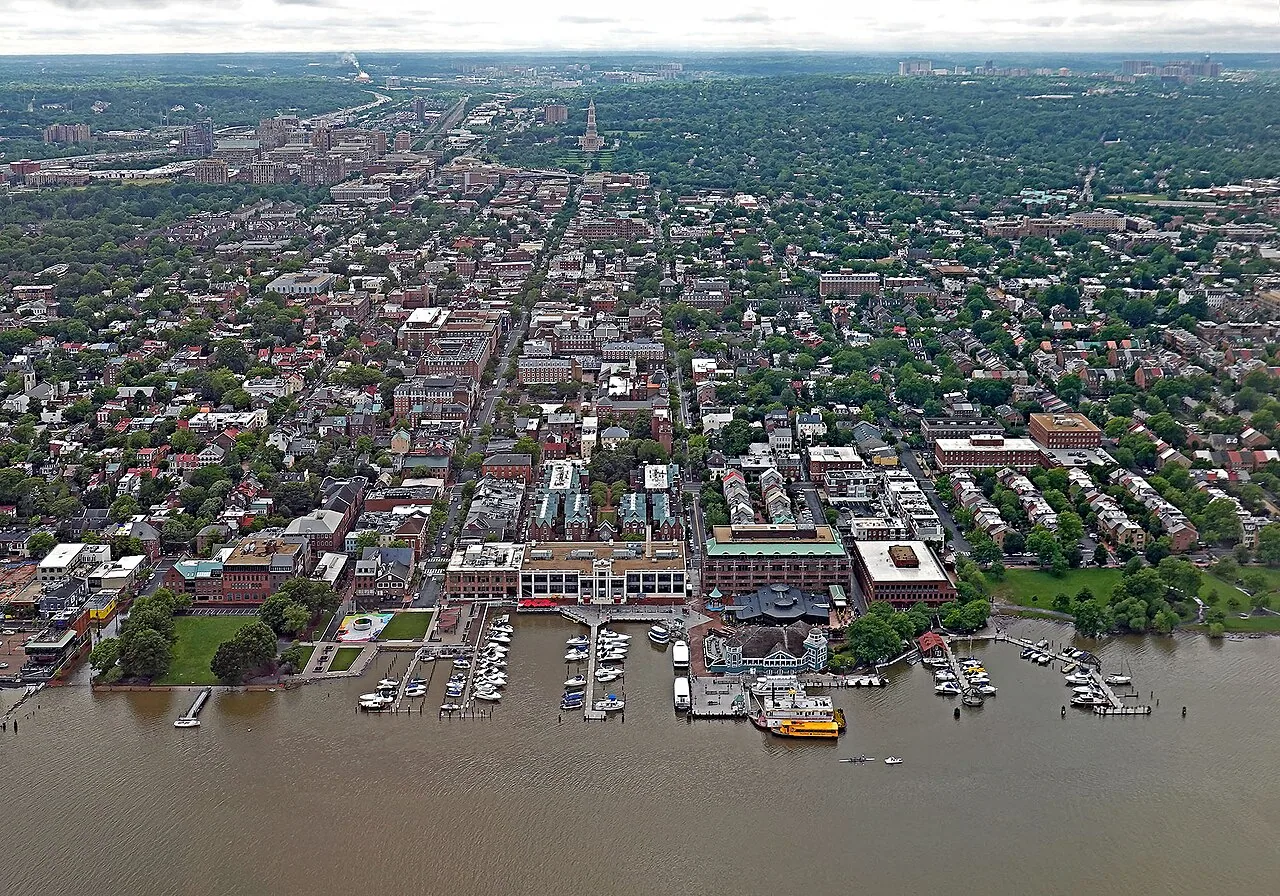
Carlyle and Eisenhower East contain office and mixed-use development; At North Potomac Yard, Virginia Tech’s academic campus sits within an area that also has approved office blocks; Landmark/Van Dorn is approved for redevelopment that includes Inova Alexandria Hospital and related medical facilities. Each location has distinct access and operating conditions. Roof asset records and condition reports keep observations traceable to their addresses.
Multi-Site Commercial Roofing Programs
Set a Useful Scope for Every Address
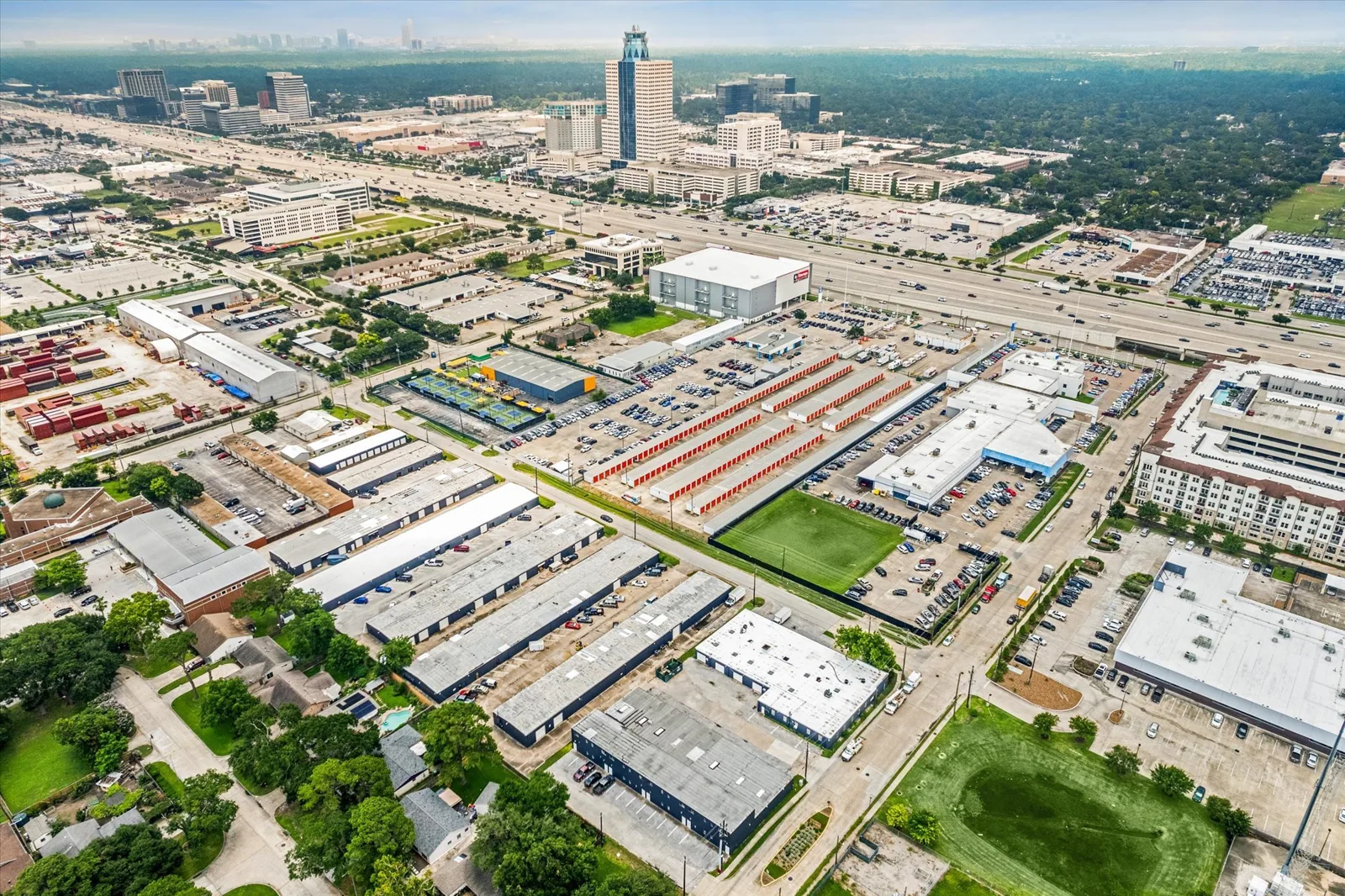
We begin with a site list, contacts, available roof plans, known leaks and the work the owner wants coordinated. Each address is confirmed before dispatch, with roof access, tenant hours, loading, security and staging limits recorded. Where a portfolio includes several building types, the inspection method may need to change by assembly or use.
At each property, we identify the roof zones included and inspect visible drains, seams, flashings, edges, curbs and penetrations. Photos and Diligence Notes belong to that building. If an area is blocked or testing is not approved, the program marks that limit. A common record format makes review easier, but the underlying observations remain specific to the roof.
When a leak is active, emergency response is available at any hour, including weekends and holidays. We coordinate immediate protection at the affected address and keep temporary work separate from the permanent scope. Other sites in the same program continue on their own schedule unless the owner requests a separate inspection.
Coordinate Crews and Operating Windows
Different sites may have different access hours, roof safety procedures, delivery routes and interior protection needs. We confirm those arrangements with local contacts before scheduling. A property with a loading dock may need material deliveries outside dispatch peaks, while an occupied office may restrict lift use near entrances. The route, staging and work window are recorded for each address.
A commercial roof inspection can be grouped with other scheduled site visits when access and travel timing allow. The actual roof zone and scope remain separate. If a project requires a crane, test opening or building shutdown, we coordinate that activity with the responsible site representative before a crew mobilizes.
For a property near Carlyle, Eisenhower Avenue and Mill Road provide local context, but the manager confirms where trucks may enter and stage. A site in North Potomac Yard may have different development or campus rules. The program records these logistics without assuming all buildings use the same setup.
Compare Findings Without Blurring Them
After inspections, we sort conditions into active water issues, repair needs, questions for testing and future project options. Each item shows its roof zone, evidence, recommended action, access requirements and operational effect. The team can compare urgency among sites without treating all defects as equivalent.
Where assemblies differ, we note TPO, EPDM, modified bitumen or metal details and identify compatible work. A recover or replacement option is considered only after reviewing existing layers, drainage and project criteria. A capital sequence can group work by timing while preserving each site's technical boundary.
Cost and timing drivers can include removal, insulation, roof access, tenant protection, material requirements and weather. We state these factors qualitatively and mark where testing or final drawings may change the scope. An owner can then compare proposals using consistent categories rather than assuming each bid describes the same area.
Keep the Program Current
At closeout, we deliver photographs, repair notes, materials and remaining limits for each property. If work is phased, the completed and deferred zones remain distinct. The portfolio index can point to those files, while the site record retains the detail a facility manager needs for a later inspection.
Maintenance and project dates can be coordinated across addresses, but the interval should reflect observed condition and access. A maintenance visit can revisit drains and previous repairs, while an active leak at another site receives its own response. New construction, equipment or a roof alteration is added to that property's record only after the team confirms it.
We can update the program after testing, repair or replacement changes a roof boundary. The owner controls priorities and authorizations. Our work is to inspect, document and carry out the approved scope at each building, then leave records that show what changed.
Start with the Buildings in Scope
Share the Alexandria property list, site contacts, available roof plans, current leaks and access requirements. We will confirm the locations, define the inspection areas and organize a sequence that facilities staff can evaluate. For addresses outside Alexandria, we assess the local roof and weather conditions independently.
After the first review, we can identify missing records, urgent roof issues and sites that need further testing. The owner can decide which projects proceed and when. Each recommendation stays tied to its address and inspection evidence, so a portfolio-wide view does not obscure a building-specific decision.
The program can then carry inspection dates, repair boundaries and closeout notes forward, creating a working record that reflects the roofs as they are maintained and changed.
A portfolio schedule works best when it captures both shared tasks and site-level differences. We group inspections by geography or operating calendar when access allows, while recording roof type, leak priority, contact and outstanding tests for every building. A blocked unit or tenant schedule at one address should not silently change the scope at another. Facilities staff can review a common status list, then assign distinct repair approvals and completion dates to each location. When a repair closes, its photos and limits return to that building's history. This keeps portfolio reporting useful for leadership without turning a regional summary into a substitute for field findings.
Roofing Capabilities
Commercial Roofing Questions
Can inspections at several properties be scheduled together?
They can be coordinated when each site confirms roof access, contact availability and operating constraints. We group visits where it is practical, while keeping inspections and findings separate by address. A blocked roof or urgent leak at one location can require a different schedule.
Will a multi-site program standardize repair recommendations?
The reporting fields can be consistent, but repair methods depend on each roof system and condition. We document the assembly, evidence and scope for every address. Similar uses still call for separate checks of slope, attachment, drainage and remaining serviceability at each address.
How should urgent leaks be handled within a portfolio?
We assess the affected property and coordinate immediate protection with its local contact. Active water response does not wait for a routine group visit. The temporary action and any permanent repair are recorded for that site, while other addresses retain their planned inspection dates.
What information should an owner provide for a group of buildings?
Send each address, access contact, roof plan if available, prior repair history, active leak reports and operating hours. Note special security, loading or tenant restrictions. We confirm which buildings and roof areas are included before the inspection sequence begins.
Can reports support one capital budget across properties?
Yes. We can summarize condition, urgency, access, repair boundary and testing needs for comparison. Each project still retains its own evidence and assumptions. The owner uses the combined view with budget and operational priorities to set the sequence.
Coordinate a Multi-Site Roof Program
Share the property list, roof records, operating contacts and current leak reports. We will confirm scope by address and organize inspections and repair priorities.