 Services
 Roof Systems
 Property Types
 Industries
 Damage Repair
 Capabilities
 Manufacturers
 Service Areas
Commercial Roof Due Diligence Surveys in Alexandria, VA
Roofing Capabilities:
- Commercial Roof Asset Management in Alexandria, VA
- Commercial Roof Capital Planning in Alexandria, VA
- Commercial Roof Condition Reports in Alexandria, VA
- Commercial Roof Warranty Management in Alexandria, VA
- Commercial Roof Due Diligence Surveys in Alexandria, VA
- Multi-Site Commercial Roofing Programs in Alexandria, VA
A roof survey can change a transaction when it finds active moisture, an open transition or drainage that needs correction. The buyer needs to know which conditions were inspected, what remains concealed and what follow-up could change the scope. We review roof access, visible membrane, drains, edges and penetrations, then prepare a location-based record. Alexandria, VA has summer heat, occasional snow and tidal Potomac flood exposure, but those regional conditions do not establish a roof's remaining life or condition.
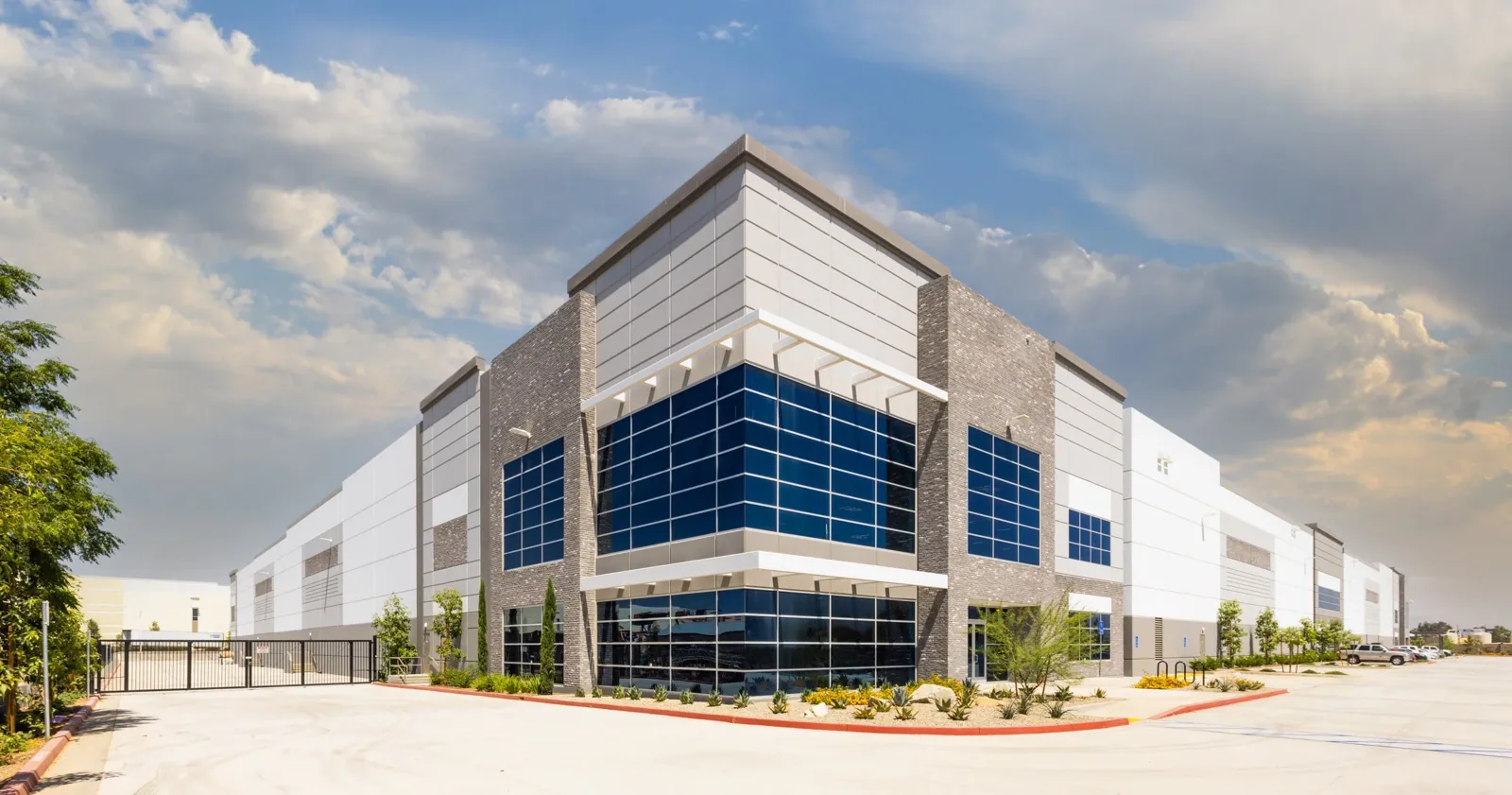
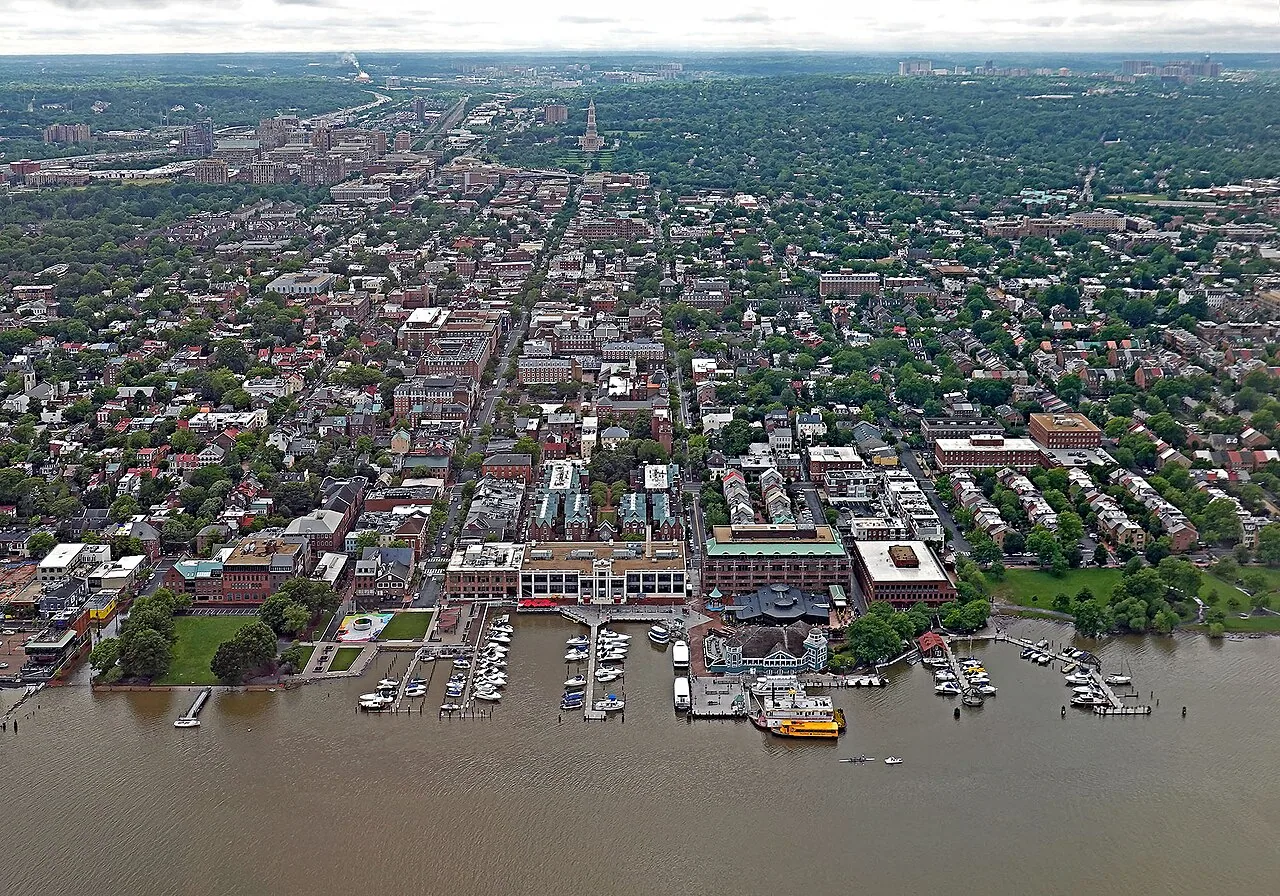
Carlyle and Eisenhower East contain office and mixed-use buildings, North Potomac Yard includes academic and approved office development, and the Landmark redevelopment plan includes Inova Alexandria Hospital and related medical facilities. Each property needs a separate assessment. A condition report can document findings, while capital planning can help the buyer compare repair and replacement options.
Commercial Roof Due Diligence Surveys

Review Available Roof Information
We begin with the transaction address, available plans, roof records, reported leaks and access contacts. The survey scope identifies buildings and roof zones included, along with any interior areas or equipment that can be observed. If records are incomplete or show a past recover or replacement, we flag that uncertainty for field review.
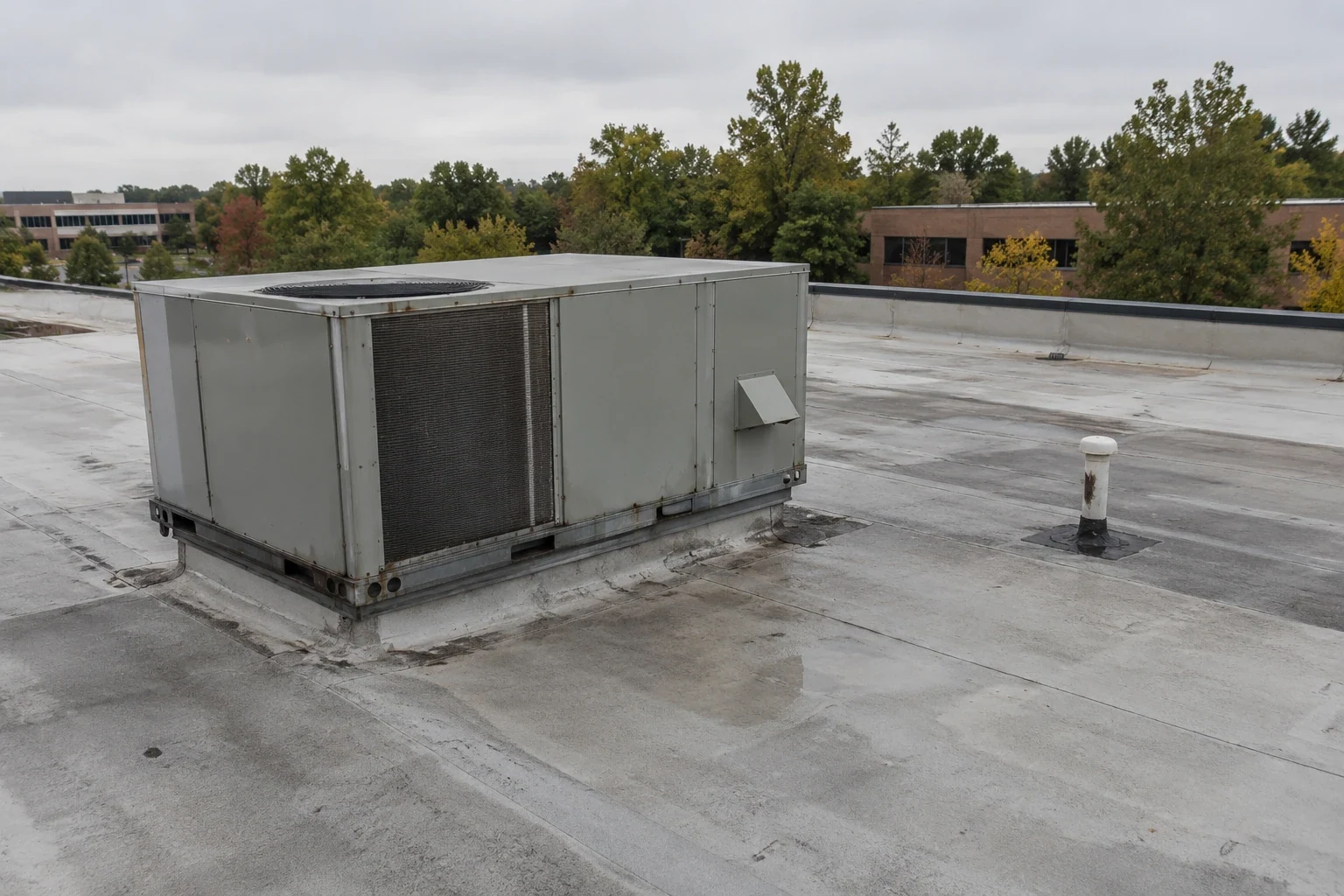
On site, we identify roof type where possible and inspect visible membrane, seams, flashing, drains, edge attachment, penetrations and prior repairs. Photographs and a sketch locate each finding. We note whether a roof section was wet, obscured or inaccessible. A visual survey does not expose every layer or establish concealed deck condition without testing.
If moisture, attachment or substrate is uncertain, we can recommend a test opening with an agreed location and restoration plan. Each sample describes its own point. The survey makes clear which conclusions are based on direct observation and which require more investigation before a buyer assigns a project quantity.
Translate Observations into Transaction Issues
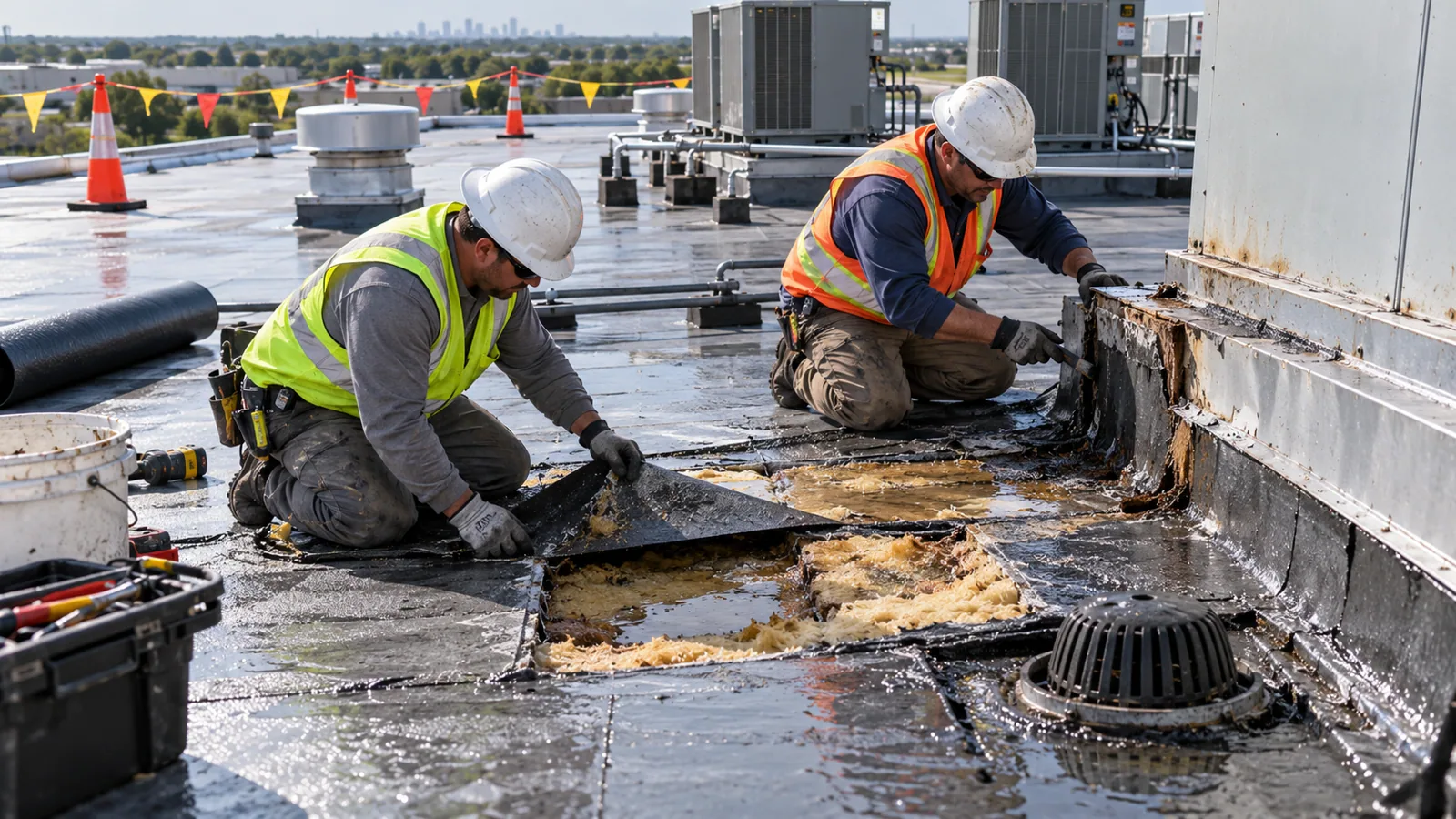
We separate active leaks, maintenance items, repair candidates and larger replacement questions. A blocked drain or displaced flashing may be a defined repair. Broad seam separation, wet insulation or deteriorated attachment can require additional testing or a larger work area. The report explains why a condition matters to roof performance and identifies the evidence behind its classification.
For an interior leak, we compare the reported room with roof slope and possible water paths. The ceiling mark may sit away from the opening. A commercial roof inspection documents the entry details that can be verified and the limits that remain. If no clear source is found, we state what was checked rather than assigning a roof defect to an uncertain interior symptom.
We can describe repair scope and qualitative cost drivers such as access, removal, insulation, staging and protection below. We do not invent a service-life estimate or assume a warranty transfers with the property. Those matters depend on documents and decisions by the buyer, seller, manufacturer or other responsible party.
Compare Repair and Replacement Needs
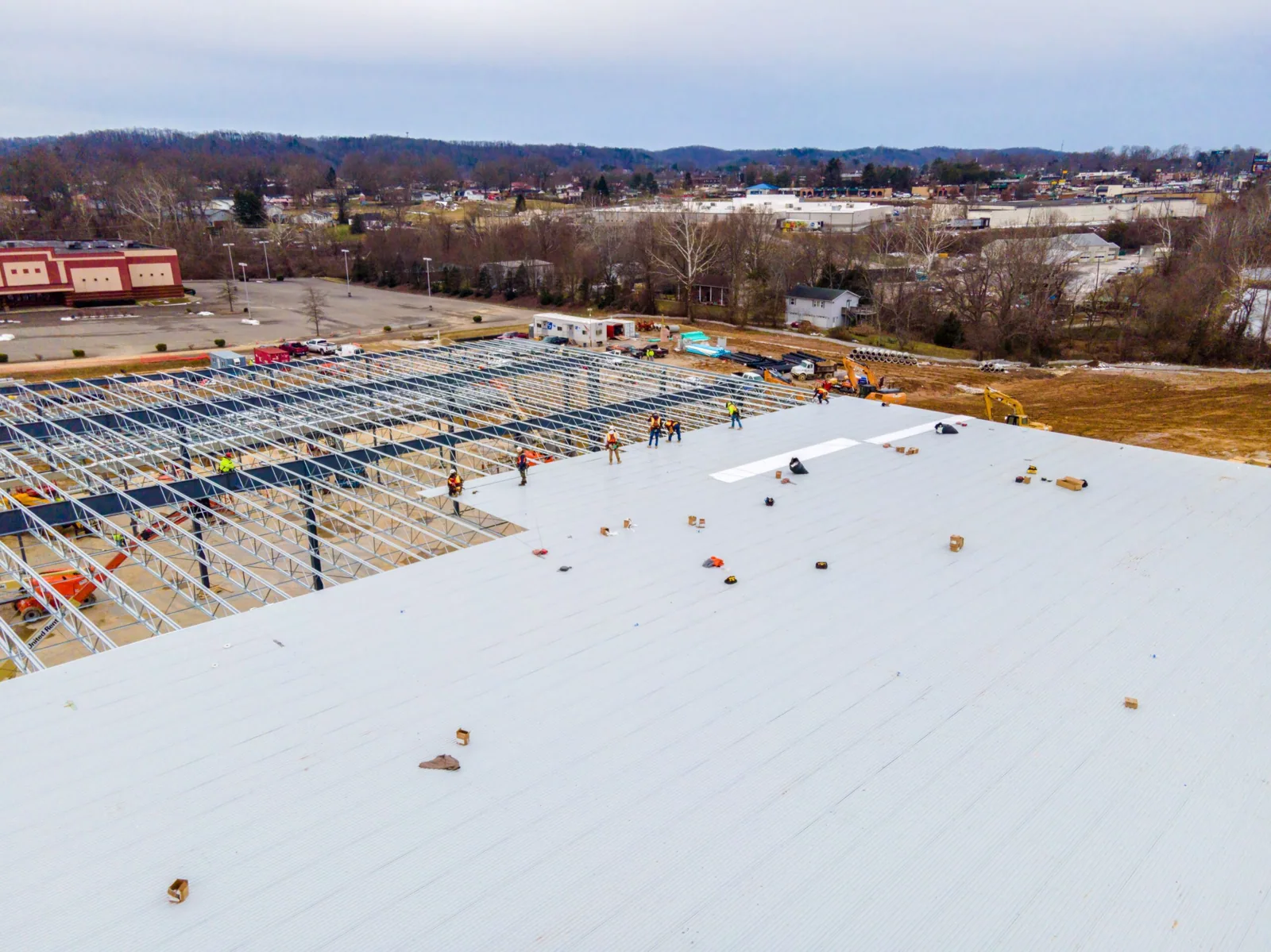
A local repair may address a defect if nearby material remains serviceable. A recover can be considered when the existing assembly is suitable and project criteria allow another layer. Replacement may be appropriate when deterioration is broad, moisture reaches the substrate or the roof details cannot be restored with a measured repair. Each option should use a defined boundary and identify concealed conditions that could change the work.
Material affects the detail. TPO, EPDM, modified bitumen and metal have different seams, attachment and transitions. We identify the installed system before describing a repair. A replacement option includes drains, edges, penetrations and insulation considerations alongside the surface membrane.
For an acquisition schedule, access, tenant operations, weather and permitting can influence when testing or construction occurs. The property contact confirms staging and occupied areas. Alexandria directs applicants to the 2021 Virginia Codes; project officials confirm the requirements applicable to the planned work. We flag timing dependencies rather than treating them as a fixed construction date.
Read the Property in Its Alexandria Setting
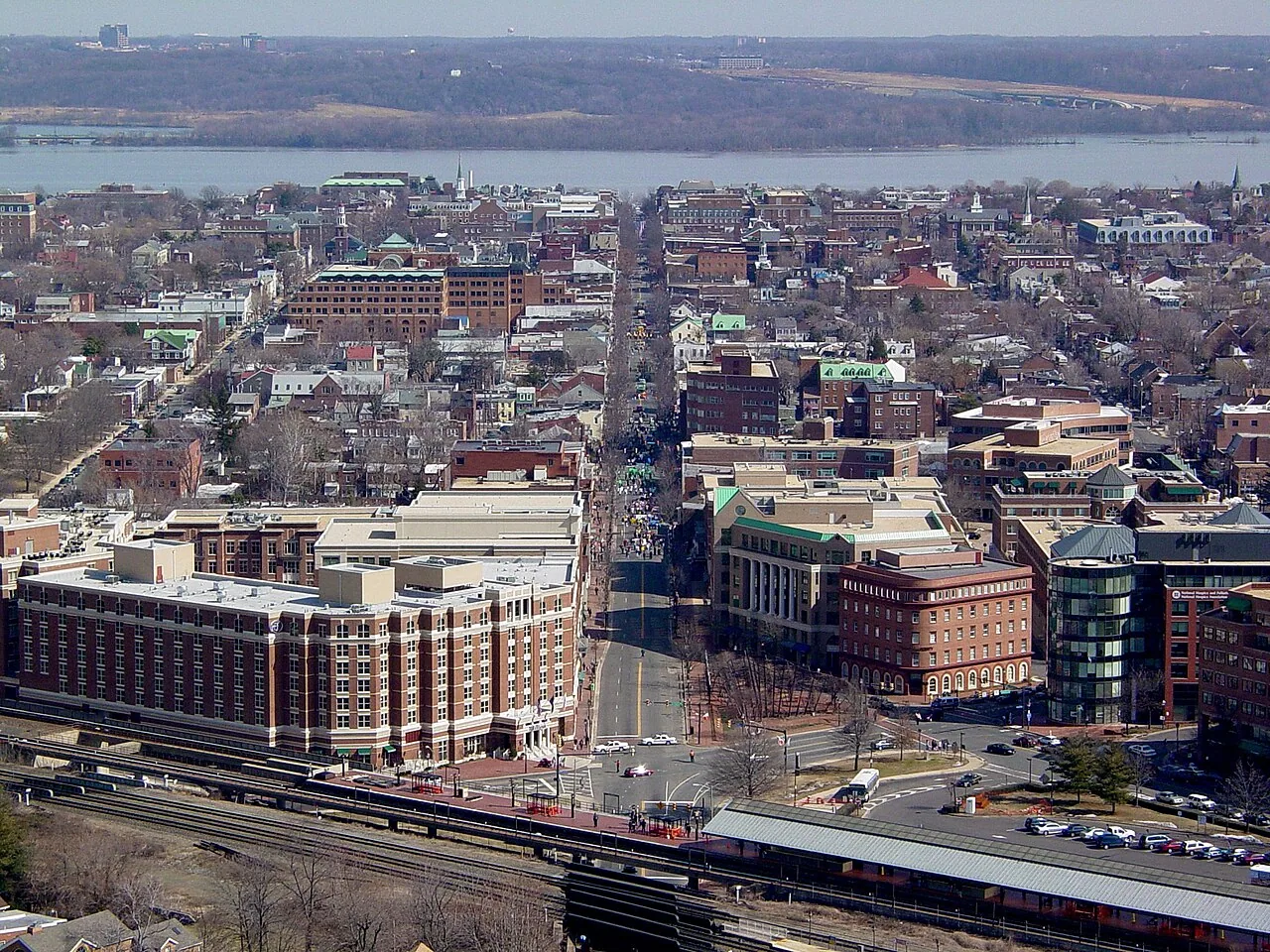
Eisenhower Avenue and Mill Road serve as key streets in the Eisenhower East office and redevelopment area. Duke Street and Van Dorn Street organize the Landmark/Van Dorn corridor. These locations help identify the asset's context, but they do not tell us the roof's design, maintenance record or condition.
For a property in Carlyle or near Landmark/Van Dorn, we verify delivery, roof-entry and tenant access with the actual site contact. The survey states any route or area that could not be accessed. That distinction can matter during transaction review if a building section was omitted from inspection.
Heavy rain and winter freeze-thaw inform checks of drainage and exposed transitions. We report whether ponding, open laps or water marks were visible during the survey, without extrapolating from local climate to a concealed roof condition.
Deliver a Decision-Ready Survey
The report includes the scope, inspection date, roof areas reviewed, photos, findings, repair boundaries and testing recommendations. We separate observations, interpretations and limitations so the buyer can see what is known. If there are multiple buildings, each receives its own roof record rather than being summarized as one condition.
A portfolio record can retain the survey after closing, and a multi-site review can coordinate properties under one transaction. The owner can update the file after repairs, additional testing or replacement. The original findings remain preserved for comparison.
Send the property address, transaction timeline, available roof documents and access contact. We will confirm the survey boundary, inspect accessible roof areas and provide findings the deal team can evaluate with its other diligence.
A transaction survey starts by agreeing on which buildings and roof sections are included, how much time is available and whether interiors or test openings can be accessed. The buyer can provide seller inspections, invoices, warranty files and leak records for comparison with field conditions. We list estimates with assumptions visible, especially where wet layers, attachment or deck condition cannot be confirmed without opening the assembly. A deferred test should be shown as an unresolved item with its potential effect on scope, not absorbed into a precise replacement number. The deal team can then weigh immediate corrections against a follow-up investigation and planned capital after transfer.
Roofing Capabilities
Commercial Roofing Questions
Can a roof survey determine a building's remaining useful life?
A survey can document visible condition, repair history and factors that affect future work, but concealed layers and later weather remain limitations. We explain where testing could clarify the assembly. A remaining-life statement should not extend beyond evidence gathered at the property.
What if the seller cannot provide roof plans?
We can inspect accessible areas and identify materials and details where they are visible. Missing records are noted, and a test opening may be recommended if the assembly or substrate matters to the decision. The report distinguishes field observations from unverified construction history.
Can testing be performed during a short transaction window?
We confirm access, interior protection and restoration requirements for any proposed opening. If a test cannot be scheduled before the deadline, the report marks the unresolved question and its potential scope effect. The buyer can use that limit in the transaction review.
Does a roof survey include a repair estimate?
The survey can outline repair options and qualitative factors that affect scope, such as access, removal and insulation. A firm proposal may need additional testing or final project details. The survey is a condition record and does not replace a construction contract.
Can one survey cover several properties?
A coordinated visit can cover multiple addresses if each roof is accessible and included in the agreed scope. Findings remain separate by building, roof zone and assembly. We confirm the property list and available records before the survey begins.
Schedule a Roof Due Diligence Survey
Share the Alexandria address, transaction timeline, roof records and access contact. We will define the survey boundary and document findings with their limits.