 Services
 Roof Systems
 Property Types
 Industries
 Damage Repair
 Capabilities
 Manufacturers
 Service Areas
Acrylic Roof Coatings in Alexandria, VA
Roof Systems:
Acrylic coating needs a prepared, compatible roof surface and a drainage pattern that does not leave water standing for long periods. When a low spot keeps the coating wet, the film can soften or separate; when a seam opens, rain can reach the assembly below. Alexandria’s summer heat and heavy-rain exposure make both coating condition and runoff part of the same inspection. We check the surface, outlets and transitions before recommending patching or renewal.
Office buildings in Eisenhower East and retail properties in Old Town North bring different access and staging needs. The installed assembly and earlier applications determine whether acrylic coating fits. A silicone system may be considered where persistent ponding changes the product choice, while a spray foam roof may use a coating as its weather layer.
Acrylic Roof Coatings
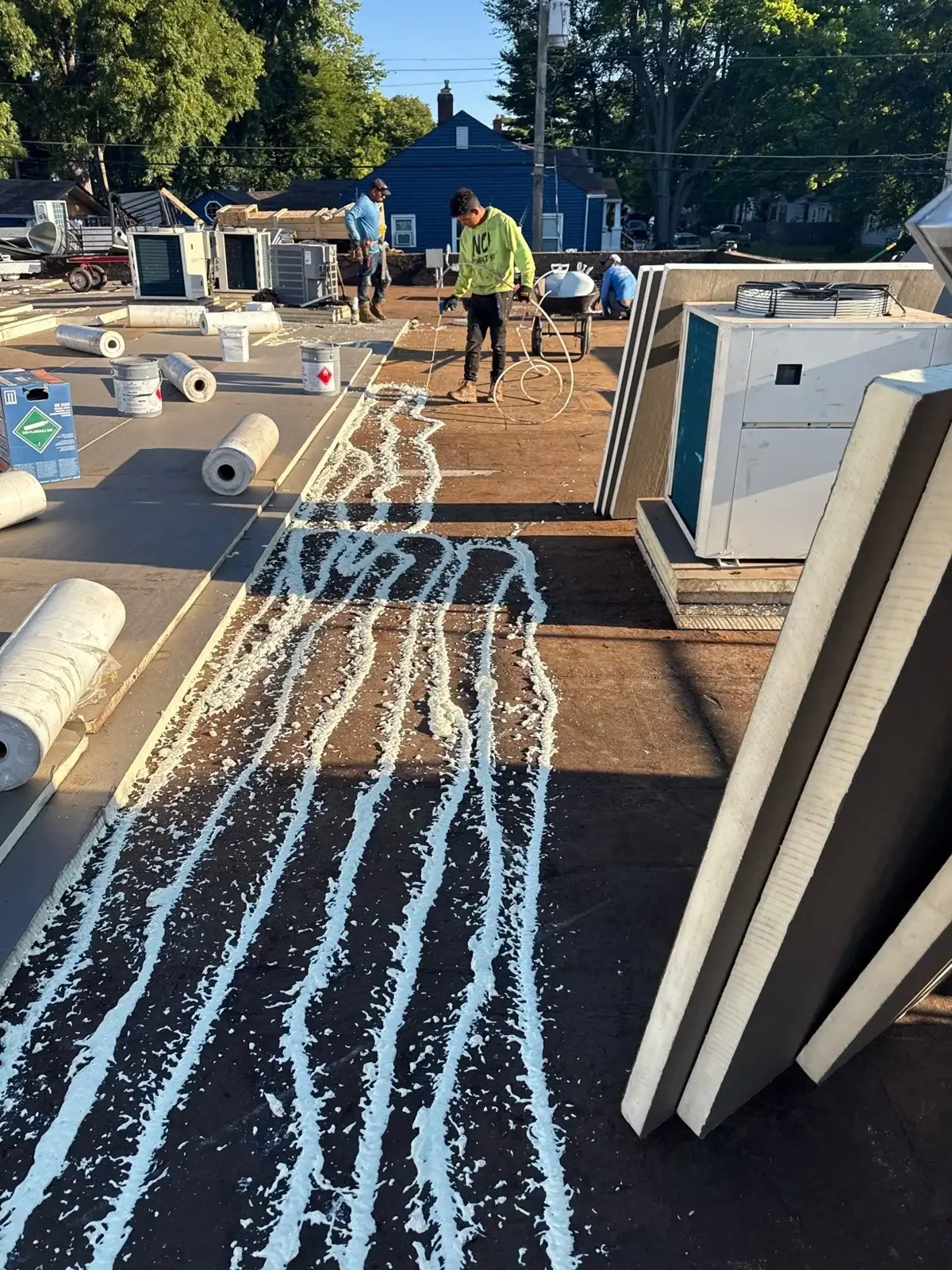
Inspect the Coating Film
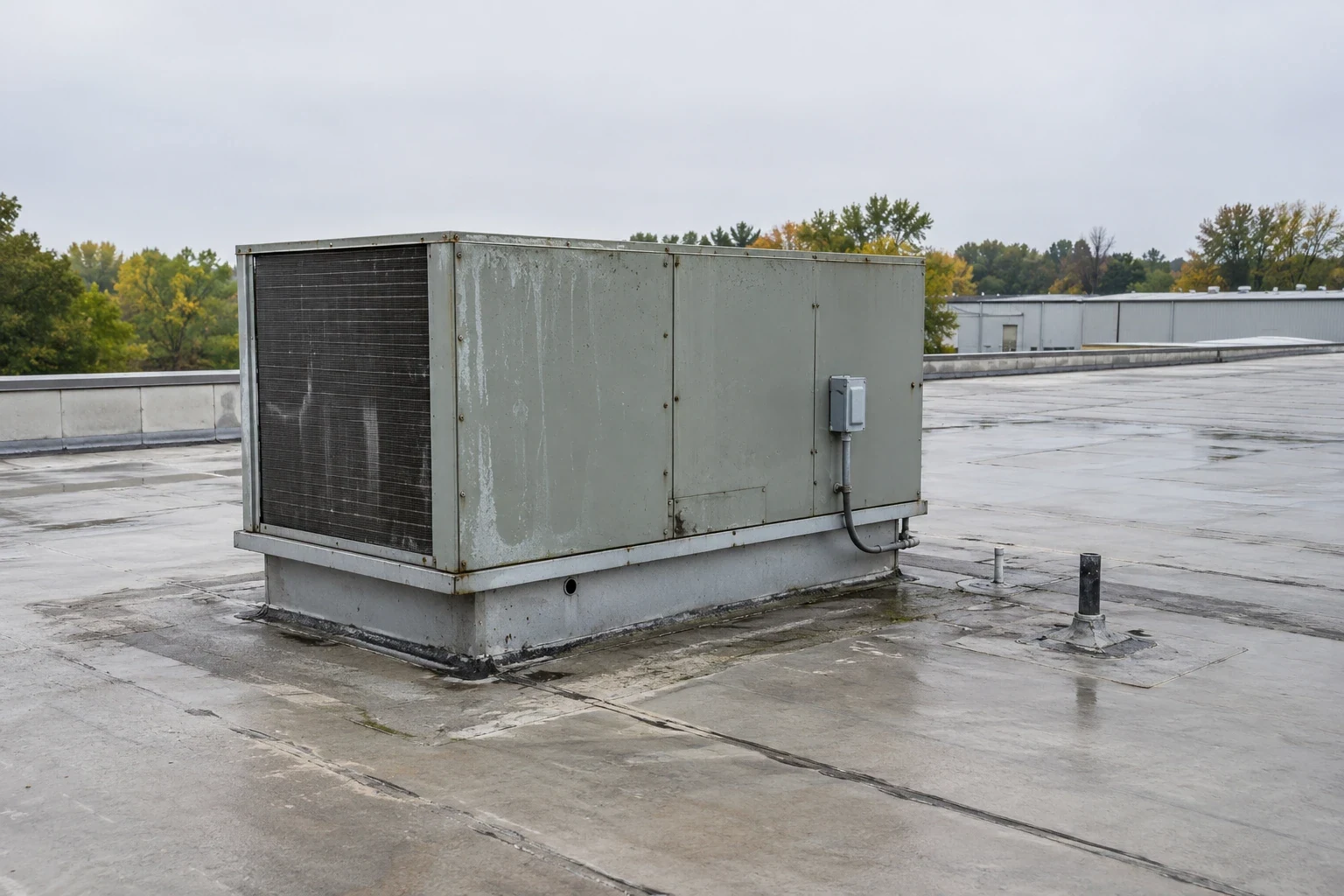
Acrylic coating forms a protective layer over a suitable roof surface. Its performance depends on substrate preparation, film thickness, adhesion and the details where water changes direction. We inspect for chalking, thin coverage, splits, blisters, peeling, punctures and exposed reinforcement across curbs, walls, drains and repair patches.
Past coating layers may contain dirt, chalk, oils, sealant or incompatible materials. We ask for product and repair records, look for signs of poor bonding and conduct adhesion checks where the project calls for them. A new layer over loose material can detach with the layer below. The scope therefore states how the roof will be cleaned, dried and prepared, and whether a primer or removal is required.
At edges and penetrations, acrylic film must connect to stable flashing and reinforcement. We check termination bars, metal edges, seams, drain bowls and prior sealant. If the underlying flashing has separated, coating alone may bridge the gap briefly without restoring the detail. We identify which transitions need separate repair and show the boundary in photos before the restoration begins.
Match the System to Water Exposure
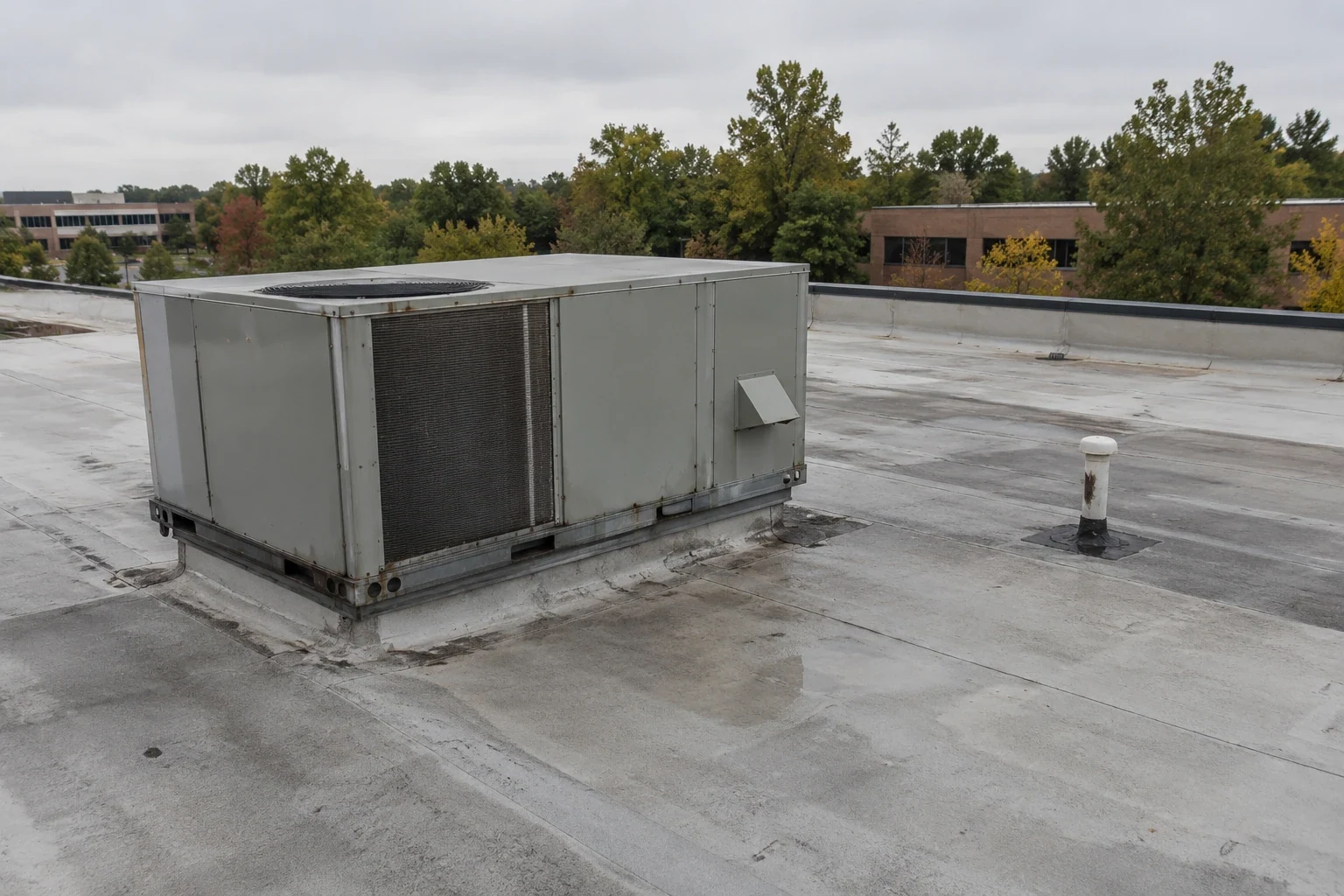
Acrylic coating can be useful on sloped or well-drained roof areas, but product suitability depends on the expected water exposure. Persistent ponding may exceed the coating’s intended service conditions. We look for low spots, obstructed outlets, stains and surface movement, then compare those findings with system requirements. Drain correction and coating restoration remain distinct line items when both are needed.
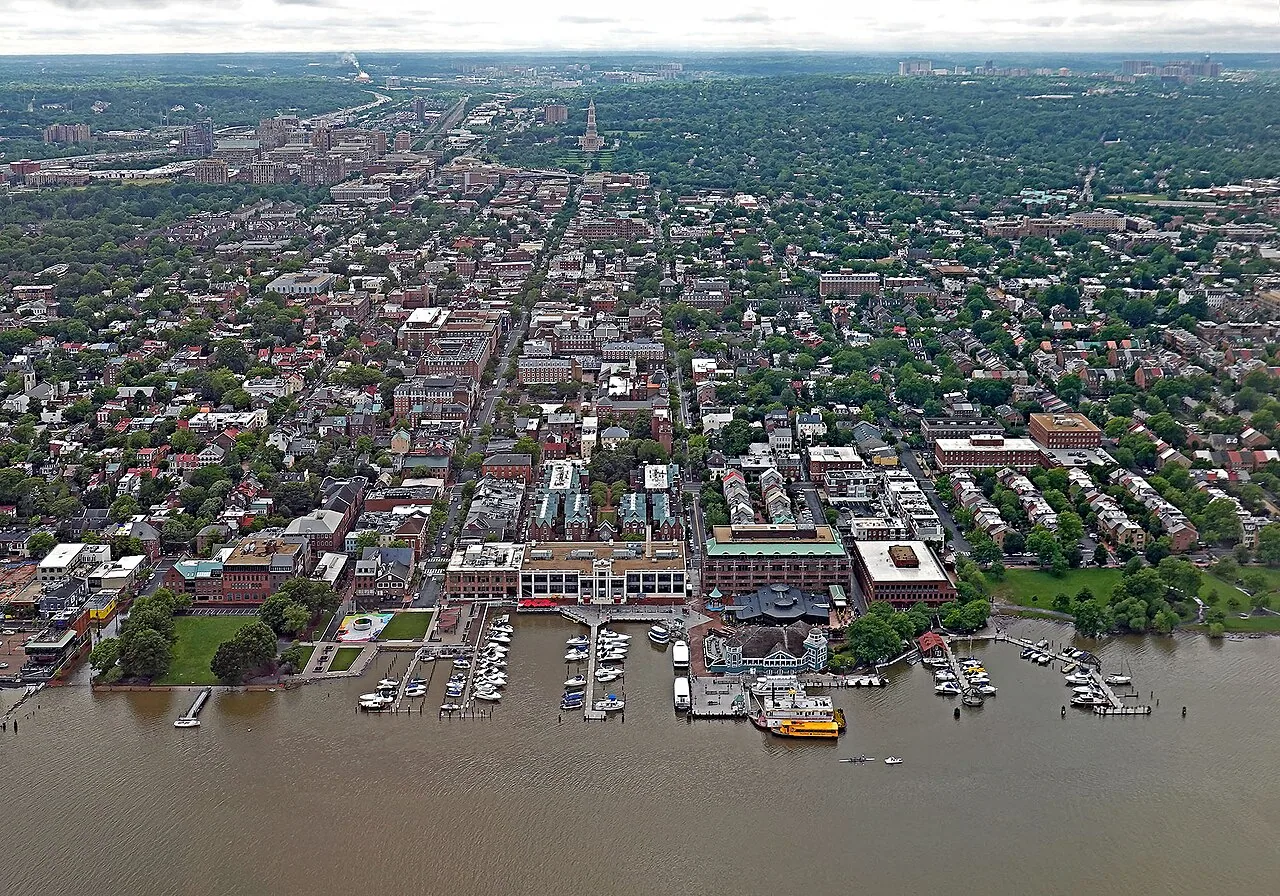
Alexandria’s low elevation beside the tidal Potomac makes heavy-rain drainage an important local consideration. At roof level, we inspect where water runs, whether gutters or drains accept it and how overflow is directed. Trace the roof’s drainage route from each outlet to the overflow point, then address any obstruction or failed connection. If an outlet needs repair, a drain and scupper service can be coordinated with the coating scope after the water path is confirmed.
Winter freeze-thaw can stress wet edges and small separations. Alexandria’s long-term January climate averages include a 30.1-degree overnight low and 4.9 inches of snowfall. With freezing nights and occasional snow in Alexandria, inspect splits, terminations and drainage before water reaches a vulnerable transition.
Check the Roof Below
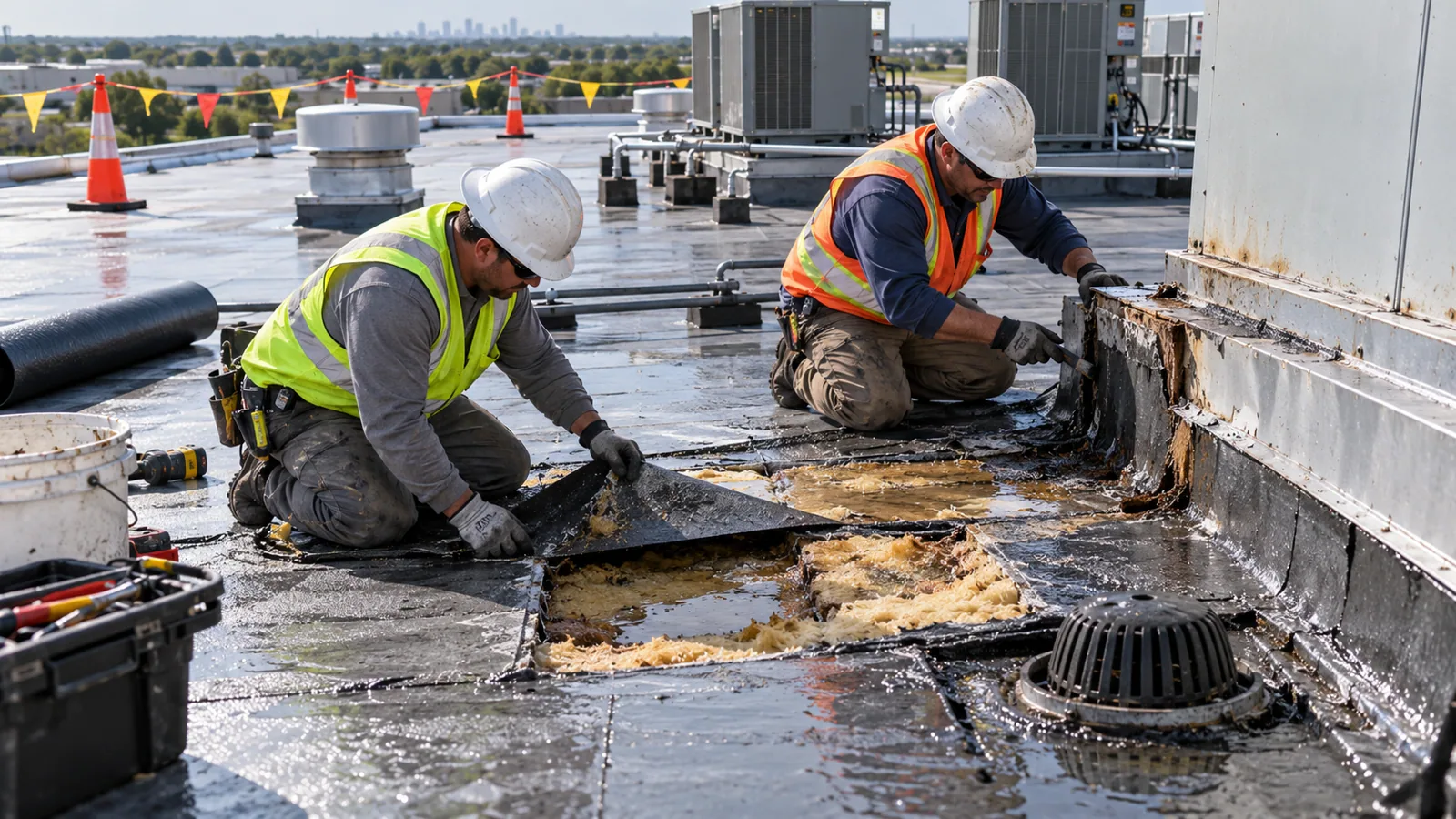
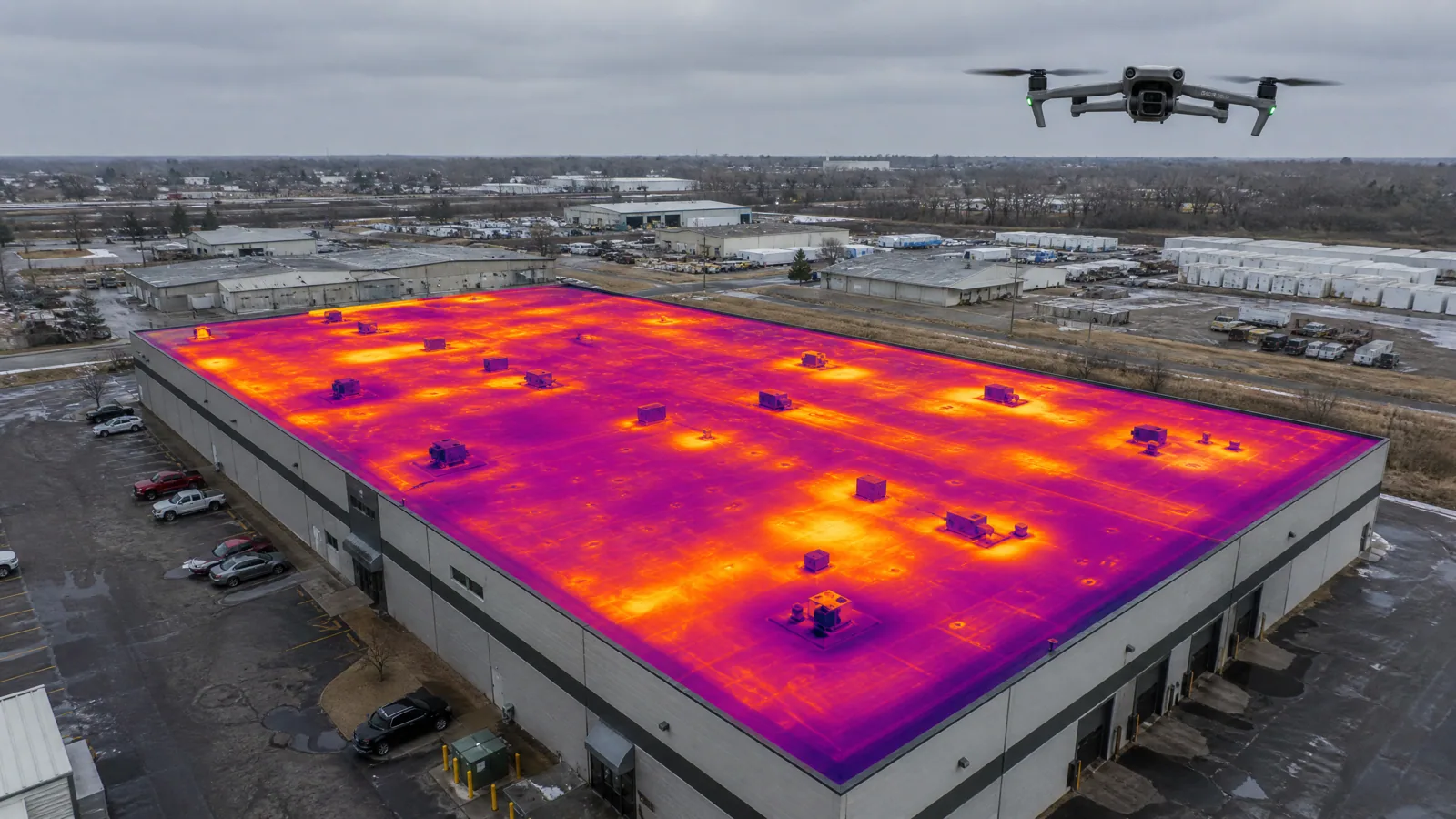
A coating can hide moisture or a failing membrane if the inspection stops at the surface. We review leak history and look for soft areas, blisters and changes in the roof plane. An infrared survey may identify patterns under suitable conditions. Test openings confirm what is below the coating at selected points, and the owner approves the location and restoration method before the roof is cut.
If a test finds wet insulation or deteriorated substrate, the repair boundary needs to reach dry, sound material. We record layers, deck condition and surrounding attachment, then estimate removal and rebuilding separately from the coating. The report identifies opened areas, screened zones and any roof section still to be examined.
At a leak, water may travel along a membrane or deck before appearing in an occupied room. We compare interior symptoms with roof-level details and mark the likely route. A leak investigation can focus on the entry point and identify whether coating failure is the cause or just one visible symptom.
Set the Restoration Scope
Localized coating damage can be repaired after the loose film is removed and the surface is prepared. The crew corrects the underlying seam, flashing or puncture, then applies compatible coating and reinforcement. Check the completed patch for adhesion to the intact coating. If coating has failed in several areas, isolated patches may leave too many weak transitions to manage separately.
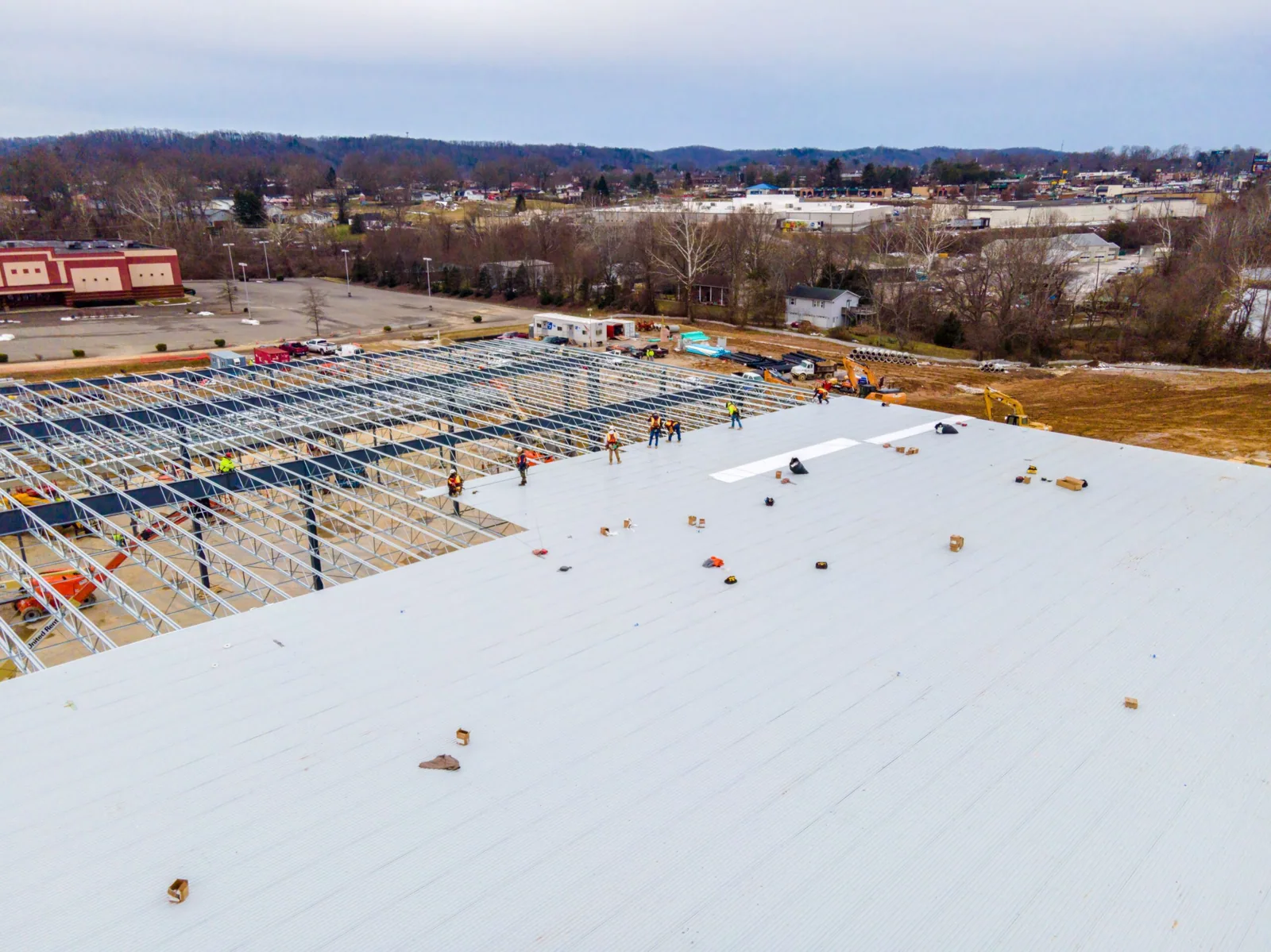
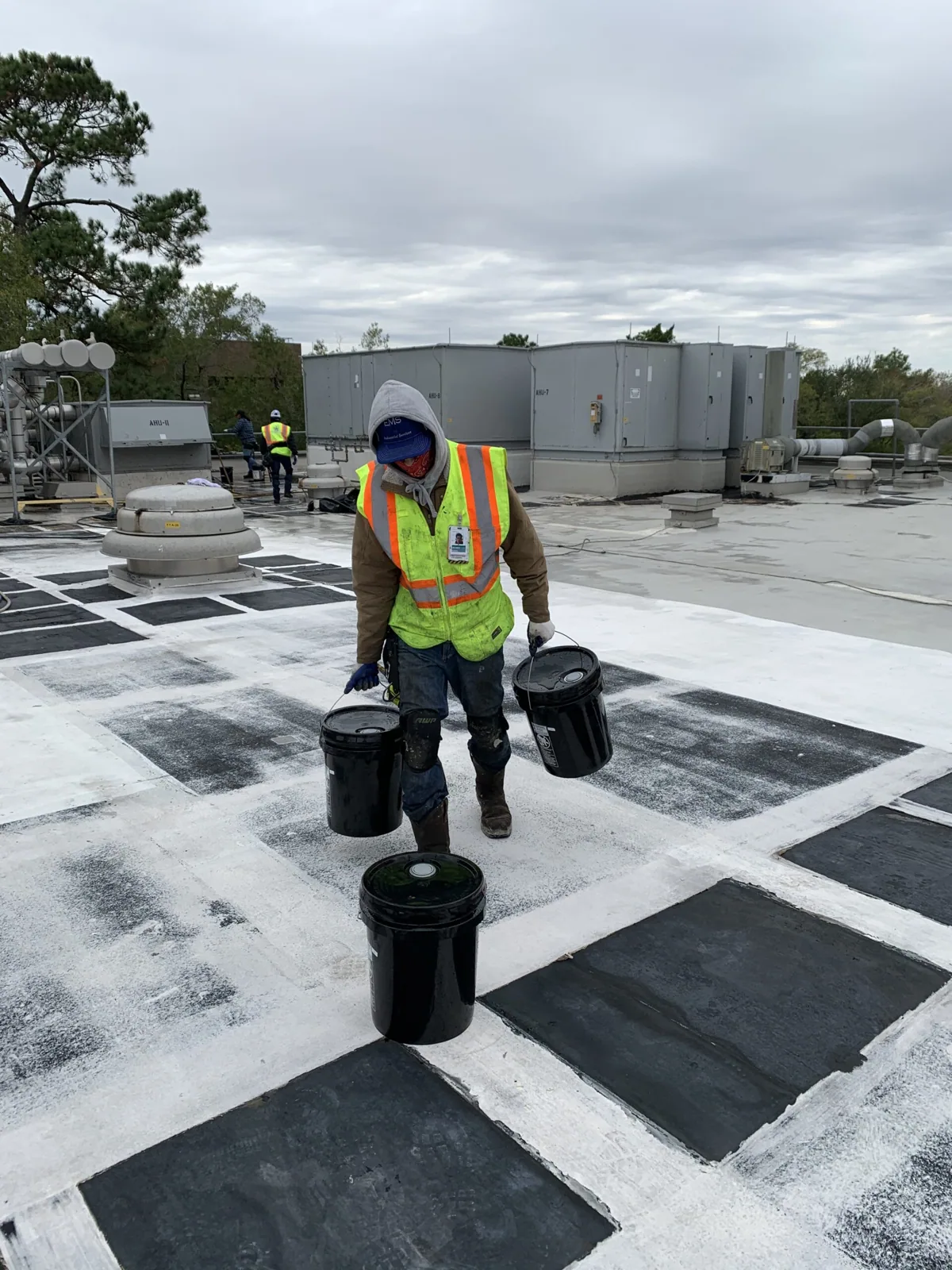
Broader restoration includes cleaning, surface preparation, detail reinforcement and application to a stated coverage target. A roof coating restoration scope identifies product compatibility, adhesion checks, application limits and drainage work. Acrylic application needs appropriate drying and cure conditions; rain during the process can affect film formation, so the schedule uses product requirements and observed weather.
Replacement merits comparison when the underlying membrane, attachment or insulation is failing beyond a practical restoration boundary. A replacement evaluation can compare removal, deck repairs, insulation and a different membrane. The comparison ties each option to the roof layers and defects found, with concealed deck work handled if removal exposes it. A coating should not be presented as a substitute for wet insulation removal or structural repair.
Schedule Around Site Use
Cleaning and coating can affect roof access, drains, equipment and the areas below. We coordinate staging, ventilation, tenant notices, delivery timing and any restricted roof zones with the general contractor and property contact. Along King Street, a retail property can have different delivery hours from an office near Mill Road. The work sequence follows the property’s rules and the surface conditions required for application.
We divide the roof into prepared and coated zones, protect outlets and equipment, and keep a stopping point where each section can be secured if weather changes. Emergency response remains available around the clock and on holidays for active leaks that cannot wait for the planned restoration. The estimate identifies protection, access needs and approval points for added removal.
Cost and duration depend on coating condition, substrate repairs, surface preparation, access, drainage changes, reinforcement, application coverage and cure time. The estimate lists quantity assumptions and separates any deck repair that cannot be measured before removal. A commercial roof inspection can document baseline defects before the project is phased.
Preserve the Application Record
At completion, the record should show the roof zones coated, repairs beneath the film, transitions reinforced, product used and conditions left outside the scope. Photos of seams, drains, curbs and edges help a later inspection compare coating wear with the original restoration. Any adhesion checks or test openings belong in the closeout with their locations.
For a property near Eisenhower East or Old Town North, retain the access instructions and roof plan with coating history. Keep a record of remaining defects and future inspection points. Send the leak history and prior product information when requesting a roof review.
Roof Systems
Commercial Roofing Questions
Is acrylic coating suitable for a roof with standing water?
It depends on duration and product requirements. We inspect slope, outlet condition and the coating’s current performance, then determine whether drainage correction or a different system should be compared. Drainage correction remains a separate item when ponding stems from a low area or obstructed outlet.
Can you apply acrylic coating over an older coating?
A new layer requires compatible existing material with adequate adhesion. We review records and test the surface where needed, then specify cleaning, drying, primer or removal. Loose or contaminated layers need correction before another coat is applied.
Will acrylic coating repair an active leak?
Only when the coating defect is the entry point and the underlying assembly is sound. We trace the water route and inspect seams, flashing, drains and concealed moisture before defining the repair. Wet layers or failed details need separate correction.
How does winter affect an acrylic roof coating?
Freeze-thaw can stress wet edges and separations, while application itself must follow temperature, moisture and cure limits. We check the installed film and schedule new coating only when the product conditions are met. The roof inspection checks the actual film, edges and drainage after seasonal exposure.
What is included in a coating estimate?
The estimate states preparation, repairs, materials, application zones, coverage target, drain and flashing work, access, cure schedule and conditions excluded. Test openings or moisture findings that could change removal are identified separately for approval.
Review Acrylic Roofing in Alexandria
Provide the Alexandria address, coating history, roof plan, leak locations and access limits. We will inspect the substrate, drainage and product compatibility before setting a repair or restoration scope.