



 Services
 Roof Systems
 Property Types
 Industries
 Damage Repair
 Capabilities
 Manufacturers
 Service Areas
Spray Polyurethane Foam Roofing in Alexandria, VA
Roof Systems:
A spray foam roof depends on its top coating to shield the foam from sunlight and water. Once the coating thins or splits, exposed foam can absorb moisture and deteriorate. Alexandria’s summer heat puts repeated stress on roof surfaces, while heavy rain tests the foam’s slope and drain paths. We inspect coating thickness and condition, foam integrity, seams and flashings, then set a repair limit from what the roof can show or an approved test can confirm.
Commercial and office properties in Eisenhower East and mixed-use redevelopment in Old Town North have different access constraints, but neither location proves a particular building has foam roofing. We confirm the assembly at the address before discussing a repair. If the existing system is unsuitable, a TPO membrane or silicone coating system may be evaluated against the substrate and project requirements.
Spray Polyurethane Foam Roofing
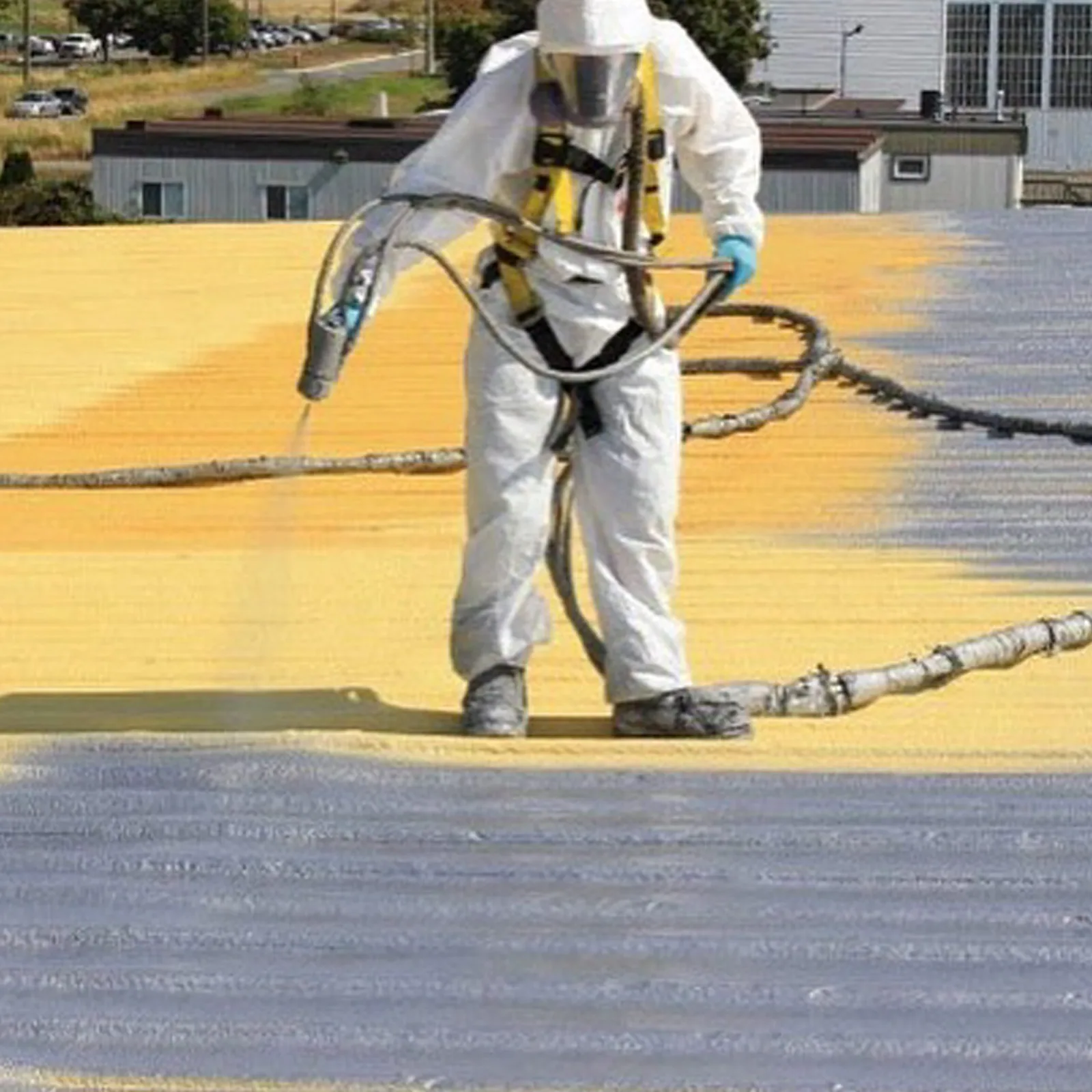
Inspect the Foam Surface
Spray polyurethane foam expands as it is applied, forming a continuous insulating layer. Its installed profile and the substrate slope determine how water moves toward outlets. The protective coating above it handles weather exposure. We look for thin coating, exposed foam, blisters, cracks, punctures, soft areas and places where the surface has separated. We record each condition by zone.
Foam depth and surface profile can vary at drains, curbs and transitions. We check whether water reaches the outlet and whether coating remains intact along the path. A low spot may hold water long enough to accelerate coating wear. We also inspect terminations and wall flashings because the foam surface has to connect continuously with those details. Photos show the defect, nearby drainage and the boundary that can be verified.
Foot traffic and trade work can puncture or compress foam, especially near equipment. We check service routes and whether walkway protection is needed. Patches require clean, sound foam; coating over a wet area would hide rather than correct it.
Read Heat and Rain Exposure
Alexandria’s summer heat affects coating application and curing conditions, but only an inspection can show how much protective film remains on a specific roof. We measure or otherwise assess the existing surface and compare the result with the selected product requirements before setting restoration scope.
Alexandria’s intense rainfall makes the foam profile and roof-outlet connections important inspection points. We trace the roof’s water path to drains and overflow points, looking for debris, ponding, coating splits and open transitions. Citywide flood exposure does not prove roof damage at an address. If the foam system meets another low-slope assembly at a drain or wall, a drain and scupper check can identify outlet conditions that need separate correction.
Coating work needs a dry, prepared substrate and weather conditions allowed by the product. We plan around surface temperature, dew, rainfall and cure time. We protect open foam if weather interrupts application. Product instructions and observed conditions set the work window.
Verify What Lies Below
A blister or soft area can result from moisture, adhesion loss or damage, and visual inspection may not distinguish them. We map the symptom, then consider a test cut to inspect foam condition and attachment beneath the coating. The owner approves the test location and repair method. We document what the opening reveals, including whether the foam is dry and cohesive or needs removal to a sound boundary.
An infrared moisture survey may help locate temperature patterns when suitable, but it does not replace a test cut for confirming foam condition. The report labels screened areas and verified openings separately. If water has traveled under the coating, its visible edge may not mark the full extent; additional checks can be needed before the crew closes the repair.
At penetrations, curbs and parapets, coating reinforcement needs a compatible transition and enough coverage over the repaired foam. We inspect prior patches and changes in material. Where equipment access has damaged a path, the repair plan may include a designated route. The owner receives a map of repaired sections and any areas that were not opened or could not be fully assessed.
Choose Patch, Recoat or Removal
A small puncture or isolated coating split can be patched when the surrounding foam is dry, firm and bonded. The crew removes loose material, prepares the surface, restores foam shape if required and applies compatible coating with reinforcement at the detail. We note the patch limits and any adjacent coating that has become too thin for a durable tie-in.
Recoat may suit a roof where foam remains sound but the protective layer needs renewal. Preparation can include cleaning, surface repairs, adhesion checks and detail reinforcement. A roof coating restoration scope states the coating system, coverage target and drain or flashing work. It should also distinguish restoration from correction of wet or deteriorated foam.
Widespread wet foam, poor adhesion or damaged substrate can point toward removal or a different roof assembly. A replacement review compares removal depth, deck condition, insulation and new-system transitions. We separate confirmed removal from concealed conditions and identify when a test opening could change quantities. The recommendation follows the foam and substrate observed, not a blanket assumption about the age of the roof.
Protect the Building During Work
Restoration may involve washing, scraping, foam repair, coating application and cure time. We coordinate odor considerations, access routes, roof equipment and protection below with the contact. Office and mixed-use properties near Eisenhower Avenue or Old Town may have different tenant hours and loading limits. We confirm the actual property’s operating needs before choosing the sequence and staging area.
Each opened section needs temporary protection if work pauses. We schedule around precipitation and keep a closure plan for exposed foam. Emergency leak response is available around the clock, including holidays, when active water entry needs attention before a planned restoration window. The scope says what temporary protection is included and who approves concealed repairs if testing reveals more damage.
Price and duration depend on foam condition, coating preparation, repair depth, access, equipment, test openings, drainage correction and how many zones need restoration. We list assumptions and approval points for coordination with other trades. A commercial inspection can capture the initial condition and provide photos for phasing.
Track the Restored Areas
Closeout should identify where foam was repaired, how coating was restored and which transitions were reinforced. We include photographs, product information, test locations and any untreated areas that still need monitoring. A map by roof zone makes it easier to compare later observations with the work completed.
For a building near Eisenhower East or Old Town North, keep the access notes and roof plan with that record. A condition report can organize repairs, screening results and future checks. Share recurring leaks and recent rooftop work when requesting an assessment so the inspection can focus on foam integrity and coating continuity.
Roof Systems
Commercial Roofing Questions
Can a spray foam roof be repaired after the coating wears through?
Often, if exposed foam is dry and cohesive. We remove loose coating, inspect or test the foam, shape the repair and apply a compatible protective layer. Wet or deteriorated foam must be removed to a sound boundary.
How do you tell whether foam under a blister is wet?
A visual blister does not confirm moisture. We map the area and can make an owner-approved test cut to inspect the foam and bond. Infrared screening may help select locations, but the opening provides direct evidence.
Can the foam roof simply be recoated?
Recoat is appropriate only after the existing foam and coating pass condition checks. Preparation, adhesion, surface moisture, drainage and flashing repairs all affect the scope. We state which areas receive coating and whether any foam requires separate removal.
What happens if water ponds on the foam roof?
We check the surface profile, outlet, overflow path and coating condition around the low area. Ponding does not alone establish failure, but persistent water can accelerate wear. The estimate separates drainage correction from foam or coating repairs.
Can other roof systems go over spray foam?
A new membrane requires review of foam condition, attachment, preparation, drainage and added height. We compare product requirements with verified conditions and identify any needed test openings or design review.
Inspect Spray Foam Roofing in Alexandria
Share the address, roof plan, leak history and access constraints. We will inspect the coating and foam, verify uncertain areas and outline a repair, recoat or replacement scope.