 Services
 Roof Systems
 Property Types
 Industries
 Damage Repair
 Capabilities
 Manufacturers
 Service Areas
Commercial Cool Roof Installation in Alexandria, VA
Commercial Roofing Services:
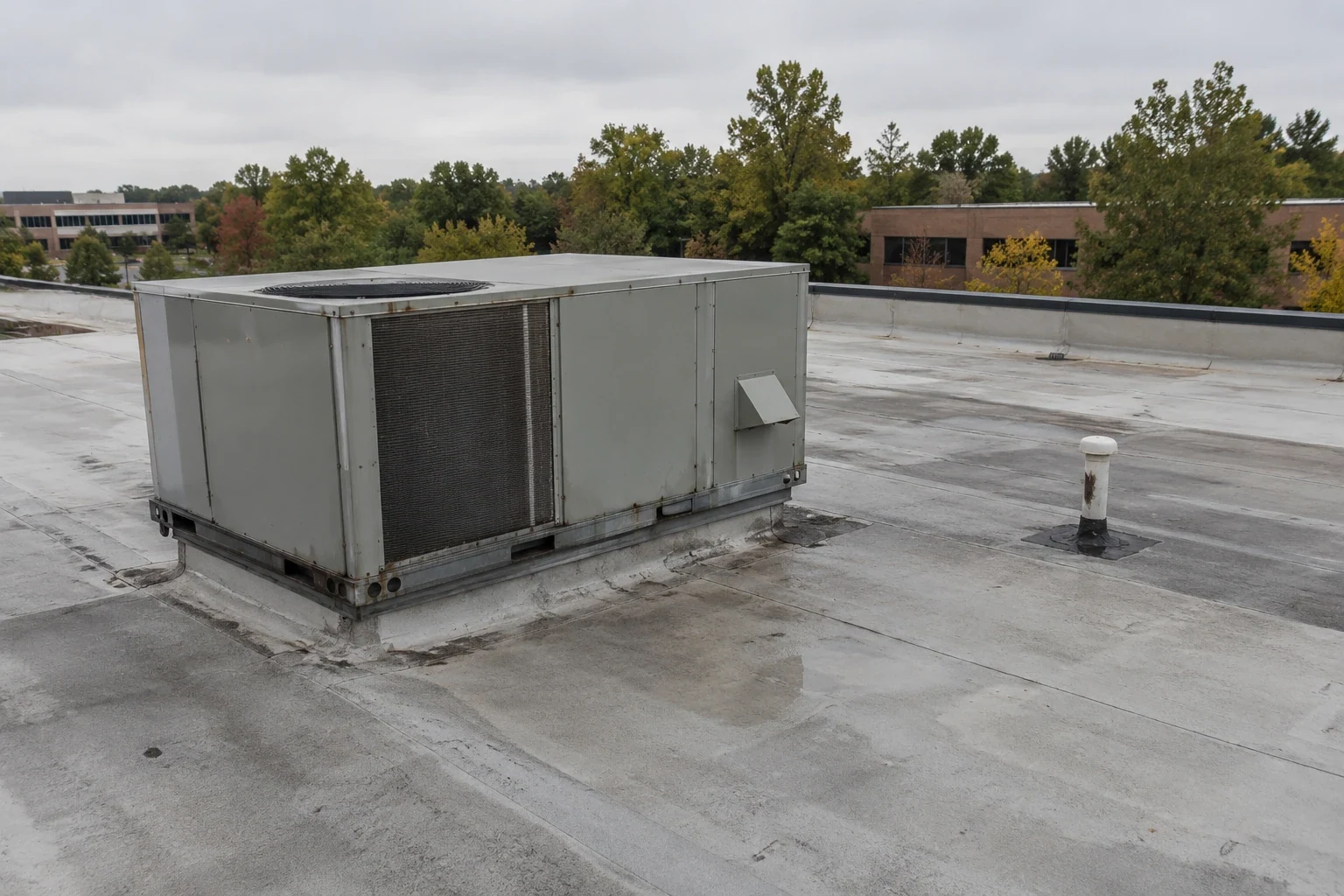
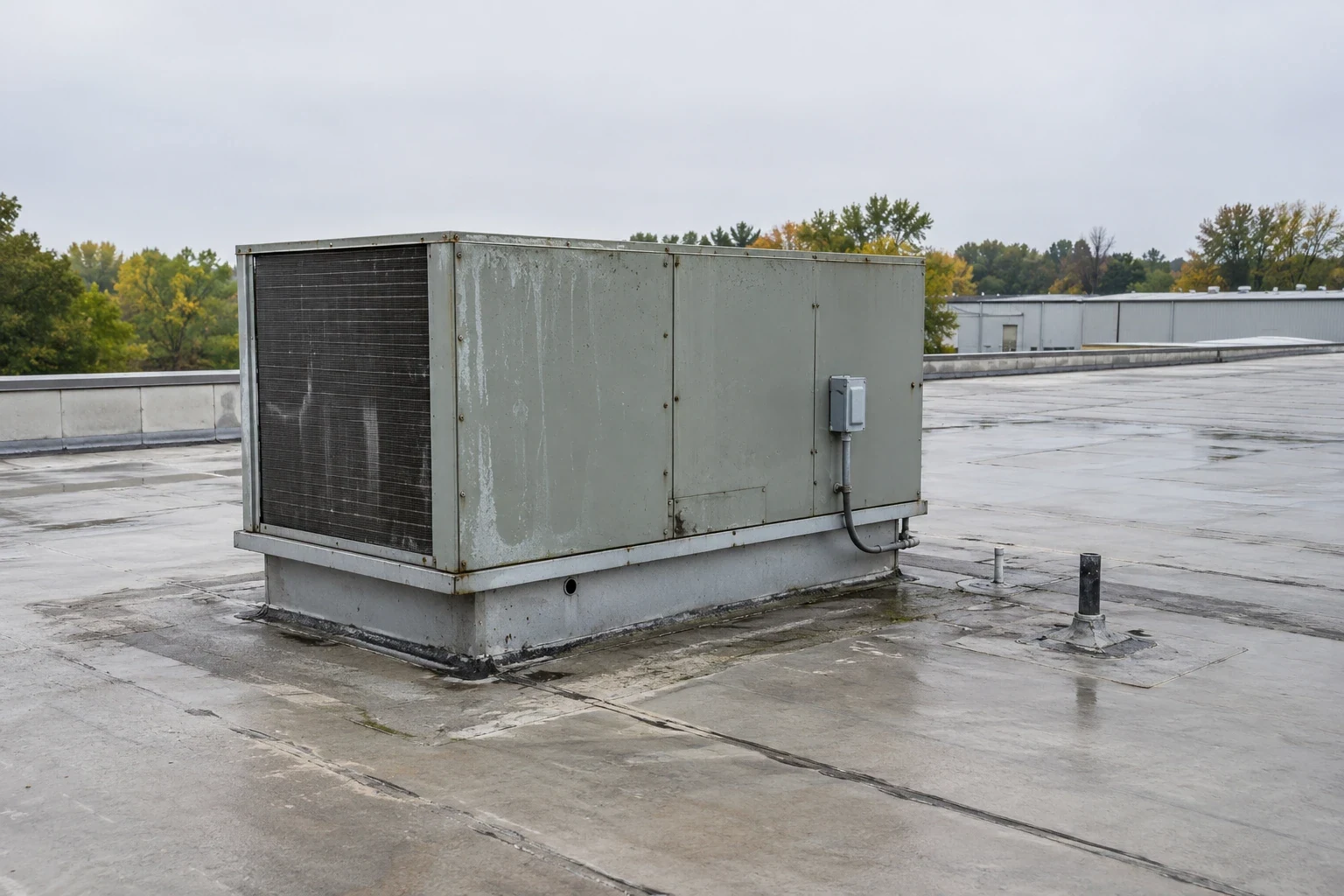
A sunlit roof in Eisenhower East can absorb heat across a broad membrane field, while rooftop equipment adds hot zones and shaded areas around curbs. A cool roof uses a reflective surface to reduce solar heat absorption at the roof. The benefit depends on the assembly, insulation, building use and existing conditions, so we inspect before choosing a system. Alexandria’s summer heat makes surface selection relevant, but a coating or membrane must still manage water and transitions.
We review roof plans, slope, drainage, membrane condition, insulation and penetrations before proposing installation. If the existing assembly is dry and stable, restoration may be possible; if it is deteriorated, replacement may offer a more complete correction. Carlyle office and mixed-use buildings and North Potomac Yard’s academic and office development have different access and operating constraints. A roof inspection can establish the condition to use in that decision.
Commercial Cool Roof Installation
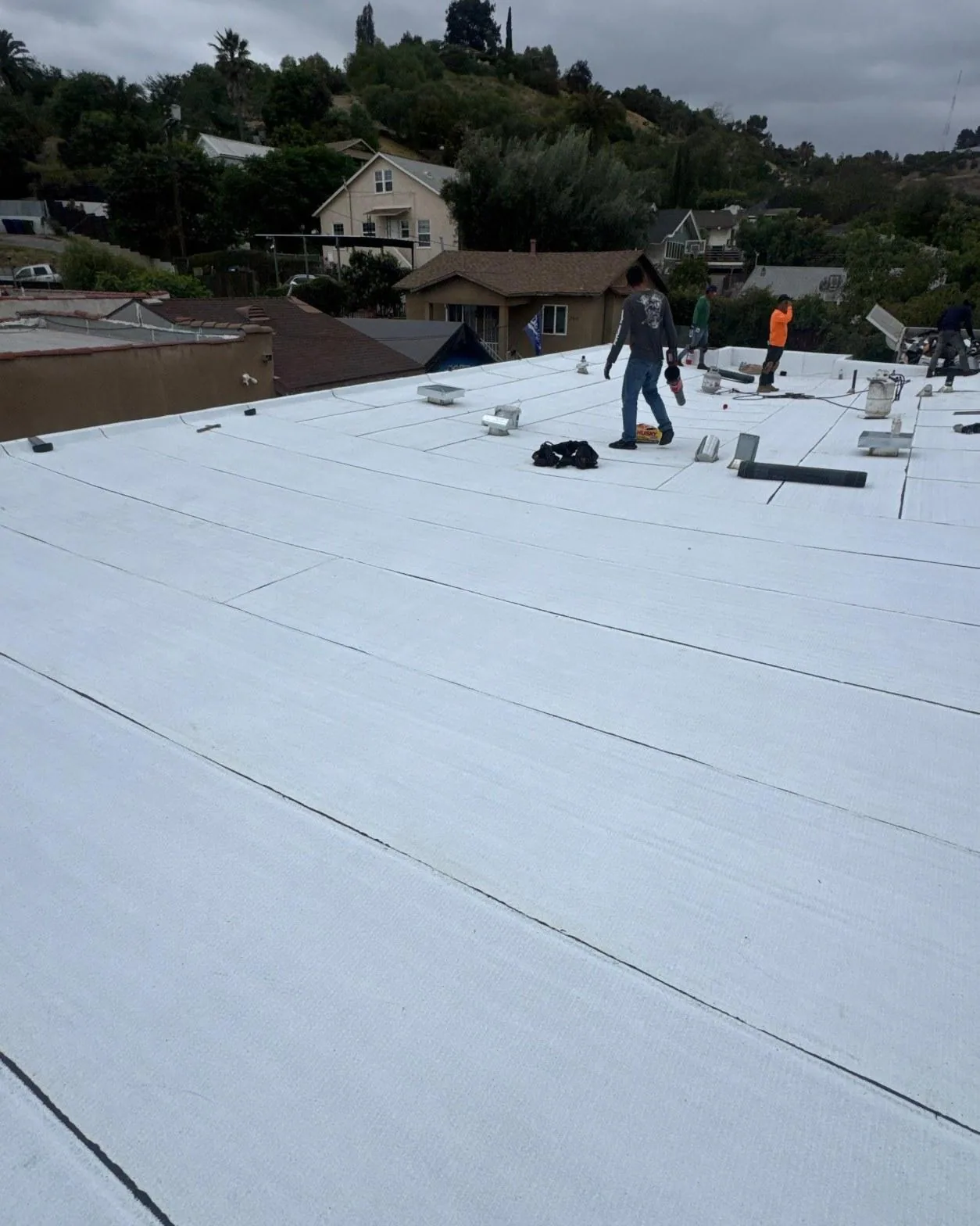
Match Reflectivity to the Roof
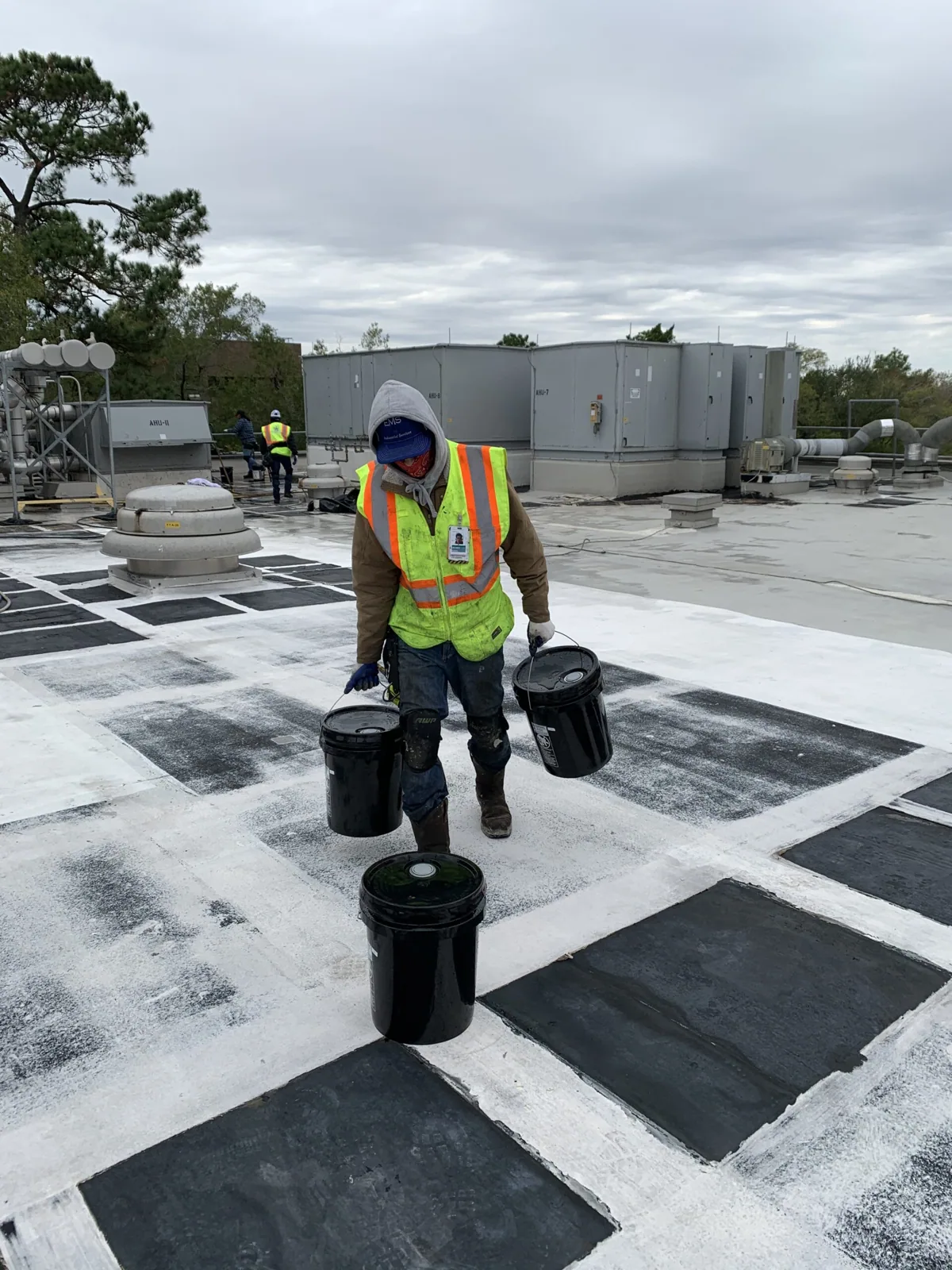
Reflective membrane or coating selection begins with the roof assembly and project requirements. We discuss whether a new membrane, coating restoration or replacement fits the surface, insulation, slope and repair history. The proposal names the material and preparation, then explains how the system turns up at parapets and curbs, connects to drains and terminates at the edge. A bright surface alone is not a complete roof plan.
Thermal performance depends on more than the color of the top layer. Existing insulation, air leakage, ventilation, rooftop units and interior operations also affect building conditions. We avoid promising a specific indoor temperature or energy reduction without project data. If energy performance is part of the project, the owner can coordinate the roofing scope with its building engineer and energy analysis.
At Washington National Airport, the 1991 to 2020 climate normals put July’s typical high at 89.6°F and mean temperature at 81.0°F. Those regional readings make reflectivity worth evaluating, but they cannot predict cooling savings at a building. We inspect insulation, air leakage, ventilation and equipment before describing the expected effect. A TPO membrane option or coating restoration can be considered when the roof supports it.
Check the Existing Roof First
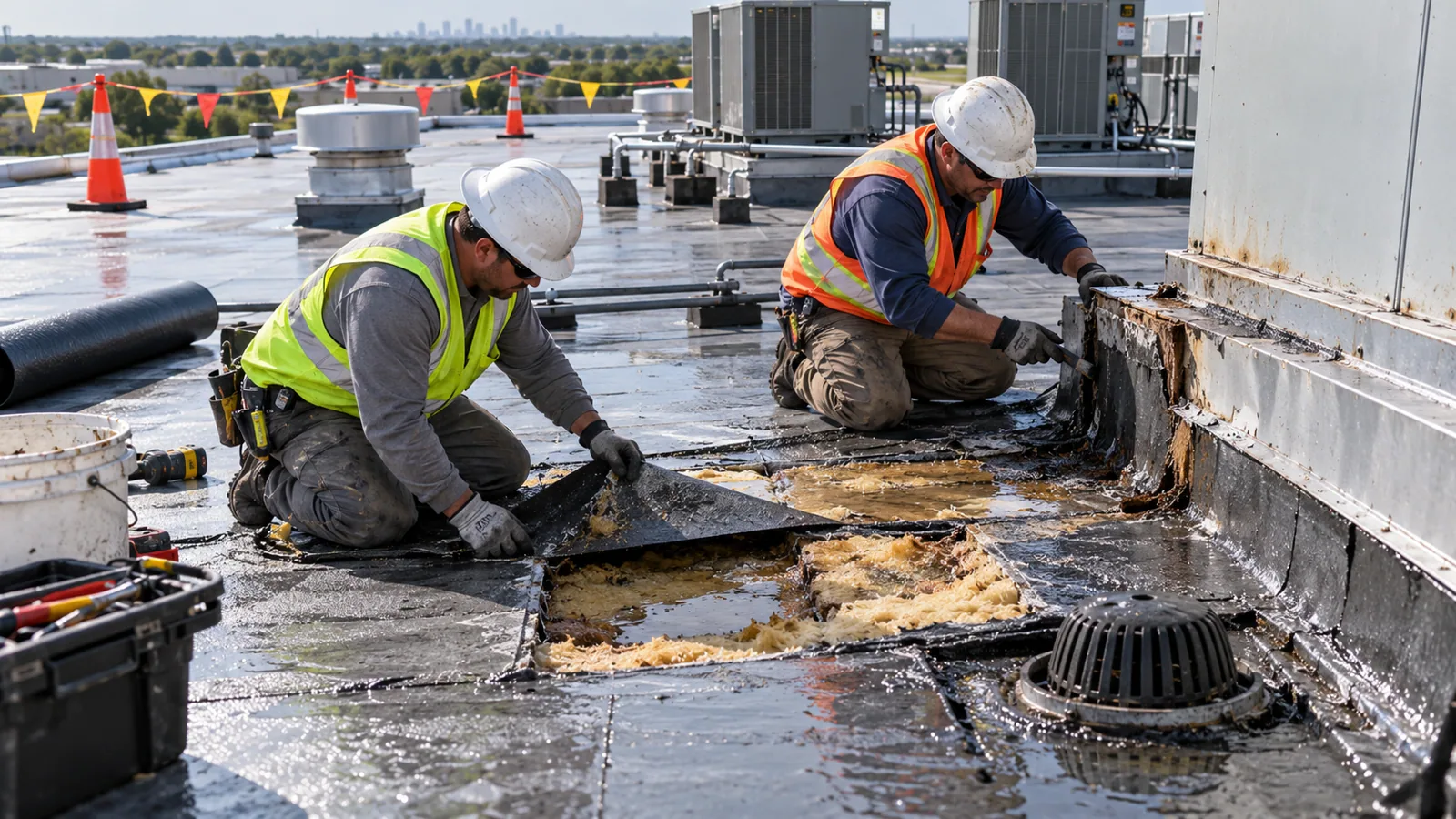
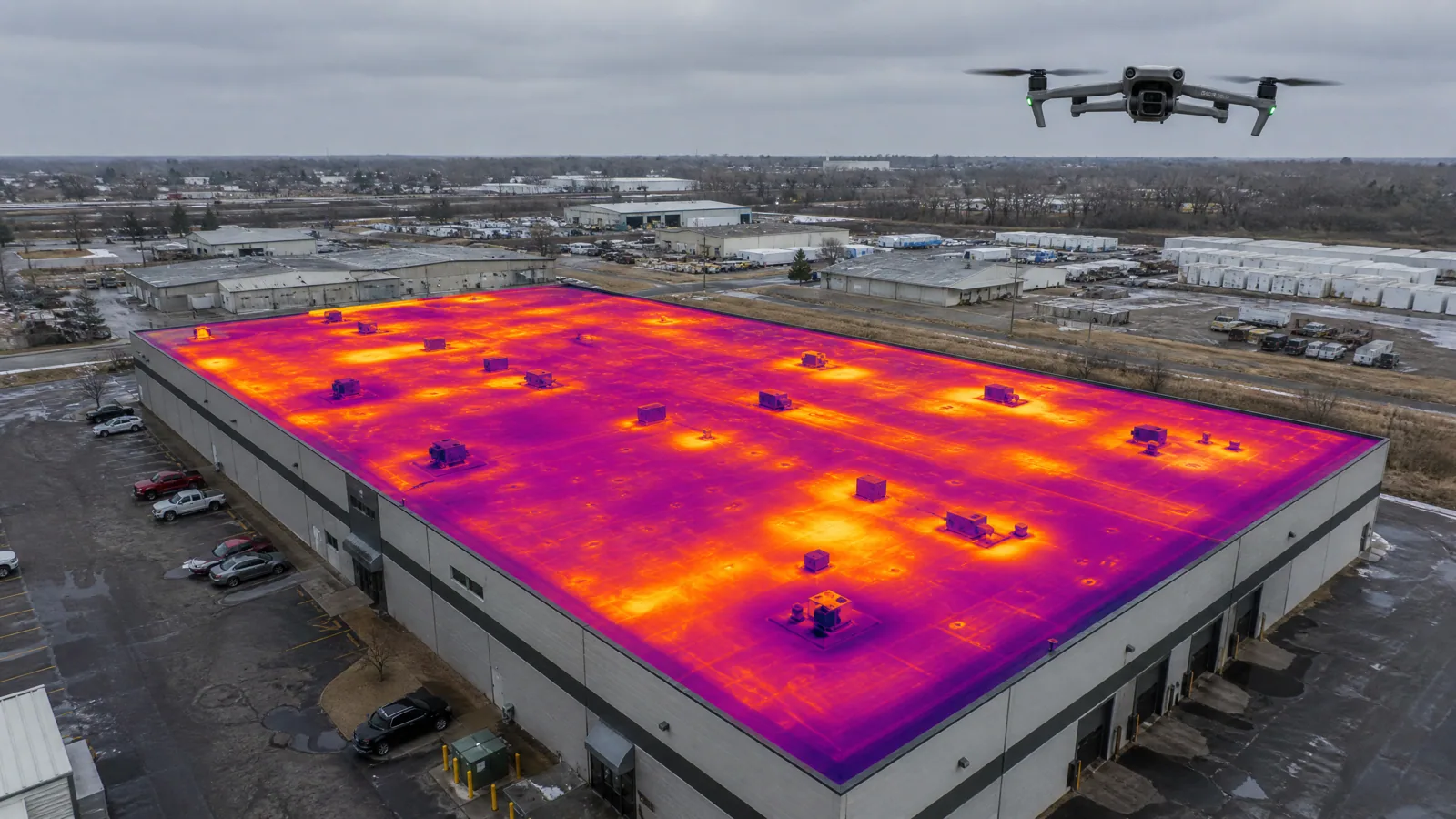
Before installation, we inspect seams, flashing, drains, edge metal, rooftop equipment and prior patches. An active leak or loose membrane needs repair before a reflective surface is applied. If moisture may be trapped below, a test opening can confirm the layers and set a removal boundary. A thermal survey may guide test points when conditions allow, but readings require a test opening.
Coating systems need a clean, dry and compatible substrate. The scope should identify cleaning, removal of loose material, repairs, primer or reinforcement, and application boundaries. A new reflective membrane needs appropriate insulation, attachment and detail work. We inspect the existing surface and test compatibility before specifying coating preparation and application.
If existing drains are low, a new assembly can reduce their effective height. Scuppers and overflow points also need to clear the finished roof. We review slopes, ponding and curb heights before material is chosen. A drainage correction or tapered insulation may be needed to protect the new roof from standing water.
Detail Heat and Water Transitions
At roof edges, walls, curbs and penetrations, flashing must remain secure as the assembly moves through temperature changes. We check parapet corners, termination points and metal transitions, then specify how the reflective surface connects to each detail. A perimeter review can include coping, edge metal and gutters when the roof plan changes the finished height.
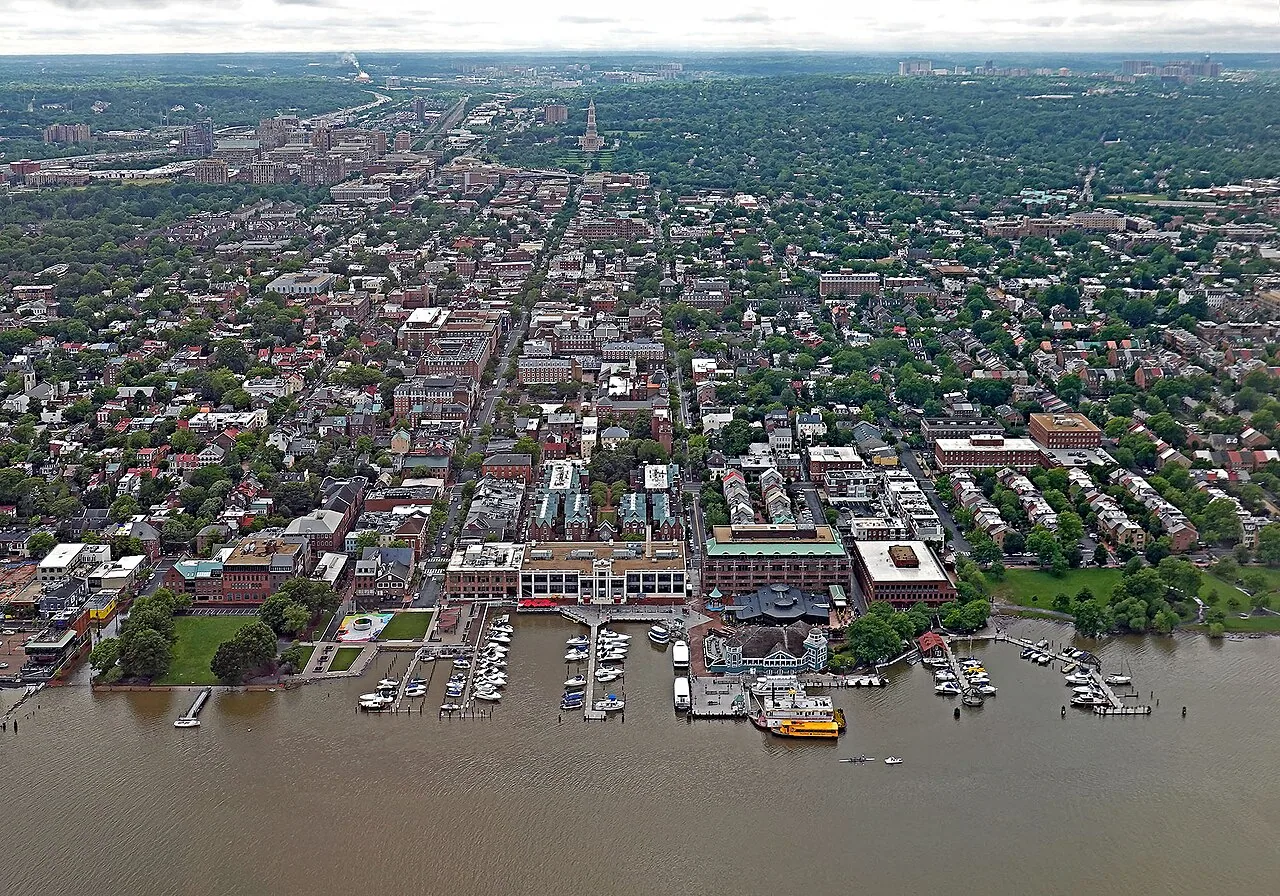
Alexandria’s low elevation and Potomac proximity make heavy-rain runoff and overflow routes important to review. Reflectivity does not change how the roof drains. We identify where water travels, whether a low area persists and how a backup outlet functions. If the roof sits near an active redevelopment or occupied property, we confirm the actual staging and discharge limits with the site contact.
At Old Town North, commercial and retail properties exist beside redevelopment of the former Potomac River Generating Station site. North Potomac Yard has Virginia Tech’s academic campus and approved office blocks. The property contact provides current access and staging requirements, and the project plans govern installation details. We coordinate operation and delivery windows for each address.
Plan Installation and Occupancy
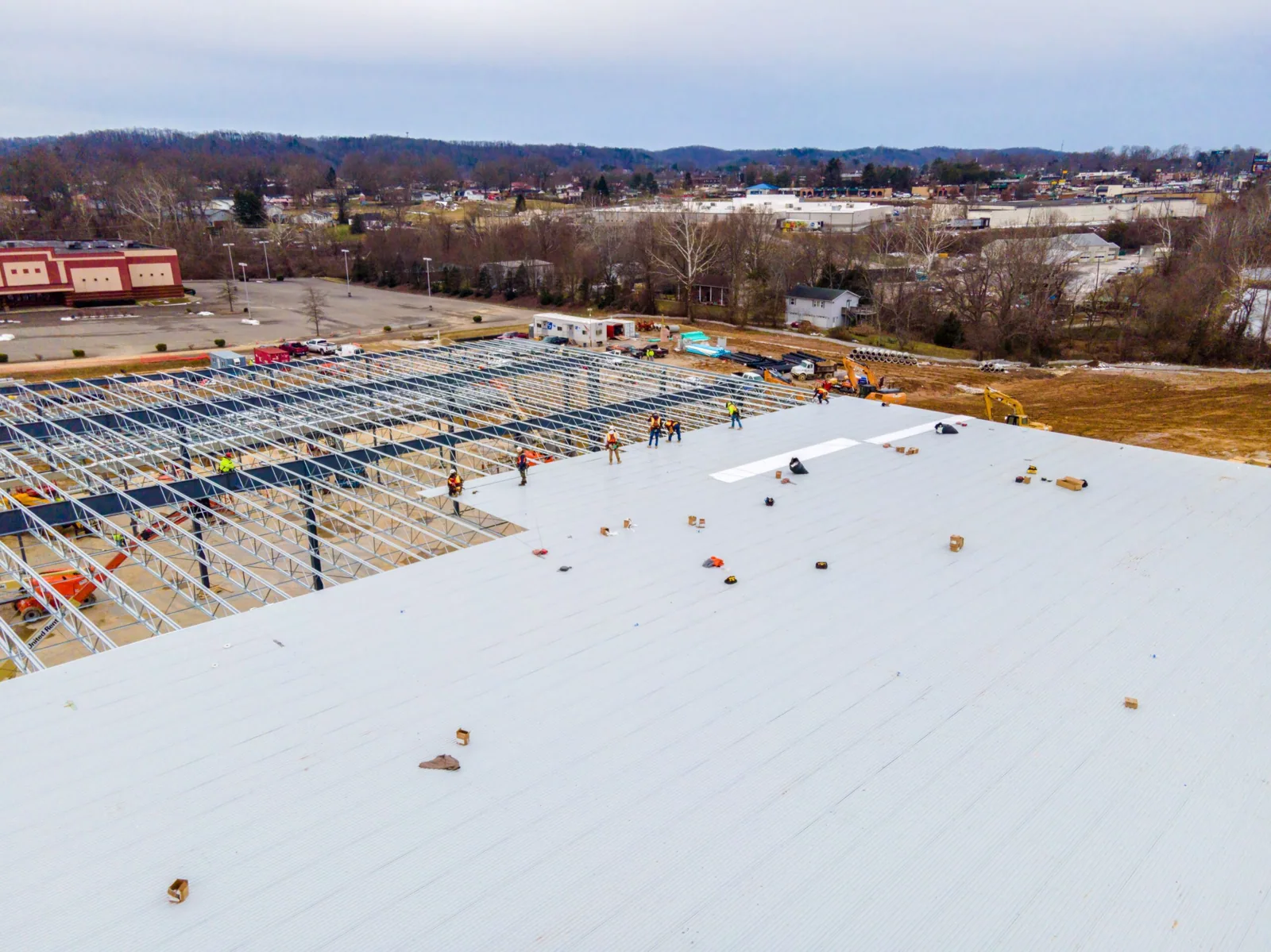
Installation timing depends on surface preparation, membrane or coating type, weather window, roof access and how much of the building can be worked at once. We divide the roof into secure phases and specify the stopping point for each day. If rain, dew or a wet surface interrupts preparation, the crew protects the exposed area and returns when the system can be installed correctly.
For an occupied office or institution, we coordinate tenant notice, roof access, equipment shutdowns and material staging with the building contact. Carlyle and Eisenhower East properties may have loading constraints and mechanical schedules. North Potomac Yard’s campus and office projects have their own access controls. The property manager identifies those requirements before crews arrive, and the sequence reflects the specific building.
Cost depends on whether the work is a coating or membrane replacement, surface preparation, insulation changes, edge and drain details, test openings and access. We separate optional upgrades from required repairs and identify assumptions about hidden layers. If the roof needs broader removal, a replacement scope can compare the full assembly with a restoration alternative.
Track the Finished System
After installation, we photograph field areas, transitions, drains and equipment curbs, and record the assembly and materials used. Closeout identifies repairs completed and any existing condition left outside the scope. The manager can retain that information with roof plans and maintenance records so future service can match the installed system.
Cool surfaces still need routine inspection. Debris, punctures, open seams and drain blockage can affect performance regardless of reflectivity. A maintenance schedule can recheck drainage and flashing, while a condition report can track the new assembly within a broader building program.
Share the Alexandria address, roof history, plans, access window and the goal for a reflective roof. We will inspect the existing system, explain suitable options and outline preparation, drainage and transition work. The scope identifies the roof system, measured areas and any performance assumptions that need building-specific analysis.
Commercial Roofing Services
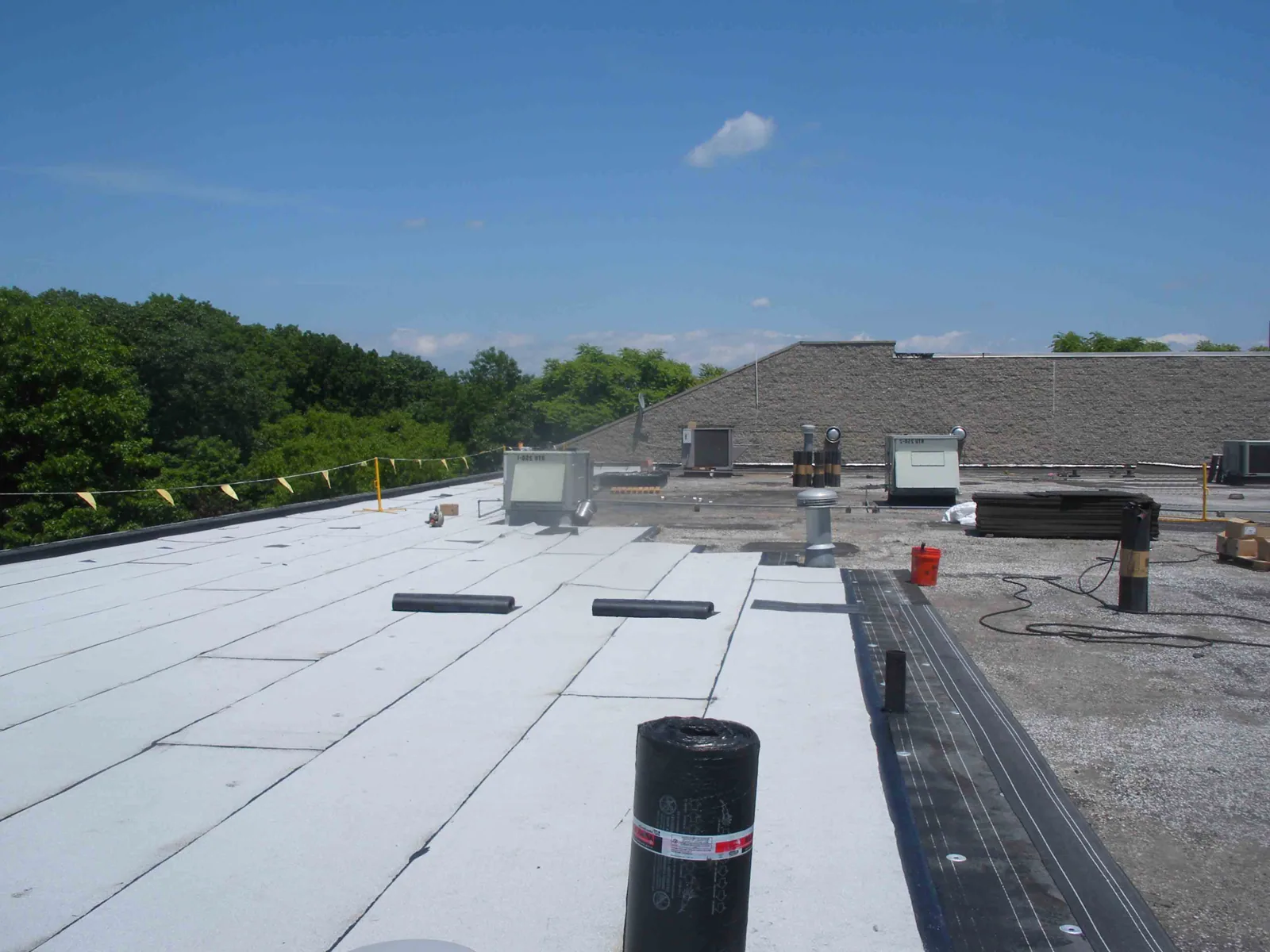
Commercial Roofing Questions
Will a cool roof lower my building’s energy bills?
A reflective surface can reduce solar heat absorption at the roof, but energy use also depends on insulation, HVAC performance, controls, occupancy and building design. We can specify the roof layer and its scope. A building engineer or energy analysis is needed for a property-specific savings estimate.
Can you apply a reflective coating over my existing roof?
Only when the surface is sound, compatible and dry enough for the system. We check seams, repairs, drainage and moisture, then identify preparation and reinforcement. If the assembly is wet or unstable, a coating may not be suitable until the underlying condition is corrected.
Does a reflective roof need different drainage?
Reflectivity does not move water. New membrane or insulation height can affect drains, scuppers and overflow openings, so we review them with the proposed assembly. Persistent ponding may require correction before installation rather than relying on a reflective surface to solve it.
What changes when installing on an occupied Alexandria office?
The plan may need phased access, loading reservations, tenant notice and rooftop equipment coordination. We confirm the building’s operating constraints before setting daily work zones. The estimate identifies preparation, weather protection and any areas that need separate access or shutdown approval.
Should we compare coating with replacement?
Yes, when the existing roof may support either option. A coating needs a compatible and stable surface, while replacement exposes the assembly and allows broader insulation or deck work. We inspect the roof and present separate scopes if both paths are technically supportable.
Plan a Reflective Roof
Send the Alexandria address, roof plans, leak history, operating limits and what you want a reflective system to accomplish. We will assess the existing assembly and outline suitable installation options without assuming a savings outcome.