 Services
 Roof Systems
 Property Types
 Industries
 Damage Repair
 Capabilities
 Manufacturers
 Service Areas
Commercial Roof Coating Restoration in Alexandria, VA
Commercial Roofing Services:
A coating will follow the roof beneath it, including any loose seam, wet insulation or ponding area left uncorrected. In Alexandria, summer heat and intense rain make surface condition and drainage important parts of a restoration decision. We first check whether the existing assembly is dry, stable and suitable for a coating system. If it is, preparation and detail work can renew a serviceable surface without using it to cover unresolved damage.
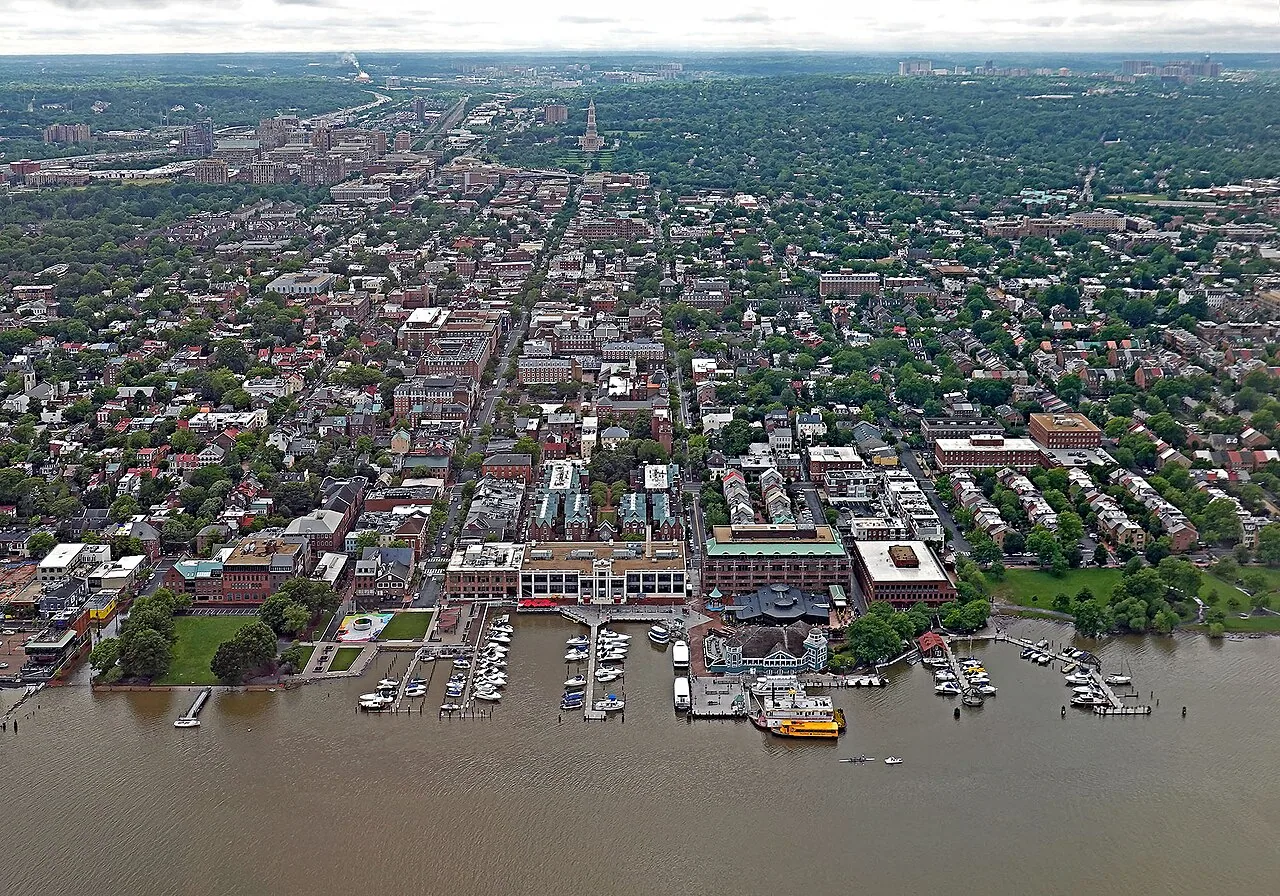
Carlyle and Eisenhower East contain office and mixed-use buildings where rooftop access, equipment and occupied floors affect the work sequence. We inspect the surface, identify repairs, confirm drain and edge details, and state what preparation is included. If the assembly does not meet the conditions for restoration, a replacement evaluation or a recover comparison may be more appropriate. The proposal shows why the recommended scope fits the roof.
Commercial Roof Coating Restoration
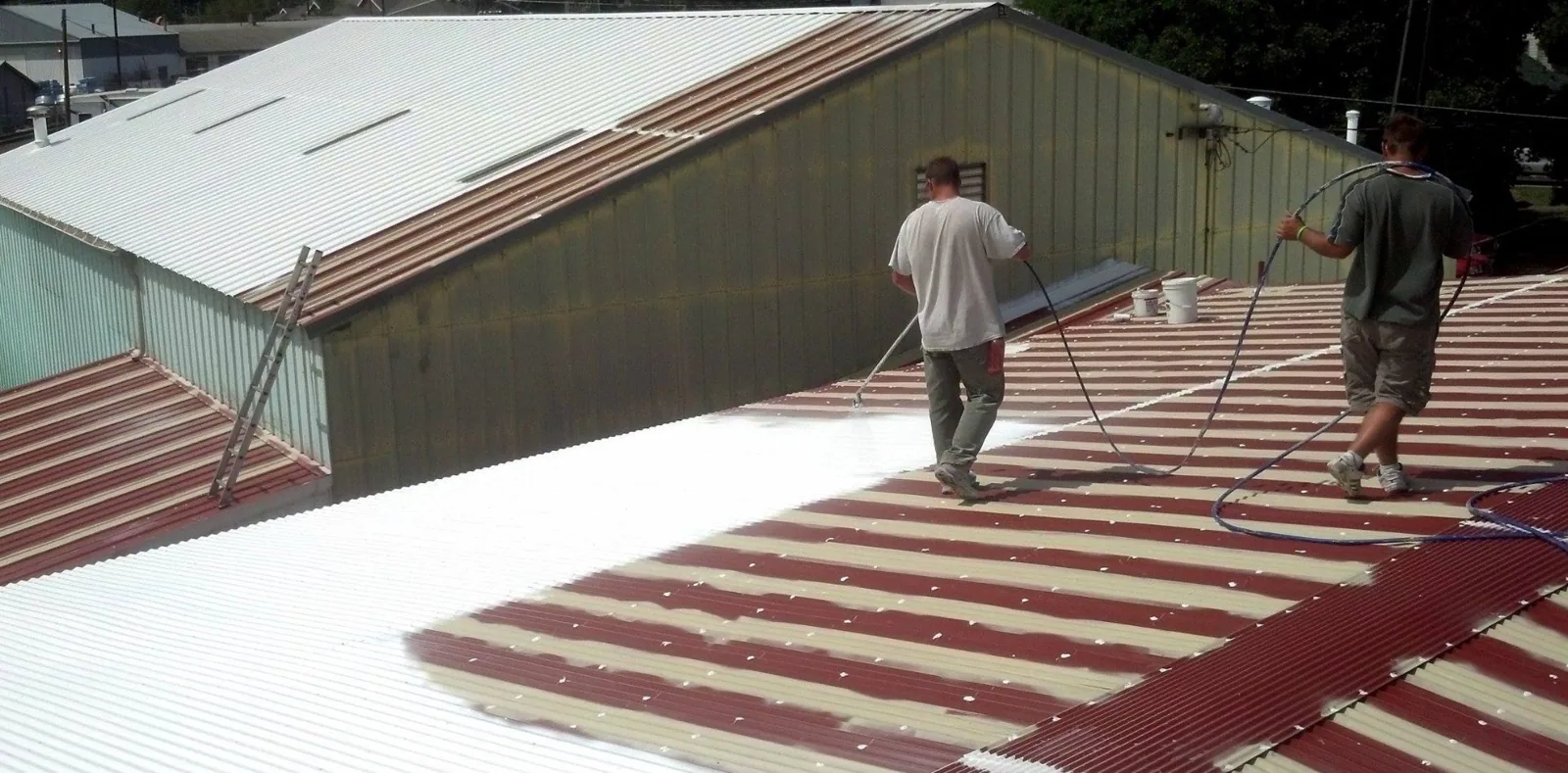
Check the Existing Assembly
Before recommending a coating, we review visible membrane or surfacing condition, prior repairs, seam attachment, flashing, penetrations, drainage and signs of moisture. A coating requires a compatible base. Loose material, active leaks, widespread wet insulation or a deteriorated deck must be addressed before a restoration system can be considered. Test openings may be needed where concealed layers could change the decision.
We identify the roof system where possible and check whether old coatings or patches will affect adhesion. A small test area can confirm preparation and bond expectations when the existing surface is uncertain. The scope should note cleaning, removal of loose material, primer if required, reinforcement at details and any repairs completed before the field coating. A surface that cannot be made sound should not be described as ready for restoration.
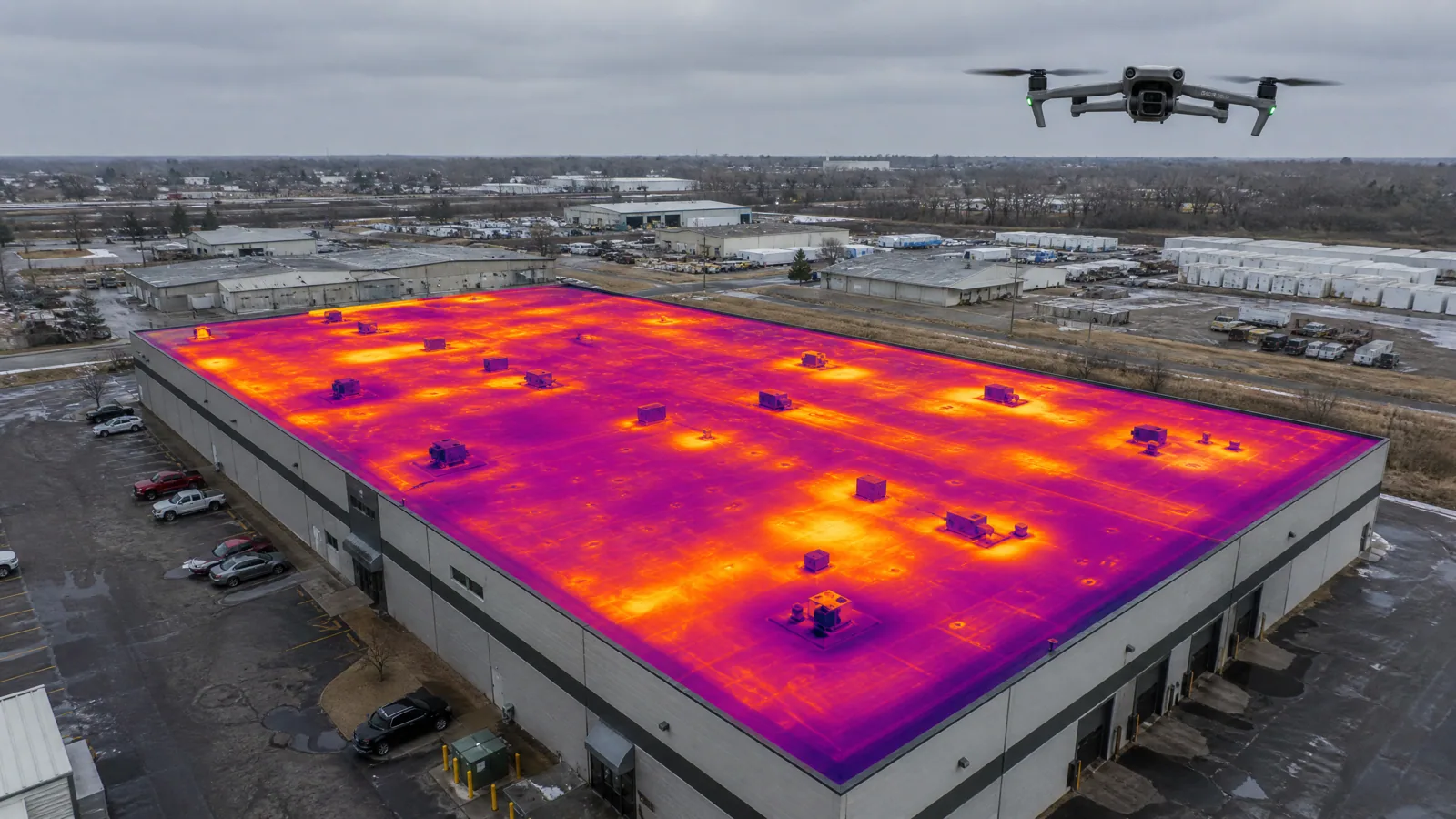
The owner also needs a realistic view of where coating applies. It may restore an eligible roof, but it does not correct a failed drain, reset low equipment curbs or replace insulation that is wet beneath the surface. We show these items separately so an owner can compare coating with a more complete assembly correction. A targeted moisture survey can help choose test locations when conditions support thermal interpretation.
Prepare Seams and Transitions
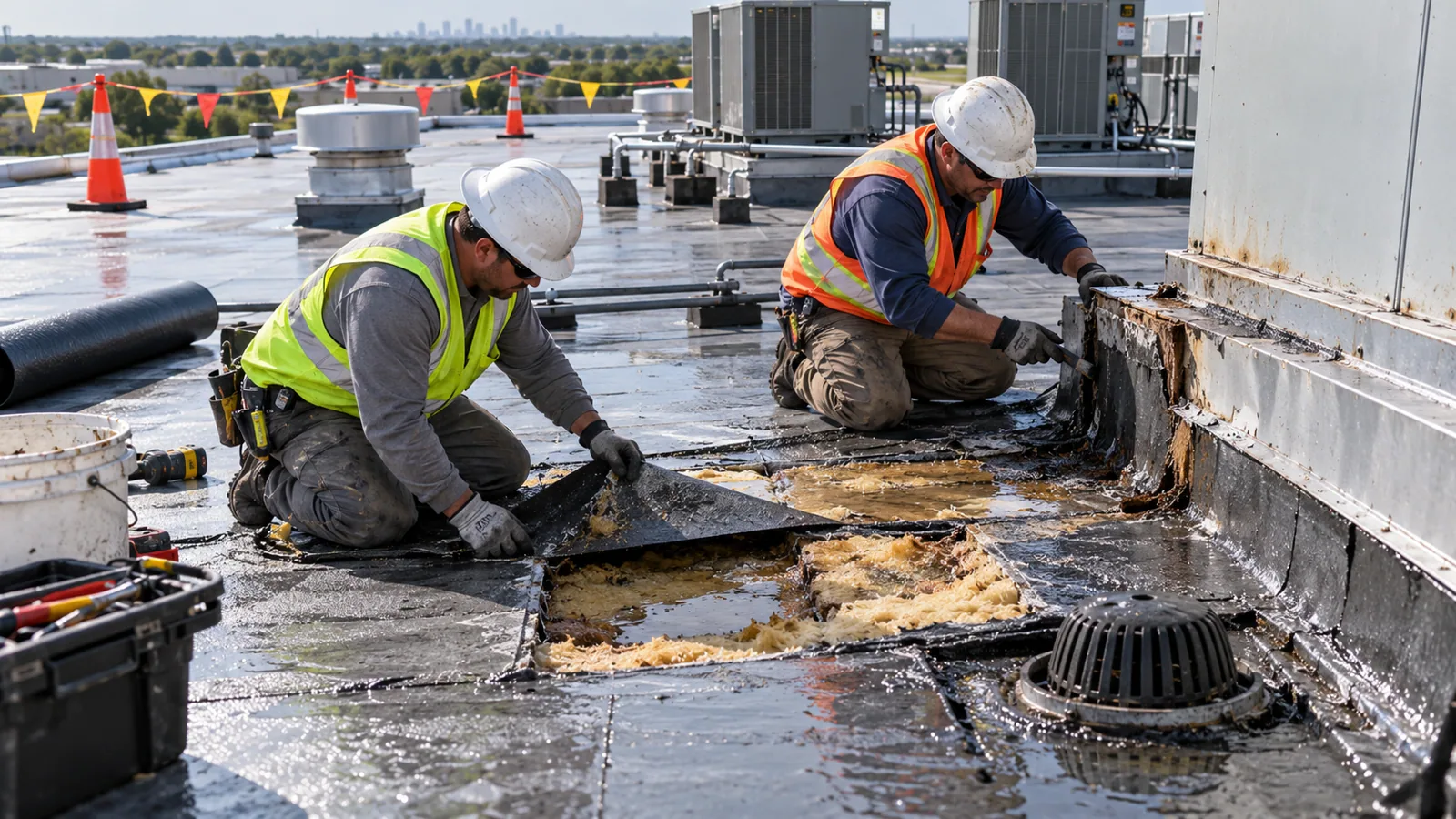
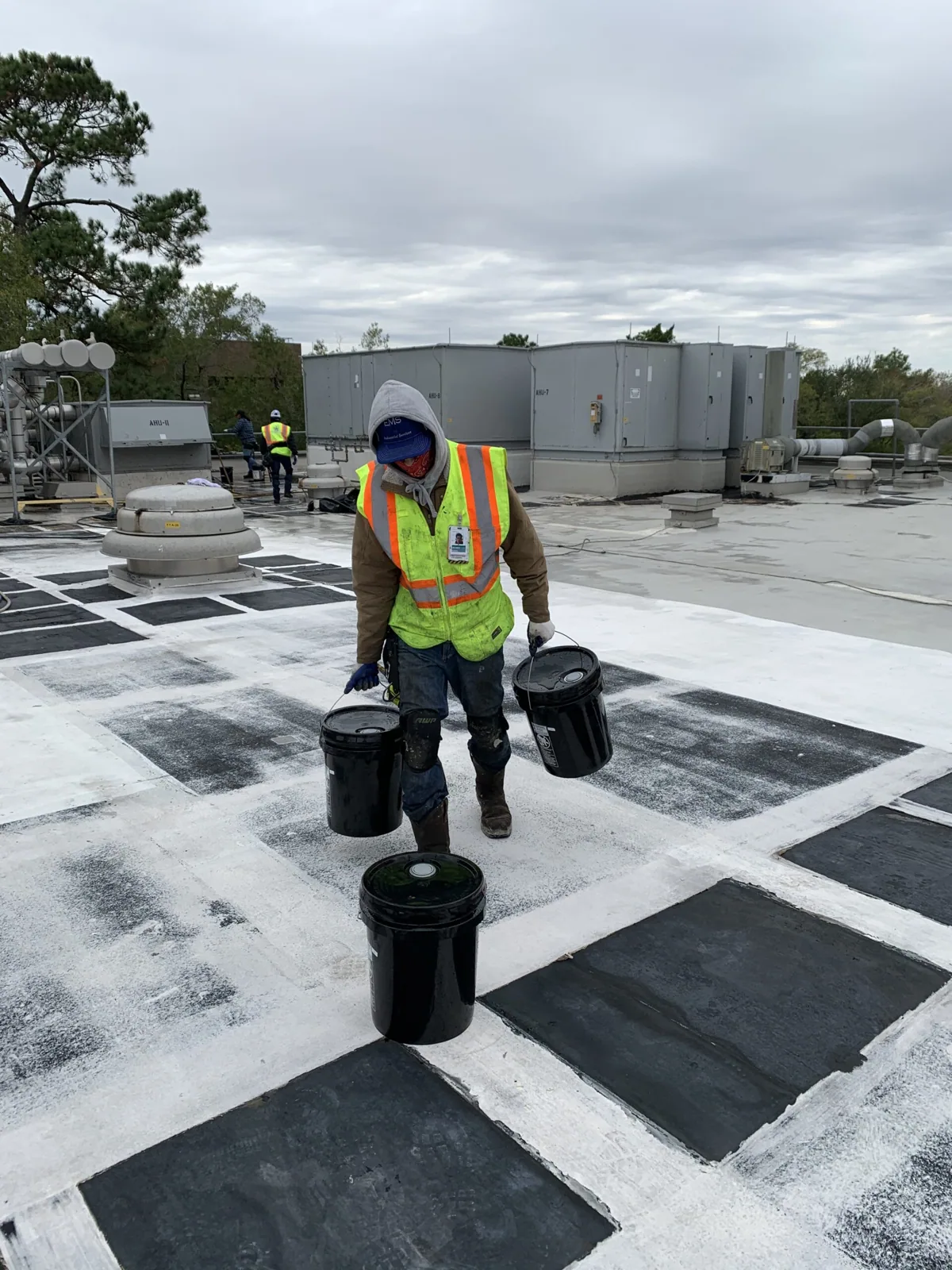
Surface preparation determines whether a coating can bond evenly. We remove loose material, clean the roof as the system requires and allow the surface to dry before application. Repairs to seams, punctures, blisters and flashing are completed or included as separate line items. We protect drains and equipment from coating material, and check that runoff will not carry debris or residue into a drain bowl.
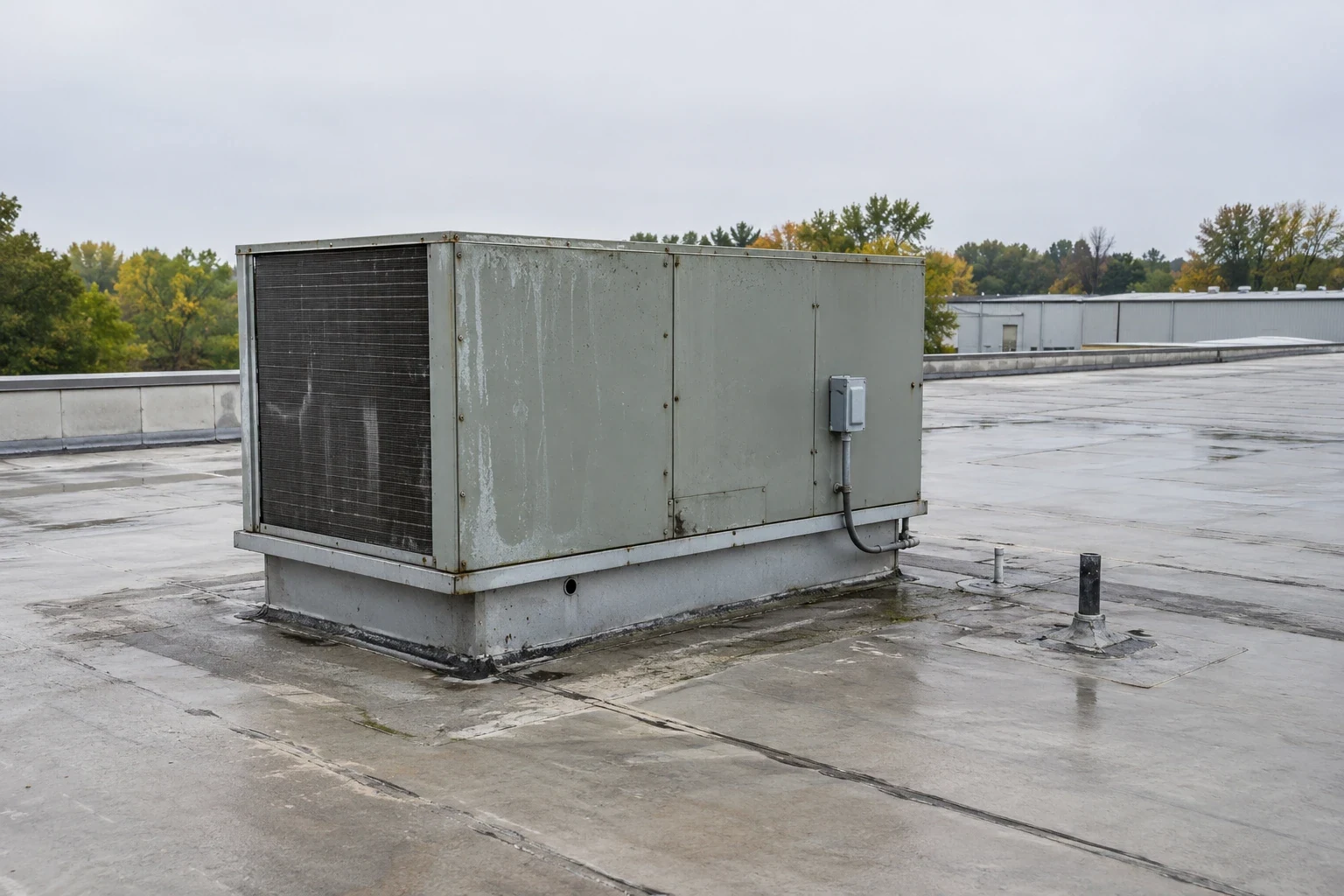
Details need their own treatment. Parapet corners, curb bases, penetrations, expansion joints and edge metal can move differently from the field surface. We identify where reinforcement or flashing work is needed and show the transition that the coating must bridge. If a curb is too low or a drain needs rebuilding, that is a separate correction rather than a coating thickness adjustment.
The 1991-2020 Washington National Airport record gives a July normal high of 89.6°F. We use current surface conditions and the selected product’s preparation and cure requirements to set the work window. Rain, dew, humidity and cold can affect preparation or cure; the schedule must leave enough time for the system to set before exposure to water. The crew records the work areas and any weather delay that changes the sequence.
Match the Coating to the Roof
Silicone and acrylic coatings differ. We select for the existing membrane, slope, ponding, preparation, traffic and project requirements, using a compatible silicone system where appropriate. The proposal identifies the chosen material and application plan rather than treating all reflective coatings as interchangeable. A coating over an incompatible surface can lose adhesion or fail at the seams and edges where water moves.
We detail coverage at penetrations, drains, walls, metal and flashing transitions. If the roof holds water after rain, the scope should address whether drainage correction is needed first. A coating may tolerate some exposure but does not make persistent ponding harmless. We document any low area that remains and separate that condition from the restored field.
Alexandria construction projects use the 2021 Virginia Codes. We share assembly information for project review and identify when drawings or testing are needed.
Plan Access and Application
Coating work needs a clean staging area, water and power as required by the selected method, and a path to each roof zone. We coordinate with the building contact about service hatch access, tenant notice, loading and rooftop equipment. Old Town commercial buildings and North Potomac Yard’s academic and office properties can have different operating schedules. We confirm the route and work window at the address rather than assume that a district name sets access.
On an occupied building, we identify work zones and keep drains, exits and equipment routes usable as the work progresses. The daily plan states which sections are being prepared or coated and how they will be protected if conditions change. Odor, noise, overspray controls and ventilation needs depend on material and site layout; the manager should know those conditions before application begins.
Cost and duration depend on cleaning and prep, repairs, material quantity, reinforcement, access, weather windows and the number of detail transitions. A roof with extensive old patches may need more preparation than a uniform surface. We separate base restoration from optional repairs and clarify what might change after testing or surface preparation reveals a hidden condition.
Document the Restored Surface
After application, the closeout record identifies areas coated, materials used, repairs completed, photographs and conditions left outside the scope. We note any transition that needs observation and the maintenance steps relevant to the completed system. The record helps a later manager understand where the restoration ends and what remained an independent roof issue.
The Landmark / Van Dorn redevelopment plan includes planned Inova Alexandria Hospital and related medical facilities. North Potomac Yard includes Virginia Tech’s campus and office development; neither fact establishes an individual roof’s construction. At each address we coordinate access with the site contact. A heat and UV review can document related surface concerns.
If the existing roof is suitable, restoration may be one option alongside repair and replacement. A hands-on roof inspection can document the assembly before scope selection. For localized damage, a repair assessment may be sufficient; widespread deterioration may justify replacement review. Each proposal should identify its work boundary and assumptions.
Commercial Roofing Services
Commercial Roofing Questions
Can coating go over a roof with a known leak?
The leak and its source need correction before field coating is considered. We inspect the opening, check whether moisture has spread and repair the detail with compatible materials. If insulation is wet or the assembly is unstable, those conditions can make coating unsuitable until corrected.
How do you decide whether a roof can be coated?
We check whether the surface is stable and compatible, seams and flashing can be repaired, and moisture conditions support retention. Test openings or a small adhesion check may be useful when the assembly is uncertain. The estimate explains the conditions that make restoration eligible and the limits that remain.
Does roof coating fix standing water?
Coating does not change roof slope or clear a blocked drain. We inspect the drainage route and identify whether a drain or low area needs correction first. If water remains after a storm, the proposal should state how that condition will be handled rather than cover it and leave the cause untouched.
How does Alexandria weather affect coating work?
Application depends on dry surface conditions and the selected material’s temperature, humidity and cure requirements. Summer heat can raise roof surface temperatures, while rain or dew can interrupt preparation. We schedule work around actual conditions and state how a delay changes the exposed work area.
What should the coating estimate include?
The estimate should identify cleaning, repairs, primers or reinforcement, field application, details, drainage corrections and access limits. We note the existing roof information and which conditions remain concealed. Separate line items help the owner compare restoration with recover or replacement using the same roof facts.
Check Coating Eligibility
Send the Alexandria address, roof history, leak locations, prior coatings and access window. We will inspect the surface, verify uncertain layers and outline preparation, repairs and restoration limits.