
 Services
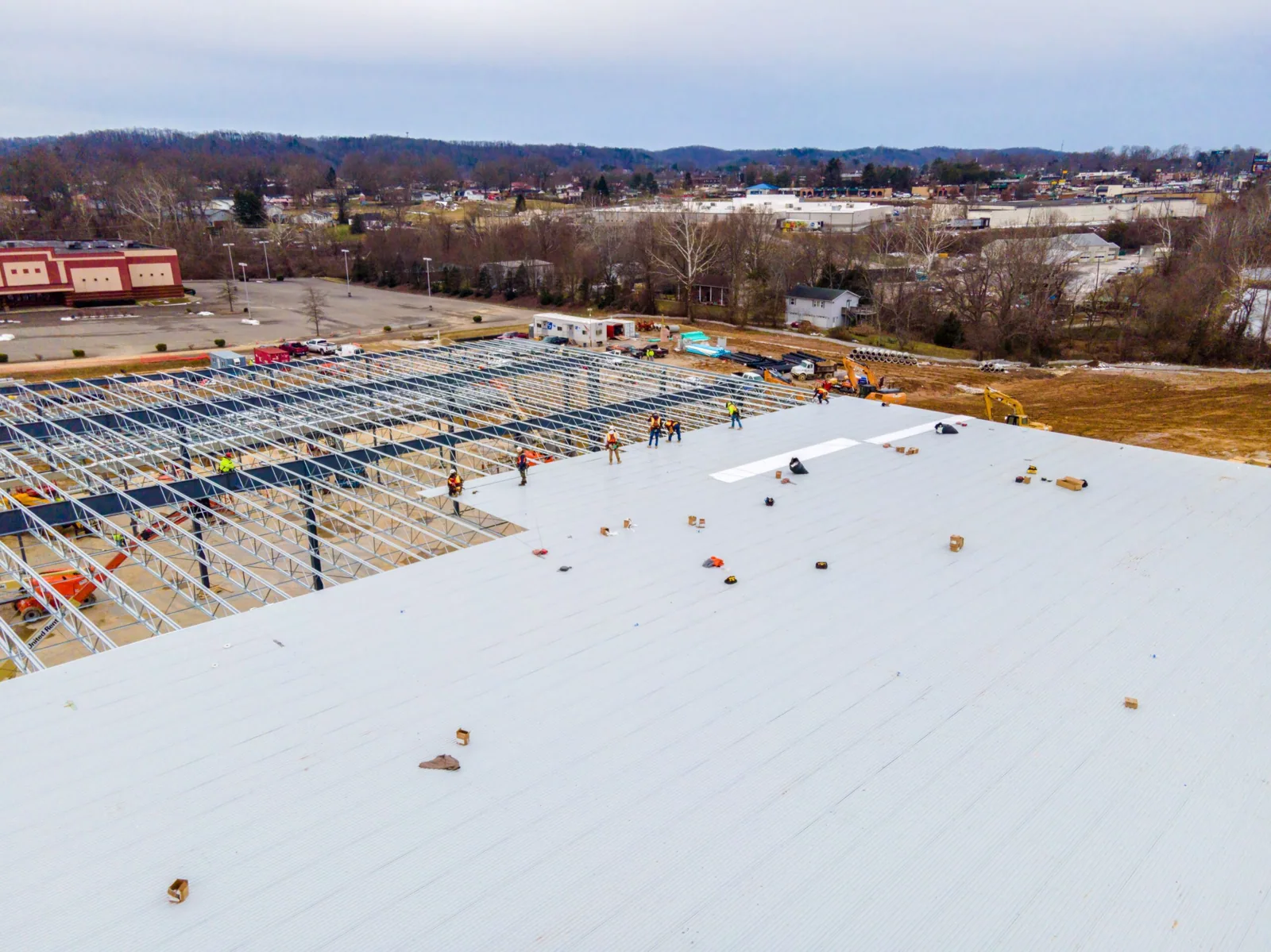 Roof Systems
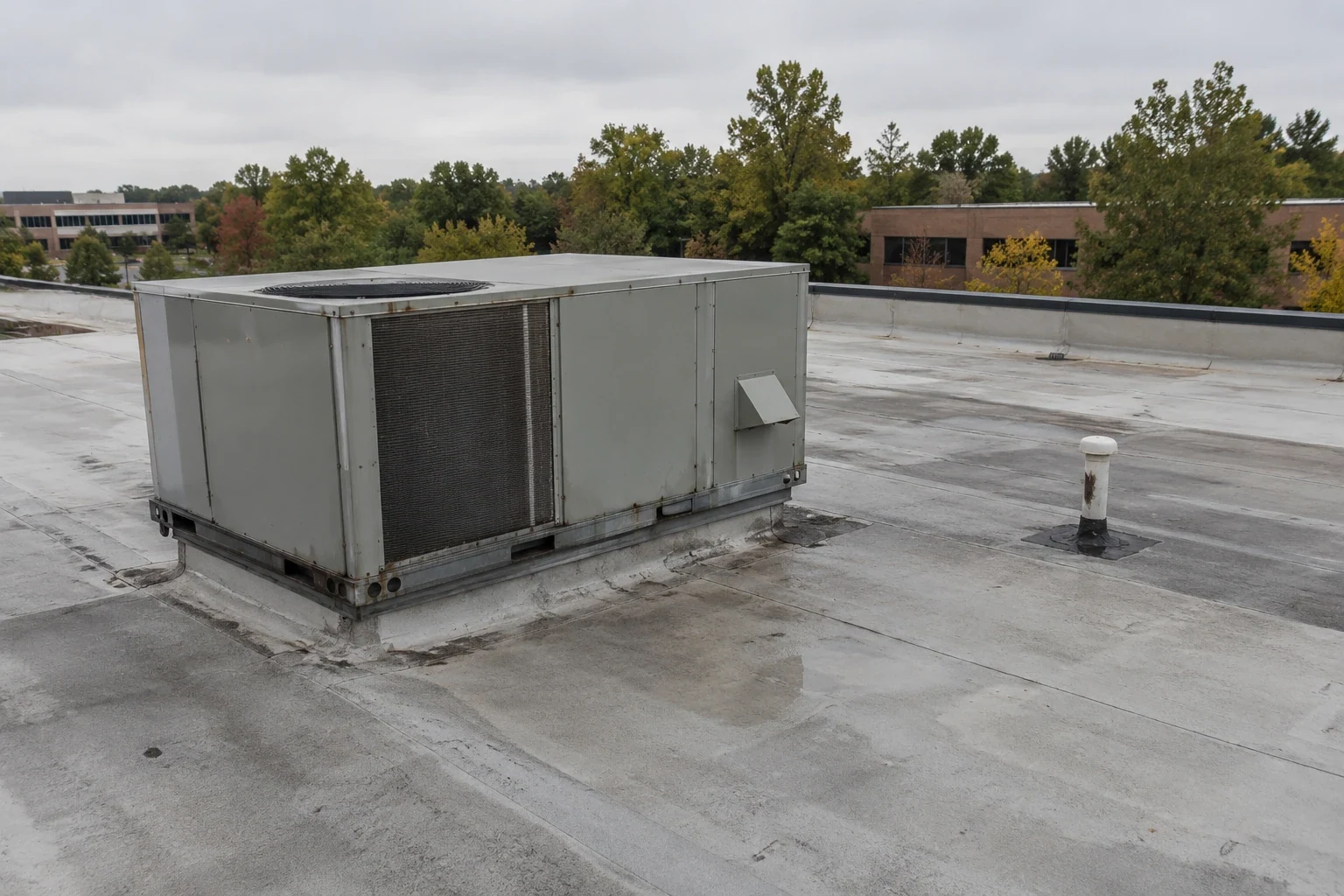 Property Types
 Industries
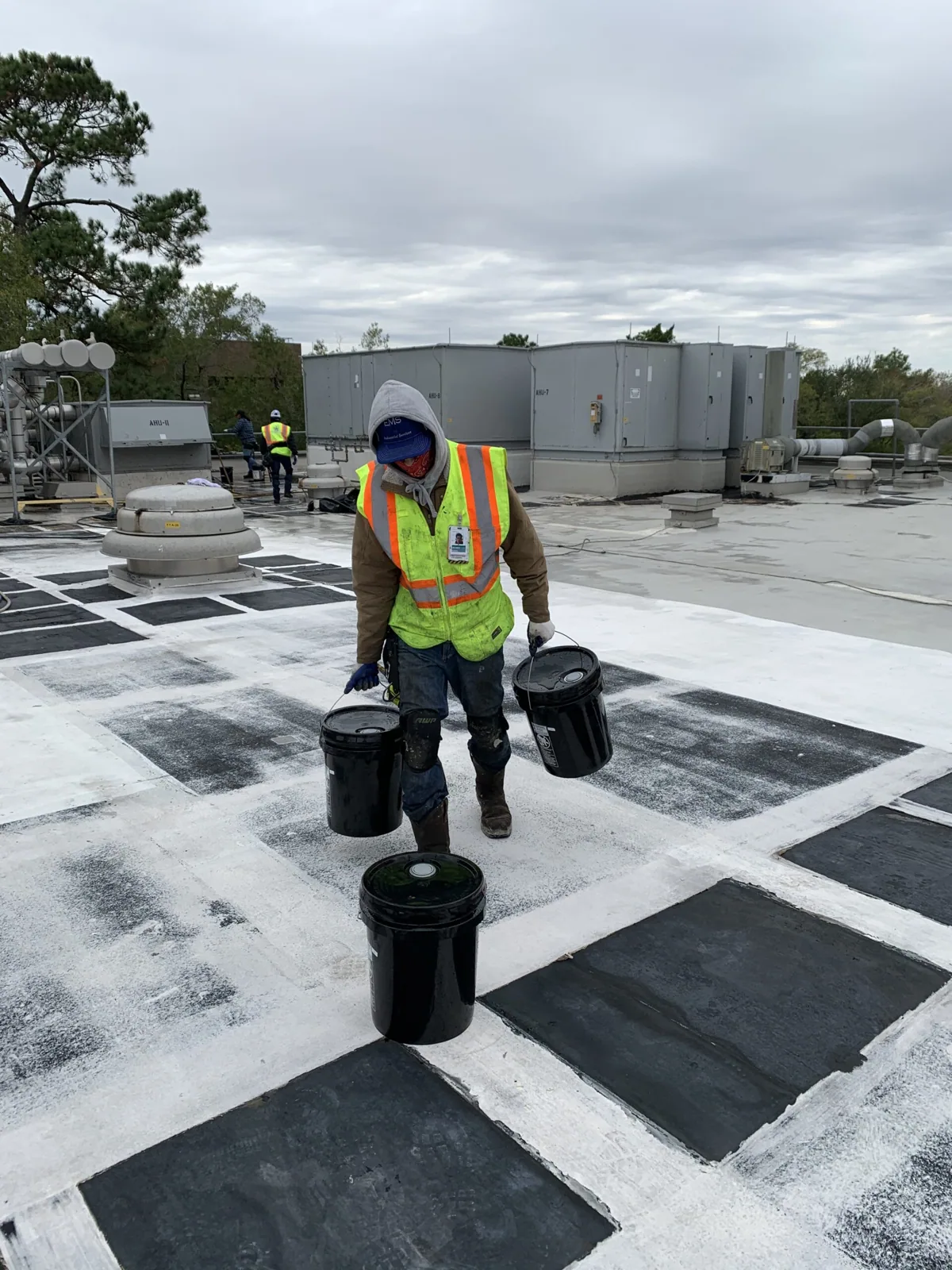 Damage Repair
 Capabilities
 Manufacturers
 Service Areas
Commercial Roofing for Retail and Restaurant Chains in Alexandria, VA
Industries We Serve:
- Commercial Roofing for Property Management Companies in Alexandria, VA
- Commercial Roofing for Real Estate Investors and REITs in Alexandria, VA
- Commercial Roofing for Healthcare Systems in Alexandria, VA
- Commercial Roofing for Manufacturers in Alexandria, VA
- Commercial Roofing for Logistics and 3PL Operators in Alexandria, VA
- Commercial Roofing for School Districts in Alexandria, VA
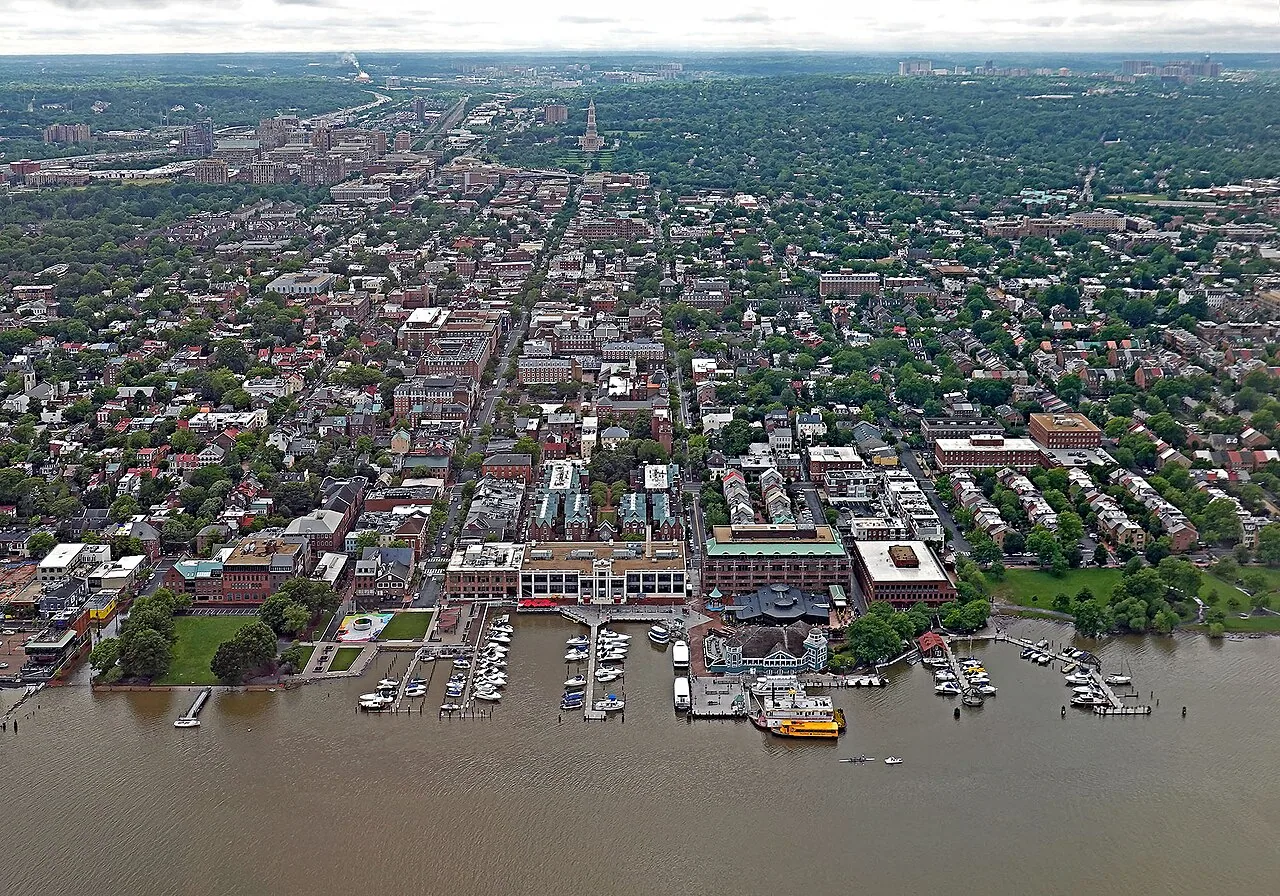
A damp ceiling over a dining room or sales floor can turn a roof defect into an immediate service issue. Water may enter at a curb or seam, travel along the deck and show up over a different part of the business. We inspect the suspected path and document the affected roof zone before setting the repair boundary. Alexandria, VA combines intense rain, summer heat and winter freeze-thaw, putting drains, flashing and exposed seams on the inspection route.
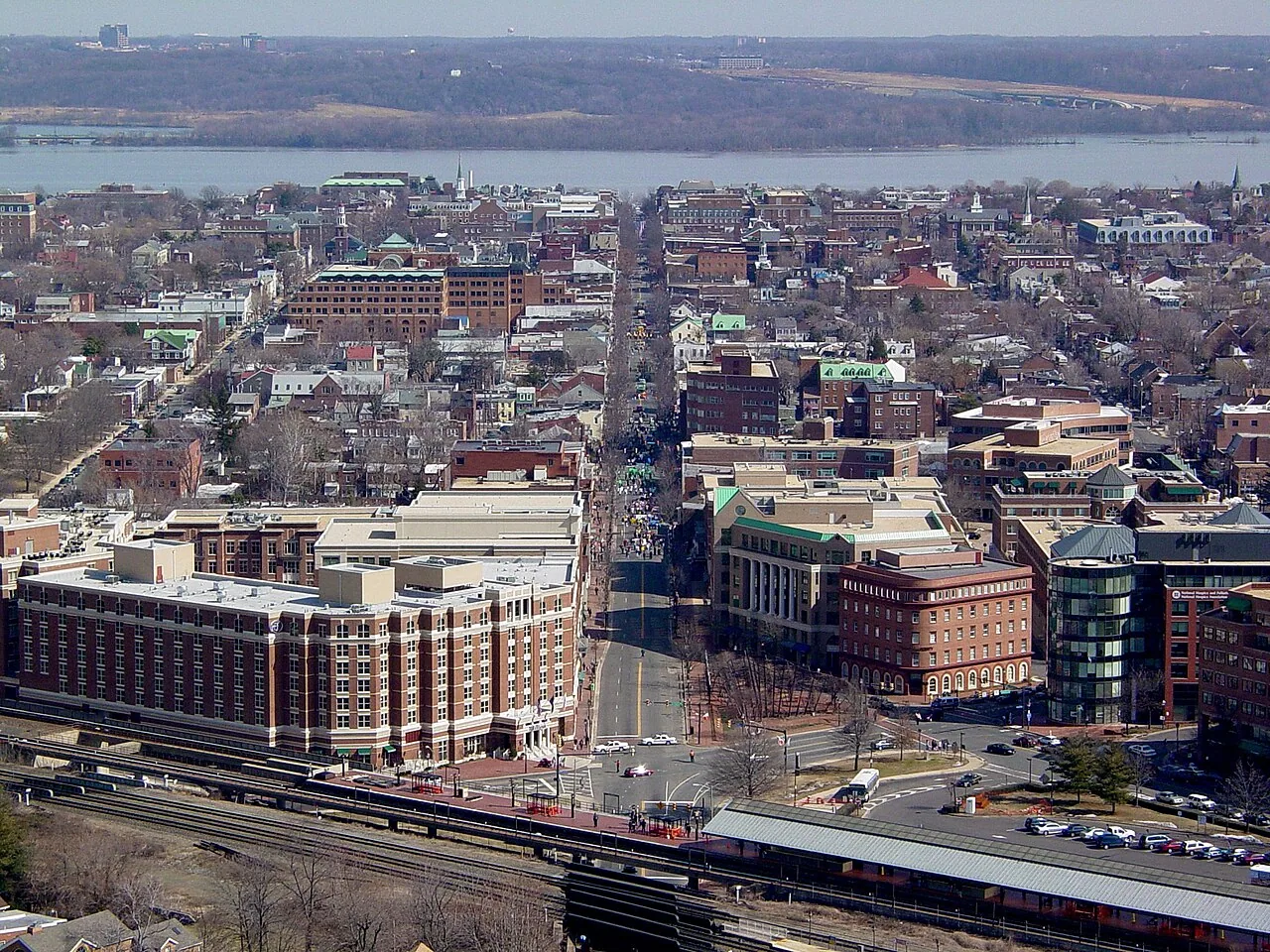
Old Town North’s commercial and retail uses are changing alongside redevelopment, while King Street connects the historic business district toward Braddock. Old Town North’s changing retail mix and King Street’s connection toward Braddock bring tenant, loading and pedestrian coordination into the work plan. Confirm each store’s hours, assembly and access with its site contact. Hospitality groups may share guest-protection needs, while logistics operators often prioritize receiving routes.
Retail and Restaurant Chains
Keep Customers and Staff Moving
The site manager identifies opening hours, food preparation or sales operations, deliveries, fire routes and areas that must remain accessible. We coordinate roof access, staging and interior protection around those needs. For an active leak, a response crew can be reached at any hour, including weekends and holiday periods. Permanent repair still requires an approved work window and a clear plan for barriers, noise and debris.
Roof removal above a restaurant or store can affect dining, inventory, point-of-sale equipment and customer circulation. The contact marks sensitive rooms and routes; we describe where the work may create noise, odor or temporary access limits. A lift or debris container should not block a storefront or delivery entrance without an approved arrangement. If work proceeds during business hours, the boundary and protection below are agreed in advance.
At each chain location, the property contact can confirm hours, security, lease responsibilities and who may authorize roof entry. The work order identifies the site contact and access condition so a crew does not rely on an old calendar or a neighboring tenant's instructions. A lease can divide responsibility for roof access, ceiling repairs and tenant notices. We confirm those roles before the scope assigns work or requests entry into an occupied suite.
Connect Interior Reports to Roof Details
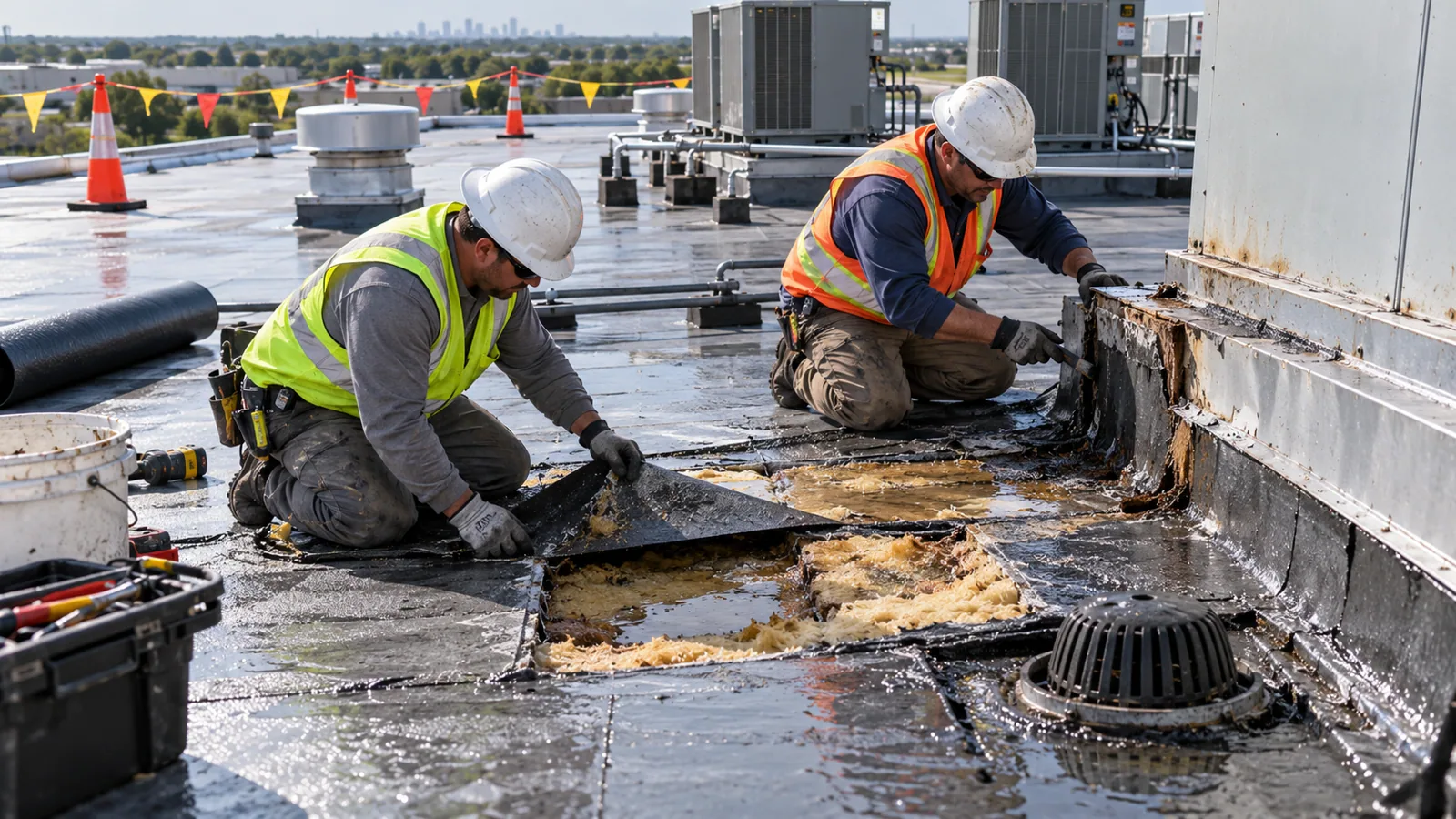
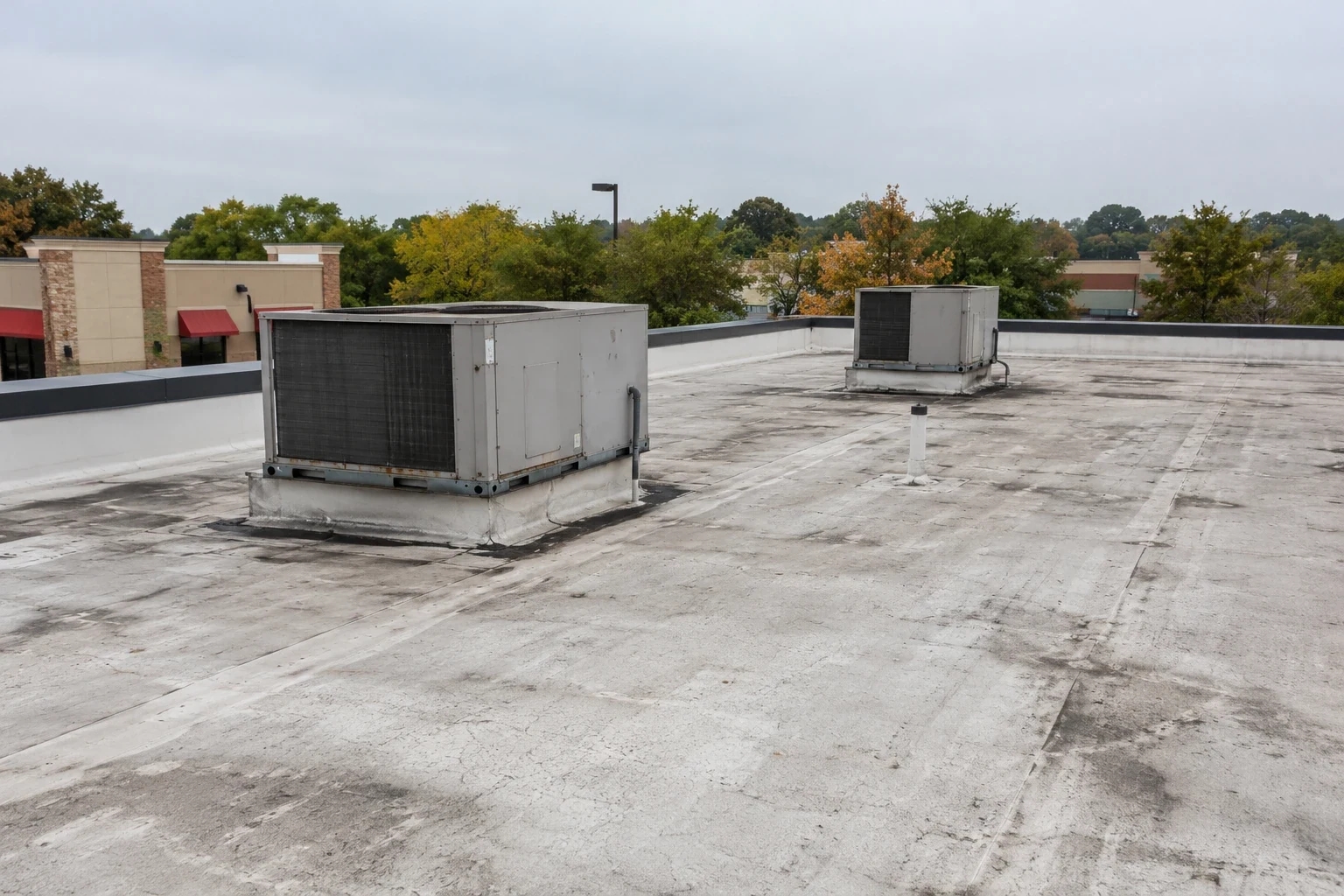
A ceiling tile may show where moisture emerged, not where it entered the roof. We compare the reported area with roof slope, drain paths, parapets, seams and equipment penetrations. A commercial roof inspection uses photographs and a field sketch to show the details checked and the suspected water route.
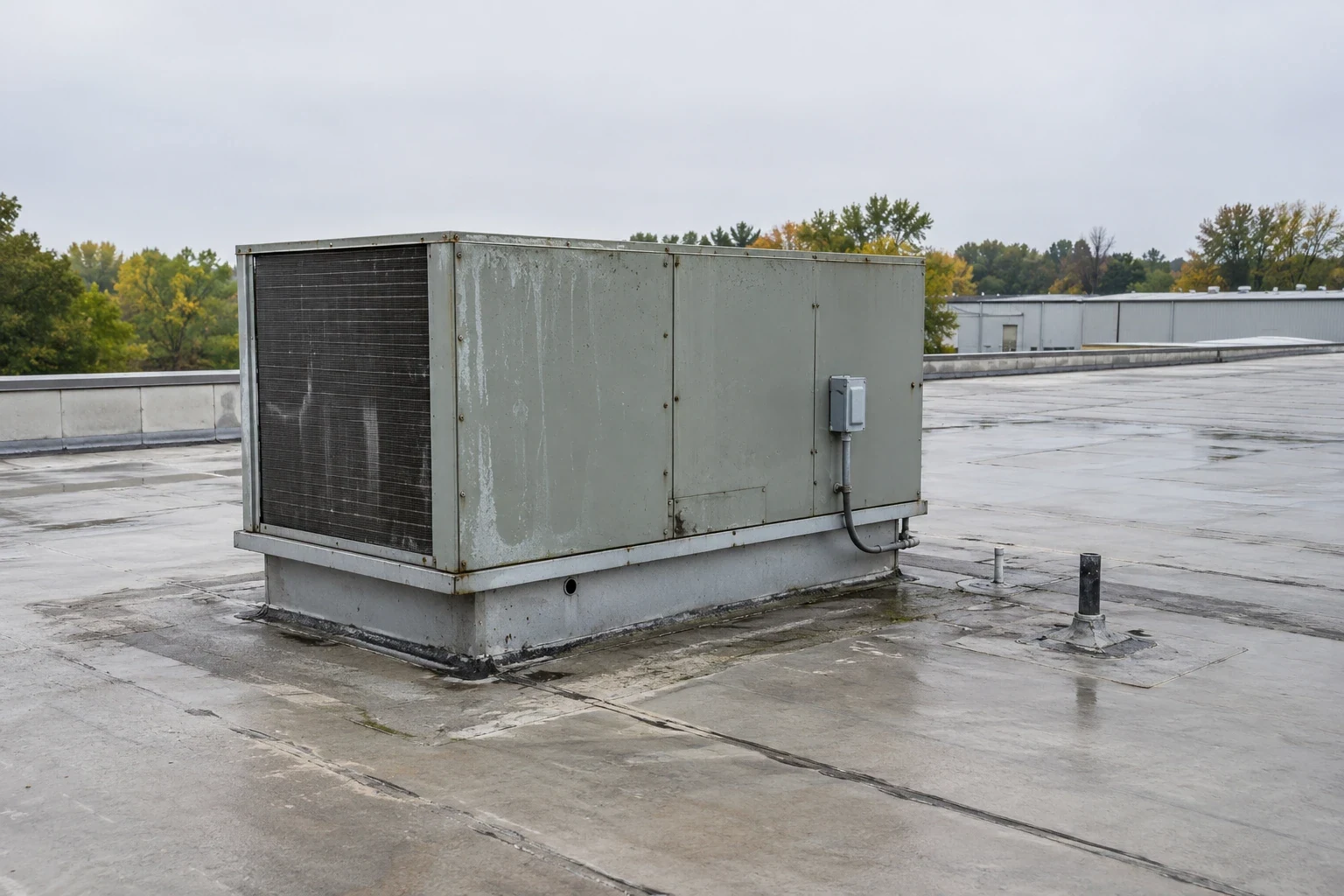
At drains, we check bowls, strainers, overflow and surrounding membrane. At curbs, we examine flashing and support details for separation or movement. Near a parapet, we inspect the membrane termination and coping interface. If water remains after rain, we assess whether the issue is outlet blockage, low slope, membrane damage or more than one condition. A drain inspection can document the discharge path before a repair is selected.
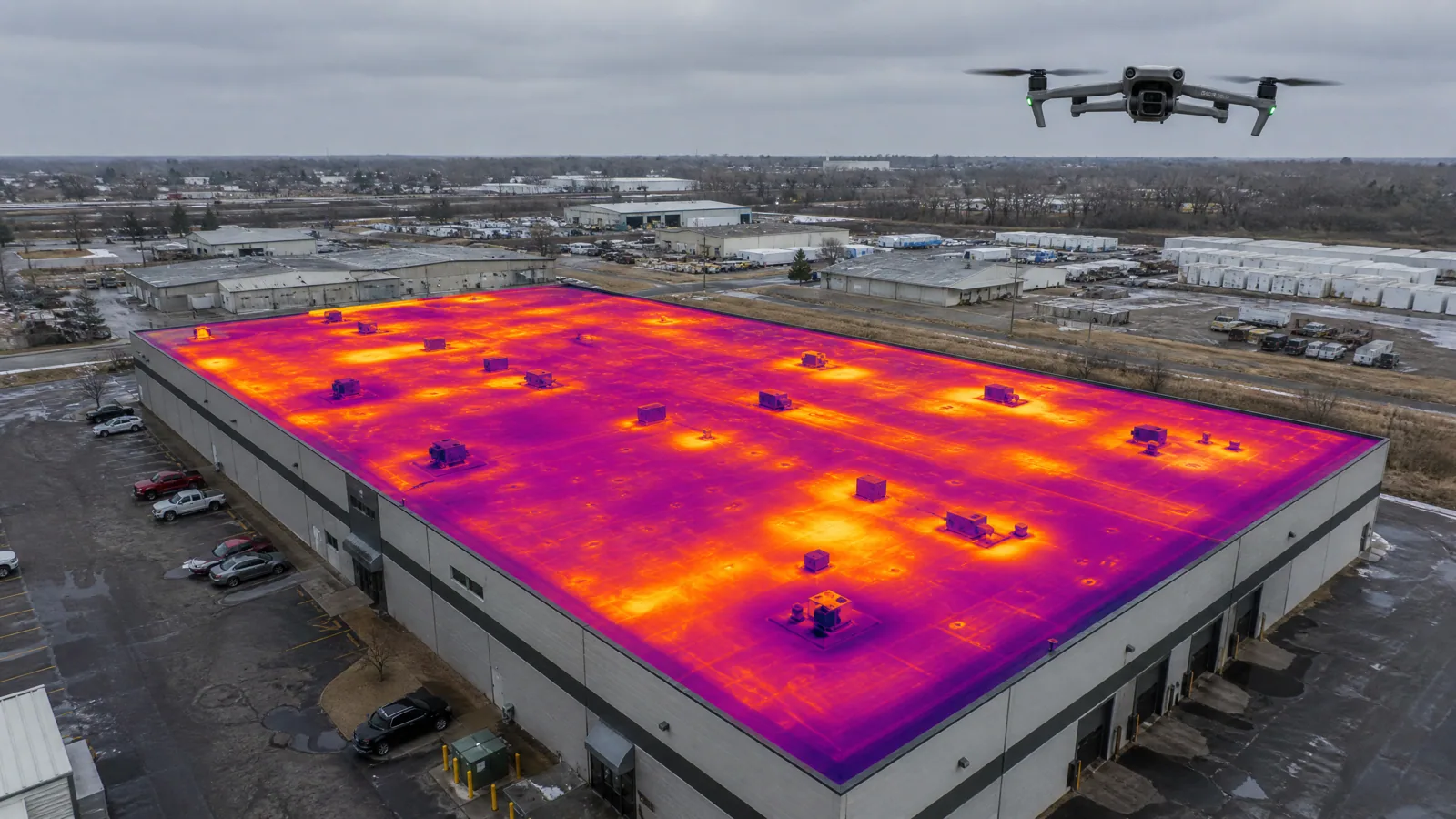
Moisture beneath the membrane may require a test opening. Infrared readings can help select a location, but they do not confirm wet insulation on their own. We coordinate any opening with the tenant and property contact, protect the room below and restore the assembly as planned. The record identifies the tested point and avoids applying its result to unexamined parts of the store.
Select Work for the Existing Roof
Membrane, attachment, insulation, deck, edge and drainage details determine the repair method. We inspect those components and match materials to the roof in place. A local patch may control a defect when nearby material is serviceable. If moisture spreads, seams fail repeatedly or an edge has lost attachment, we compare a larger repair or replacement scope.
TPO, EPDM, modified bitumen and metal roofs need different repair details. A TPO roof is not repaired like a rubber membrane. Equipment curbs, skylights and exhaust openings need compatible transitions. The proposal names the affected zone, preparation and protection so the manager can coordinate work with the tenant and property team.
When a larger project is warranted, we compare repair, recover and replacement with drainage, assembly condition and disruption. A phased reroof can limit the work area if the roof and site plan allow it. Each phase should show opening hours, delivery access, temporary protection and how customer or staff routes remain clear.
Manage Locations with Separate Records
We record each address, roof zone, material, photos, repair history and any limits on access. A multi-site roof program can organize inspections and priorities while preserving differences among stores. A property with a previous repair does not automatically share the same condition as another location in the chain.
Maintenance visits can revisit drains, seams, parapets, sign supports and equipment penetrations. The schedule can reflect observed wear and the site's operating calendar. For a restaurant, the manager may identify food-service periods or hood-cleaning access; for retail, the delivery and seasonal inventory calendar may shape staging. We confirm those details per property before assigning a work window.
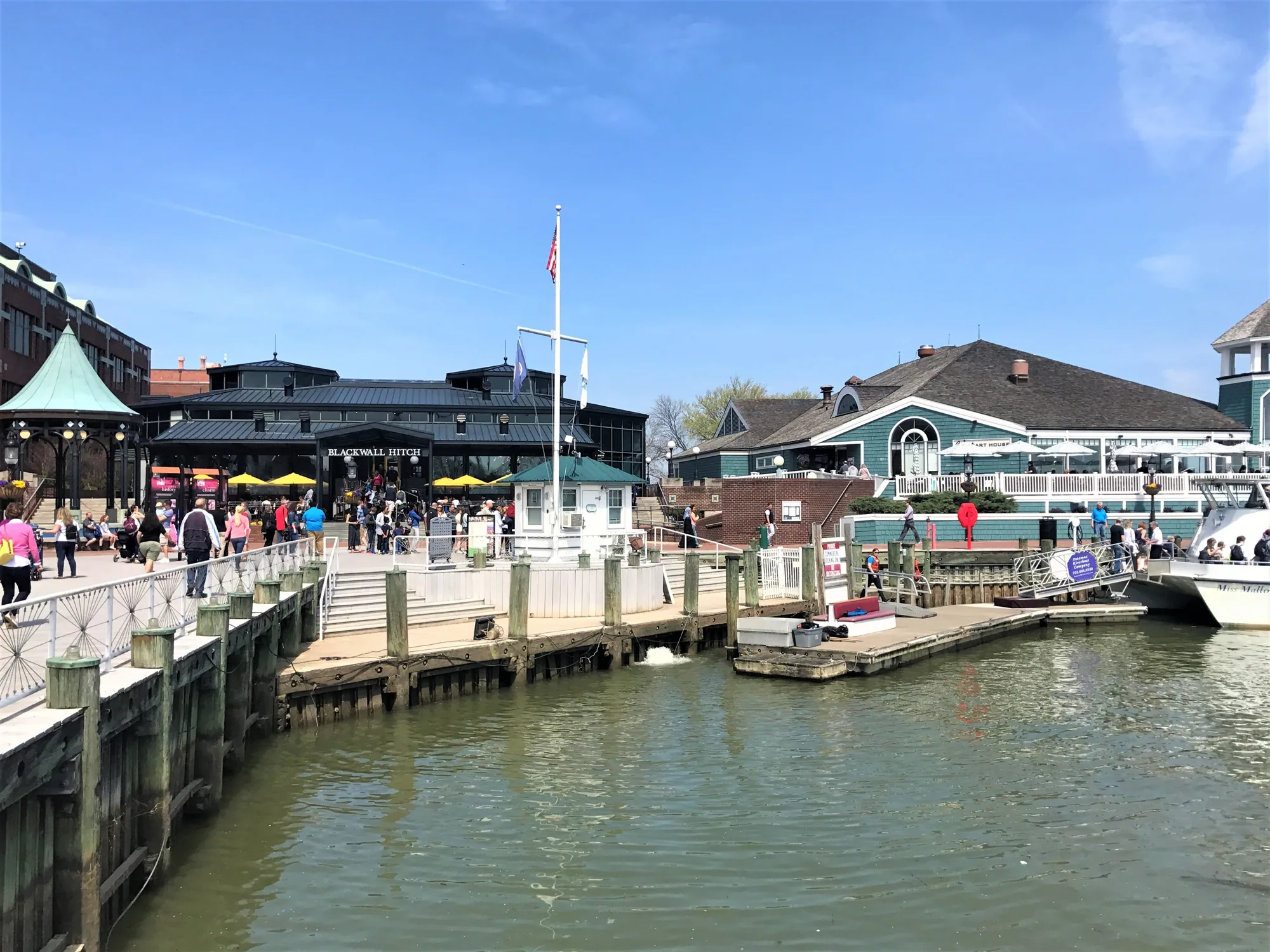
For a business near Old Town, the contact can identify delivery access and public walkways. The same review is needed at other addresses because street and building conditions differ. Share the location list, reported roof condition, authorized contact and site hours so we can prepare individual scopes the operations team can compare.
A portfolio report should make locations comparable without treating every store as interchangeable. We use consistent fields for roof system, leak history, access limits, known repairs and recommended next step, then preserve the site-specific details that change the scope. One location may need an immediate dry-in while another can wait for a planned capital window. Regional operations can compare active leaks, repair boundaries and operating impact across locations, while property managers retain the access details needed for each tenant. The summary states why a location is urgent and what evidence could change its order. An active leak above food preparation, electrical equipment or customer circulation can require immediate protection, while a dry seam defect may fit a scheduled repair window. This lets operations coordinate roof work with the risk below each affected zone.
Industries We Serve

Commercial Roofing Questions
Can a store stay open during a roof repair?
It may, if the active zone, route below and work hours can be separated from customers and staff. We coordinate noise, debris, odor, barriers and deliveries with the site contact. The manager approves any temporary restrictions and customer communication before work begins.
Who should authorize roof access at a leased storefront?
The owner, property manager or tenant may control different parts of access. We confirm the authorized contact and any lease or site procedure before scheduling. If a leak is active, the contact can also help identify the safest route and affected interior space.
How do you avoid treating every chain location the same?
We create a record for each address with its own roof assembly, condition, hours and access requirements. Standard reporting can make comparisons easier, but the inspection findings and work boundary remain site-specific. A repair at one restaurant stays tied to that address, roof assembly and work boundary.
Can roof work be scheduled after closing?
A night or early-morning shift may be possible if the property allows roof access, noise and deliveries at that time. Weather and material requirements also affect the window. The site contact confirms whether closed hours allow roof access, deliveries and noisy work.
What information helps a chain prioritize several leaks?
Provide addresses, dates, active-water status, affected rooms, photos, operating hours and access contacts. We can inspect and classify each condition by evidence and operational impact, then identify immediate protection and follow-up work without combining unrelated sites.
Coordinate Roofing Across Store Locations
Send the address, reported condition, operating hours and roof access contact. We will inspect the relevant area and prepare a site-specific repair or phased-work scope.