



 Services
 Roof Systems
 Property Types
 Industries
 Damage Repair
 Capabilities
 Manufacturers
 Service Areas
Commercial Roofing for Insurance and Restoration Work in Alexandria, VA
Industries We Serve:
- Commercial Roofing for Property Management Companies in Alexandria, VA
- Commercial Roofing for Real Estate Investors and REITs in Alexandria, VA
- Commercial Roofing for Healthcare Systems in Alexandria, VA
- Commercial Roofing for Manufacturers in Alexandria, VA
- Commercial Roofing for Logistics and 3PL Operators in Alexandria, VA
- Commercial Roofing for School Districts in Alexandria, VA
After a storm, water may show inside a building well away from the roof opening. A restoration decision needs a record of the roof detail, the interior report and the area that can be verified. We inspect seams, flashings, drains and penetrations, then document visible conditions without assigning a cause the evidence cannot support. Alexandria, VA experiences intense rain, summer heat and winter freeze-thaw, which make roof drainage and exposed joints relevant to an inspection.
Old Town North includes commercial and retail uses alongside redevelopment, while Carlyle and Eisenhower East contain office and mixed-use blocks. A district's use does not establish storm damage at a specific address. We confirm the property, date and reported event, access limitations and roof assembly before describing the condition. General contractors may coordinate restoration with broader repairs, while public agencies may have separate documentation and procurement requirements.
Insurance and Restoration Work
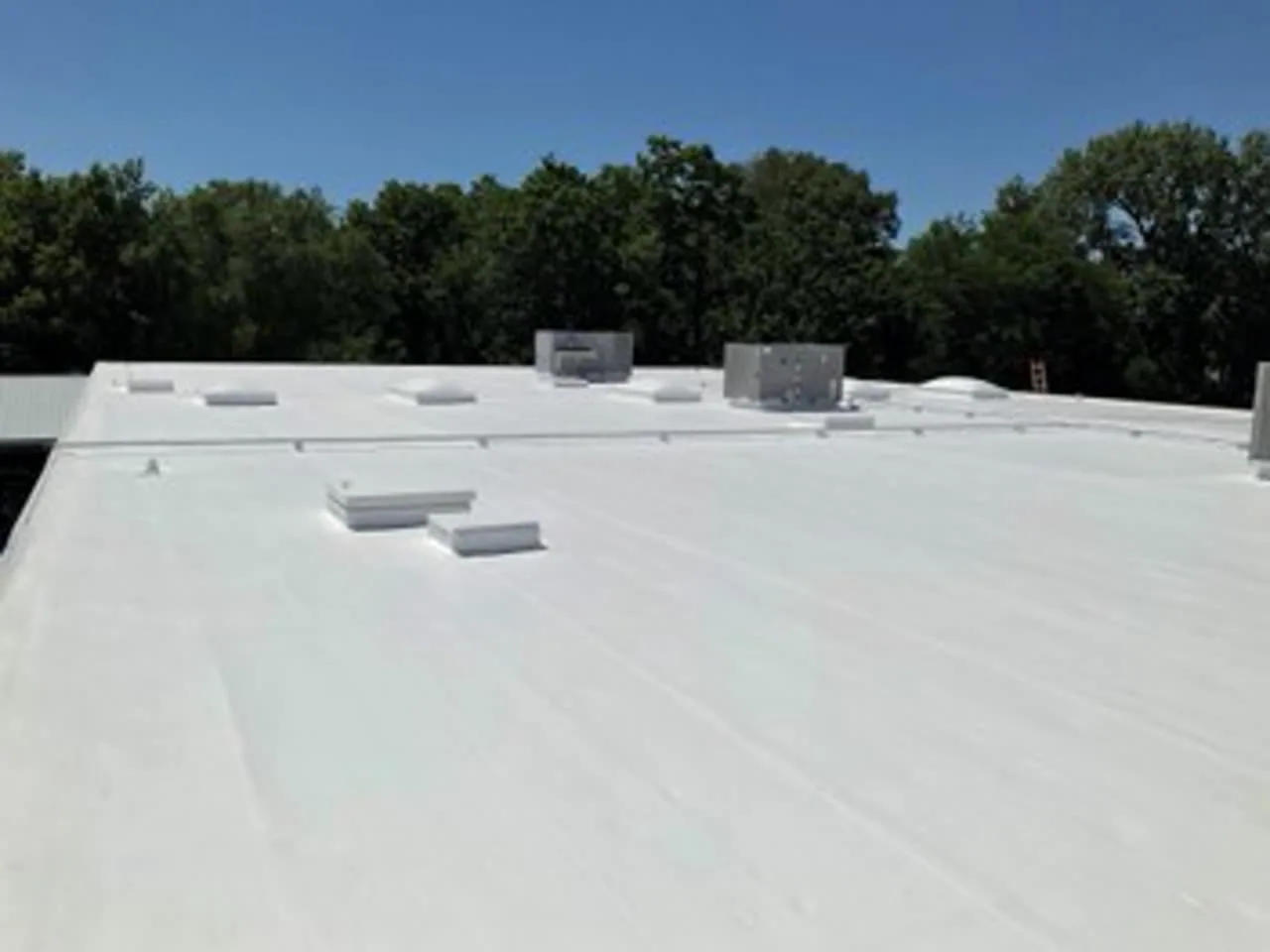
Record What the Roof Shows
We begin with the address, reported date, affected rooms, photographs and any available roof plan. A commercial roof inspection records the system, roof zones, visible damage, drainage and relevant transitions. Photos are tied to locations, and the Diligence Notes distinguish direct observations from conditions that need testing.
Wind, hail, falling debris and water entry can leave different surface evidence. We inspect membrane punctures, seam separation, displaced edge metal, flashing damage and drain conditions. A wind-damage review documents uplift or displaced components when observed; a storm report alone does not establish which roof details were affected.
If the cause or extent remains uncertain, we state what information is missing. A controlled test opening can show insulation and deck at one location, with the owner’s approval and interior protection planned first. Infrared readings can help guide sampling, but a temperature pattern does not prove a covered area is wet. The report identifies test points and avoids extending one result to unexamined zones.
Separate Damage from Existing Conditions
Restoration work often involves a roof with prior repairs, aging seams or older drainage concerns. We photograph the observed condition and note where it sits relative to a reported storm event, but cause and coverage decisions belong to the insurer and policy process. Our scope describes the roofing evidence and proposed work, not a coverage determination.
When a seam or flashing transition is open, we record its condition, nearby membrane, repair history if provided and the route water could take. The report can identify immediate water control separately from a permanent correction. If more than one condition is present, each receives its own location and evidence rather than being bundled as one damage item.
Measurements and repair boundaries should match what was inspected. We identify roof areas, transitions and components included in the proposed work, then list any access limits or concealed conditions. An inspection report can give the owner, adjuster and restoration team a shared reference while keeping technical findings distinct from claim decisions.
Scope Temporary and Permanent Work
If water is actively entering, emergency response is available 24 hours a day, including weekends and holidays. Temporary measures can limit exposure while the permanent scope is prepared, but the temporary condition is documented separately from the completed repair. We note where water is entering, what material was secured and what follow-up inspection remains necessary.
Repair materials must match the installed roof. TPO, EPDM, modified bitumen and metal roofs have different seam, flashing and attachment details. A TPO repair is not interchangeable with EPDM or metal work. We verify the assembly before specifying the permanent correction and separate confirmed roof repairs from additional work that may require testing.
If the affected area is broad, we compare a measured repair with recover or replacement options. The scope identifies removal, insulation, deck work if confirmed, drainage, edge details, staging and protection below. A claim documentation service can organize roofing observations and photographs, while the insurer retains responsibility for coverage review.
Keep the Restoration Sequence Clear
The owner, adjuster, property manager and restoration contractor may need the same roof information at different points. We identify who approves access, who protects the interior and who can authorize testing or permanent repair. If a building is occupied, a phased work plan can separate the active roof area and interior protection where conditions allow.
Delivery routes, tenant hours, security, debris handling and weather windows affect the schedule. The contact identifies routes that must remain open, and we mark staging and closure points for review. If a temporary cover is installed, the record should state when it was placed, which area it protects and what follow-up is needed. That helps the next team understand the current condition before altering the roof.
For work near Old Town, the property contact confirms current loading, pedestrian access and staging constraints. Other addresses may allow different routes. We do not infer site logistics from a neighborhood name; the restoration plan uses details confirmed at the property.
Complete the Record After Repair
At closeout, we provide photographs, repaired locations, materials used and any remaining limits. If the repair boundary changed after opening the assembly, the record connects the revised scope to what was found. Areas not tested remain identified so readers can distinguish confirmed repair from additional investigation.
Future inspections can revisit drains, seams, edge metal and previous repairs. A roof record can retain the photos and scope for later maintenance or property review. New water reports should be compared with the documented zones, but a prior storm repair does not establish the cause of a later leak.
Send the property address, reported event date, affected area, available photographs, access contact and any roof plans. We will inspect the roof conditions and provide a measured record and repair scope based on evidence at the site.
A useful restoration file connects each roof observation to a date, roof zone and photo that shows both context and detail. Keep emergency covering, permanent repair and additional testing as separate steps, with the person authorizing each change identified in the project record. If several contractors handle interior drying, roofing and mechanical equipment, note which condition each party observed and when. This lets an owner reconcile the sequence without treating an interior stain, roof opening and later repair as proof of the same cause.
Industries We Serve
Commercial Roofing Questions
Can your inspection determine whether insurance will cover roof work?
Our role is to document roof conditions, measurements, photographs and repair options. Coverage depends on the policy and the insurer’s review. We describe what was observed and avoid presenting a technical roof report as a coverage decision.
What should be photographed after a storm?
Capture the affected interior area, date, active water if present, visible roof debris or damage from a safe location, and any temporary protection. Do not access a roof without authorization. We can inspect roof details and add location-based photographs to the record.
How do you distinguish storm damage from older roof wear?
We document the visible condition, adjacent materials, prior repairs if known and any location-specific evidence. Some conditions need testing or additional records before a cause can be evaluated. The report separates observations from conclusions that require an insurer or other reviewer.
Can temporary leak control be performed before a claim is reviewed?
If water is active, we can assess immediate protection and document the location and measure taken. The owner or authorized contact approves access and temporary work. A permanent repair is scoped separately once the roof assembly and affected area can be evaluated.
What information helps coordinate an adjuster or restoration contractor?
Provide the property address, event date, room or roof area, available roof plans, prior repair information and contacts authorized for access. We can identify inspection findings and work boundaries for the team. Each party can then use the same dated photos and location references.
Document a Commercial Roof Condition
Share the address, reported event, affected areas and access contact. We will inspect roof evidence, record the relevant details and outline repair options.