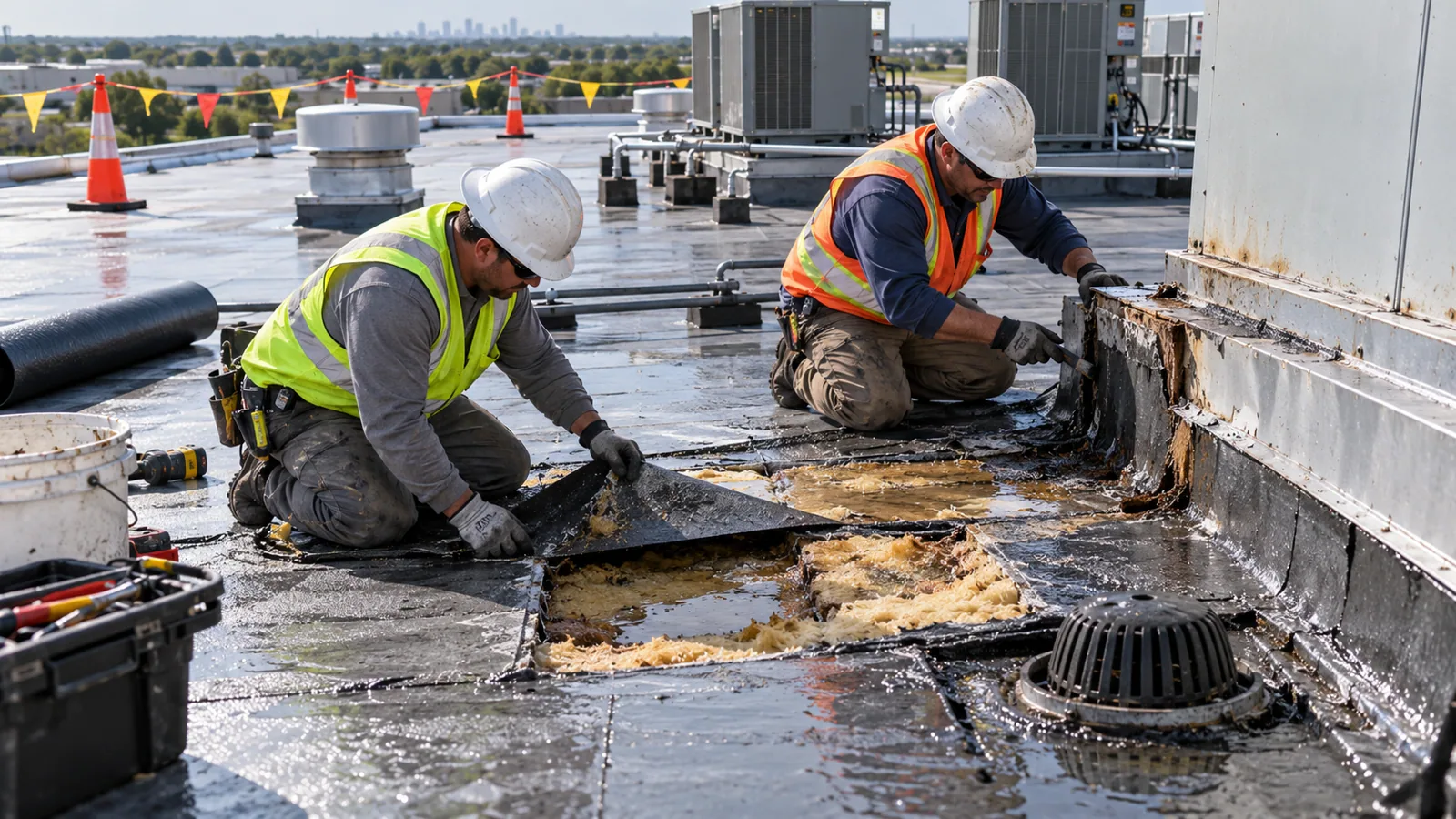
 Services
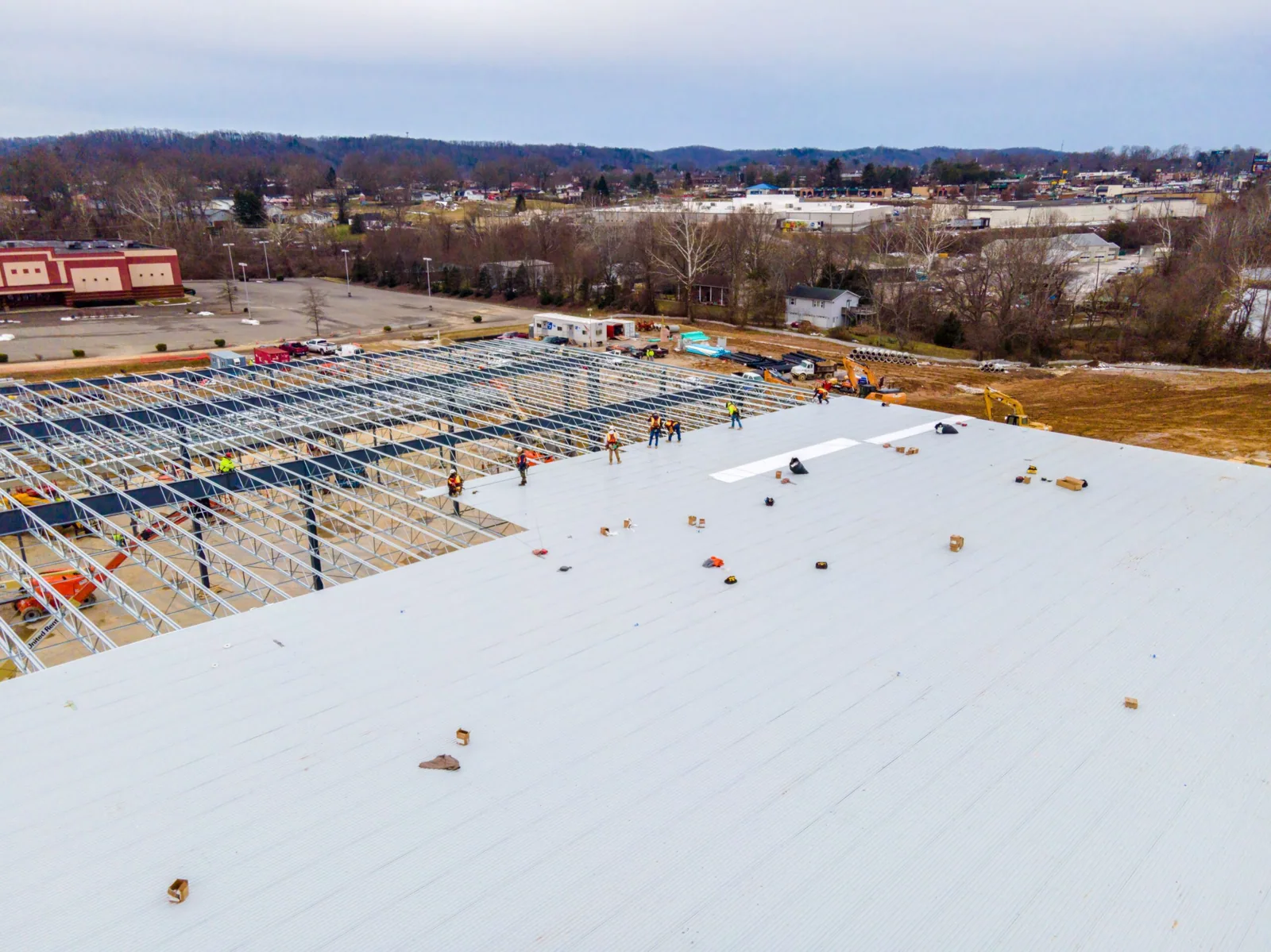 Roof Systems
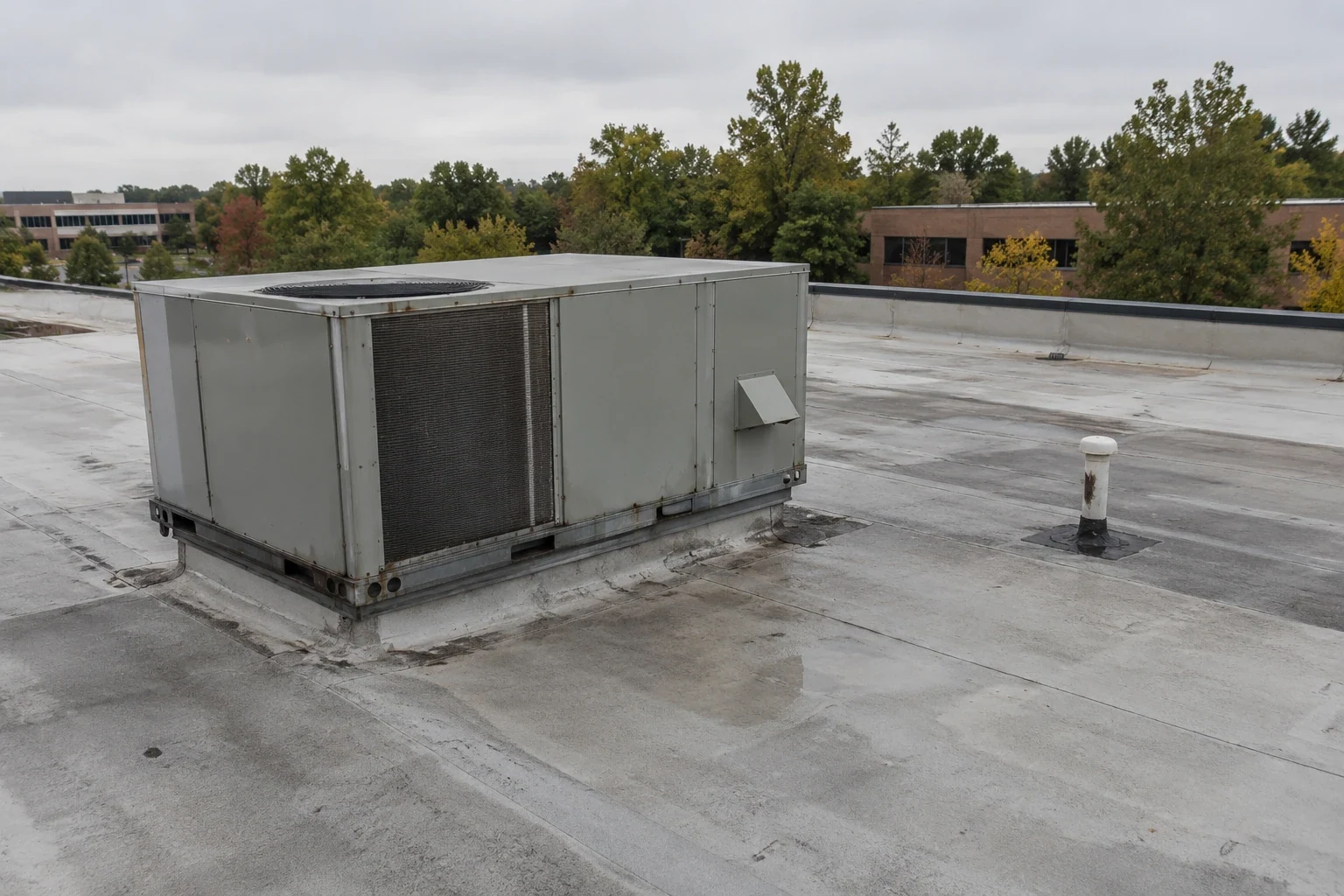 Property Types
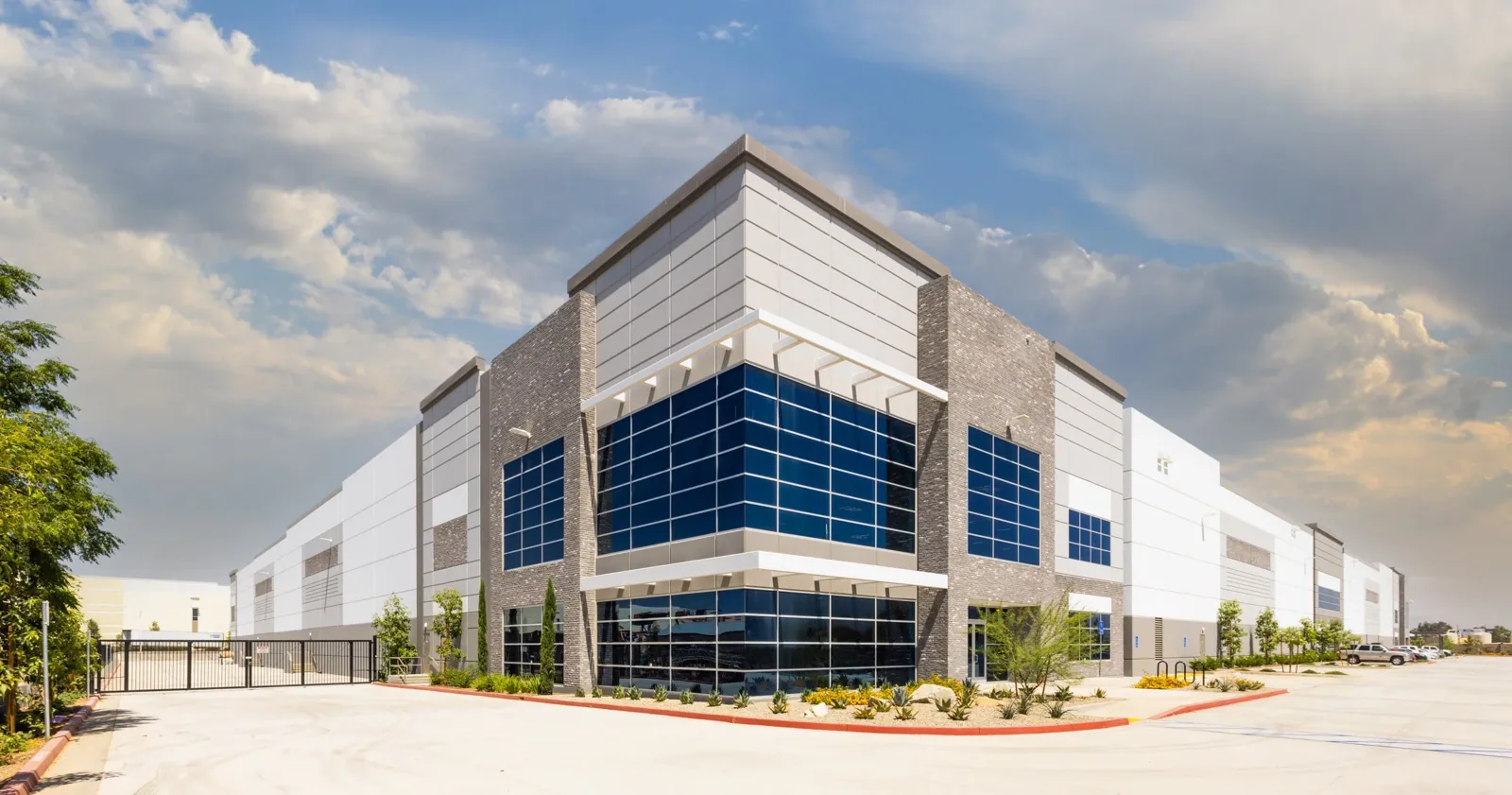 Industries
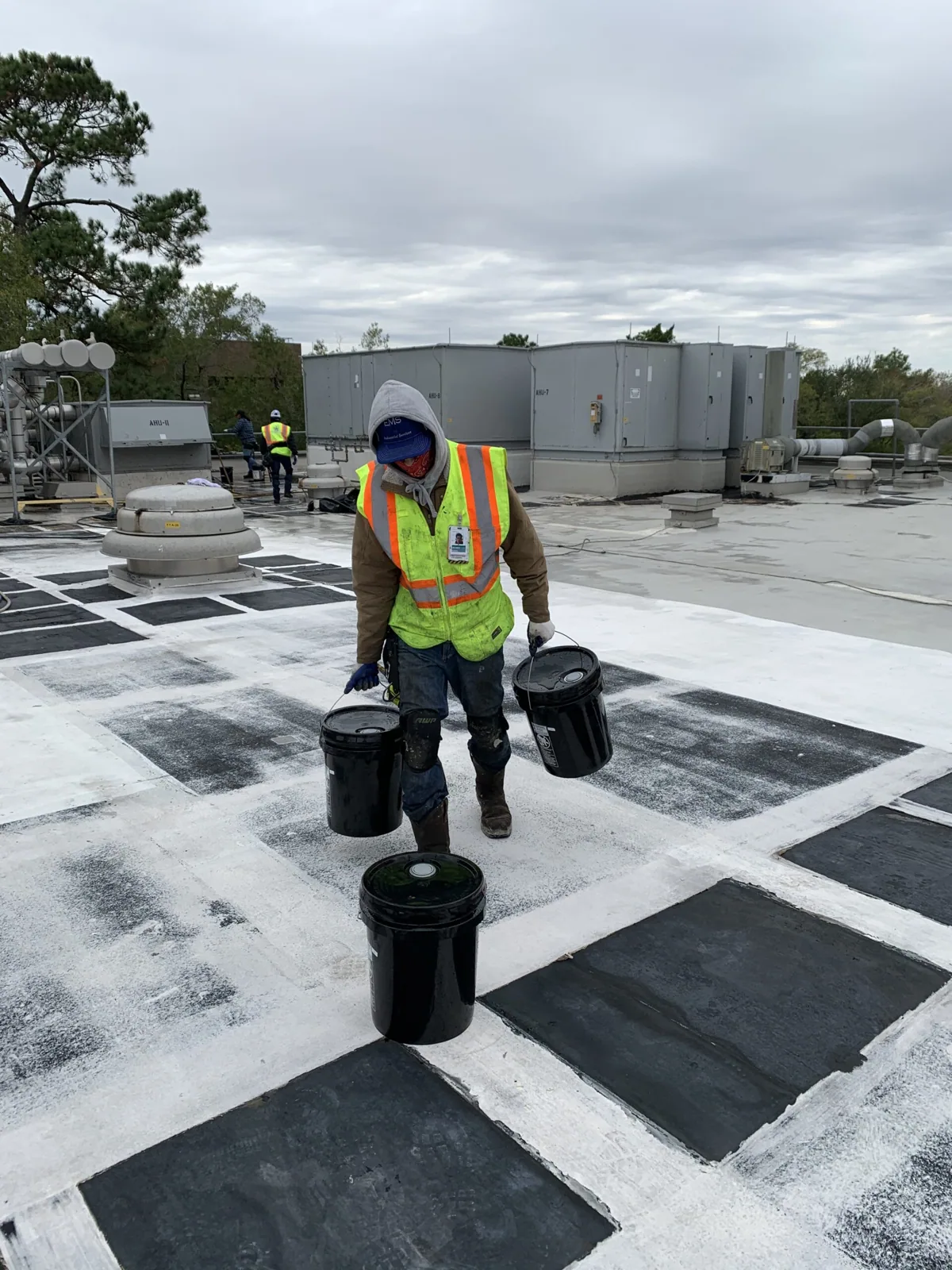 Damage Repair
 Capabilities
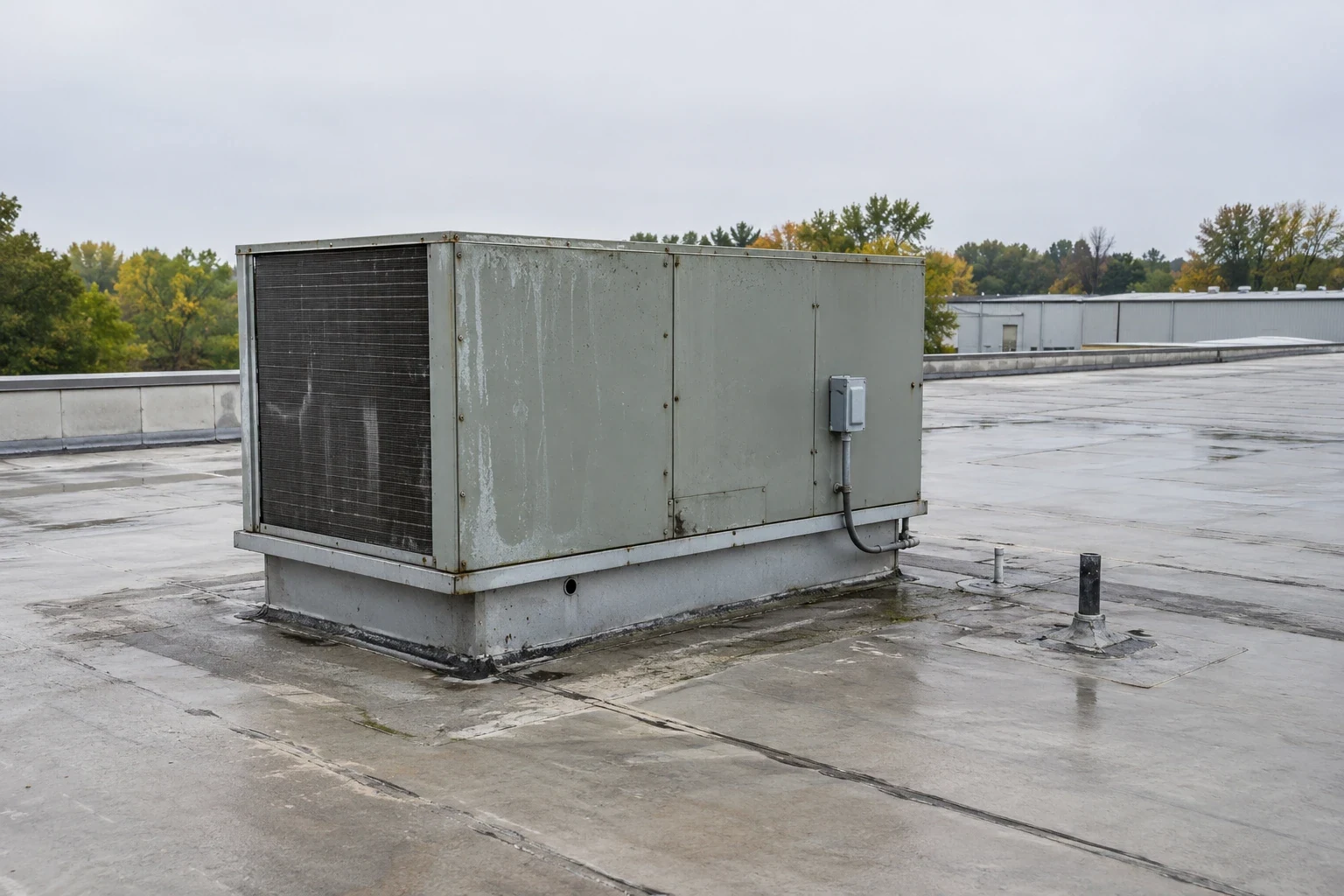 Manufacturers
 Service Areas
Commercial Roofing for Public Agencies in Alexandria, VA
Industries We Serve:
- Commercial Roofing for Property Management Companies in Alexandria, VA
- Commercial Roofing for Real Estate Investors and REITs in Alexandria, VA
- Commercial Roofing for Healthcare Systems in Alexandria, VA
- Commercial Roofing for Manufacturers in Alexandria, VA
- Commercial Roofing for Logistics and 3PL Operators in Alexandria, VA
- Commercial Roofing for School Districts in Alexandria, VA
A public building roof can keep admitting water after the interior stain dries, especially when an opening sits at a distant seam or wall transition. We trace the route through drains, penetrations, edges and roof planes, then document what is visible and what requires testing. Hard rain can test outlets, hot summers move exposed details, and winter freezing can stress joints that hold moisture. We check those mechanisms at the property. At each civic building, we inspect drainage, seams, flashing and roof zones before preparing a repair scope.
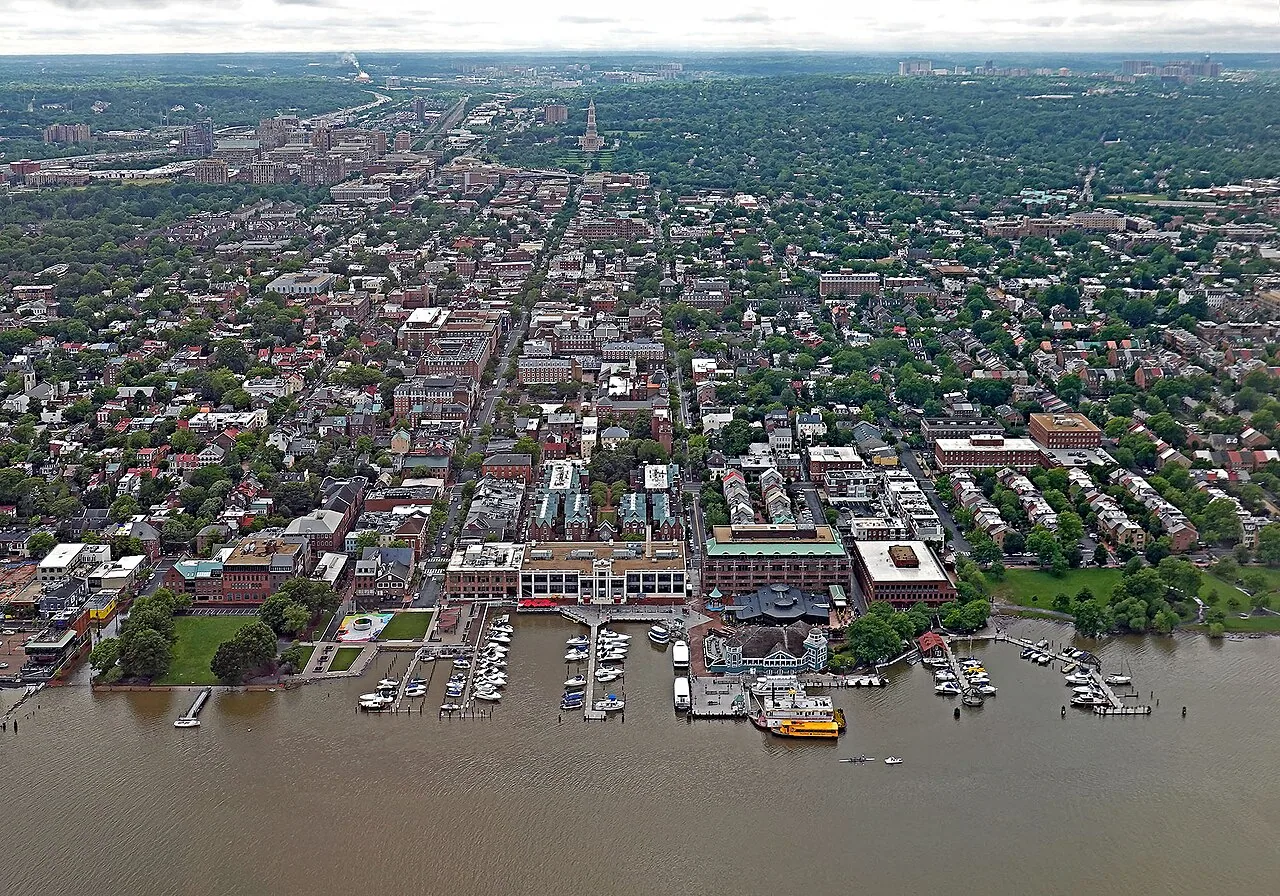
Alexandria’s small-area plans include waterfront districts, West End neighborhoods and redevelopment near Eisenhower Avenue. For a facility in Old Town, we confirm access conditions at the address. Alexandria building applicants use the 2021 Virginia Codes, with project requirements confirmed by the responsible design and permitting team. Each agency property has its own use, access, procurement and records process. School districts and healthcare systems also require work planning around occupied public services.
Public Agencies
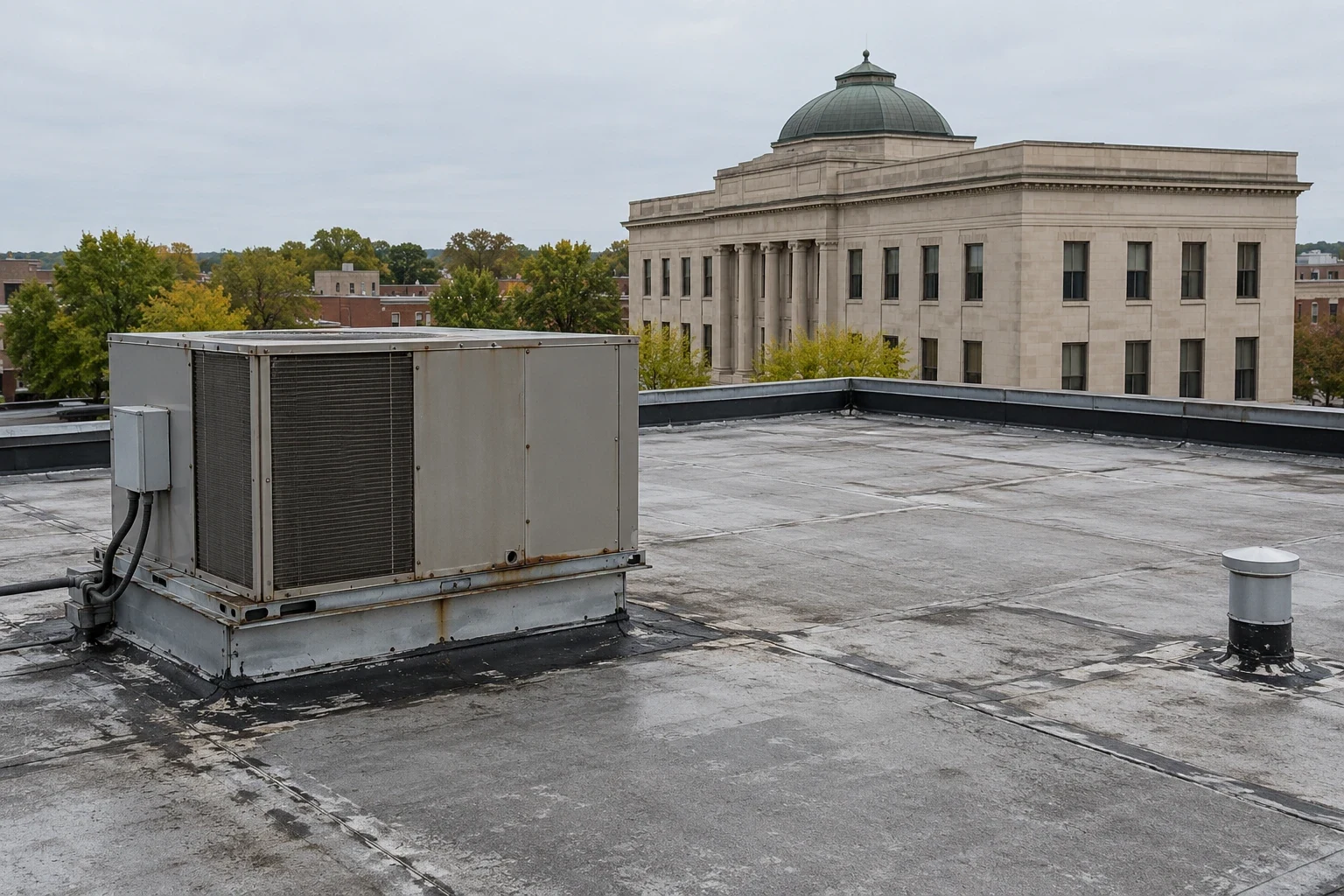
Prepare a Scope the Agency Can Review
Before pricing a correction, we identify the roof zone, assembly, observed issue, access needs and any conditions that remain unverified. A commercial roof inspection can provide photographs, Diligence Notes and a sketch that connects the proposed work to the condition. That record helps facilities and procurement staff understand what the scope includes and what it leaves open.
Public solicitations may require specific submittals, schedules, insurance documents or approval steps. The agency contact provides the applicable requirements and procurement calendar. We describe the roofing work, assumptions, access constraints, protection below and closeout materials in terms the project team can review. The proposal identifies roof work and open design questions for the official responsible for code and permits.
If the agency is evaluating an immediate repair alongside planned capital work, we can separate urgent water control from larger replacement options. Each line item should identify a measurable roof boundary and the evidence behind it. If testing could change quantities, that dependency should appear before award so the agency can understand the decision point.
Coordinate Public Access and Continuity
The facility contact identifies public hours, security procedures, service counters, emergency paths, loading rules and spaces that must remain open. We plan roof entry, staging and interior protection around those limits. Emergency response is available day and night, including weekends and holidays, for active roof leaks. A permanent repair still needs an approved route and a work window that protects staff and visitors.
Noise, debris, odor and temporary barriers can affect public access. We mark the work area and coordinate changes to entrances or pedestrian routes with the agency. If a lift or waste container is needed, we confirm ground location, overhead clearance and delivery timing. The plan identifies how a roof section will be protected at shift end and who will confirm that the area below can return to normal use.
For a multi-building agency, each address should have its own access plan. A city office, public works facility and community building may have different routes, roof assemblies and service hours. We record the access plan and restrictions for each agency address. A site contact can flag special events, records storage or public meetings that should shape the work sequence.
Verify the Cause and Repair Boundary
Interior moisture can appear away from the roof entry point. We compare the reported room with roof slope, drains, parapets, seams, curbs and wall transitions. At each detail, we look for visible openings, failed flashing, punctures or earlier repairs. A flashing correction may be appropriate when the transition is confirmed as the entry, while a drain issue requires a different scope.
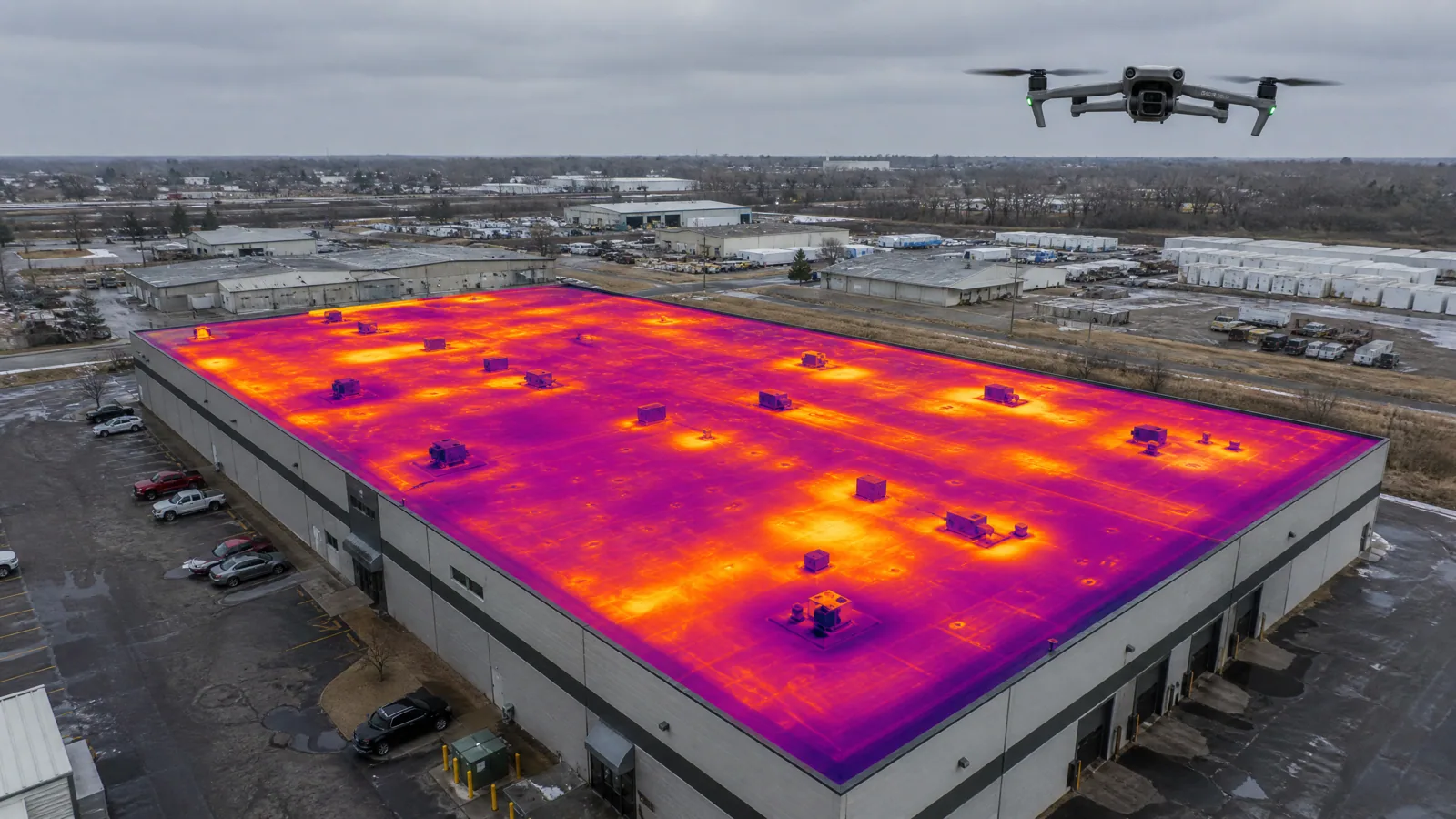
We inspect drain bowls, scuppers and overflow routes for obstruction and water marks. Infrared readings can suggest where to investigate, but temperature differences do not prove wet insulation. An approved test opening may confirm roof layers and deck at one location. We coordinate the test point, interior observation and restoration with the agency contact, then identify the limits of what that sample establishes.
The written record separates observed conditions from suspected paths and identifies any zone where access prevented inspection. For a public repair, that gives procurement staff the examined area, proposed work and any test that could change the scope.
Select Work That Fits the Assembly
We identify the roof membrane, attachment, insulation, deck, edge metal and drainage before specifying materials. TPO, EPDM, modified bitumen and metal systems cannot be treated as interchangeable surfaces. A localized repair may be suitable when the surrounding assembly is serviceable. Wet insulation, broad seam failure or deteriorated attachment may require a larger repair boundary or replacement analysis.
A TPO roof and a modified-bitumen system require different seam work and compatible materials. A recover is considered only when the existing roof and project criteria allow another layer. If a full replacement is proposed, we identify drainage, insulation, edges and penetrations alongside membrane installation so the agency sees the complete assembly work.
Where the building remains occupied, a phased replacement can limit open roof area when conditions allow. Each phase states public access effects, temporary protection, delivery routes and closeout requirements. The agency can compare a repair, recover or replacement option against operating and procurement windows with the work boundary kept clear.
Maintain the Public Facility Record
At completion, we provide dated photographs, zone references, repaired details and any remaining conditions. The agency can retain the inspection, scope and closeout together for future procurement and maintenance. If work occurred in phases, the record shows what was completed at each visit and which areas were deferred or could not be accessed.
Maintenance checks can revisit drains, seams, flashing and previous repair boundaries before a new leak becomes a public-service interruption. A condition report can support facility planning, while the maintenance interval should respond to roof condition and access rather than a uniform assumption across public buildings.
Share the property address, reported condition, access contact and applicable agency requirements. We will inspect accessible roof zones and prepare a scope that identifies the condition, work area and project constraints.
Industries We Serve
Commercial Roofing Questions
Can a public agency use a roof inspection to prepare a bid scope?
An inspection can document observed conditions, repair boundaries, access needs and unresolved questions. We can provide photos and a field sketch that support scope development. The agency and its design or procurement team set the solicitation and approval requirements for the project.
How should a repair be scoped when the roof cause is uncertain?
We separate confirmed observations from possible entry paths and identify testing that could resolve the uncertainty. The scope can describe immediate protection and a defined investigation step before larger removal. That keeps the work boundary tied to evidence rather than assumption.
Can roofing work proceed while a public building remains open?
Often a defined zone can be protected while services continue, with the agency identifying entrances, rooms and routes that must stay available. We coordinate noise, debris, barriers and delivery access, then include any temporary restriction in the work plan.
Who confirms which building code applies to a public roof project?
The responsible agency design and permitting officials confirm the applicable requirements for the project. Alexandria directs applicants to the 2021 Virginia Codes. We coordinate the roofing scope with the project team and do not substitute a field inspection for code review.
What closeout records should a facility retain?
Keep dated photos, roof-zone references, materials used, completed repair details, access limitations and remaining conditions with the work order. For phased work, record each area separately. That makes later inspections and procurement comparisons easier to trace.
Review a Public Facility Roof
Provide the address, reported roof condition, agency contact and procurement or access requirements. We will document the evidence and prepare a reviewable repair scope.