



 Services
 Roof Systems
 Property Types
 Industries
 Damage Repair
 Capabilities
 Manufacturers
 Service Areas
Commercial Storm Damage Roof Repair in Alexandria, VA
Commercial Roofing Services:
After a hard rain, a displaced edge or overflowing drain can leave water at a roof transition and inside an occupied building. Storm repair begins by recording what changed, where water entered and what can be protected safely. Alexandria’s low elevation and tidal Potomac exposure make heavy-rain drainage an important check. We inspect outlets, edges and membrane transitions at the property, then tie repair scope to the roof conditions found.
At Old Town North, commercial and retail buildings sit near active redevelopment; around Eisenhower East, office properties have their own operating and access constraints. We coordinate with the site contact before reaching the roof and identify whether emergency protection, a closer inspection or permanent repair can happen in the first visit. A 24-hour emergency response is available when active water entry needs attention outside normal business hours.
Commercial Storm Damage Roof Repair
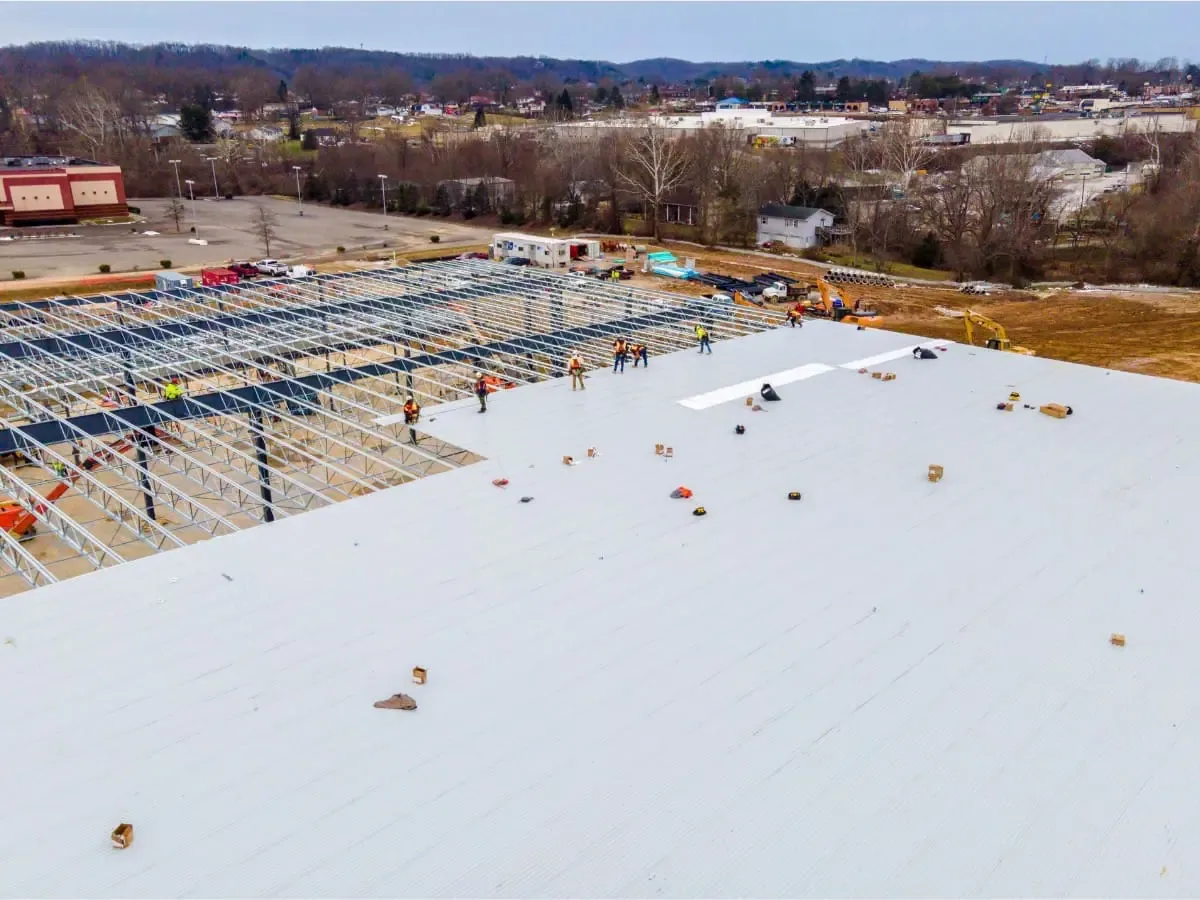
Separate Storm Effects From Old Conditions
We photograph visible membrane openings, lifted edges, damaged flashing, punctures, debris impact and drainage conditions. The report identifies each location and distinguishes an apparent new change from a condition that may have existed earlier. Prior maintenance records, dated photos and the building contact’s account can help with that comparison. If the roof was not documented before the event, we state that limit instead of claiming a date that the surface cannot prove.
A leak may travel beneath the membrane before it appears indoors. We compare interior reports with seams, curbs, wall transitions and drains, then inspect nearby zones for a connected water path. If the entry point remains uncertain, a limited leak trace or test opening can settle the repair boundary. We record wet insulation where an opening confirms it and identify any area needing further inspection before setting removal quantities.
Heavy rain can overwhelm a drain route, especially if a strainer is blocked or an overflow path is obstructed. The roof walk checks drain bowls, scuppers, crickets and low areas, along with membrane details around them. Tidal flooding at street level and roof drainage are different conditions; we document what affected the roof itself and keep flood observations separate from a confirmed roof opening.
Protect the Building Safely
When water is entering, the first step is to limit additional exposure without creating a second hazard. We assess roof access, wind, lightning, surface moisture and visibility, then choose a temporary measure only if it can be secured. A patch or cover protects a defined area for a limited purpose; it is not the permanent repair and does not confirm that concealed material is dry. We photograph its limits and schedule a durable correction as conditions allow.
At an occupied property, the contact can isolate the affected room, protect equipment and coordinate any ceiling access. We identify the roof work zone and material movement route, then clarify whether interior water extraction or finish repair belongs to another trade. Inova Alexandria Hospital and related facilities are planned within the Landmark redevelopment, while Virginia Tech’s campus and approved offices are part of North Potomac Yard. The building contact supplies current access controls for institutional projects.
A cold, damp surface can prevent reliable bonding, and occasional snow can hide a seam or drain. We check the actual installation conditions before setting the repair method. We note weather limits and avoid calling an interim measure a completed repair when materials need a better installation window.
Repair the Confirmed Damage
The permanent repair depends on what failed. A puncture may need a compatible membrane patch; a separated seam calls for a system-appropriate weld or bond; a lifted edge can require secure attachment and restored flashing. If metal is bent or a termination has opened, we check the substrate and fastening before closing the detail. The proposal describes preparation and tie-in at each location so the work can be reviewed before crews begin.
Where a storm has moved rooftop equipment or damaged a curb, we check the surrounding membrane and support detail. If insulation is wet, test openings establish how far removal should extend. Drainage corrections are listed separately from membrane repair when both conditions contribute. A wind-related roof review can address visible edge or attachment concerns; the assessment does not assume that every loose component was caused by the same event.
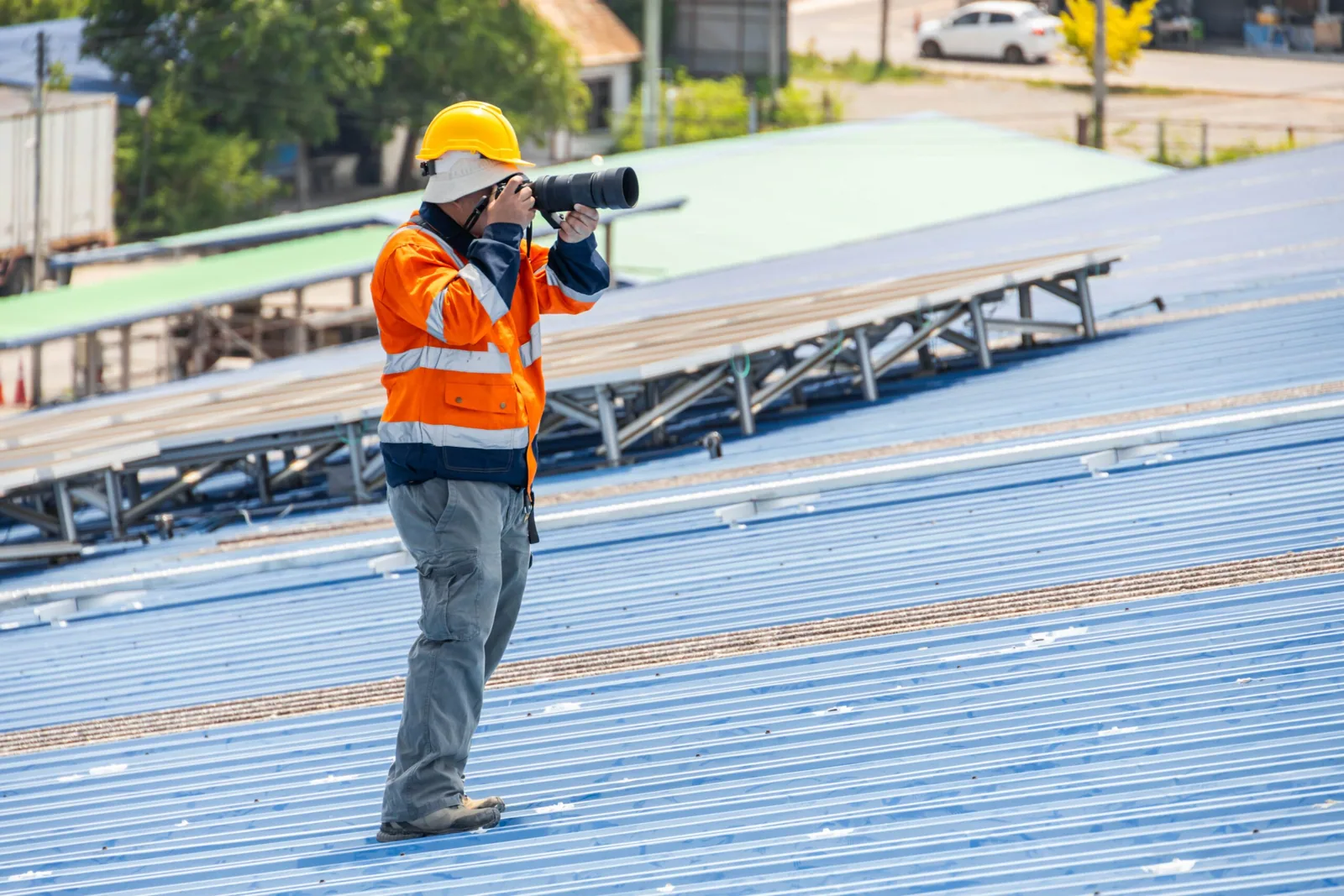
For a larger roof, drone images may help map visible debris and affected zones, while hands-on inspection checks details. An aerial survey cannot confirm hidden moisture or seam attachment. If a broad wet area is suspected, an infrared survey can identify possible test locations. The final repair quantity follows physical checks and documented limits.
Keep an Event Record
Storm documentation can include the date reported, weather context supplied by the building, inspection areas, photographs, temporary protection and permanent repair boundaries. We separate observed damage from suspected causes and note any areas that could not be checked. That record helps the owner compare contractor proposals and coordinate interior restoration. If insurance documentation is needed, the owner can provide the insurer’s requirements and claim contact so the materials can be organized for that process.
We do not determine coverage or promise an insurer’s decision. A roofer can document roof conditions, explain the repair sequence and provide an estimate tied to visible work. The owner or claims professional manages policy interpretation and approval. A claim documentation service can organize inspection photos, measurements and scope details if the project needs that support.
Where several roof zones show deterioration, we separate storm-related repair from existing maintenance needs. A condition inspection can document remaining areas after the immediate repair. The building manager can then decide whether to address another item or monitor it.
Coordinate the Follow-Up
After repair, we photograph the completed tie-in, note materials used and show any adjacent issue left outside the scope. The handoff identifies whether temporary protection was removed, what follow-up remains and whether another test is recommended. This is useful when rain returns and a manager needs to compare the new symptom with the area already repaired.
The King Street corridor links Old Town commercial properties with the Braddock Metro planning area. Eisenhower Avenue and Mill Road connect to office and redevelopment properties farther west. Access and staging vary by address, so we confirm loading, tenant notice, roof keys and work hours with the site contact. For Old Town North or Eisenhower East, share those details with the report request.
Commercial Roofing Services
Commercial Roofing Questions
Can you tell whether a roof condition came from one storm?
We can document visible changes and compare them with dated maintenance records, prior photos and the site contact’s account. The roof surface may not establish when a defect began. Our report separates observed damage from the estimated cause and identifies missing baseline information.
What should we do while water is coming in?
Move people and equipment away from the affected area, isolate a room if needed and report any electrical concern to the appropriate building staff. Do not send someone onto a wet roof. Call with the address, current leak location and access contact so we can assess safe temporary protection.
Can you provide photos and a repair estimate for insurance?
A photo set, measurements and estimate can document the roof work. Share the insurer’s requested format or claim contact, and we can organize the inspection materials. Coverage interpretation and approval remain with the policyholder and insurer.
Will temporary storm protection stop all future leaks?
A temporary measure protects a defined opening within its material and weather limits. Separate transitions and concealed insulation receive their own inspection and repair scope. We record the covered zone and recommend permanent work once the roof can be prepared safely.
How soon can permanent repairs begin?
Timing depends on safe access, surface moisture, materials, inspection findings and any coordination needed with building operations. If test openings show wet insulation or damage extends beyond the visible area, the scope may need review first. We identify the next available work window after the boundary is confirmed.
Document and Repair Storm Damage
Share the Alexandria address, event date if known, reported roof conditions, interior impact and access contact. We will inspect, record observed damage and separate temporary protection from permanent repair.